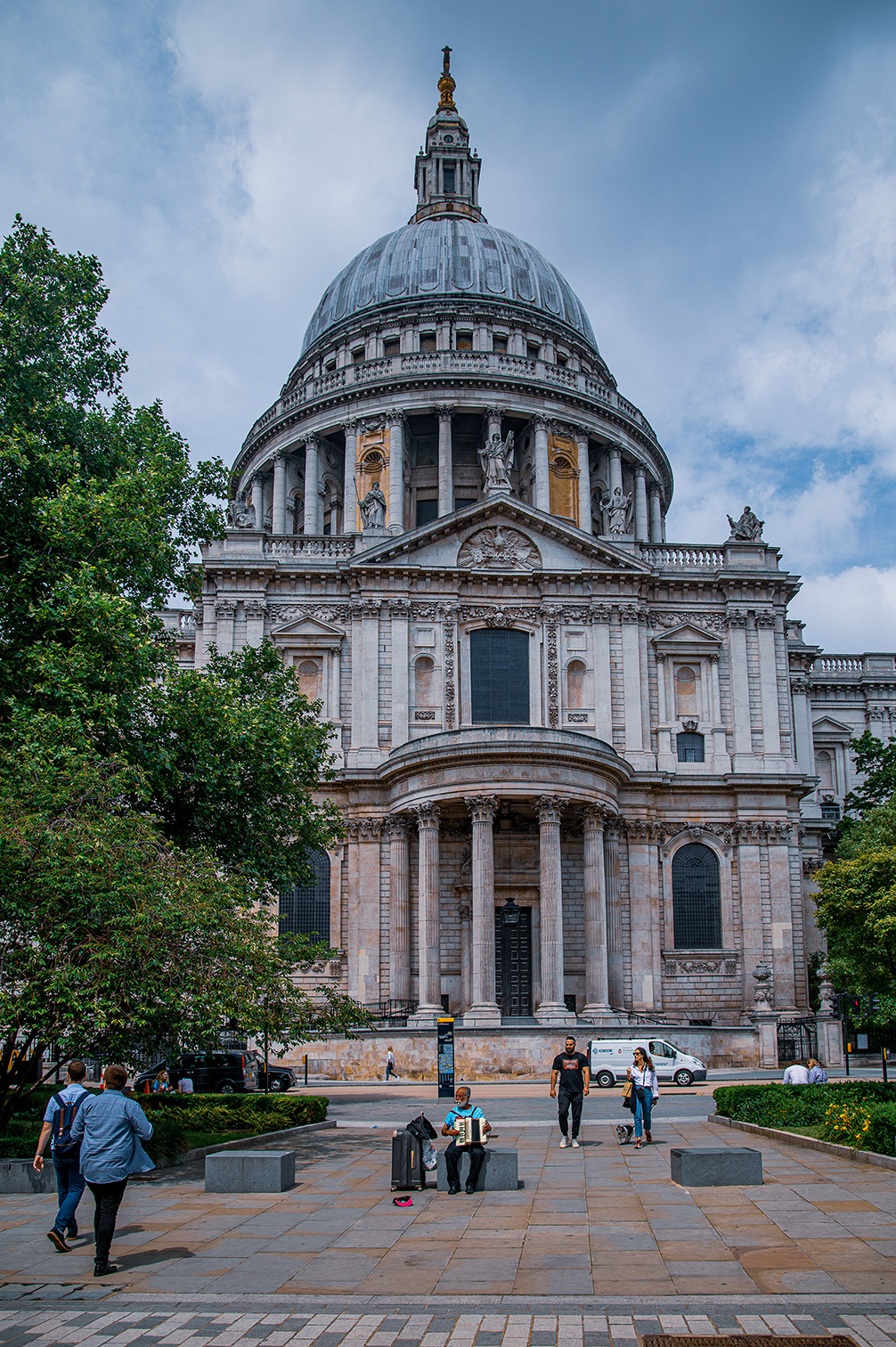
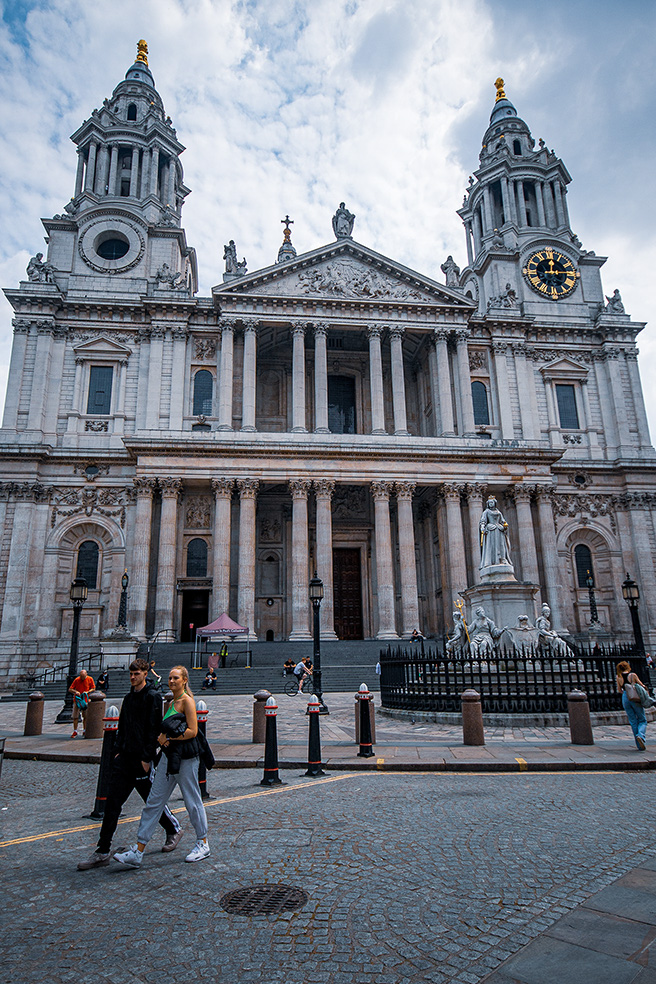






St Paul’s Cathedral is one of London’s most iconic landmarks, a masterpiece of English Baroque architecture, and a symbol of the city’s resilience and history.
Historical Overview
Origins:
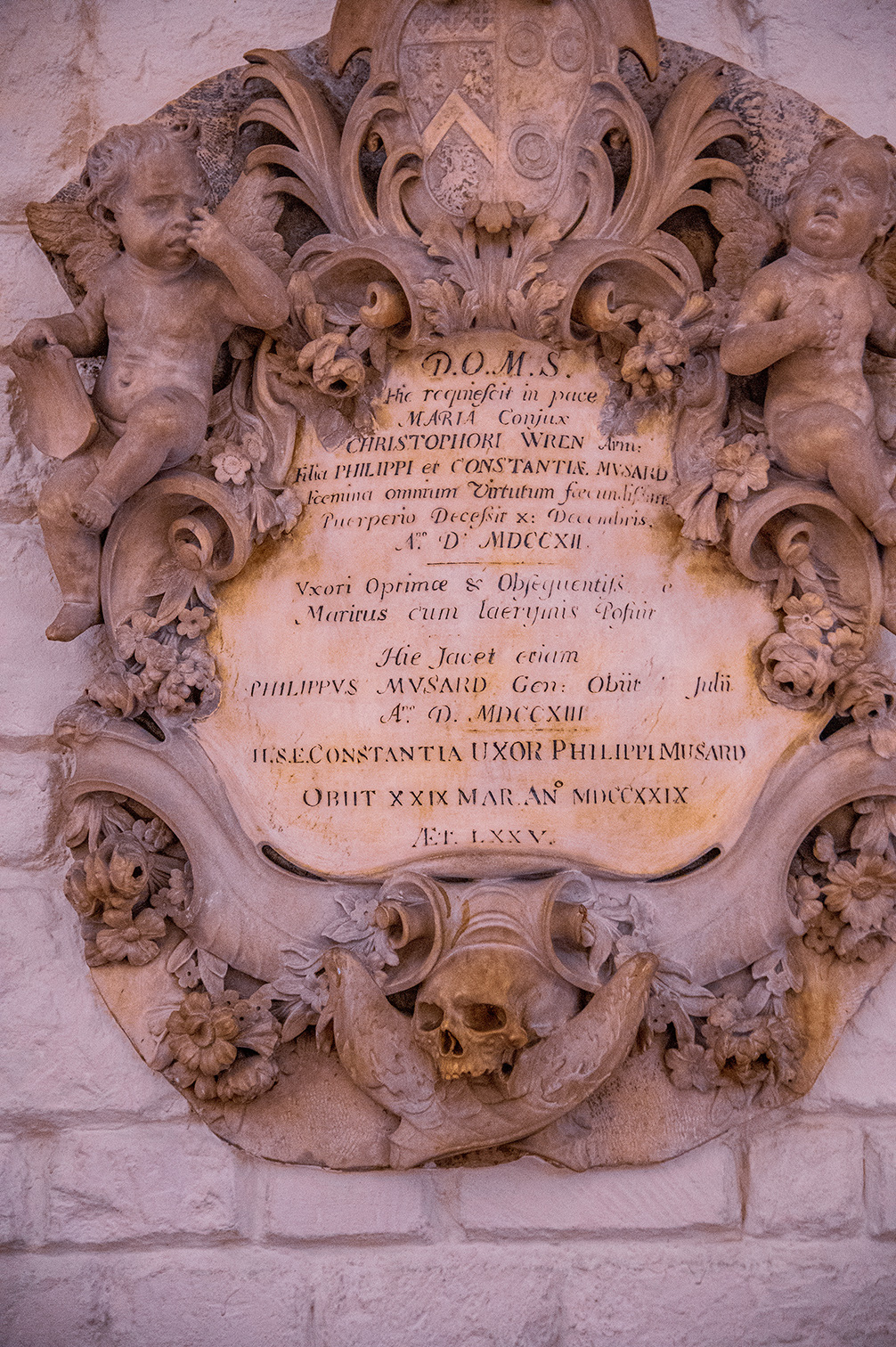
The first church on the site was built in 604 AD by St Mellitus, the first Bishop of London. Over the centuries, several cathedrals were built and destroyed by fire and Viking raids. The medieval Old St Paul’s Cathedral (completed in 1314) was a Gothic masterpiece and the largest church in England until it was destroyed in the Great Fire of London (1666).Rebuilding by Christopher Wren:
After the Great Fire, Sir Christopher Wren was commissioned to design a new cathedral. Construction began in 1675 and was completed in 1710. Wren’s design was inspired by Renaissance and Baroque styles, featuring a grand dome and classical proportions.Architectural Features
The Dome:
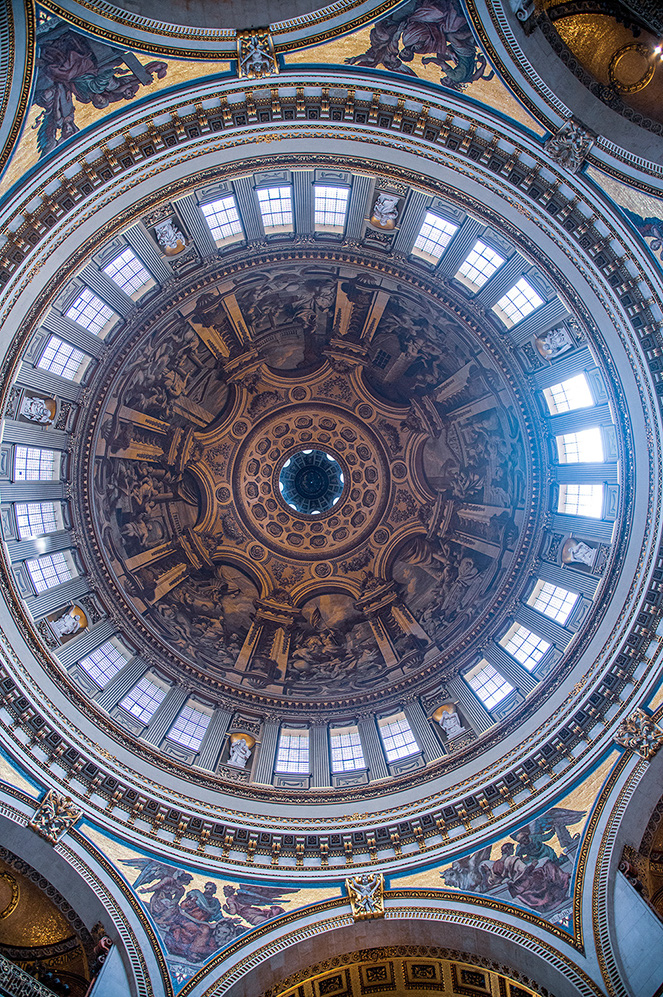
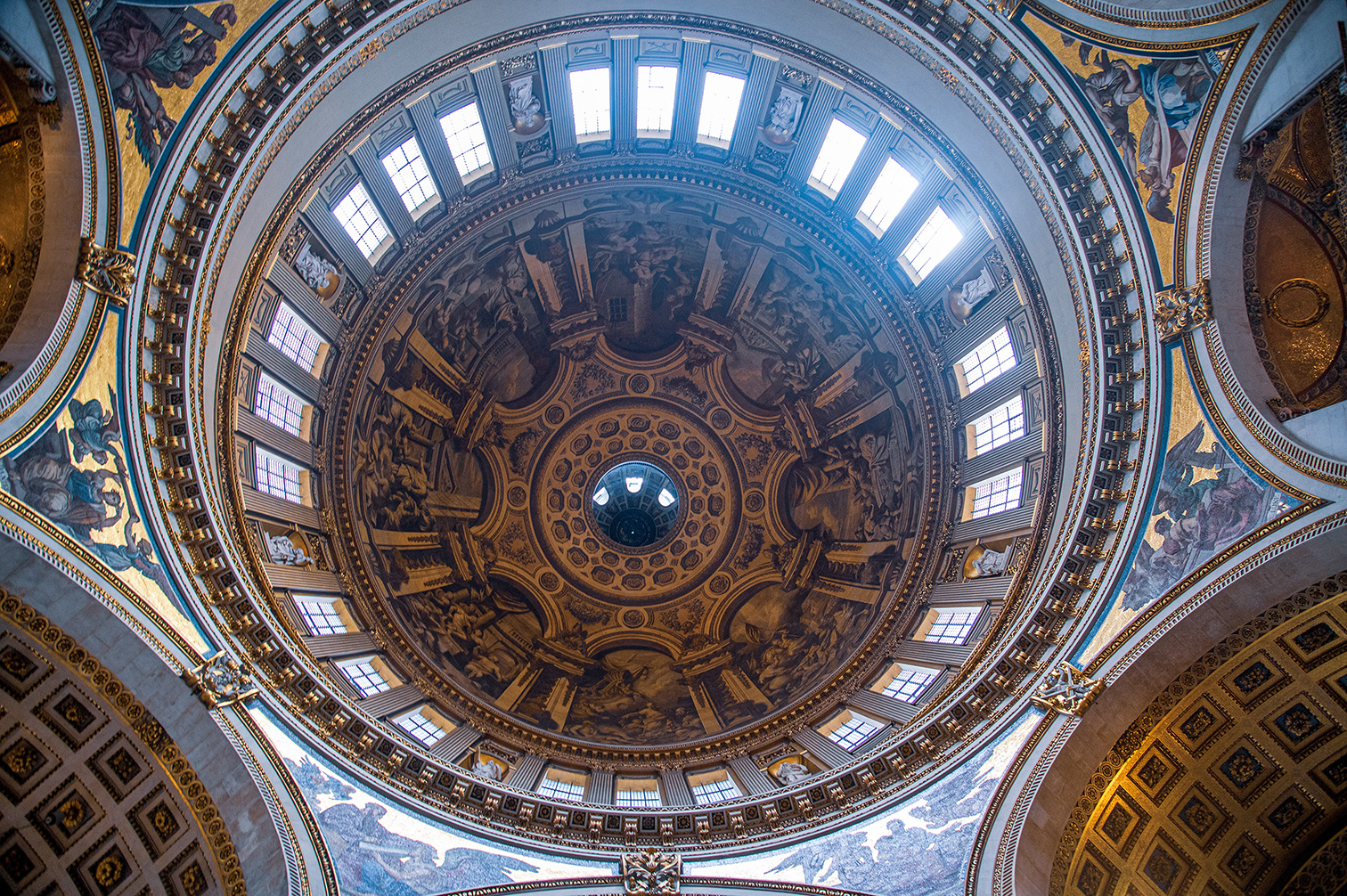
St Paul’s is famous for its massive dome, which is 365 feet (111 meters) high—the second-largest church dome in the world after St Peter’s Basilica in Rome. The dome has three shells: an outer dome (visible from outside), a structural brick cone, and an inner dome (decorated with frescoes). Visitors can climb to the Whispering Gallery, Stone Gallery, and Golden Gallery for panoramic views of London.Interior:
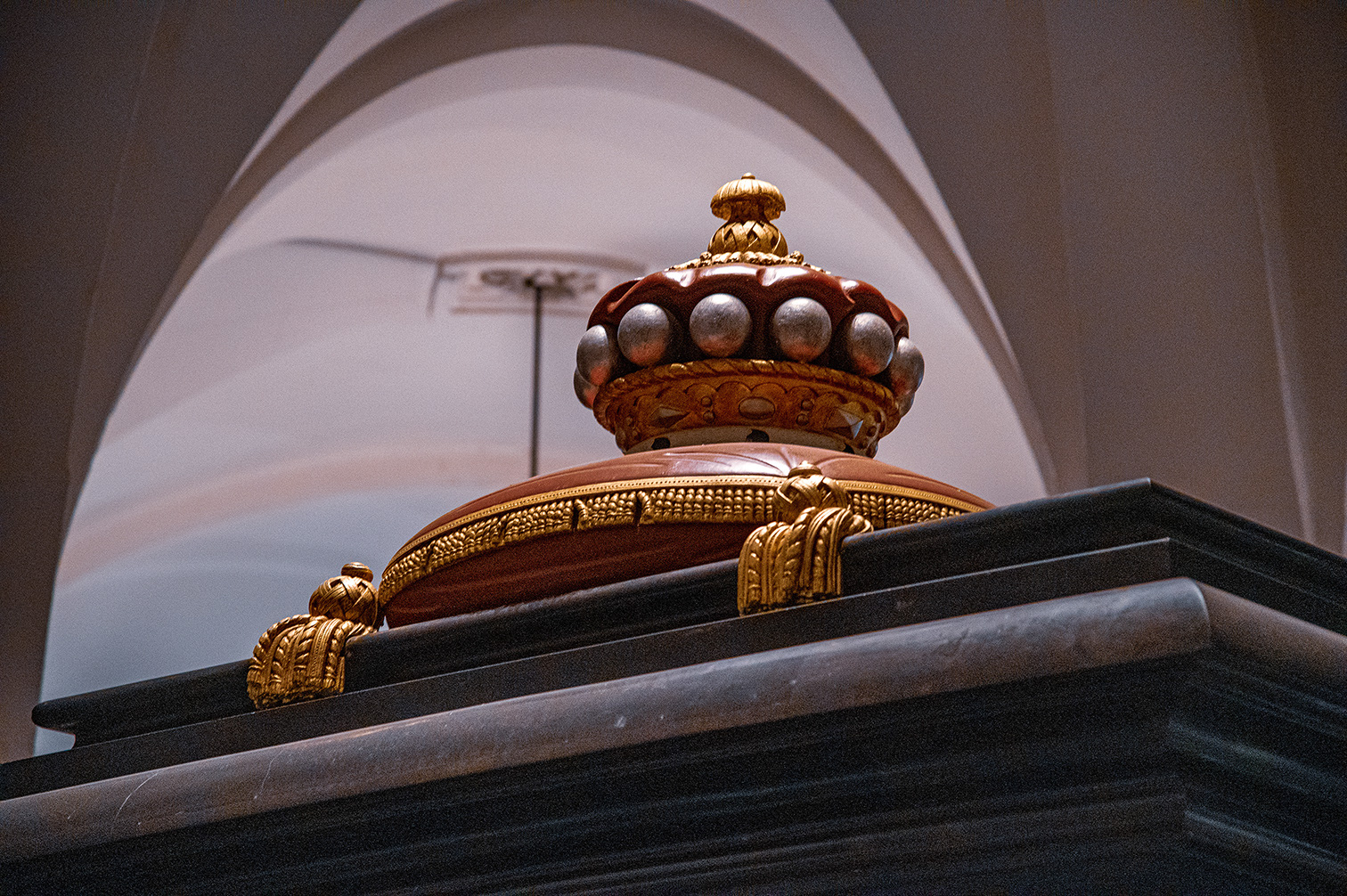
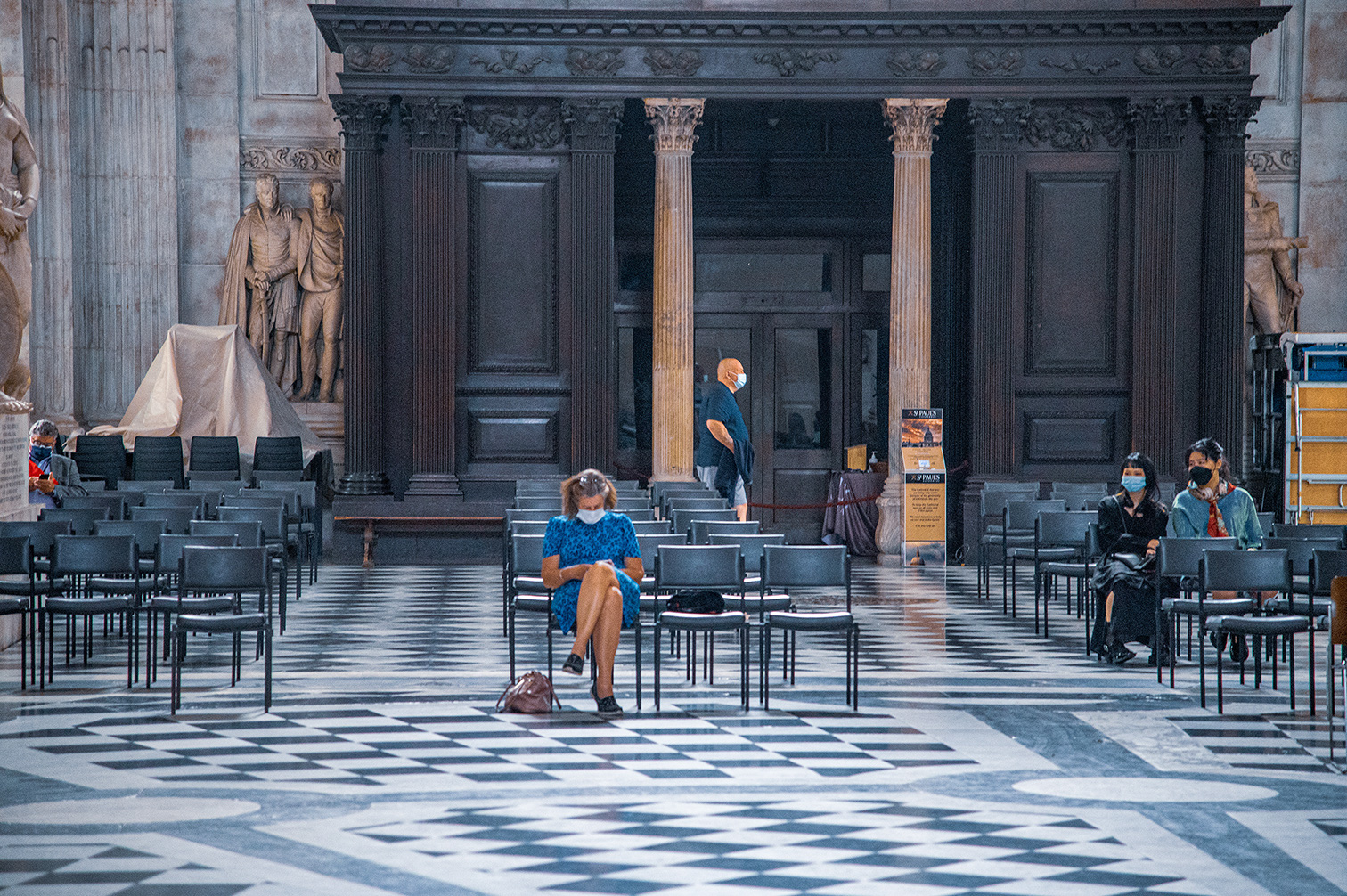
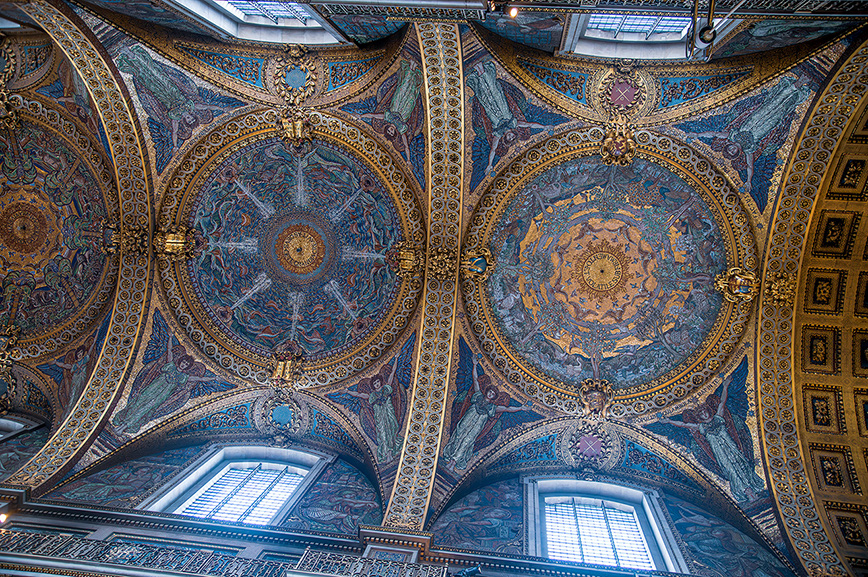
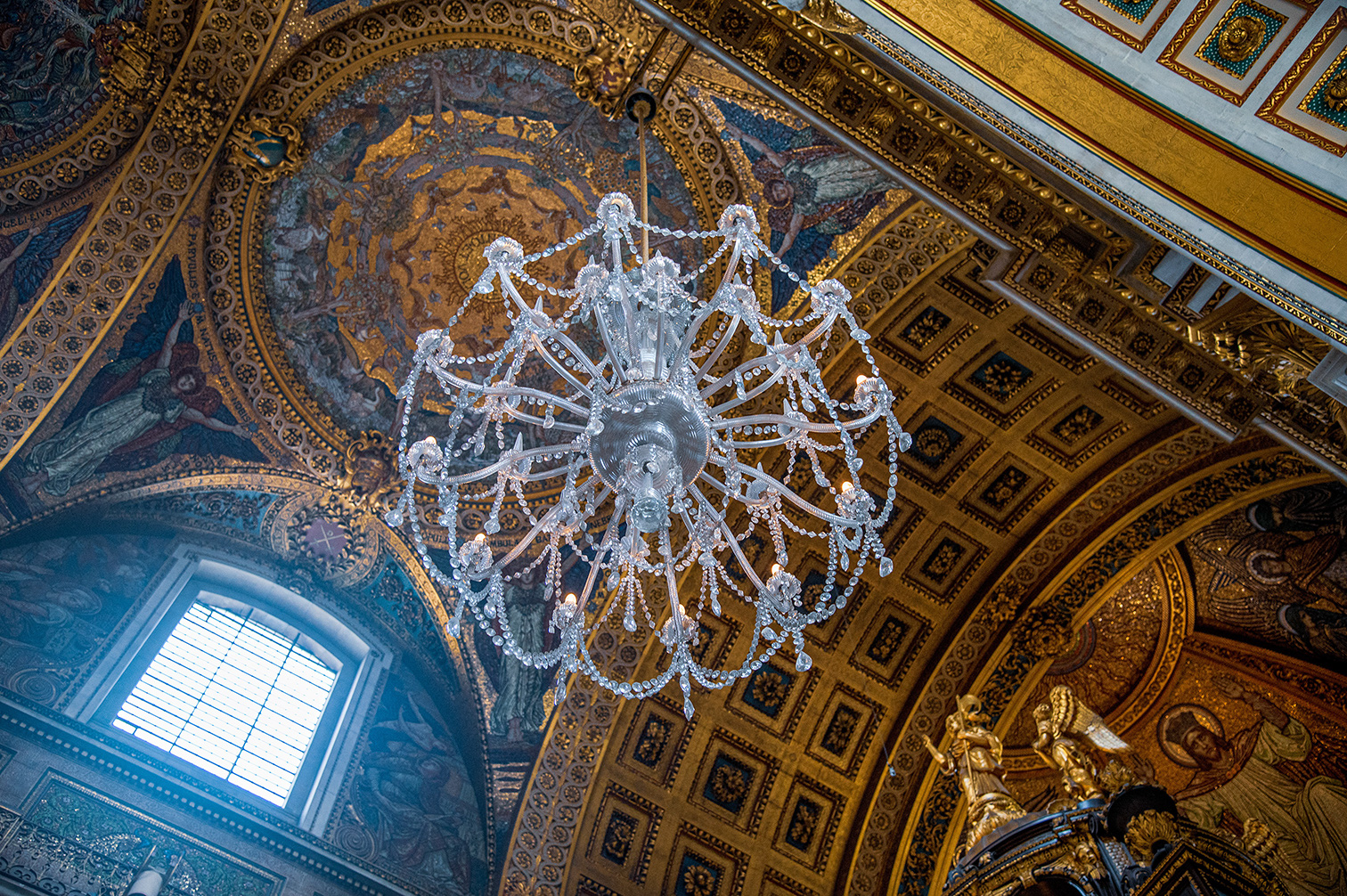
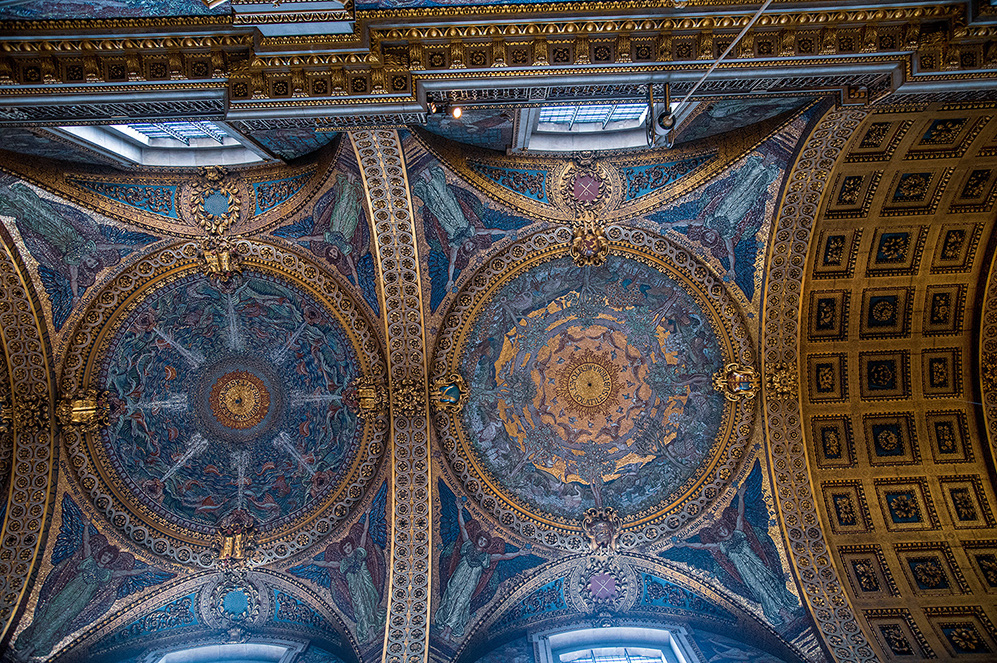
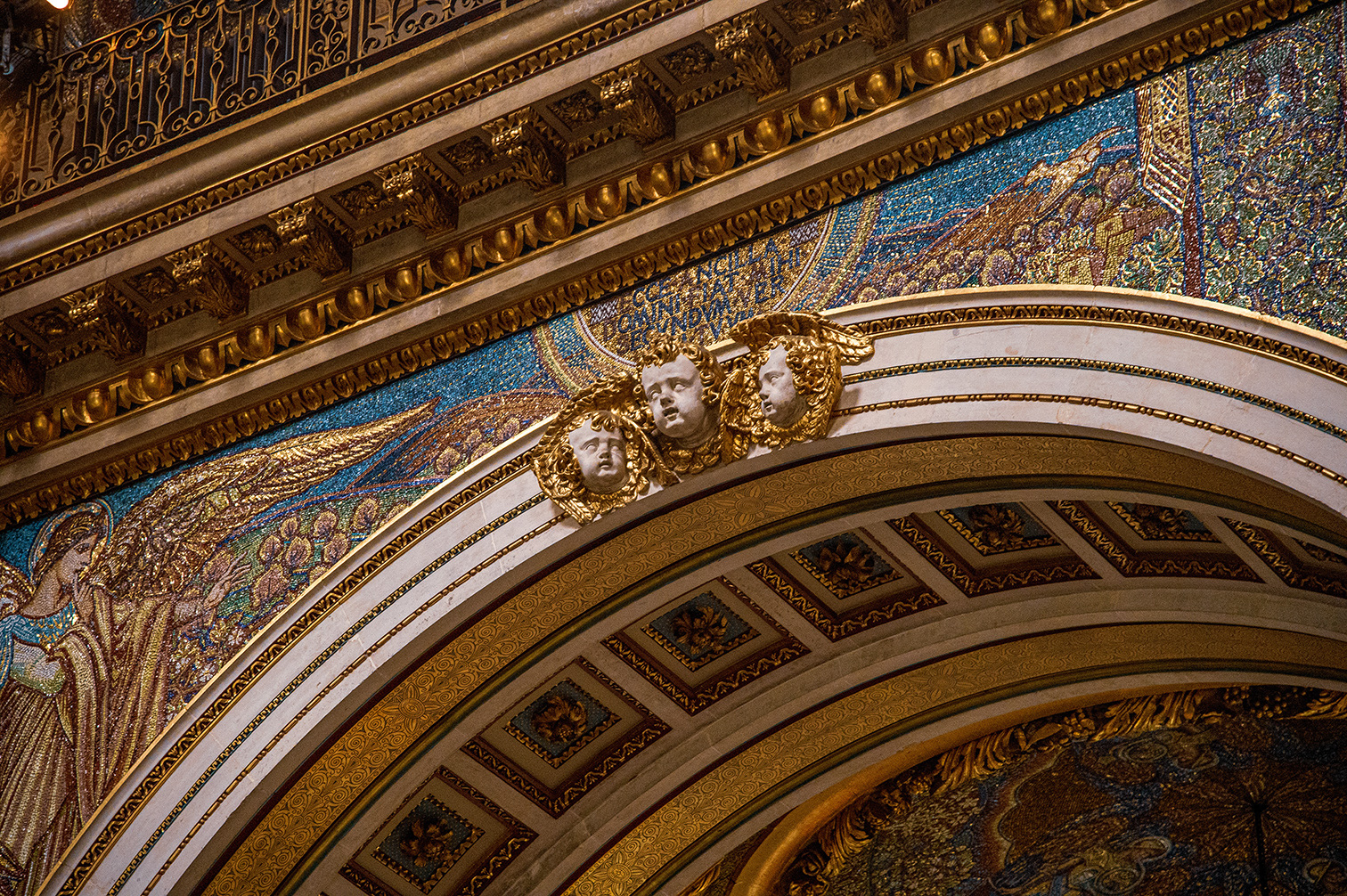
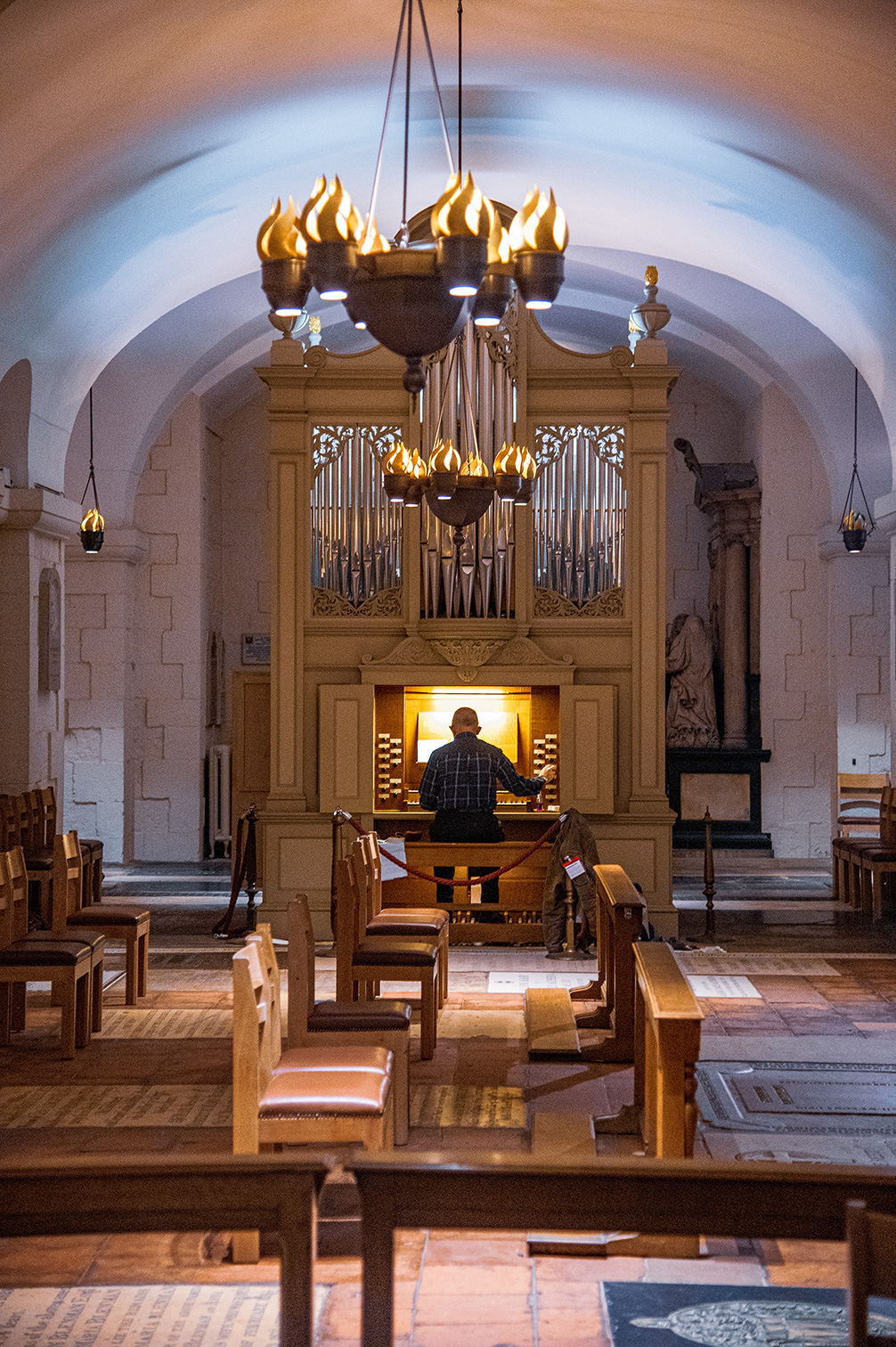
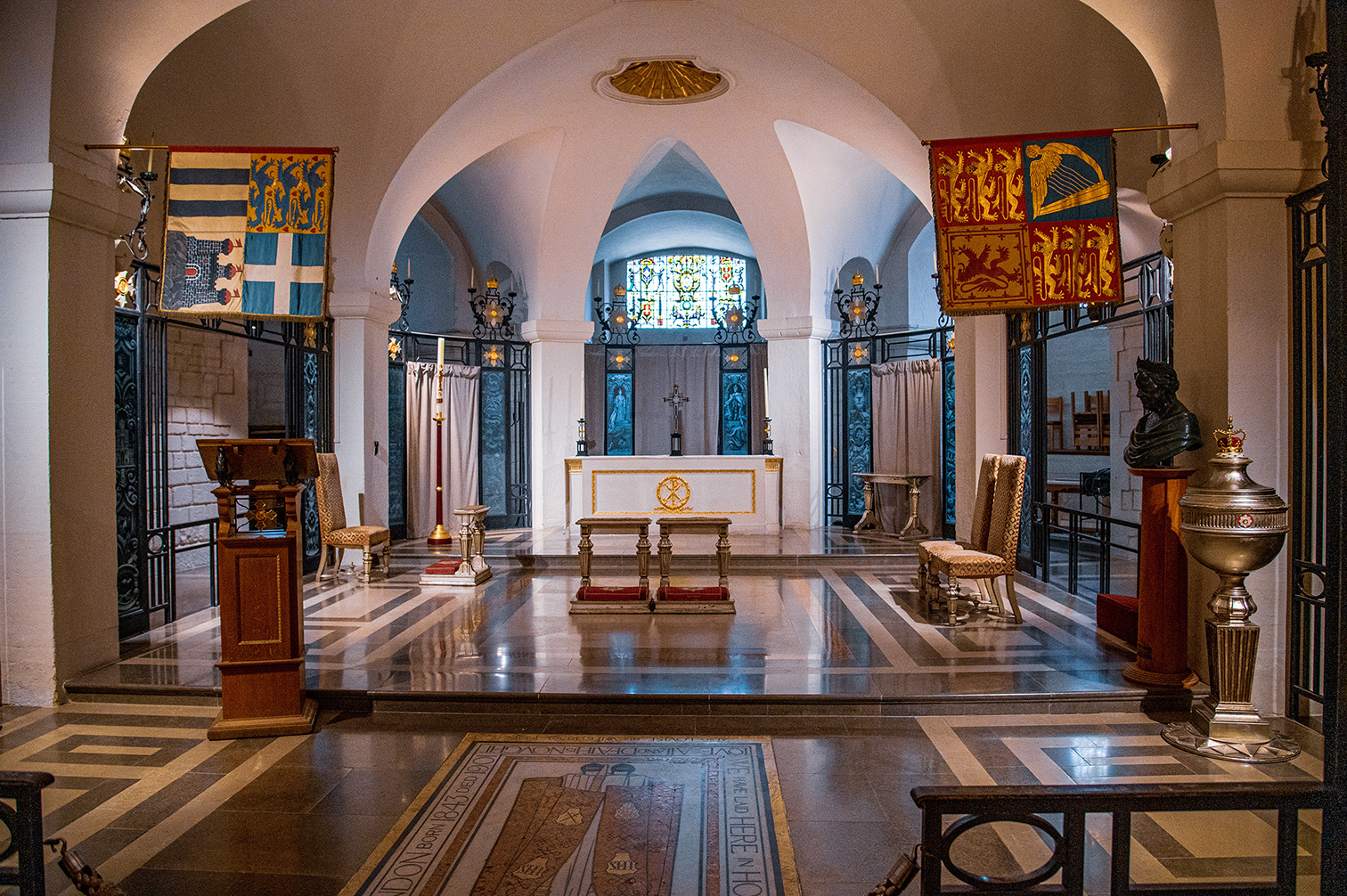
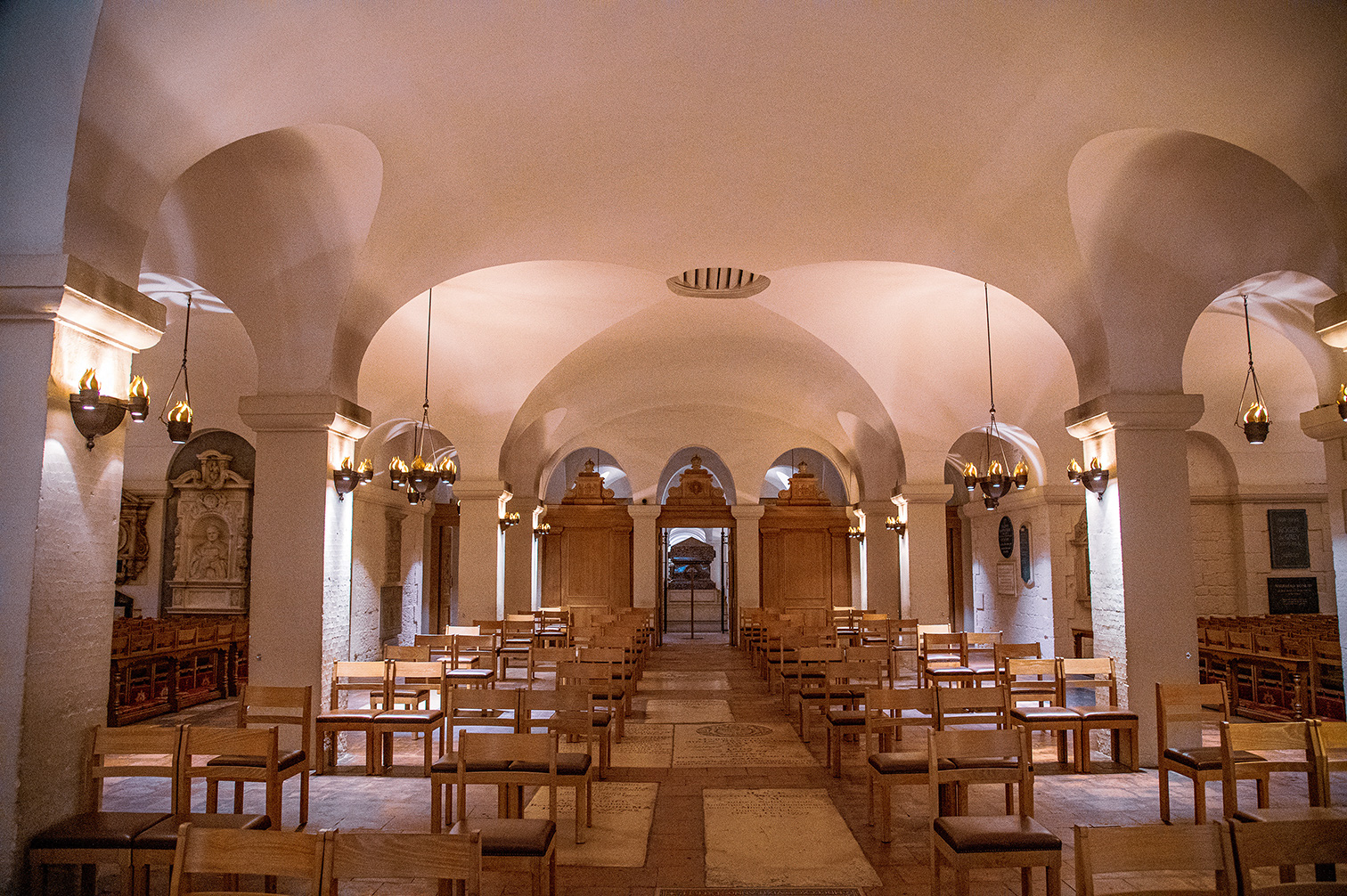
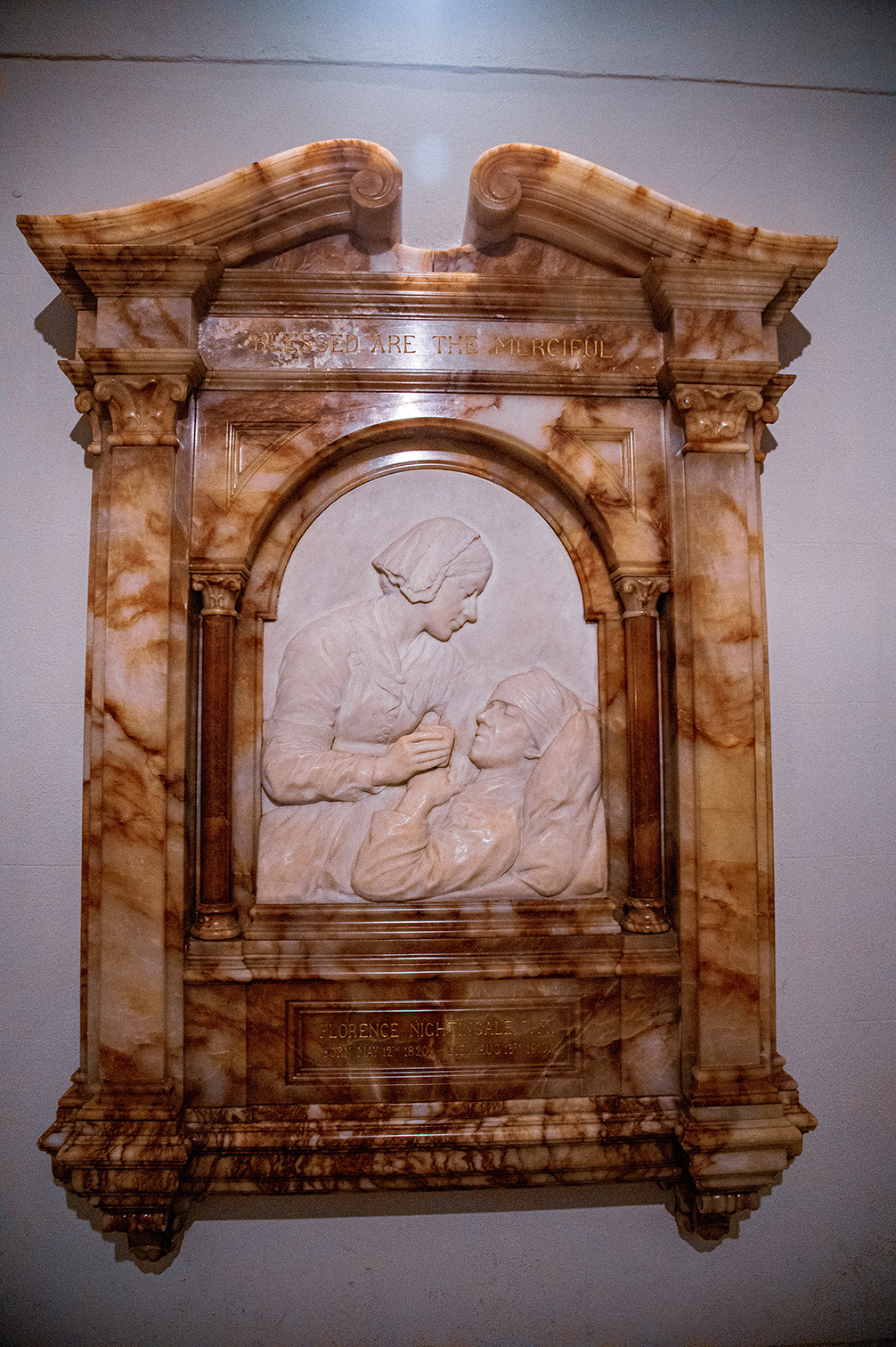
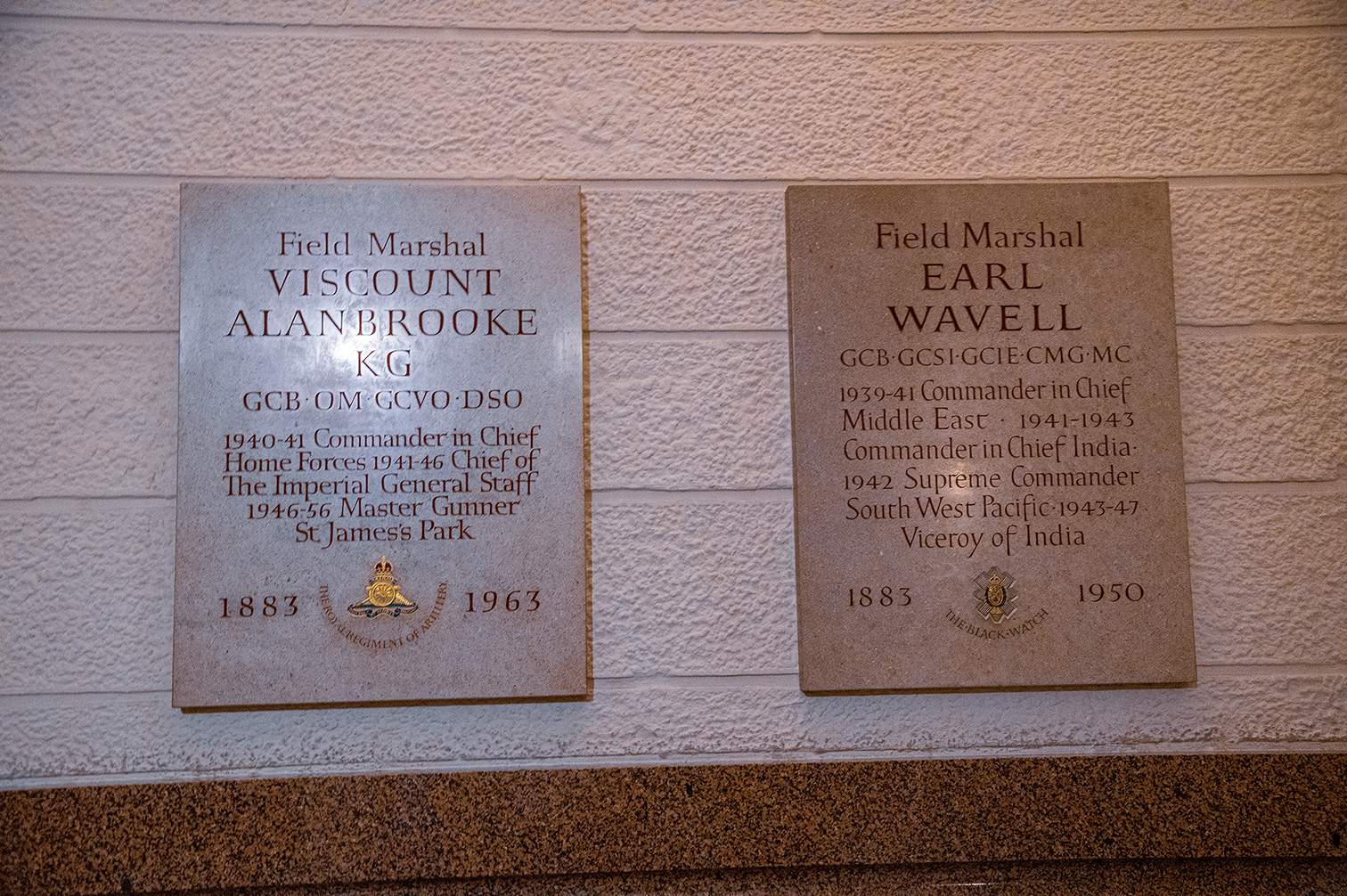
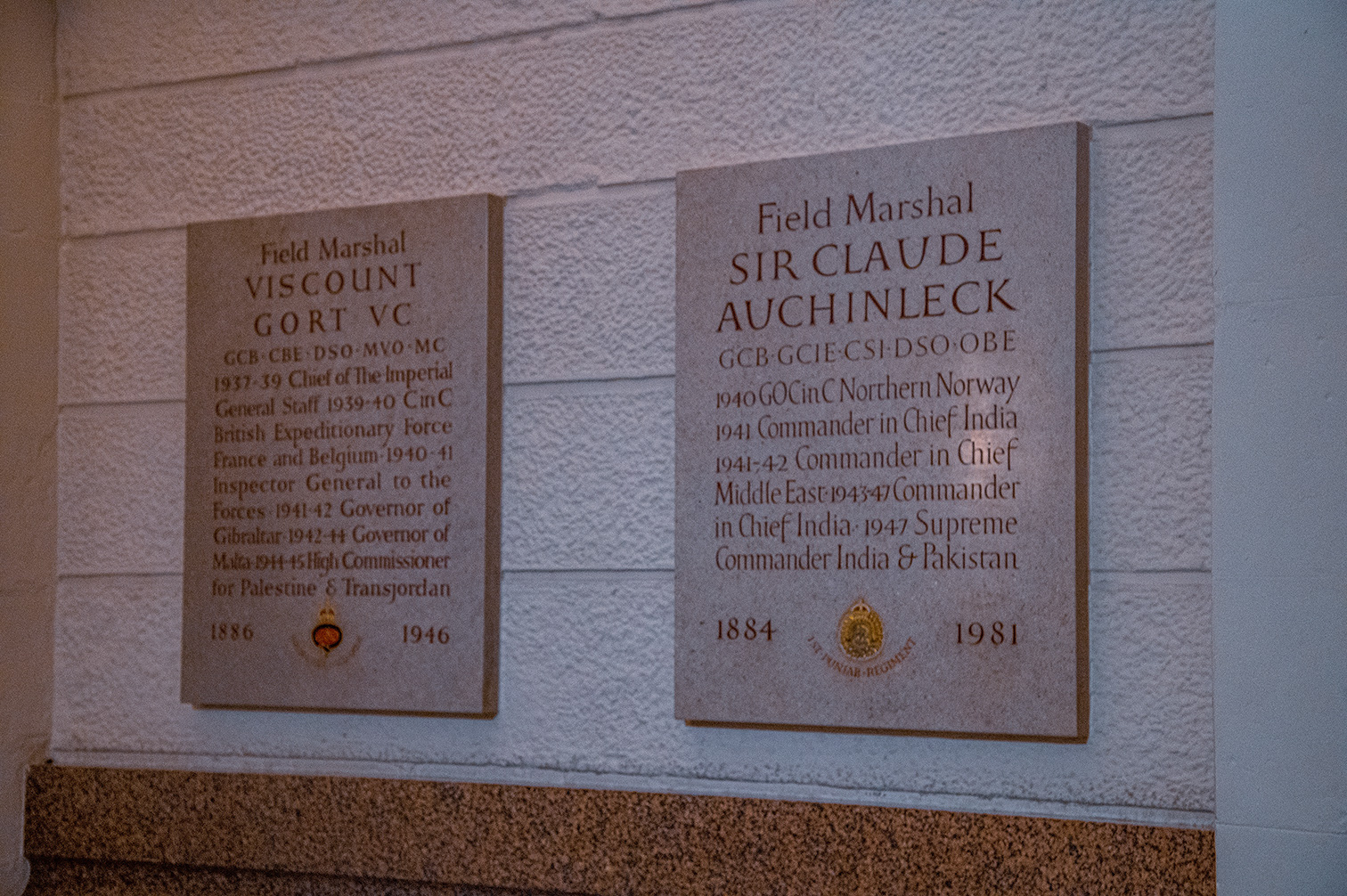
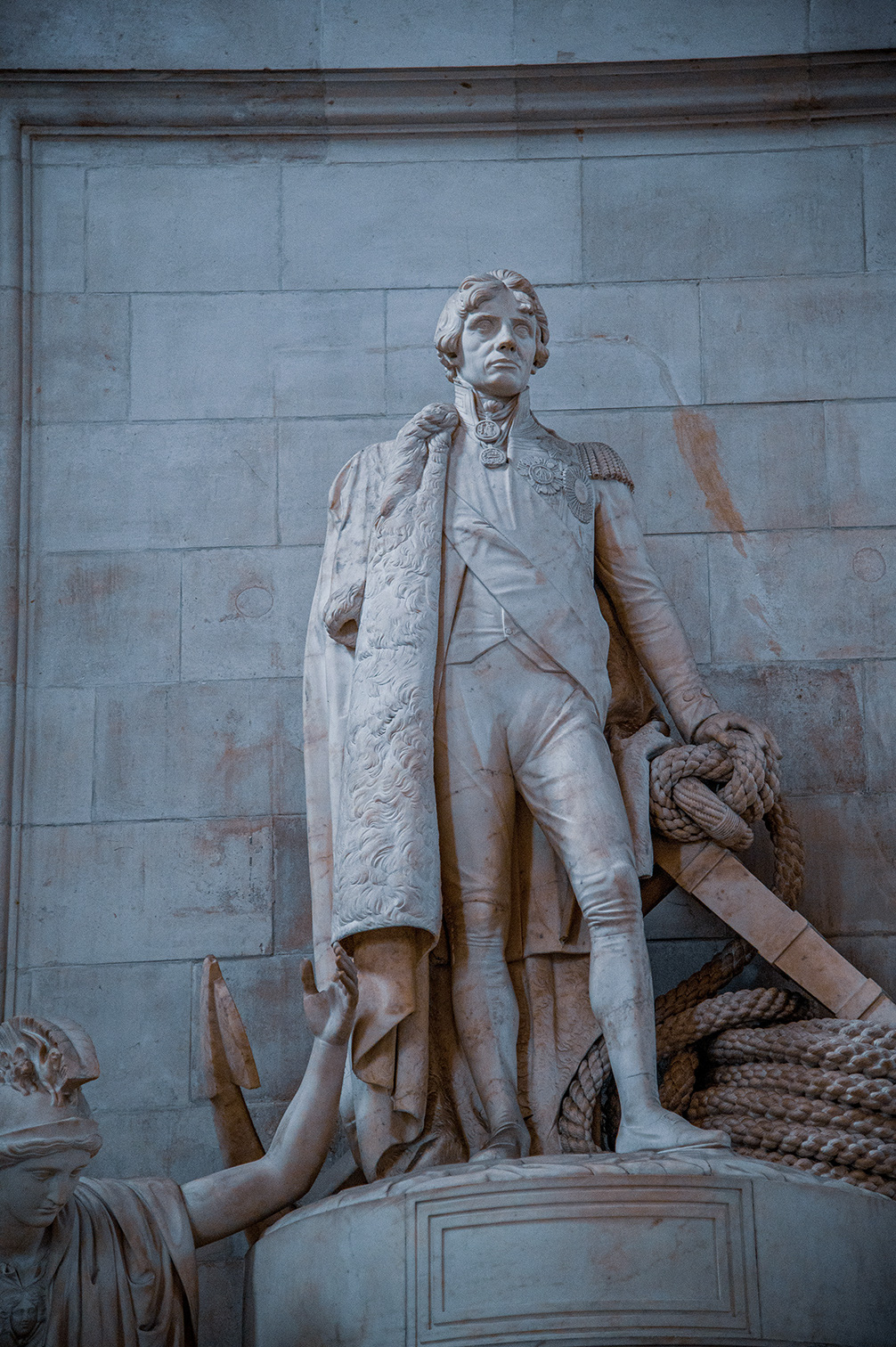
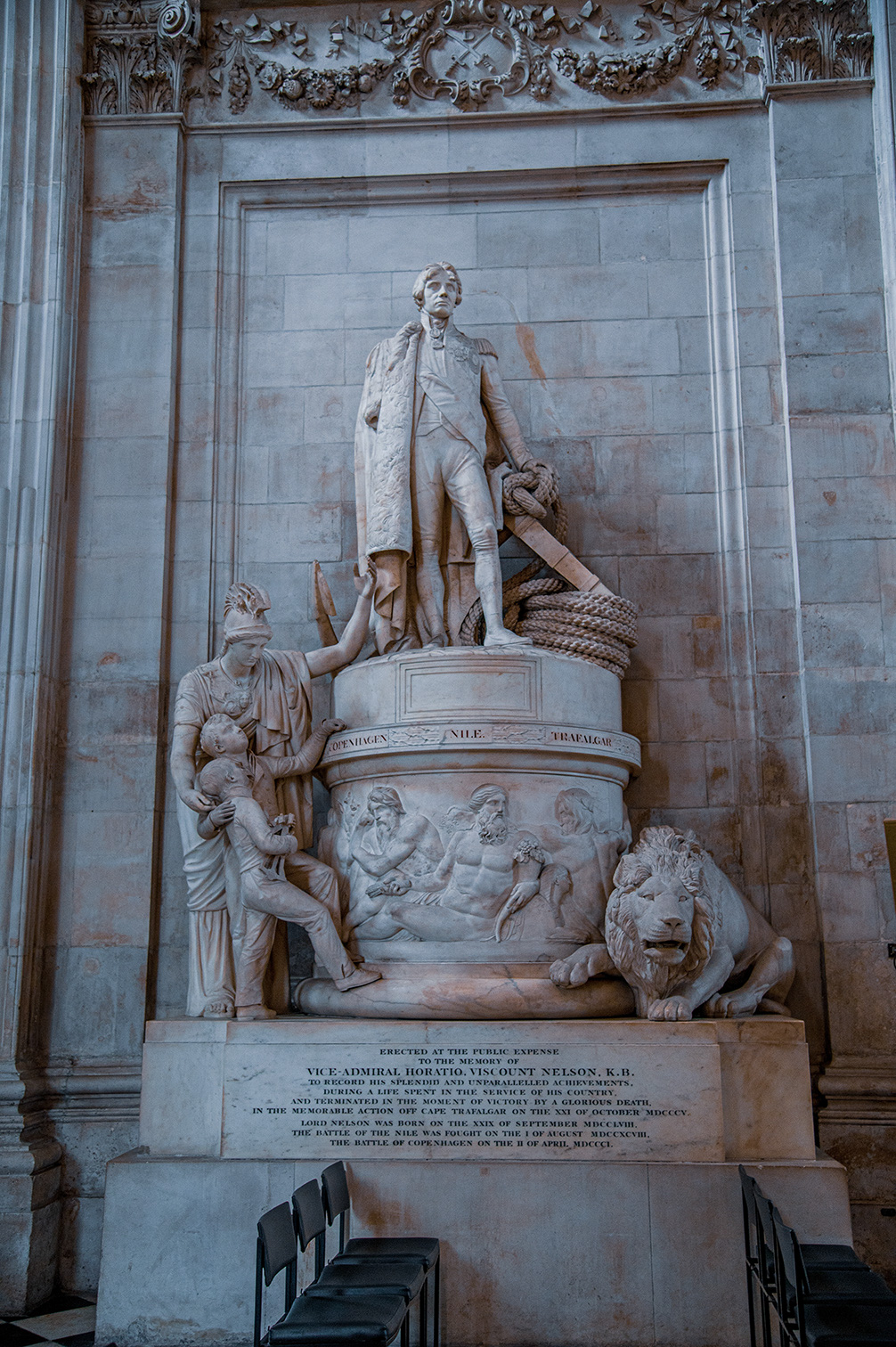
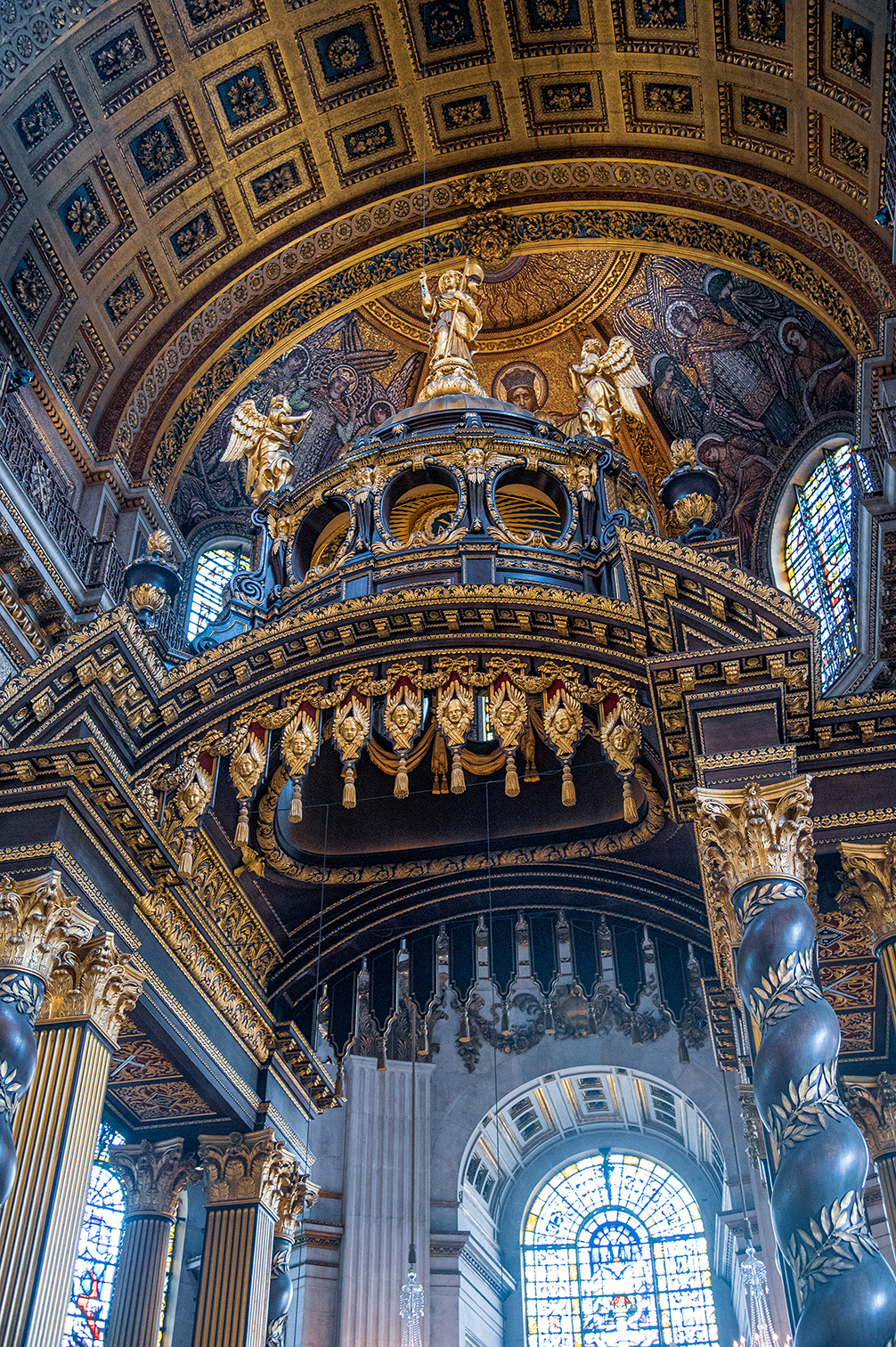
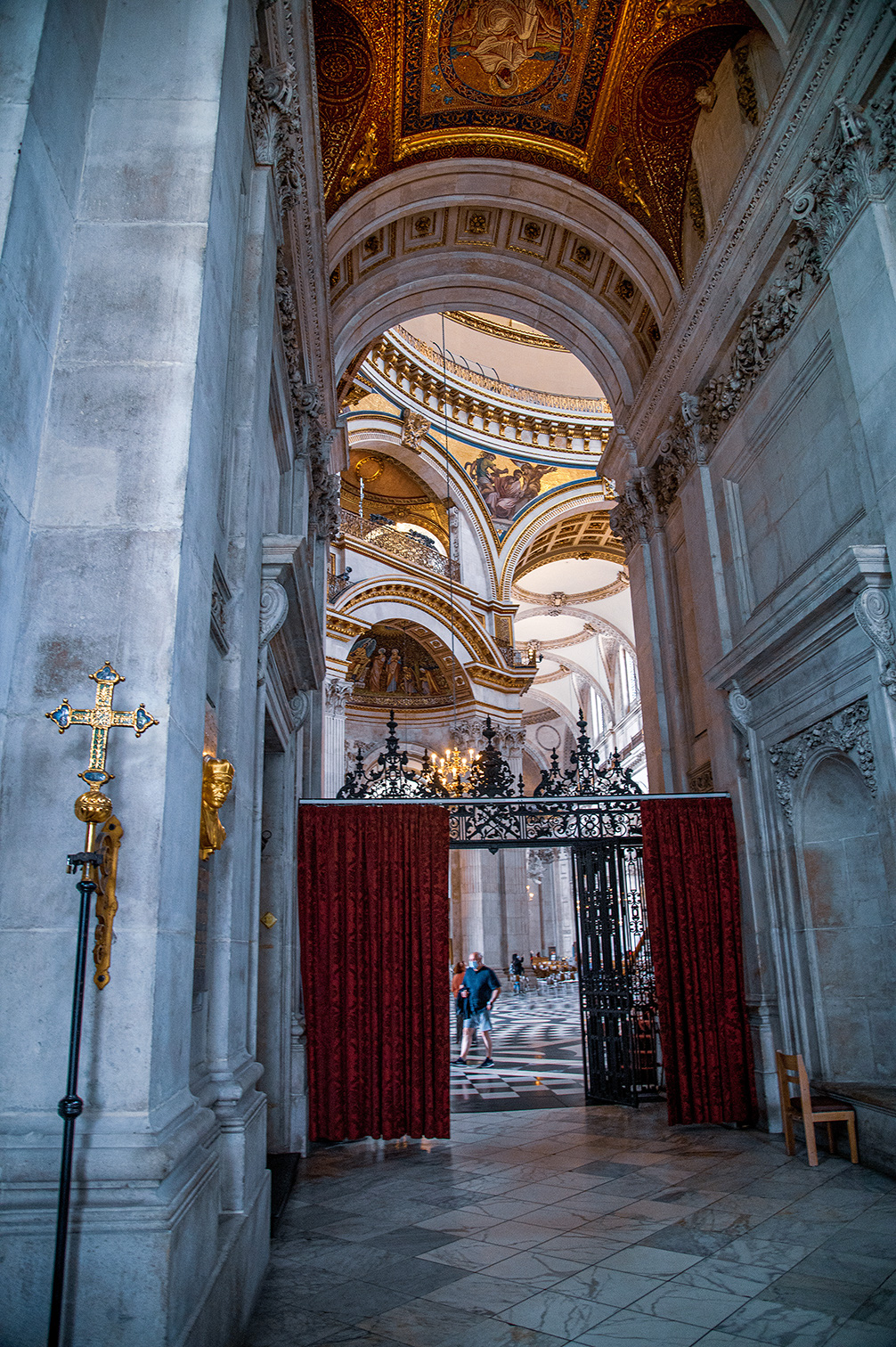
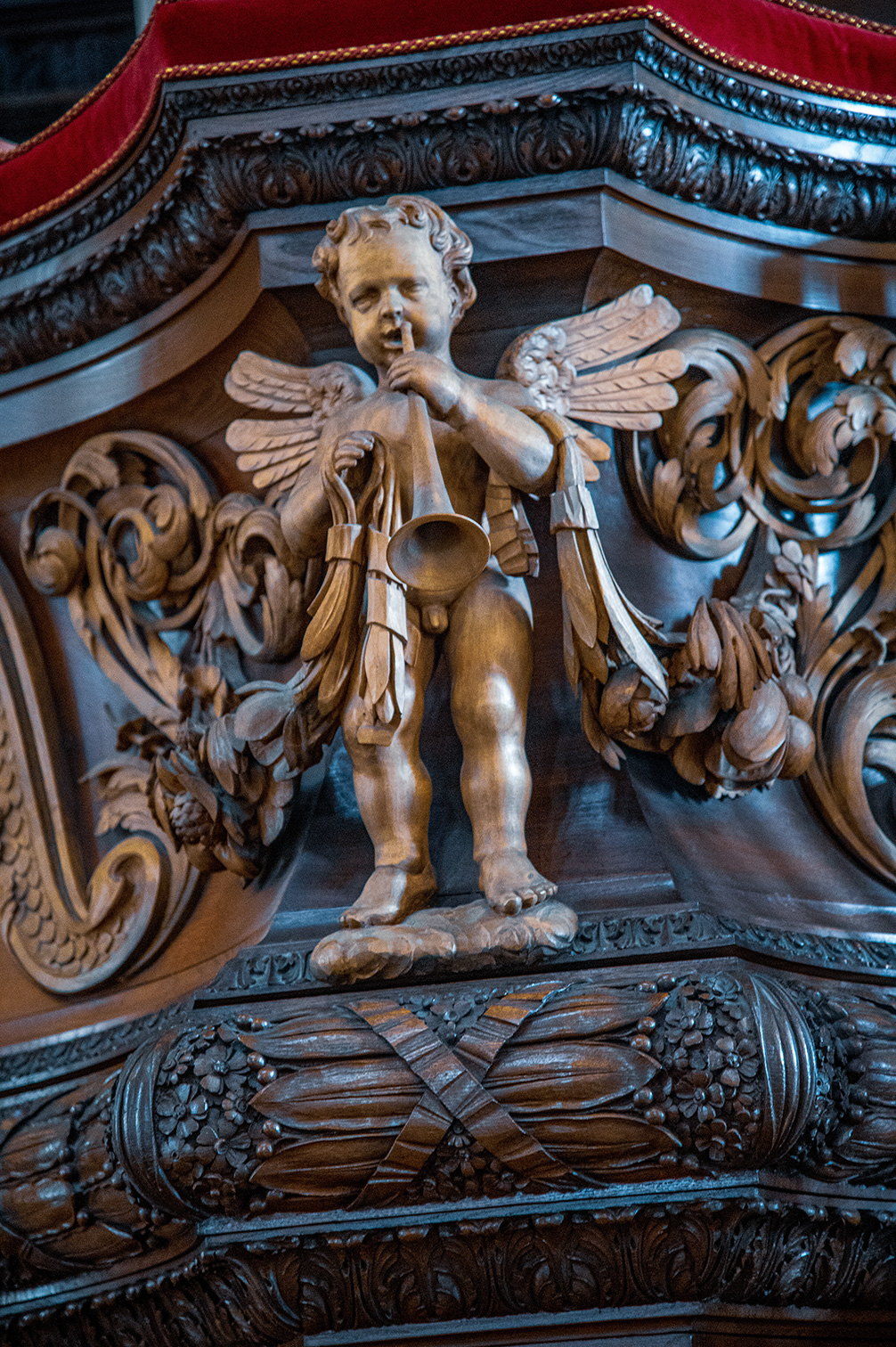
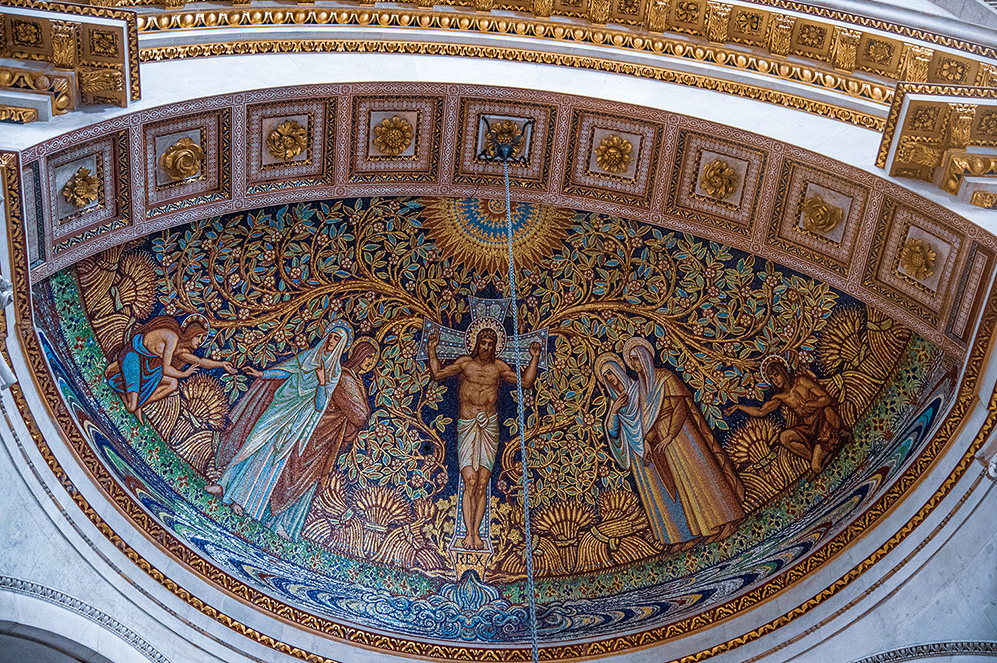
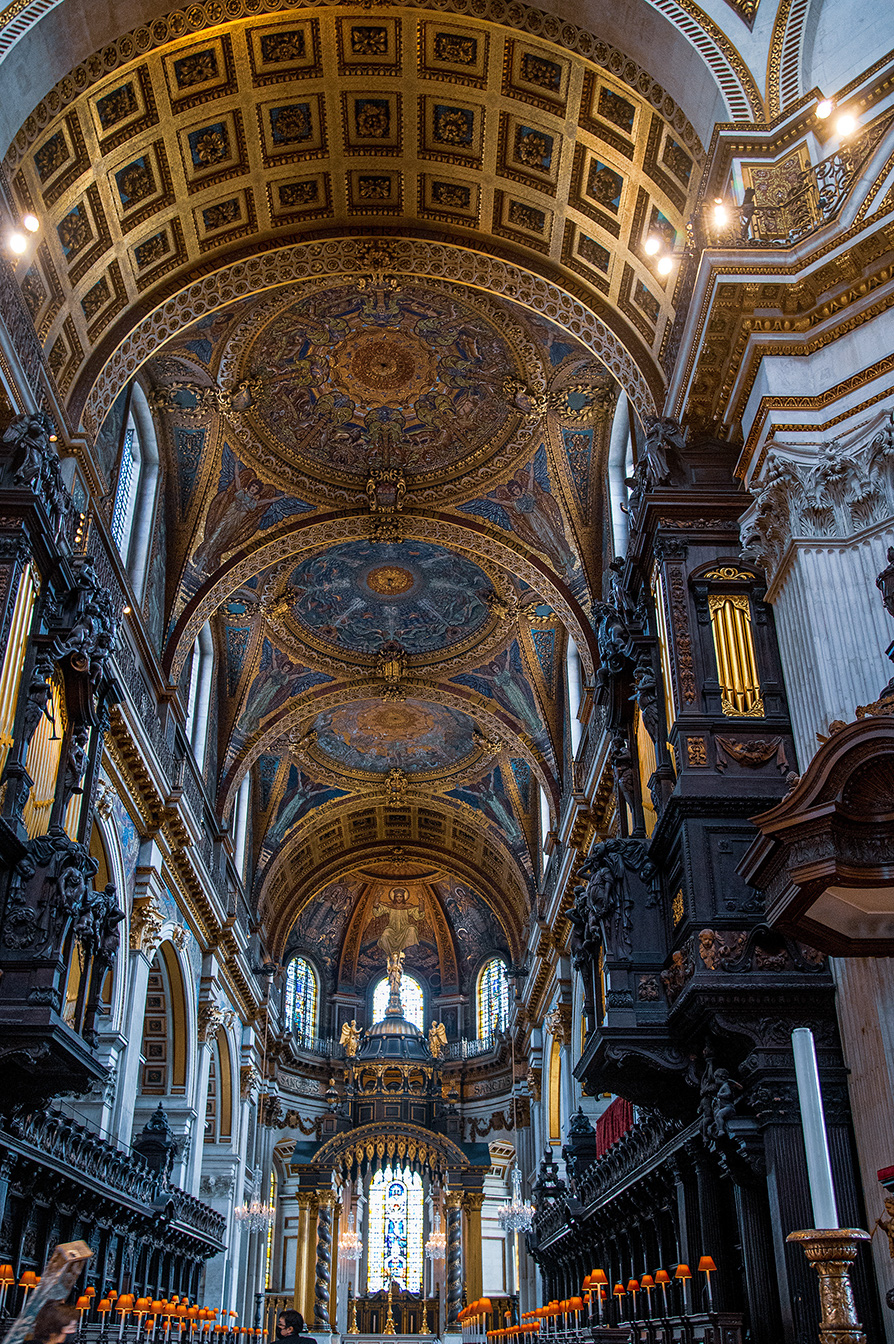
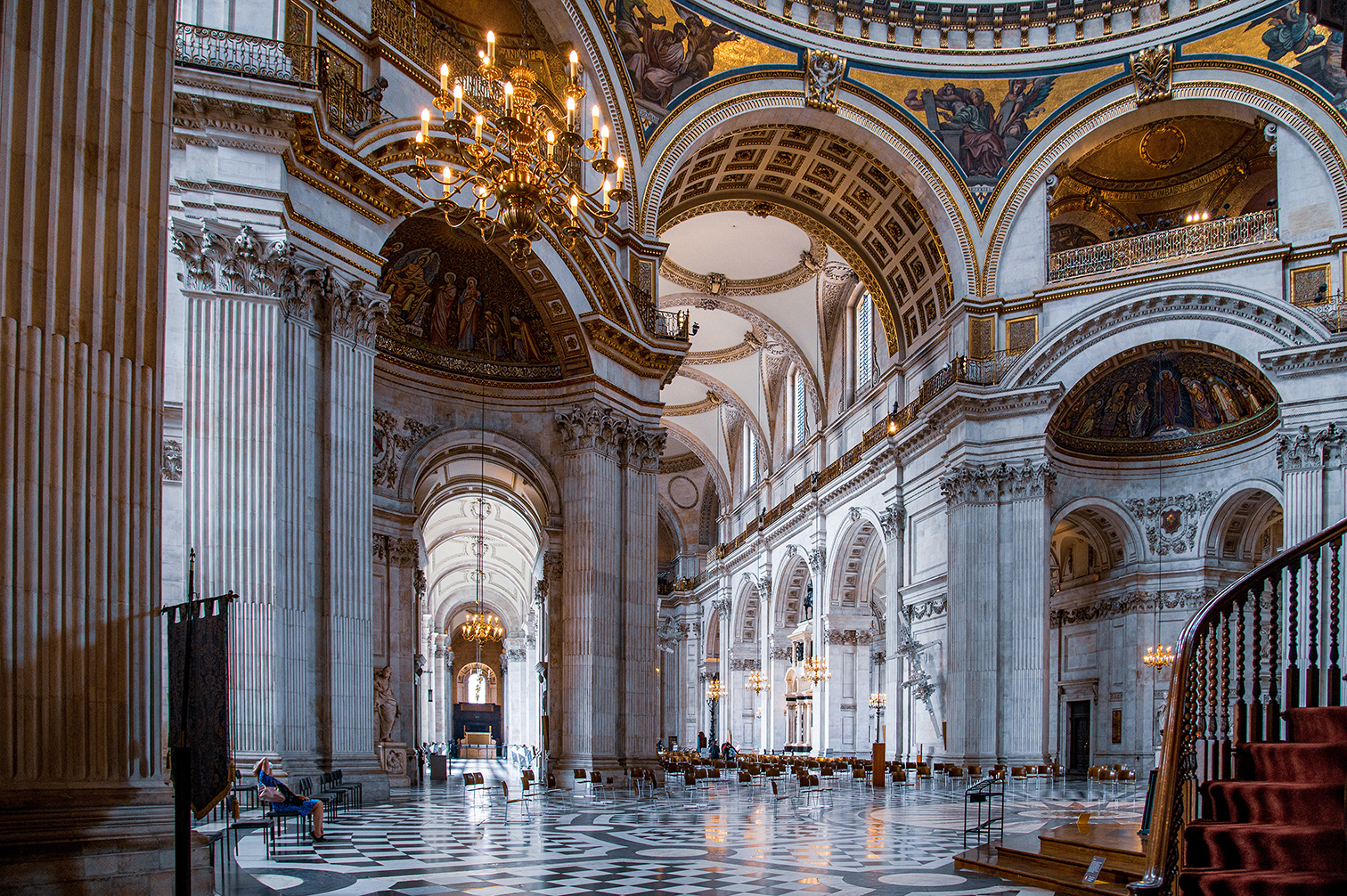
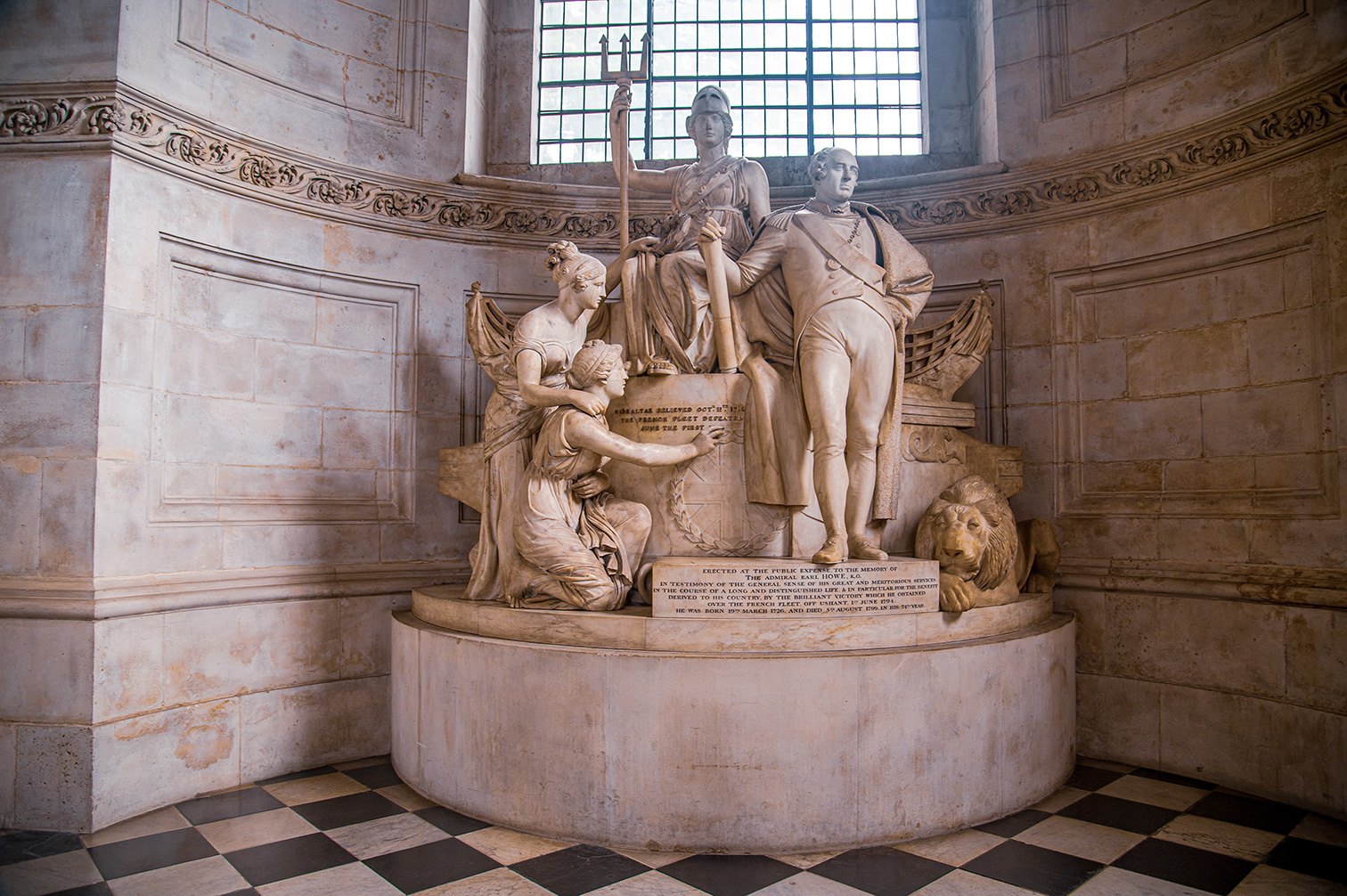
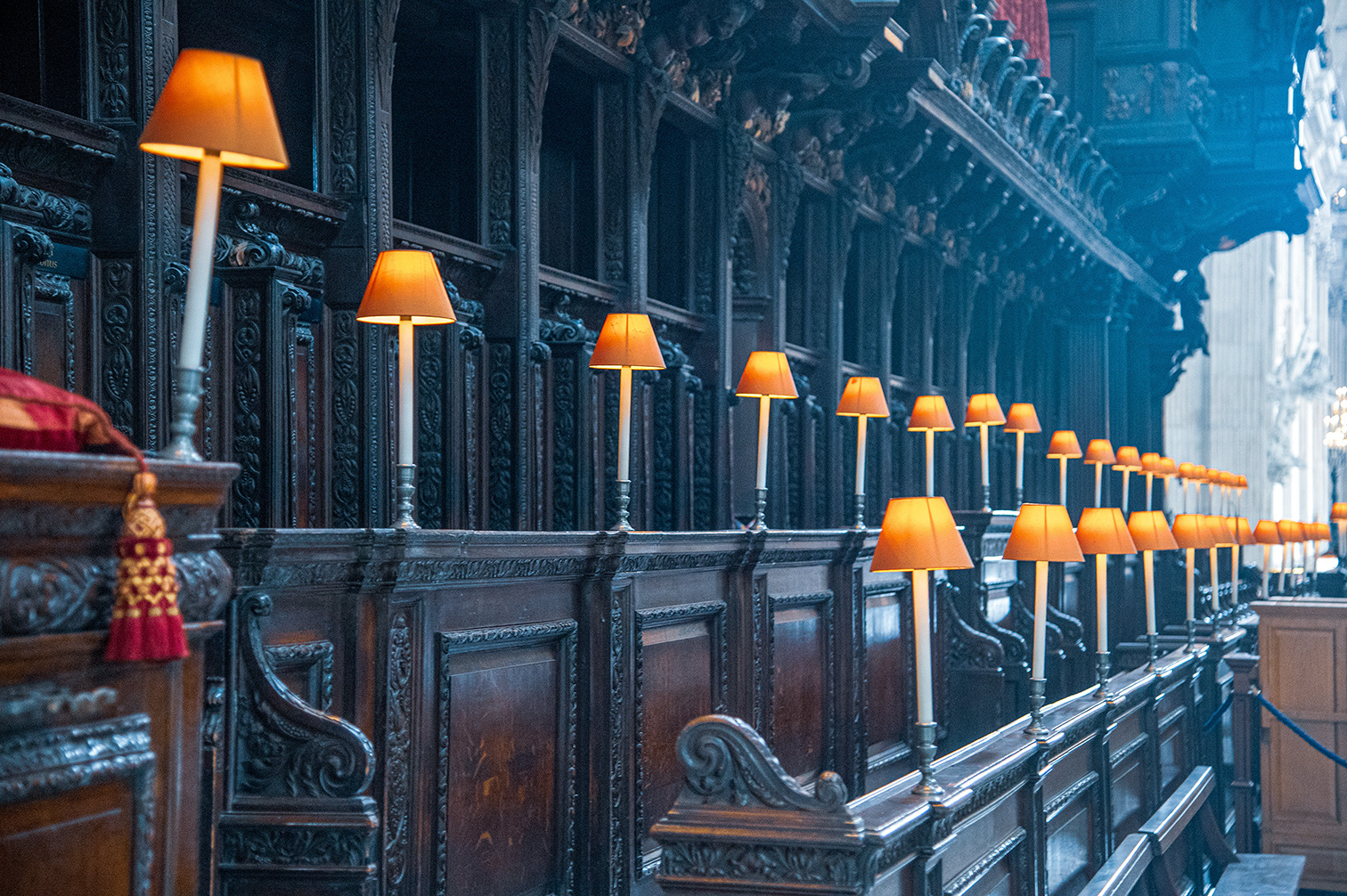
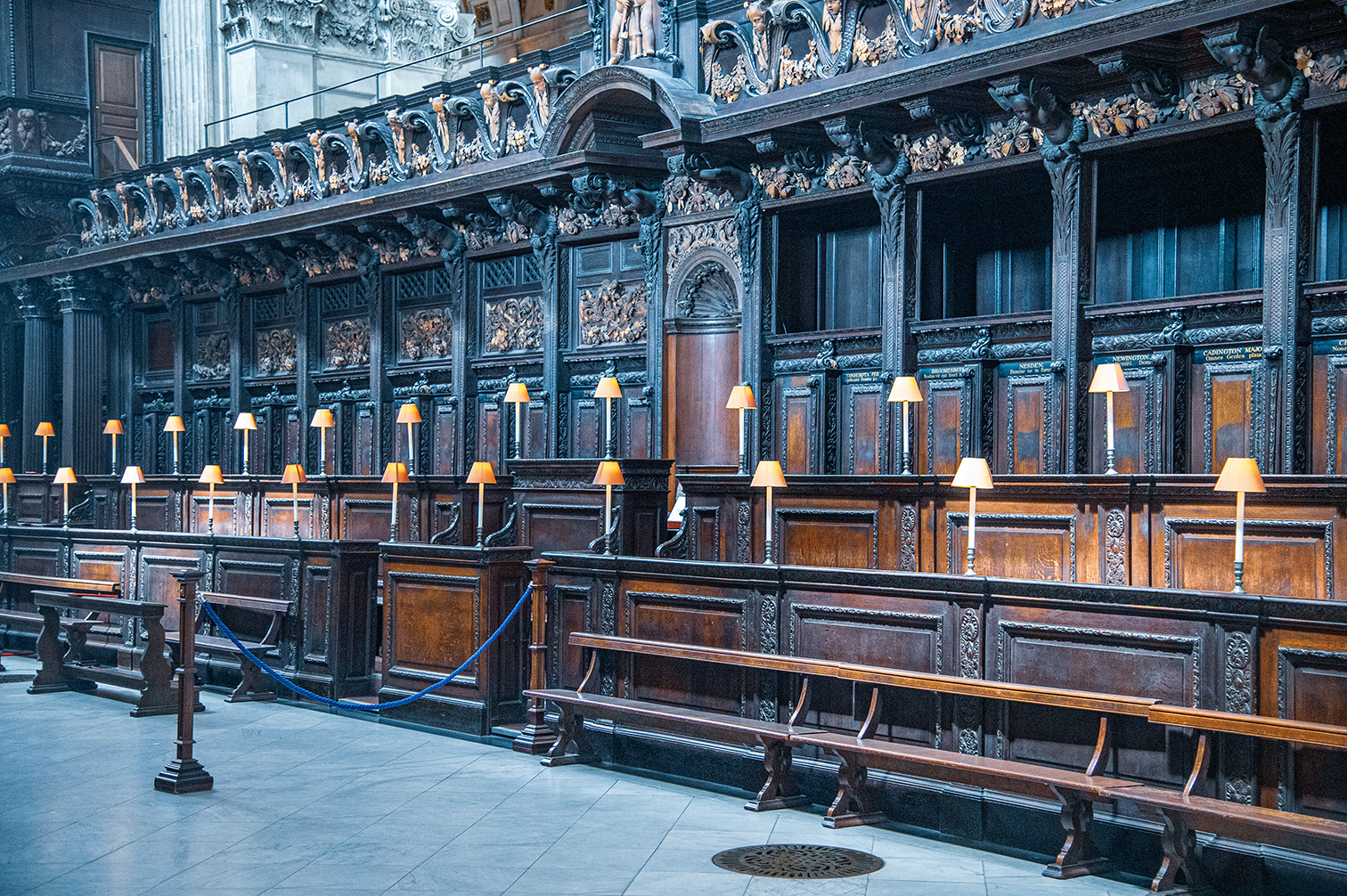
The cathedral’s interior features ornate mosaics, intricate carvings, and the famous Great West Door. The quires, chapels, and crypt house monuments to British heroes, including Admiral Nelson and the Duke of Wellington. Survival During the Blitz: St Paul’s became a symbol of hope during World War II, surviving the Blitz despite heavy bombing. Its dome was a beacon of resilience for Londoners.Cultural and Historical Significance
Royal and National Events:
St Paul’s has hosted major state occasions, including:- The wedding of Prince Charles and Lady Diana Spencer (1981)
- The funeral of Sir Winston Churchill (1965)
- Jubilee celebrations, royal thanksgivings, and memorial services.

