
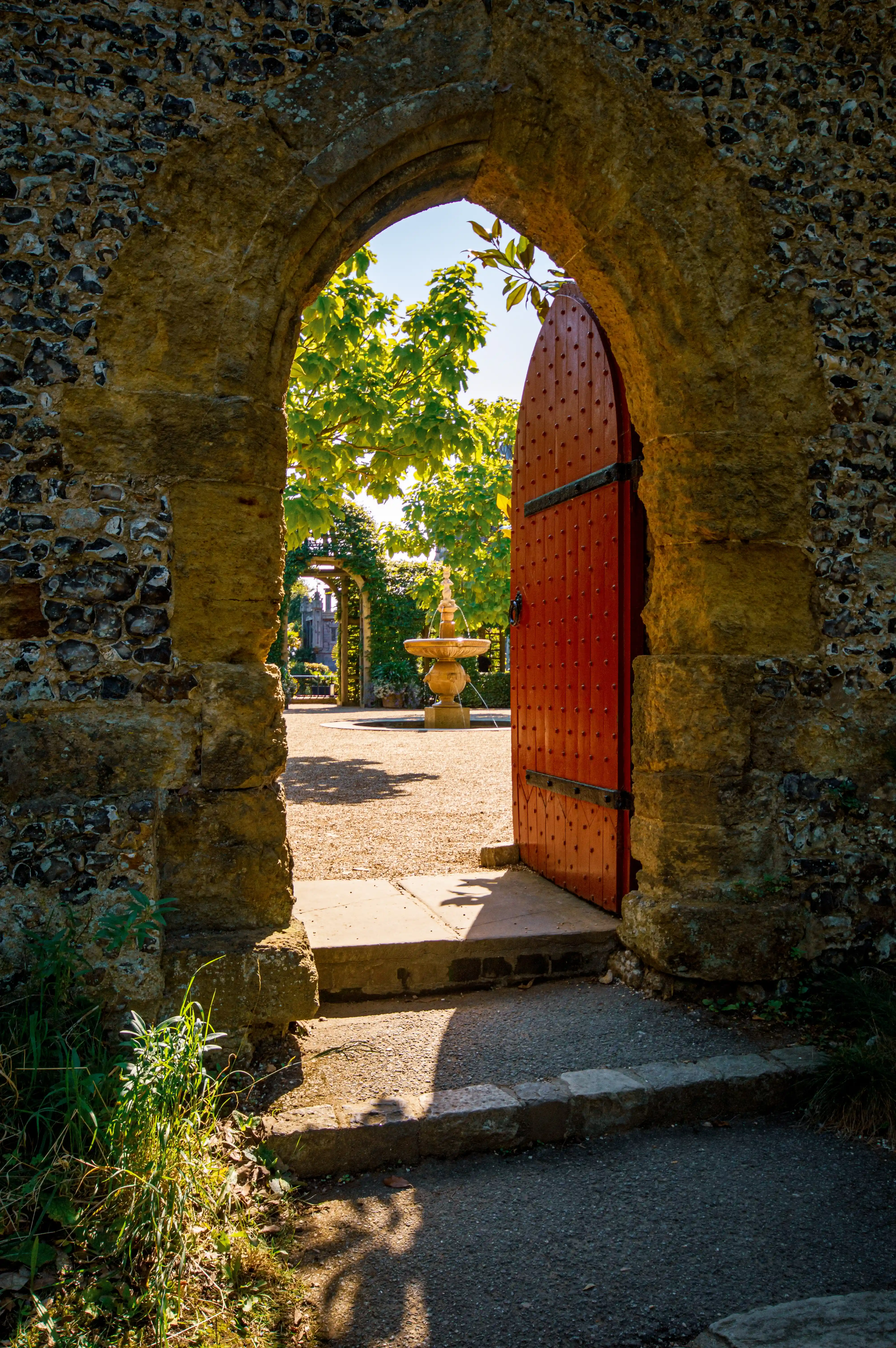
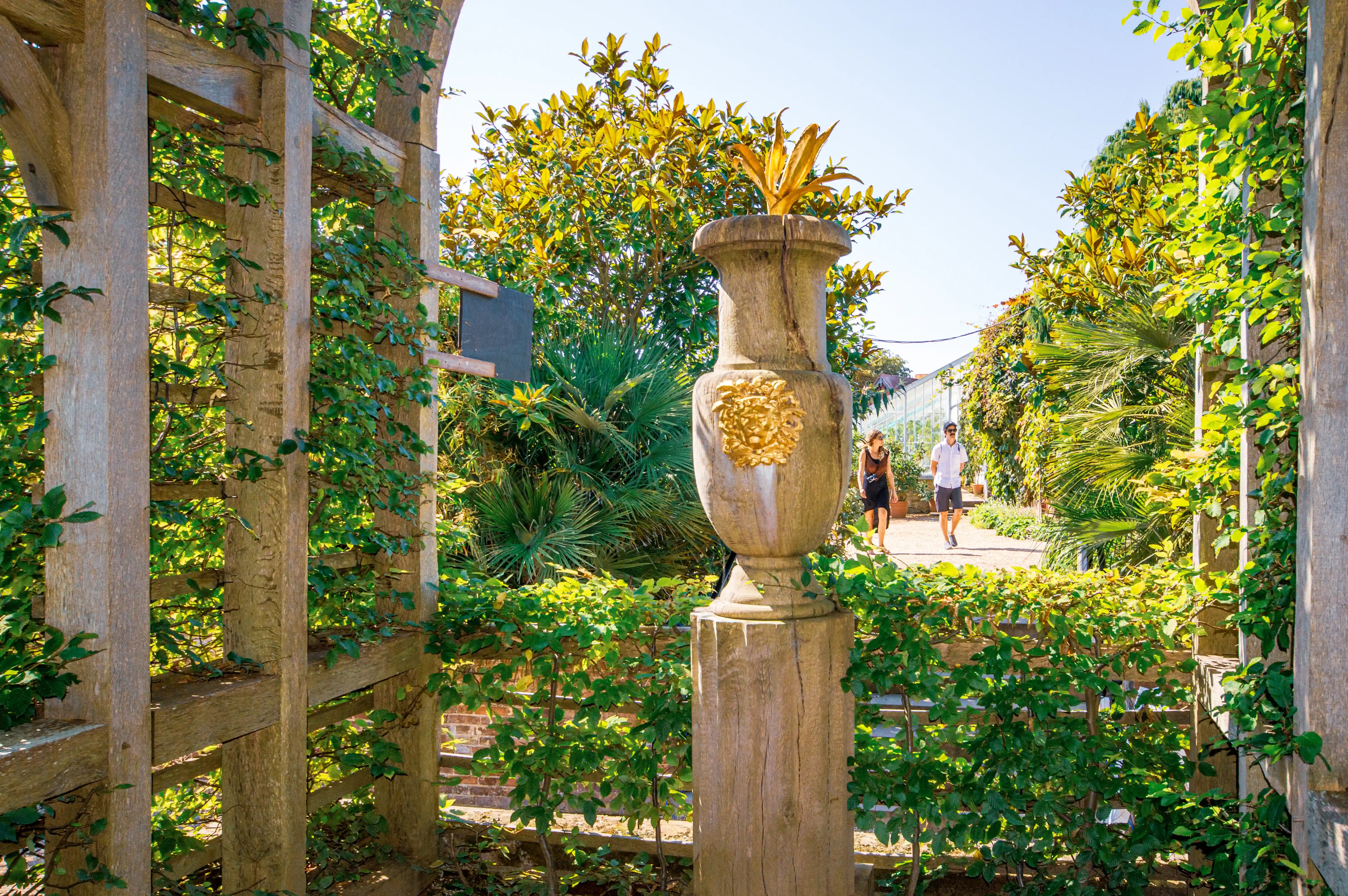
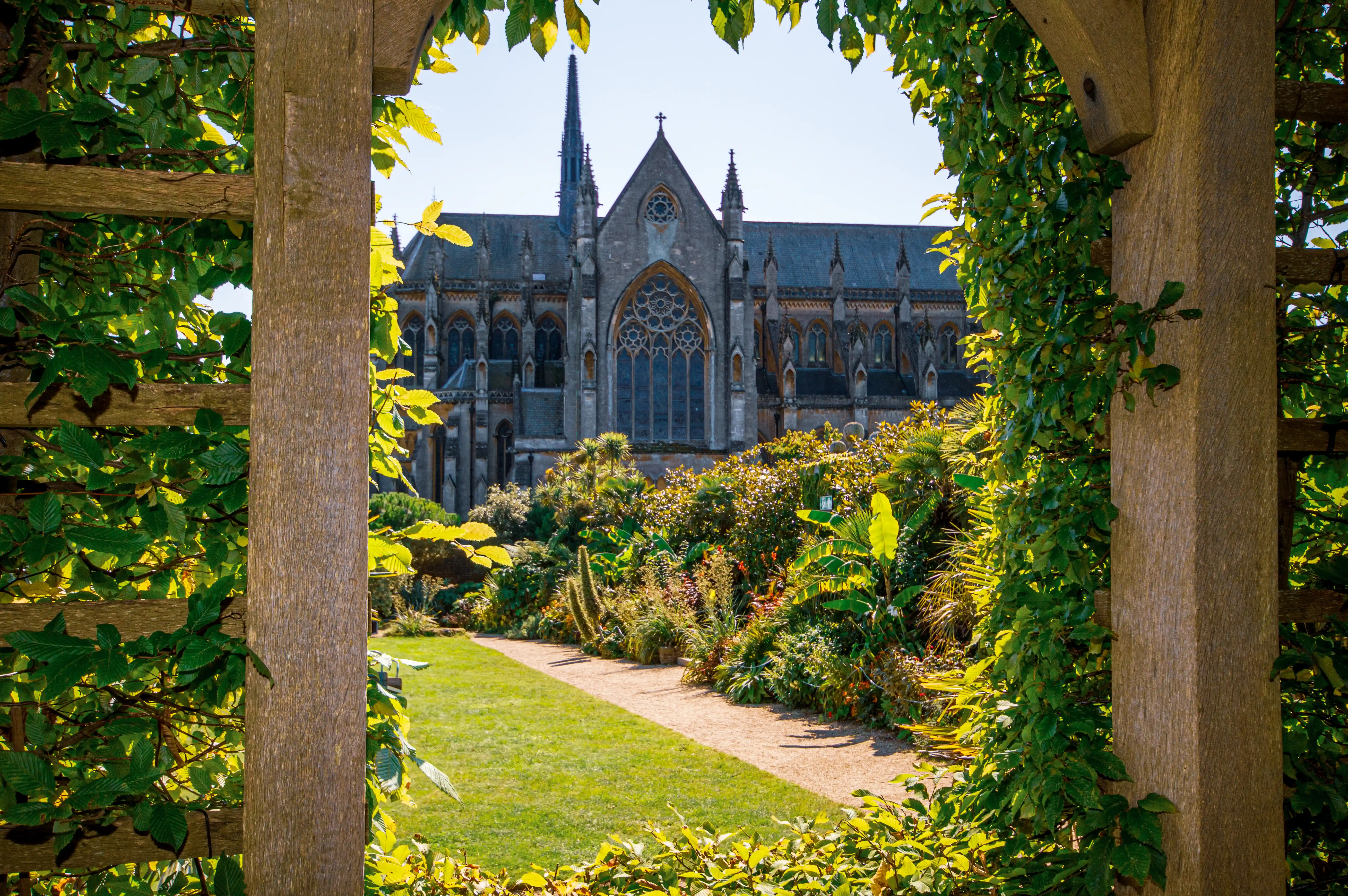
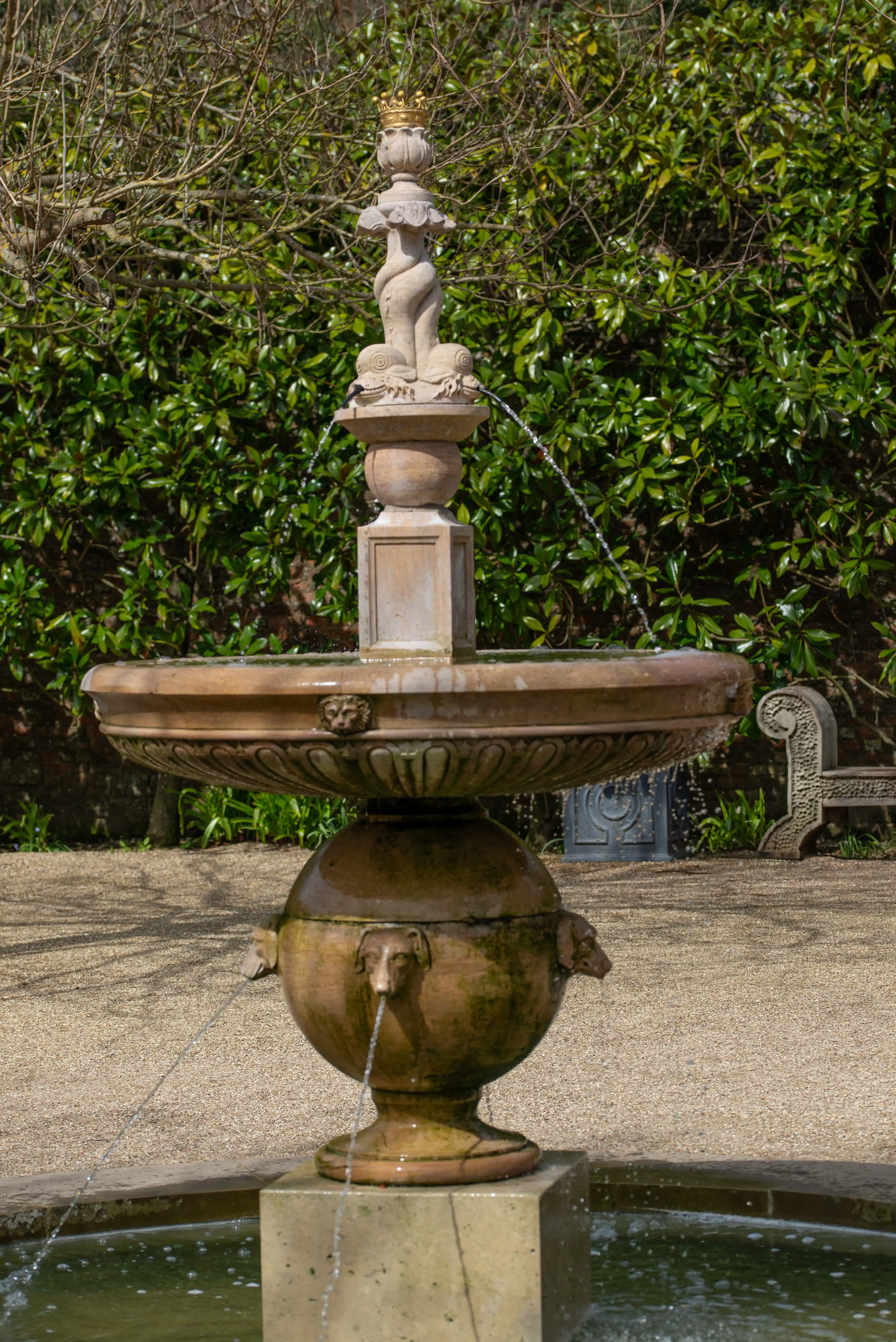

















Size: Over 40 acres
Type: Formal gardens, wildflower meadows, woodland, riverbanks
Established: Medieval origins, with significant developments in the 18th and 19th centuries
Open to Public: Yes (seasonal, included with castle admission)
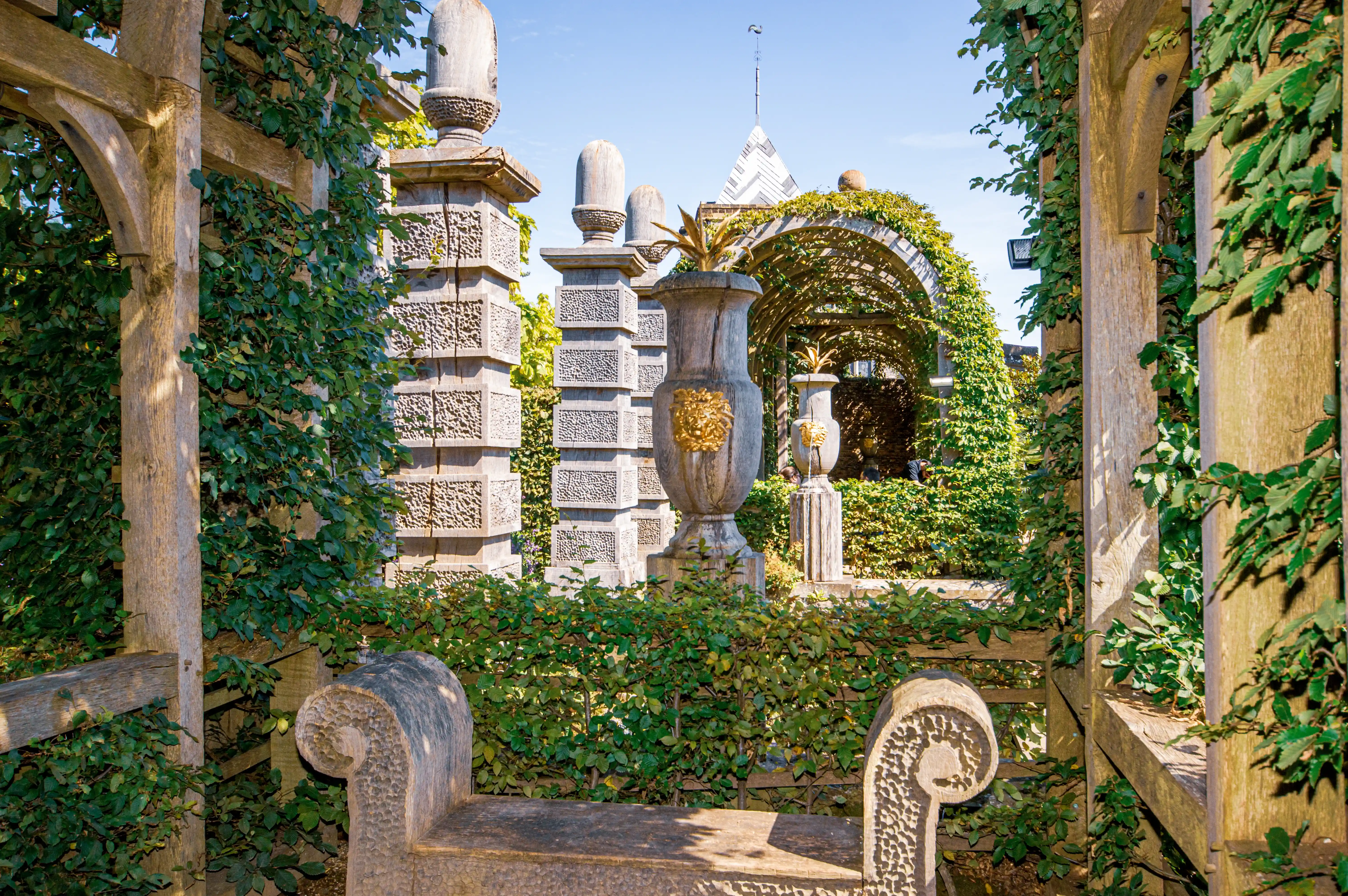
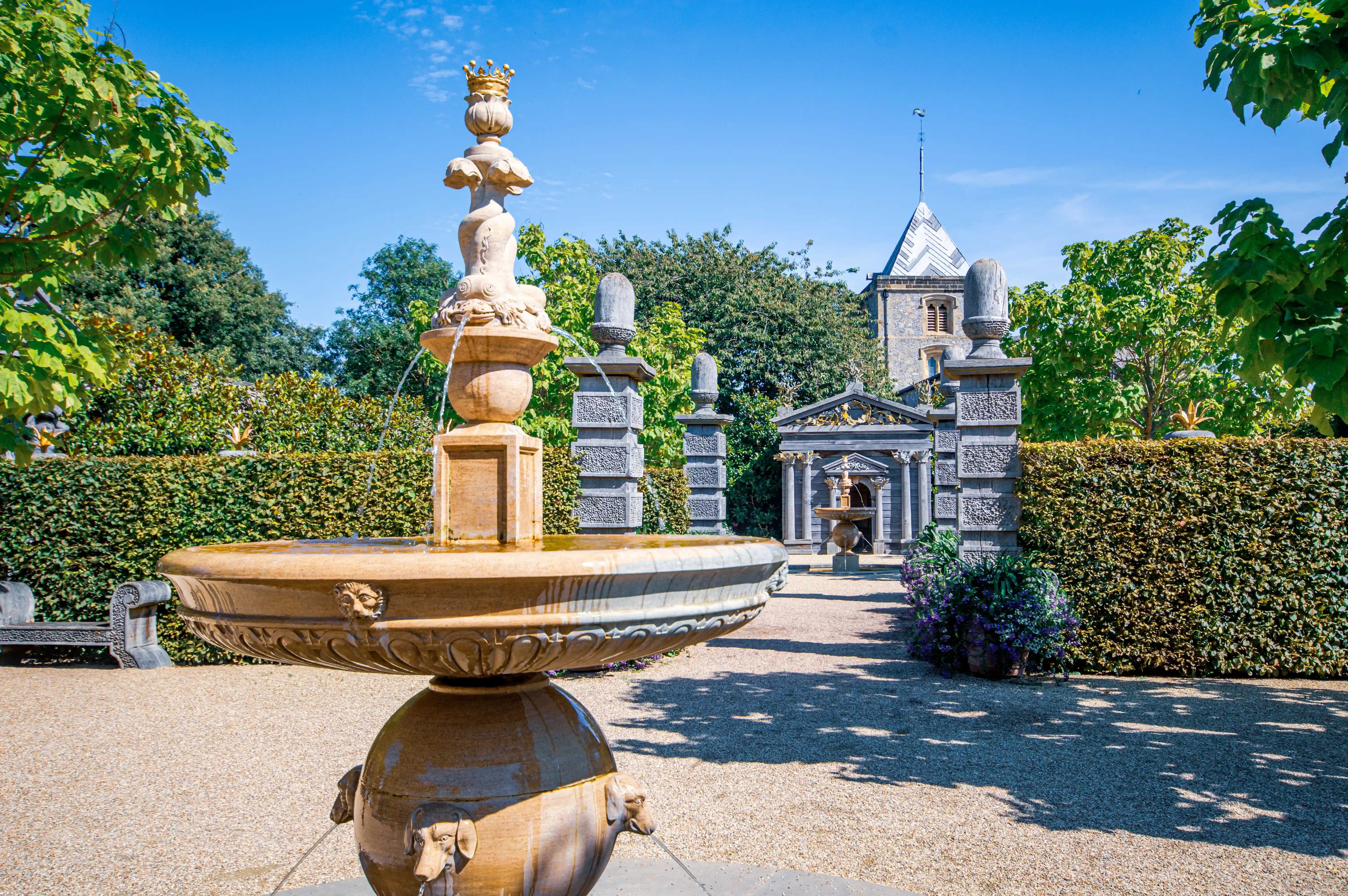
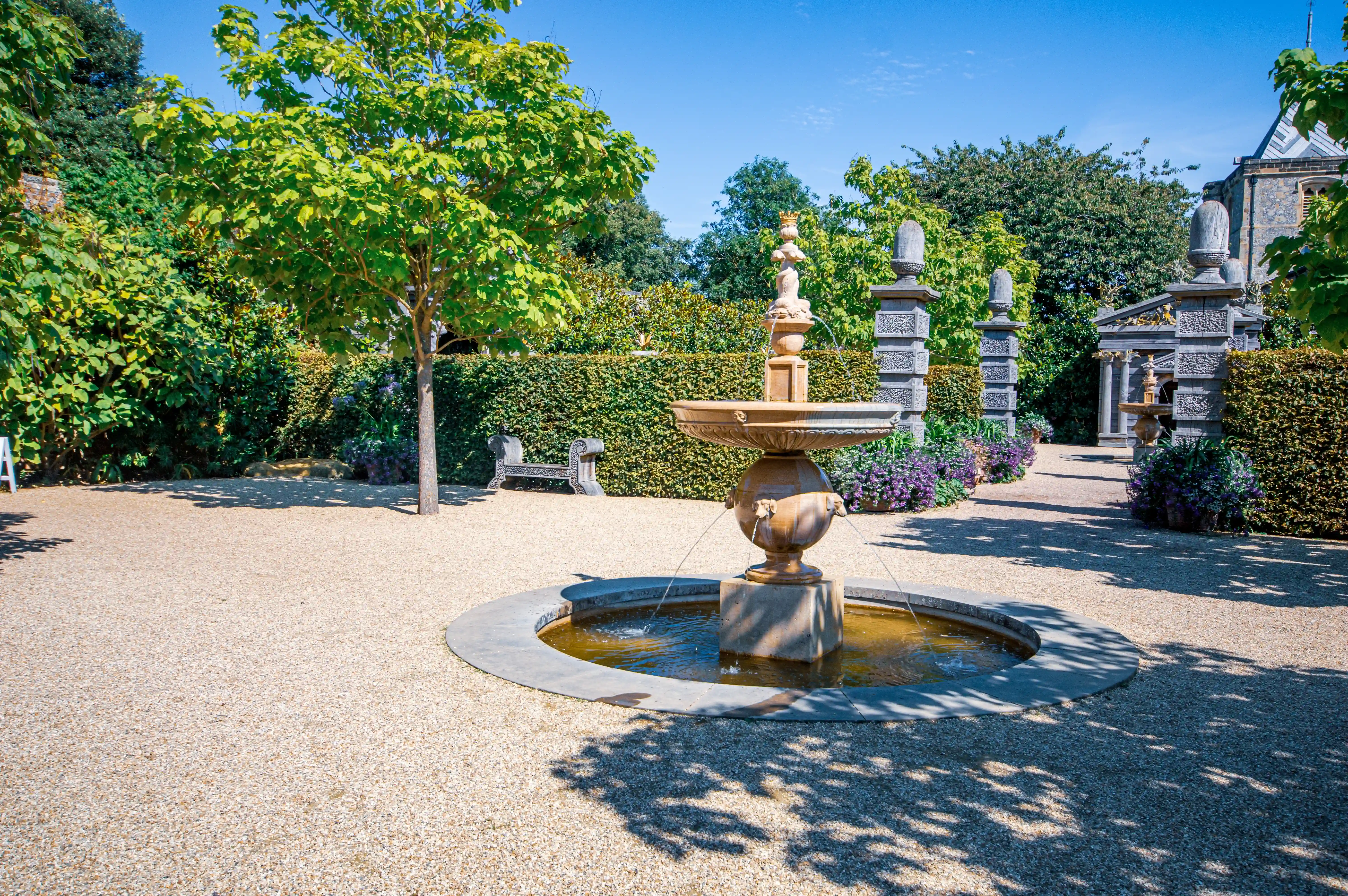
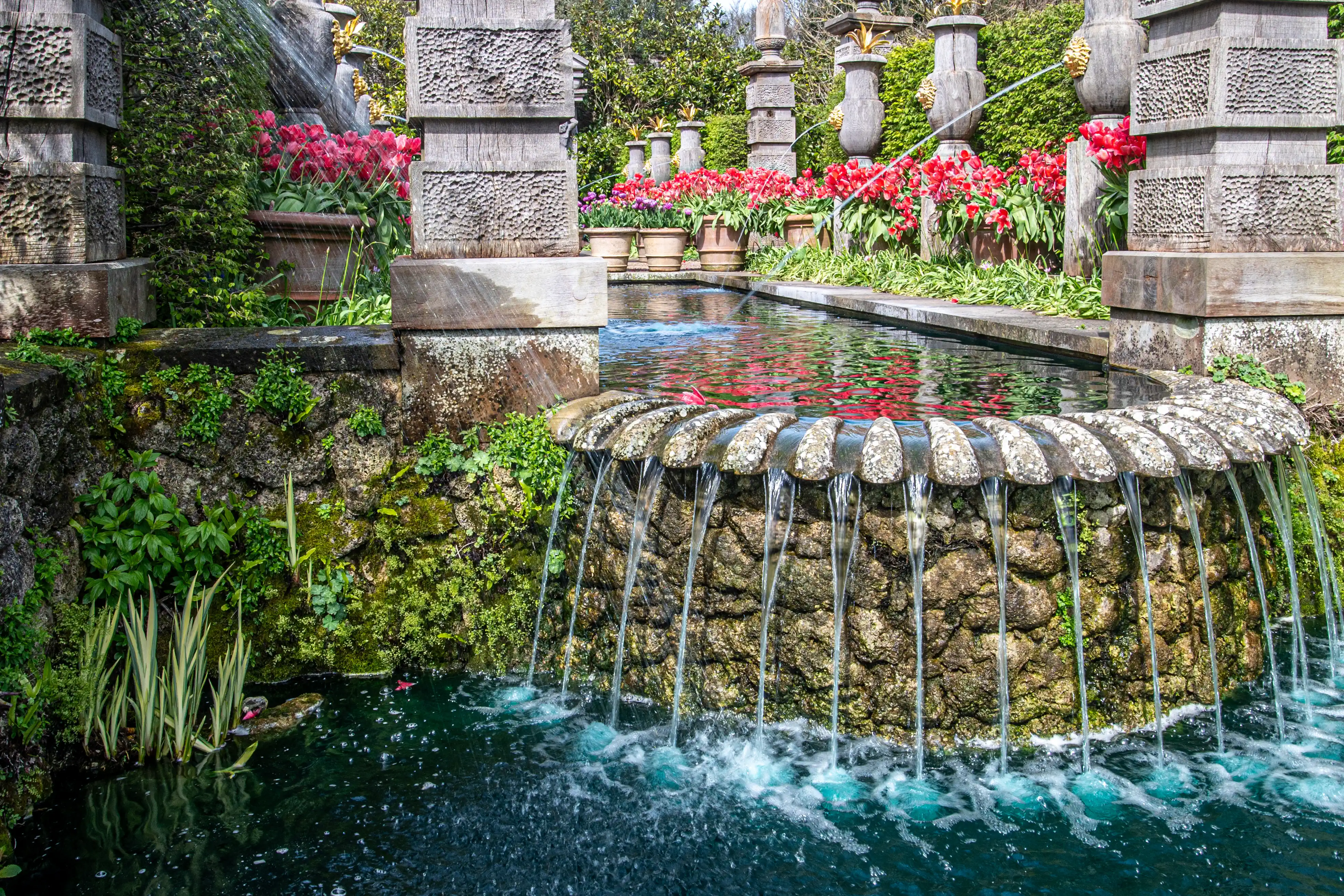
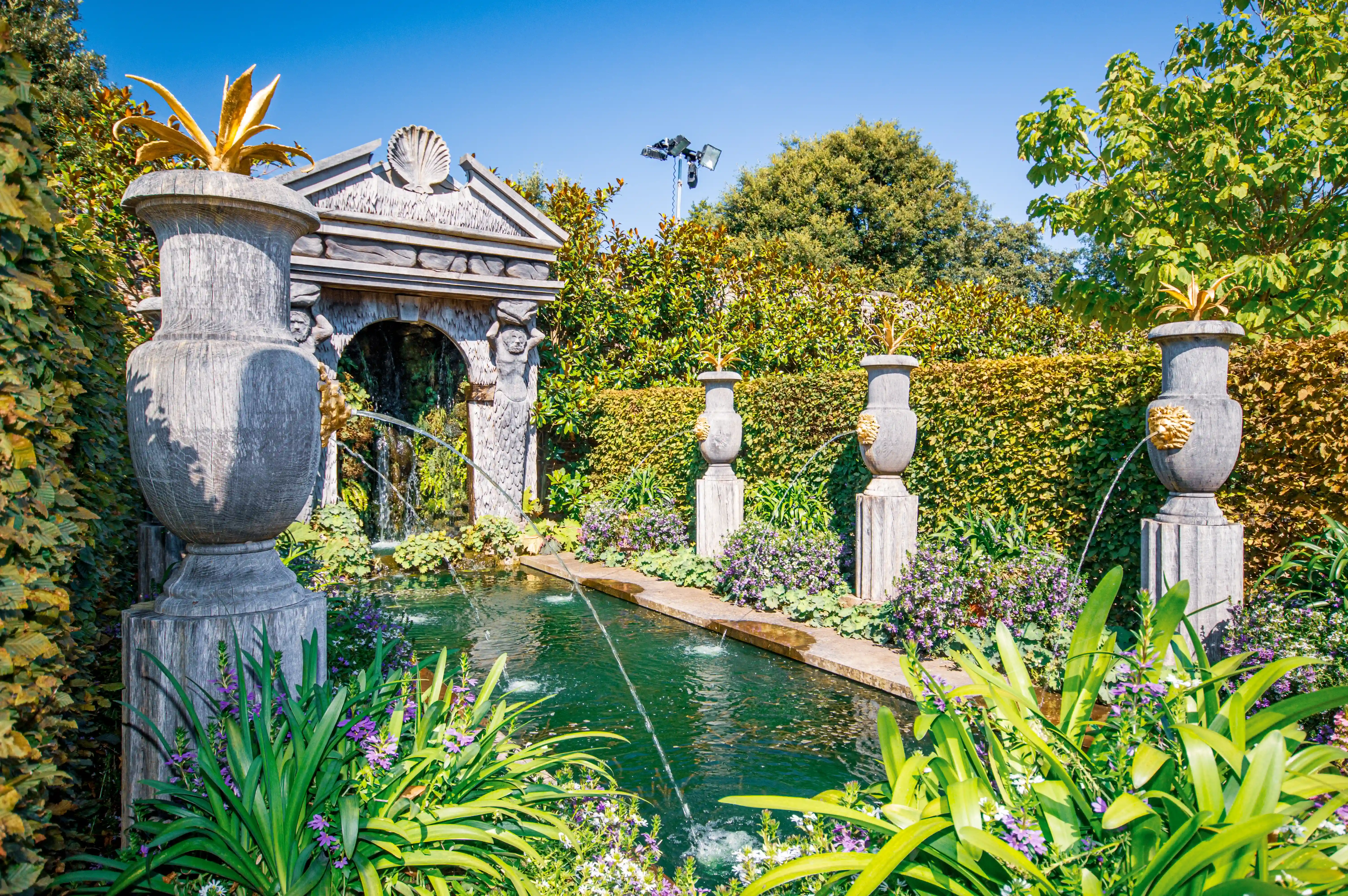
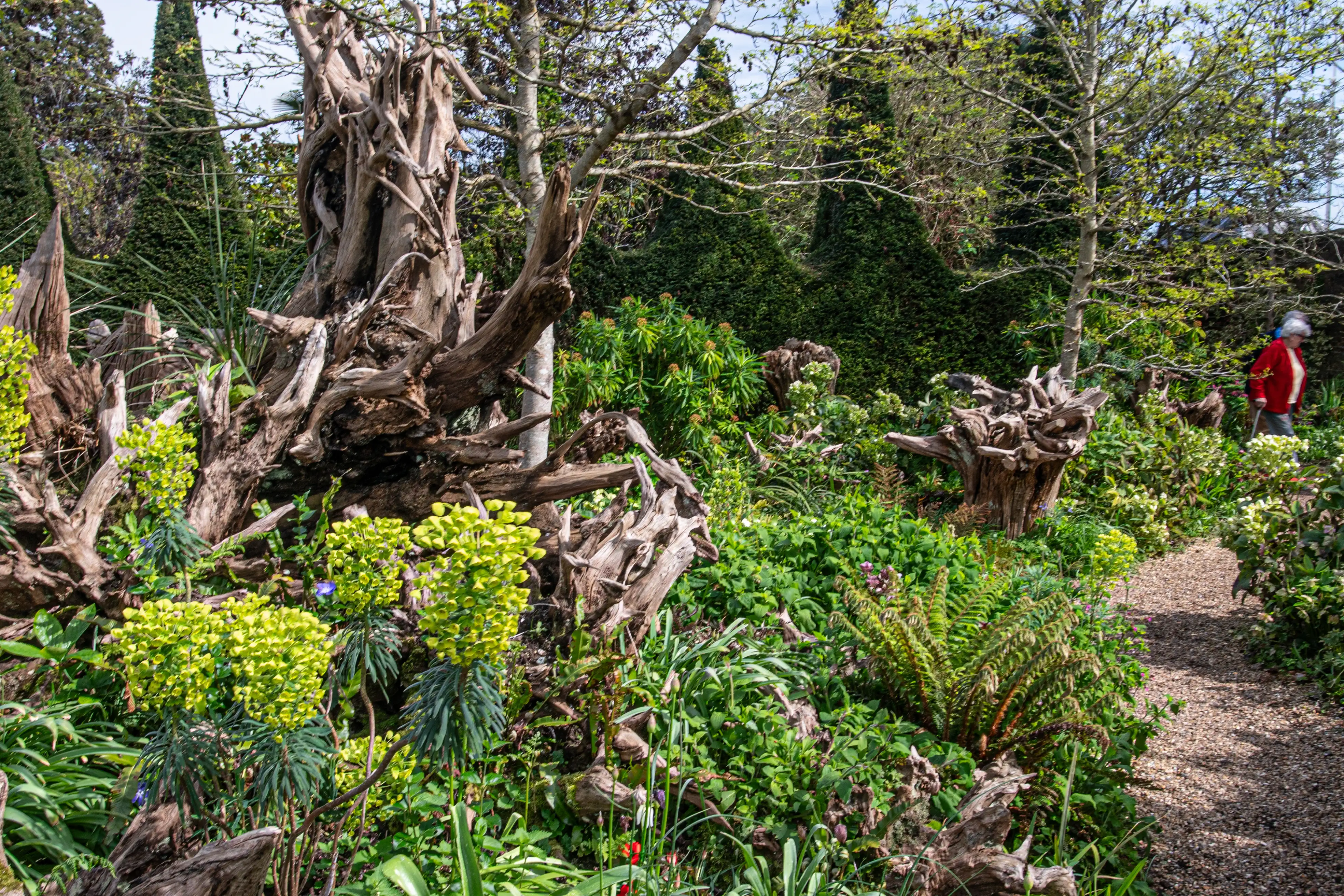
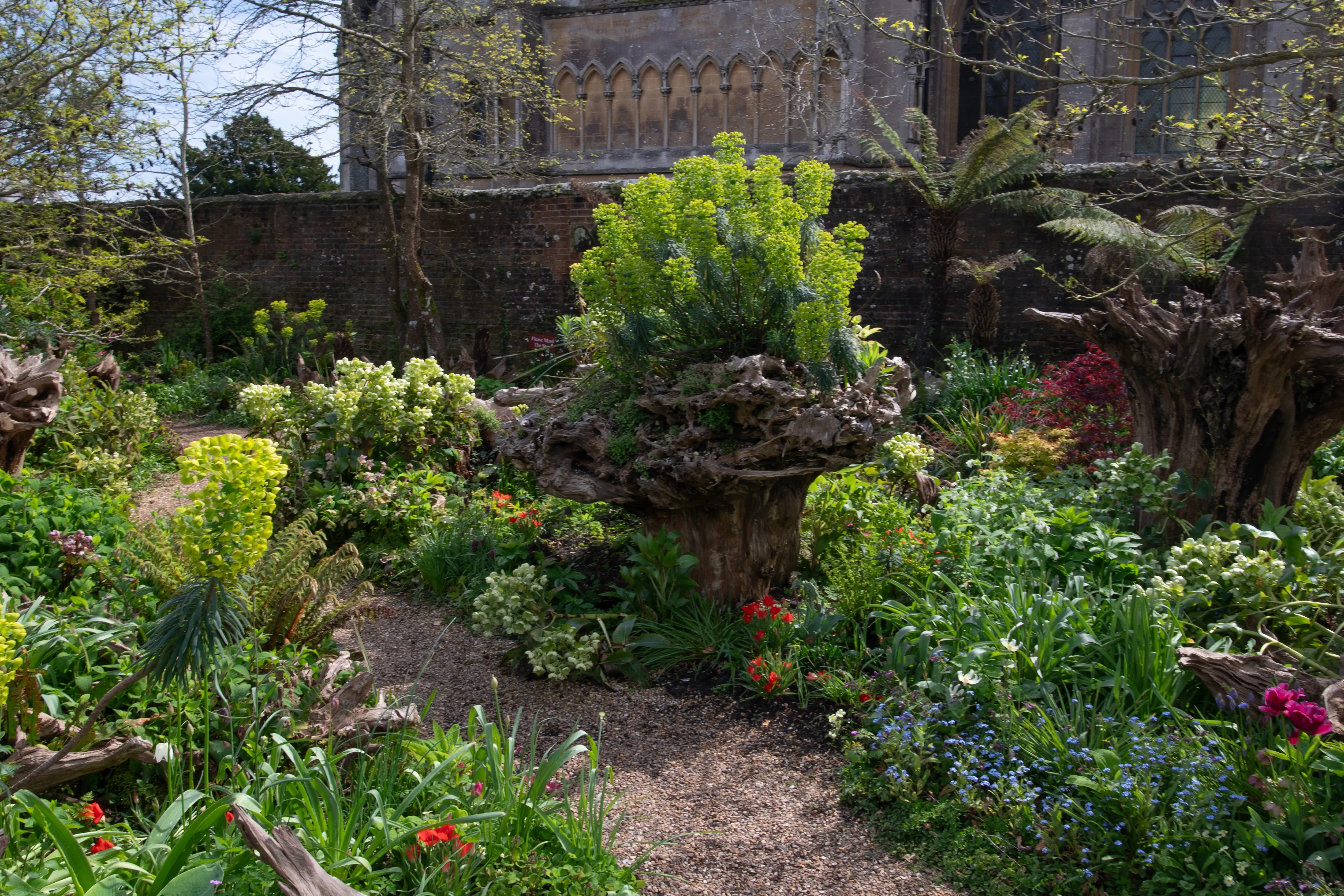
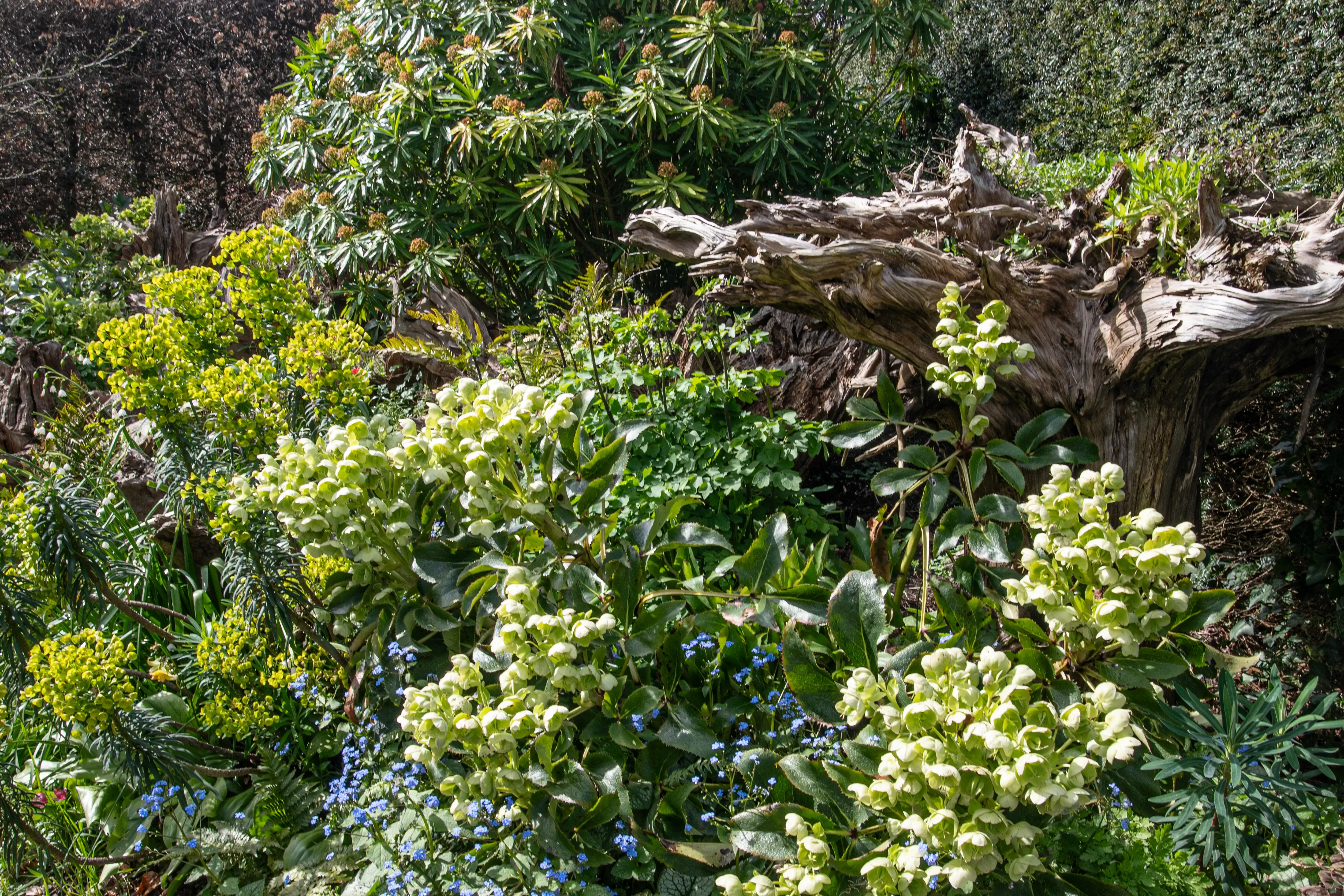
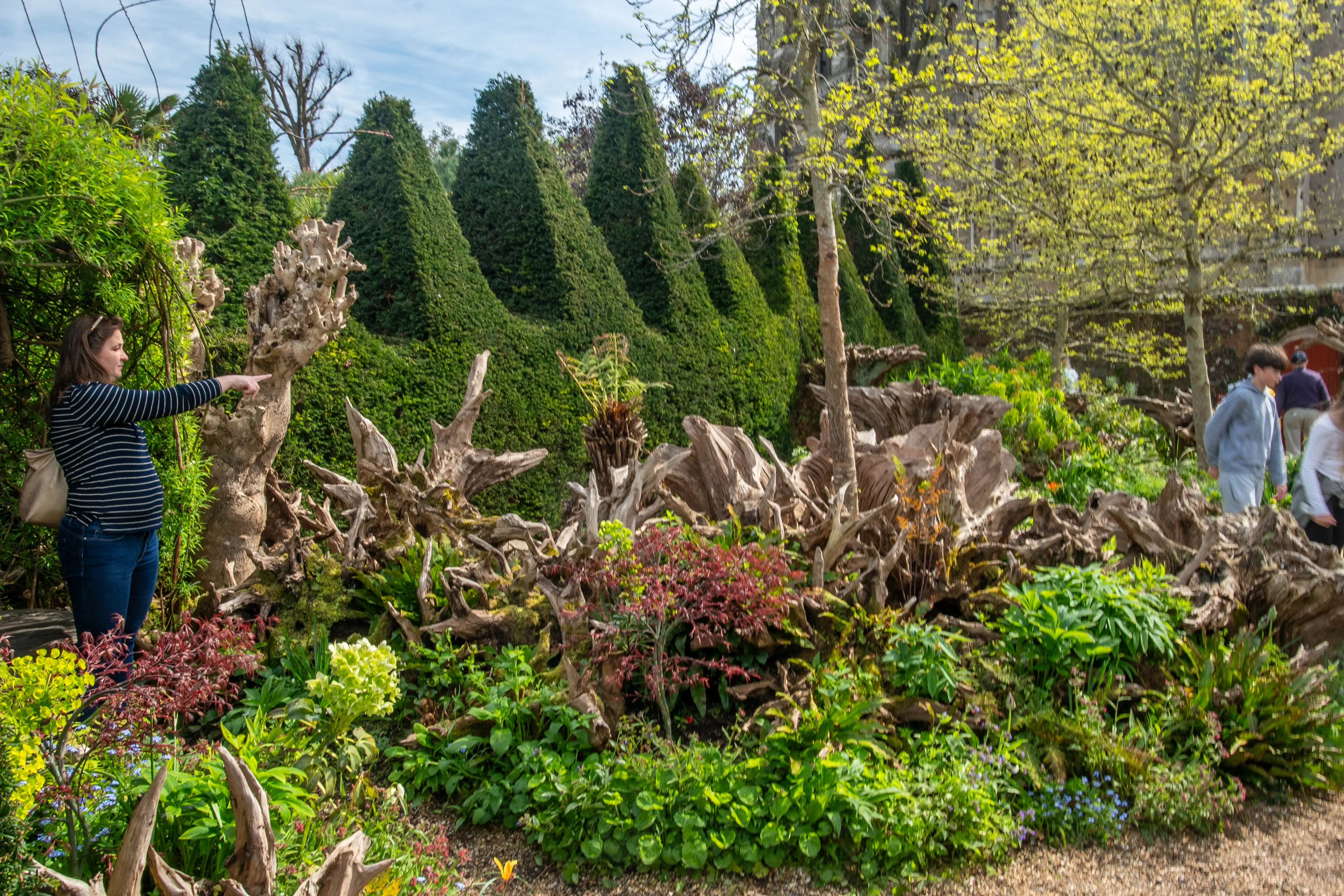
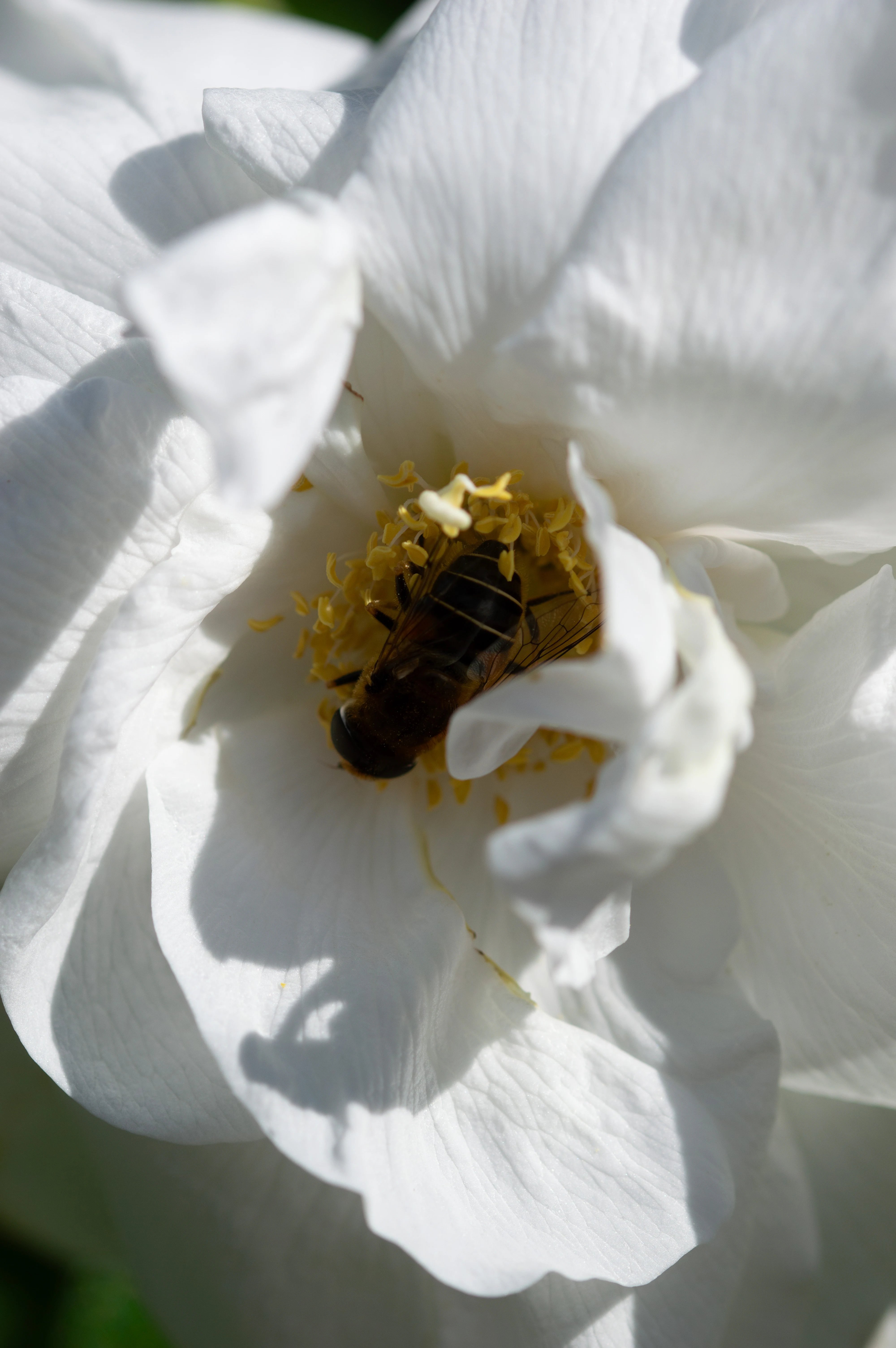
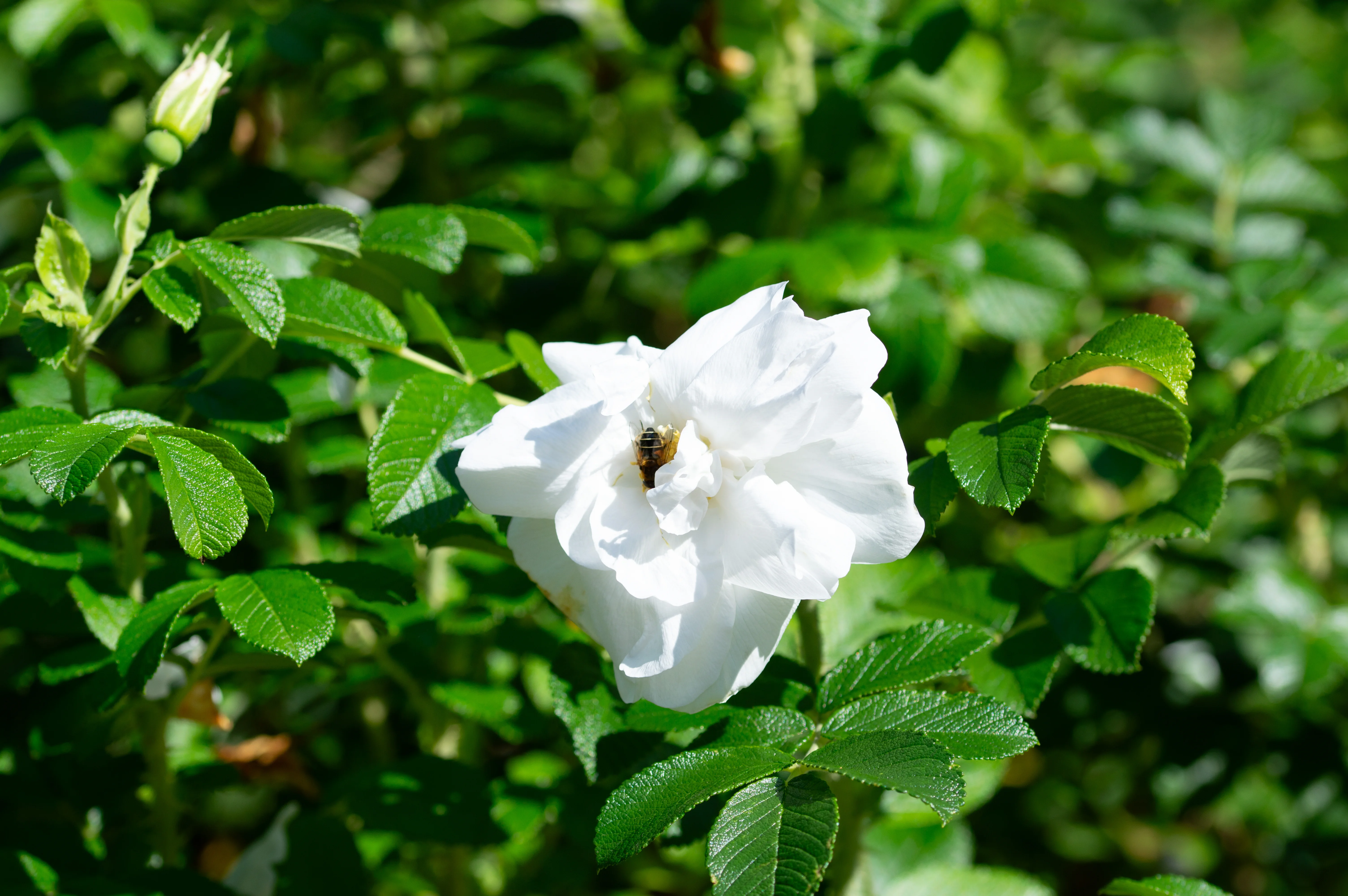
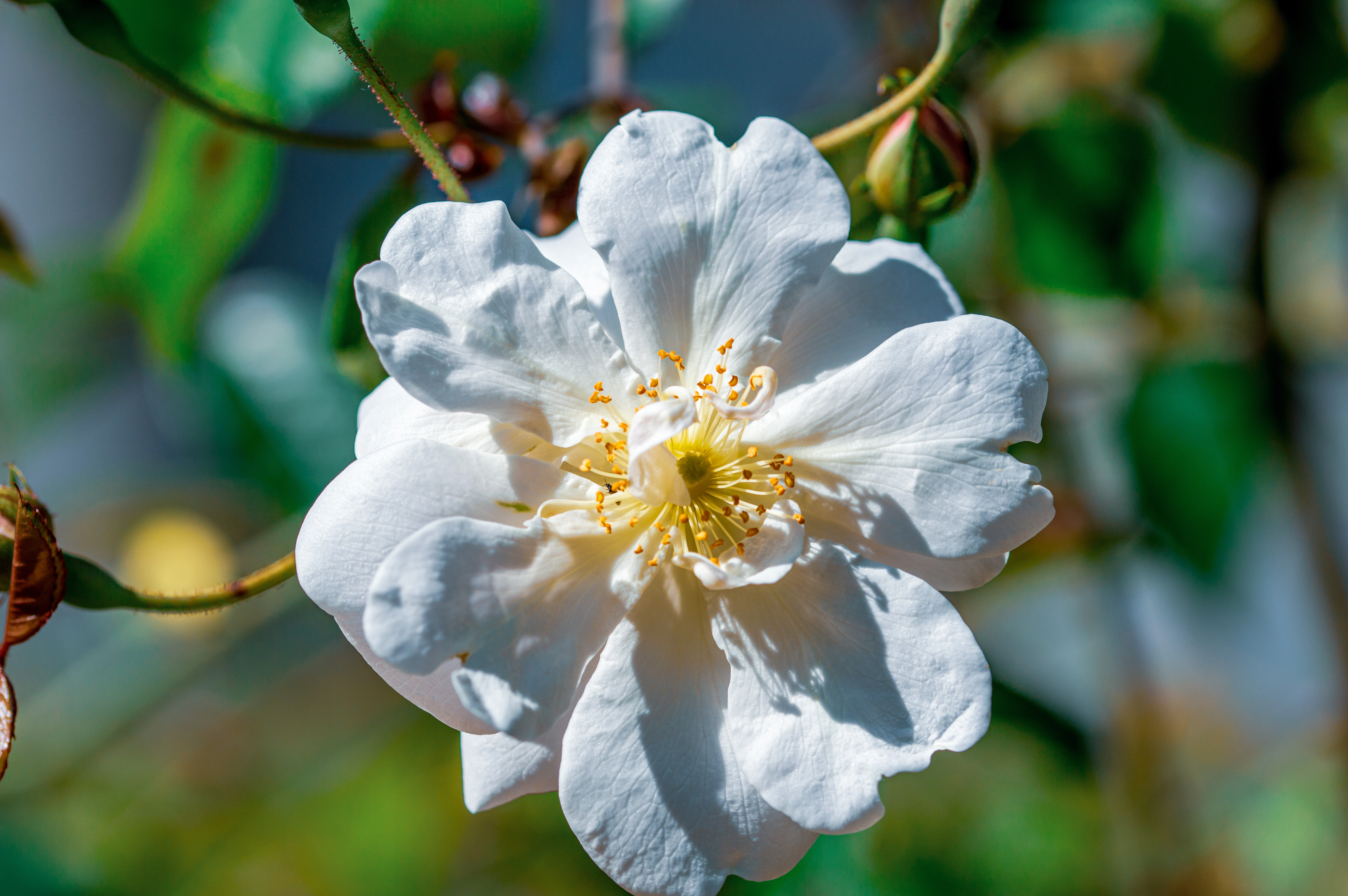
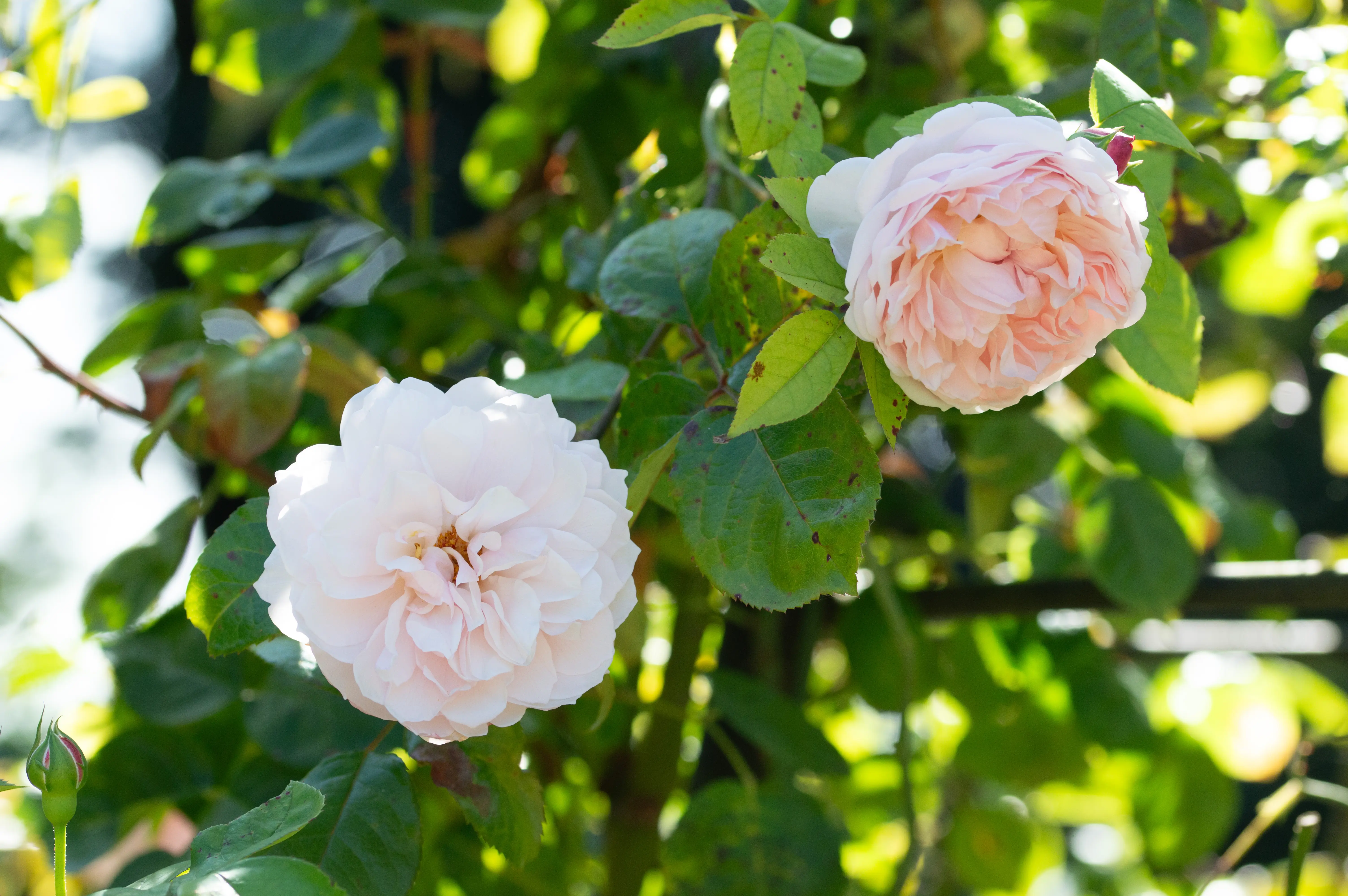
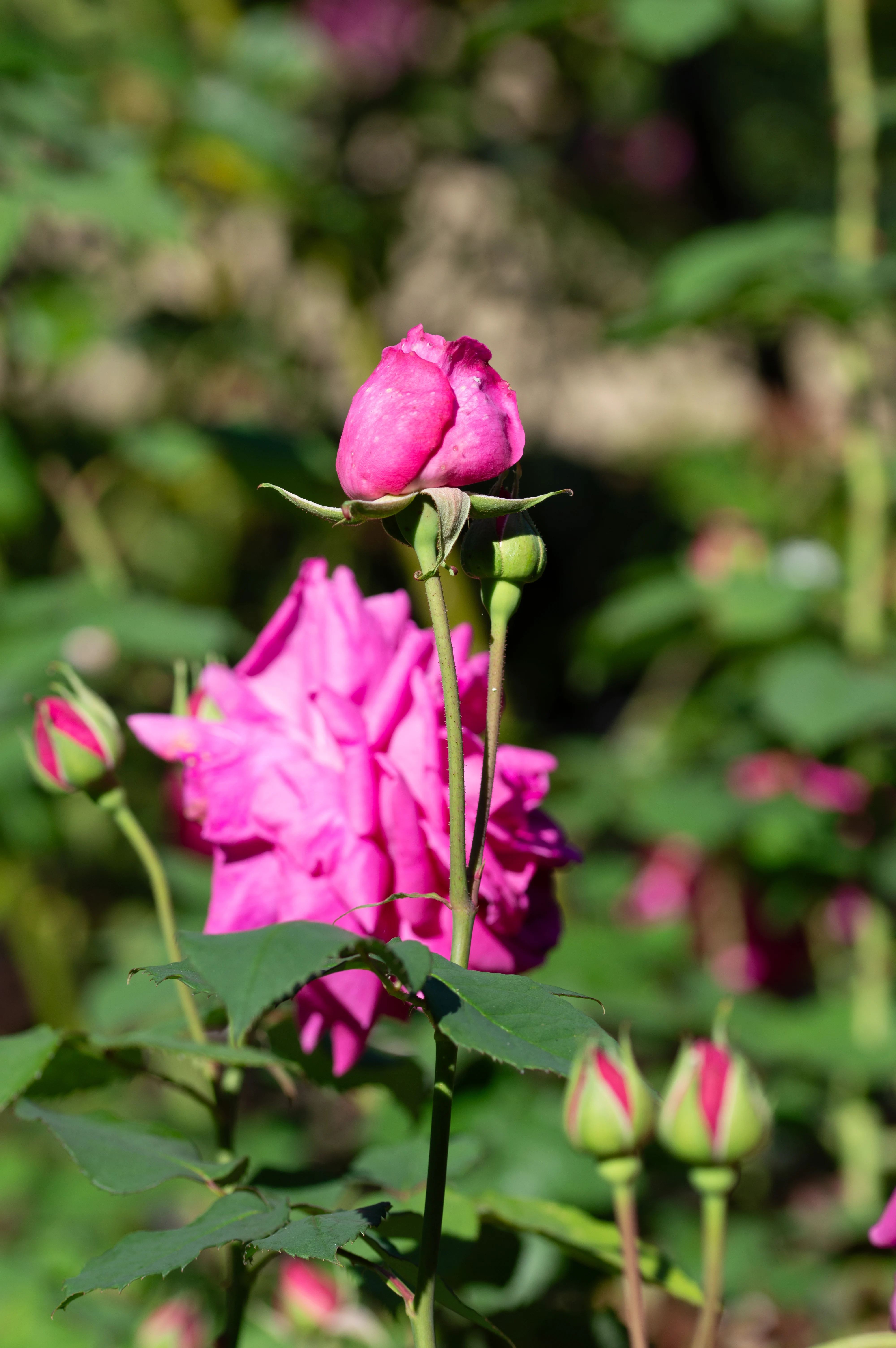
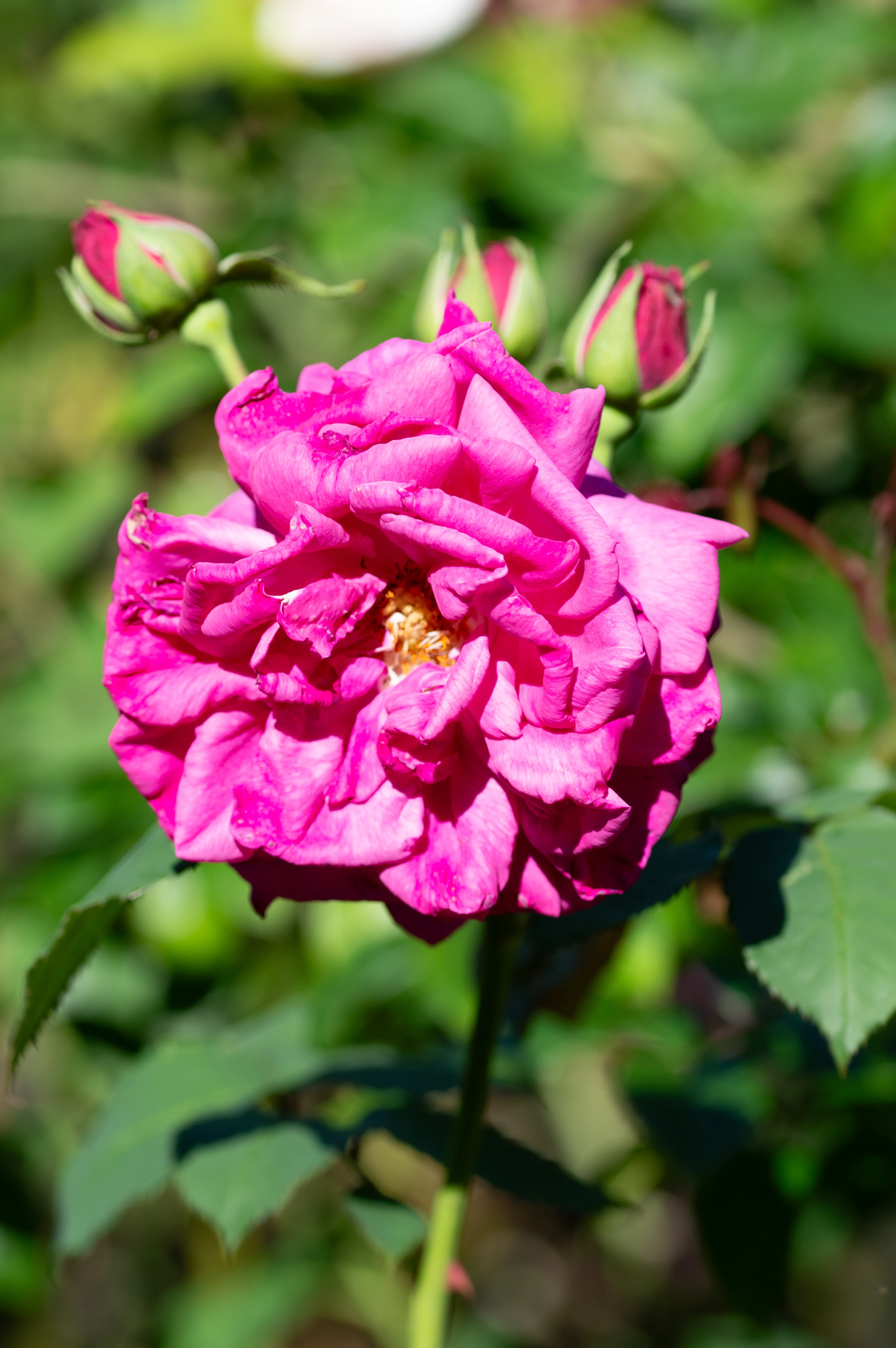
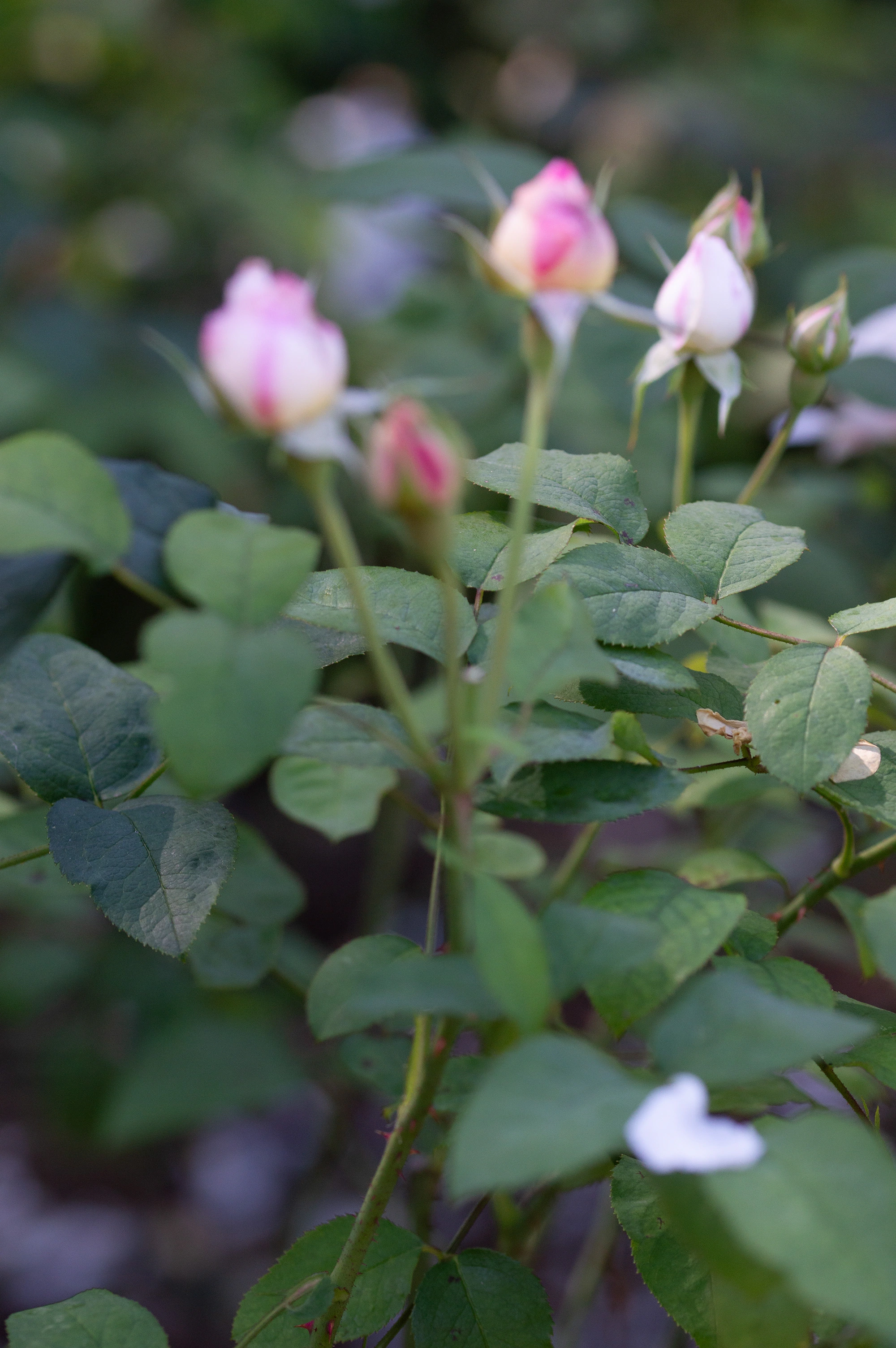
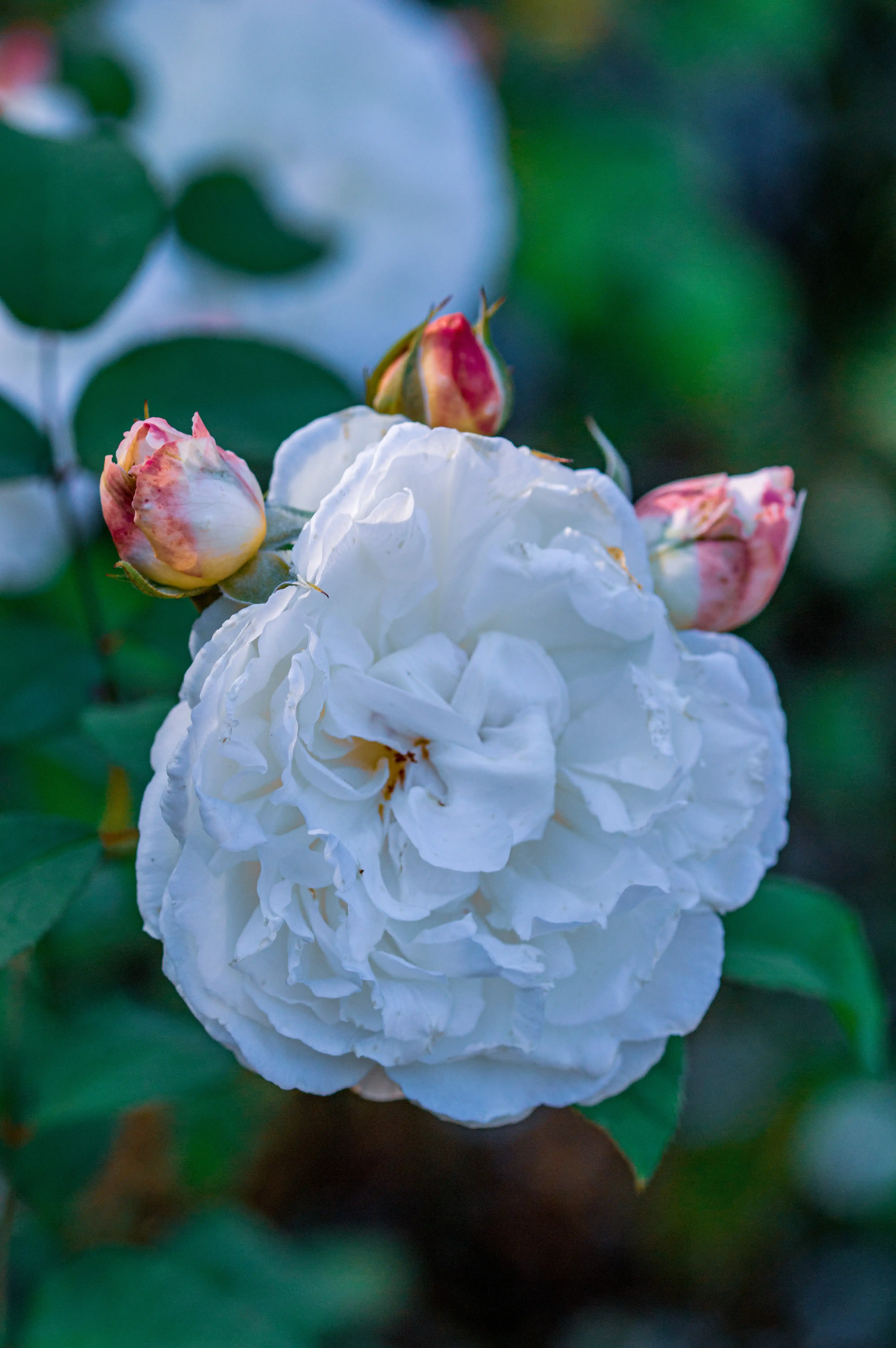
Highlights: Rose Garden, Stumpery, Wildflower Meadows, River Arun, Fitzalan Chapel Garden
Website: arundelcastle.org
The Gardens at Arundel Castle have a rich history that dates back to the medieval period, when they were first established as functional and decorative spaces for the castle’s inhabitants. Over the centuries, the gardens have evolved and expanded, reflecting the changing tastes, needs, and ambitions of the Dukes of Norfolk and their families.
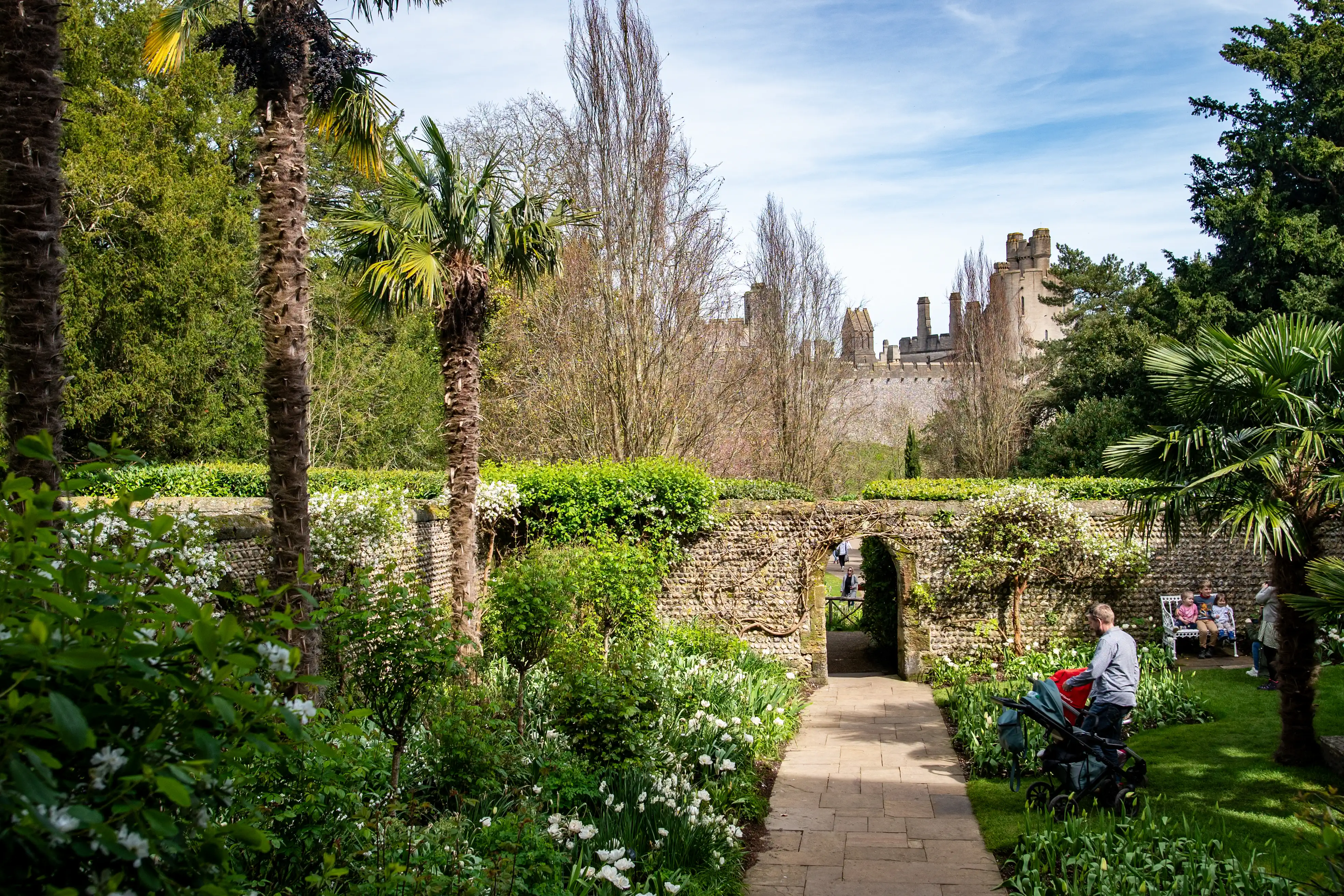
During the 18th and 19th centuries, the gardens were significantly developed under the guidance of renowned landscape architects and garden designers. The Victorian era, in particular, saw the introduction of formal gardens, exotic plant collections, and innovative horticultural techniques, transforming the gardens into a masterpiece of landscape design.
The gardens also played a role in the social and cultural life of Arundel Castle. They were used for leisure, entertainment, and relaxation by the castle’s inhabitants and their guests, and they hosted grand events, garden parties, and outdoor gatherings. Today, the gardens continue to serve as a place of beauty, tranquility, and inspiration, connecting visitors with the natural and historical heritage of Arundel Castle.
Today, the Gardens at Arundel Castle are a vibrant and dynamic cultural and natural landmark that plays a key role in preserving and promoting the horticultural and historical heritage of the castle. The gardens’ diverse landscapes, seasonal displays, and educational programs attract visitors from around the world, offering a unique and immersive experience of nature, history, and beauty.
The gardens serve as a center for education, inspiration, and relaxation. Their guided tours, workshops, and seasonal events provide a deep and engaging understanding of the history, design, and ecology of the gardens. The gardens also serve as a reminder of the importance of preserving and celebrating the natural world and its connection to human history and culture.

