

locale
Arundel Castle was founded in 1067 by Roger de Montgomery, a Norman baron who was a close ally of William the Conqueror. The castle was originally built as a motte-and-bailey fortress to defend the region and assert Norman control over the newly conquered England. Over the centuries, Arundel Castle evolved from a defensive stronghold into a grand aristocratic residence, reflecting the power, wealth, and influence of its owners, the Dukes of Norfolk.
The Dukes of Norfolk, one of the oldest and most prestigious aristocratic families in England, have owned and inhabited Arundel Castle for over 850 years. The castle has witnessed and played a role in many of the key events of English history, including the Norman Conquest, the Civil War, and the Victorian era. It has also hosted numerous royal visitors, including Queen Victoria and Queen Elizabeth II.
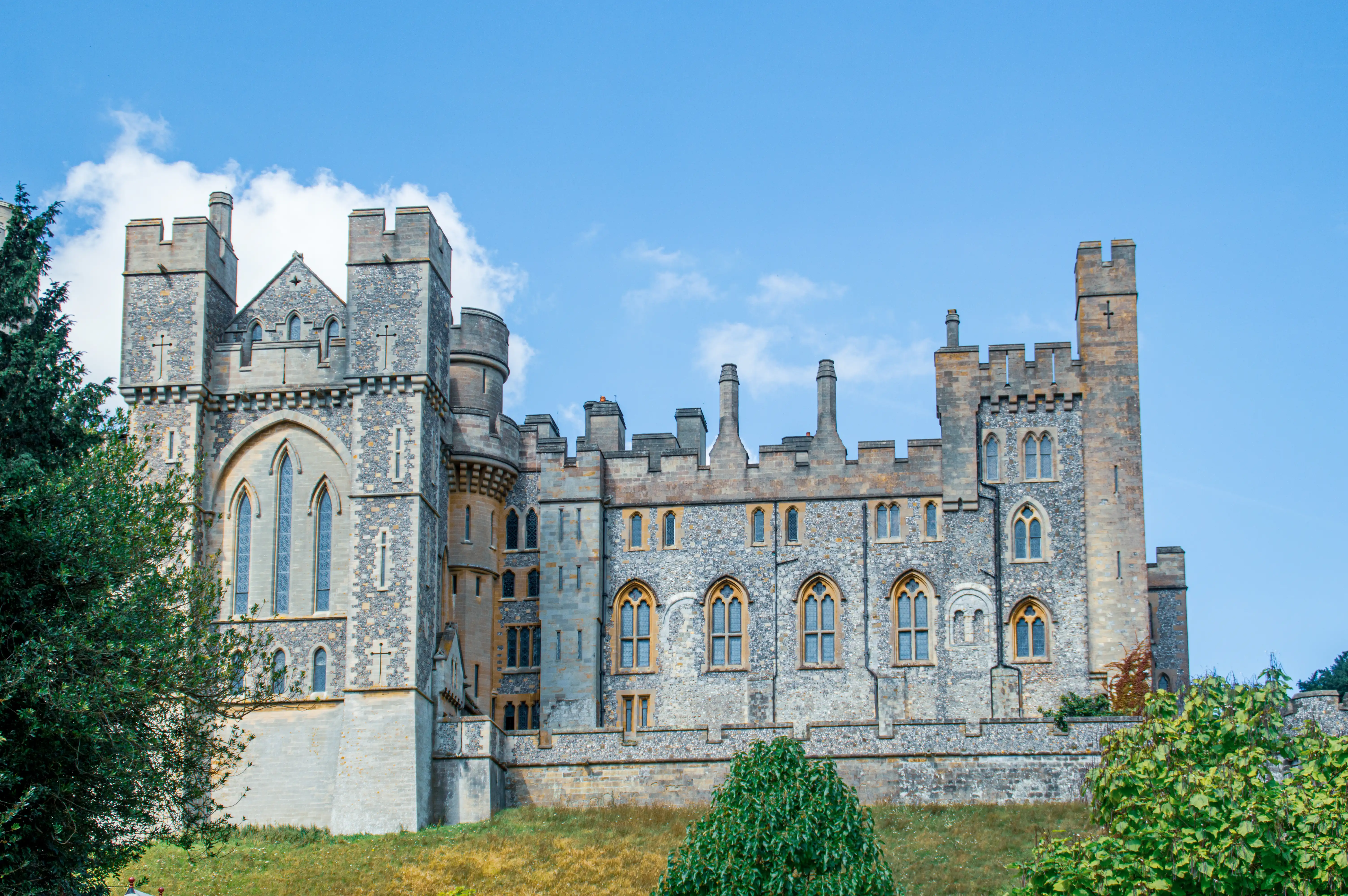
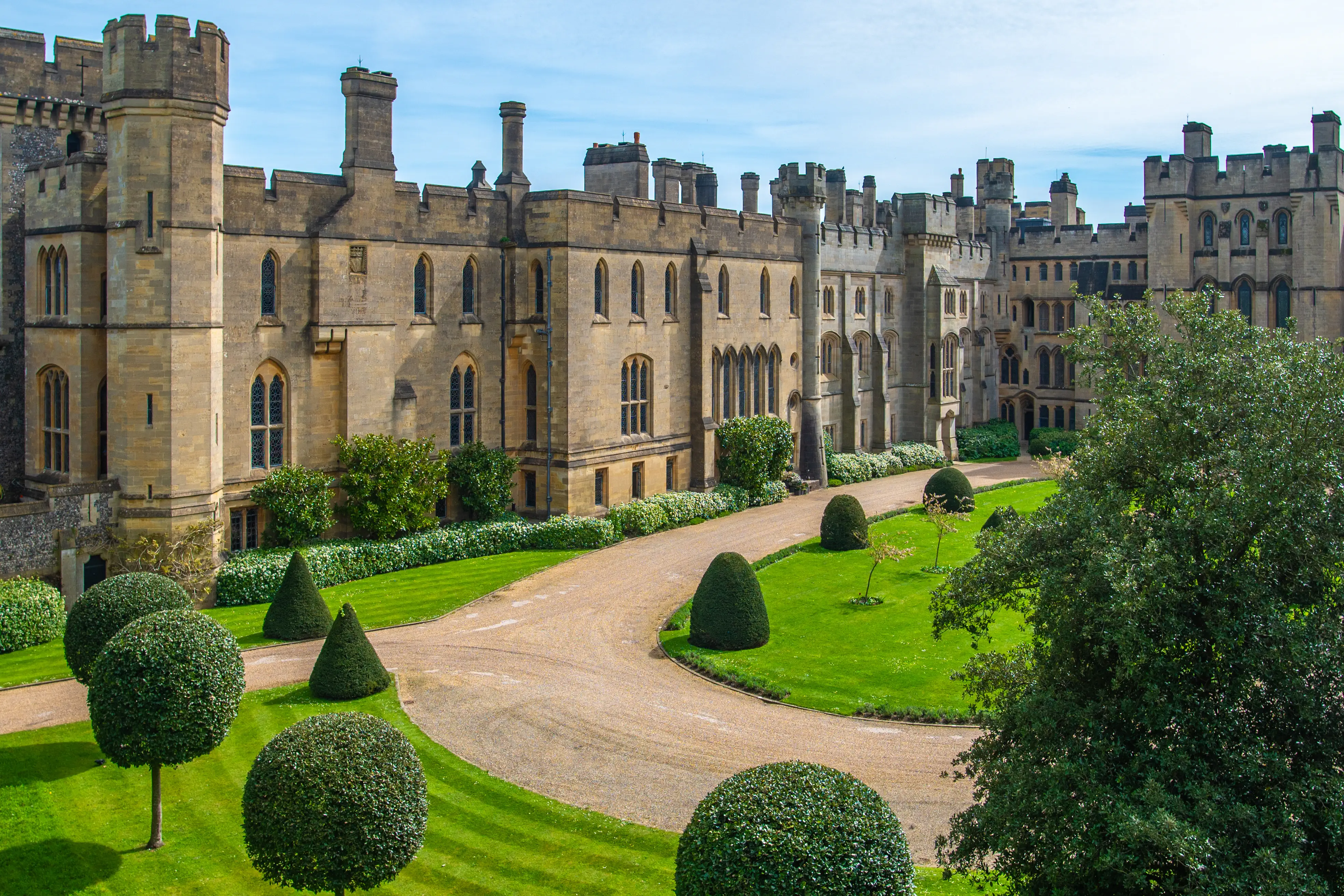
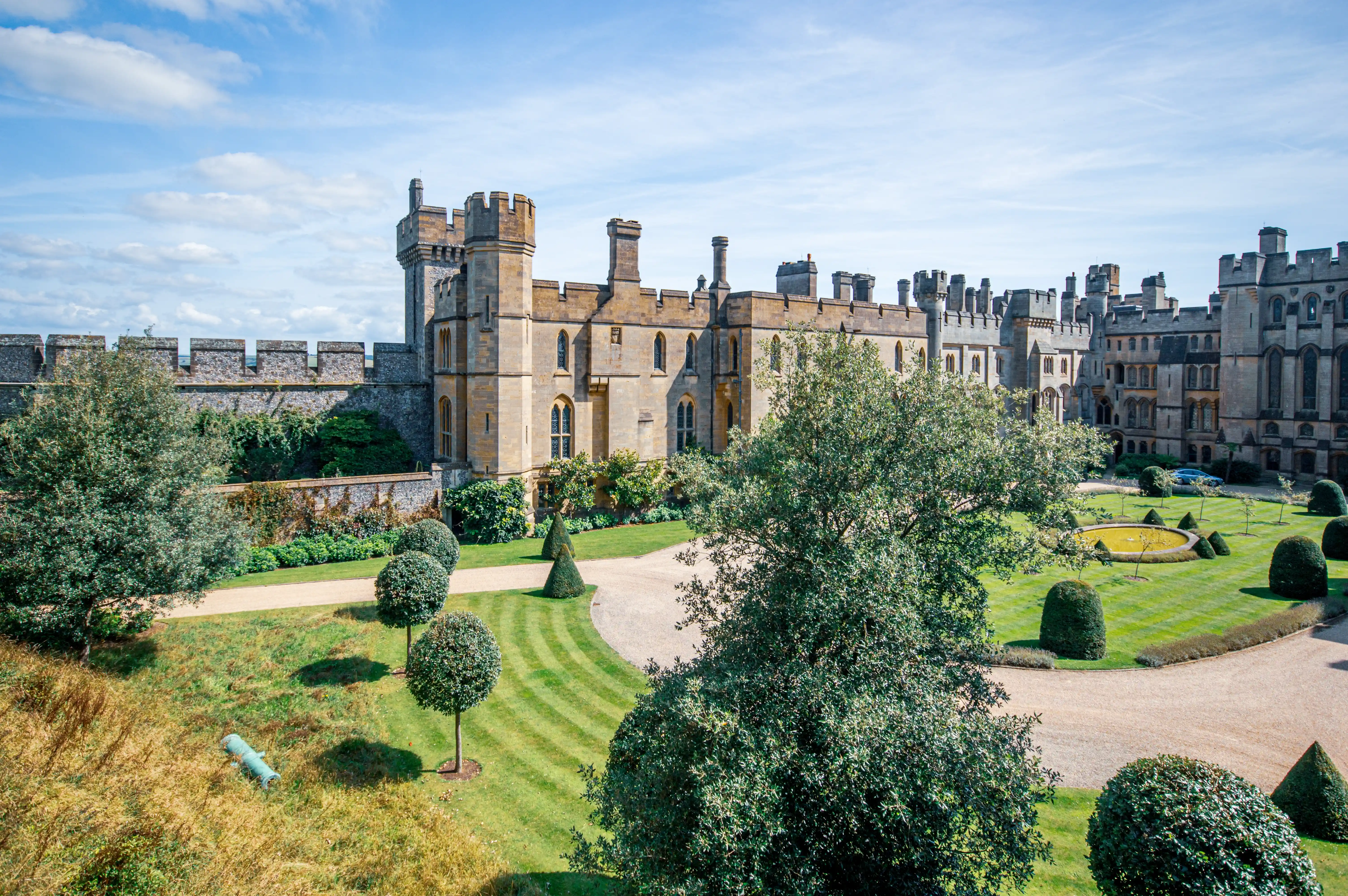
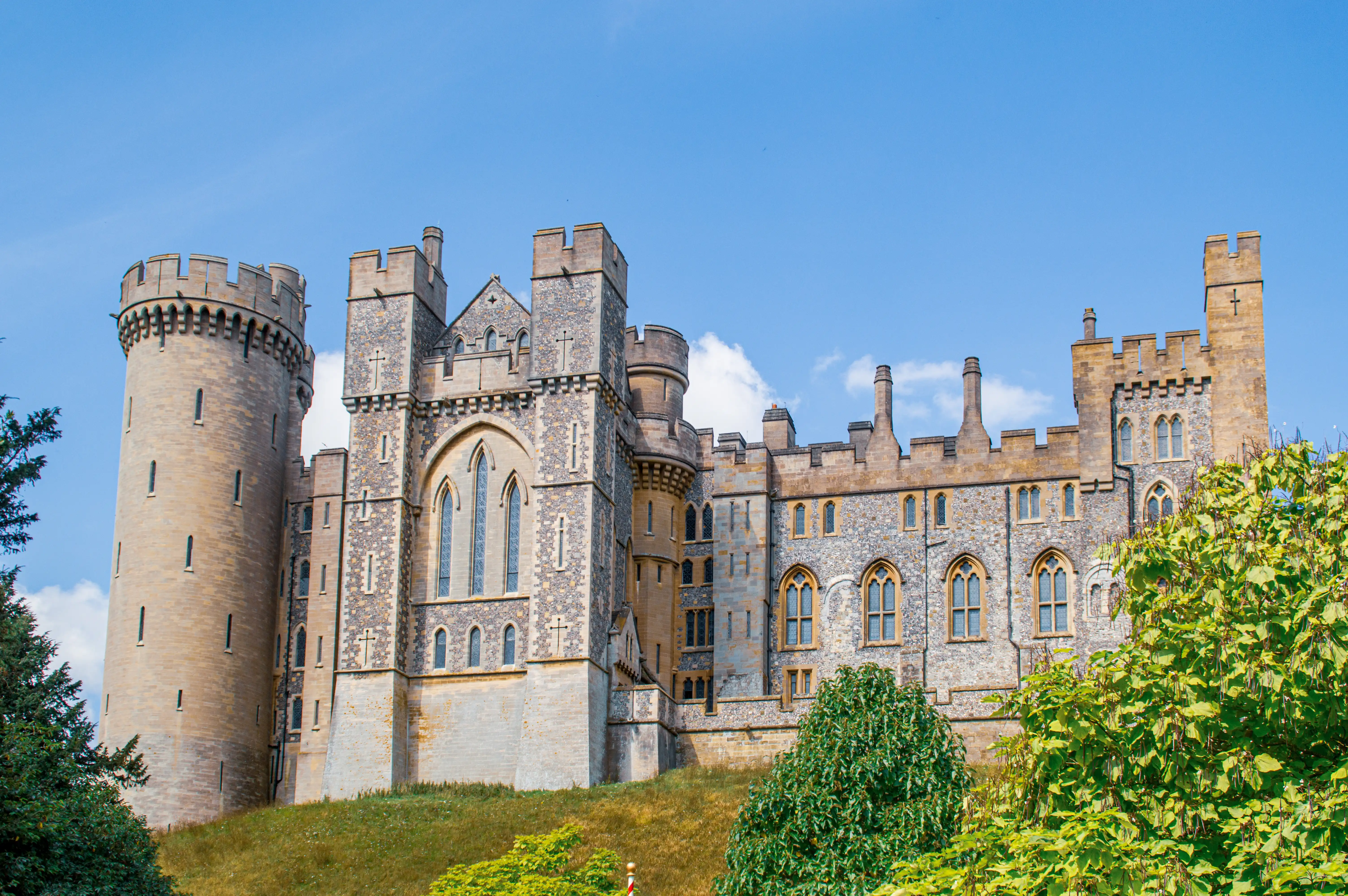
During the English Civil War (1642–1651), Arundel Castle was besieged and damaged by Parliamentarian forces. However, it was later restored and expanded by the 18th and 19th Dukes of Norfolk, who transformed it into the grand and luxurious residence that we see today. The castle’s Gothic Revival architecture, added in the 19th century, is a striking example of the romantic and historical revival of medieval styles during the Victorian era.
Today, Arundel Castle is not only a historic monument but also a living, breathing home to the current Duke of Norfolk and his family. It stands as a symbol of the enduring legacy of the Dukes of Norfolk and the rich history of England.
Exterior Features
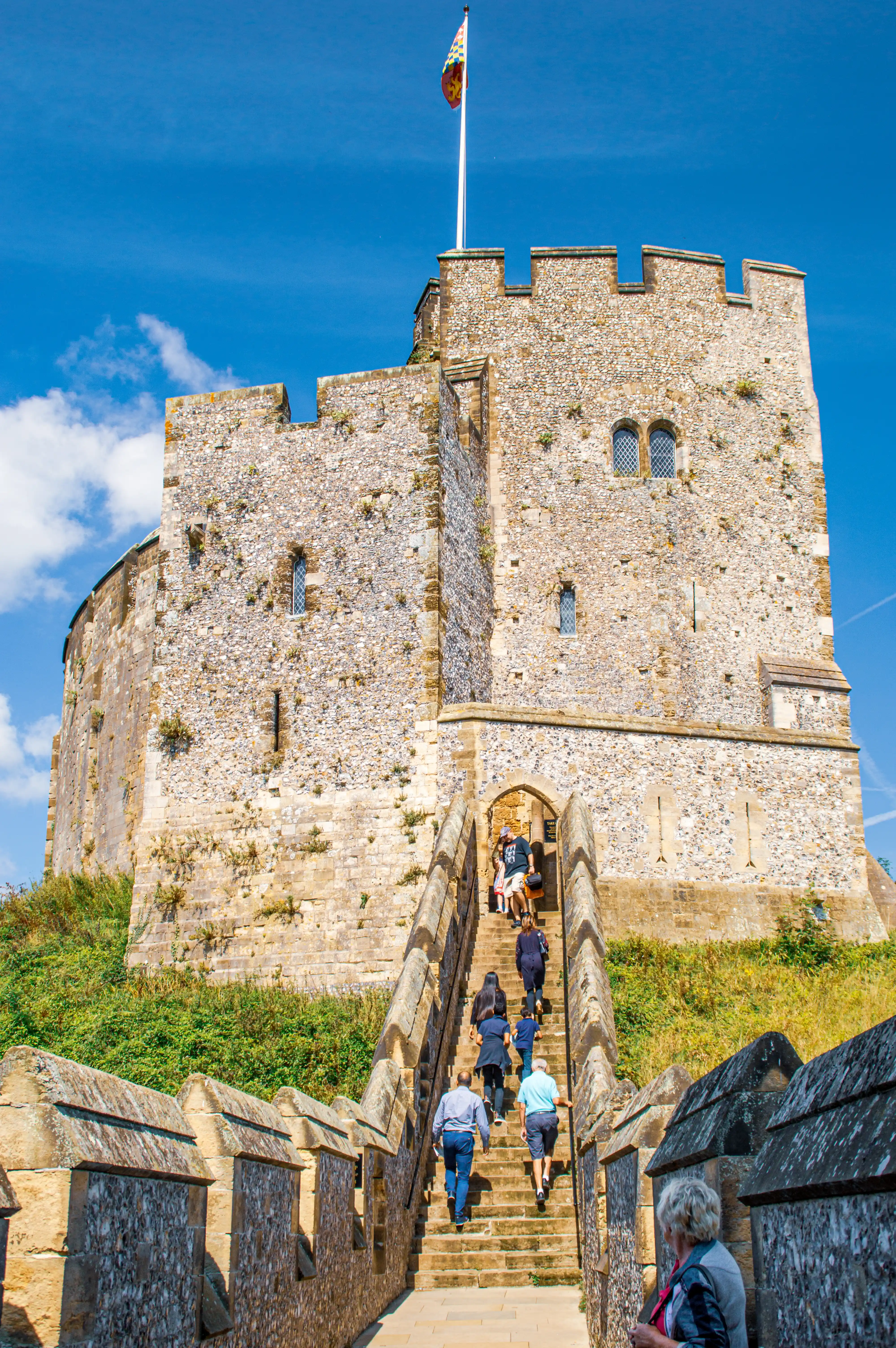
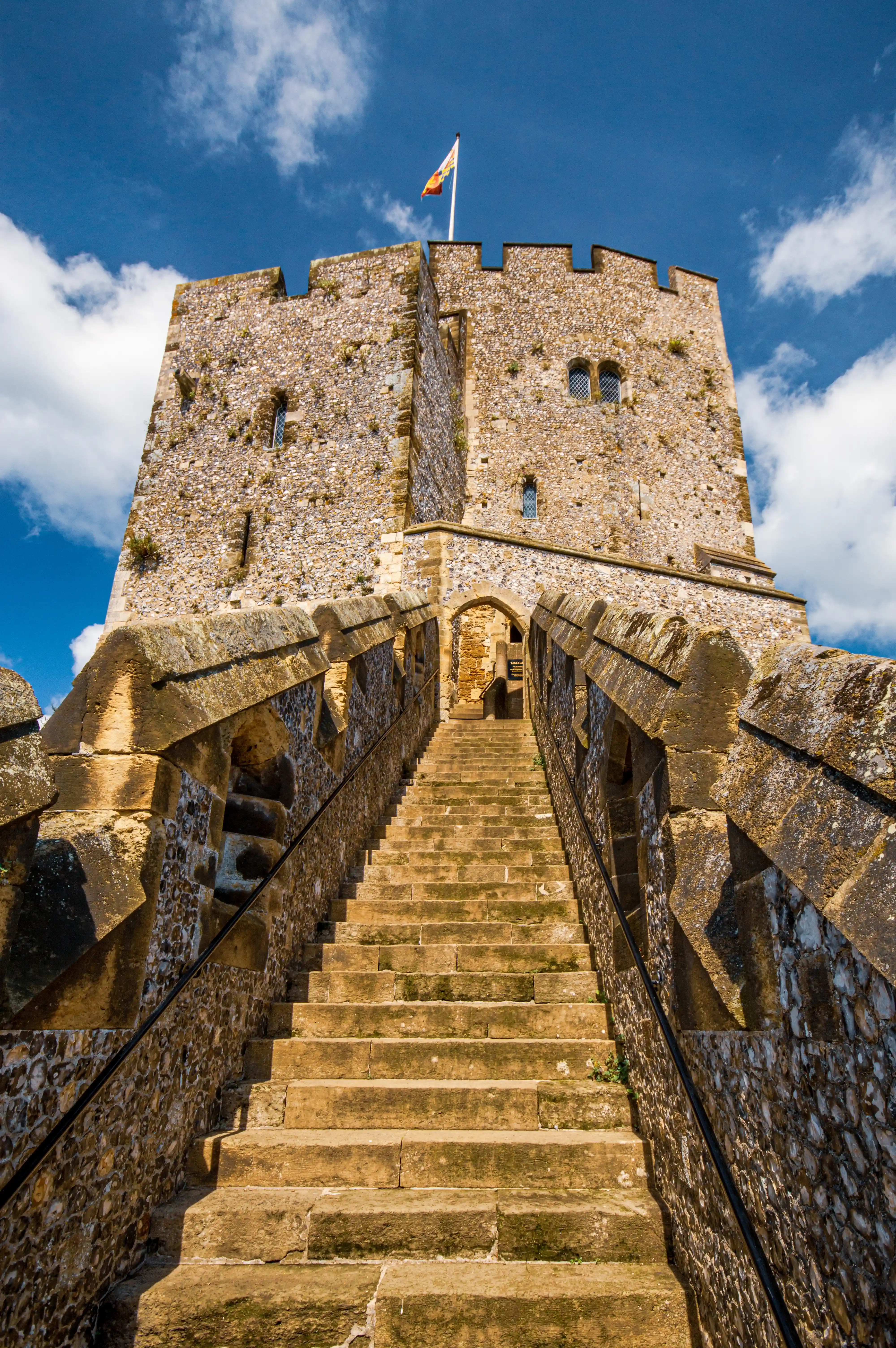
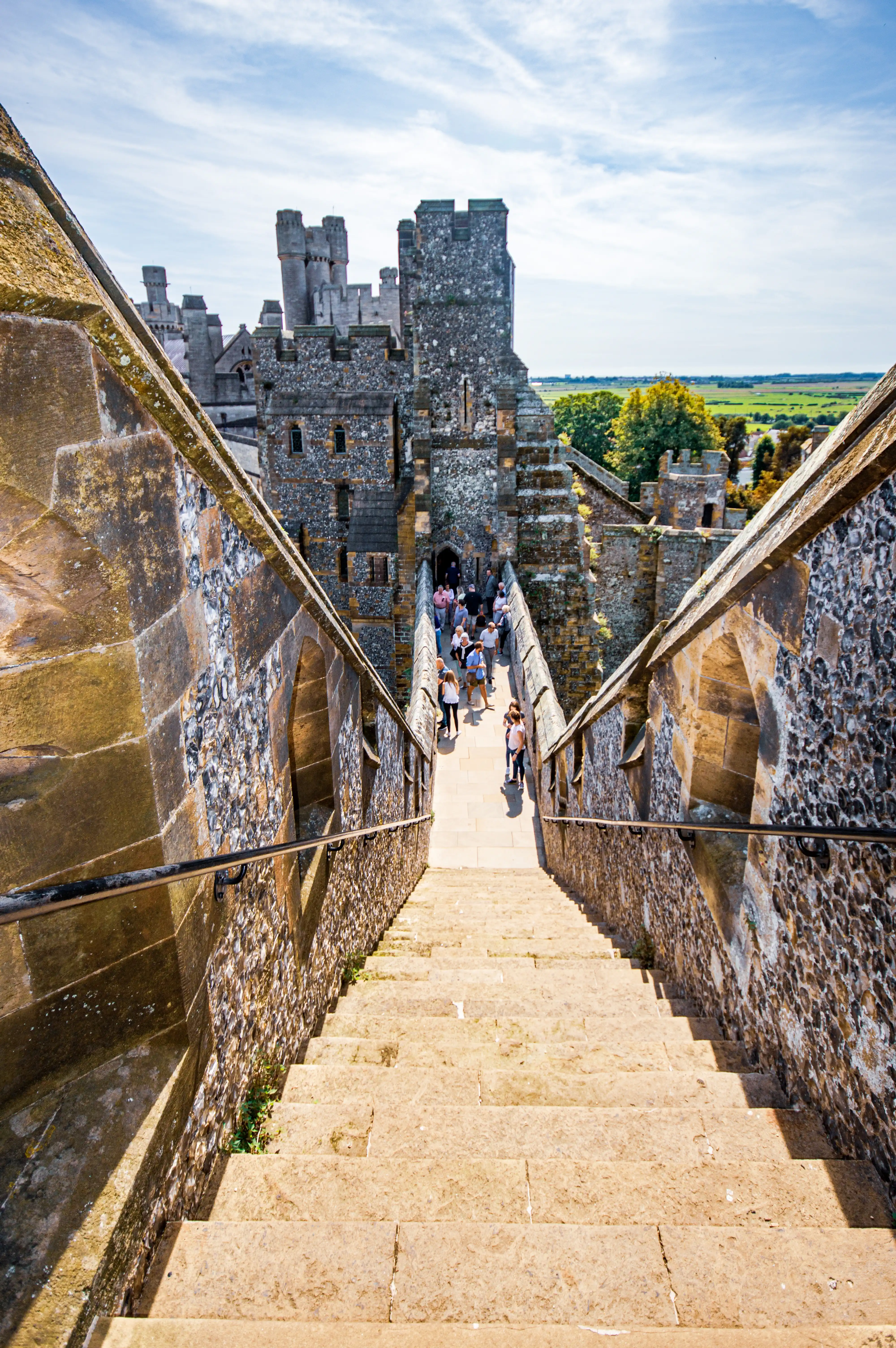
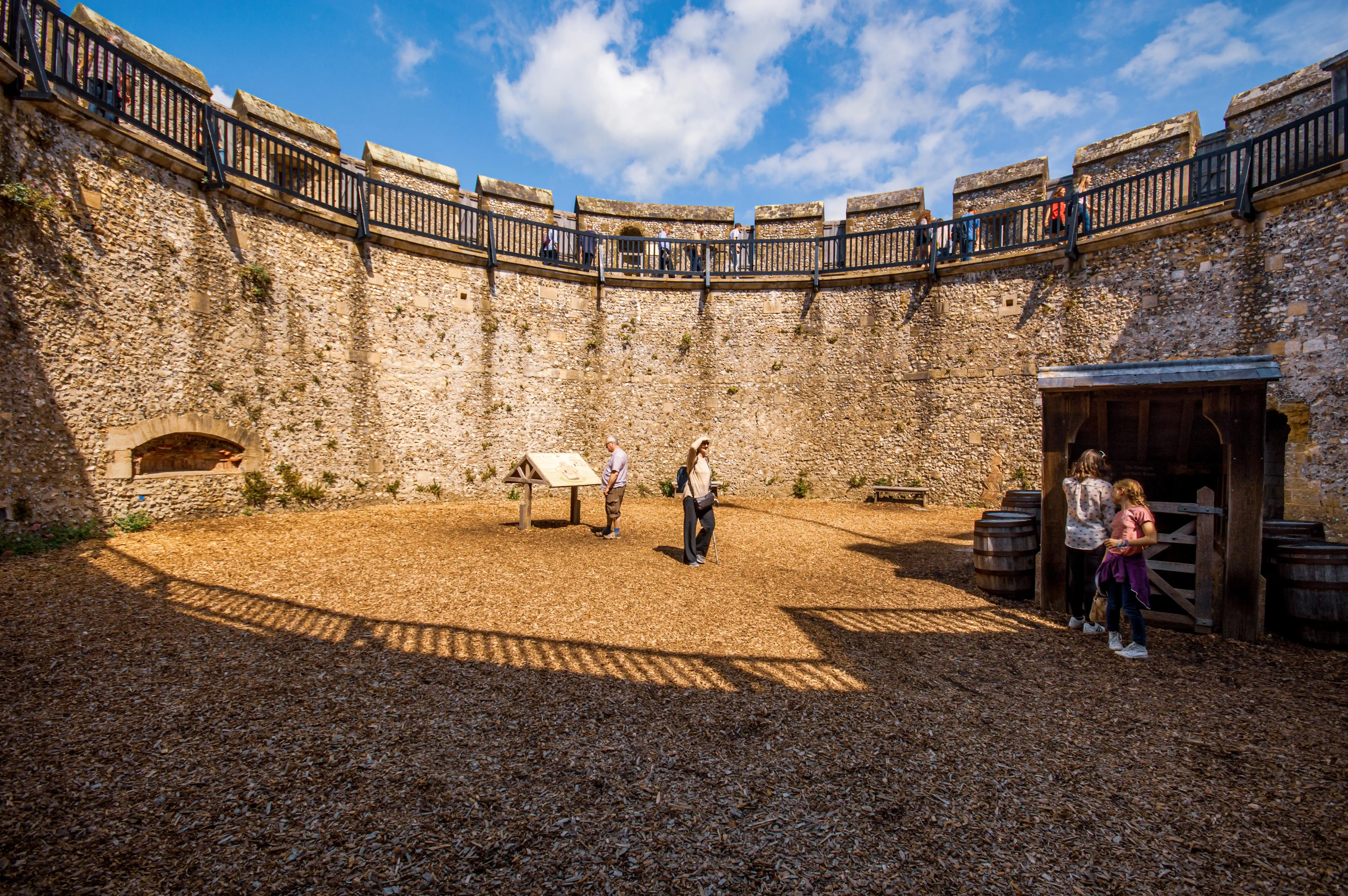
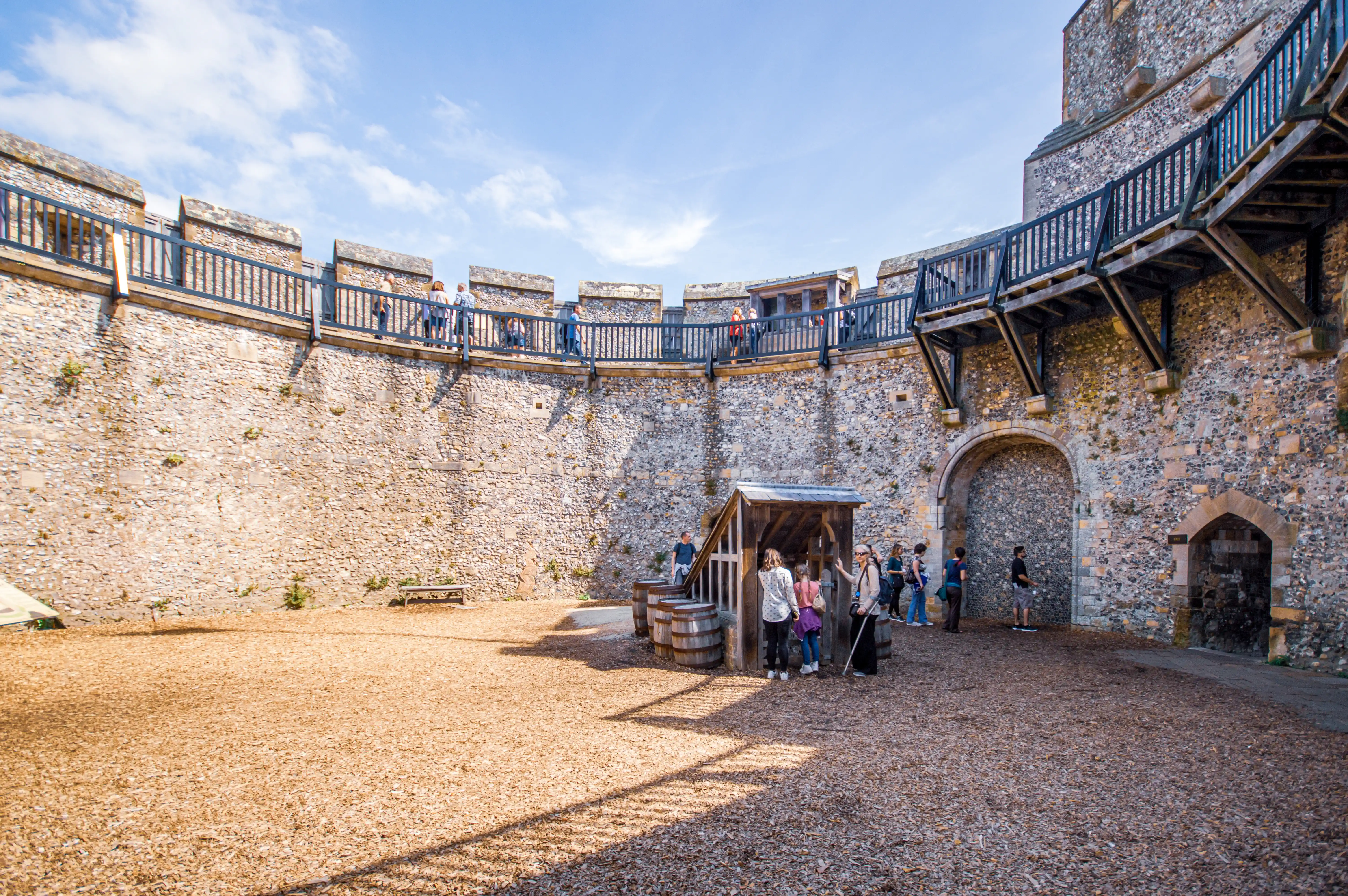
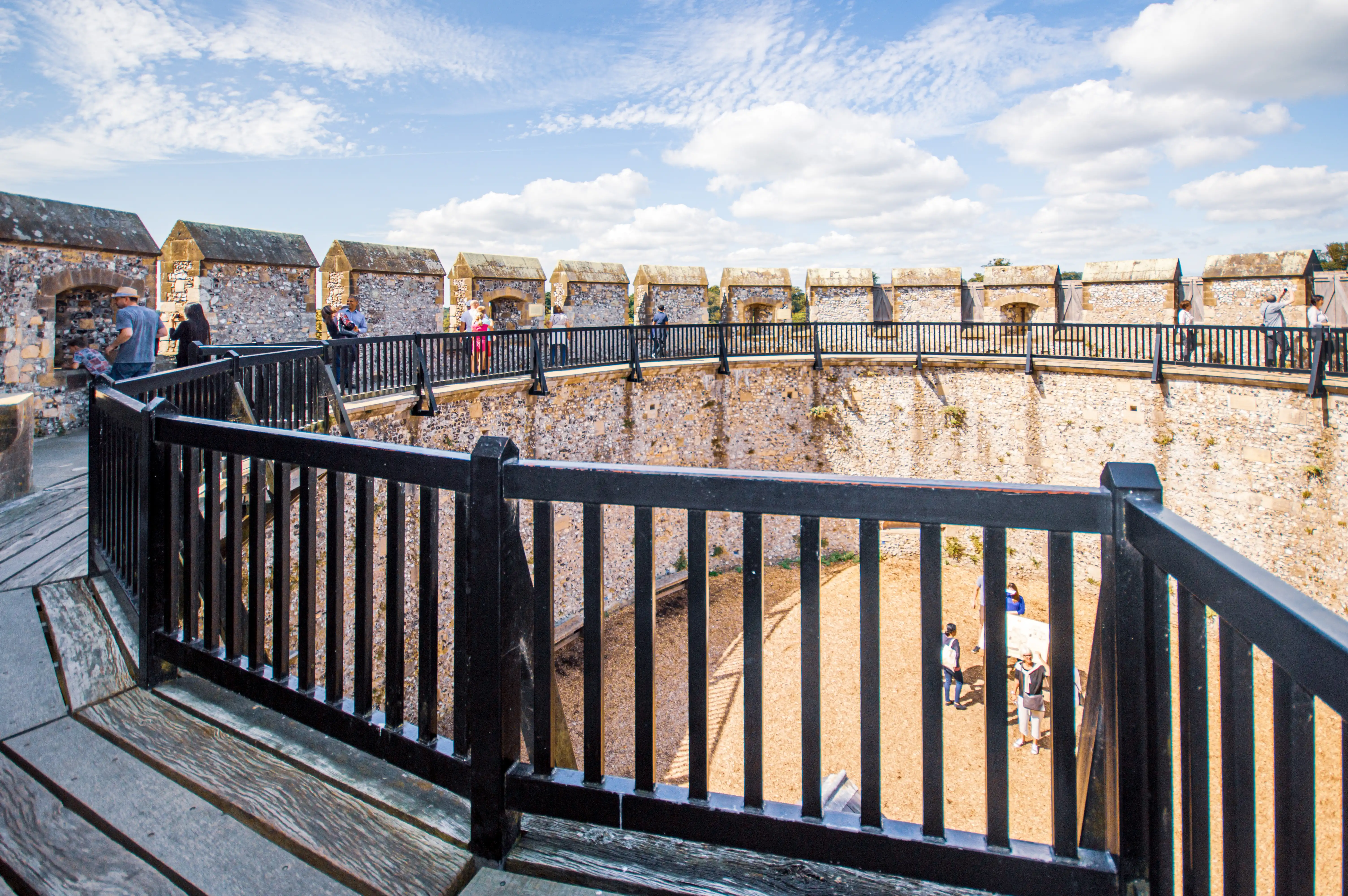
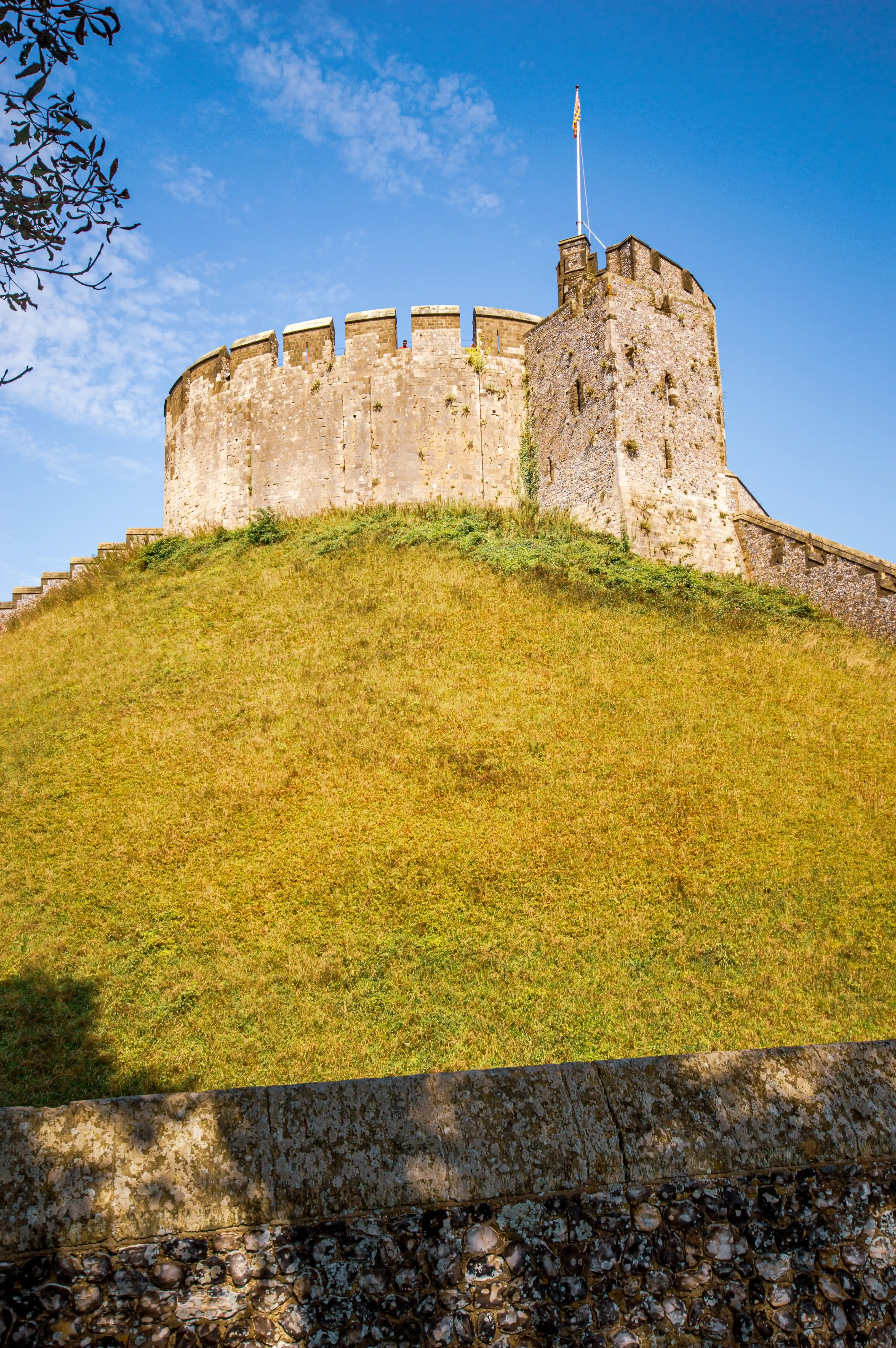
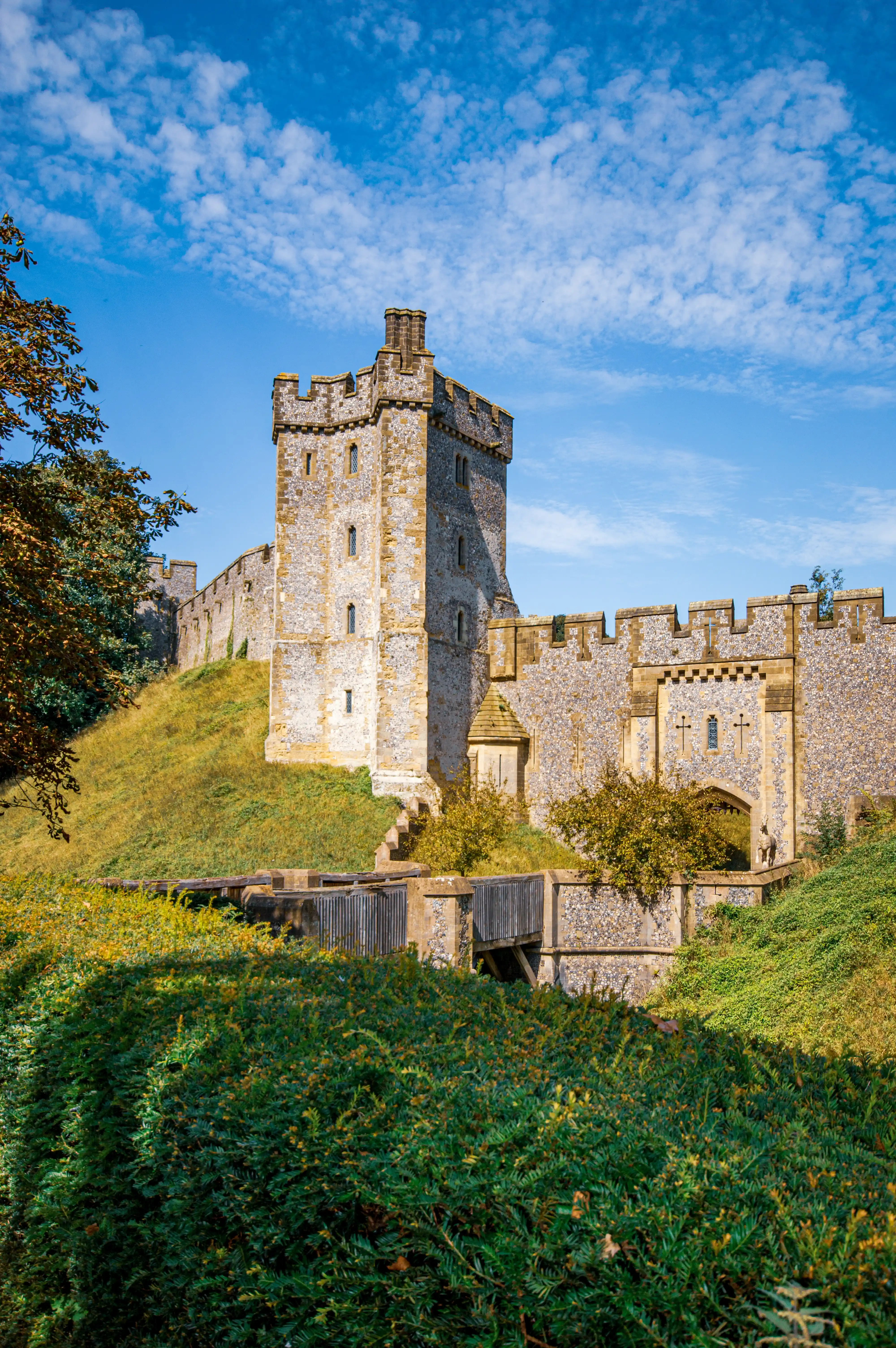
- Motte and Bailey – The original motte-and-bailey design of Arundel Castle is still visible today, with the motte (a raised earthwork) providing a panoramic view of the surrounding countryside. The bailey (a fortified enclosure) was once the heart of the castle’s defensive system.
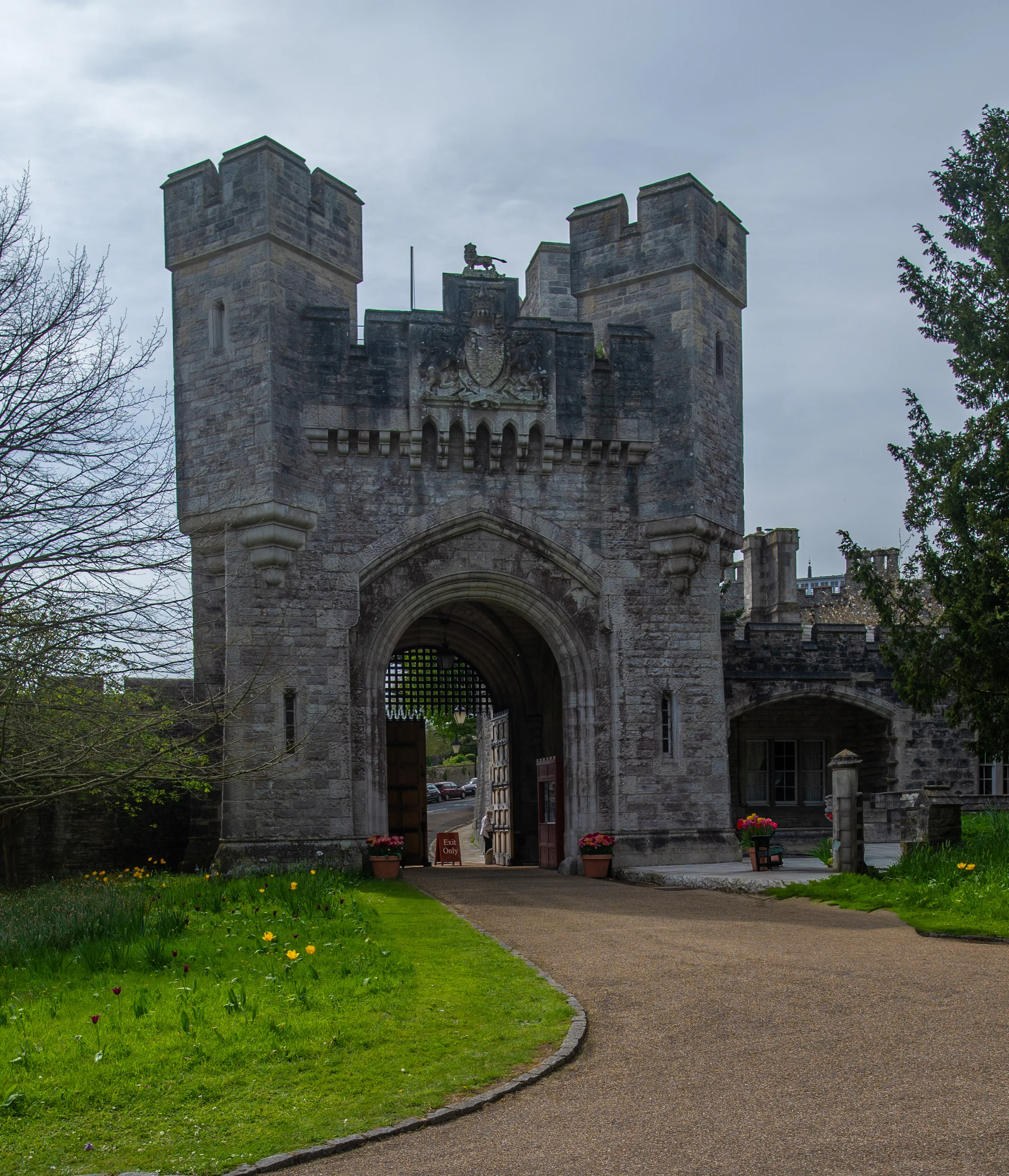
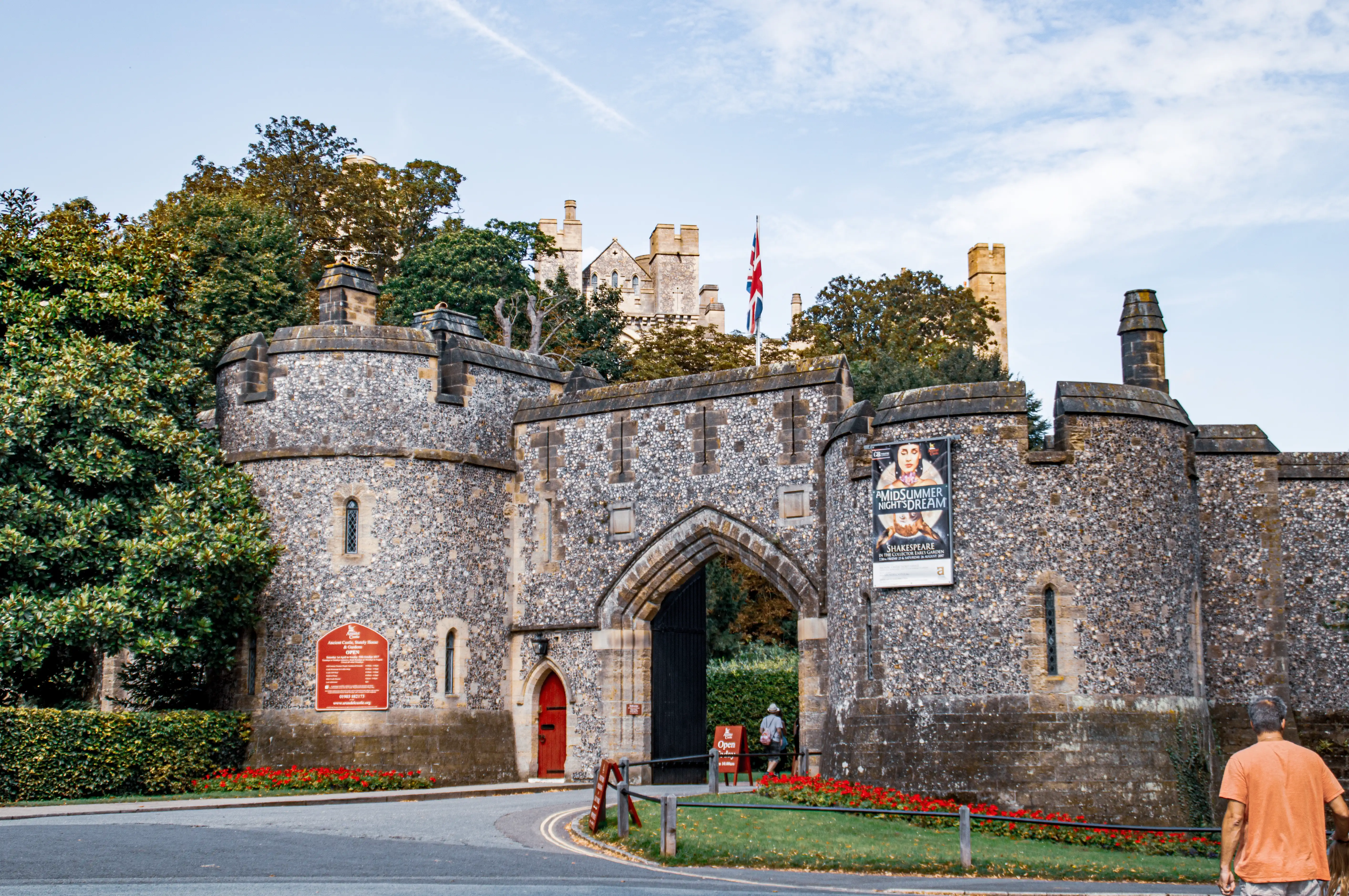
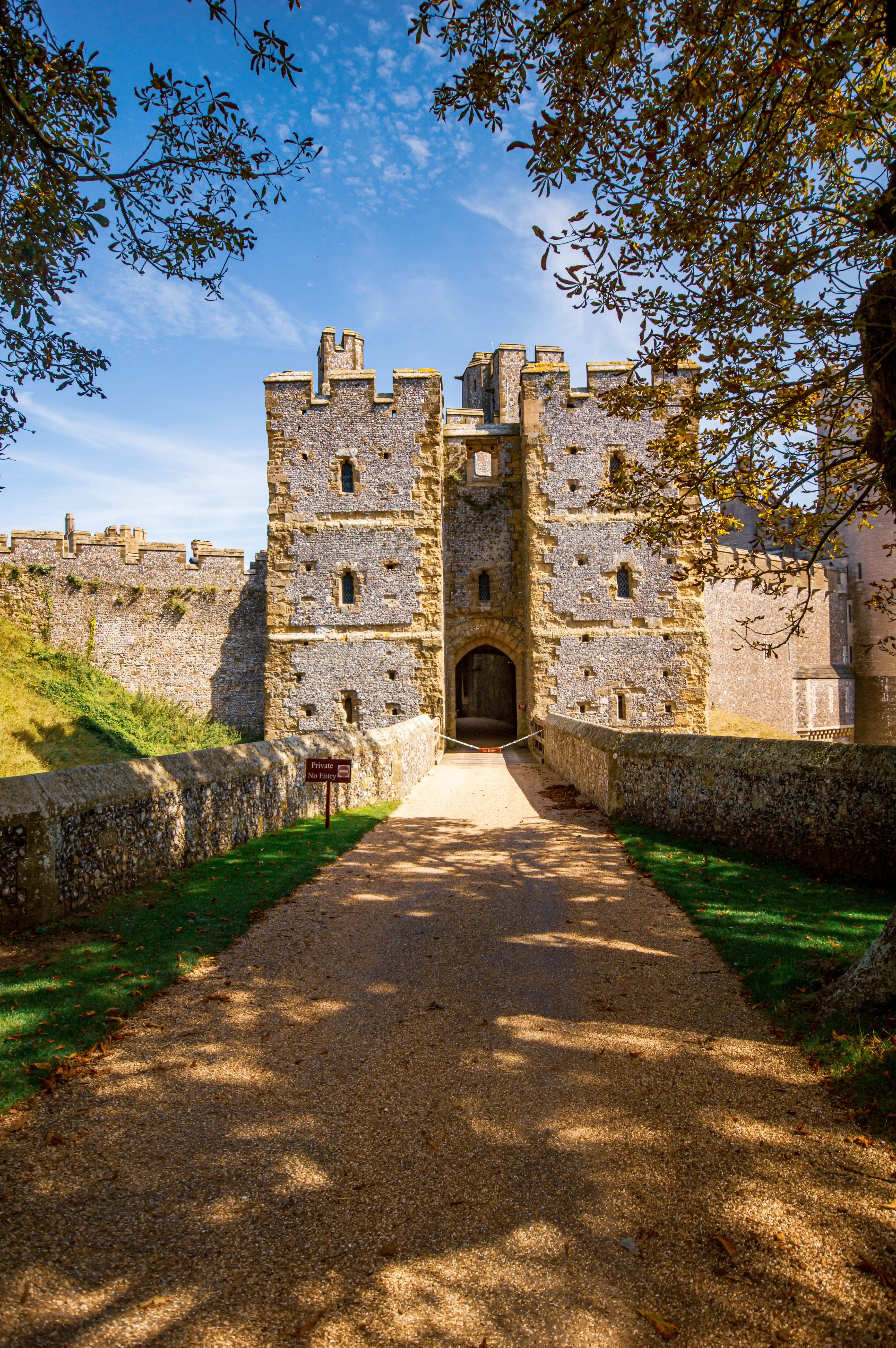
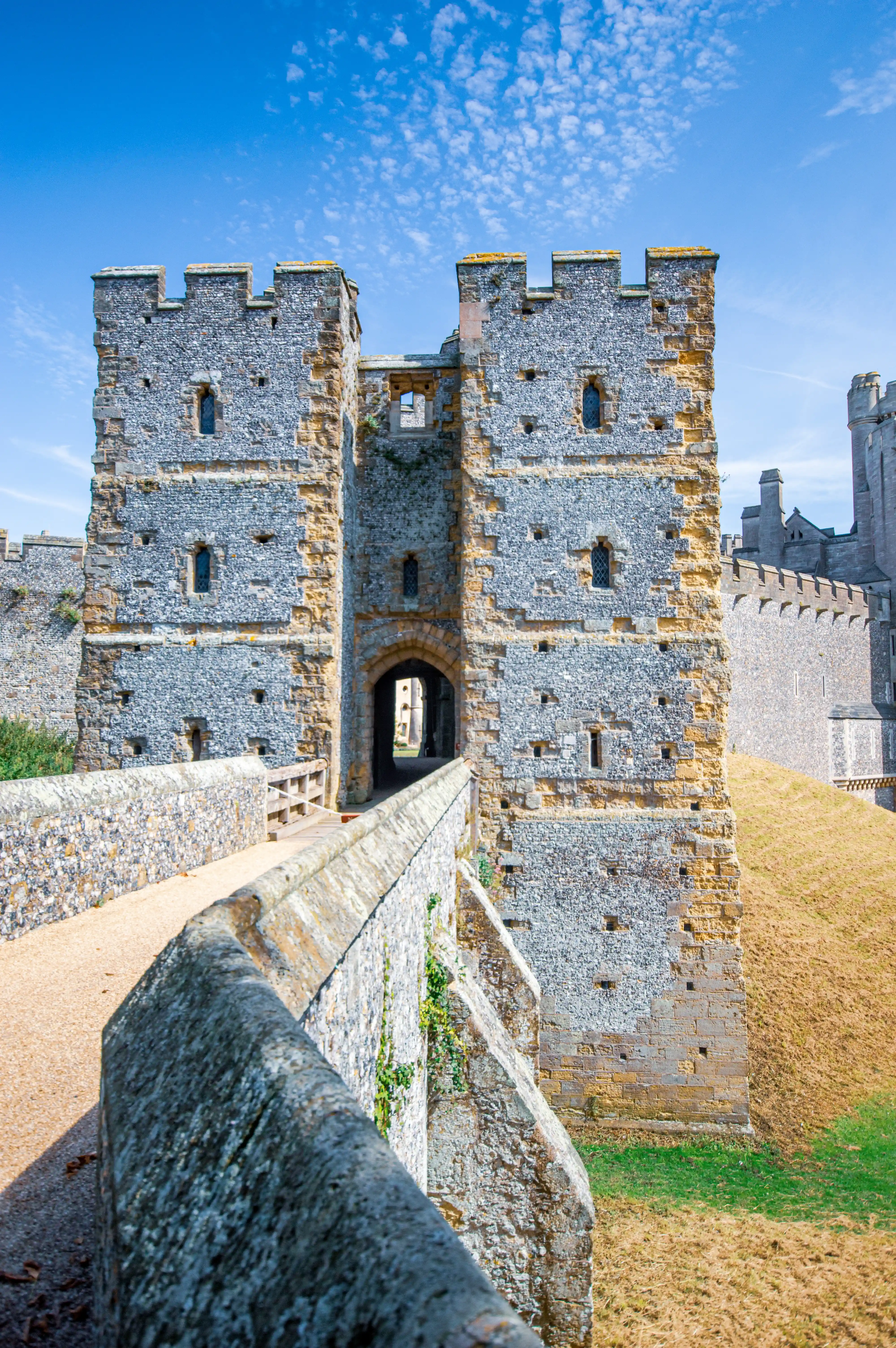
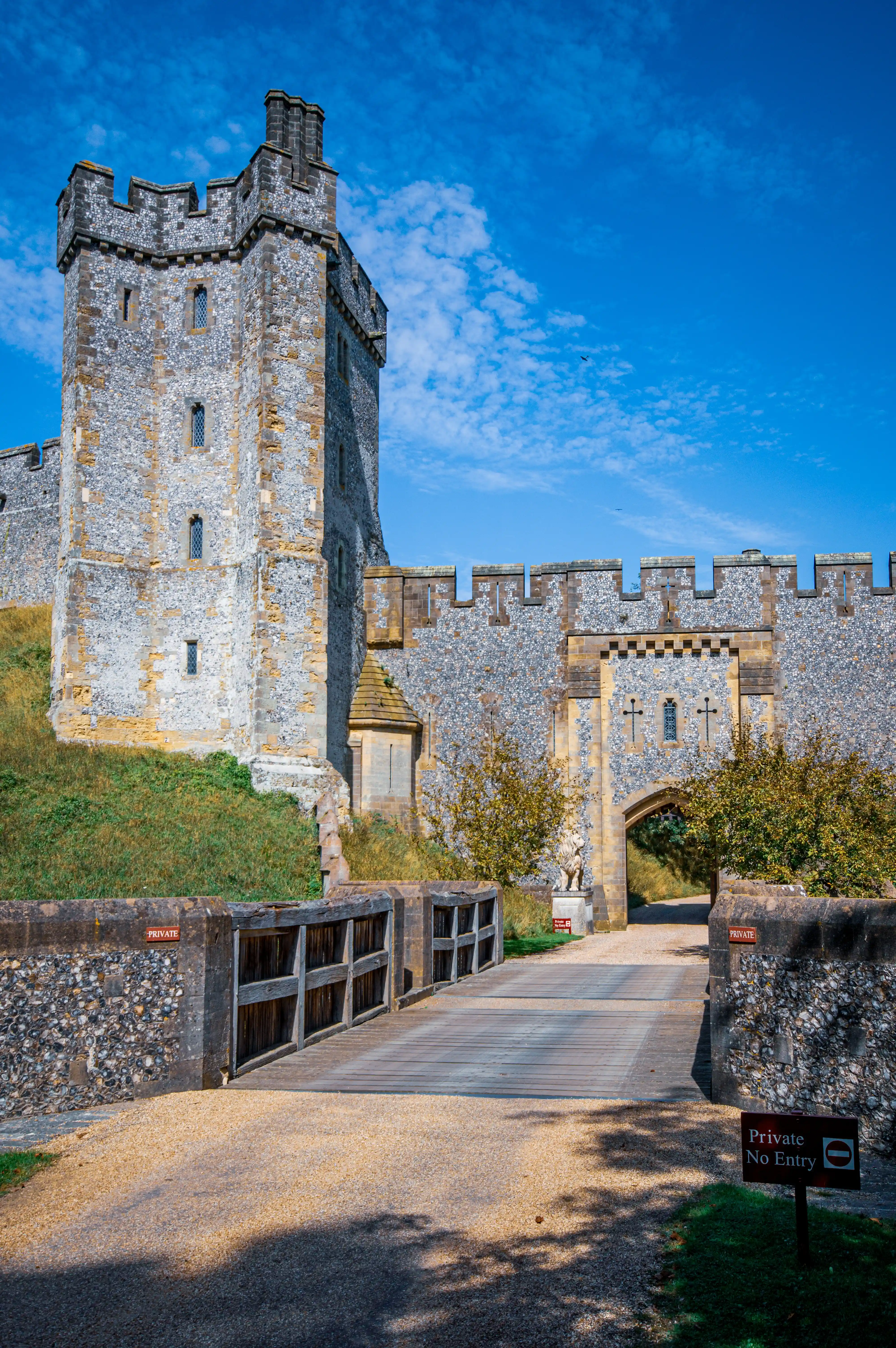
- Gatehouse – The grand gatehouse is one of the most iconic features of Arundel Castle. Built in the 14th century, it serves as the main entrance to the castle and is a striking example of medieval military architecture.
- Barbican – The barbican, a fortified gateway, was added in the 13th century to enhance the castle’s defenses. Today, it provides a dramatic entrance for visitors, setting the tone for the historic experience that awaits inside.
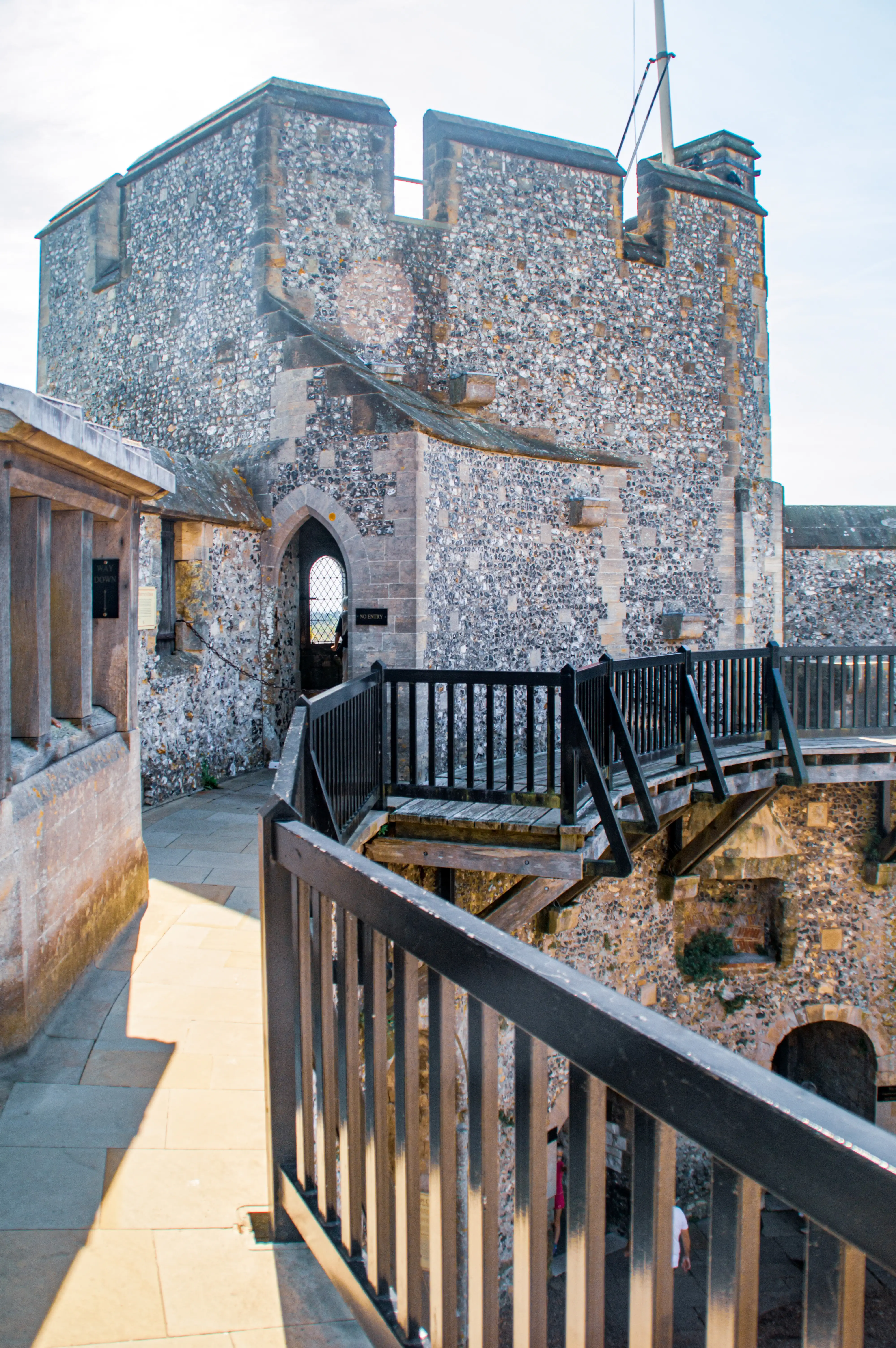
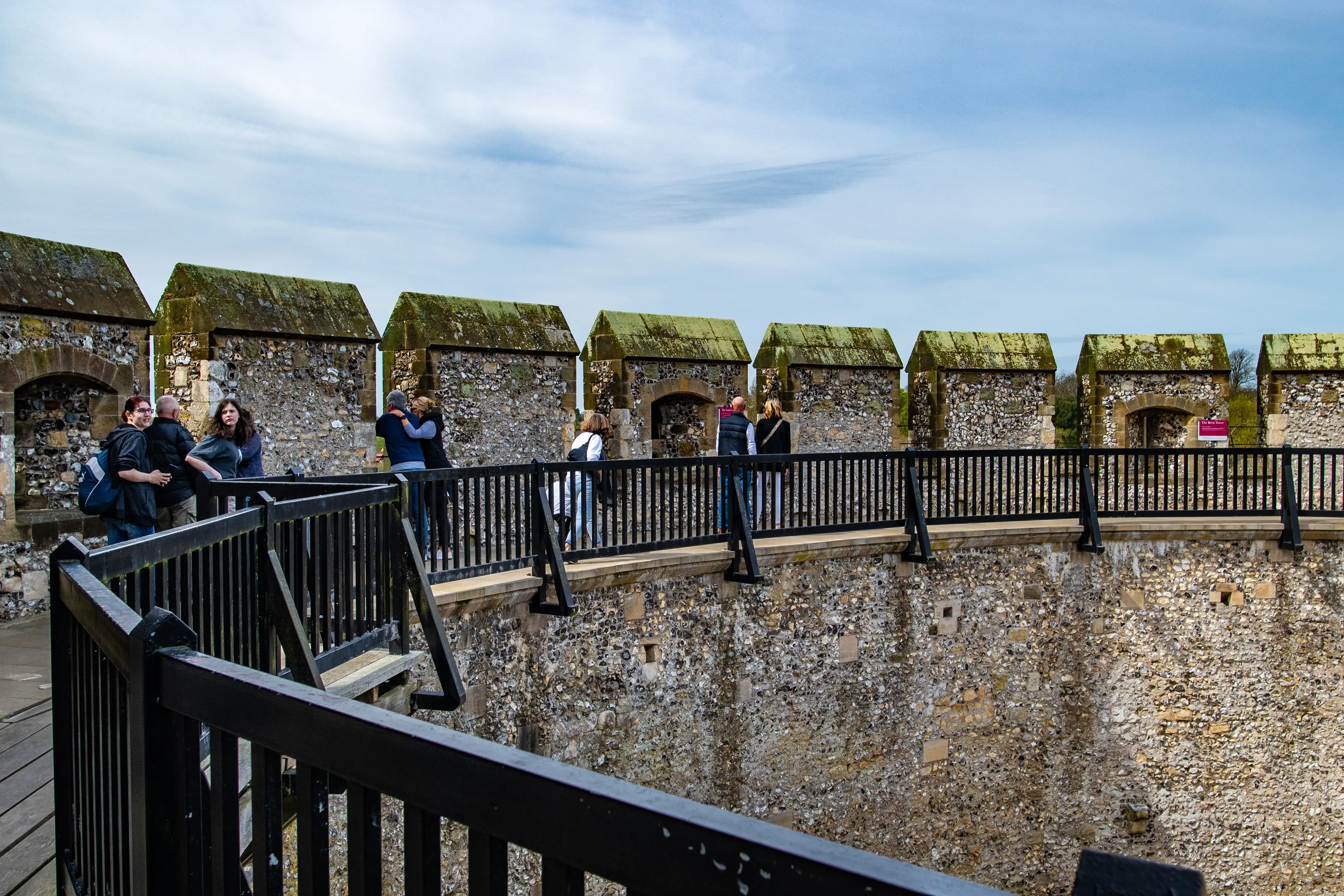
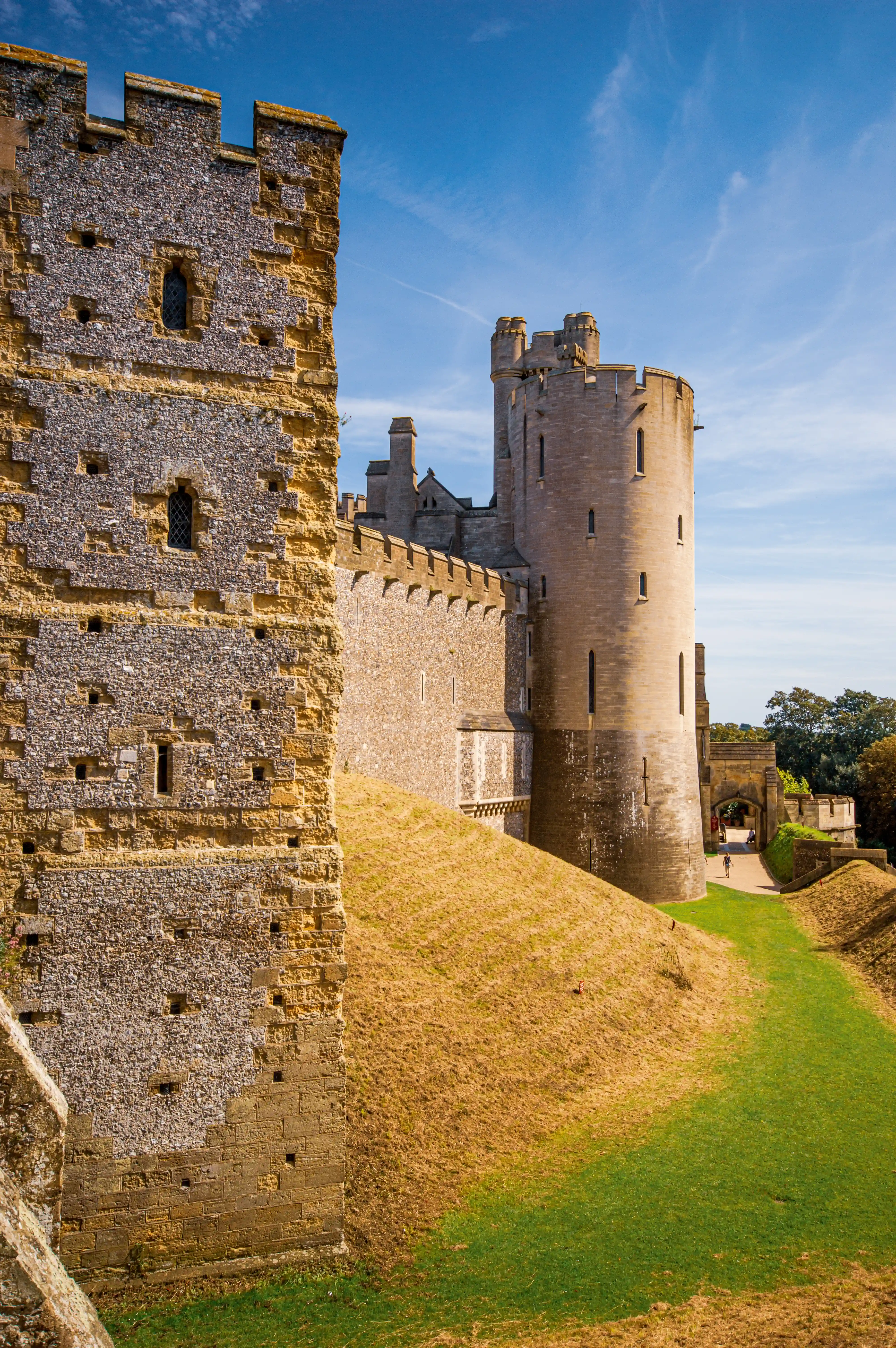
- Towers – Arundel Castle features several towers, including the Keep, the Bevis Tower, and the Norfolk Tower. These towers were originally built for defense but now offer stunning views of the castle and its surroundings.
- Stables and Coach House – The stables and coach house, built in the 19th century, showcase the equestrian heritage of the castle. Today, they house a collection of historic carriages and provide insights into the transportation of the Victorian era.

