
Historical Significance
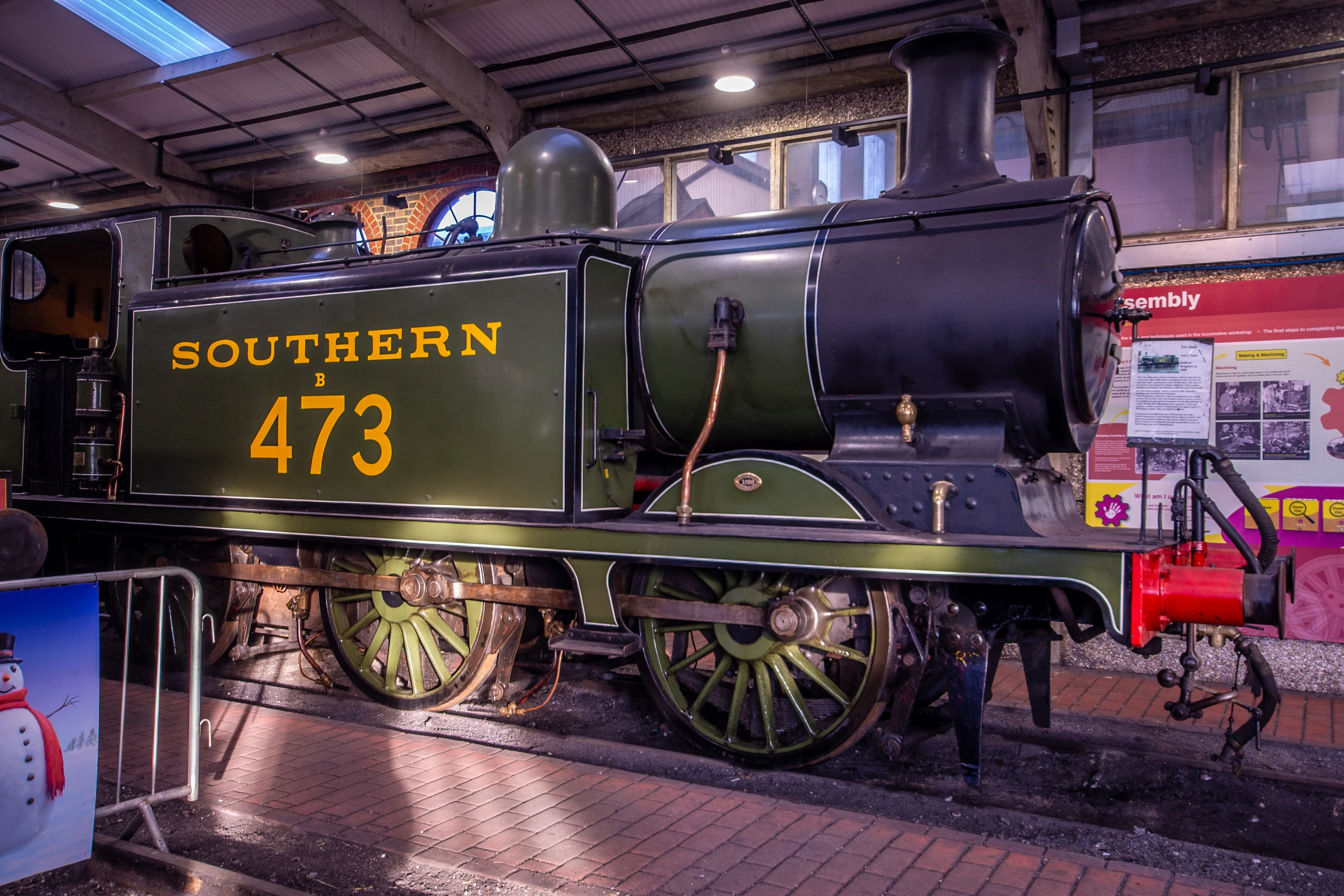
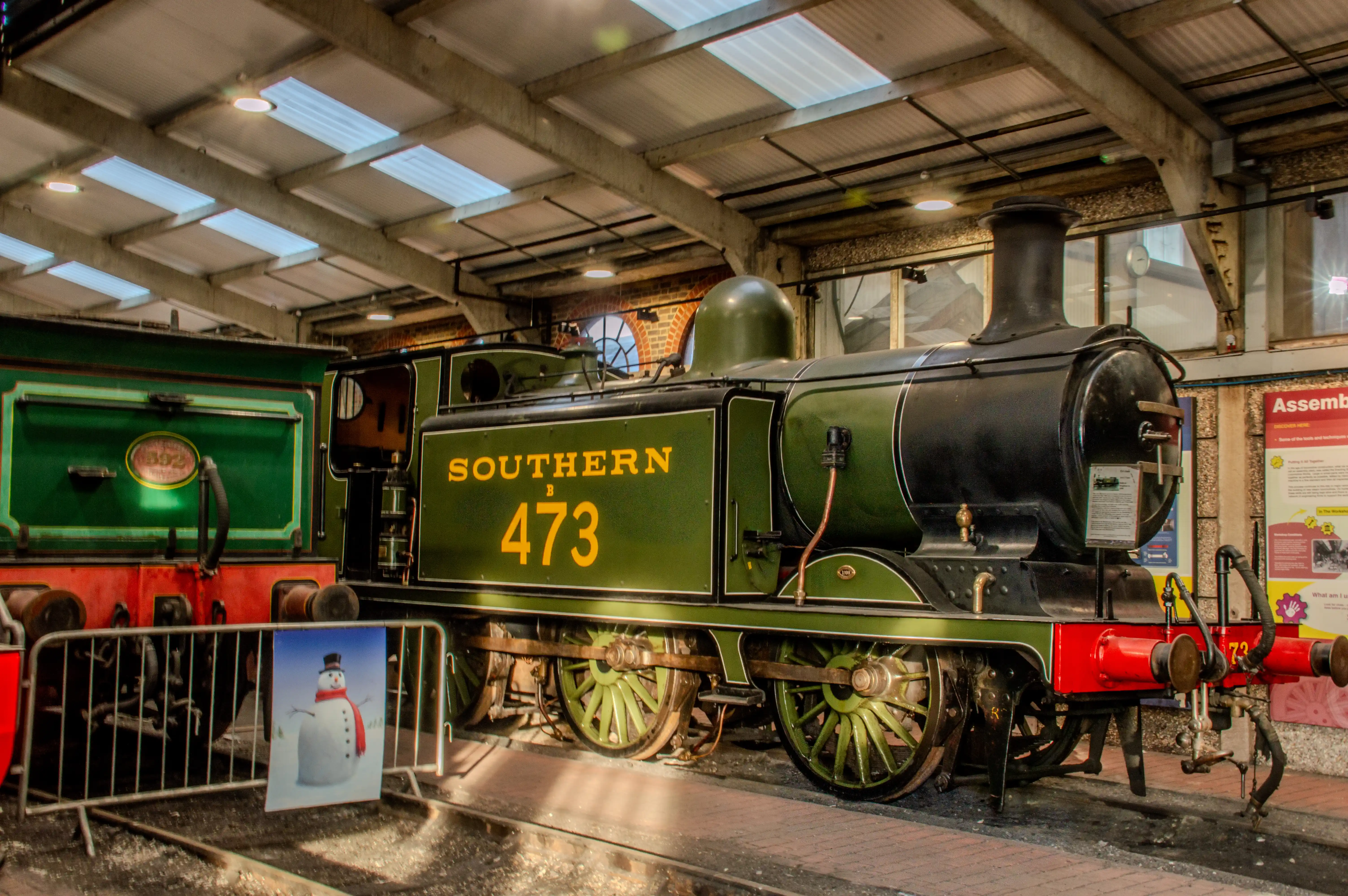
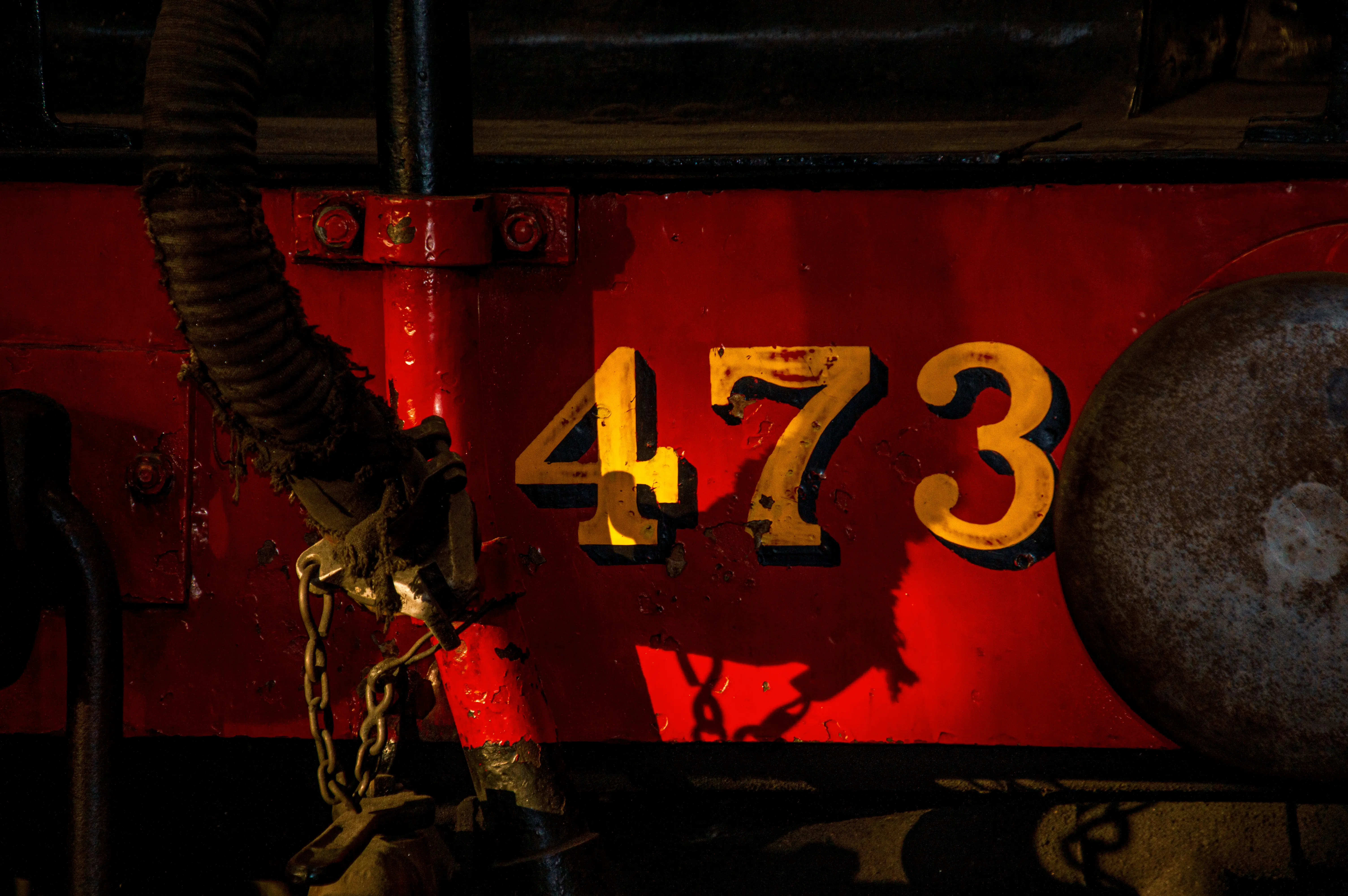
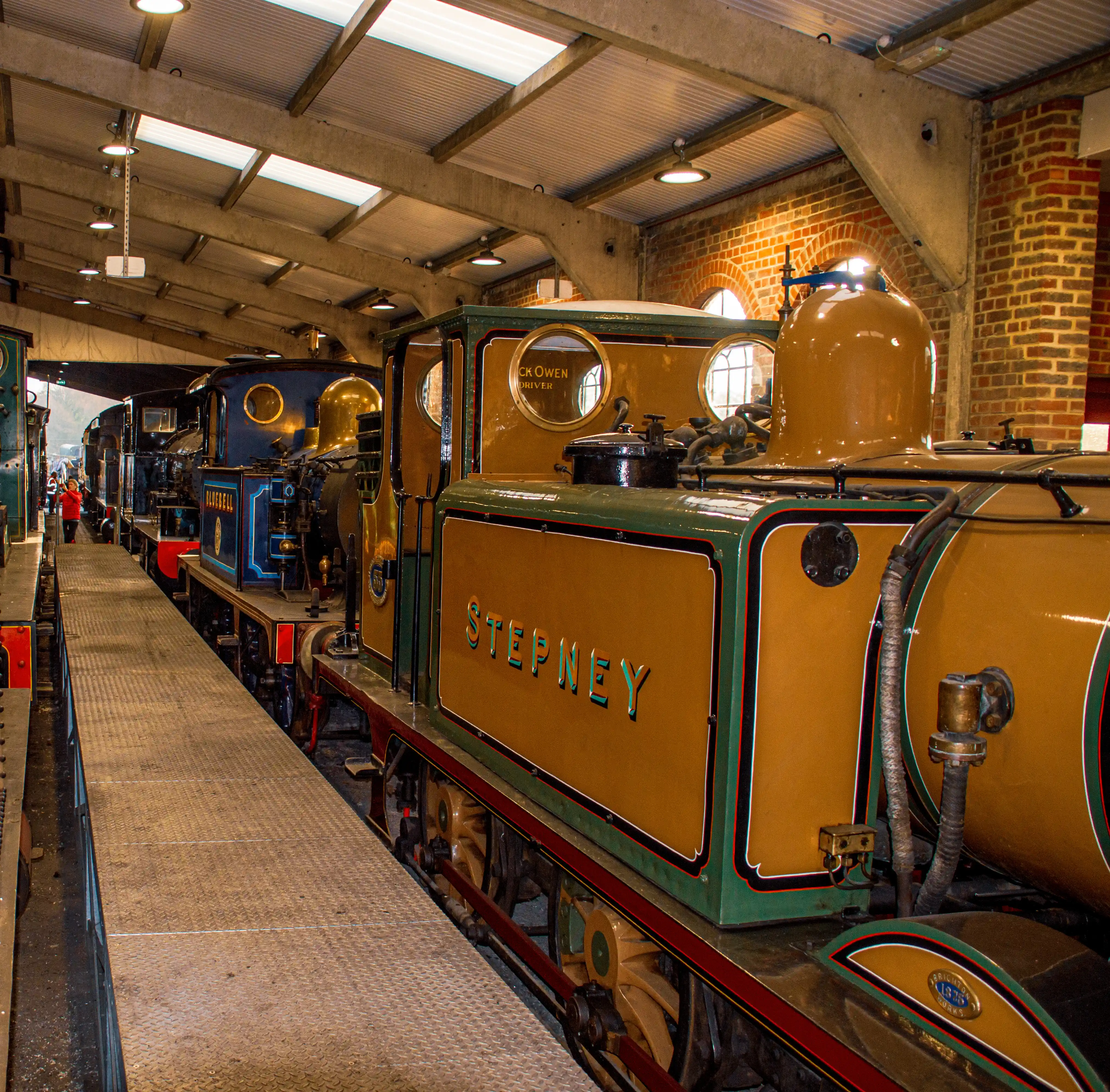
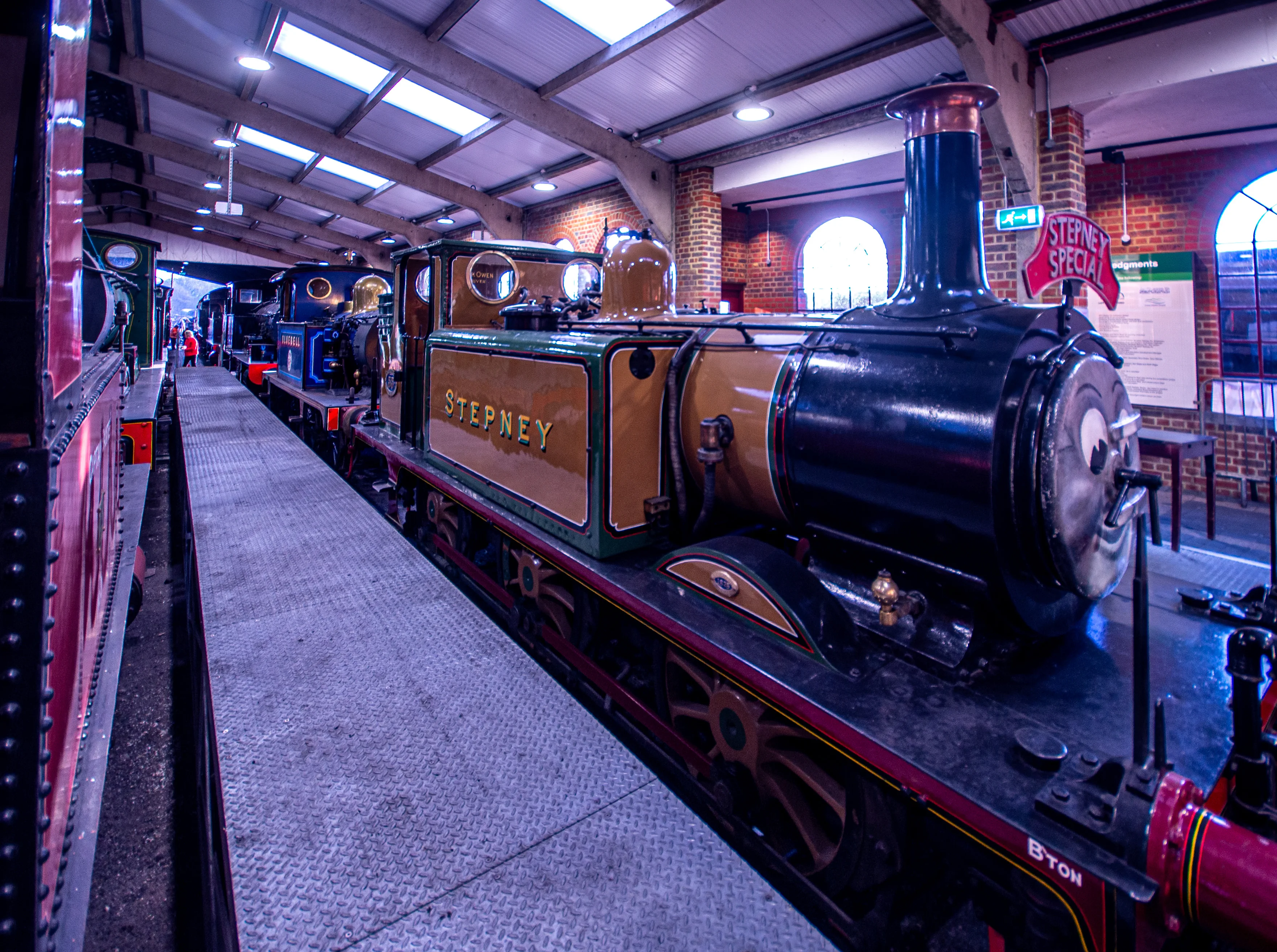
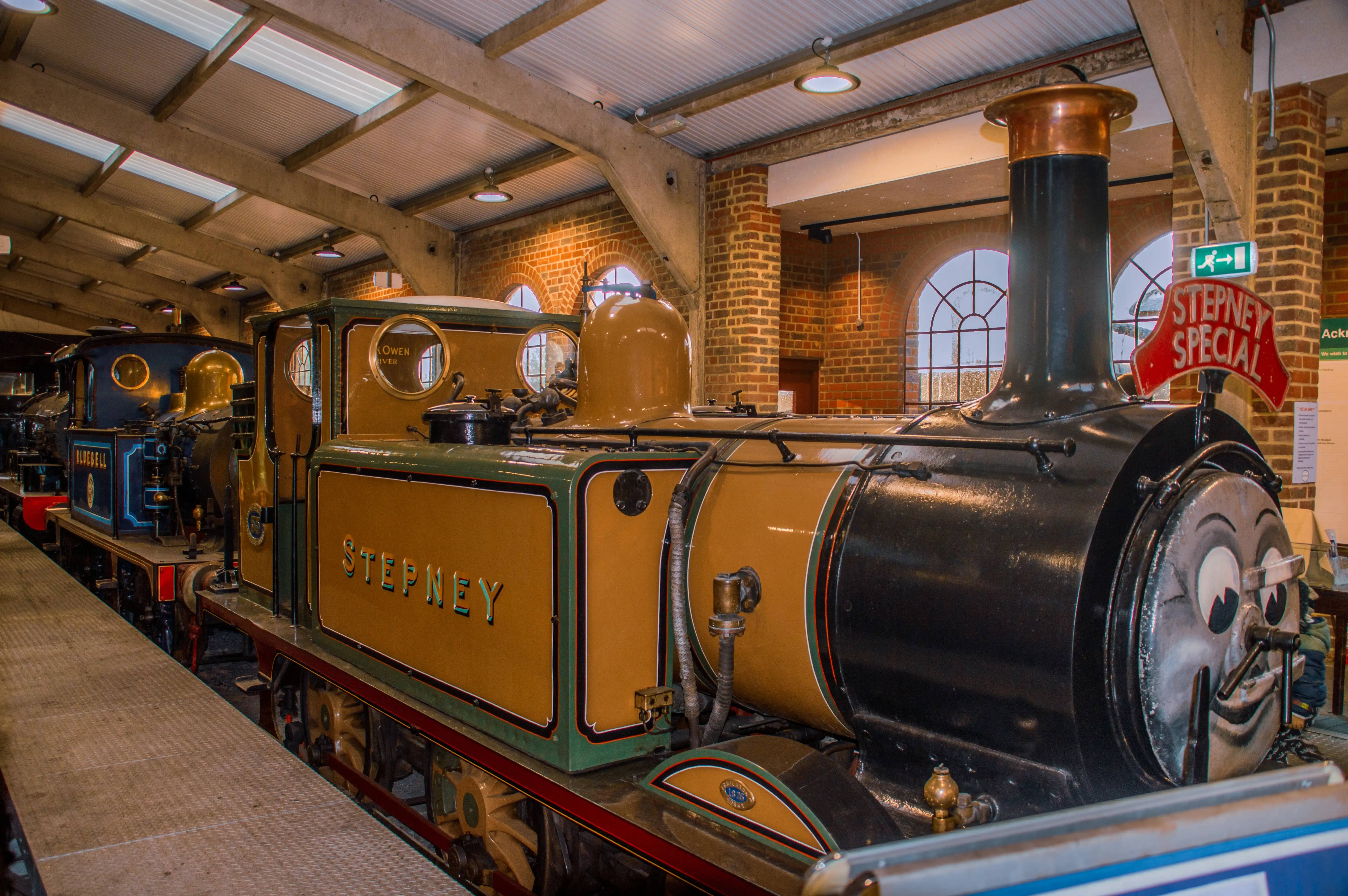
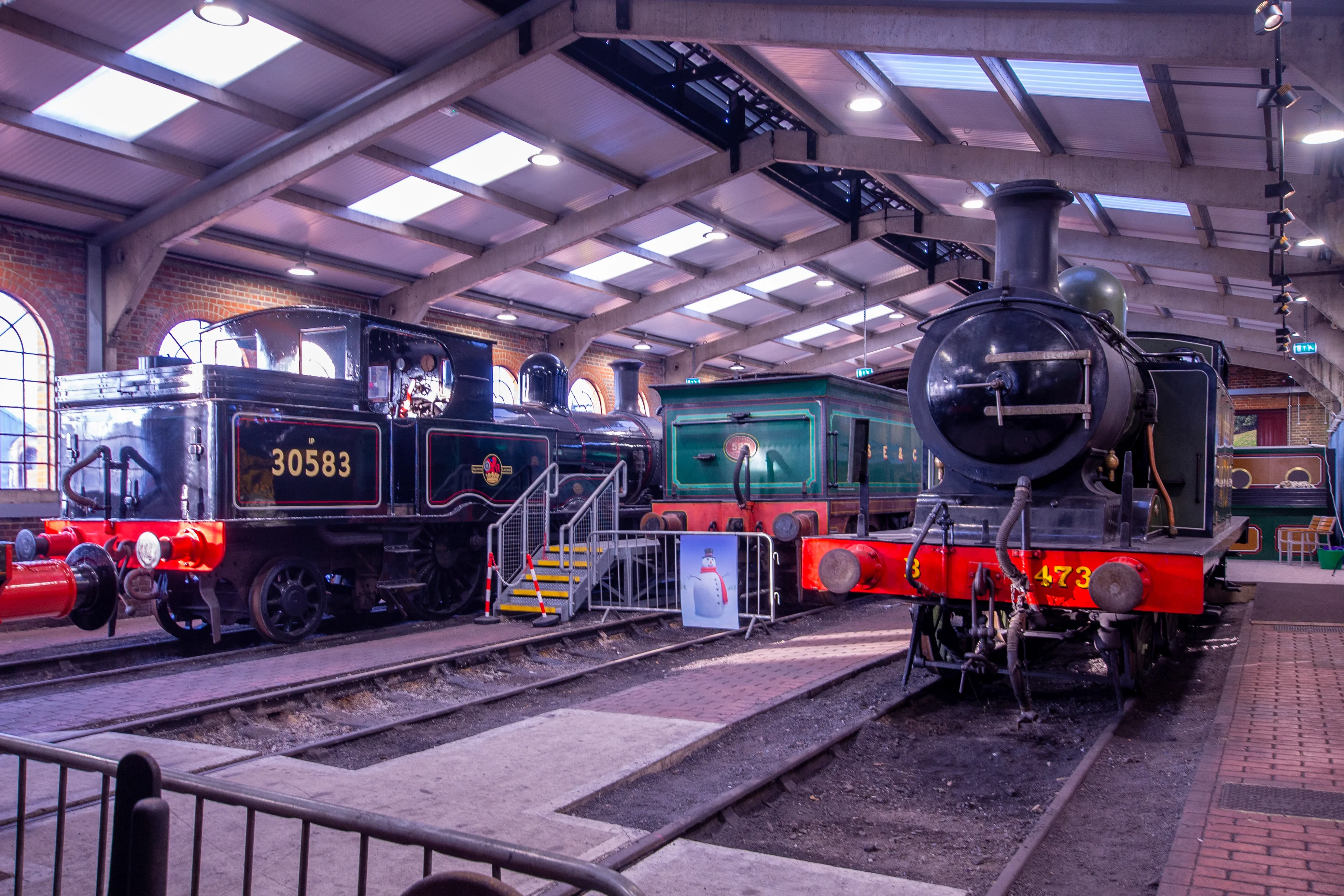
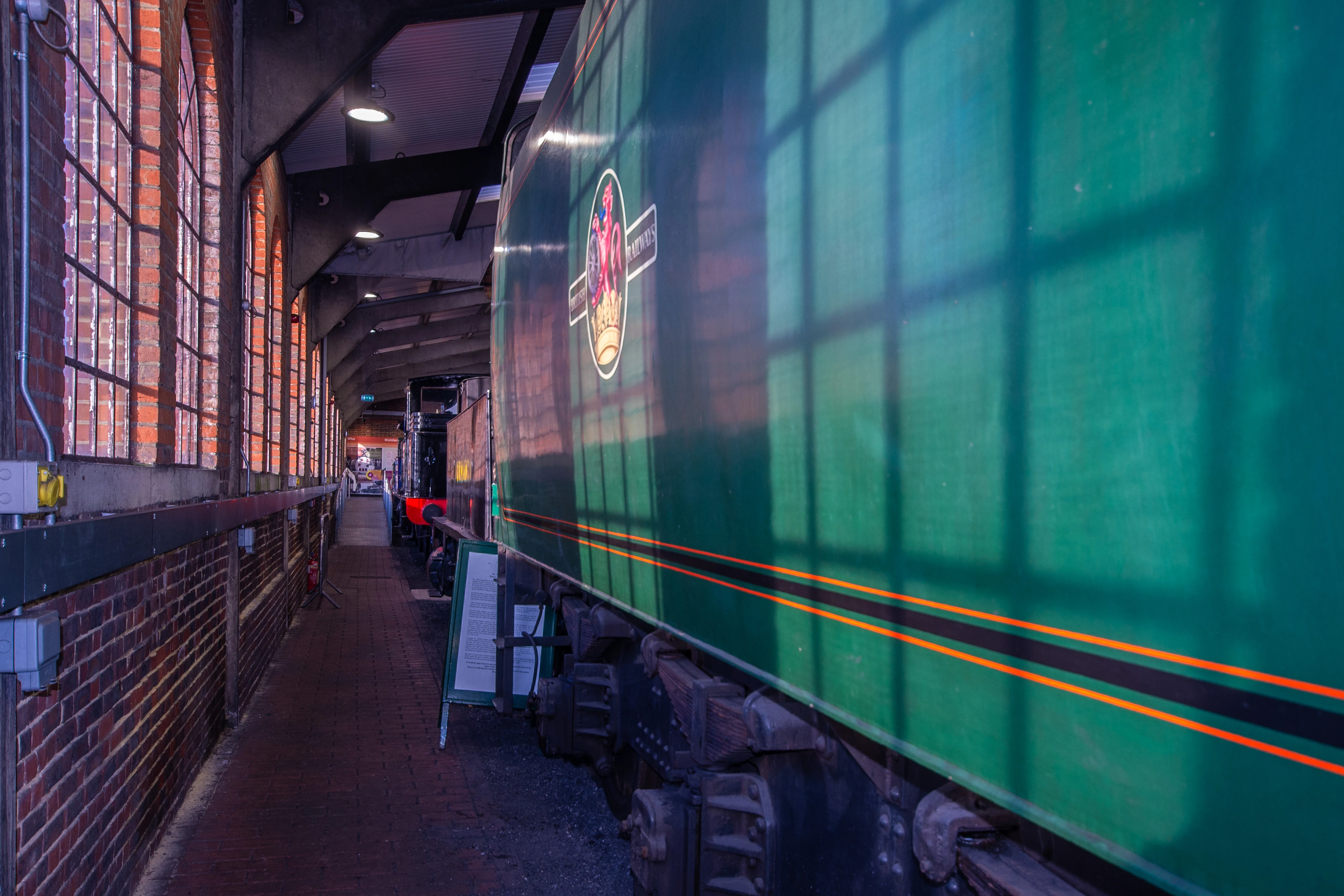
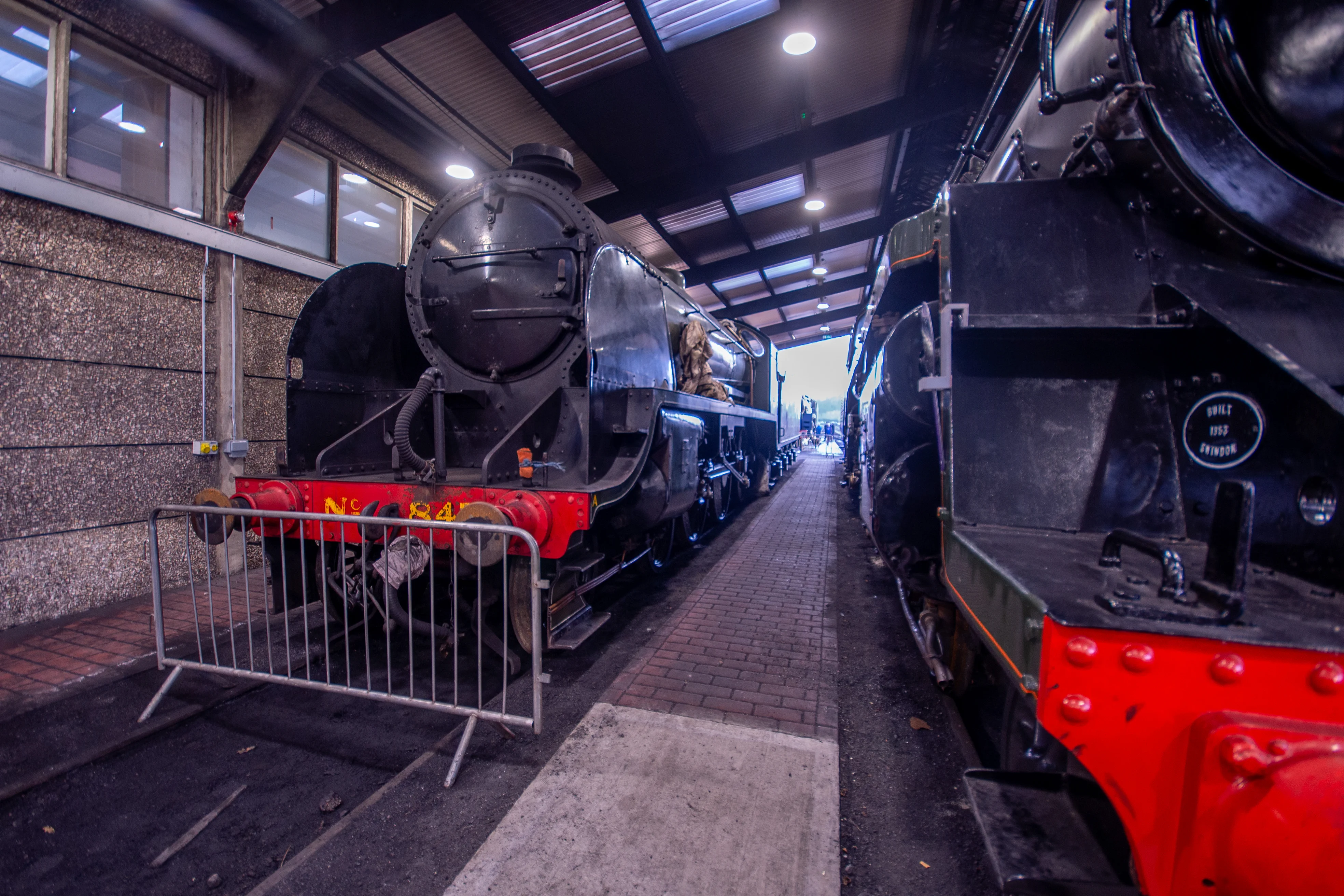
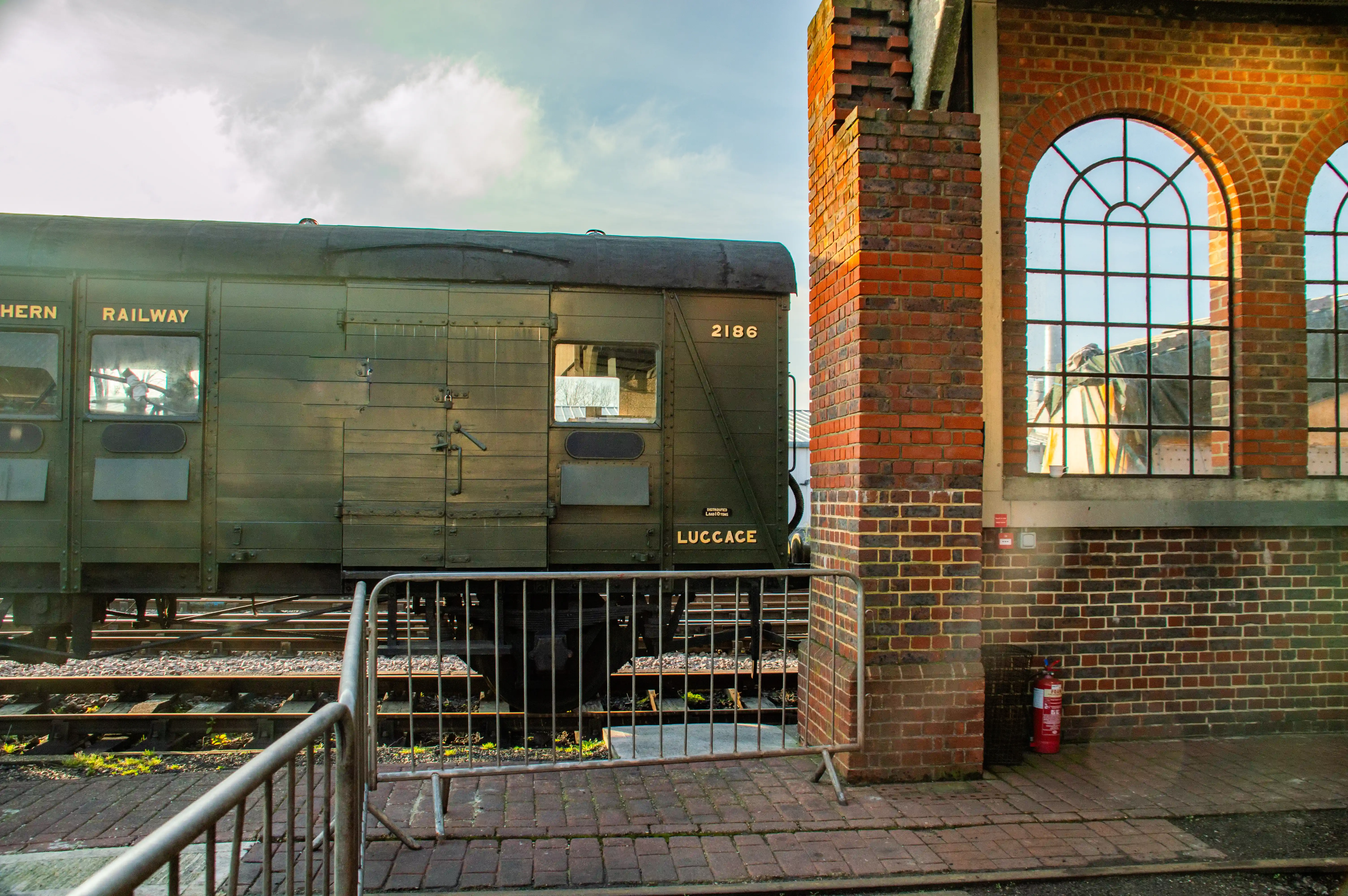
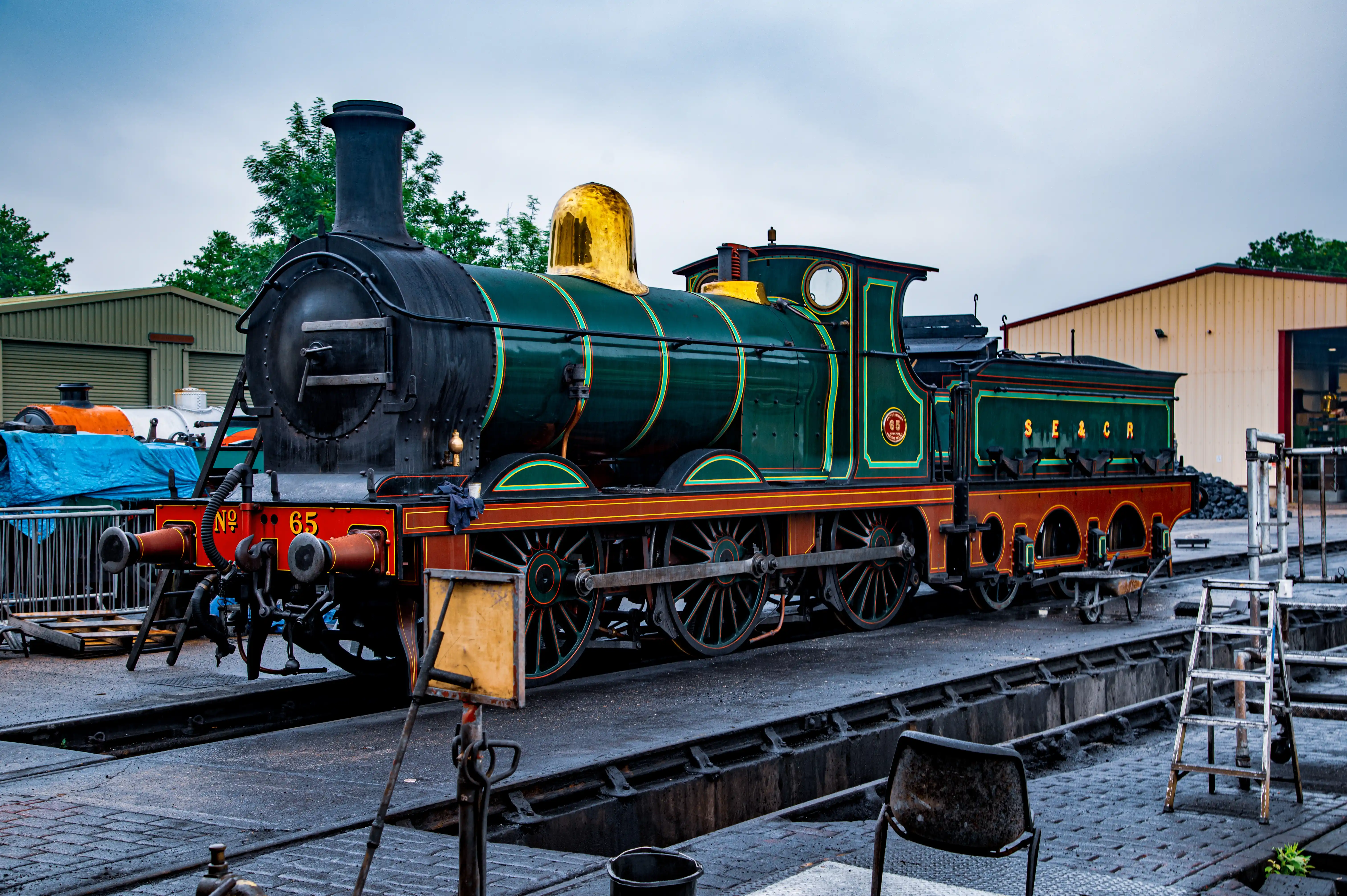
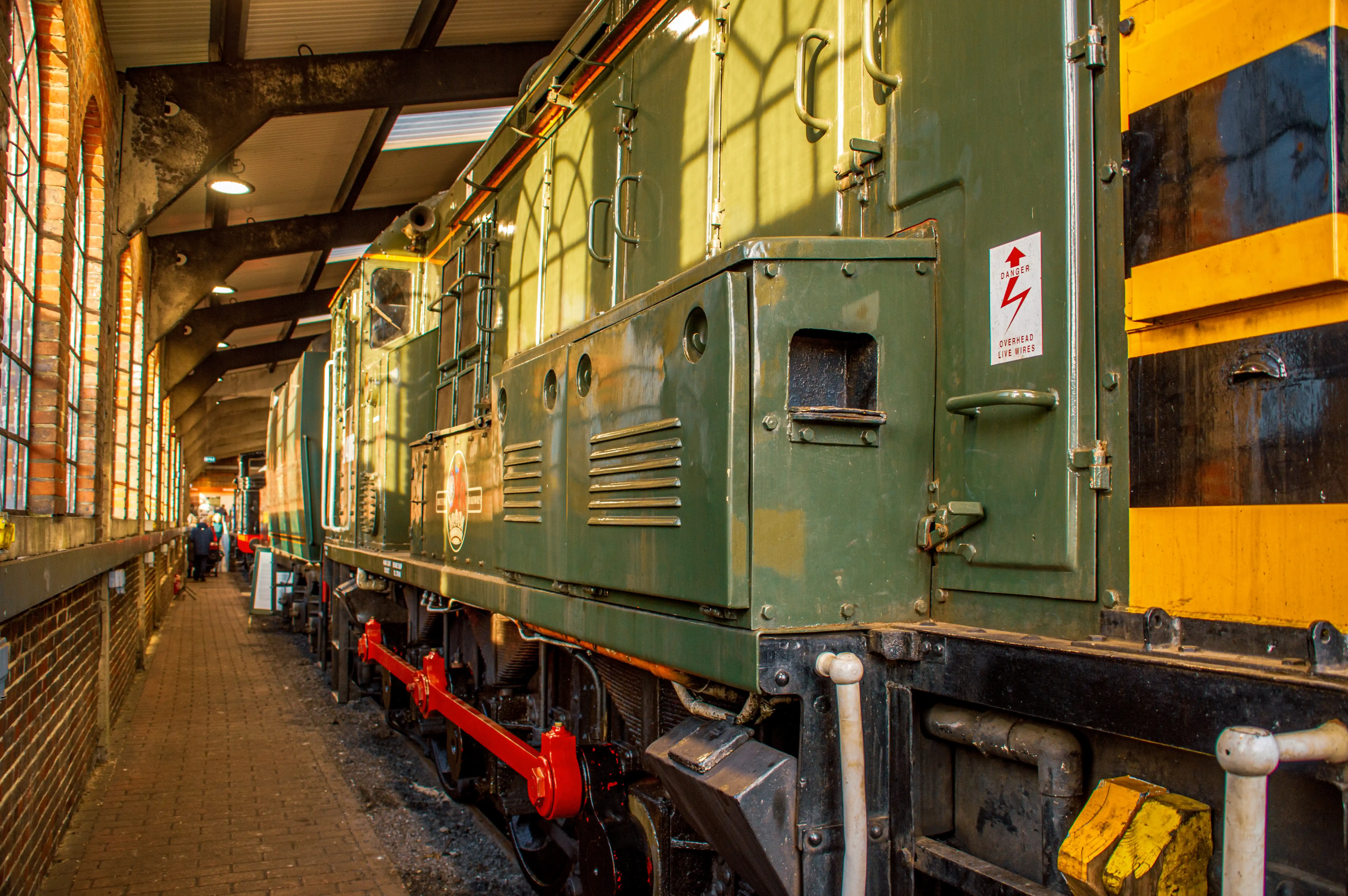
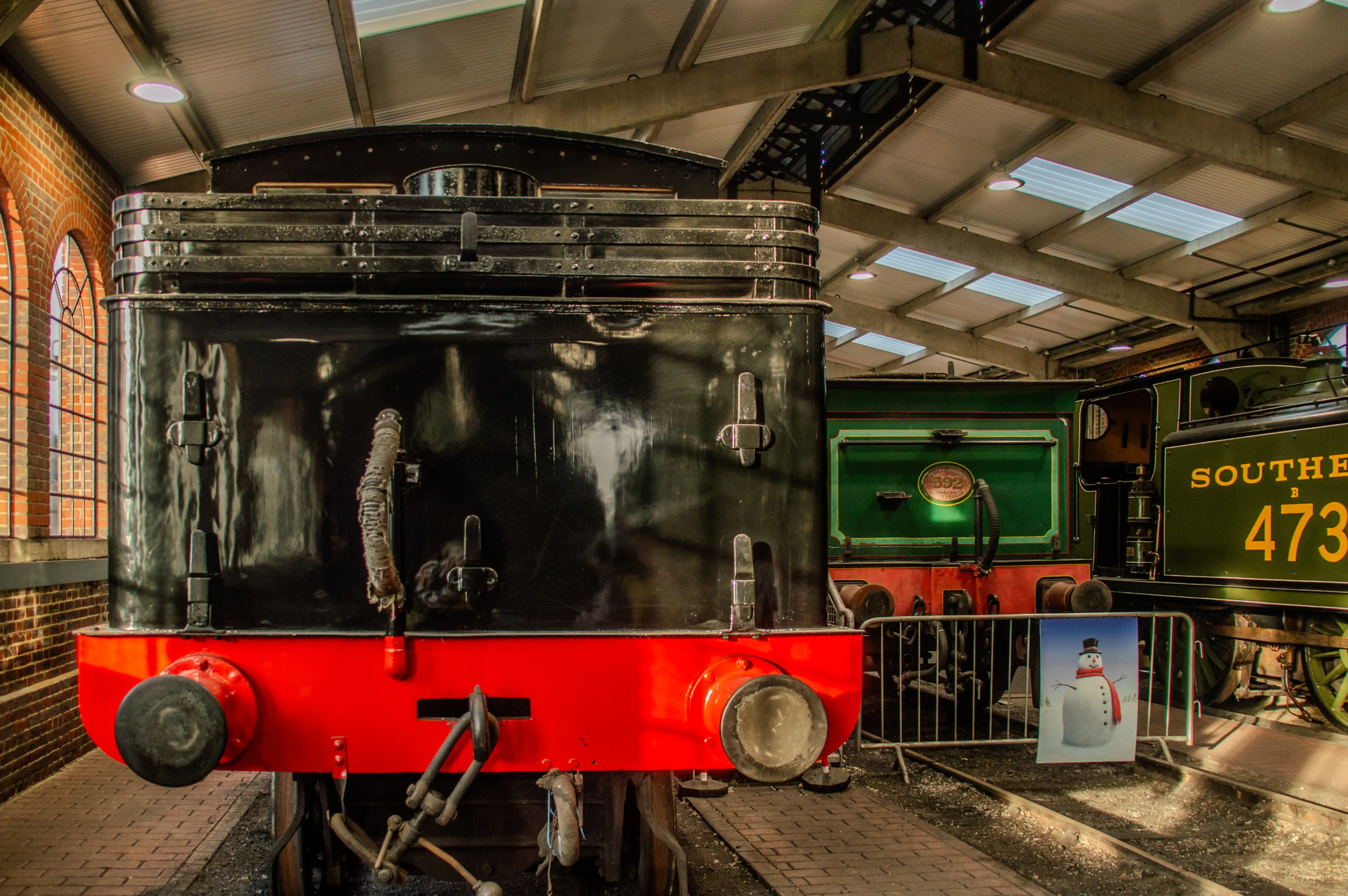
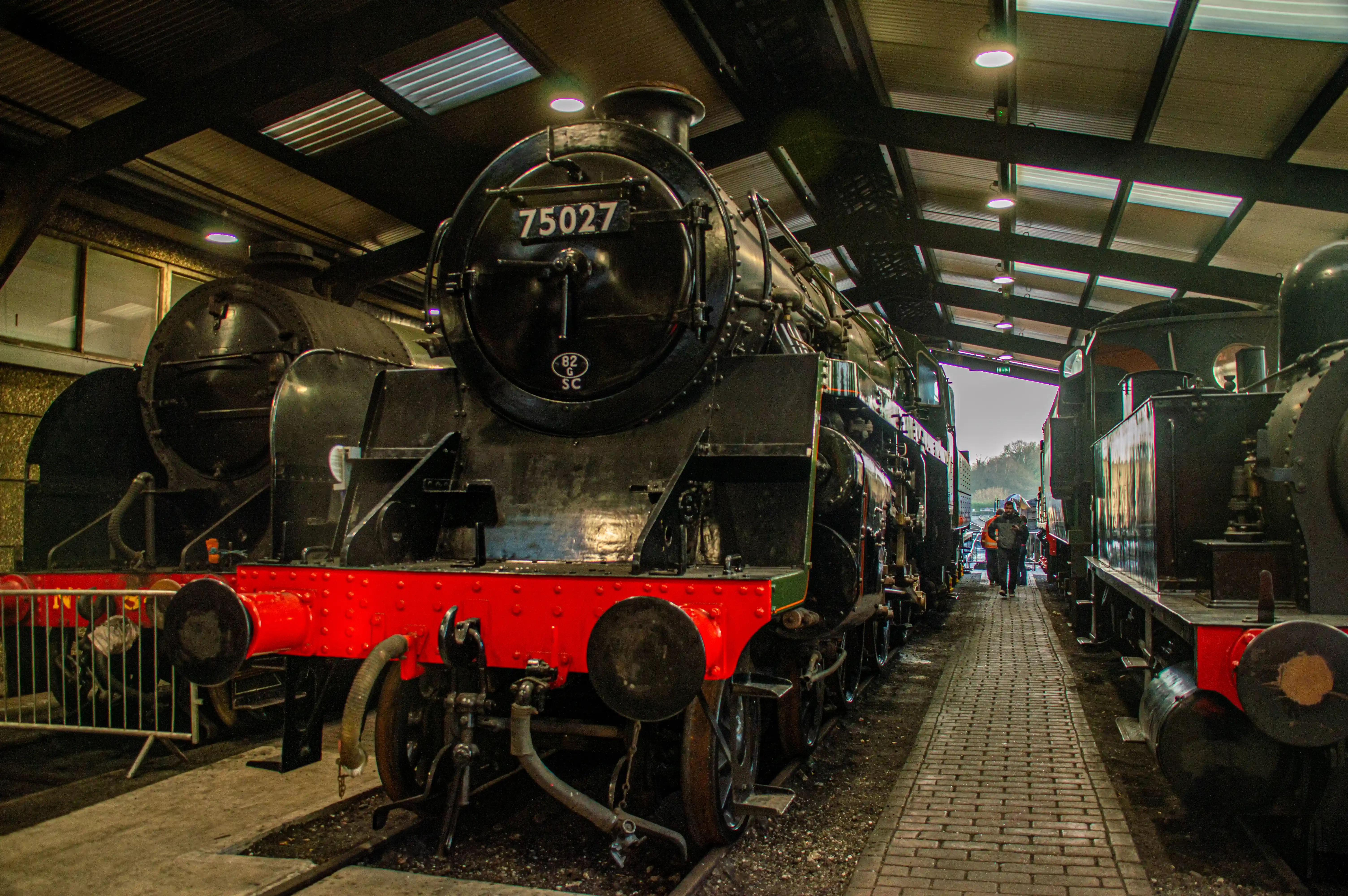
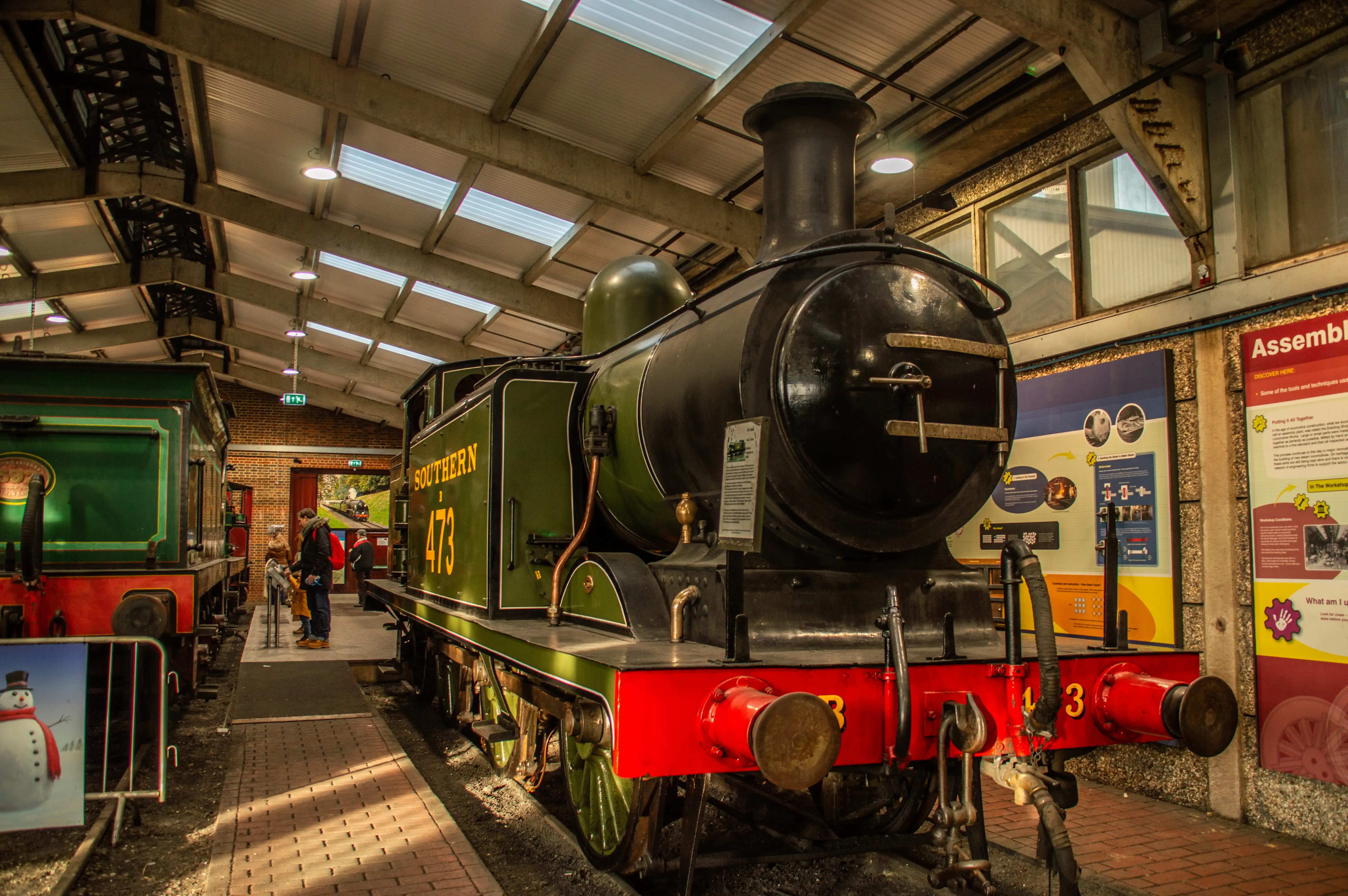
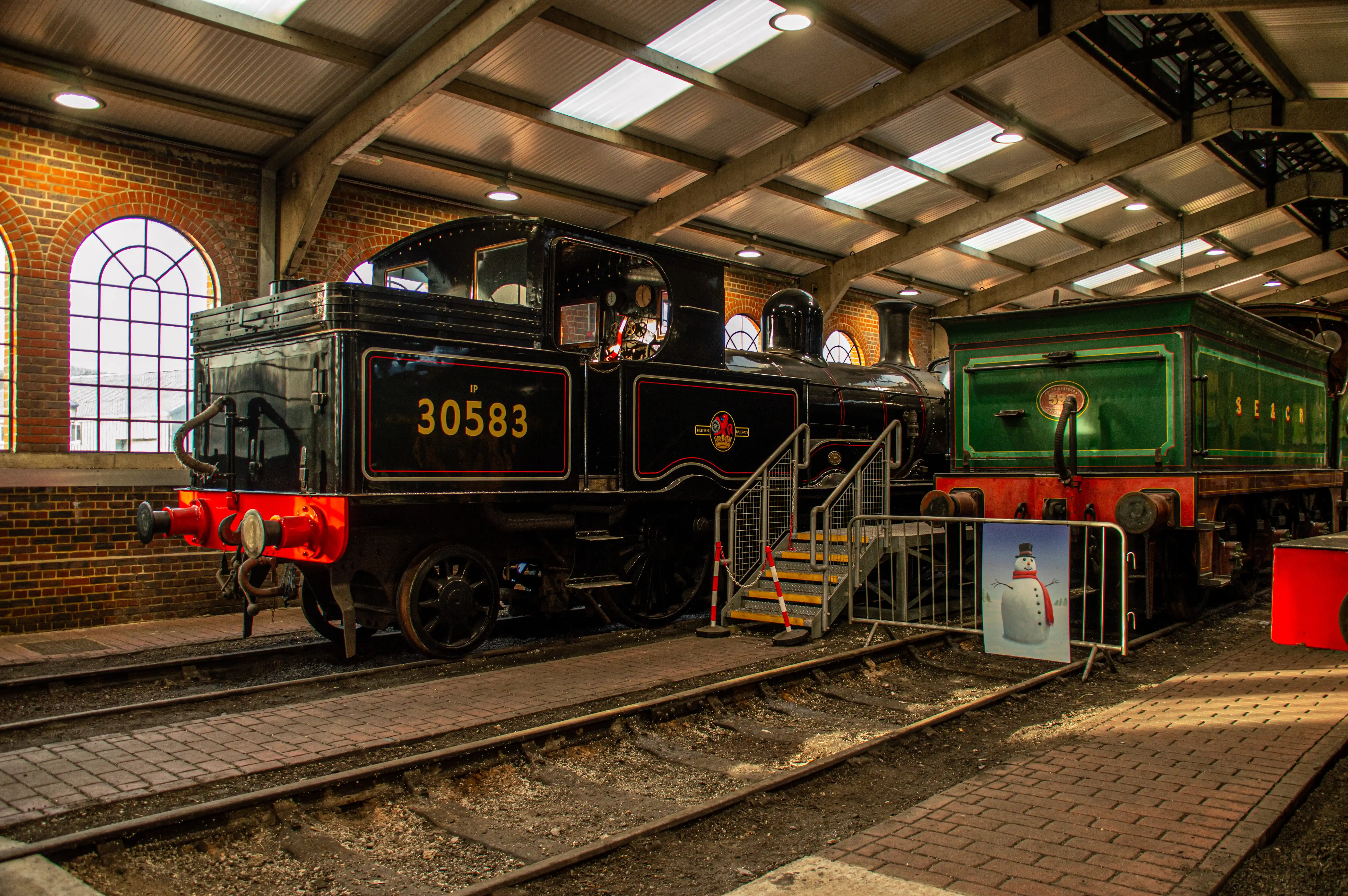
The Sheffield Park Locomotive Shed was built in the early 20th century as part of the original infrastructure of the Lewes to East Grinstead railway line, which later became the Bluebell Railway. The shed was designed to house and maintain locomotives serving the line, ensuring that trains could be kept in working order and ready for service. When the line closed to passenger traffic in 1958, the shed fell into disuse, but it was revived in 1960 as part of the Bluebell Railway’s mission to preserve and restore historic locomotives and railway heritage.
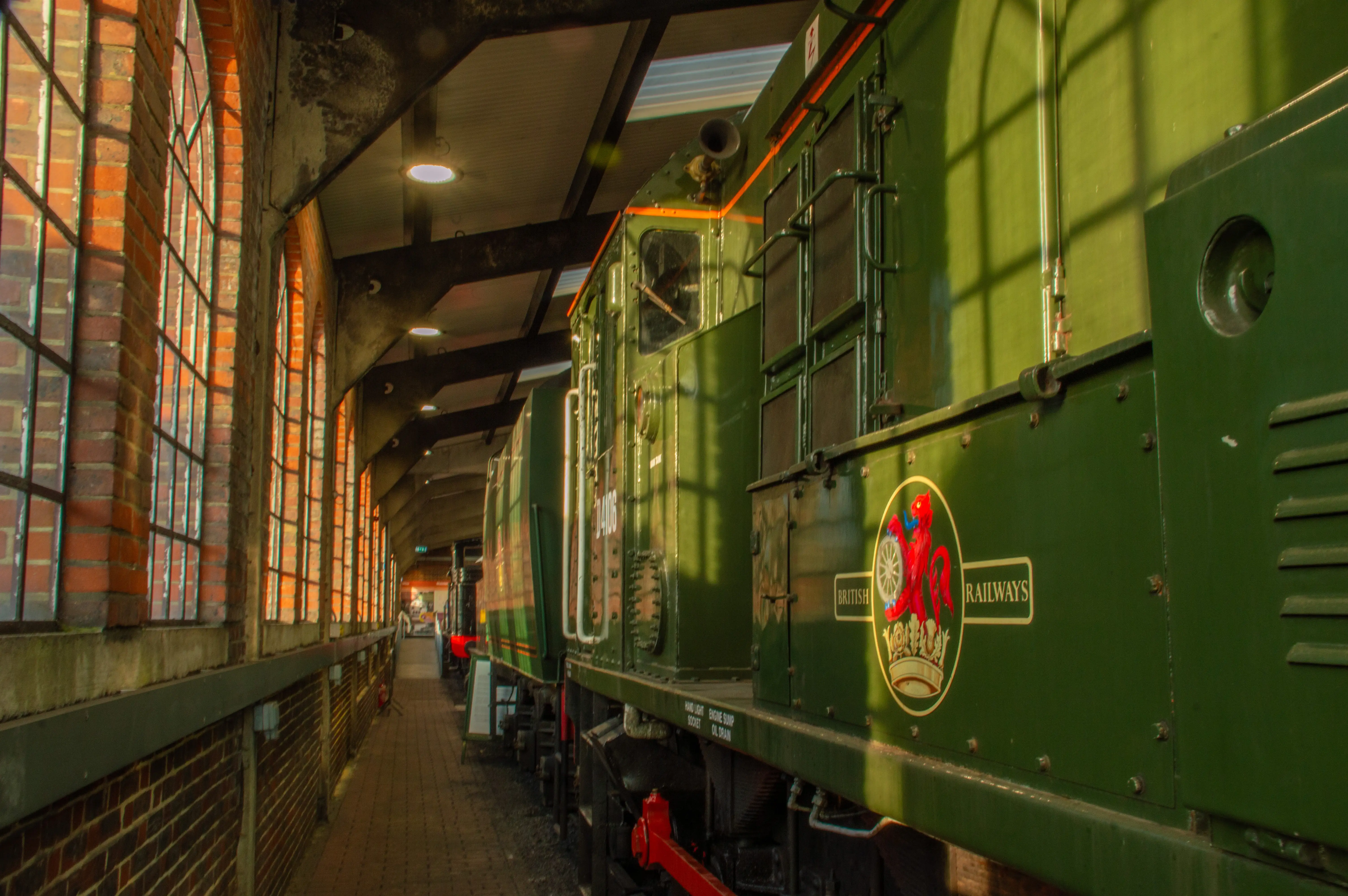
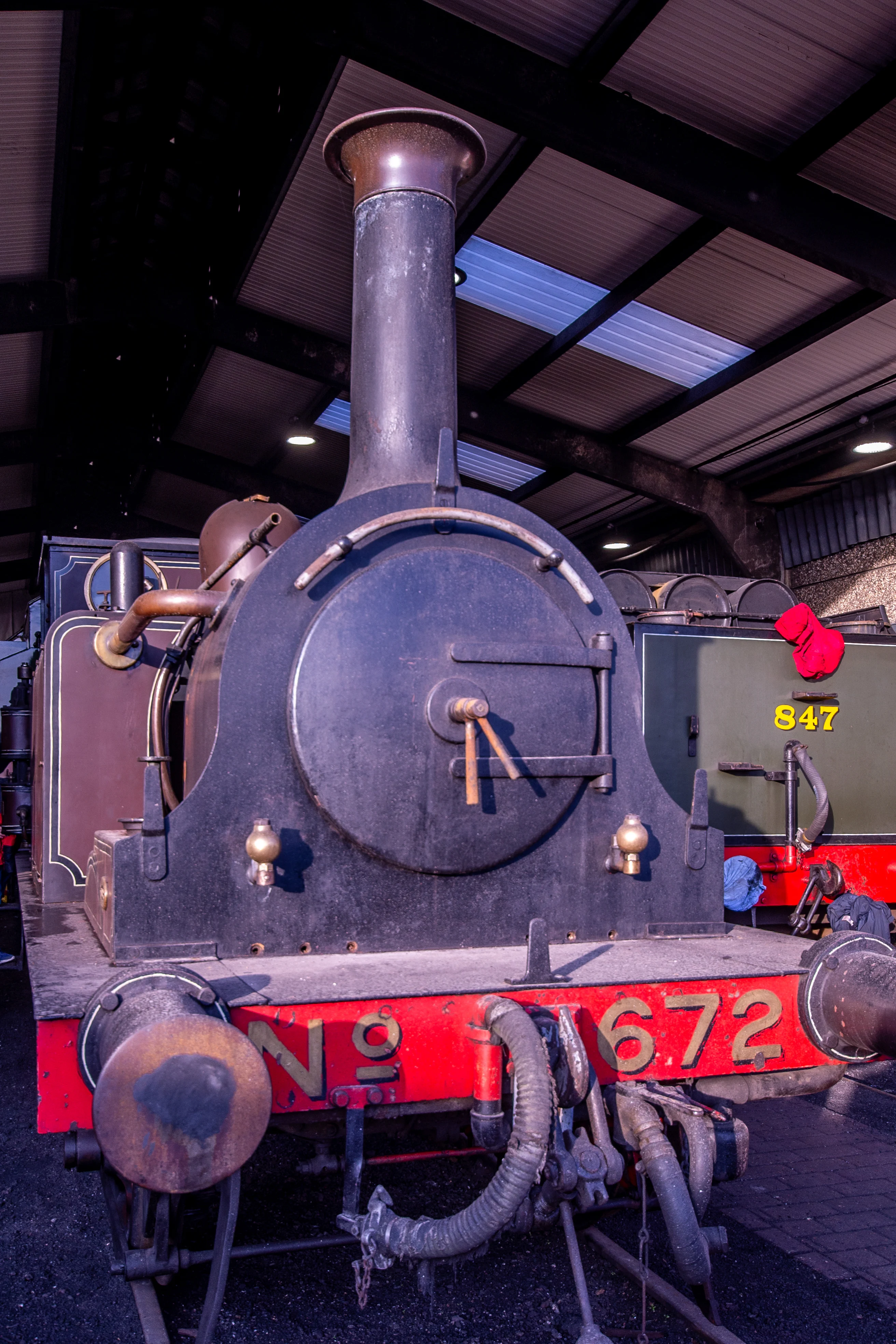
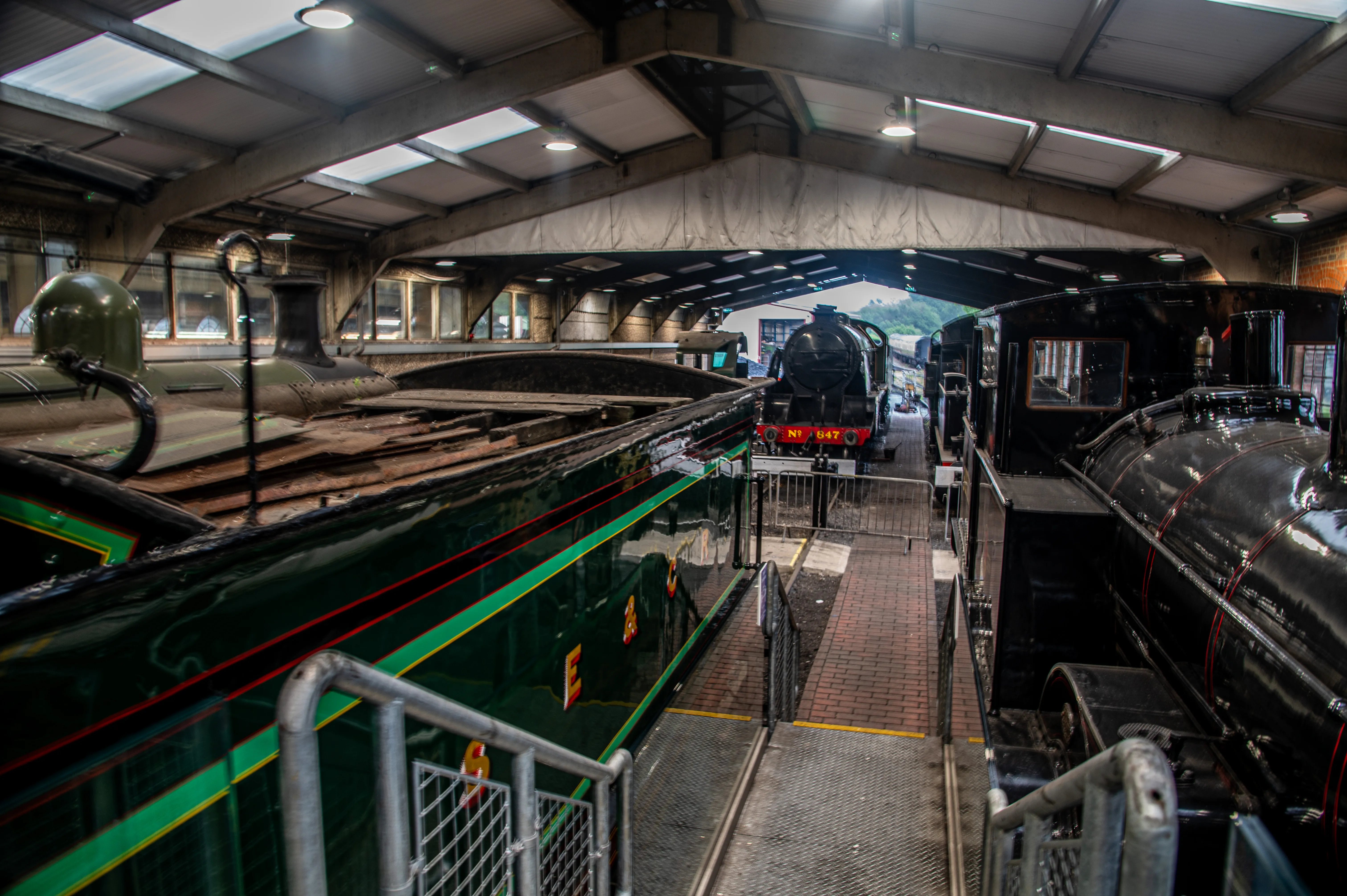
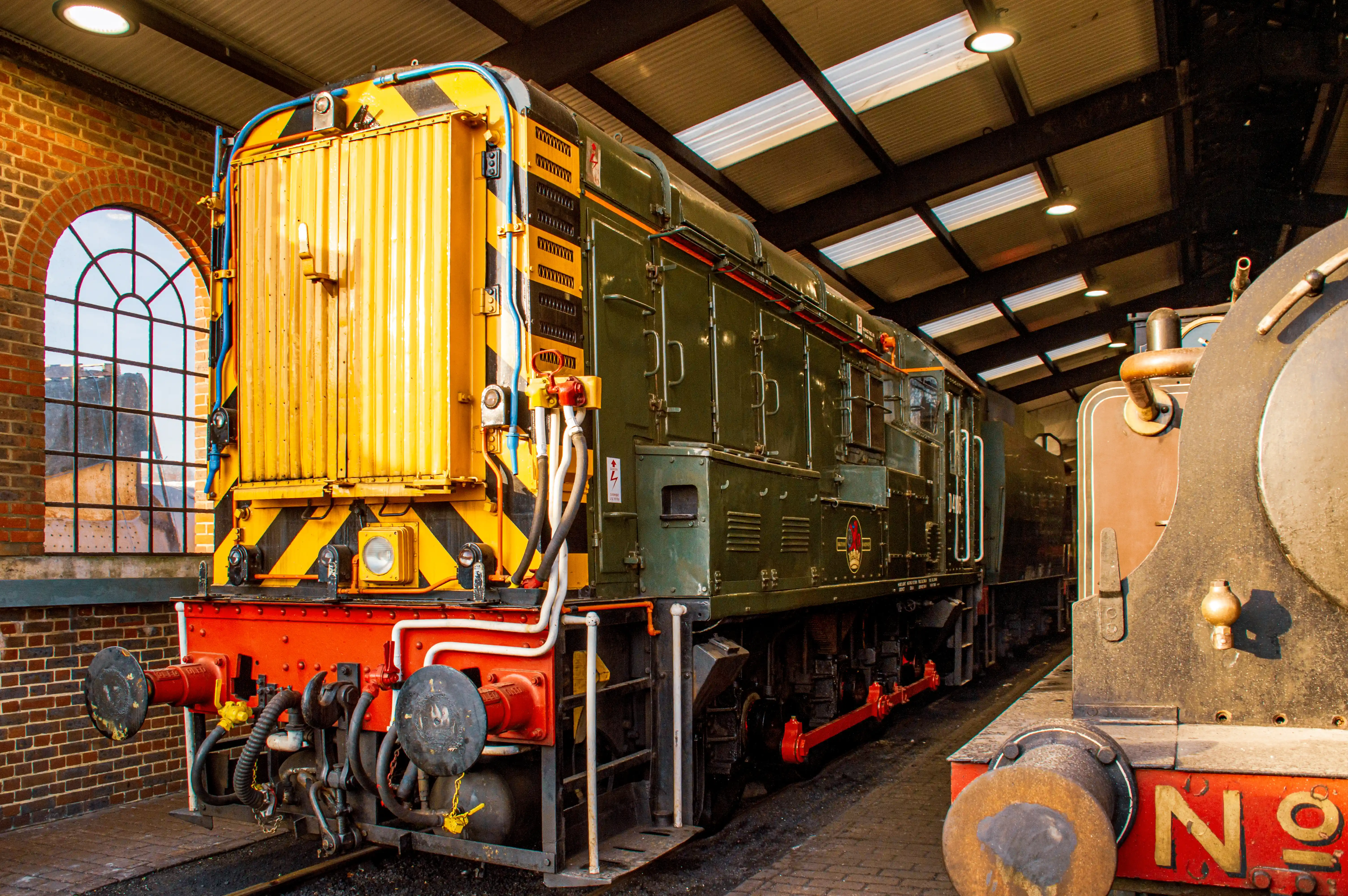
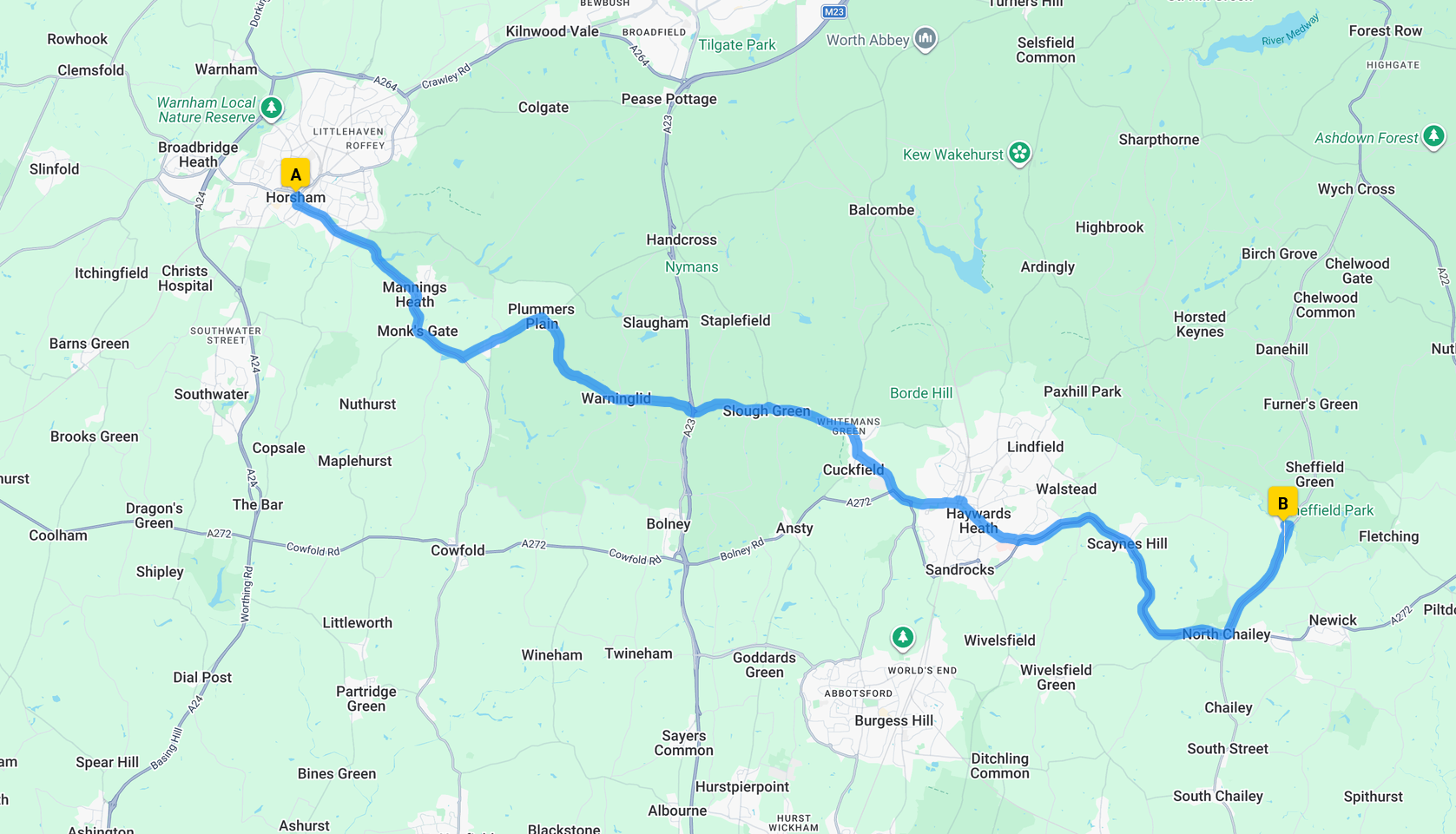
The Bluebell Railway, which opened as the world’s first preserved standard-gauge passenger railway, chose Sheffield Park as its headquarters due to its strategic location, historic significance, and existing infrastructure. The Locomotive Shed became a central part of this mission, serving as the primary facility for housing, maintaining, and restoring the railway’s growing collection of steam and diesel locomotives. Over the decades, the shed has expanded and modernized, but it retains its historic charm and character, blending original features with modern amenities to support the railway’s operations.
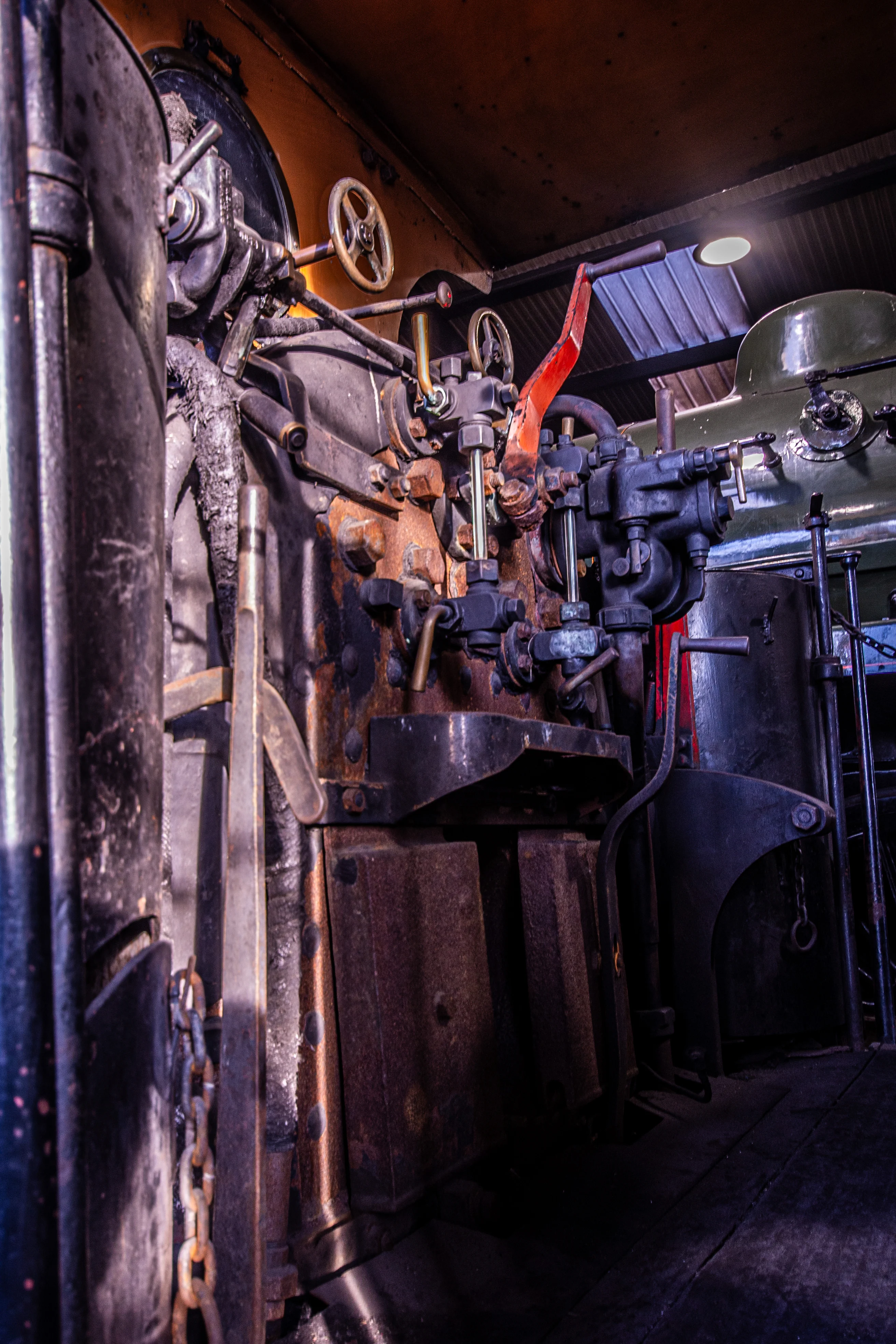
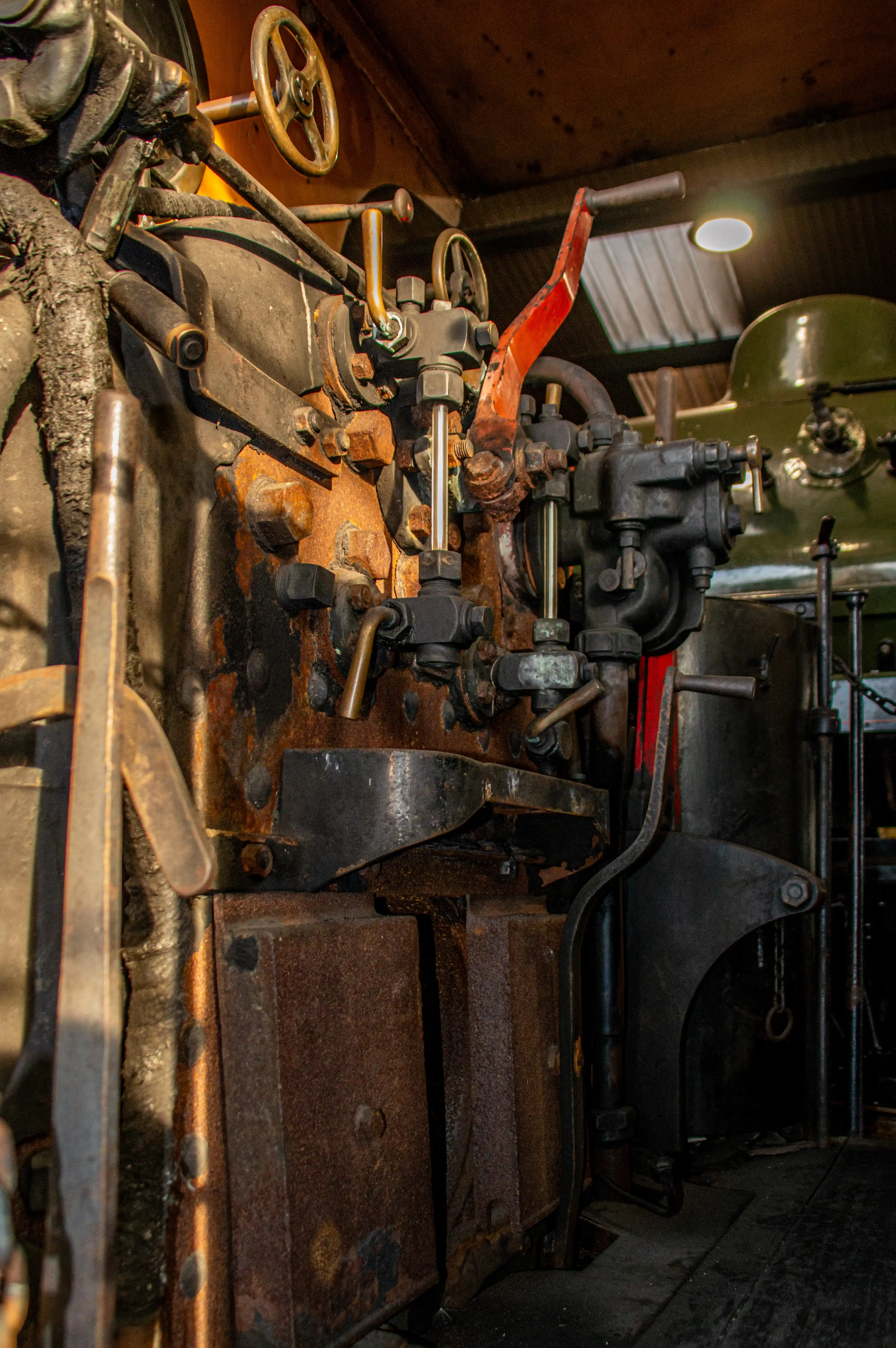
Today, the Sheffield Park Locomotive Shed is not only a functional facility but also a living museum that showcases the craftsmanship, engineering, and dedication of the volunteers and staff who work to preserve Britain’s railway heritage. It stands as a testament to the passion and hard work that have kept the Bluebell Railway running for over 60 years.

