
Horsted Keynes Station
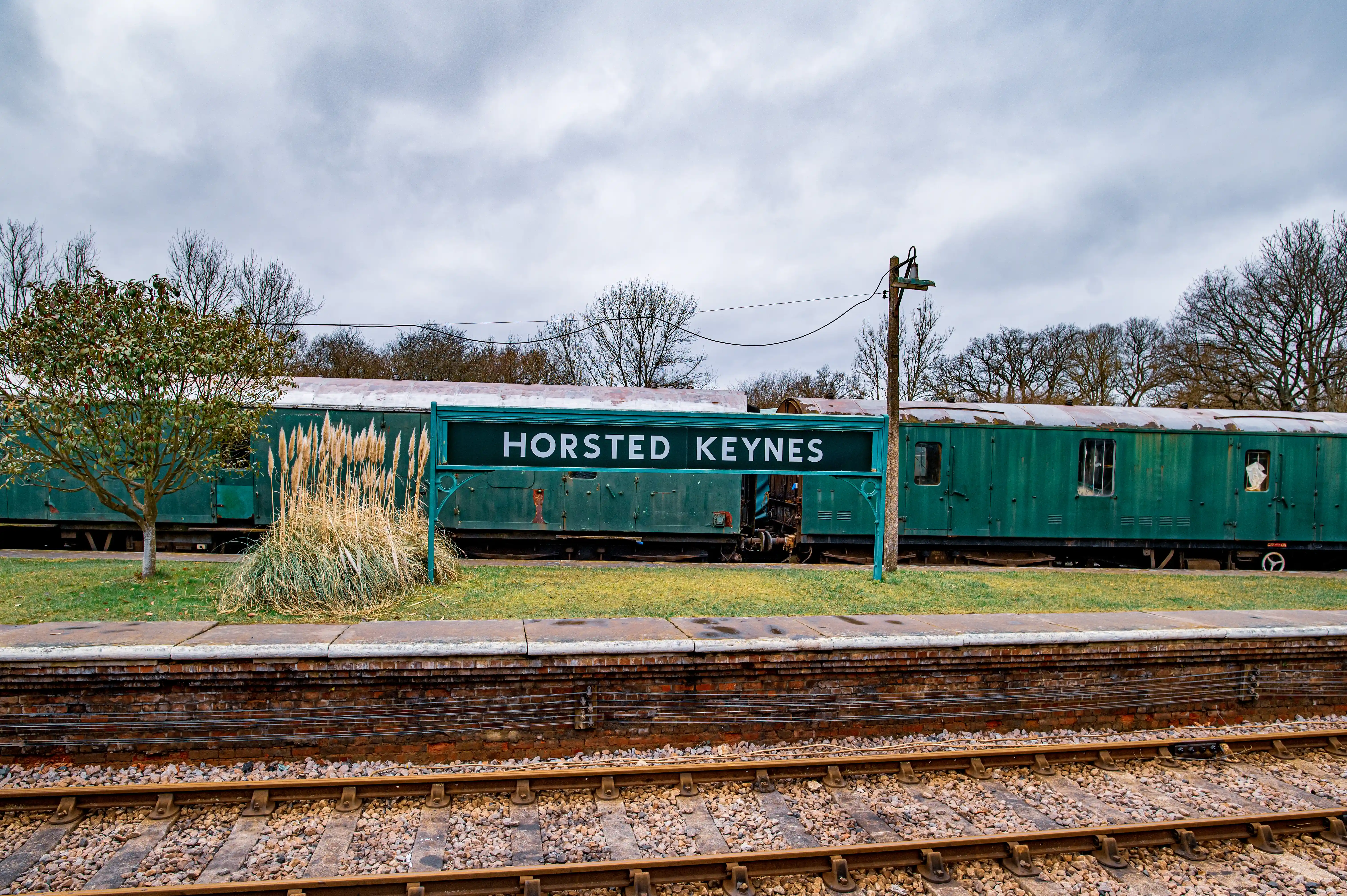
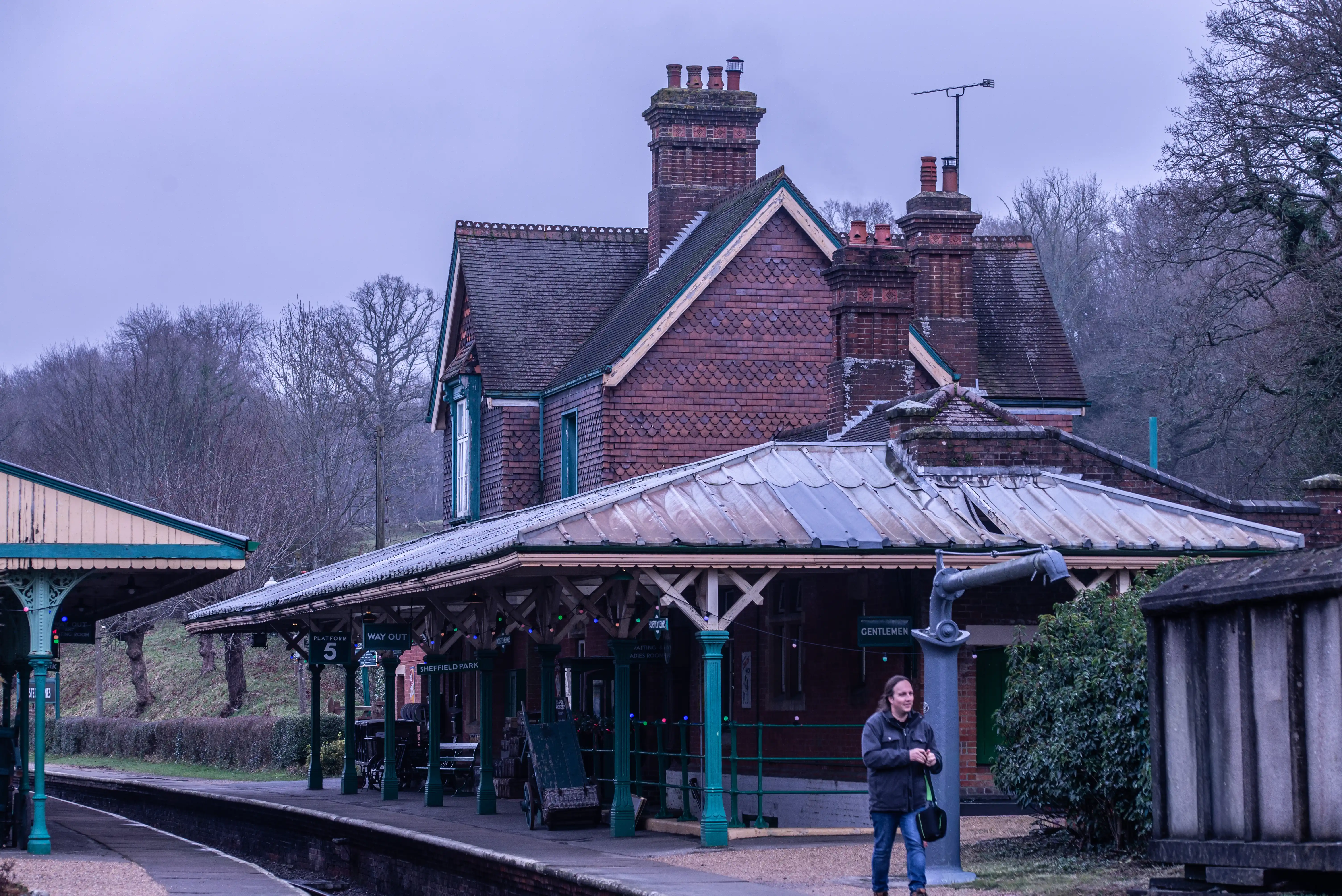
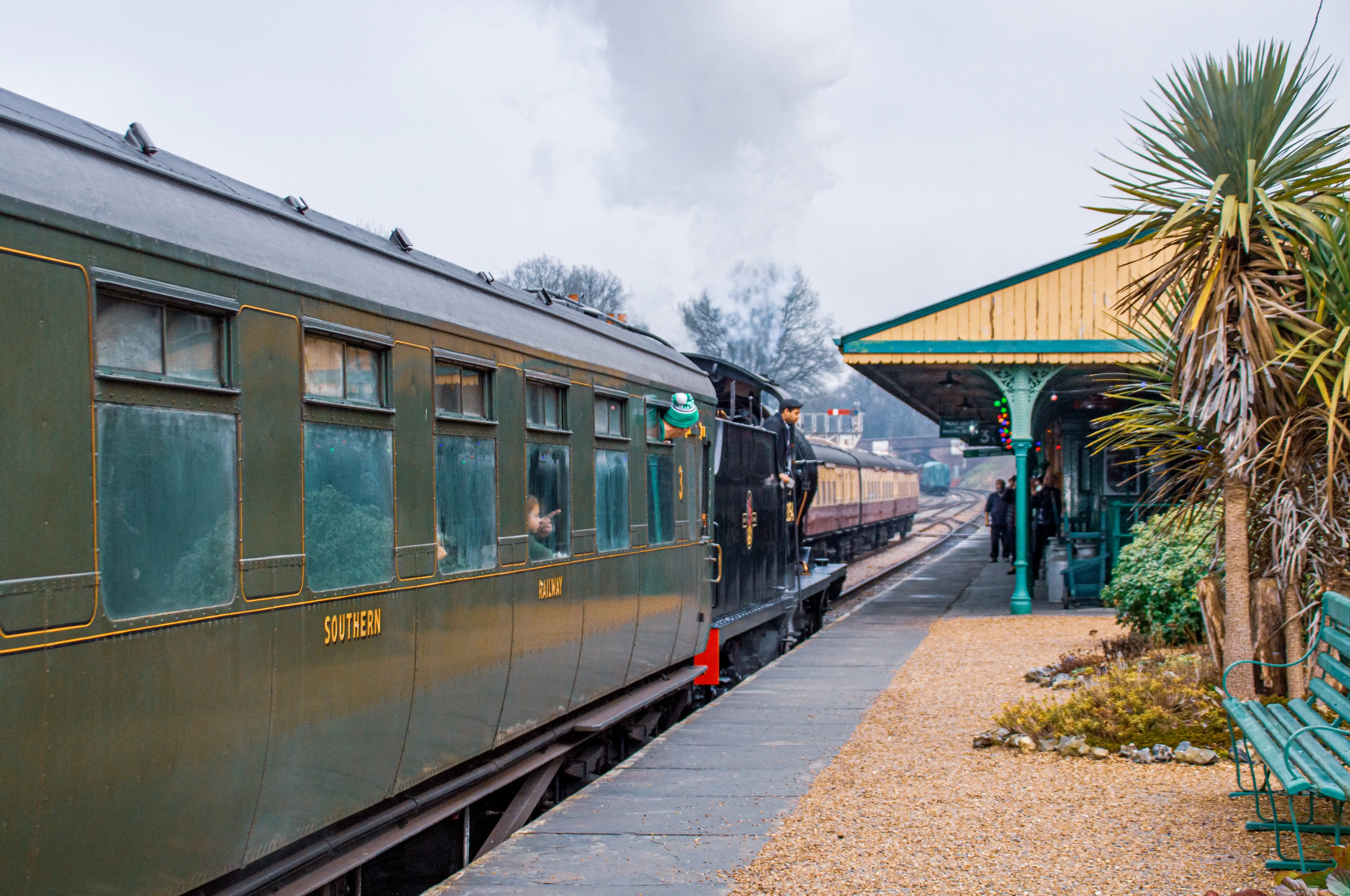
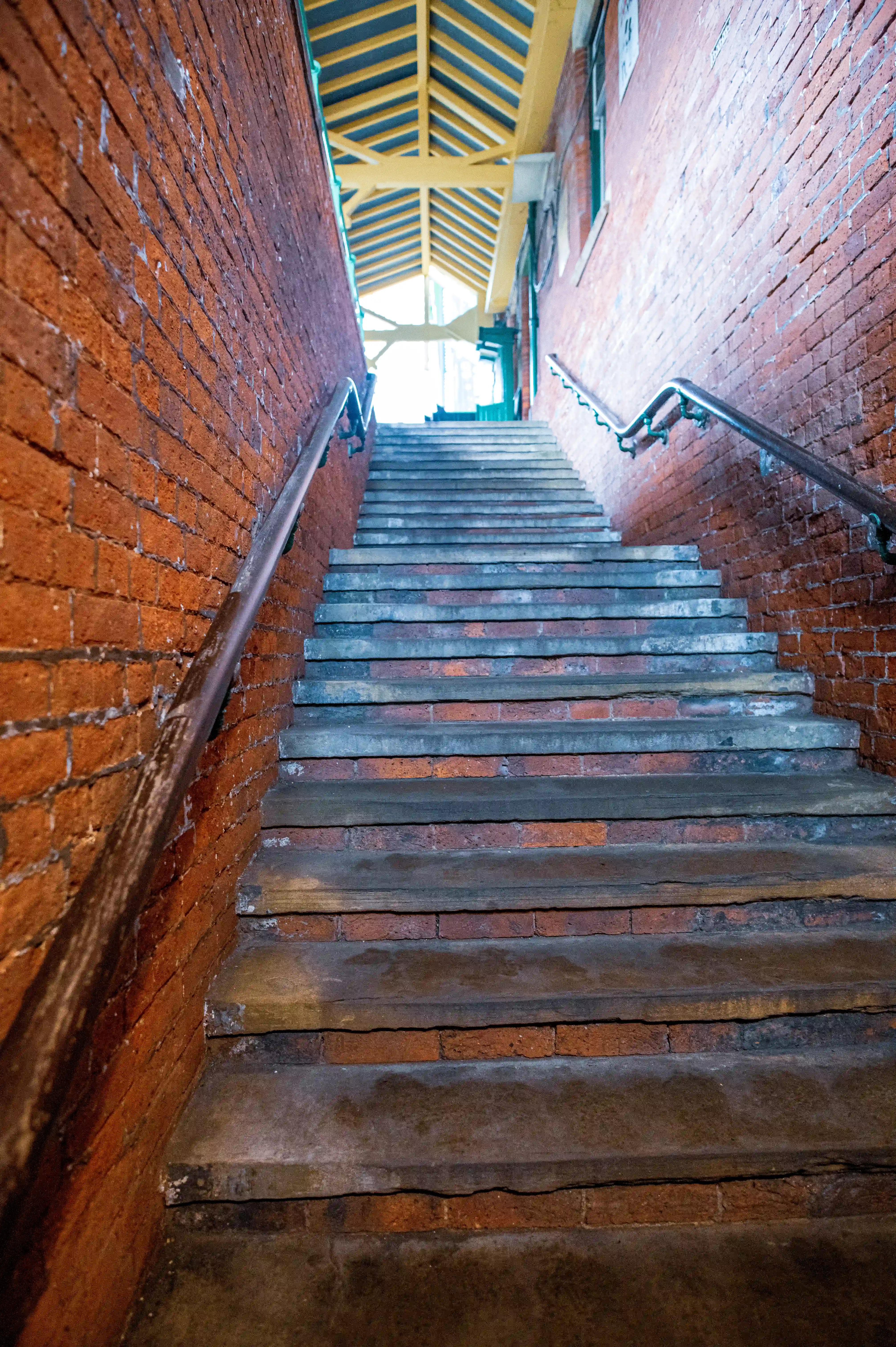
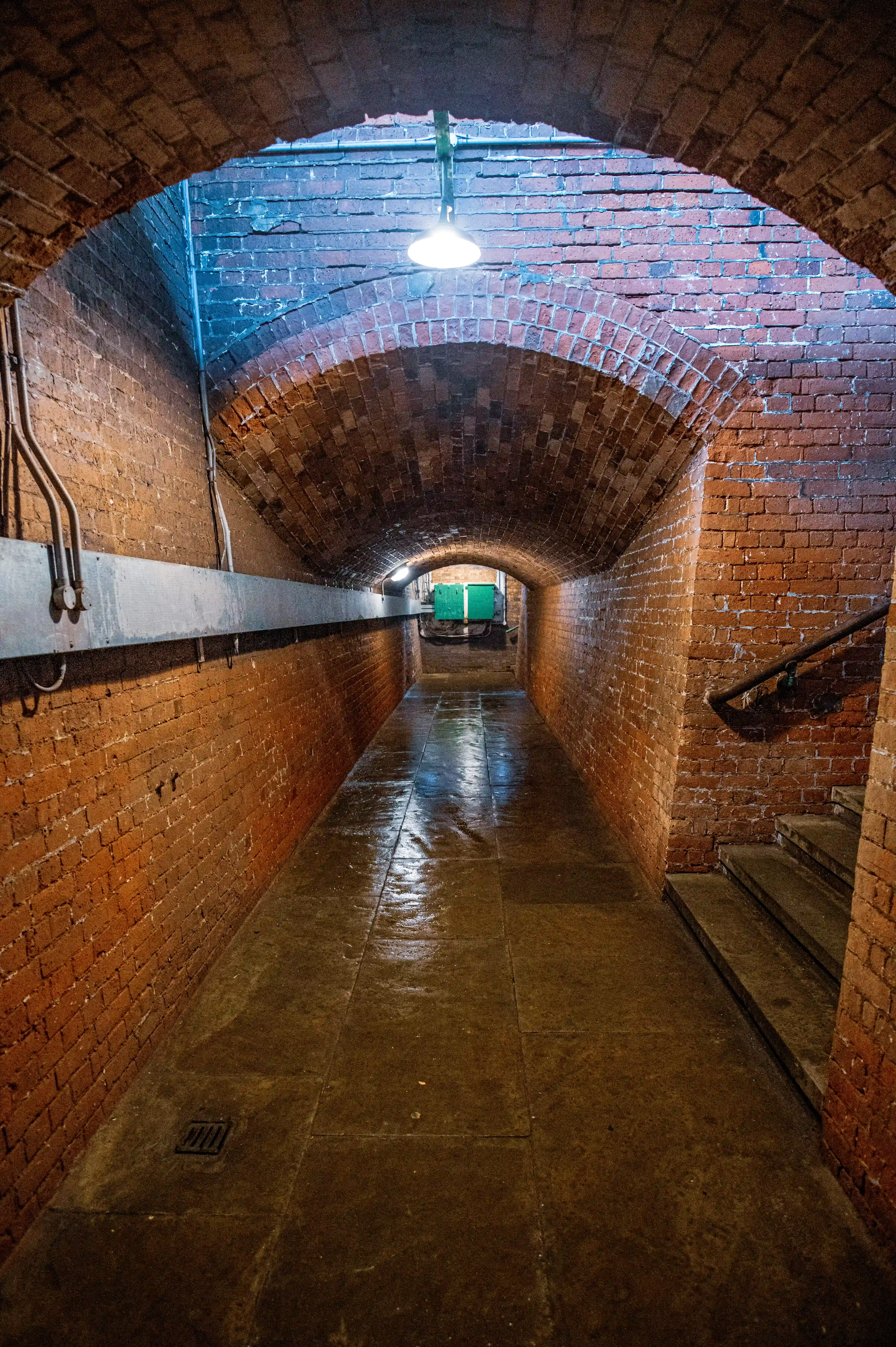
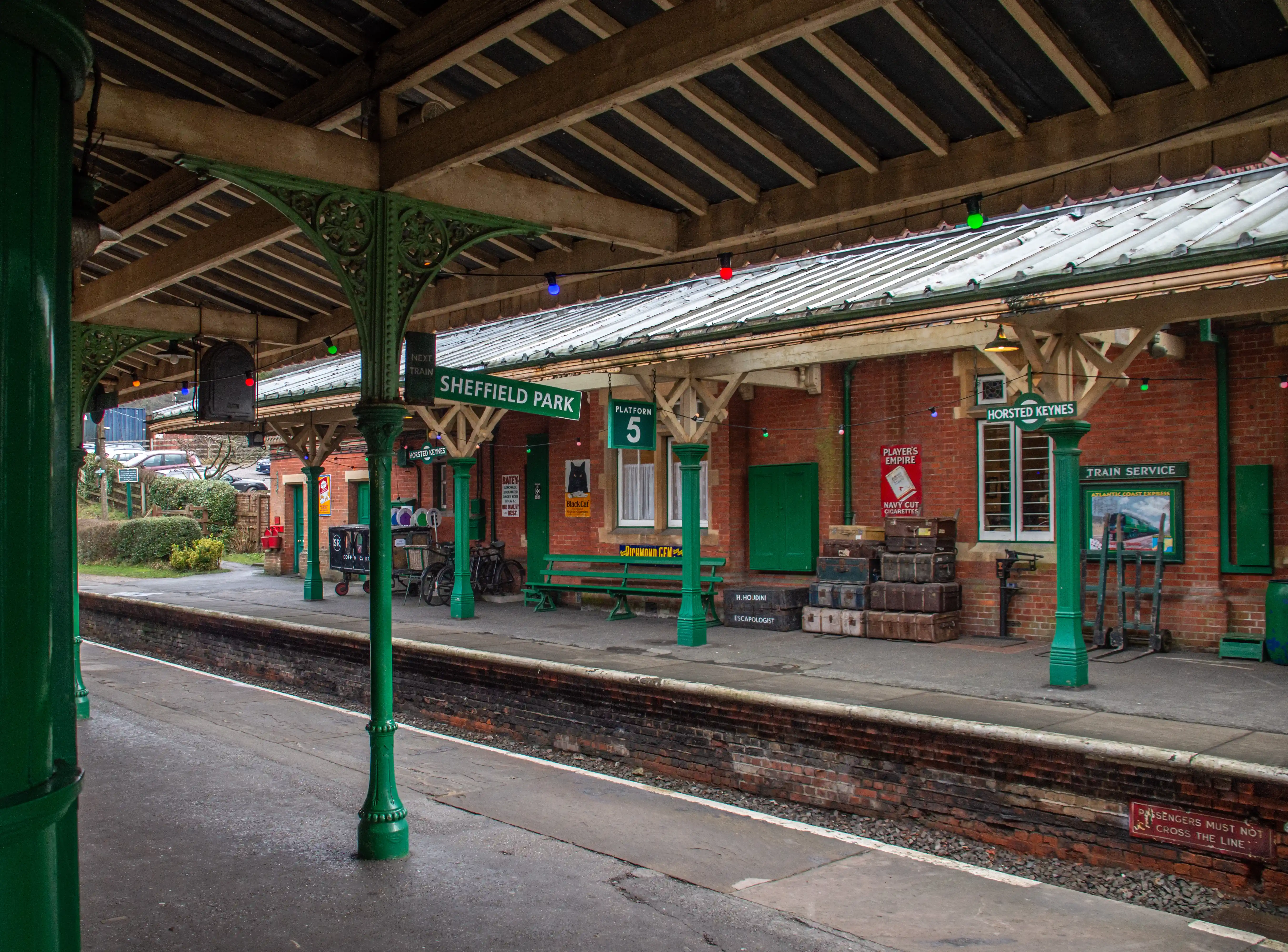
Horsted Keynes Station was originally opened in 1855 as part of the Lewes to East Grinstead line, which was operated by the London, Brighton and South Coast Railway (LB&SCR). The station was designed to serve the rural community of Horsted Keynes and the surrounding area, providing a vital link to larger towns and cities such as Lewes, Brighton, and London. The Victorian-era station was a typical example of the railway architecture of the period, featuring ornate details, a stationmaster’s house, and a goods shed for handling freight.
By the mid-20th century, the decline of rural railways and the rise of road transport led to the closure of the Lewes to East Grinstead line in 1958. However, a group of railway enthusiasts, determined to preserve the heritage of British railways, formed the Bluebell Railway Preservation Society in 1959. Their efforts led to the reopening of Horsted Keynes Station in 1960 as part of the Bluebell Railway, which became the world’s first preserved standard-gauge passenger railway.
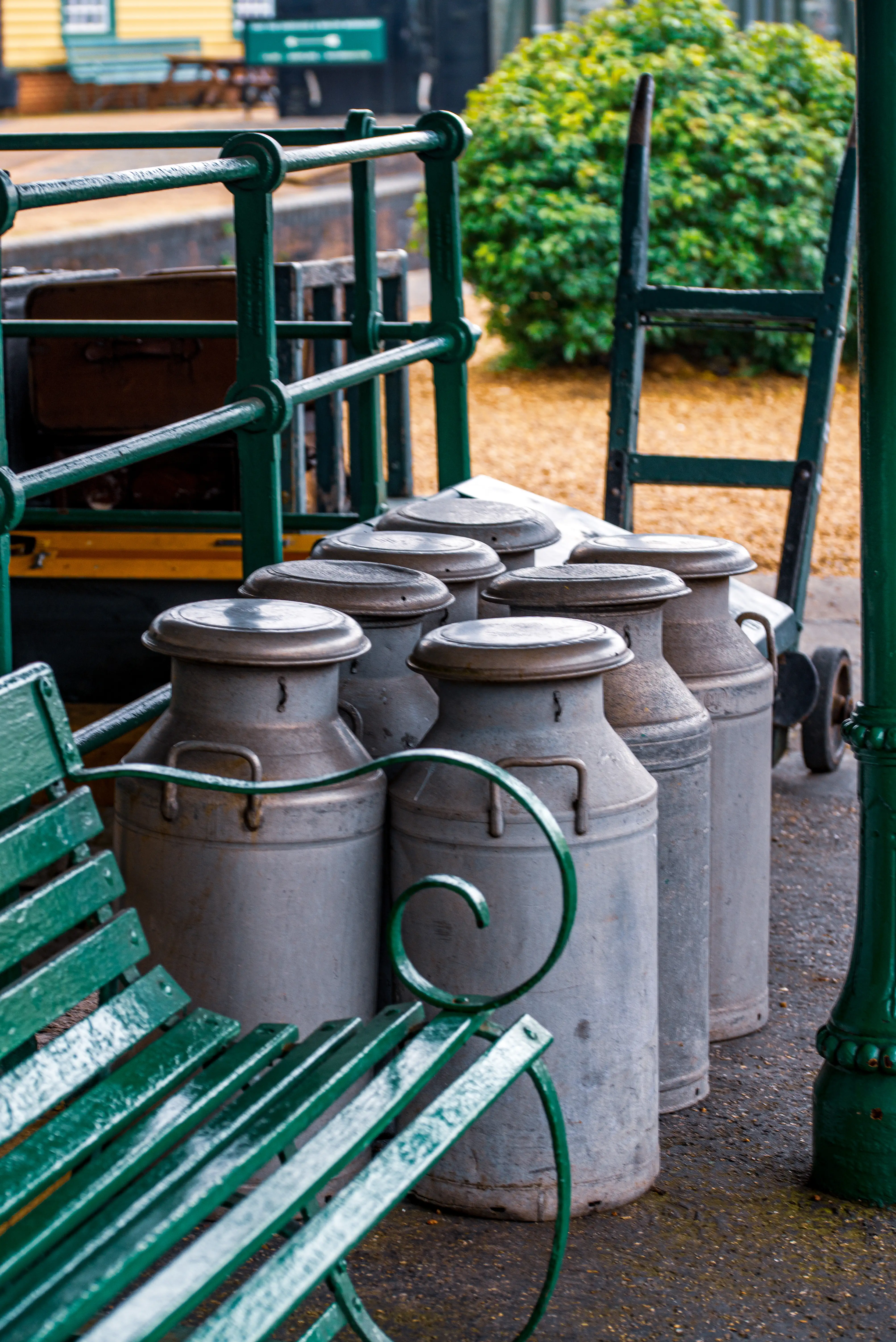
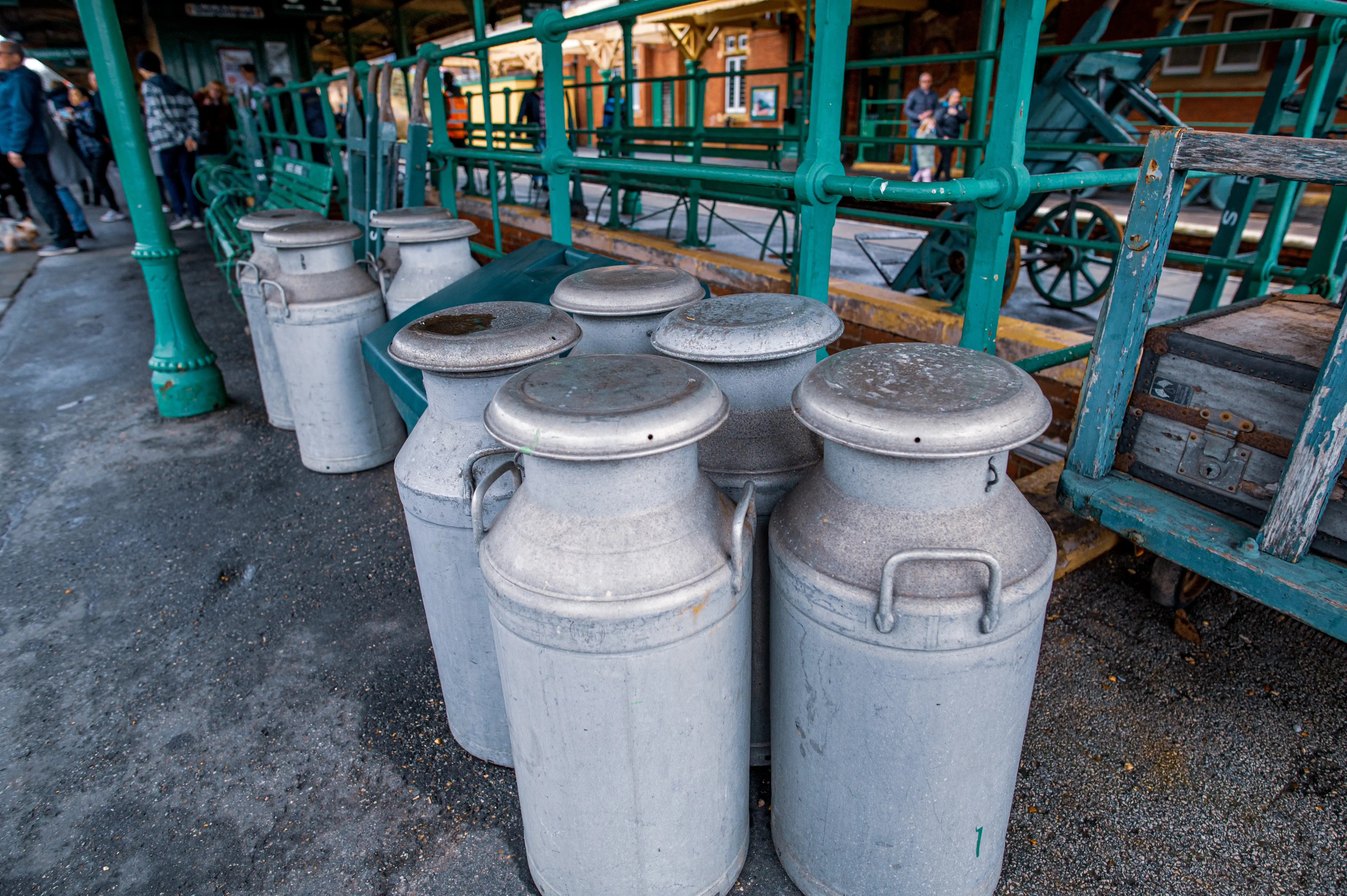
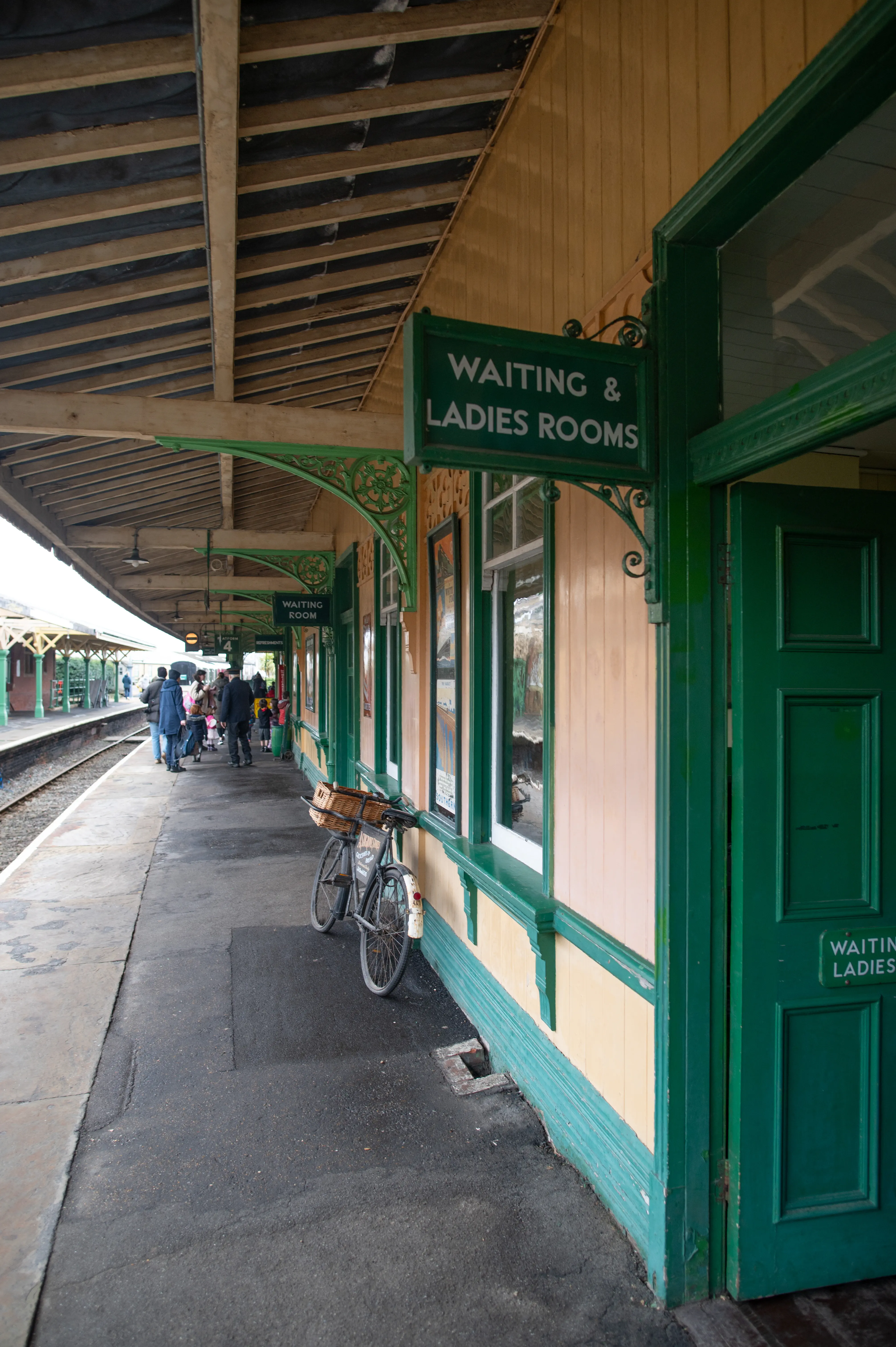
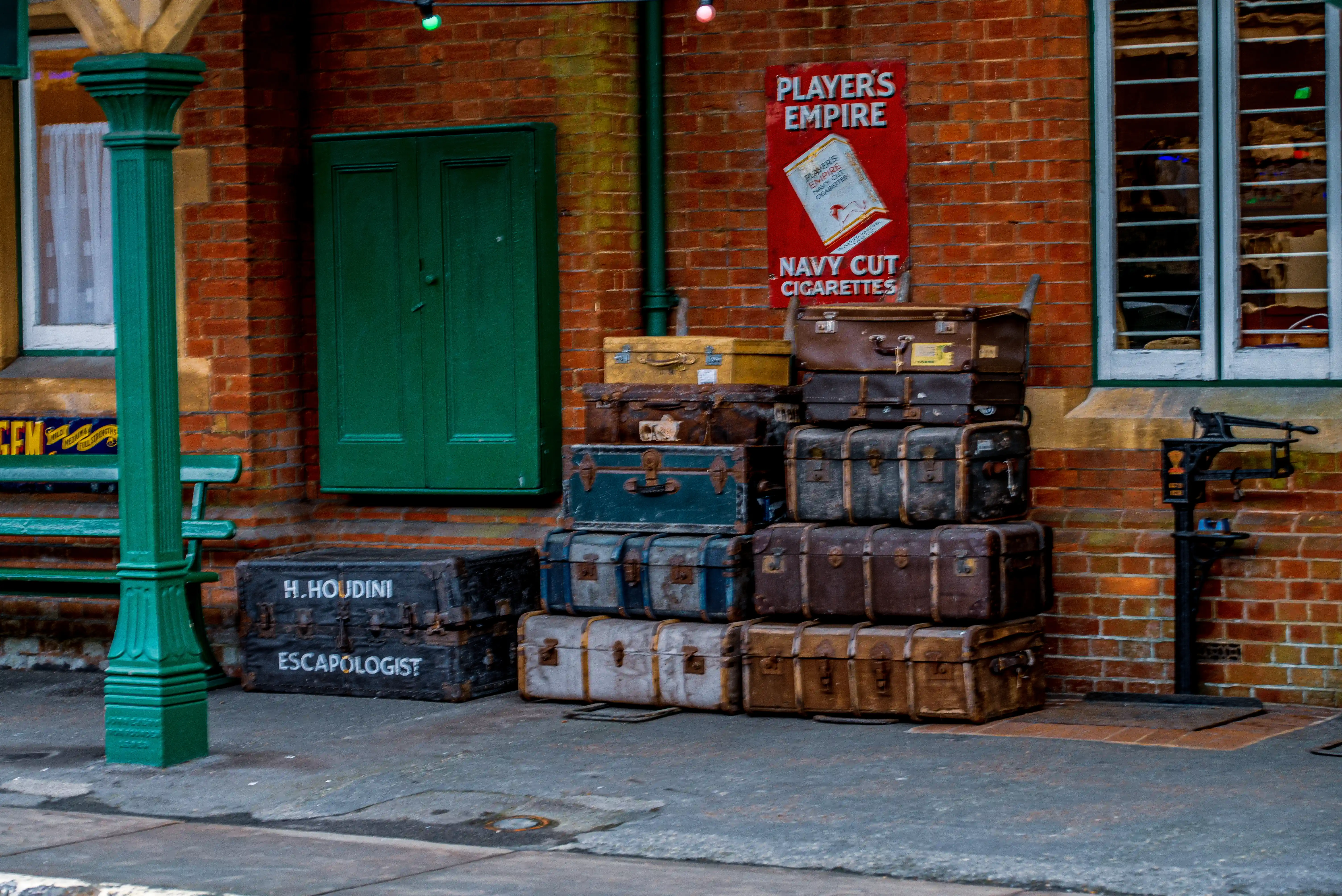
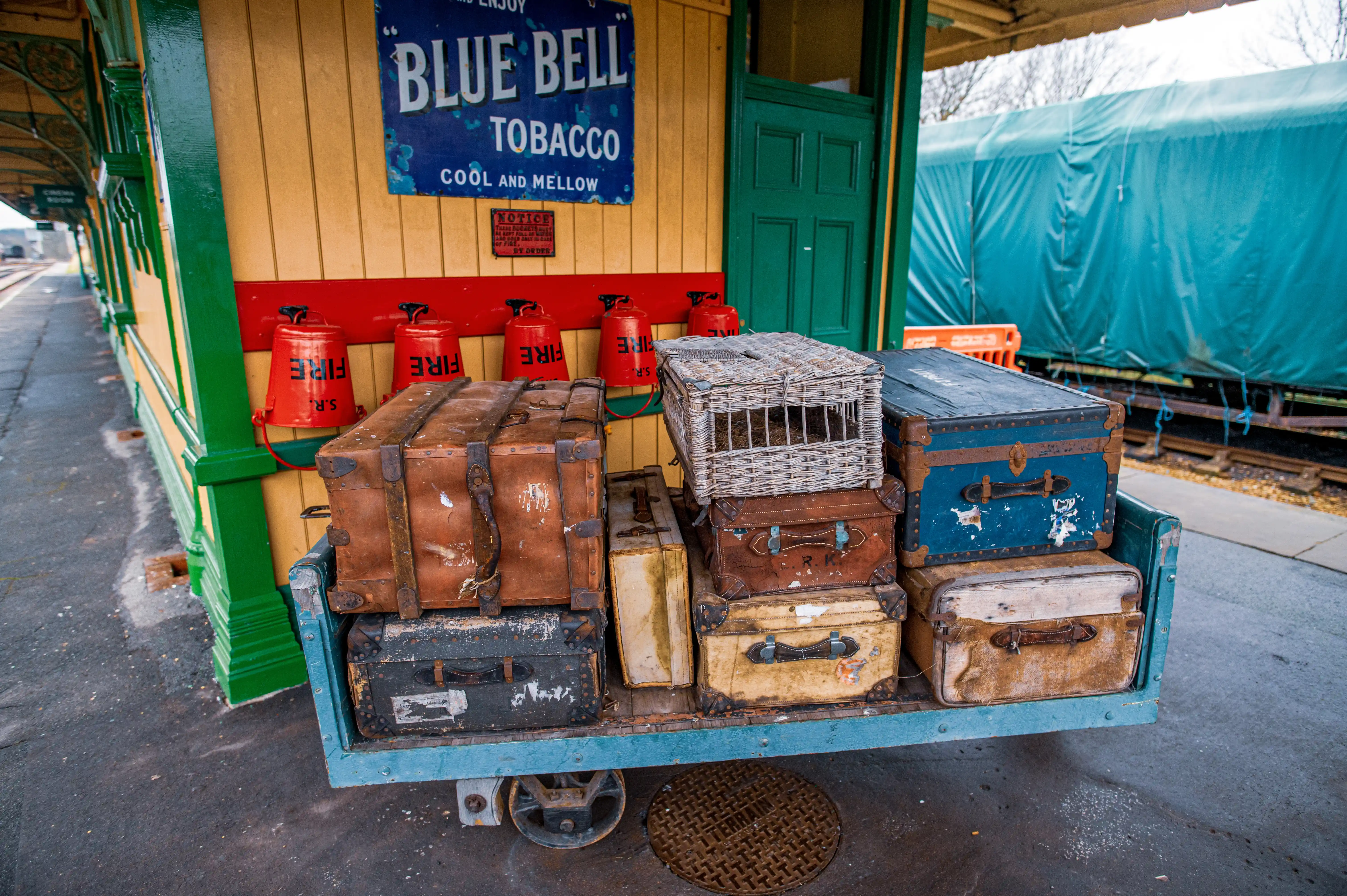
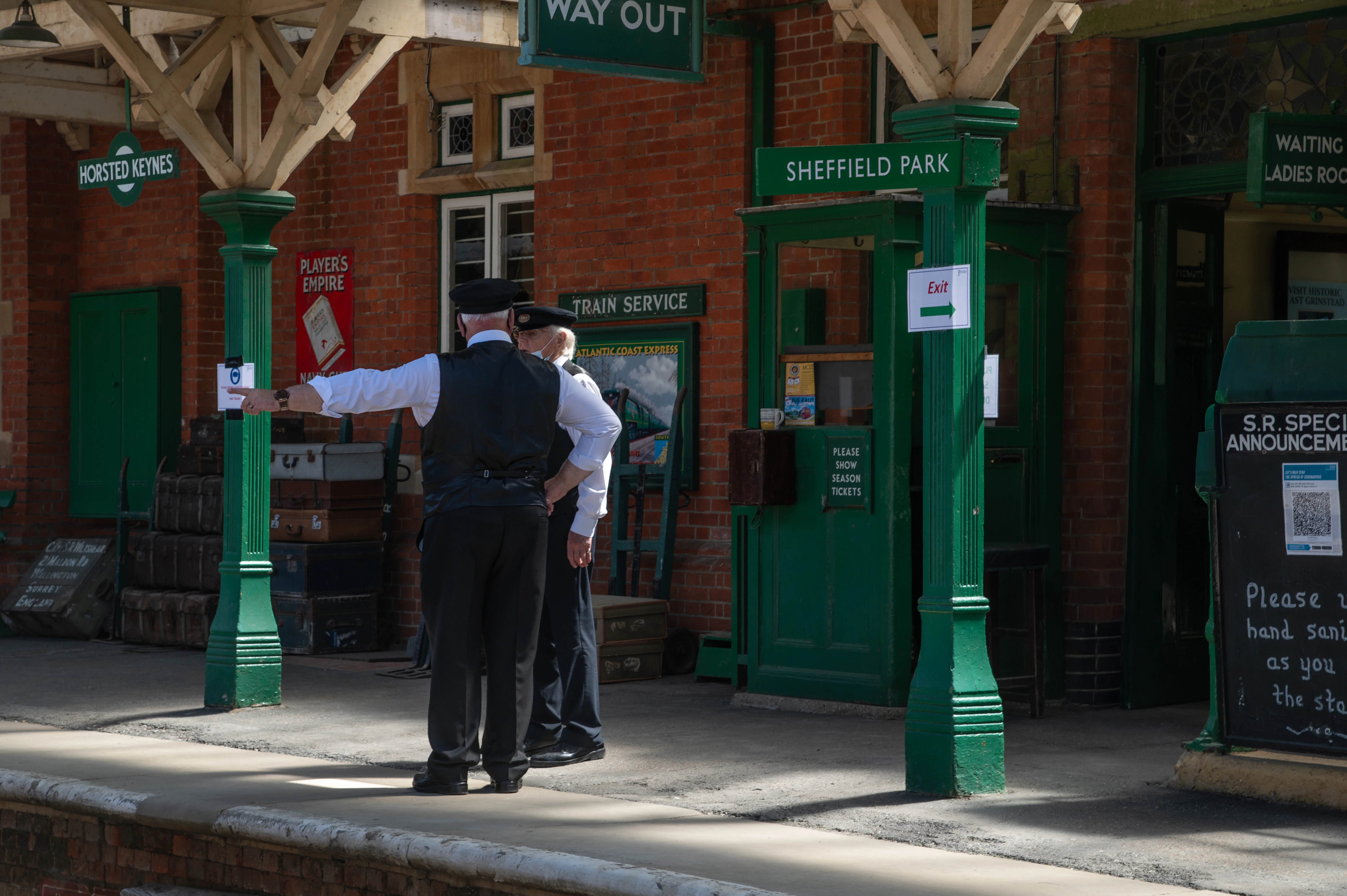
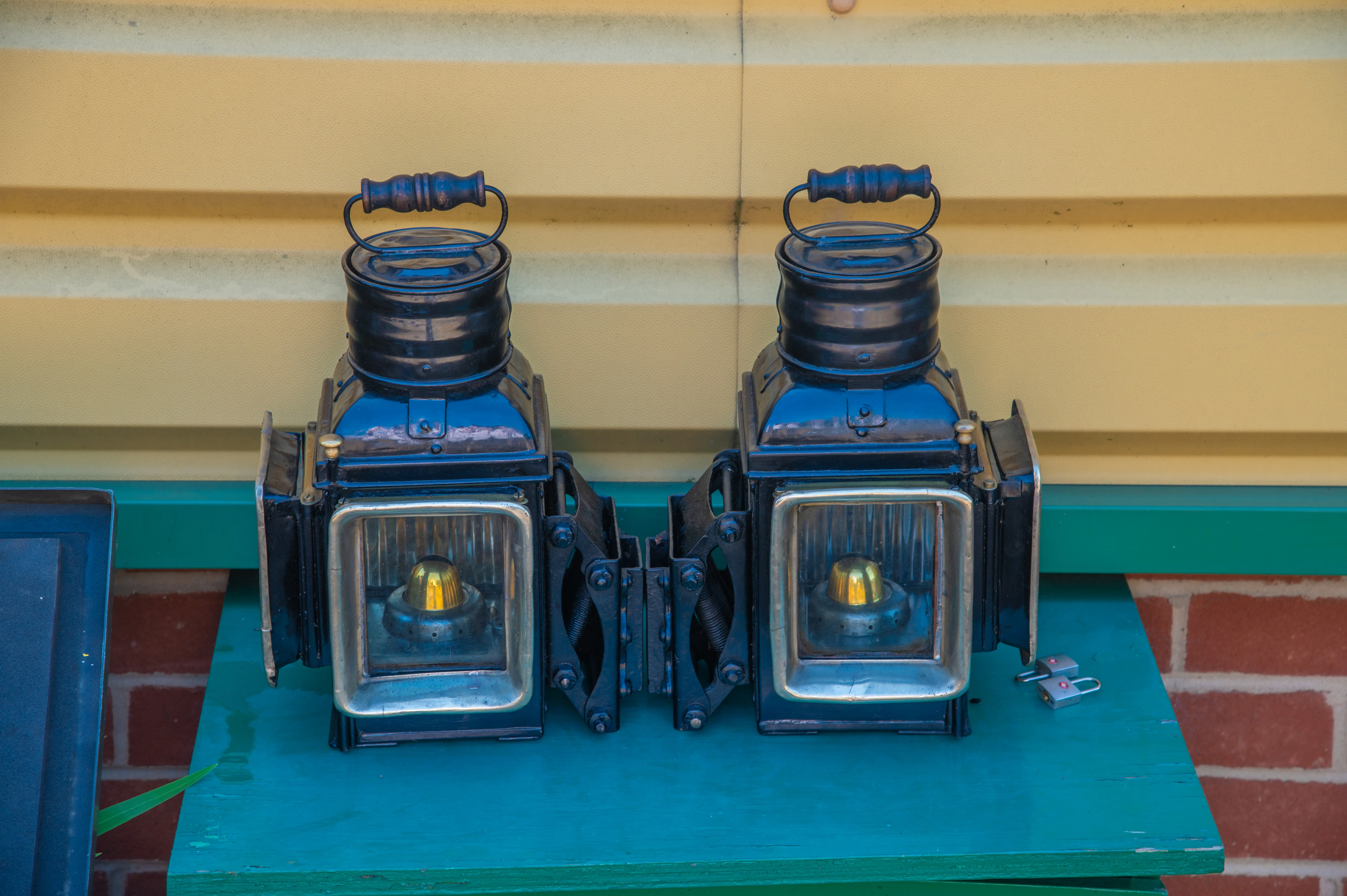
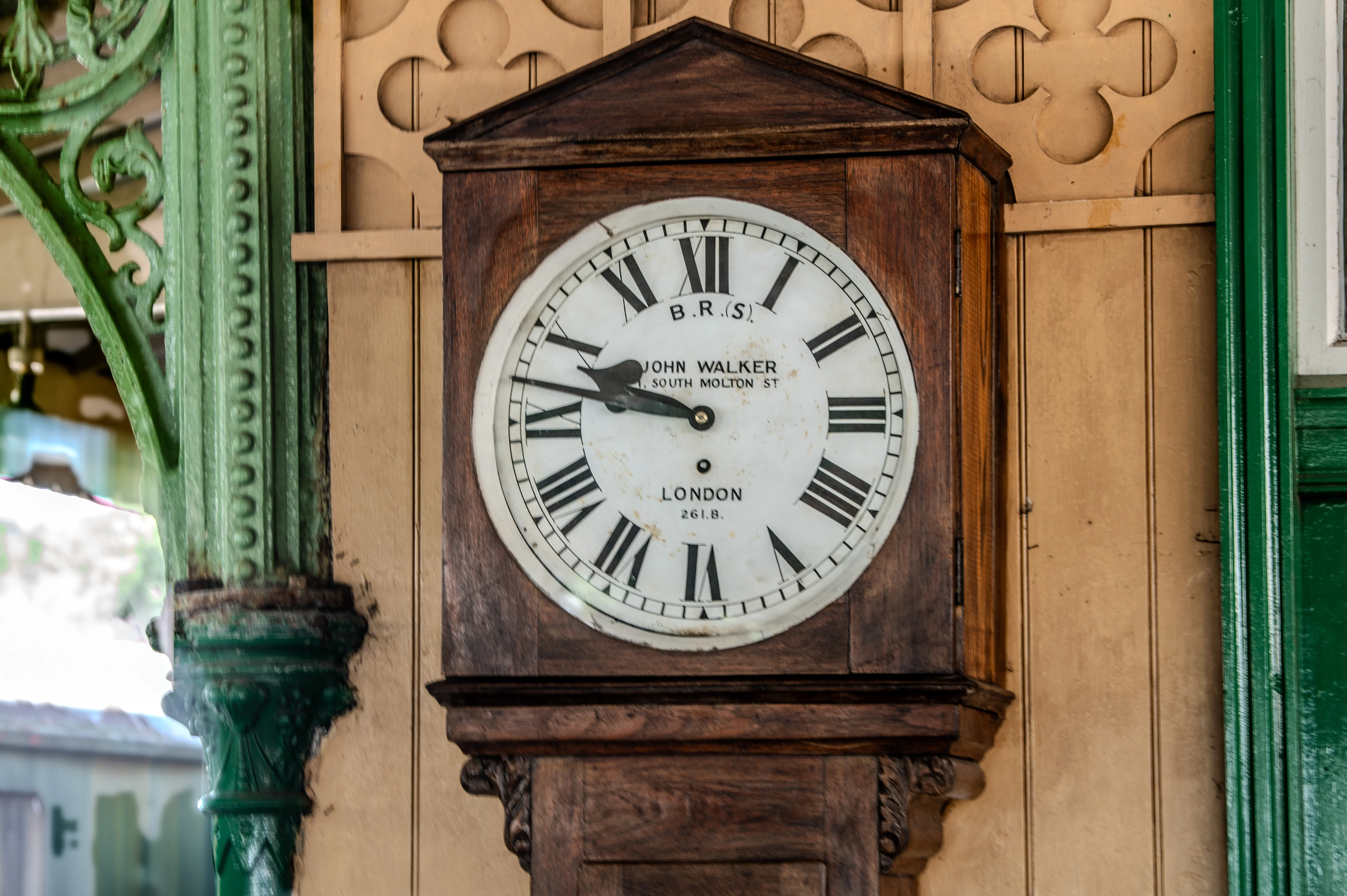
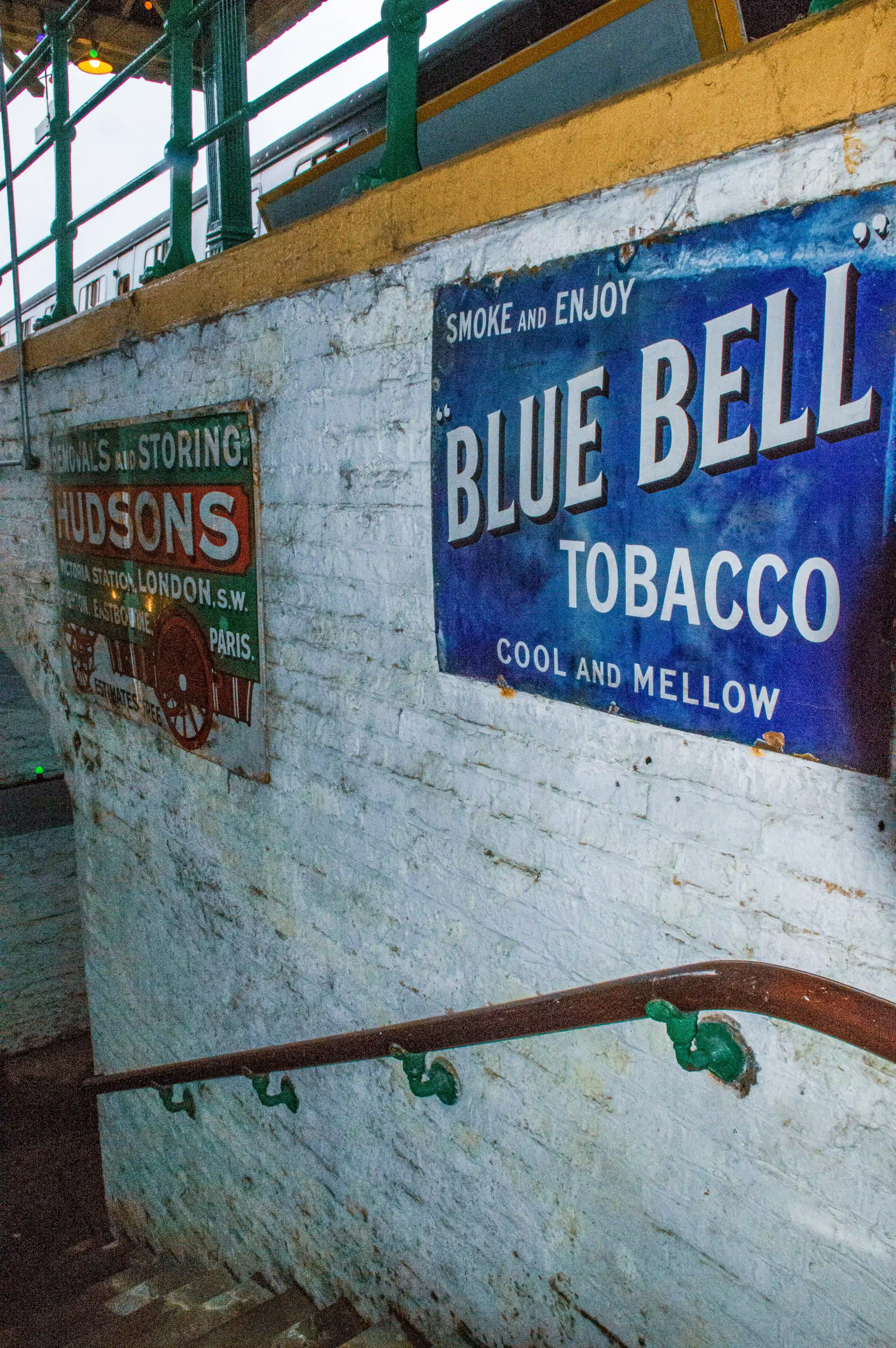
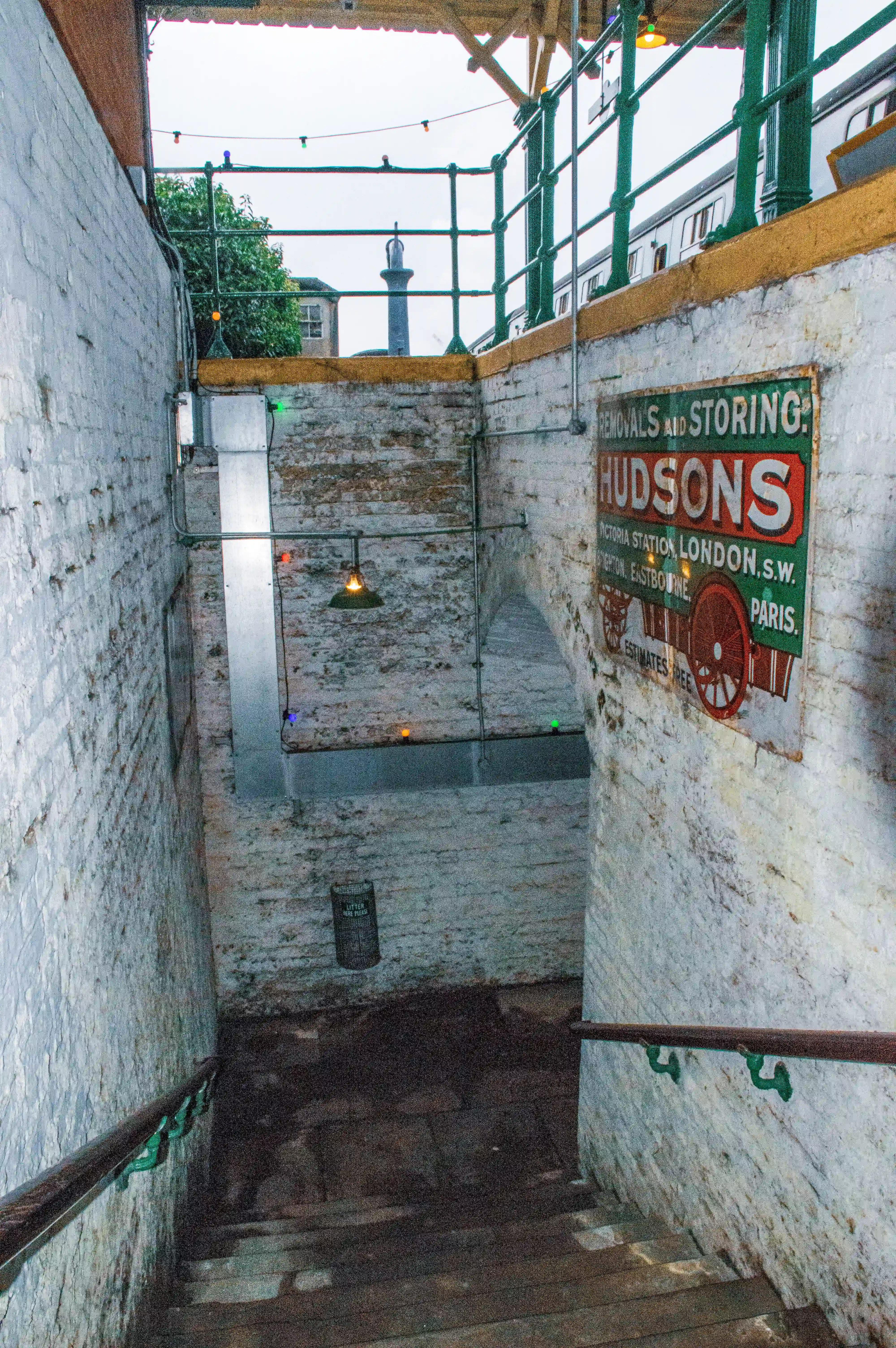
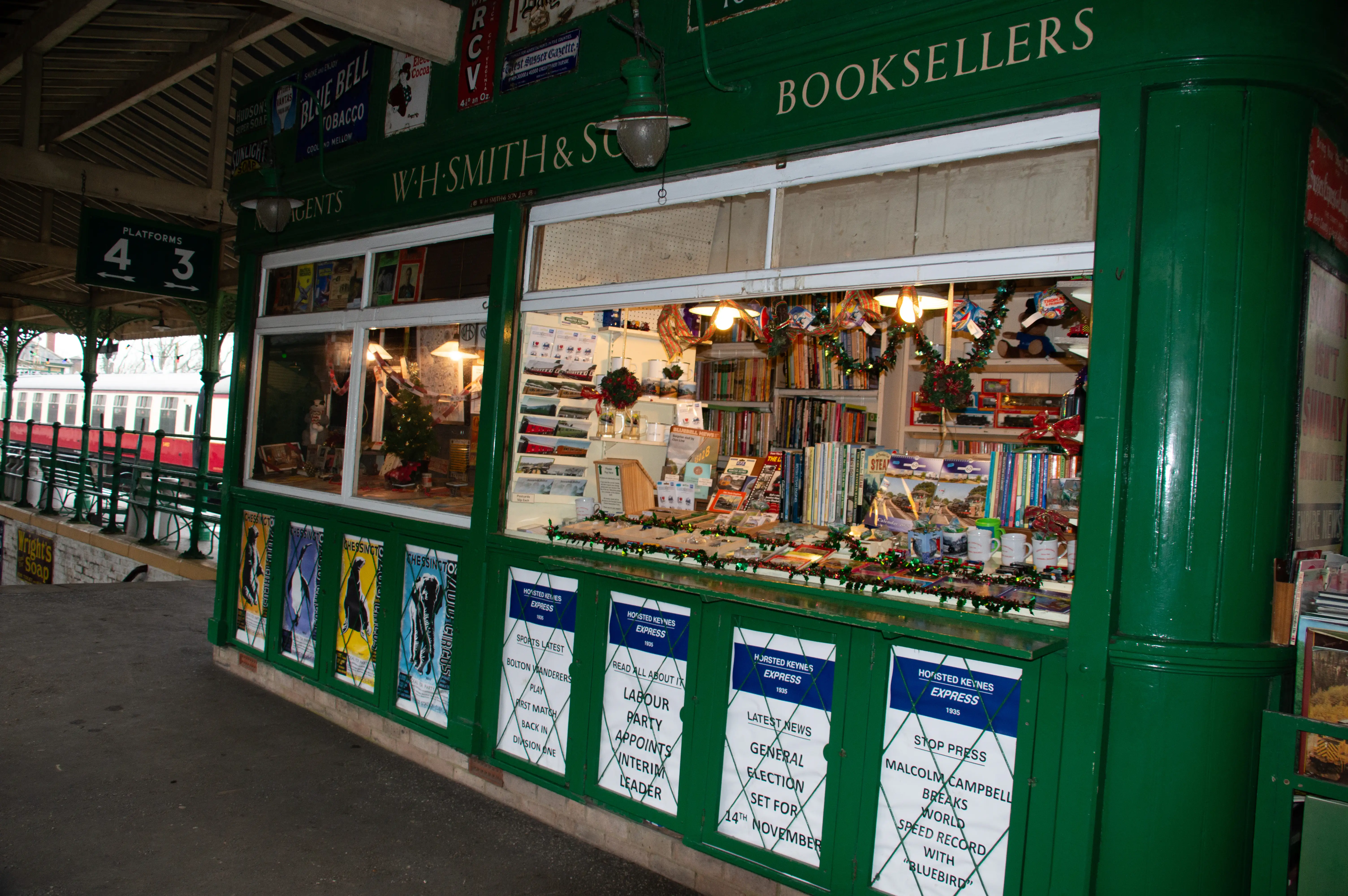
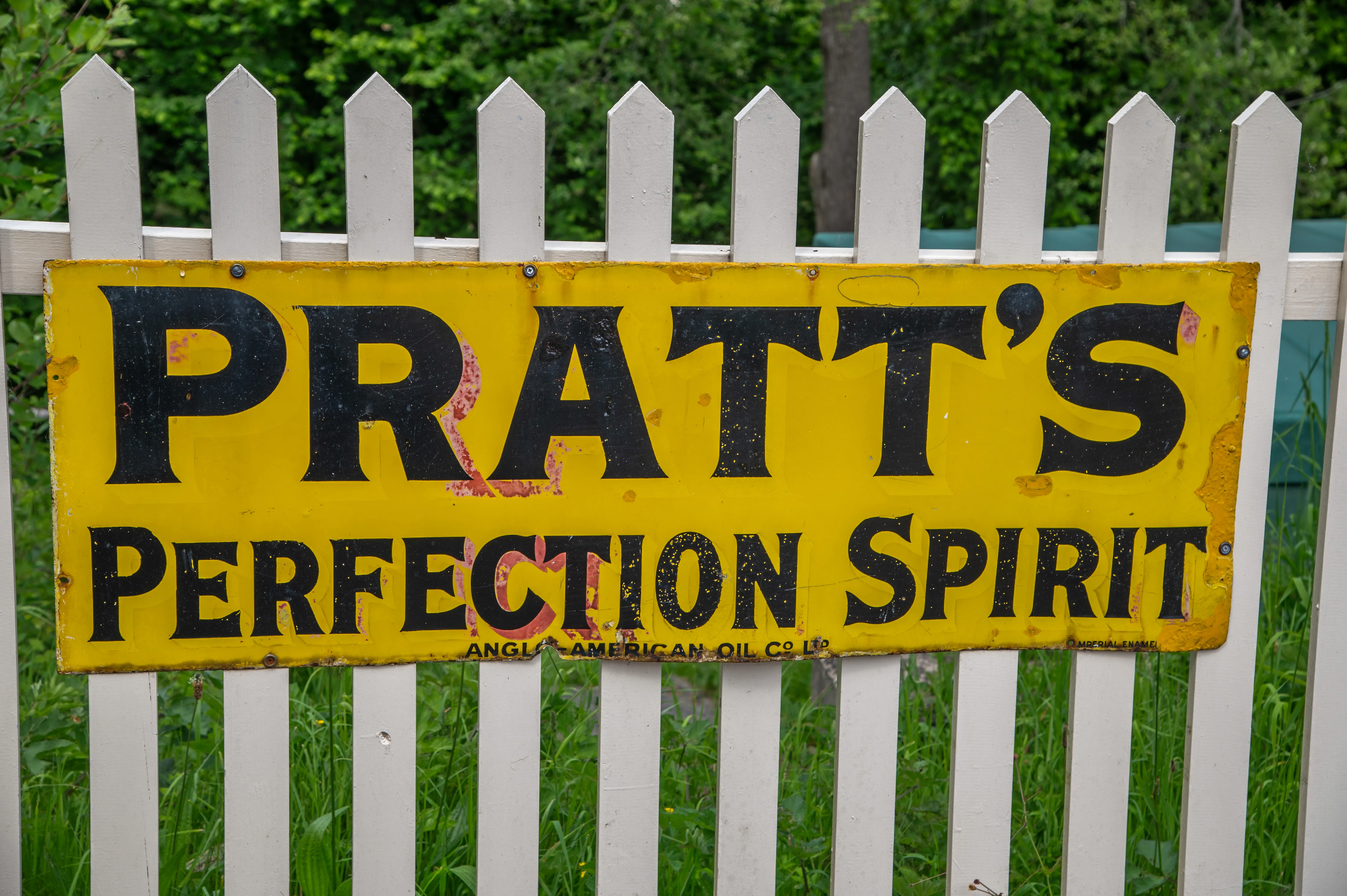
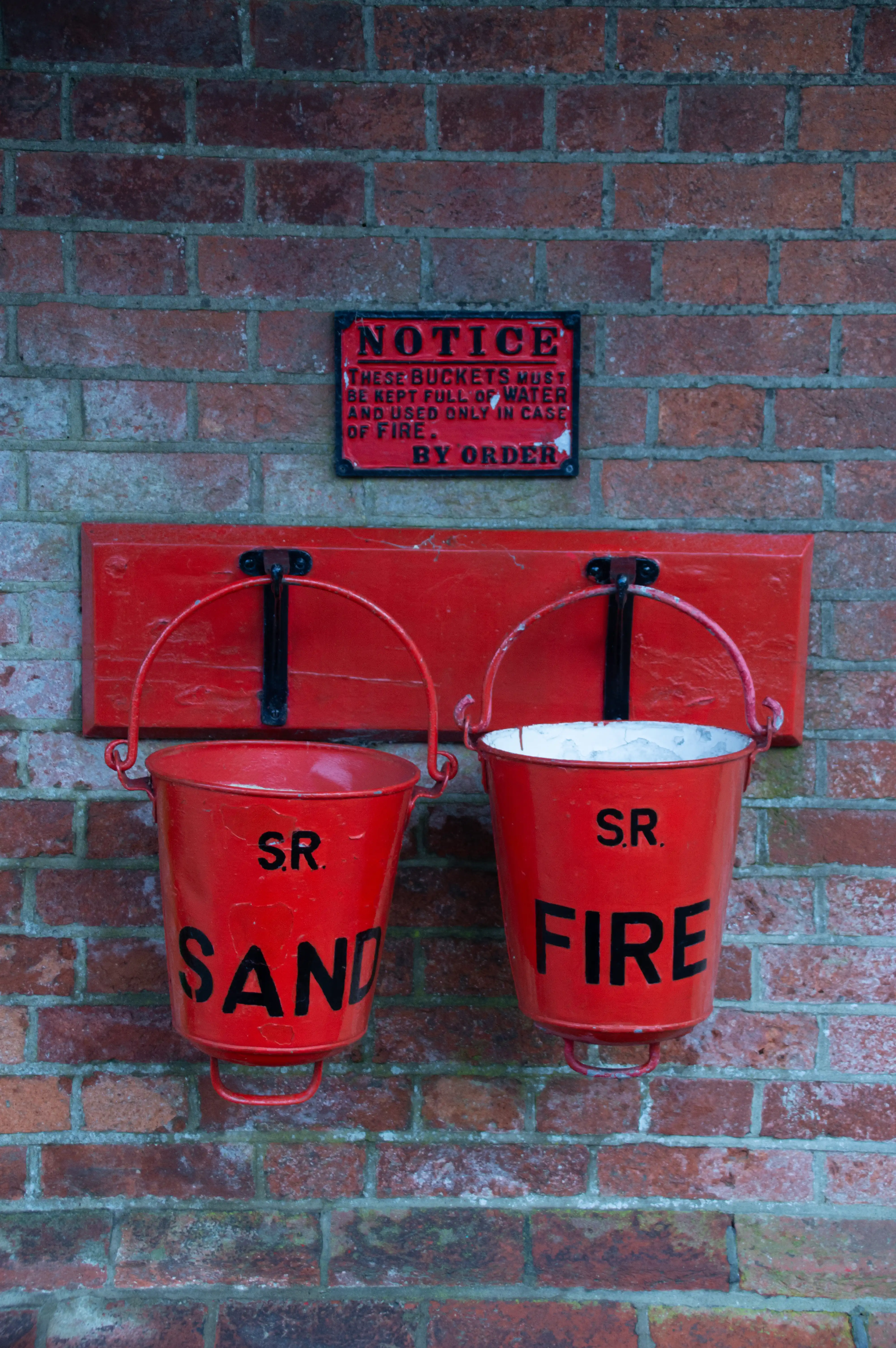
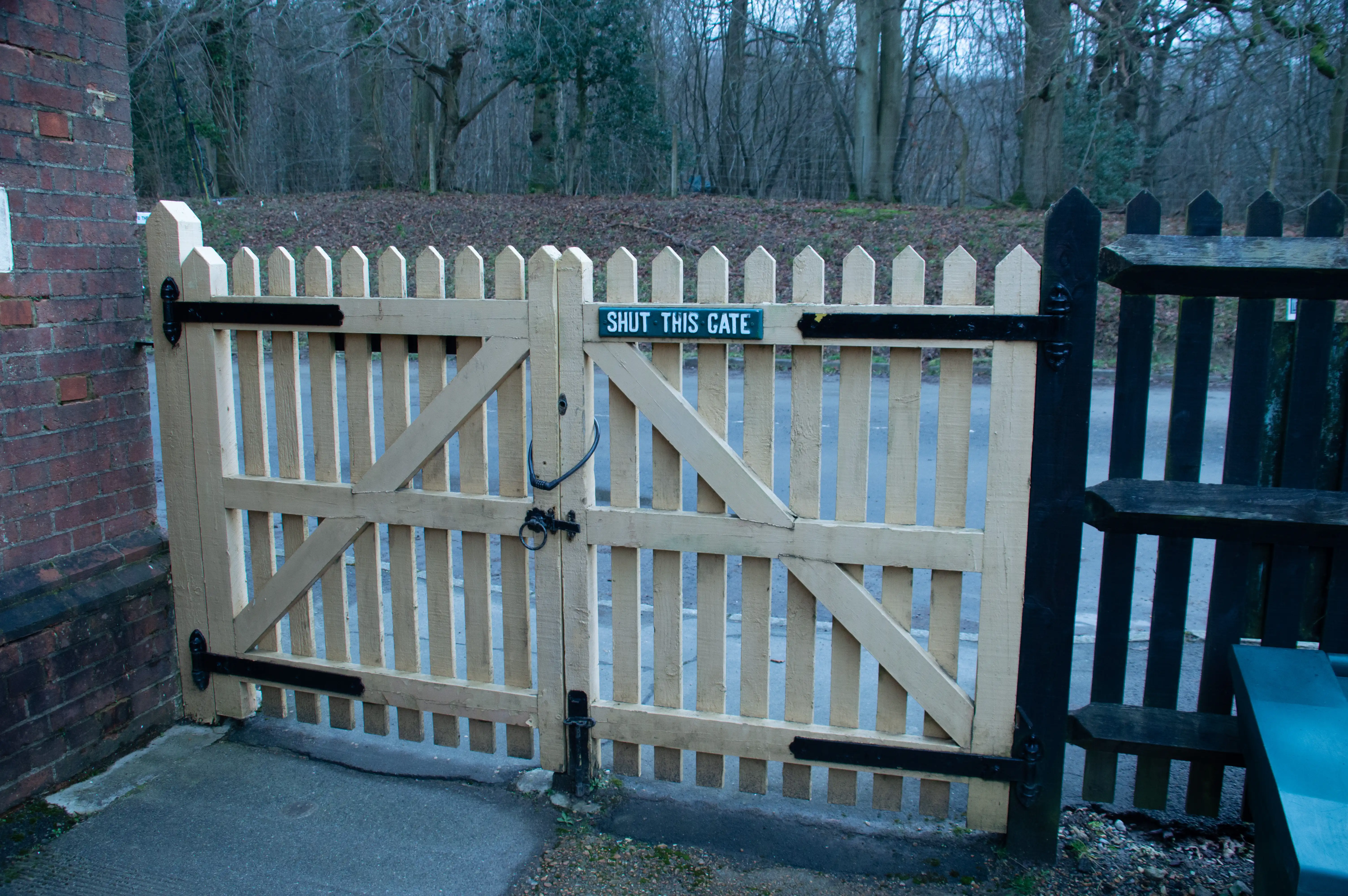
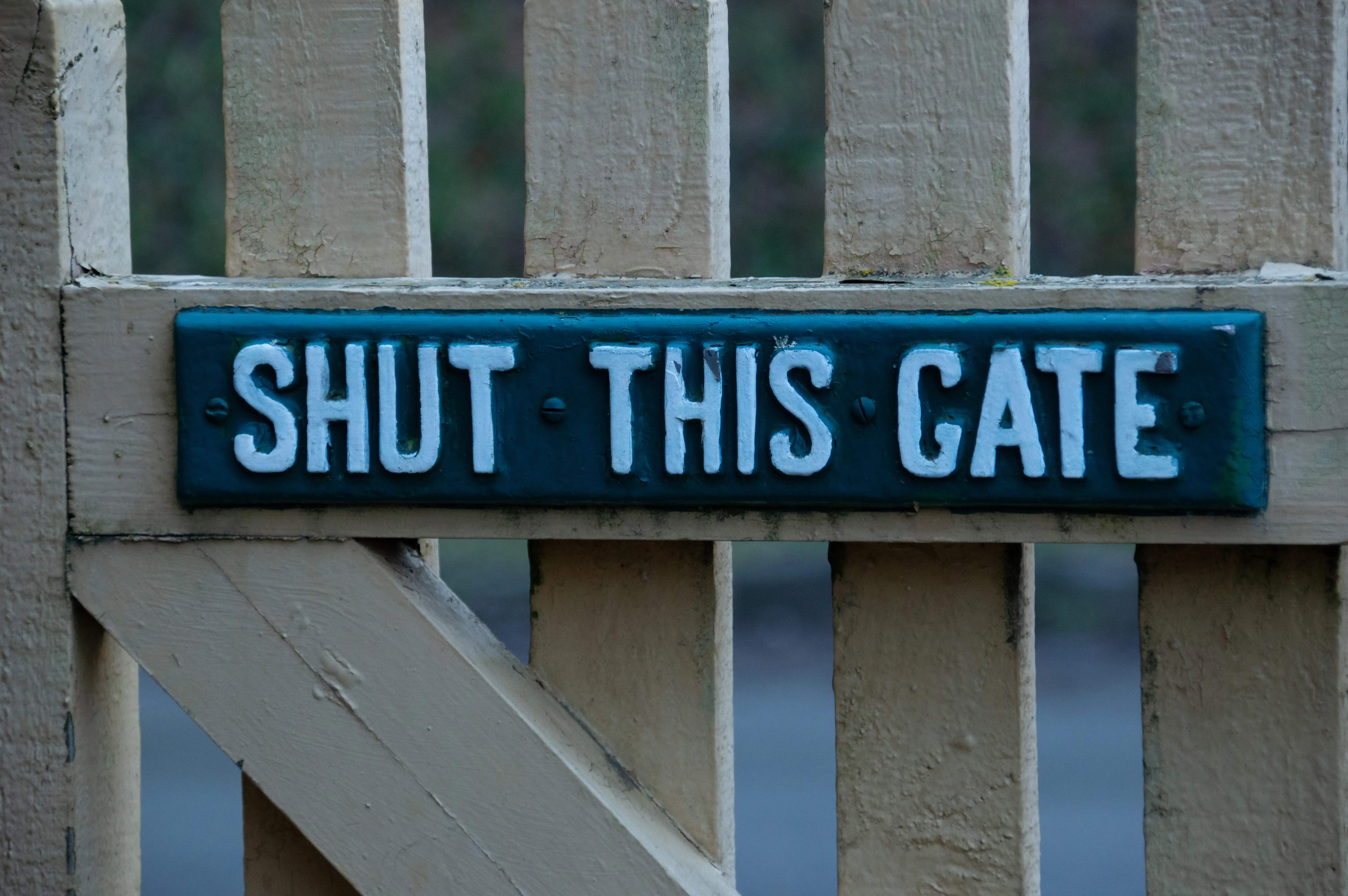
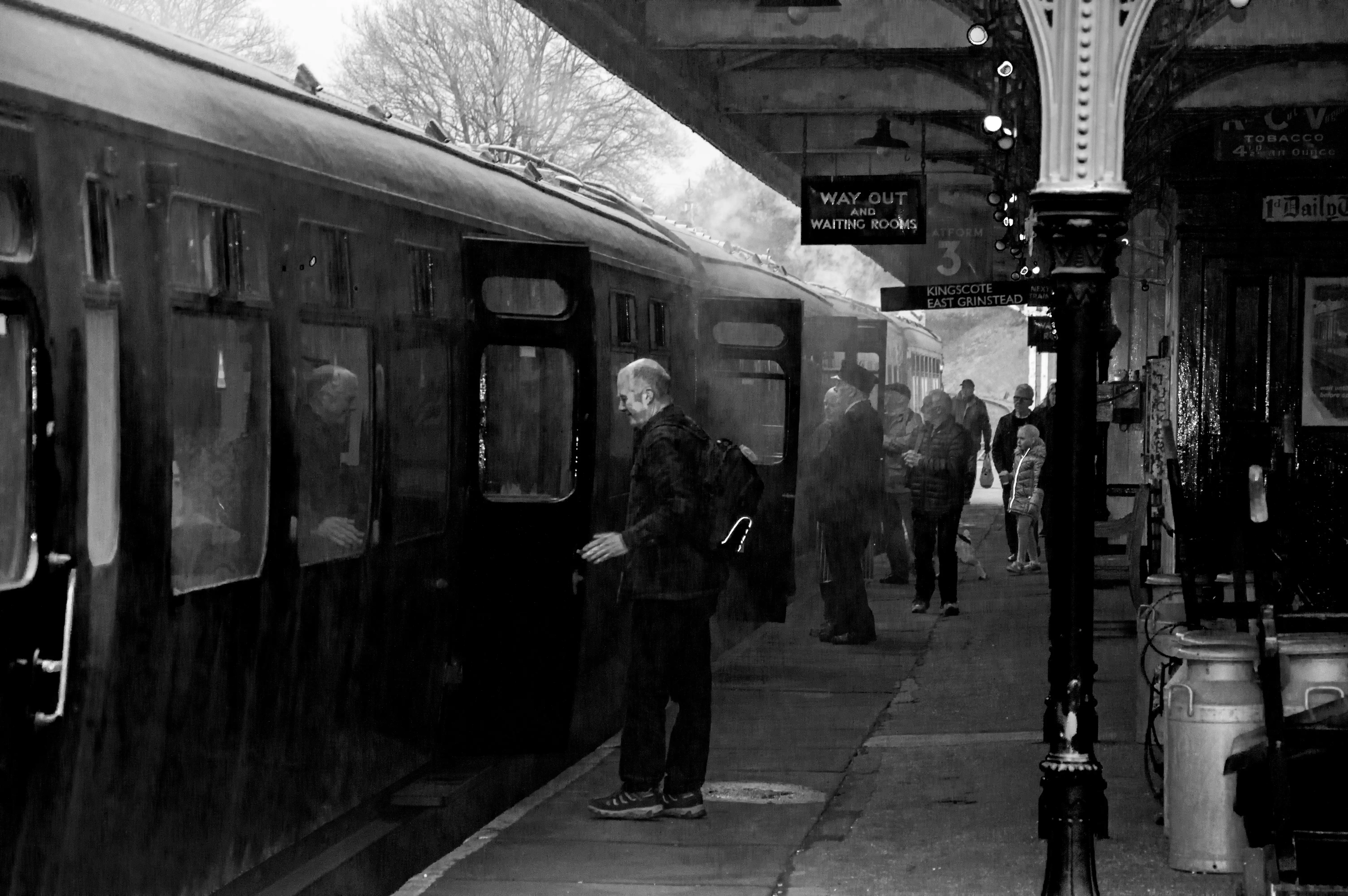
Since its revival, Horsted Keynes Station has been restored to its original Victorian appearance, with authentic signage, furniture, and fittings that transport visitors back to the golden age of steam. The station now serves as a key stop on the Bluebell Railway, offering scenic train rides, educational exhibits, and a glimpse into the past of British railway travel. It stands as a testament to the passion and dedication of the volunteers and staff who have worked to preserve and share the history of railways with the world.

