Osborne House is Queen Victoria and Prince Albert’s beloved seaside palace on the Isle of Wight, designed in the style of an Italian Renaissance palazzo and set in stunning gardens overlooking the Solent. Built between 1845–1851 as a private family retreat, the house and its extensive grounds—including the private beach, Swiss Cottage (a playhouse for the royal children), and terraced gardens—offer a fascinating glimpse into Victorian royal life. Today, Osborne is open to the public (managed by English Heritage) and is one of the island’s most popular attractions, with exhibits, seasonal events, and scenic walks through the historic estate
Osborne House
ork Avenue, East Cowes, Isle of Wight, PO32 6JX, United Kingdom
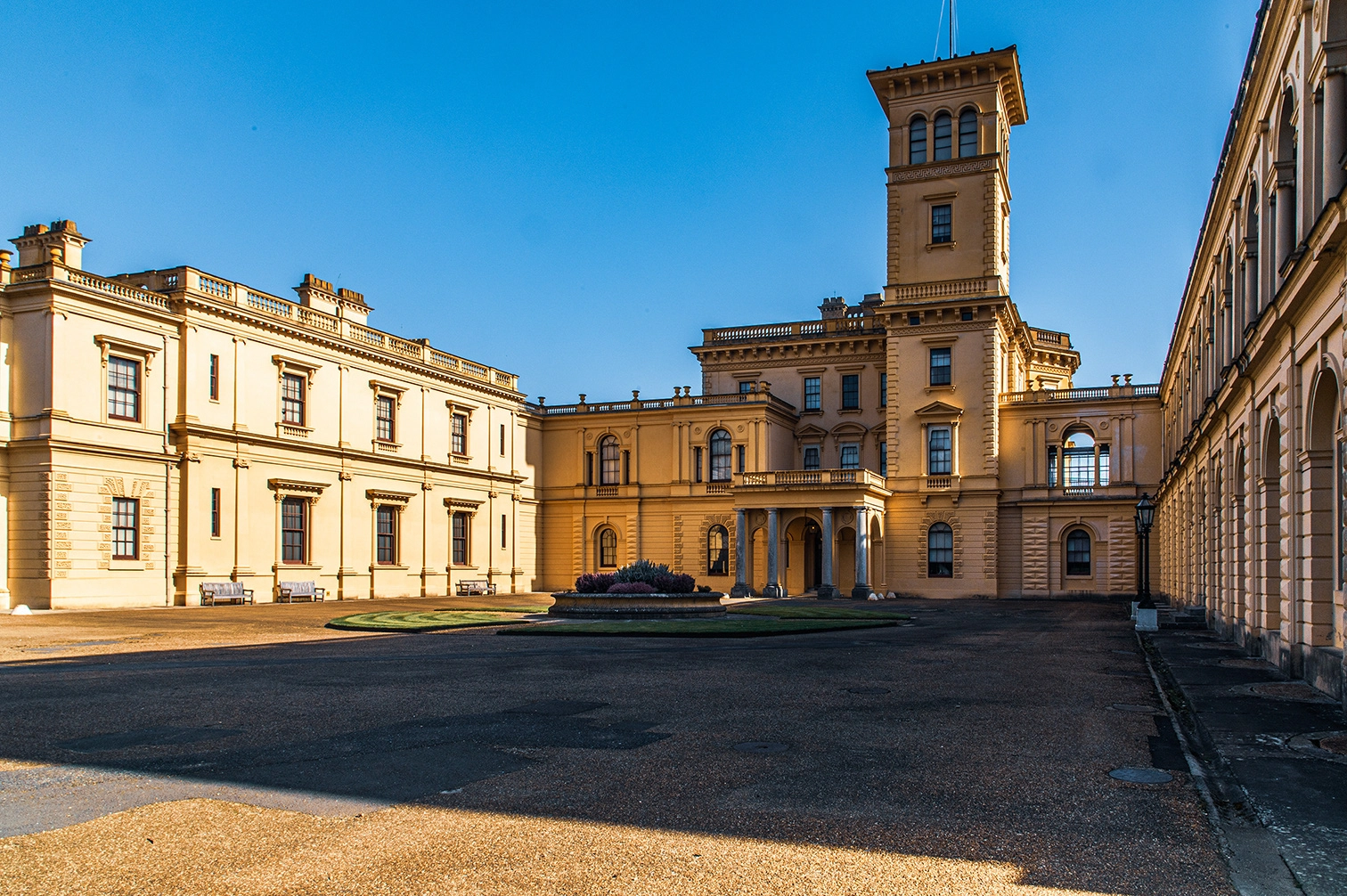
photo by Michael Gaylard,
©www.mgaylard.co.uk.

photo by Michael Gaylard,
©www.mgaylard.co.uk.

photo by Michael Gaylard,
©www.mgaylard.co.uk.

photo by Michael Gaylard,
©www.mgaylard.co.uk.
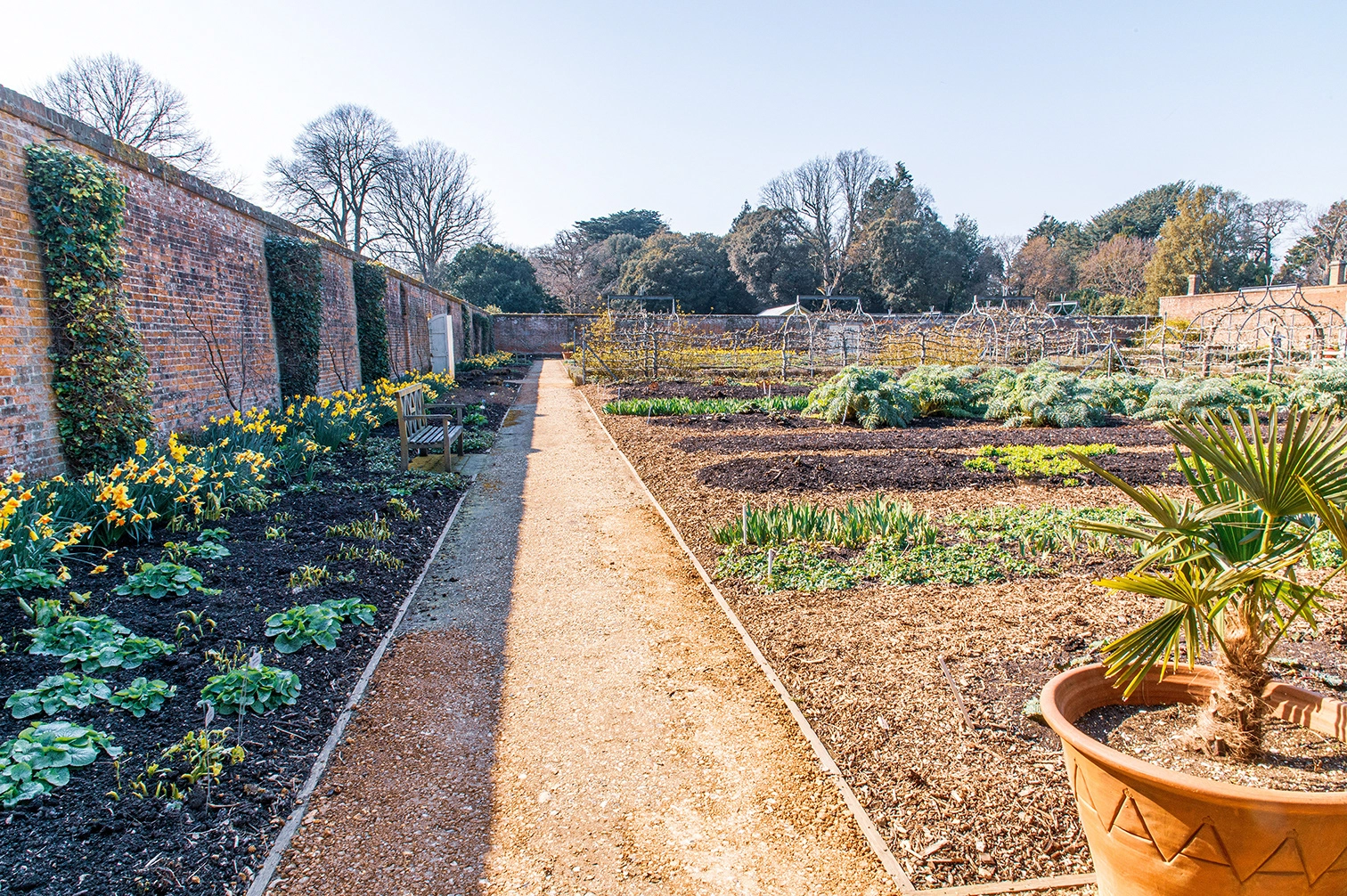
photo by Michael Gaylard,
©www.mgaylard.co.uk.
photo by Michael Gaylard,
©www.mgaylard.co.uk.
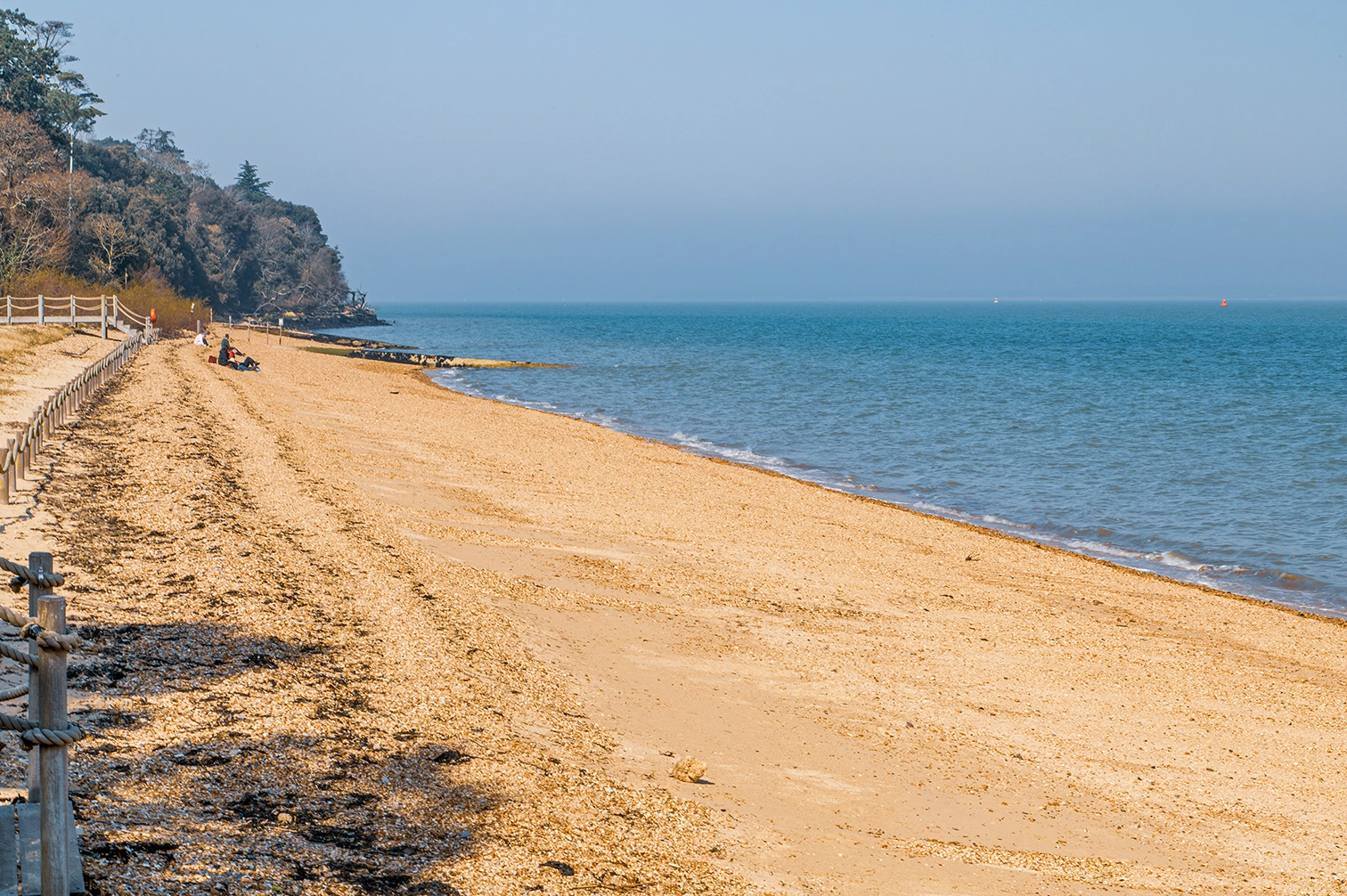
photo by Michael Gaylard,
©www.mgaylard.co.uk.
photo by Michael Gaylard,
©www.mgaylard.co.uk.
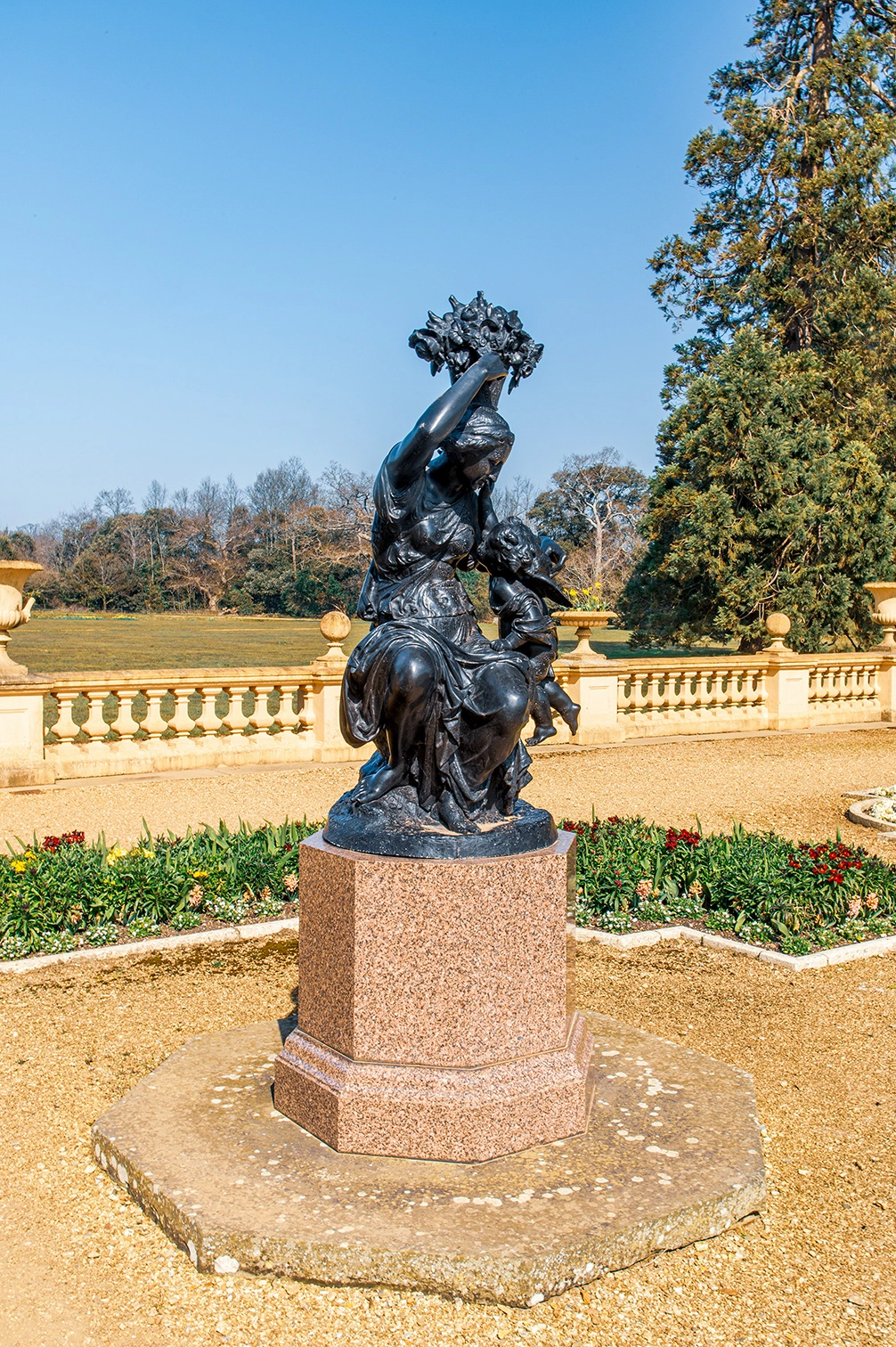
photo by Michael Gaylard,
©www.mgaylard.co.uk.
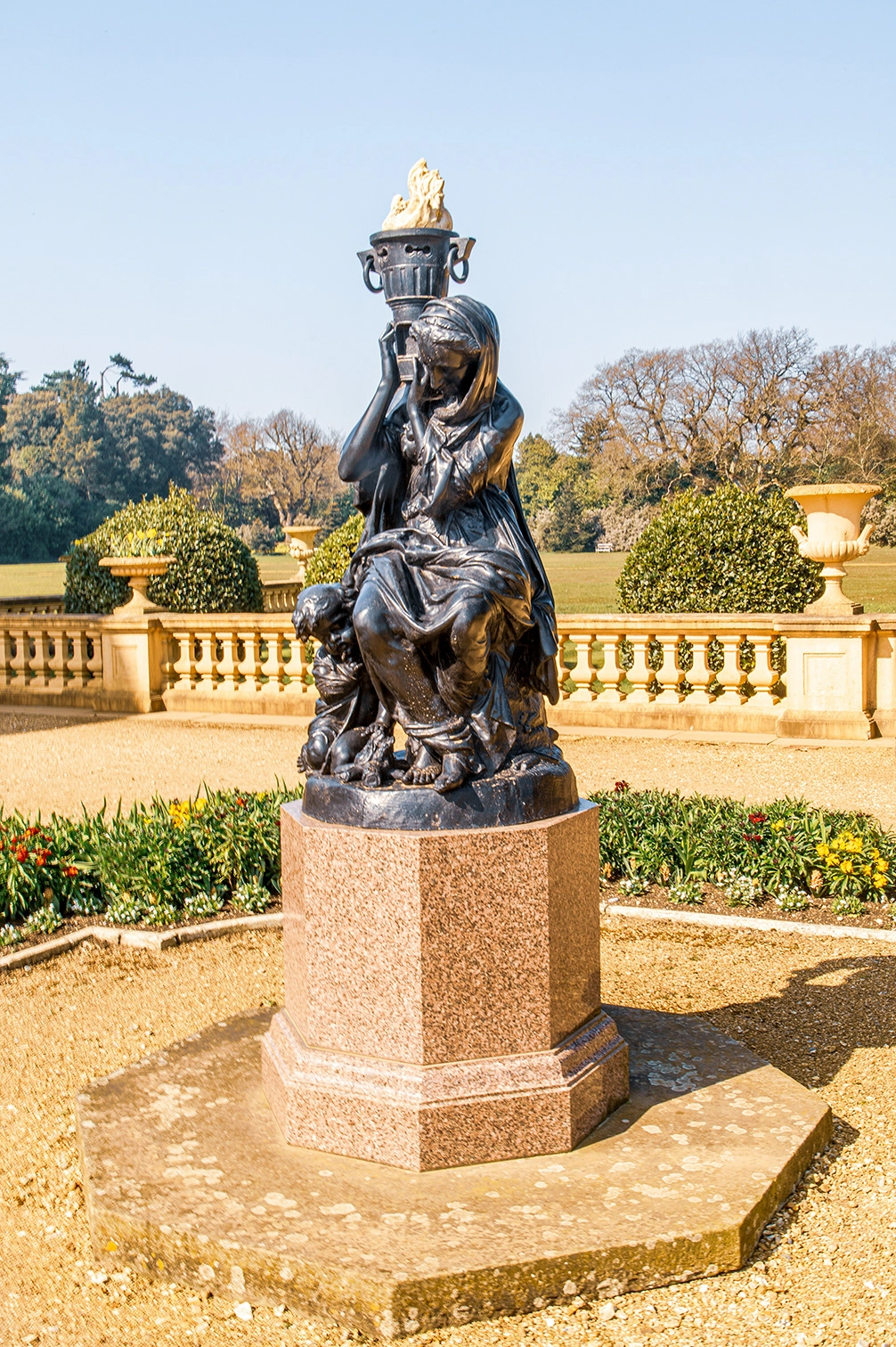
photo by Michael Gaylard,
©www.mgaylard.co.uk.

photo by Michael Gaylard,
©www.mgaylard.co.uk.

photo by Michael Gaylard,
©www.mgaylard.co.uk.

photo by Michael Gaylard,
©www.mgaylard.co.uk.
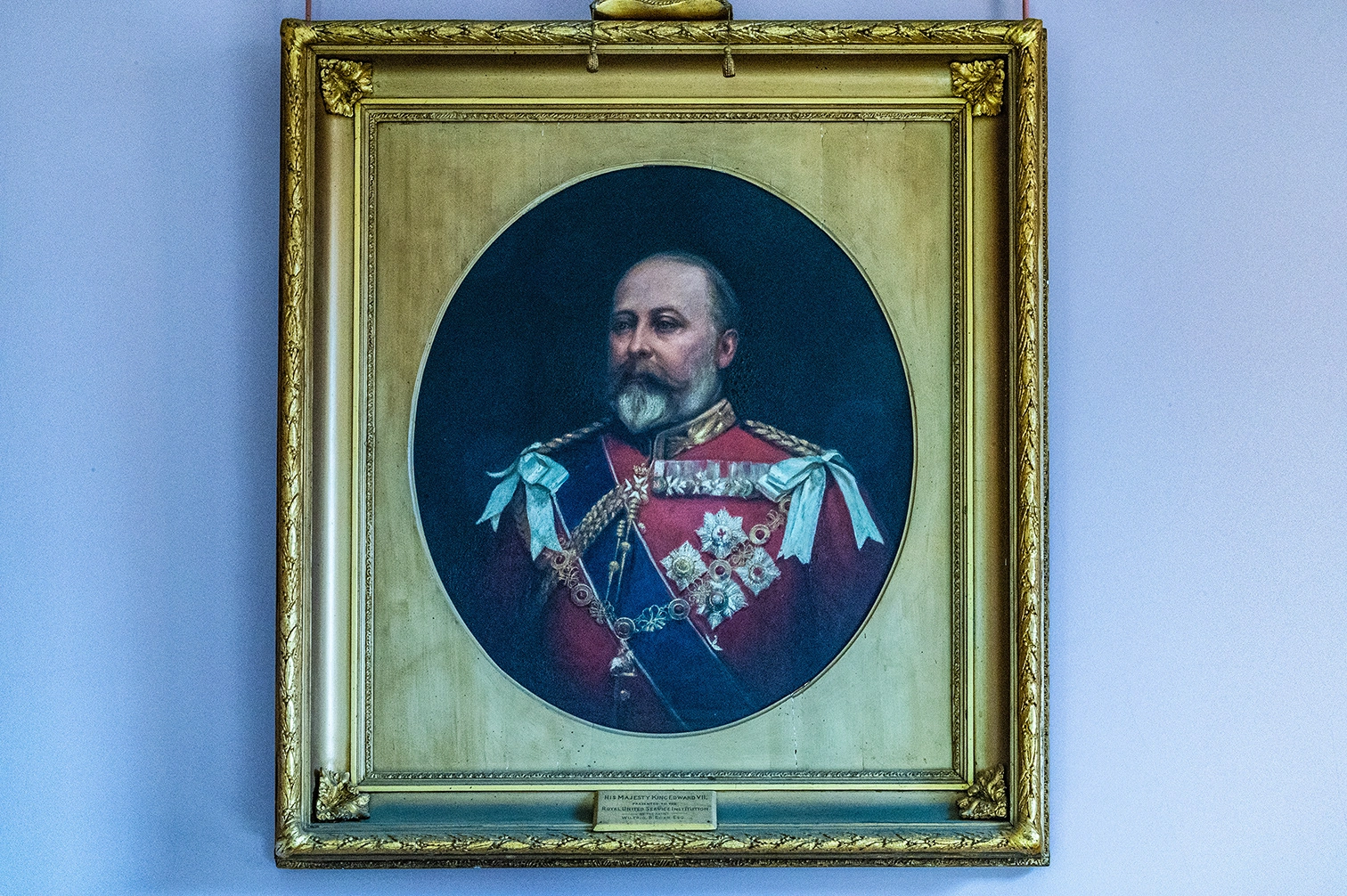
photo by Michael Gaylard,
©www.mgaylard.co.uk.
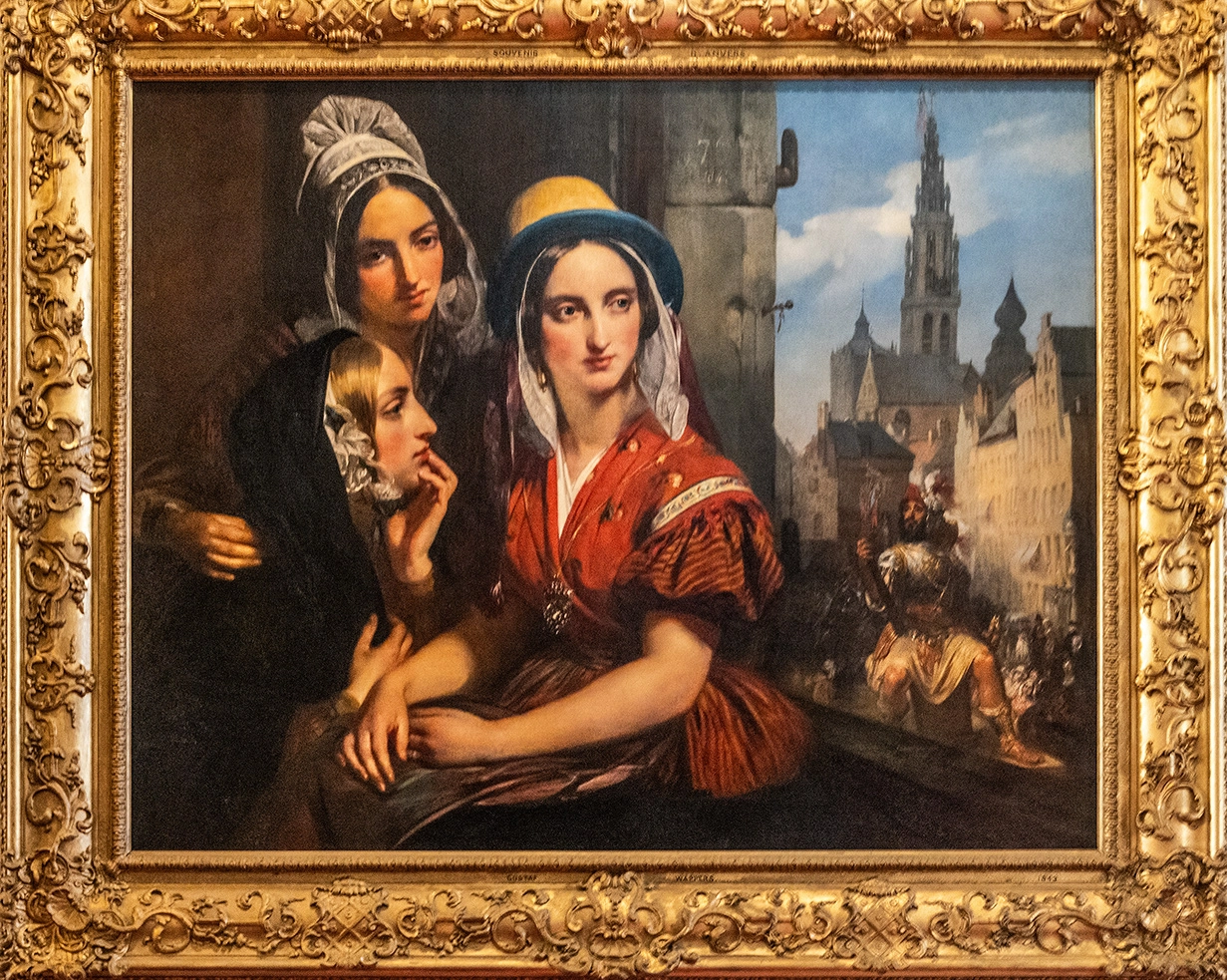
photo by Michael Gaylard,
©www.mgaylard.co.uk.
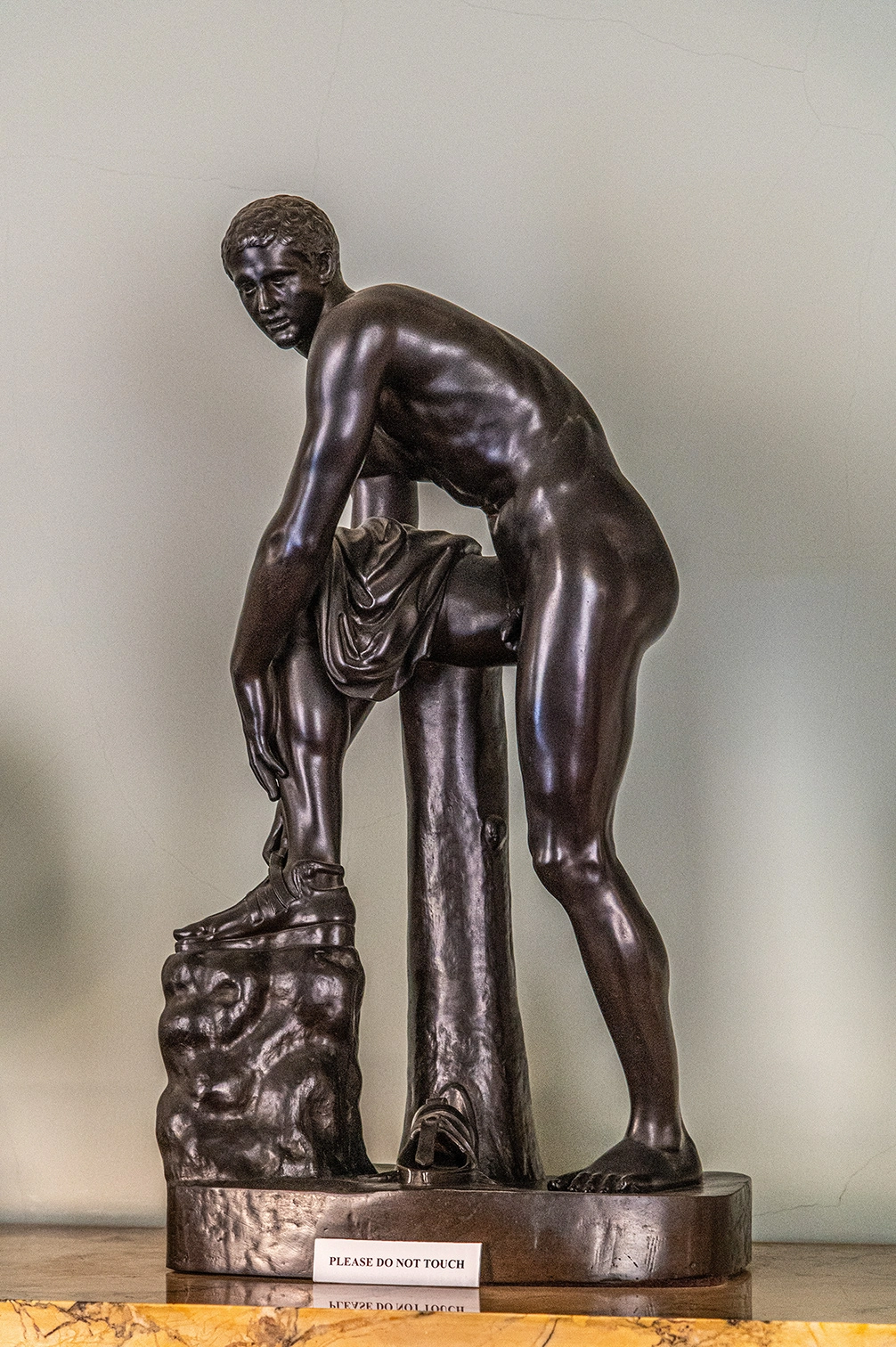
photo by Michael Gaylard,
©www.mgaylard.co.uk.
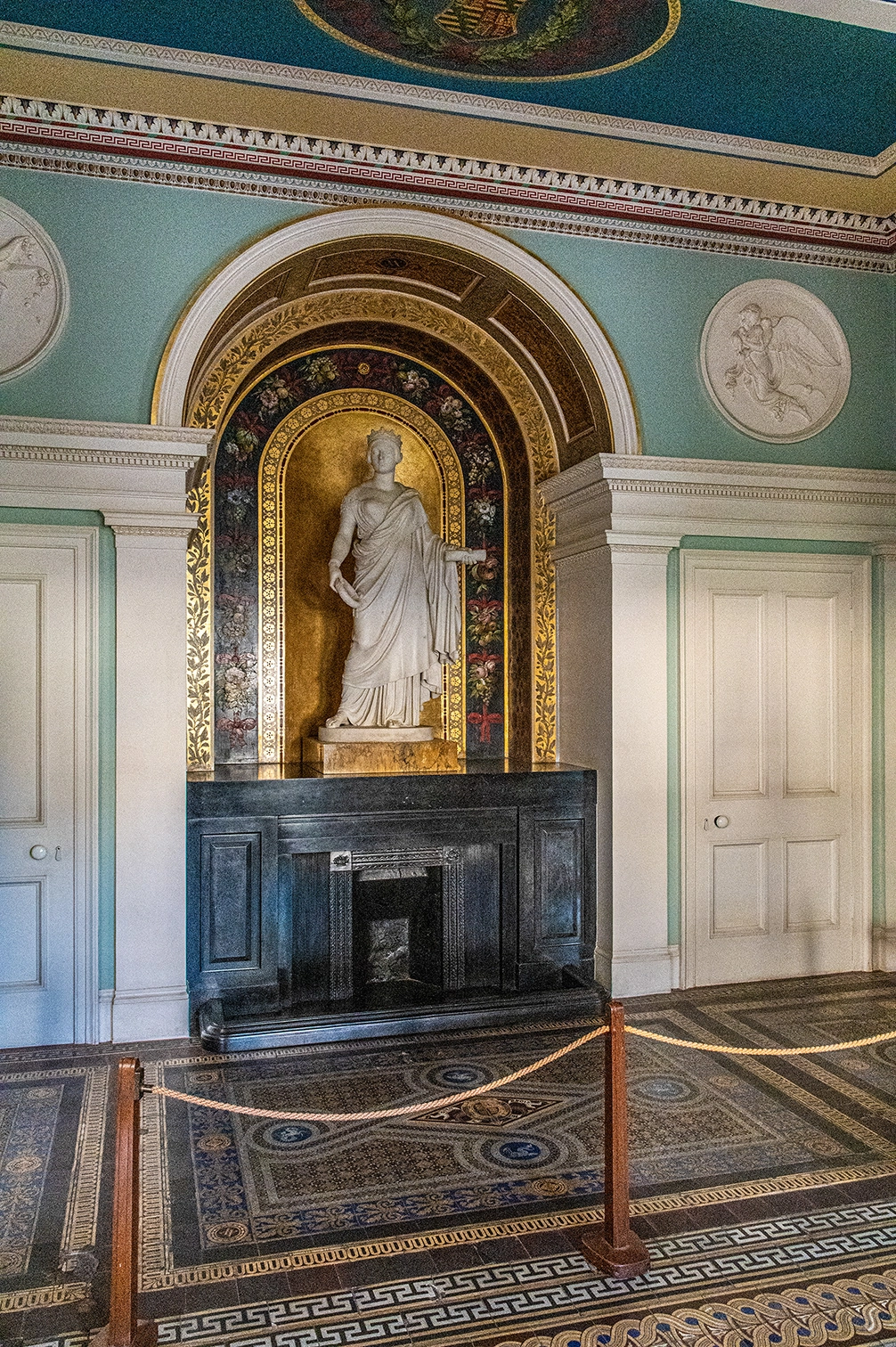
photo by Michael Gaylard,
©www.mgaylard.co.uk.
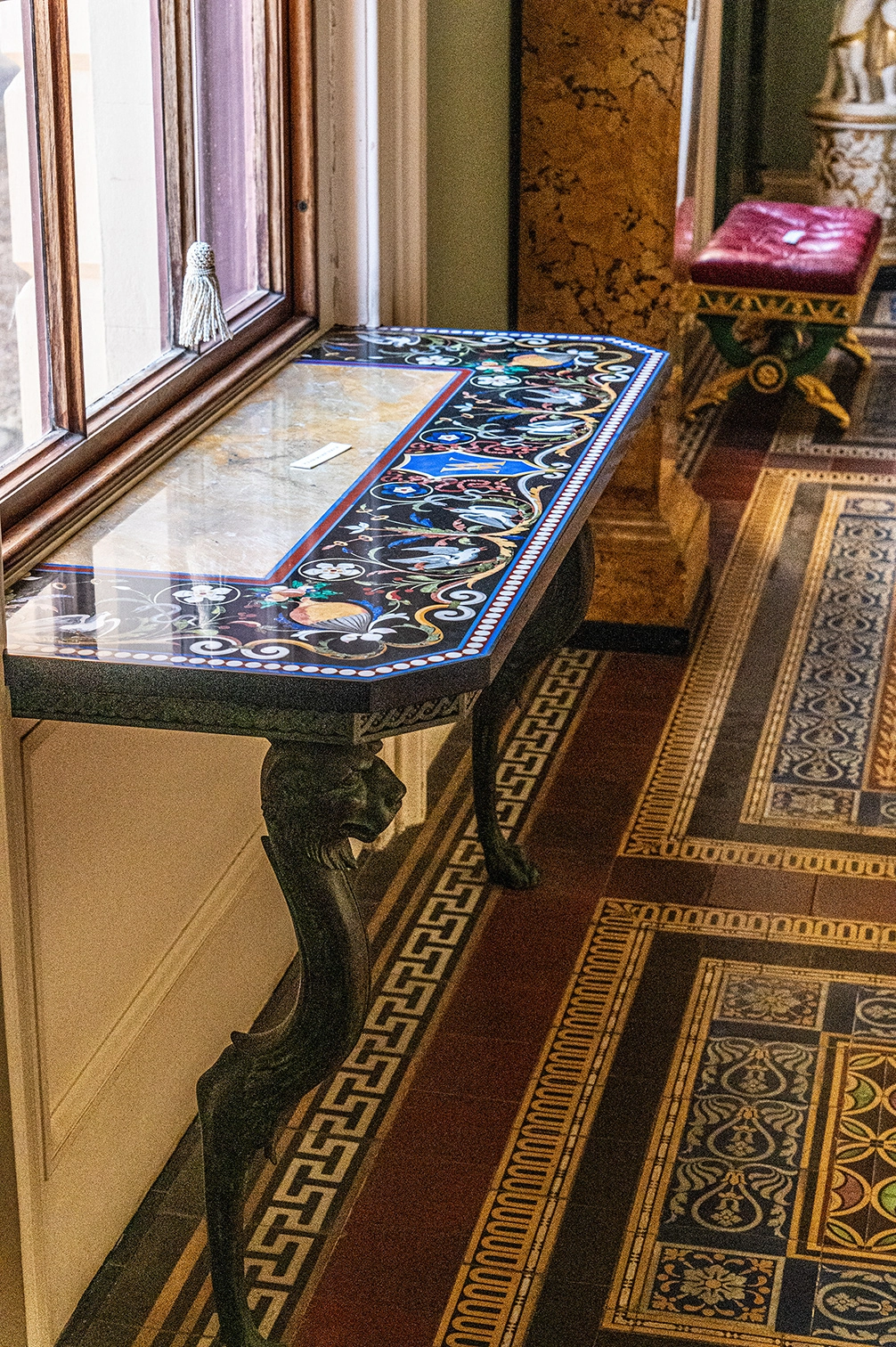
photo by Michael Gaylard,
©www.mgaylard.co.uk.
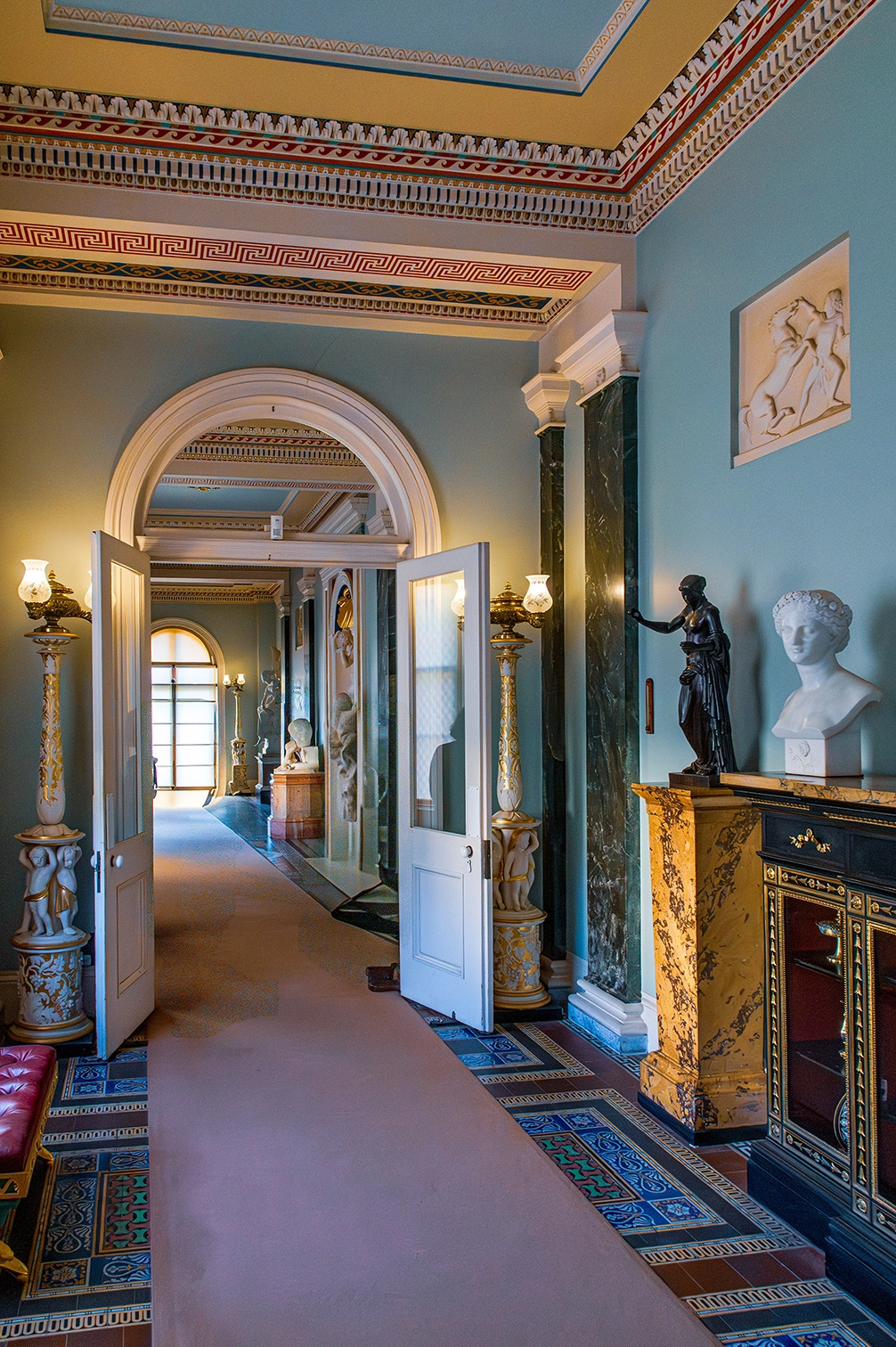
photo by Michael Gaylard,
©www.mgaylard.co.uk.
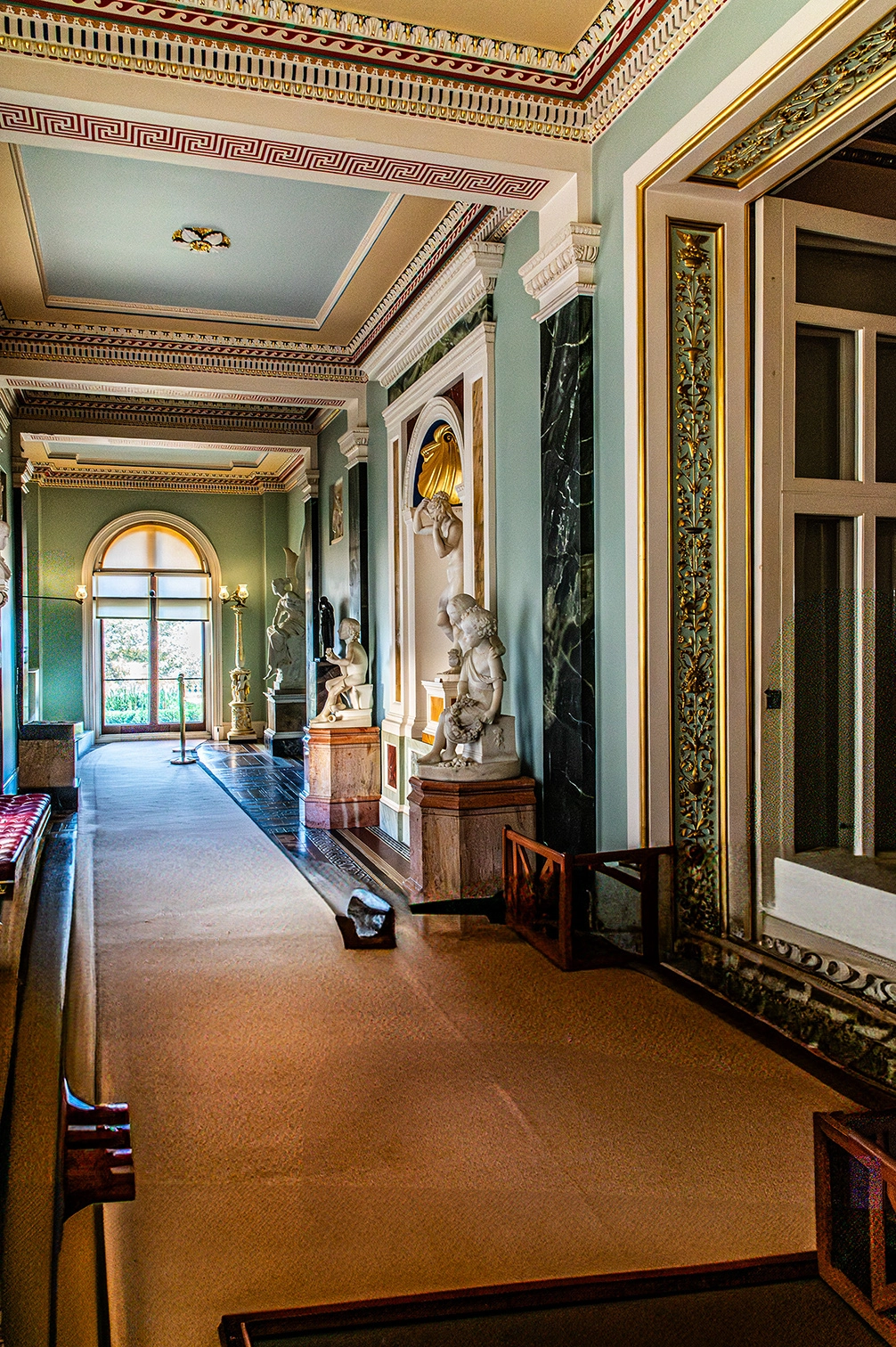
photo by Michael Gaylard,
©www.mgaylard.co.uk.
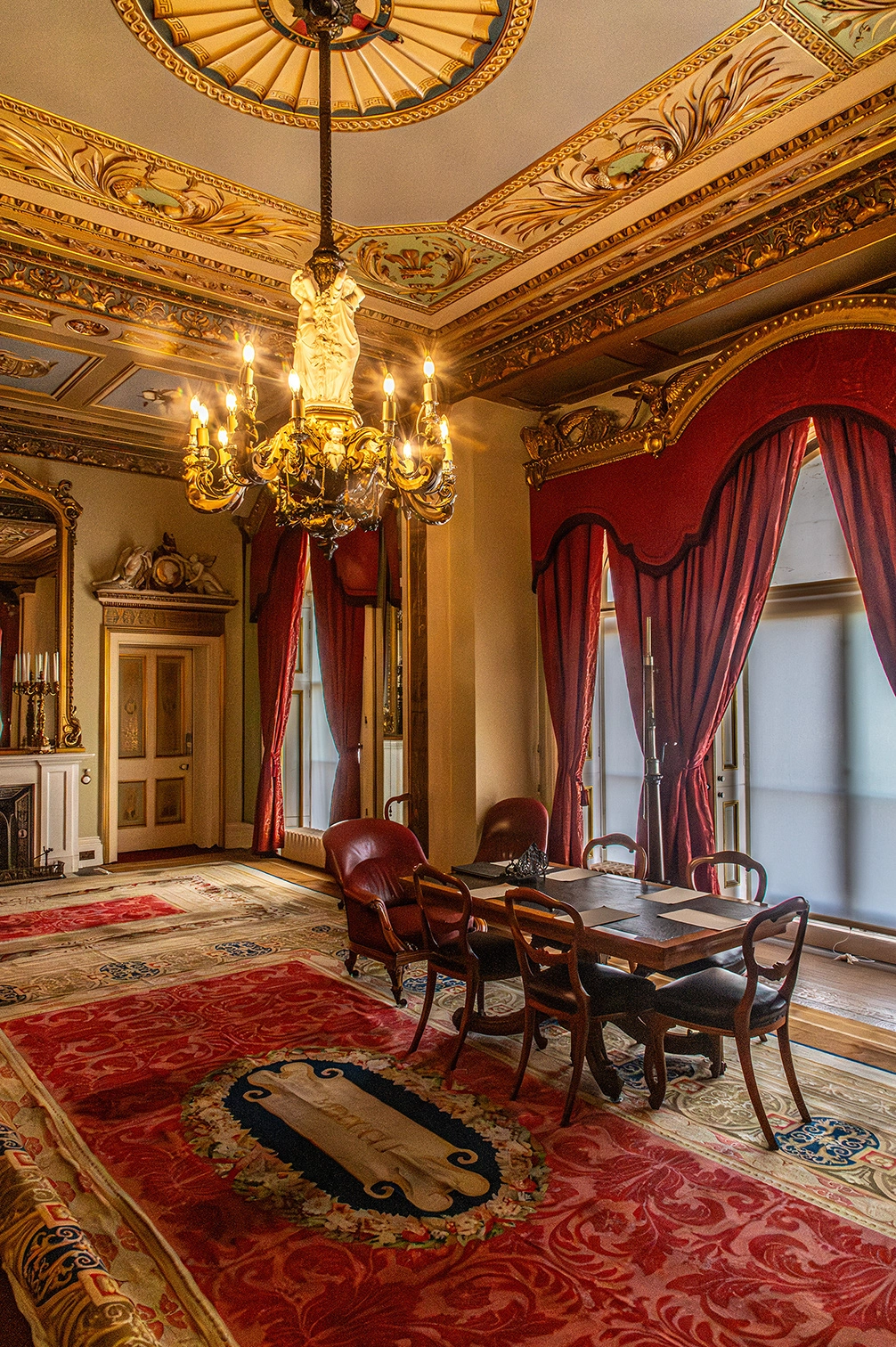
photo by Michael Gaylard,
©www.mgaylard.co.uk.
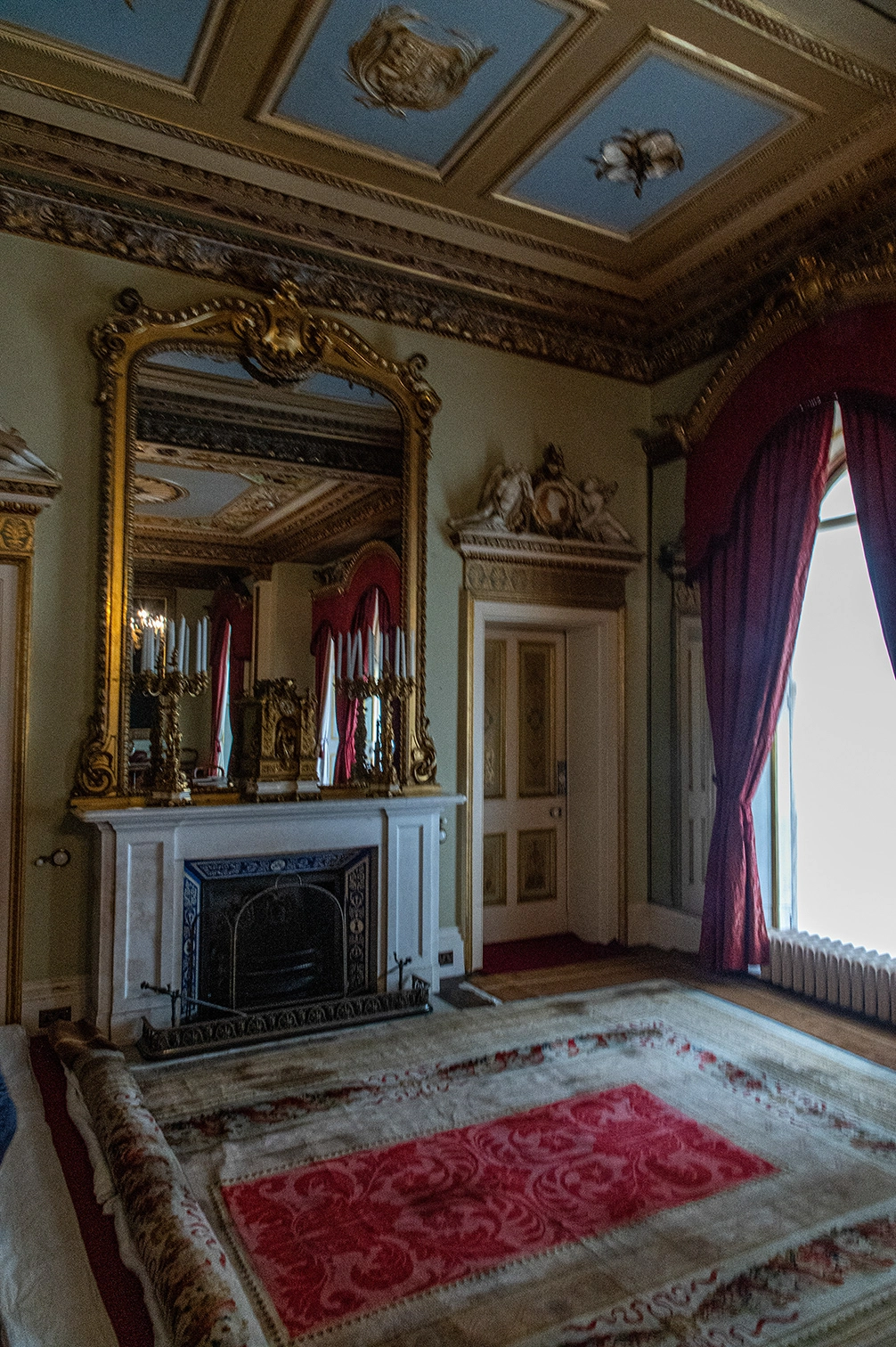
photo by Michael Gaylard,
©www.mgaylard.co.uk.
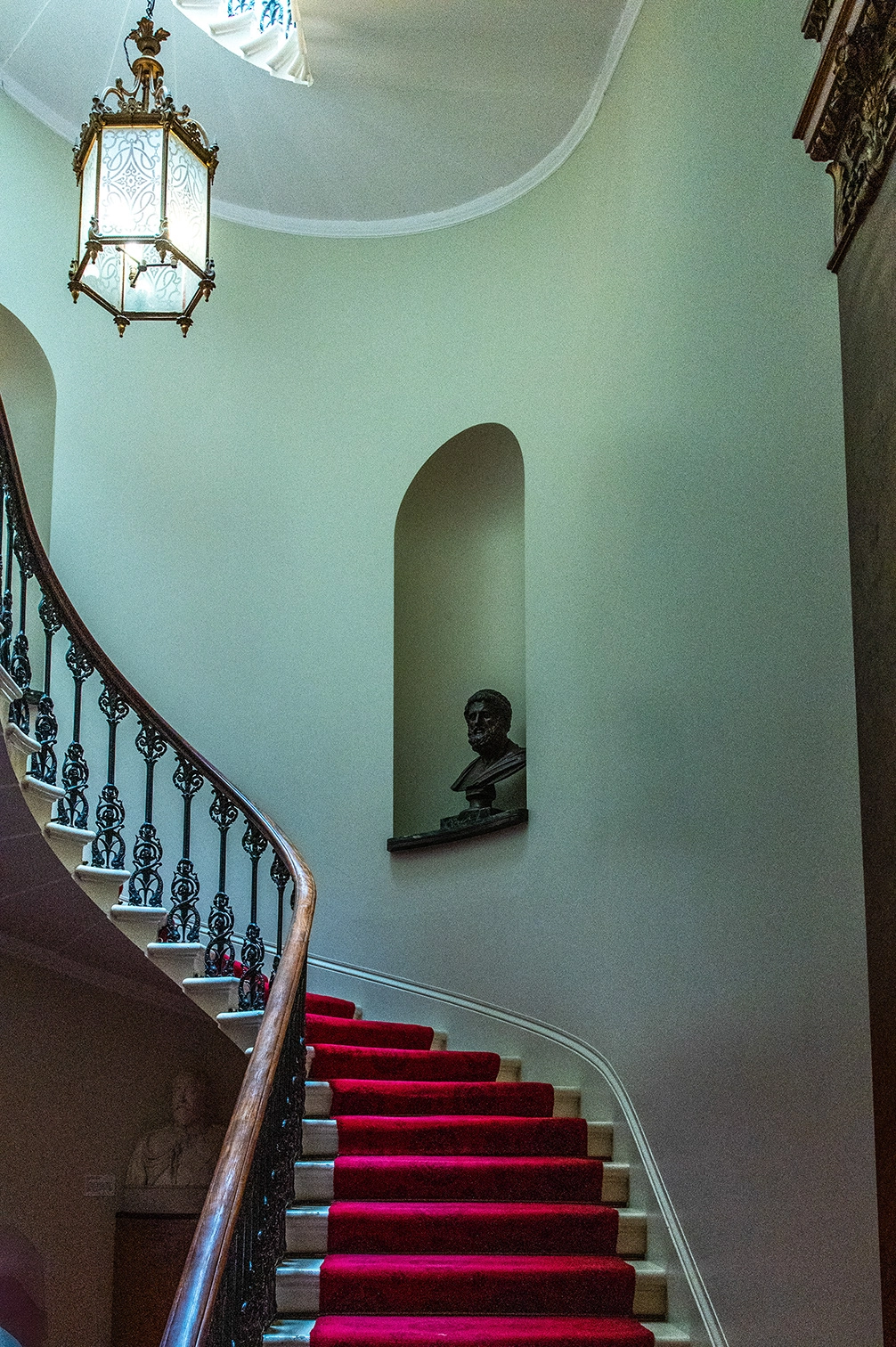
photo by Michael Gaylard,
©www.mgaylard.co.uk.
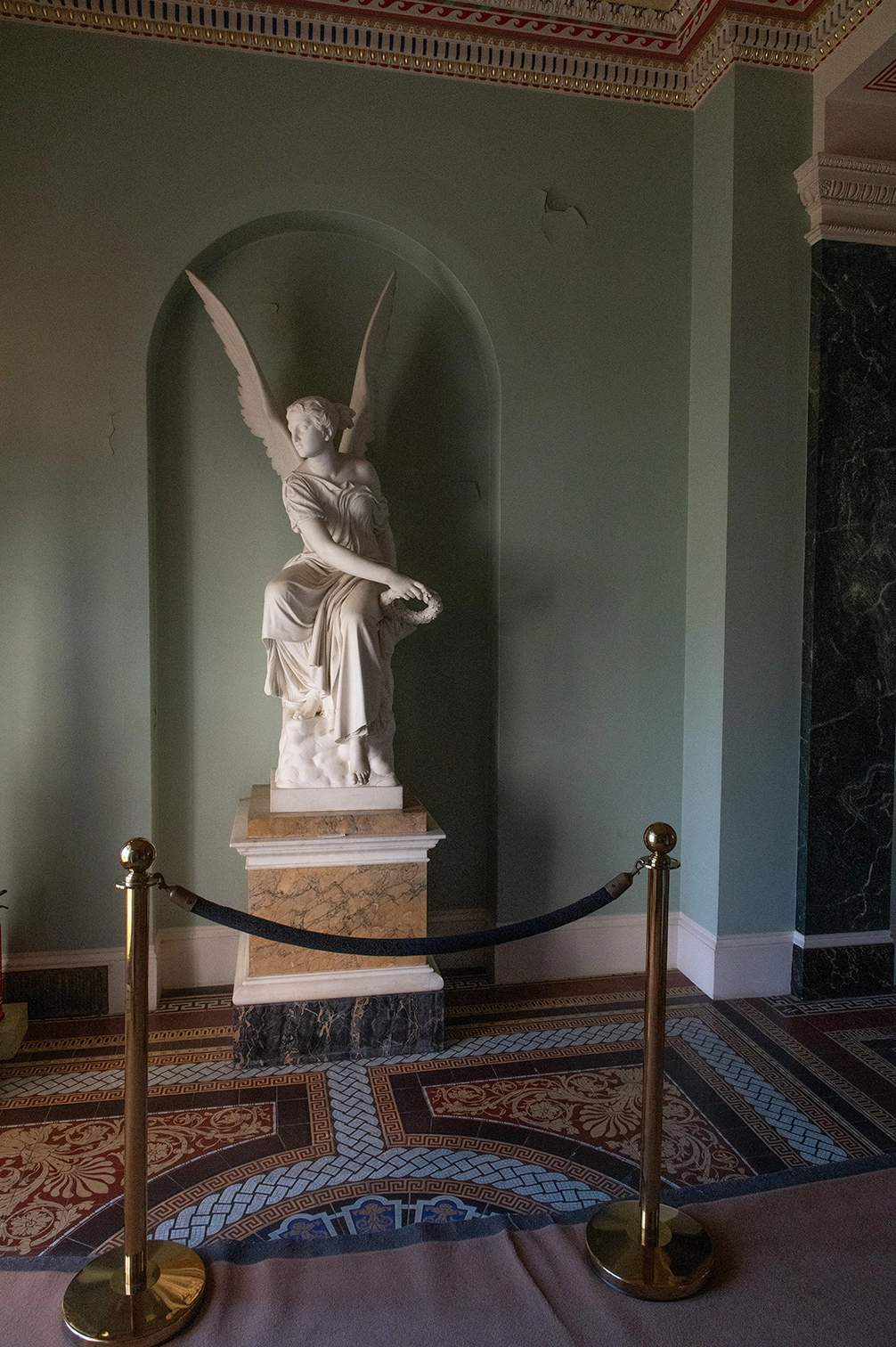
photo by Michael Gaylard,
©www.mgaylard.co.uk.
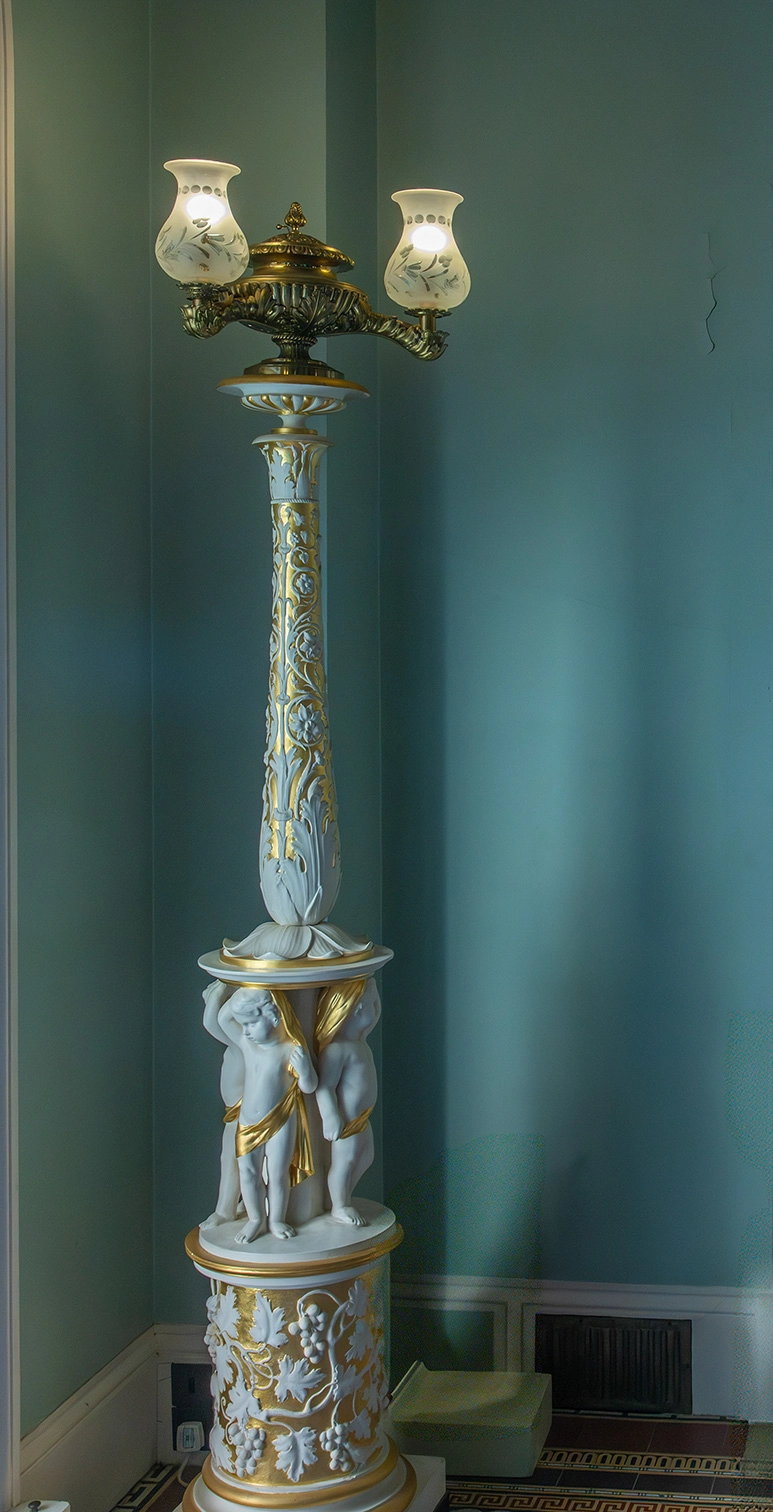
photo by Michael Gaylard,
©www.mgaylard.co.uk.
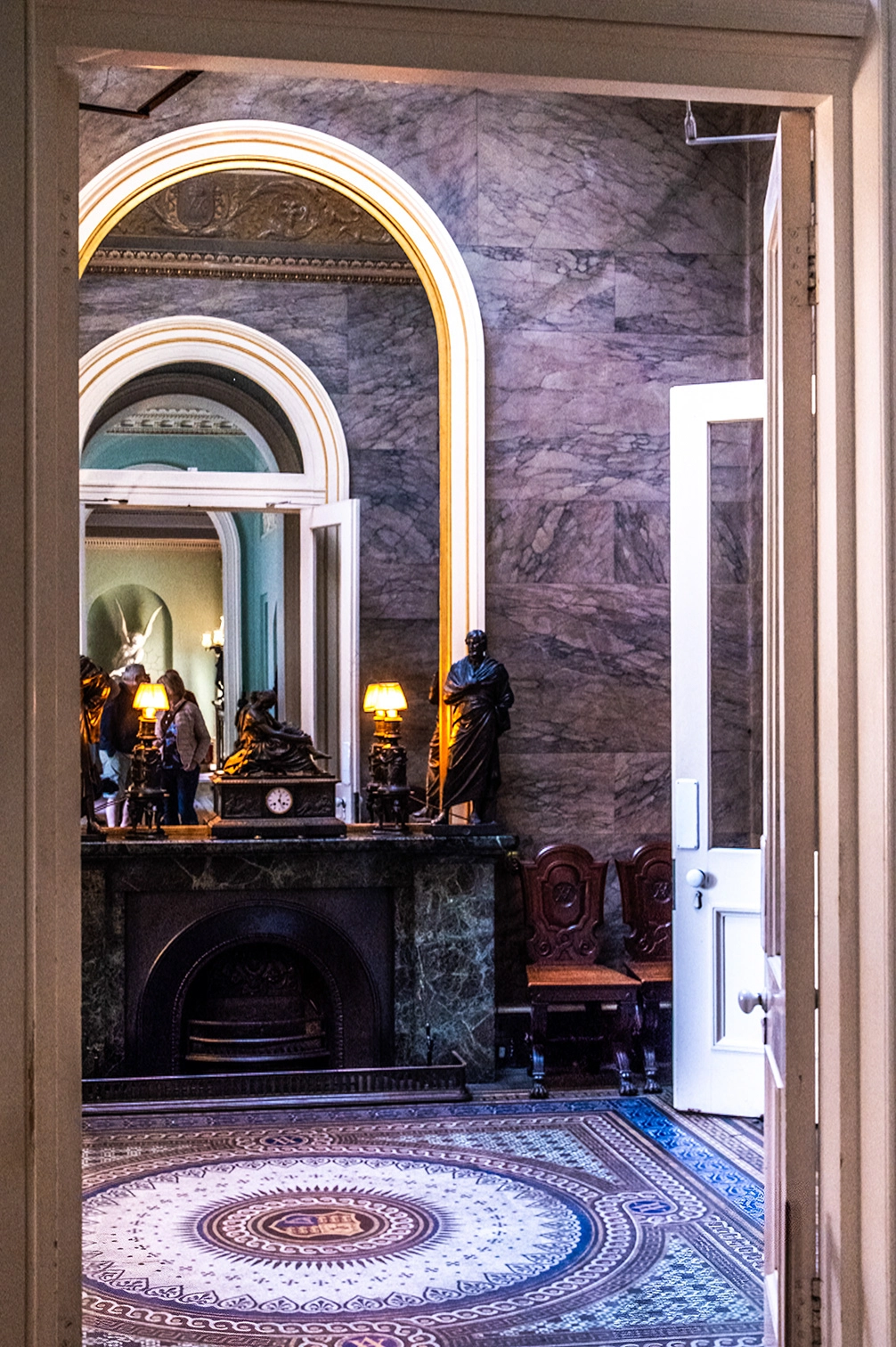
photo by Michael Gaylard,
©www.mgaylard.co.uk.
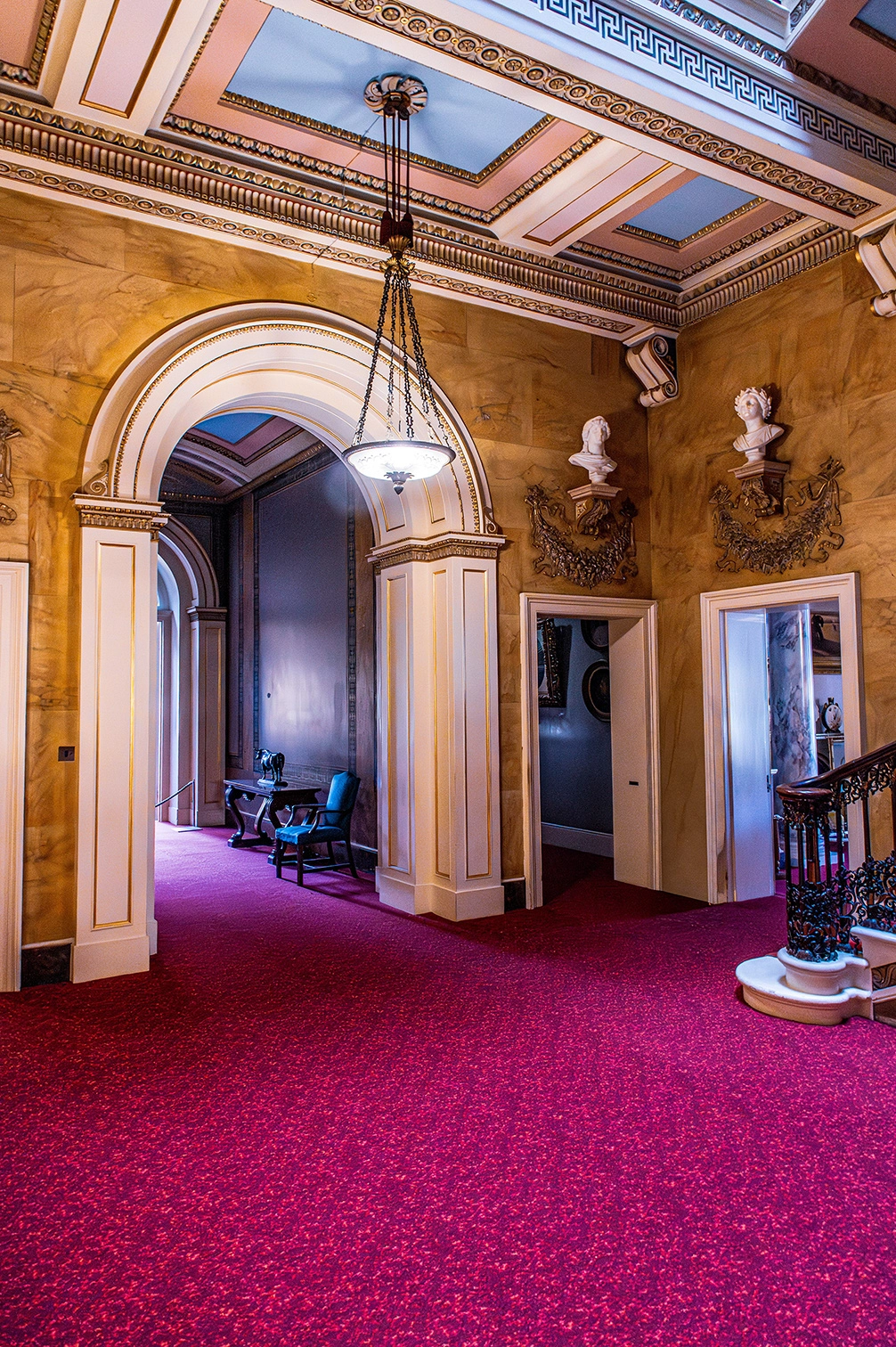
photo by Michael Gaylard,
©www.mgaylard.co.uk.
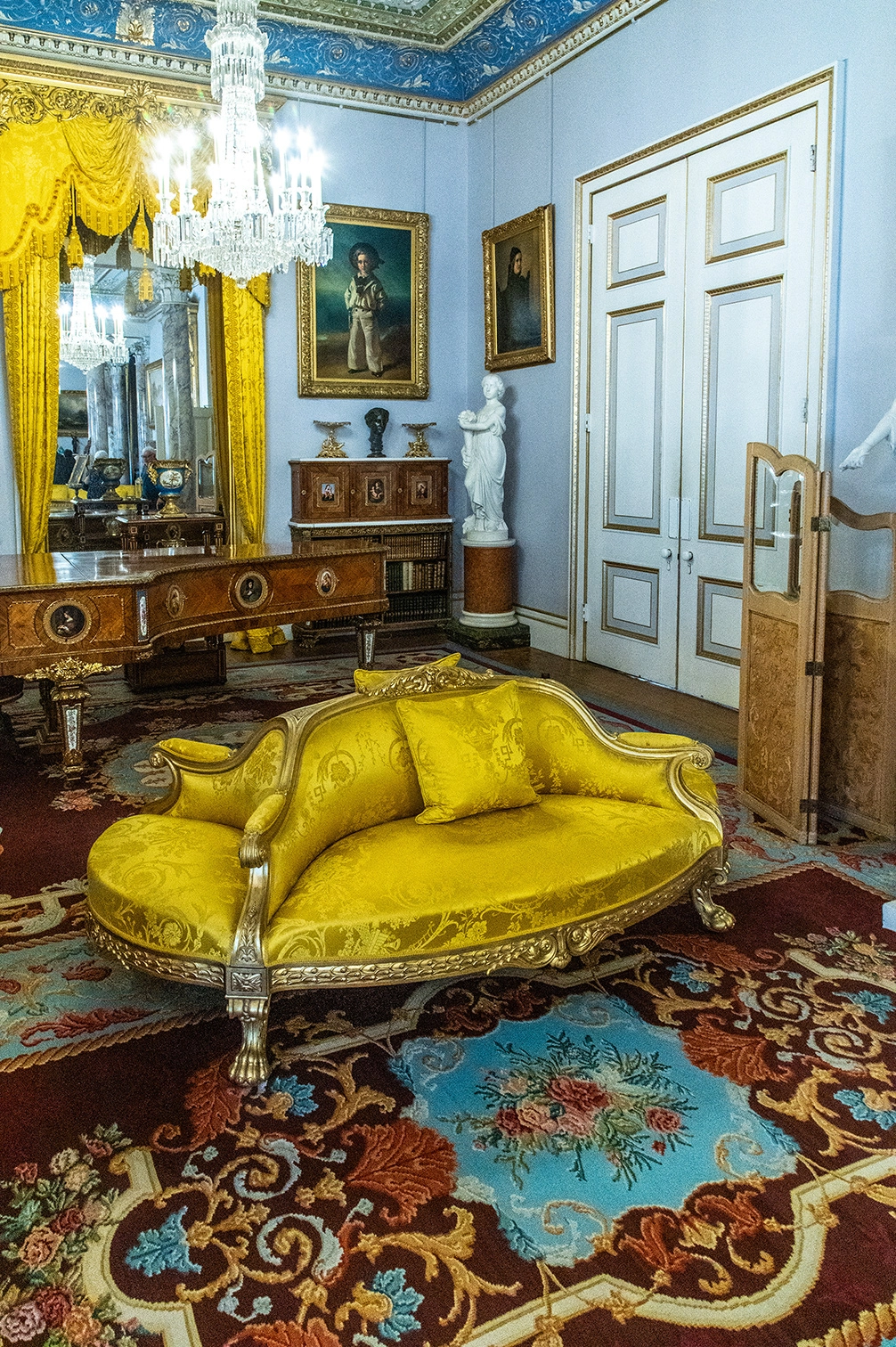
photo by Michael Gaylard,
©www.mgaylard.co.uk.

photo by Michael Gaylard,
©www.mgaylard.co.uk.

photo by Michael Gaylard,
©www.mgaylard.co.uk.
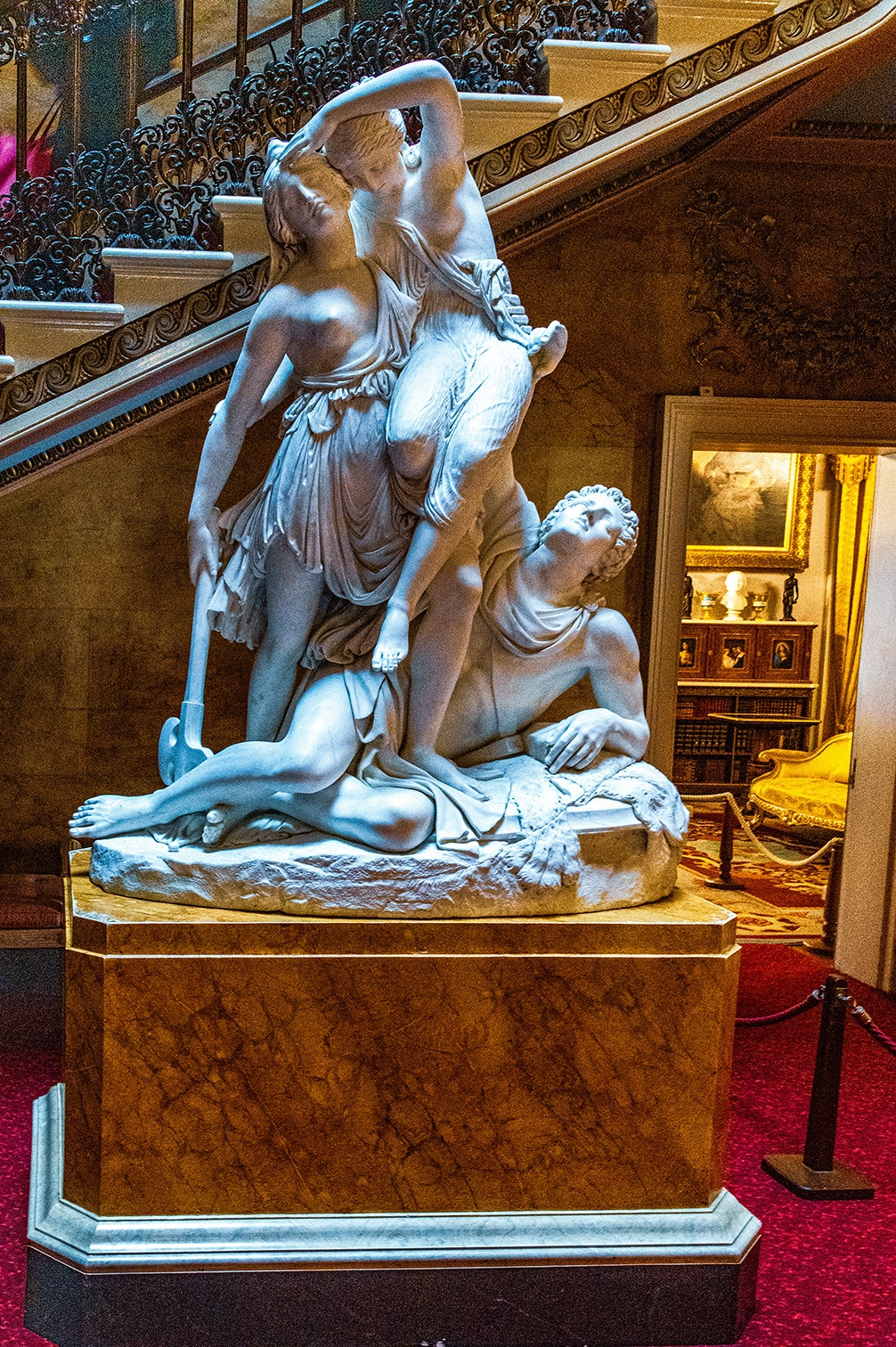
photo by Michael Gaylard,
©www.mgaylard.co.uk.
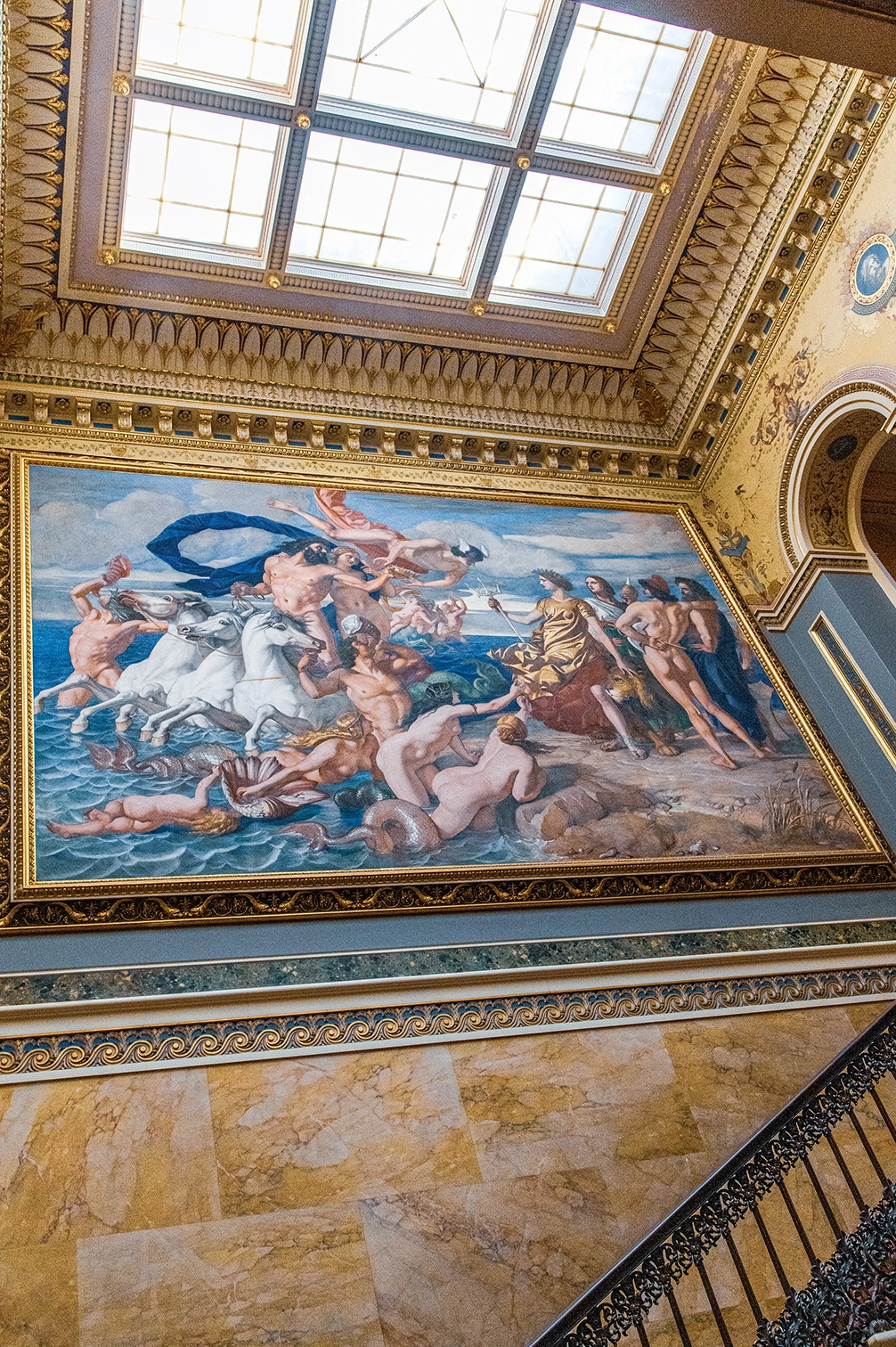
photo by Michael Gaylard,
©www.mgaylard.co.uk.
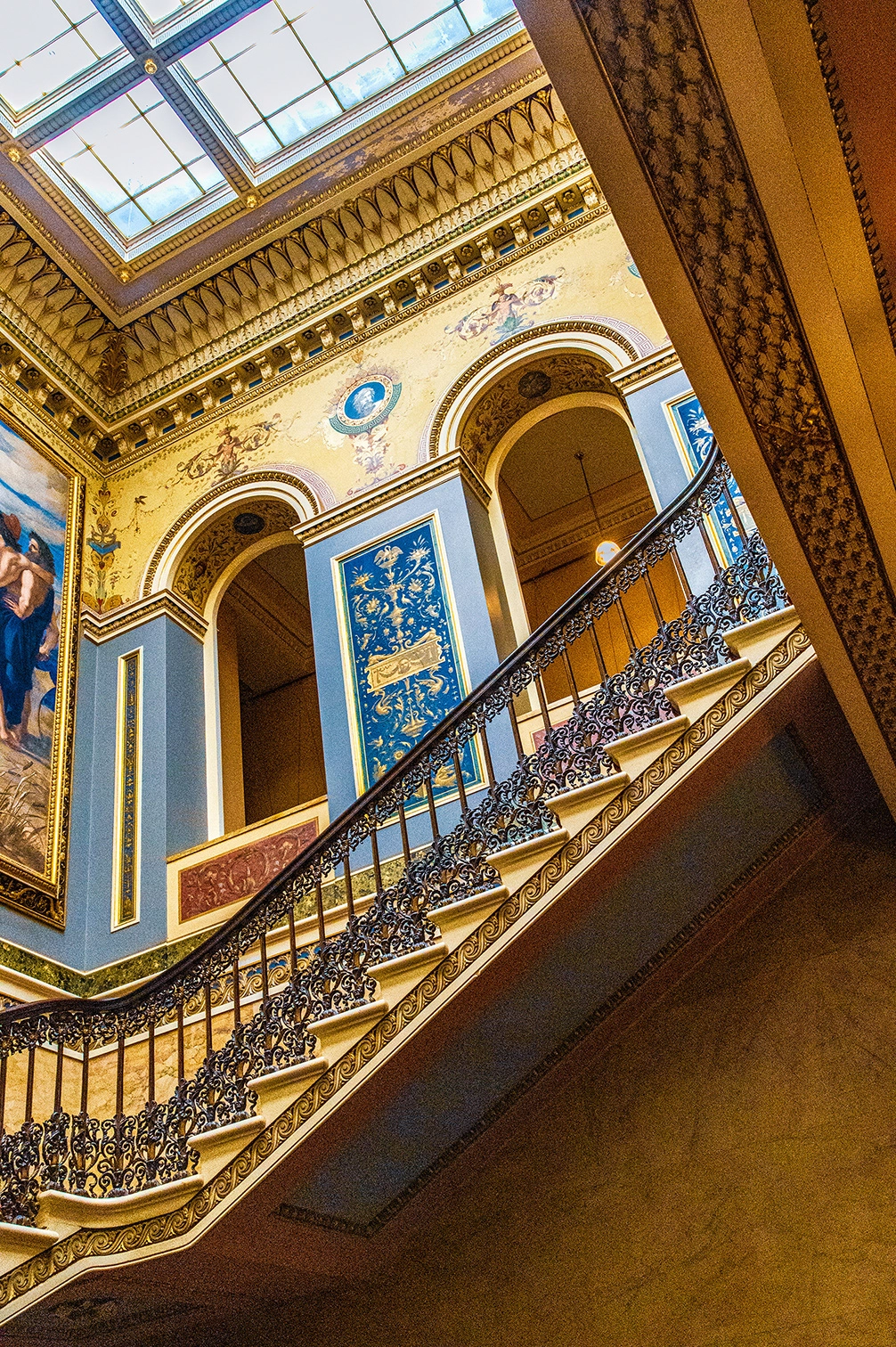
photo by Michael Gaylard,
©www.mgaylard.co.uk.
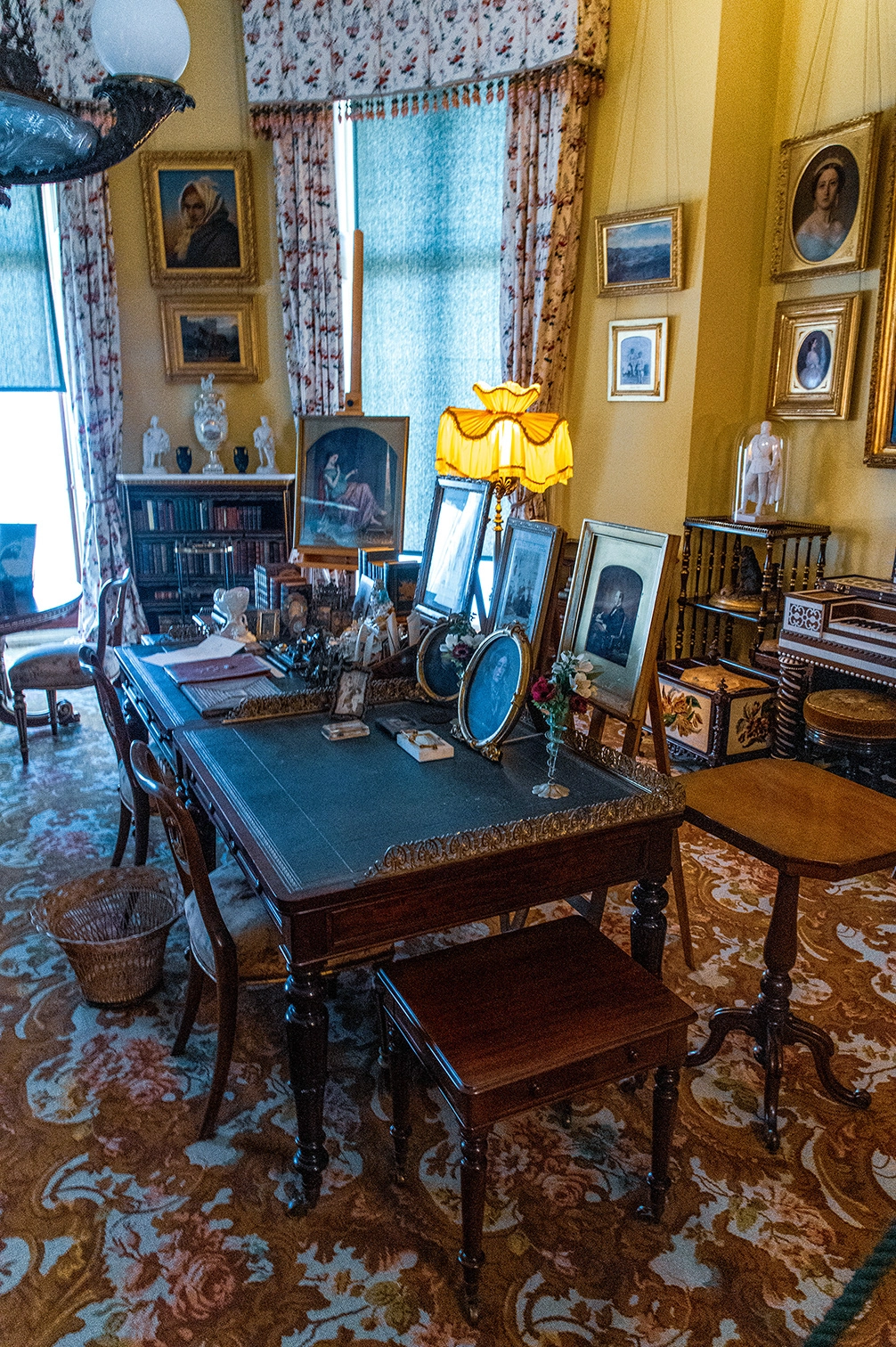
photo by Michael Gaylard,
©www.mgaylard.co.uk.
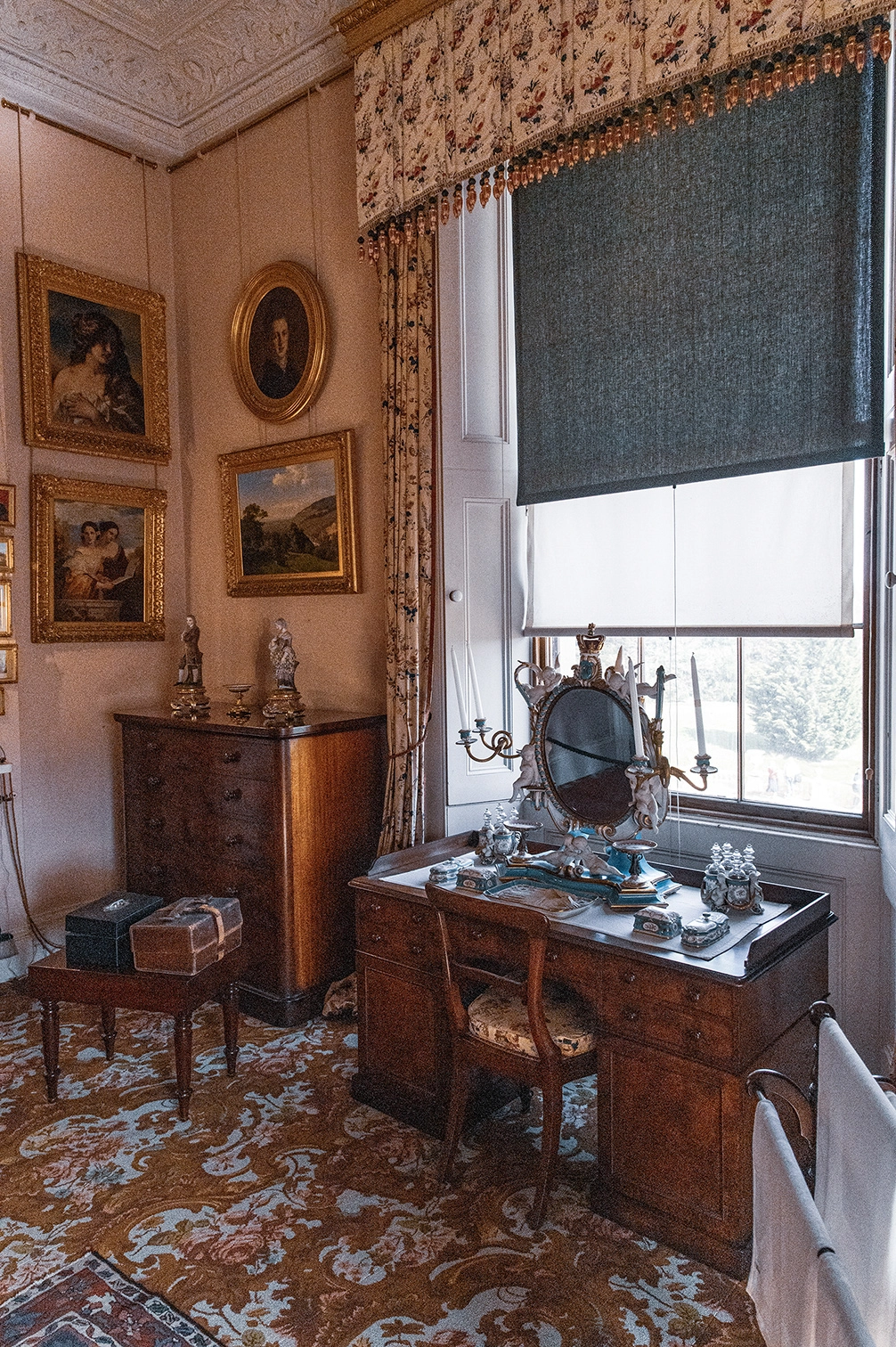
photo by Michael Gaylard,
©www.mgaylard.co.uk.

photo by Michael Gaylard,
©www.mgaylard.co.uk.
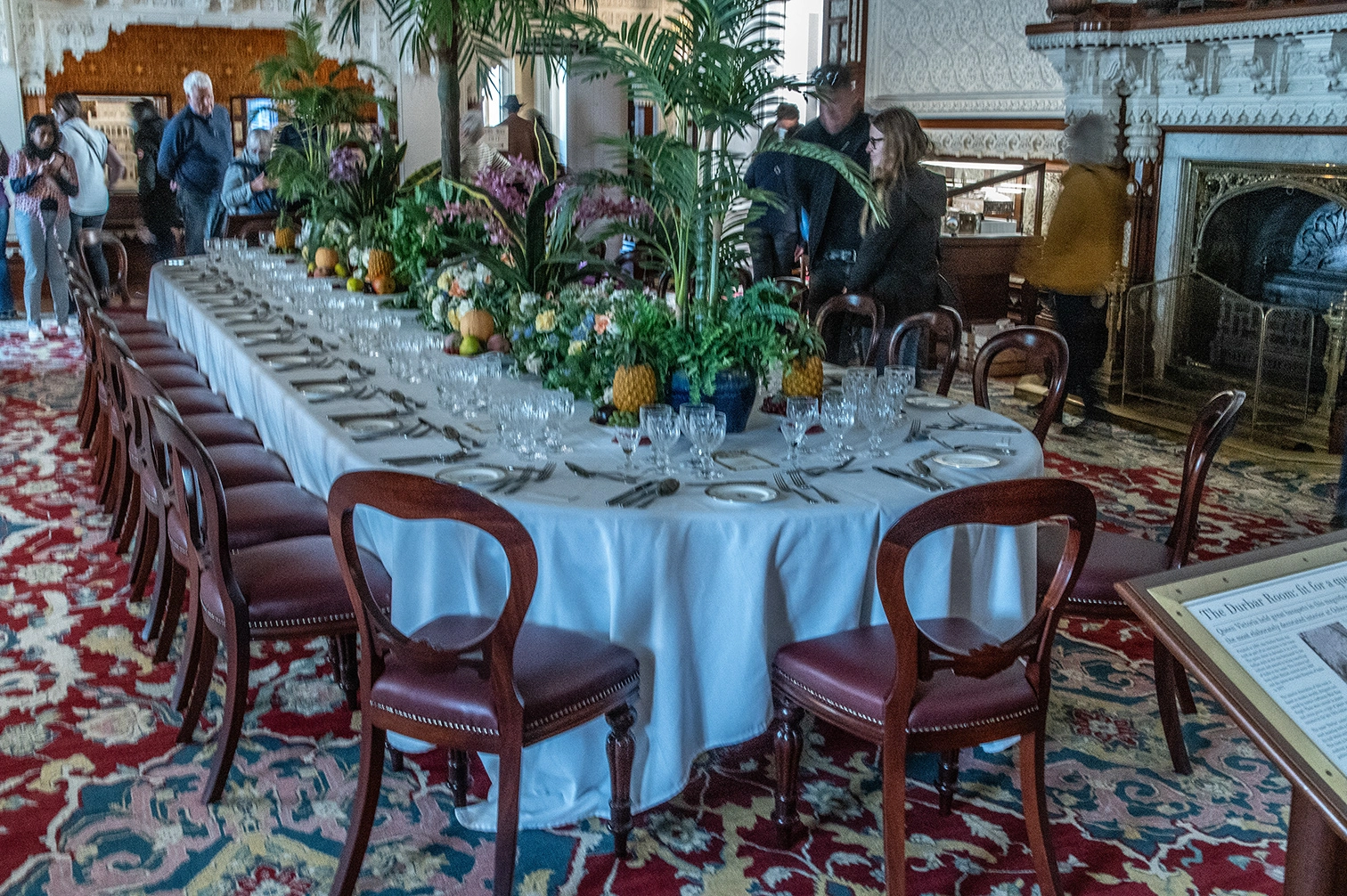
photo by Michael Gaylard,
©www.mgaylard.co.uk.
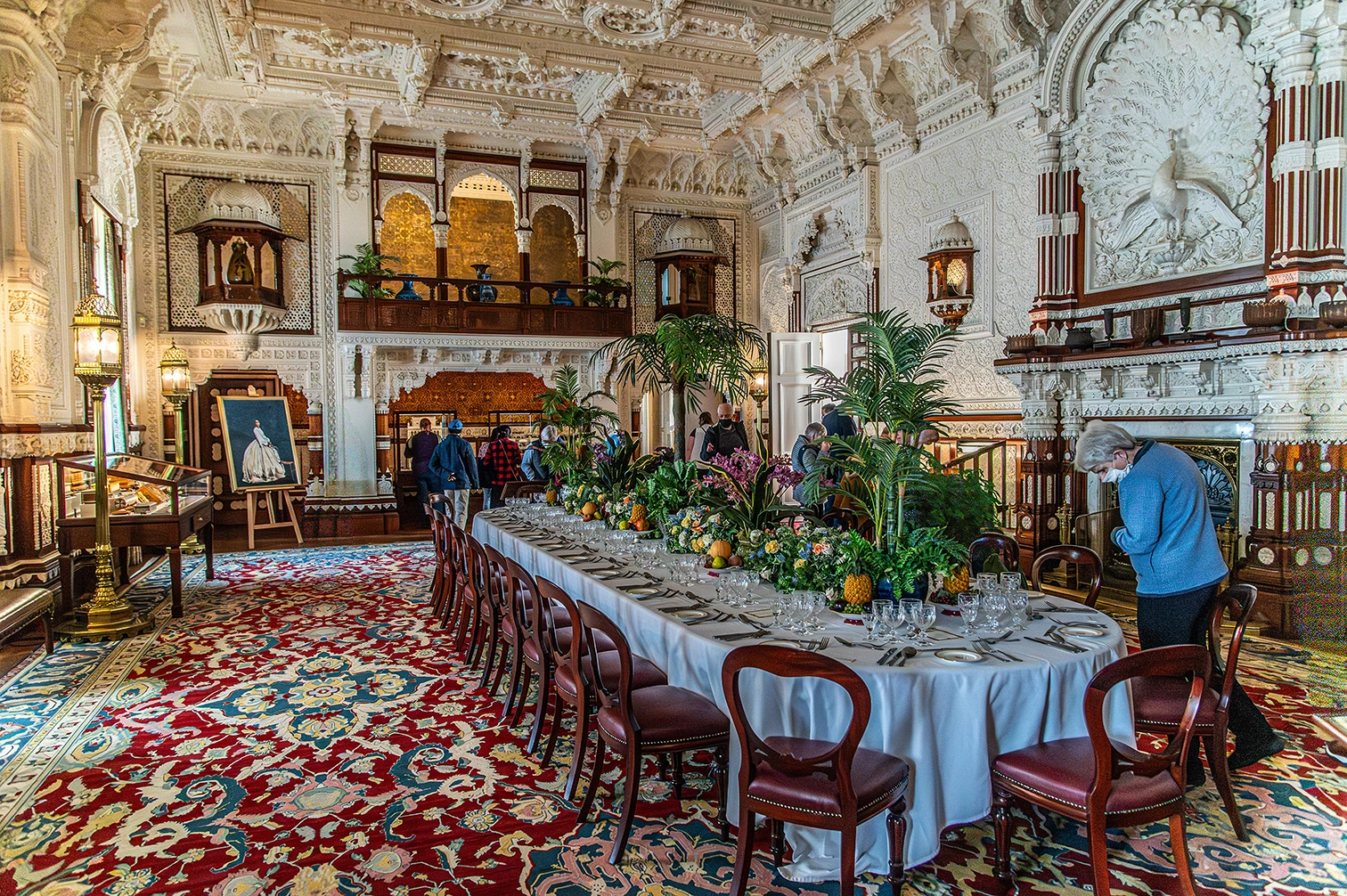
photo by Michael Gaylard,
©www.mgaylard.co.uk.
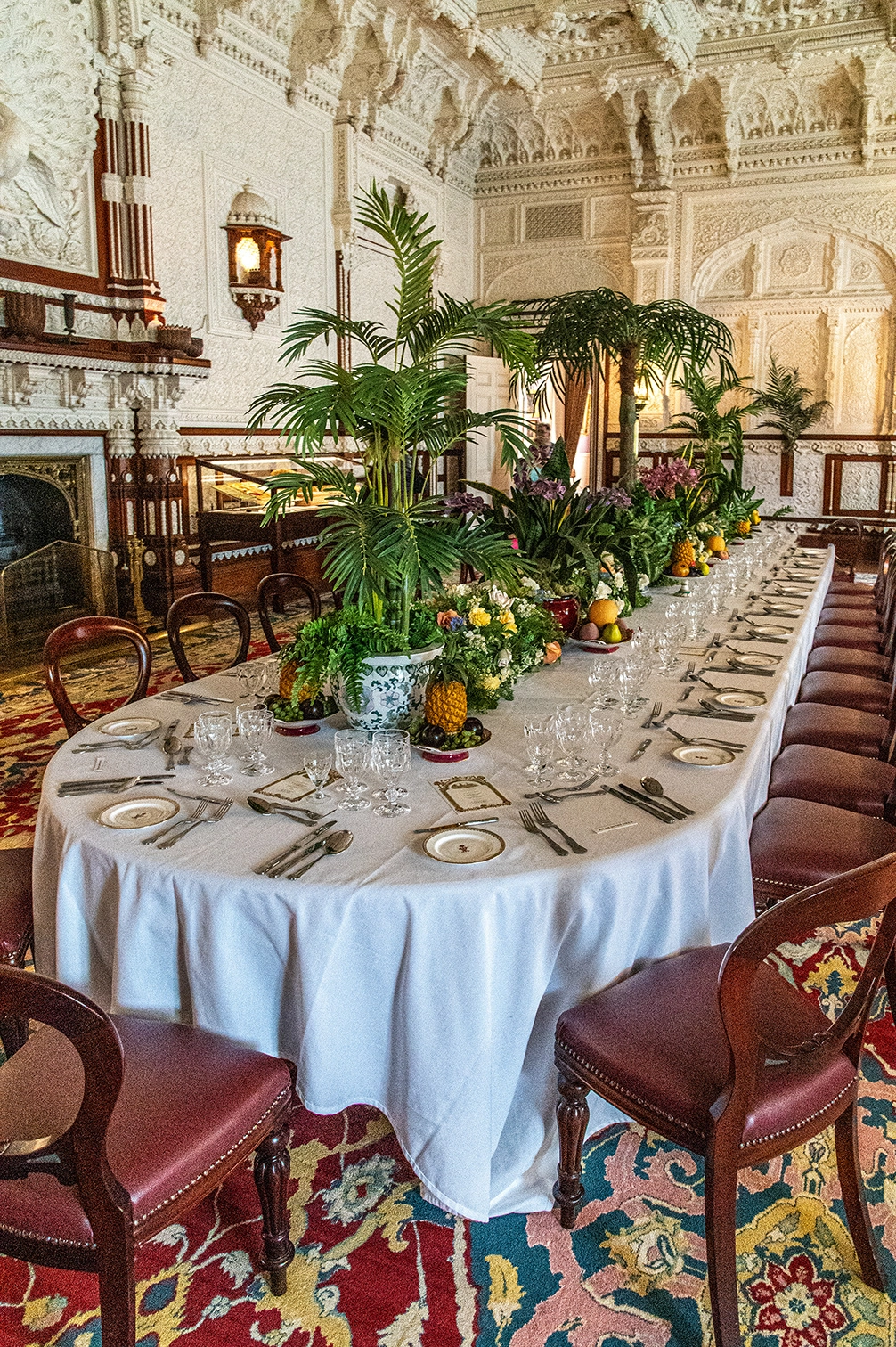
photo by Michael Gaylard,
©www.mgaylard.co.uk.
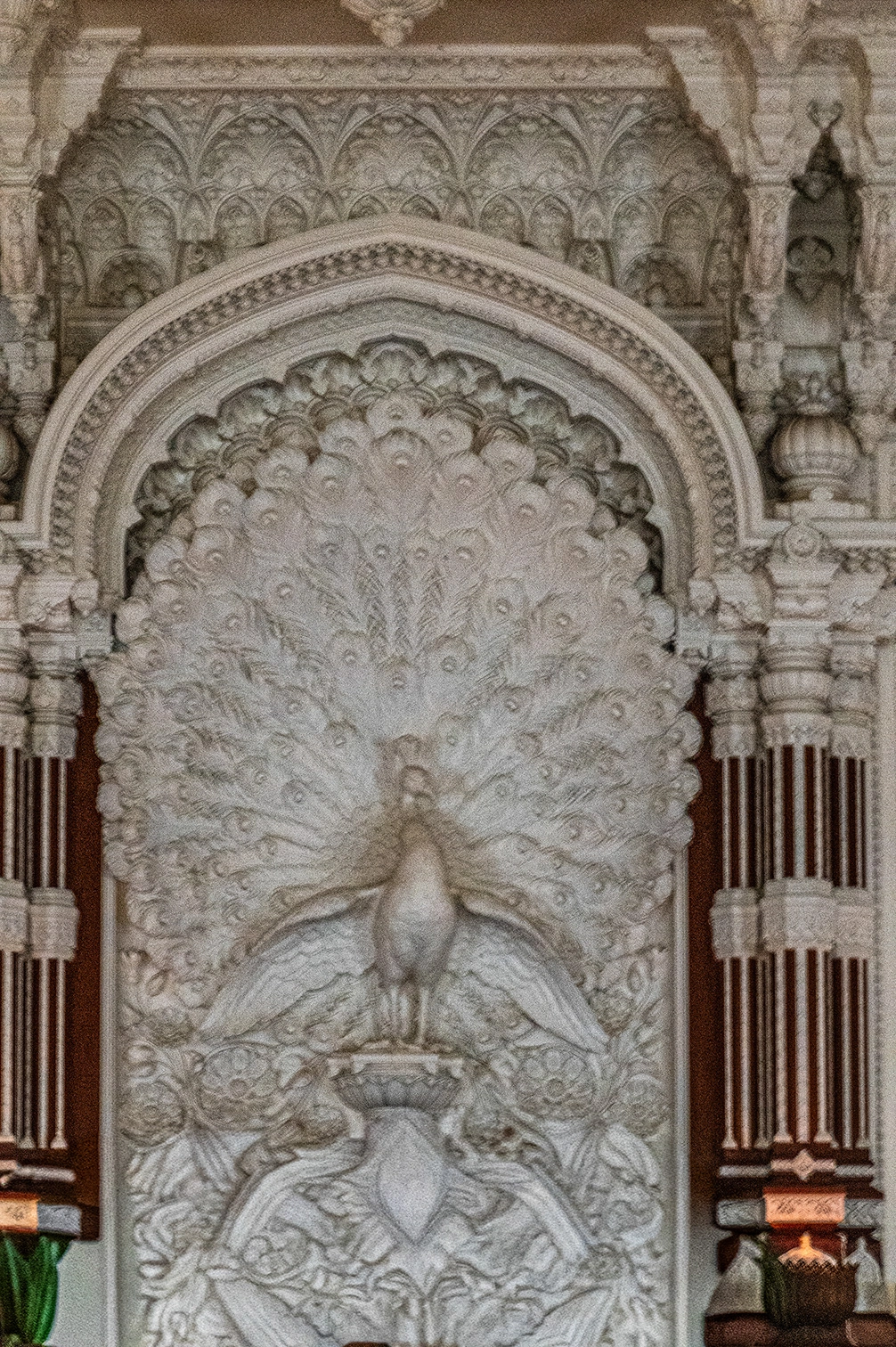
photo by Michael Gaylard,
©www.mgaylard.co.uk.
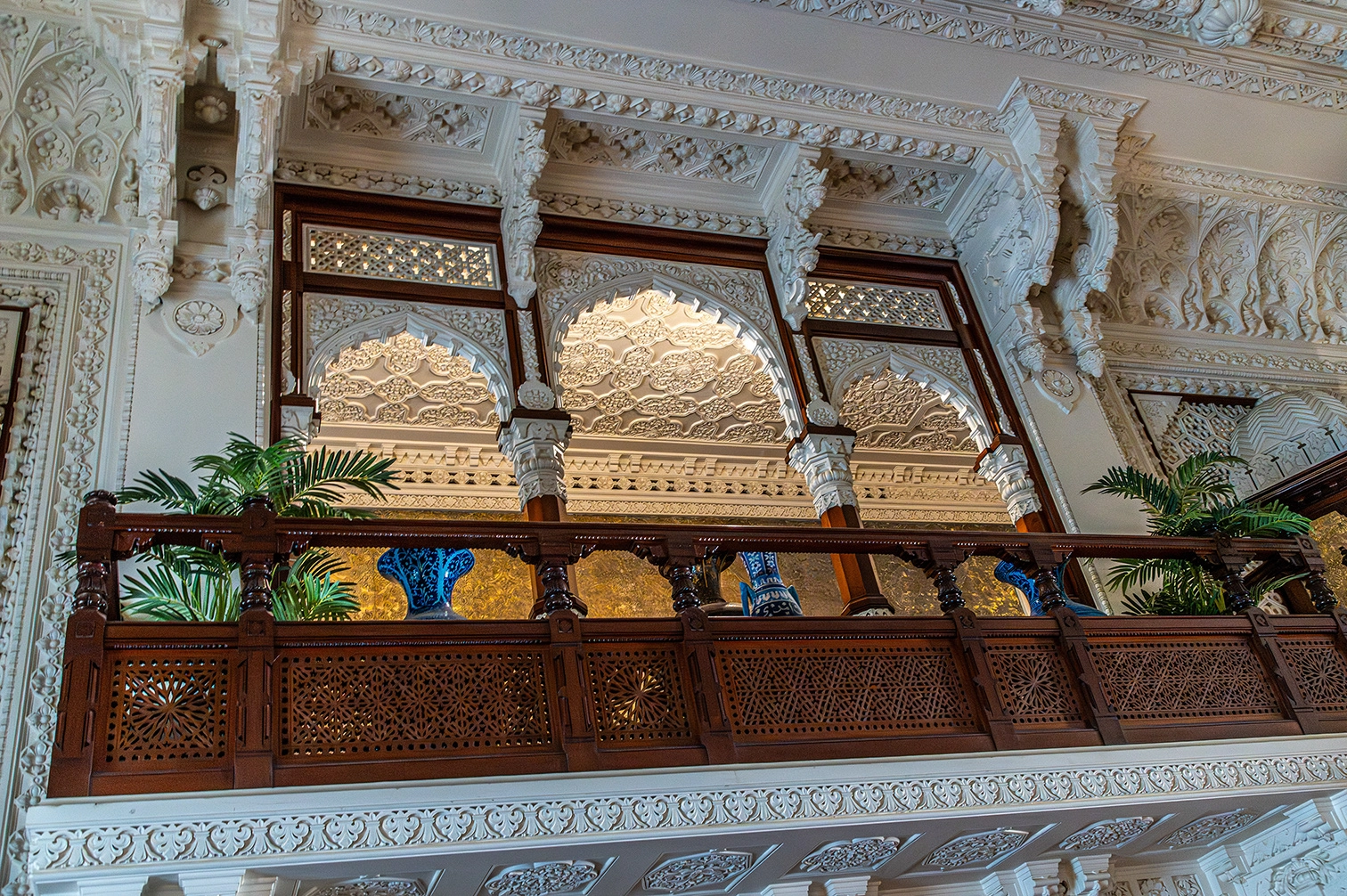
photo by Michael Gaylard,
©www.mgaylard.co.uk.
Open the full set
 Share this page
Share this page


