HOME

Castell de Xàtiva

Castell de Xàtiva

Carrer del CastellXàtivaValencia,   Spain

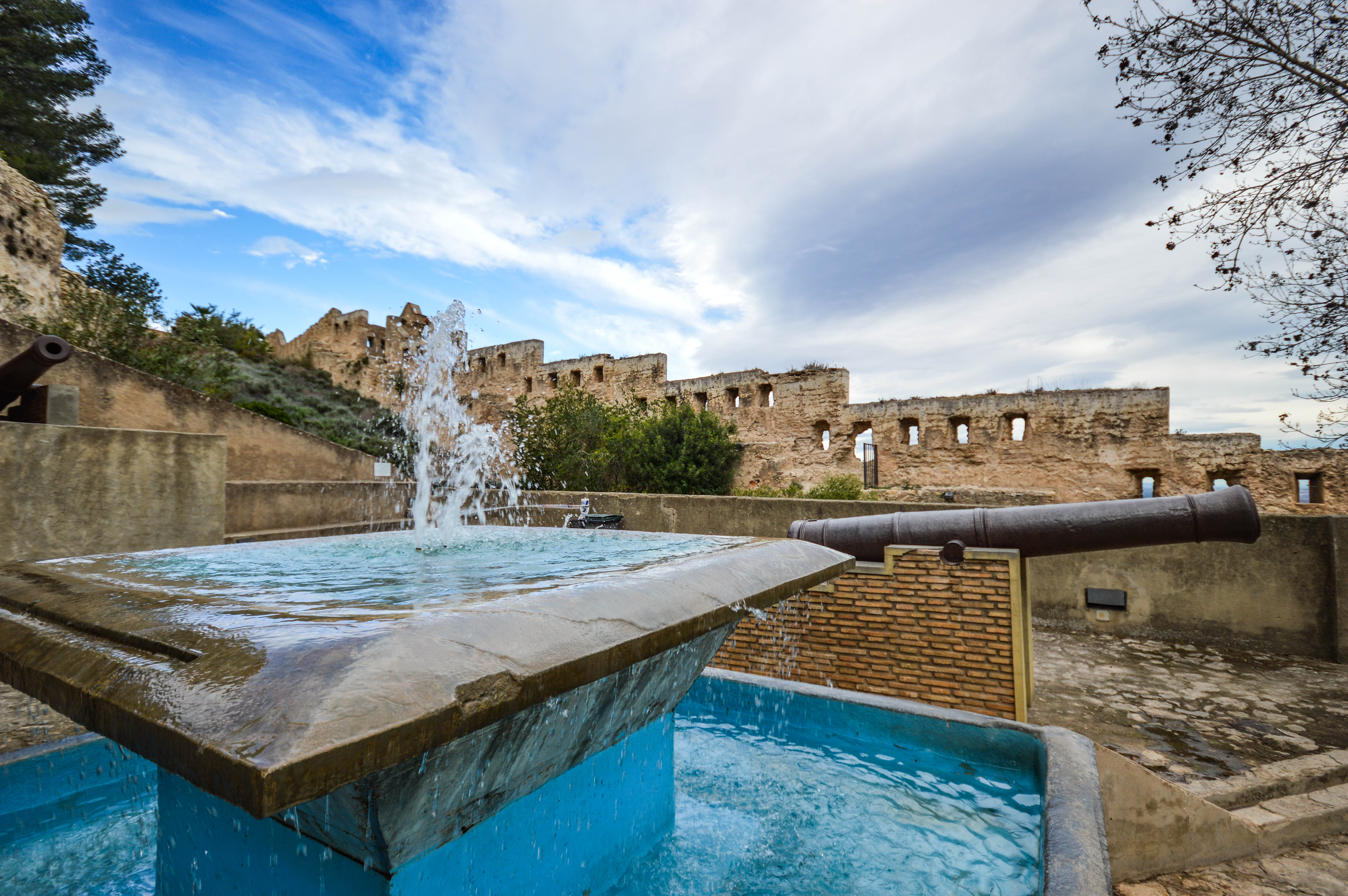
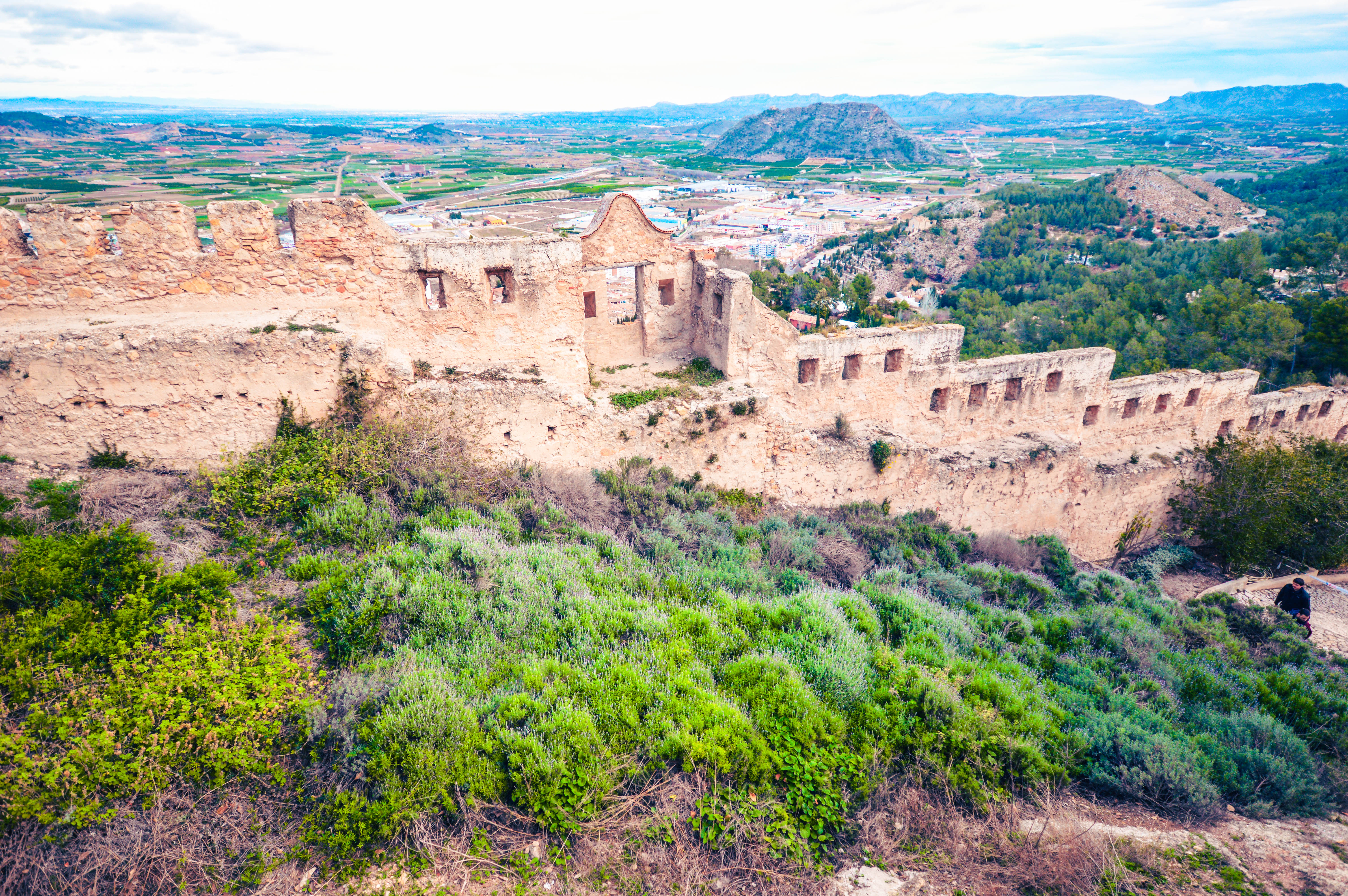
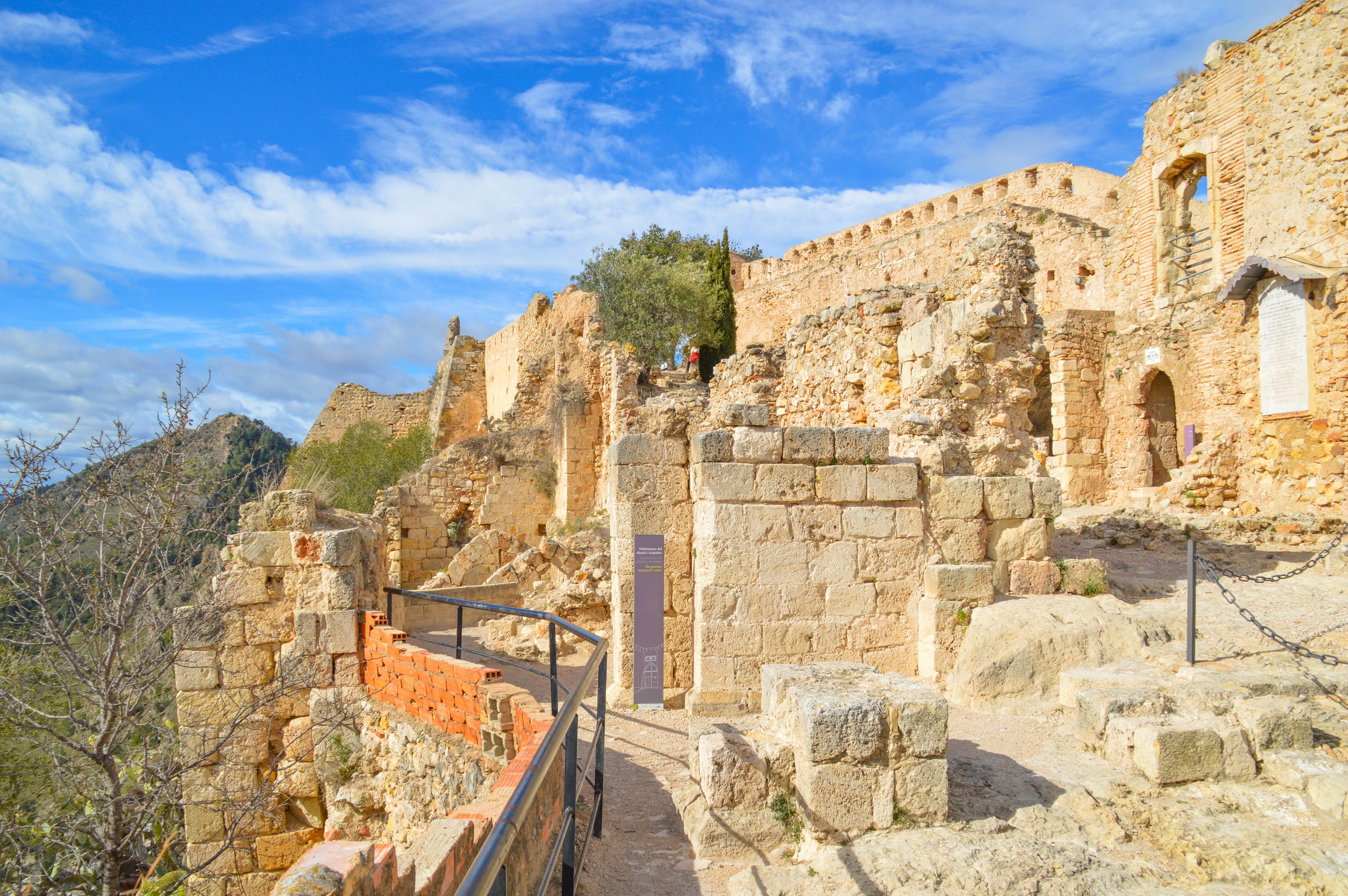
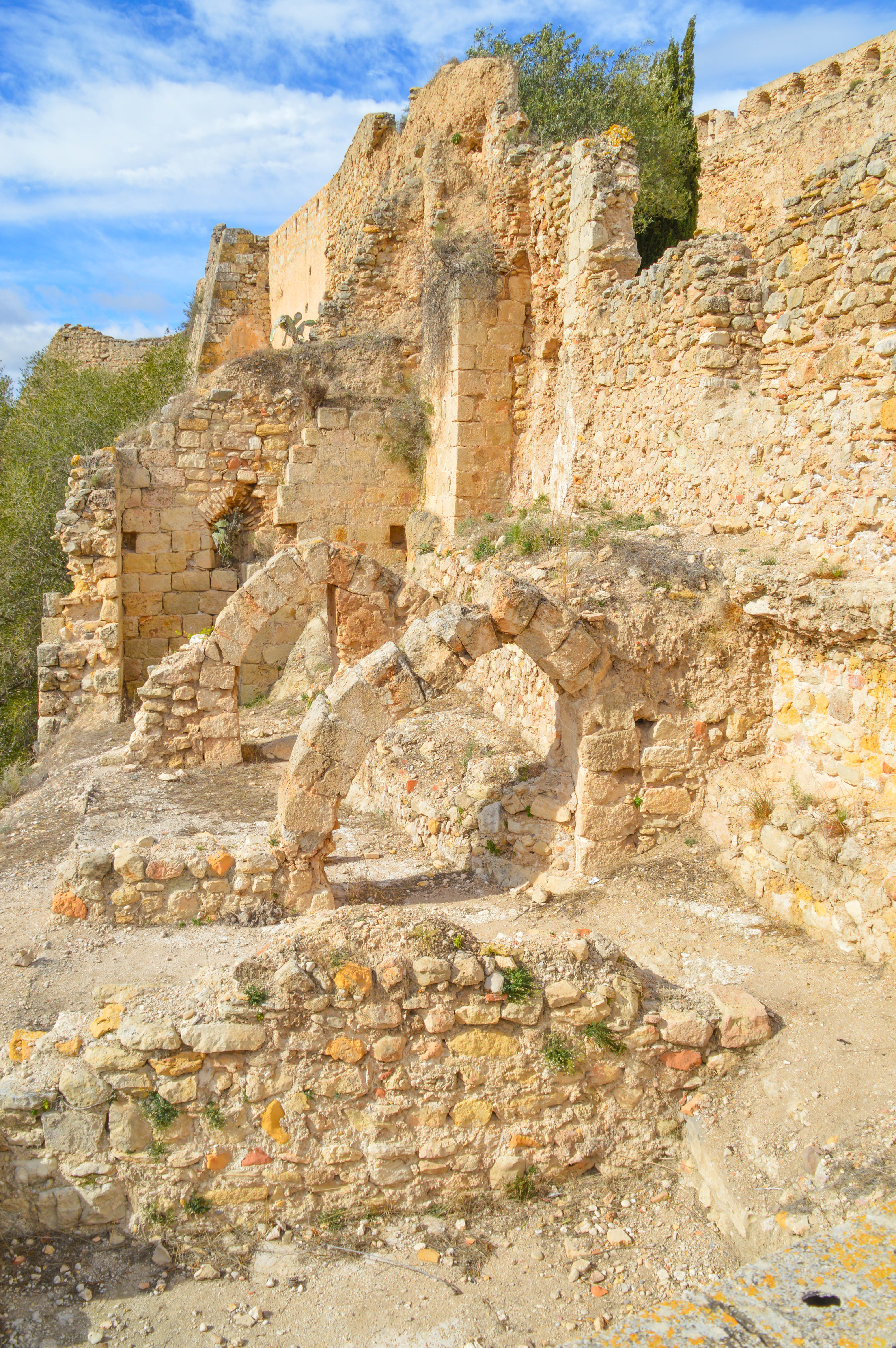
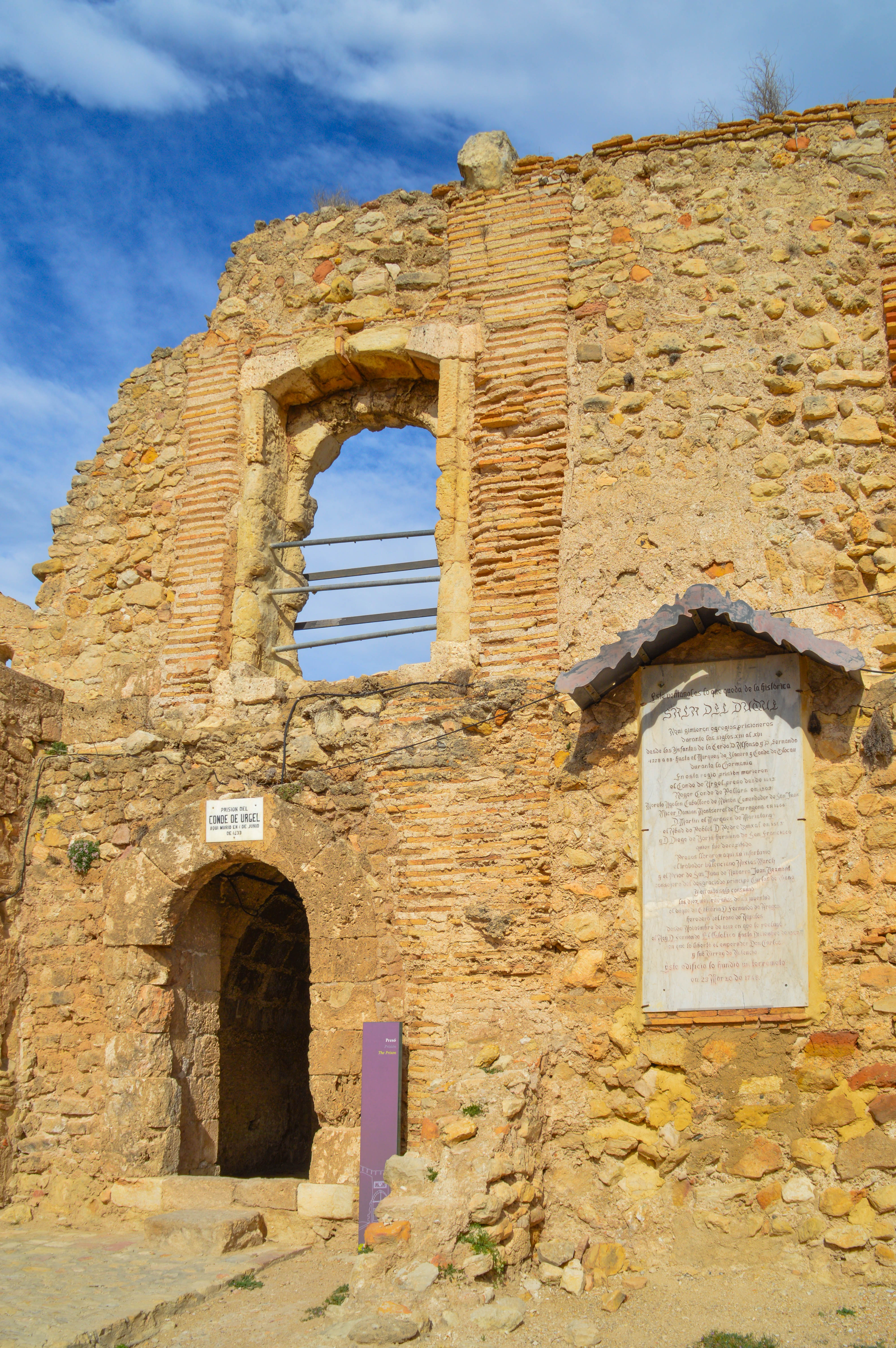
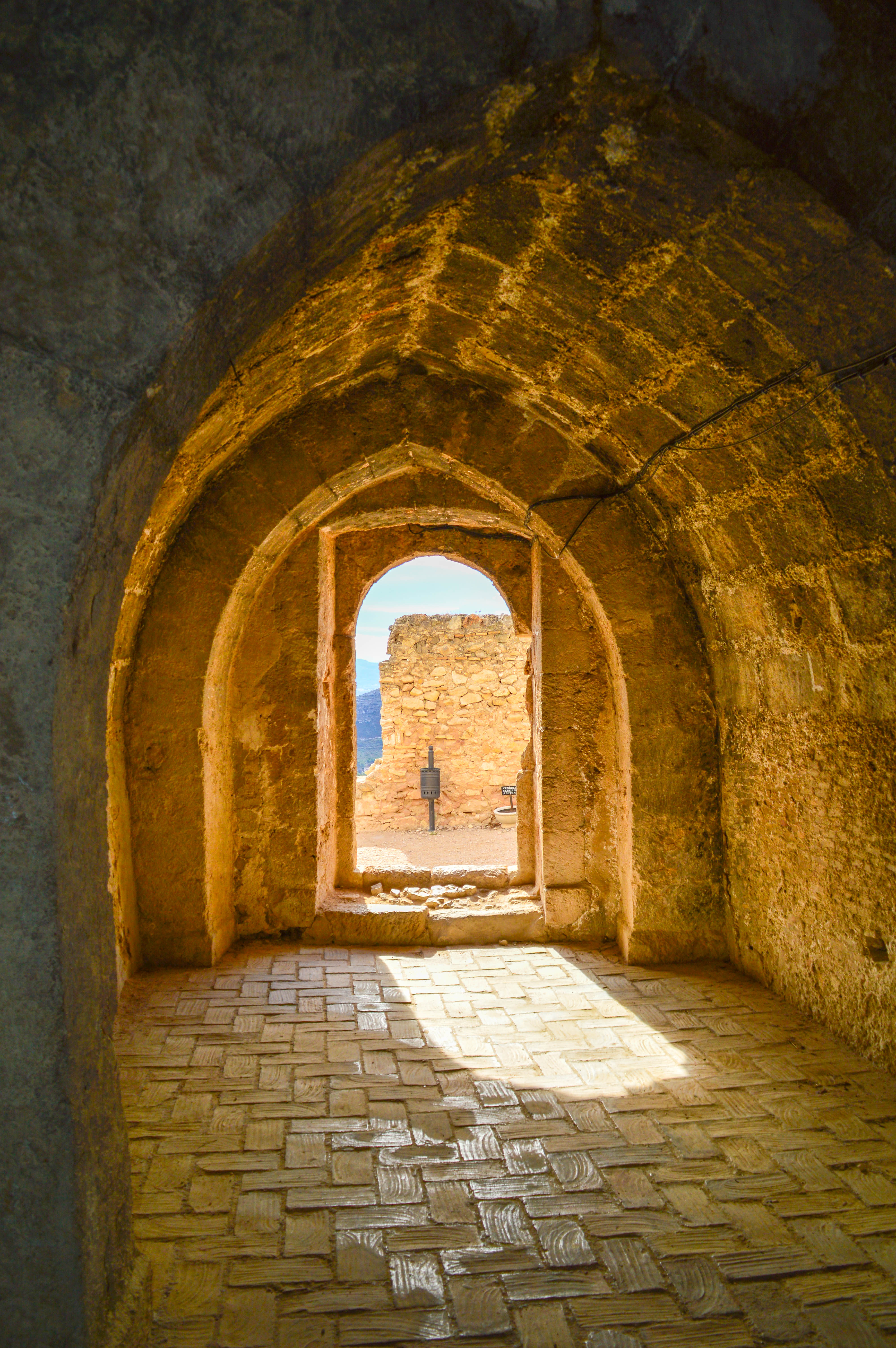
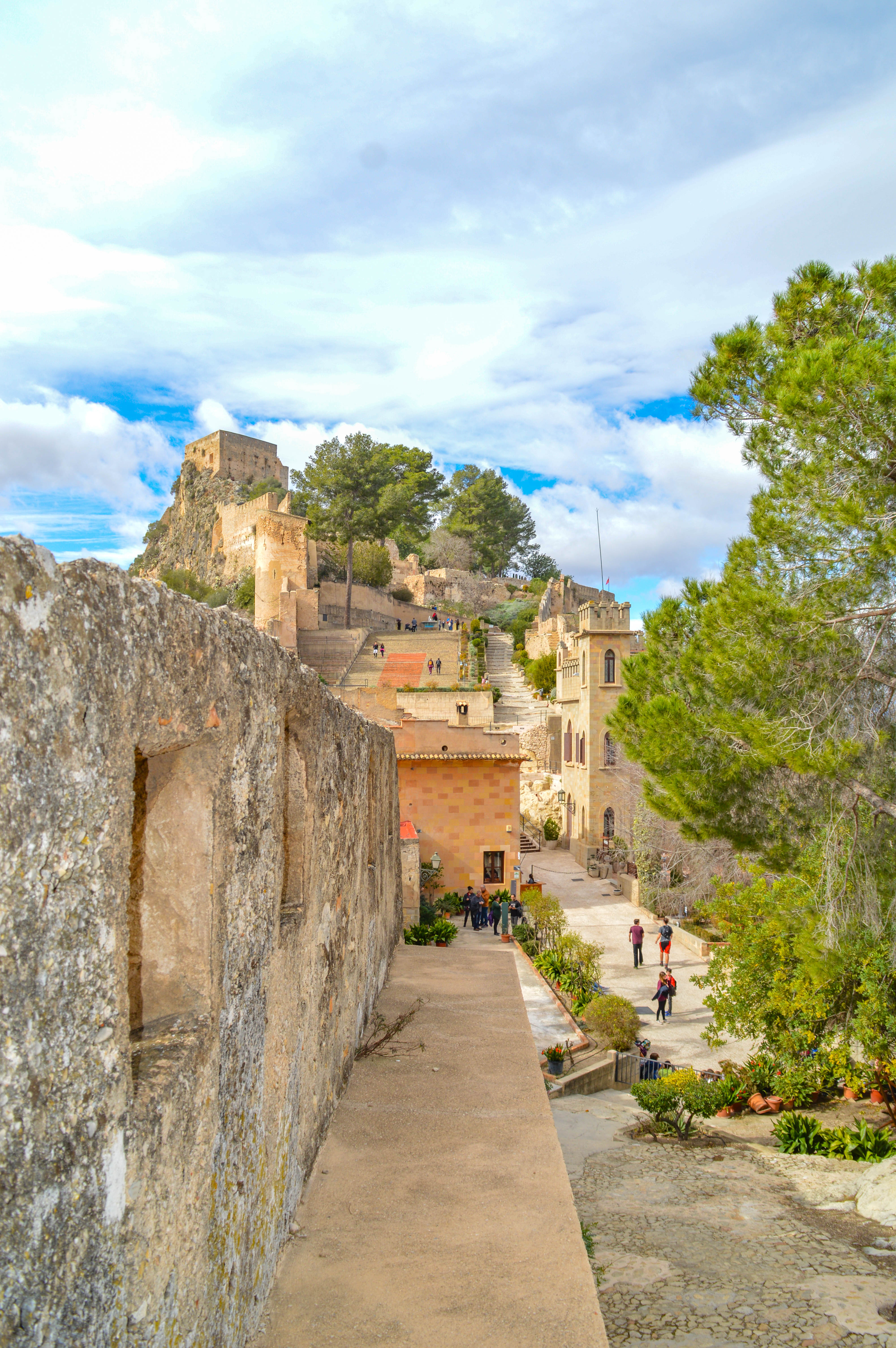
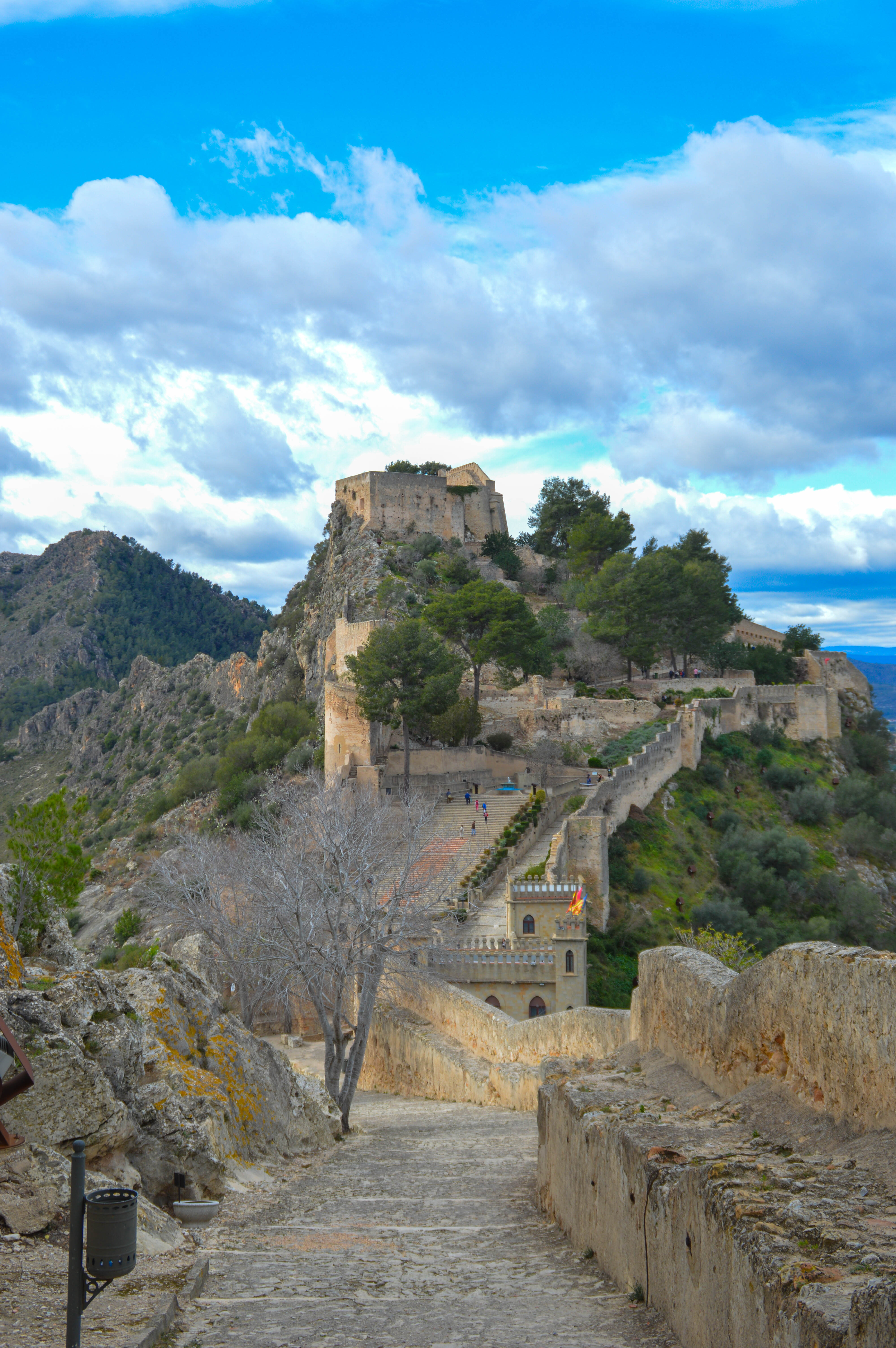
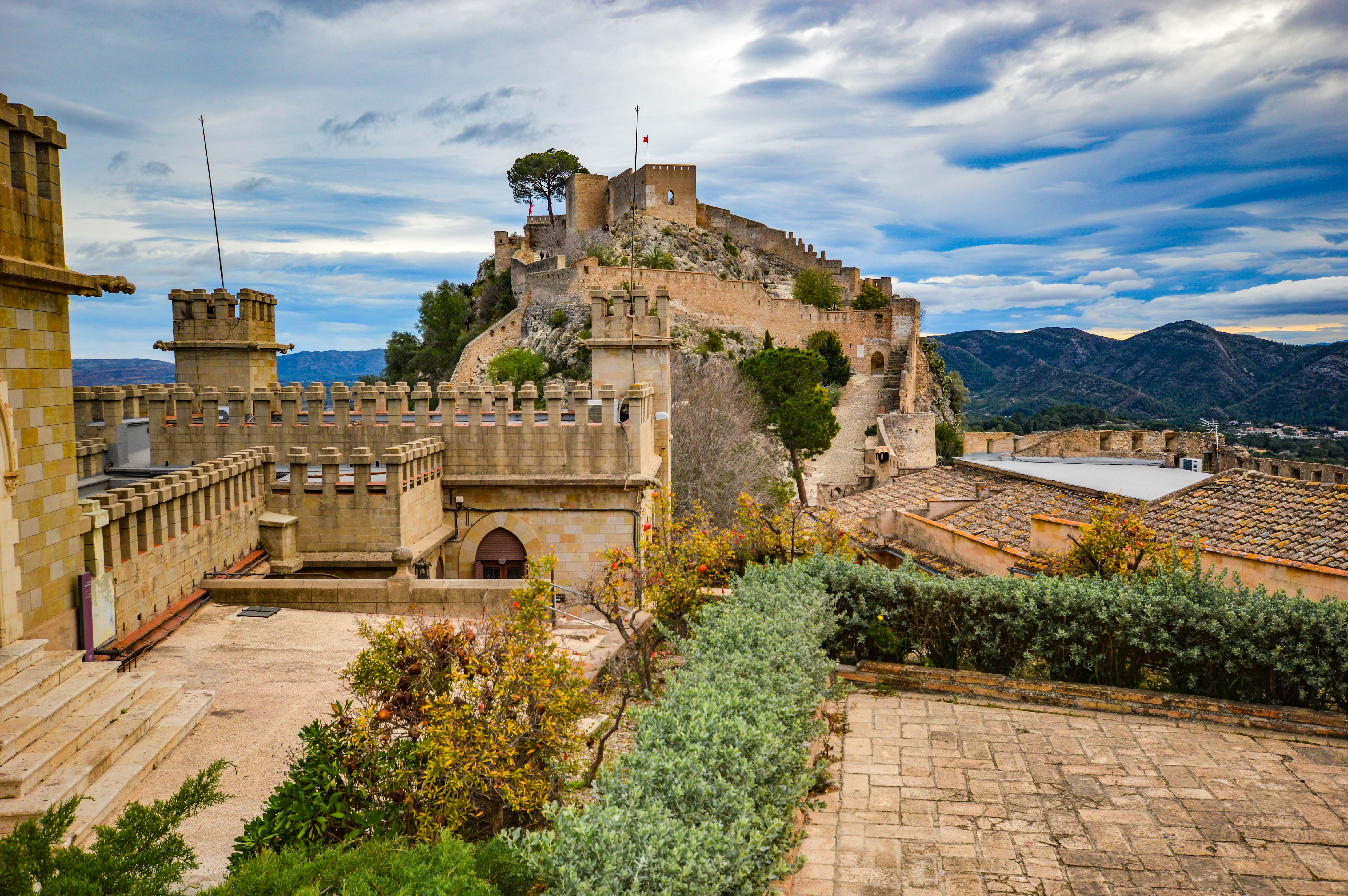
The Castell de Xàtiva is a historic fortress located atop a hill overlooking the town of Xàtiva in Valencia, Spain. This impressive castle complex consists of two main parts: the Castell Menor and the Castell Major, both of which date back to Iberian and Roman times, with significant expansions during the Moorish period. The castle offers panoramic views of the surrounding countryside and is a symbol of Xàtiva's rich history.
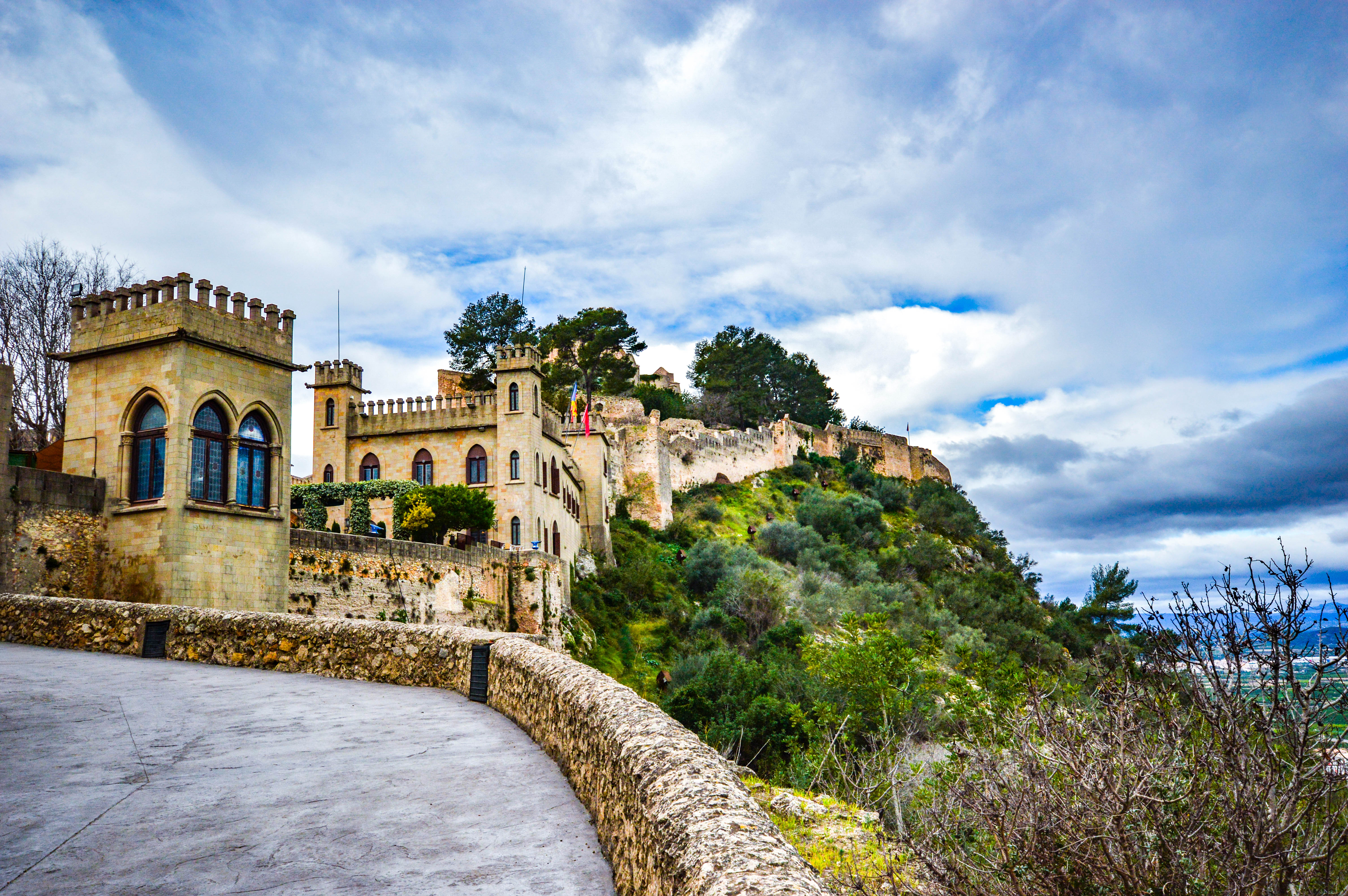
Castell de Xàtiva
Castell de Xàtiva ‐ photo by ,
©www.mgaylard.co.uk.
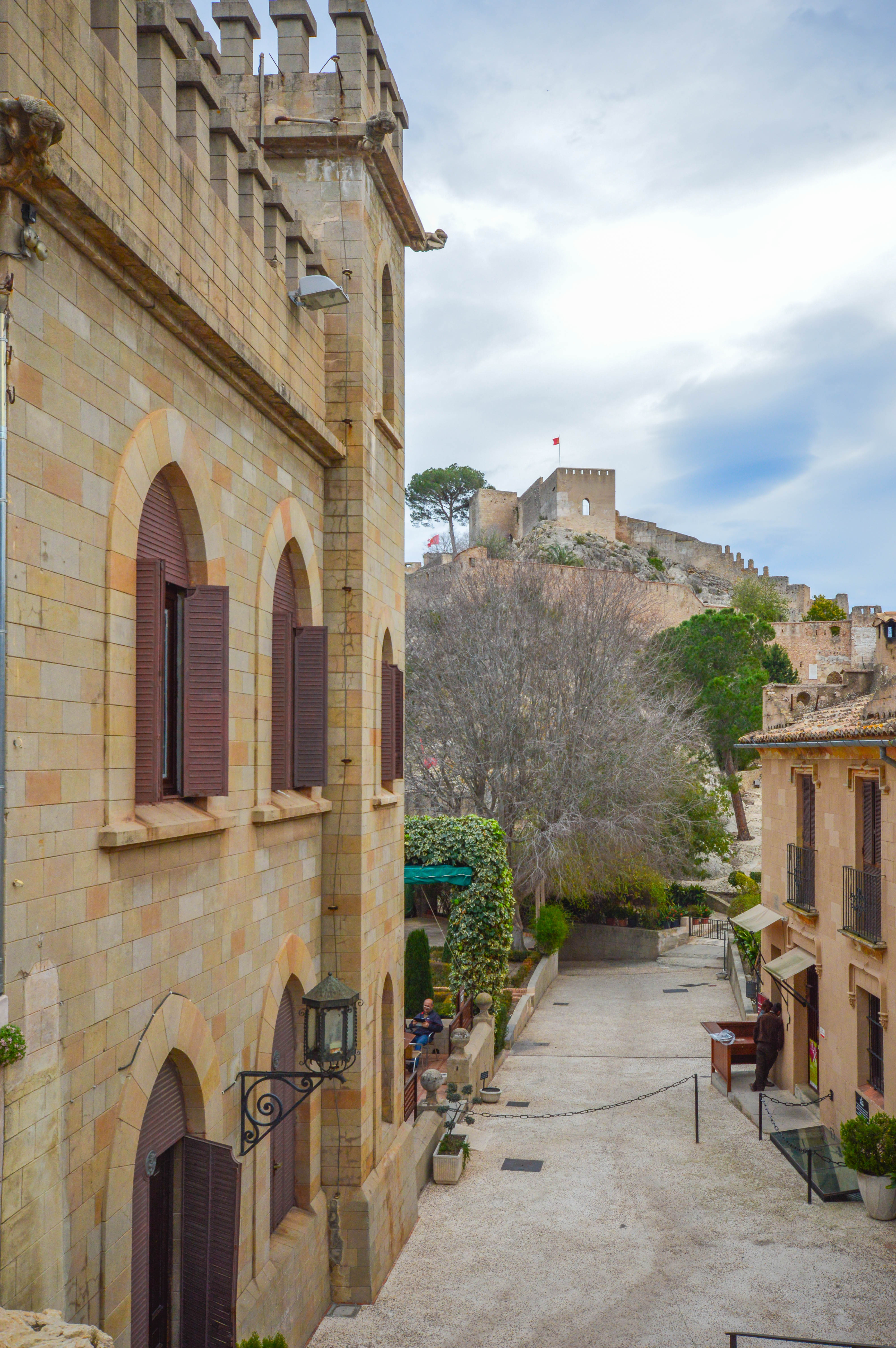
Entrance Courtyard
Entrance Courtyard ‐ photo by ,
©www.mgaylard.co.uk.
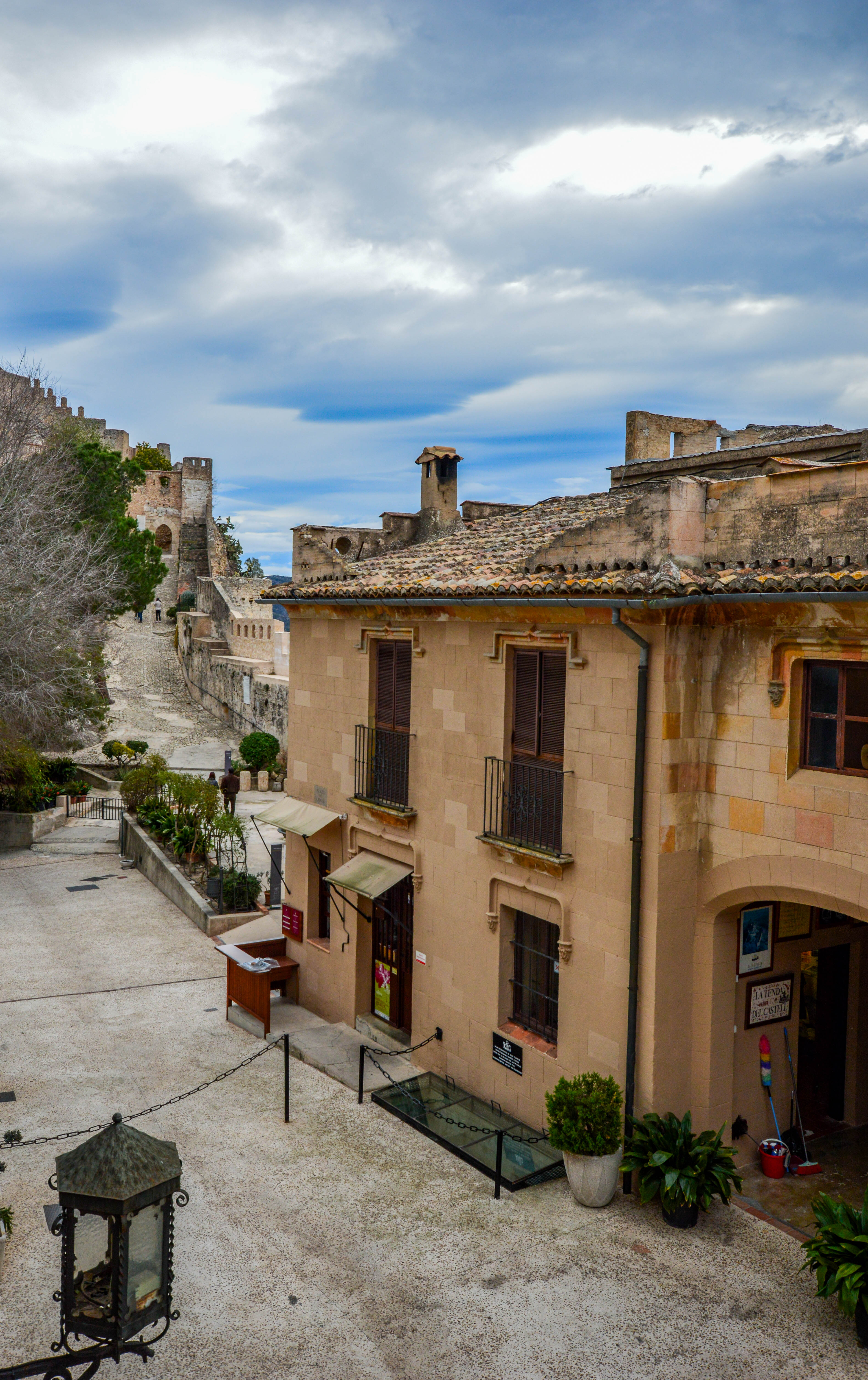
Entrance Courtyard
Entrance Courtyard ‐ photo by ,
©www.mgaylard.co.uk.
Entrance Courtyard
Entrance Courtyard ‐ photo by ,
©www.mgaylard.co.uk.
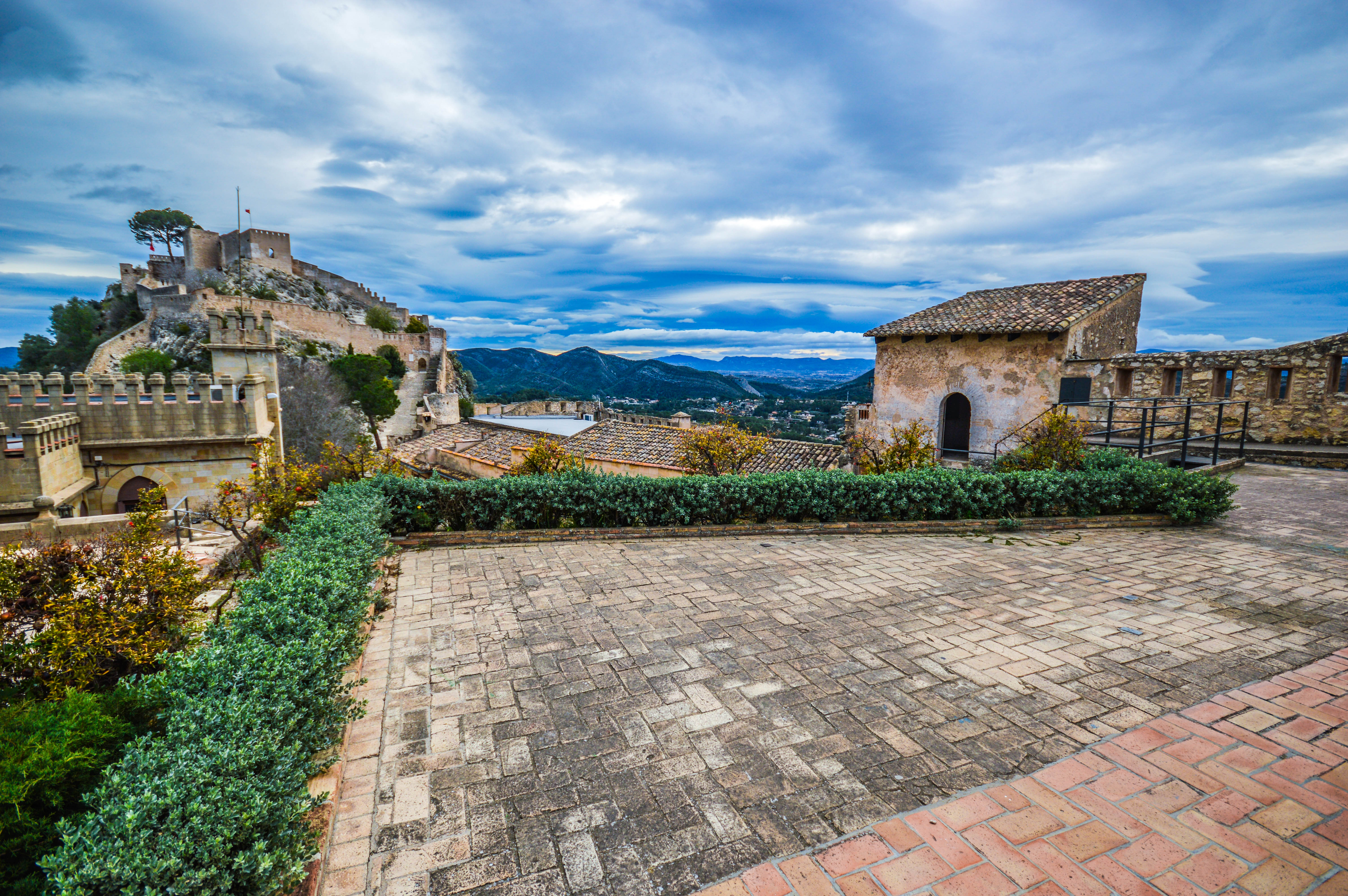
scenic view of a historic castle with stone walls and towers, set against a backdrop of rolling hills
Patio ‐ photo by ,
©www.mgaylard.co.uk.
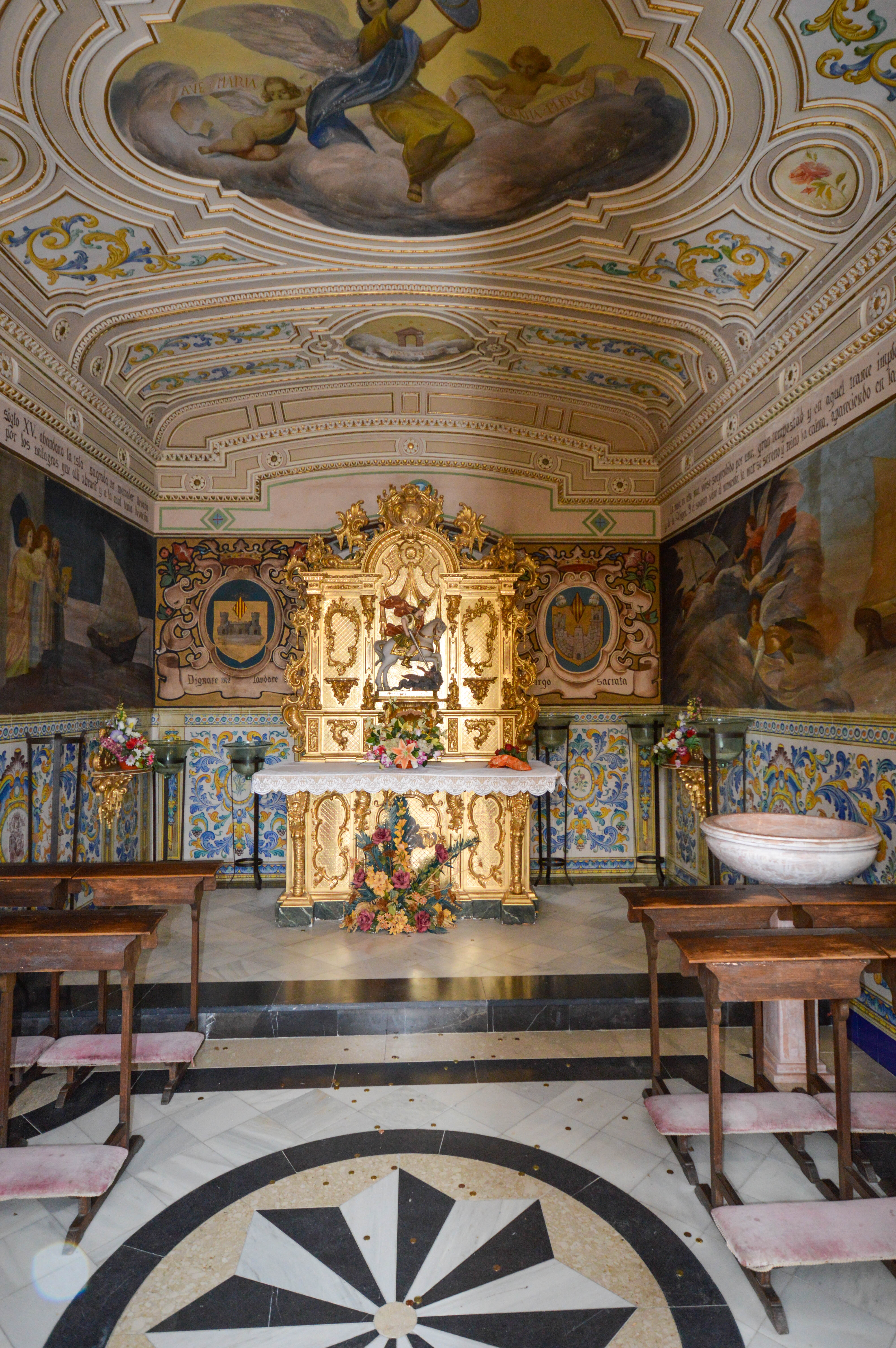
Chapel Ceiling
Chapel Ceiling ‐ photo by ,
©www.mgaylard.co.uk.
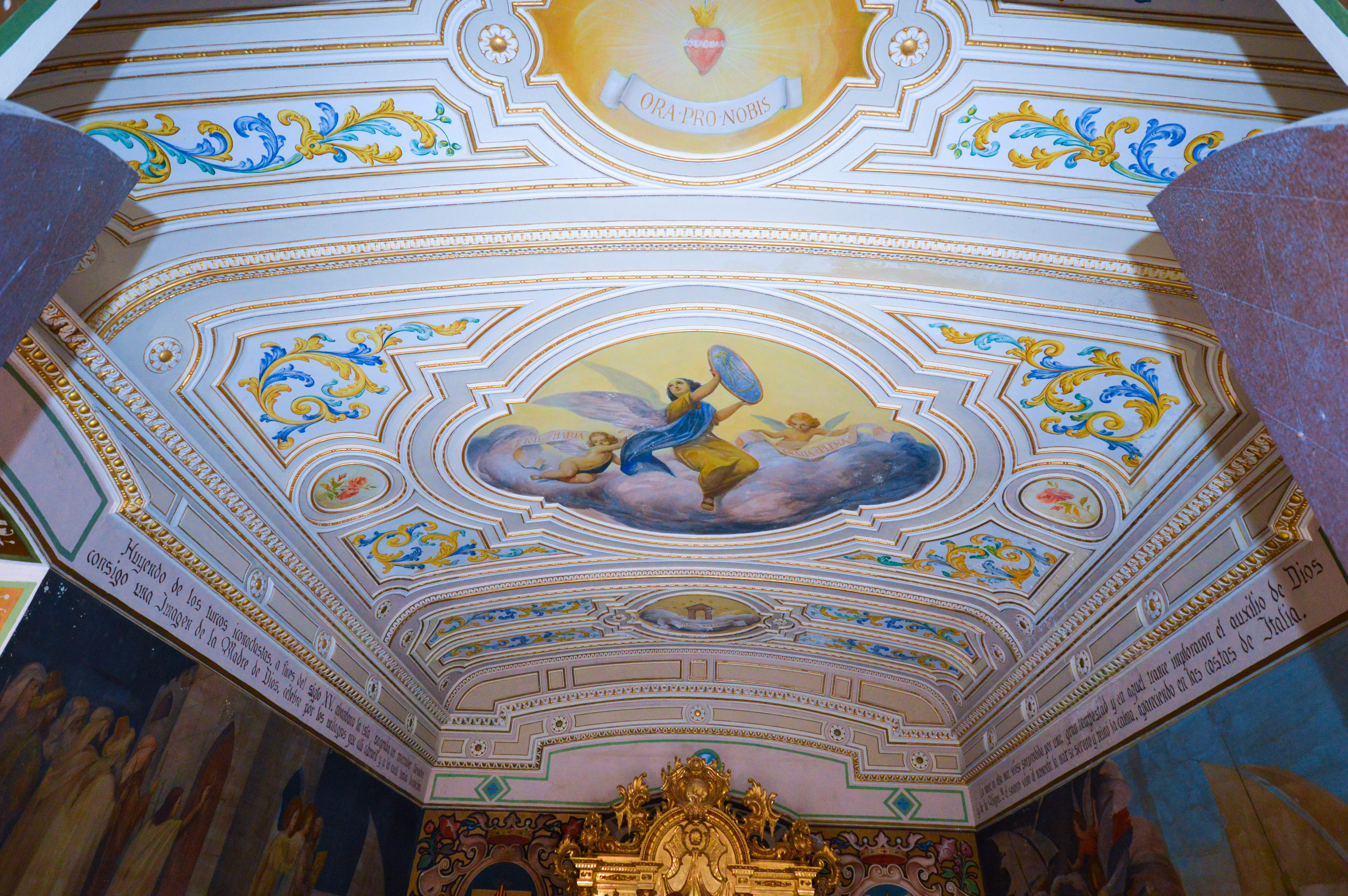
Chapel Ceiling
Chapel Ceiling" ‐ photo by ,
©www.mgaylard.co.uk.
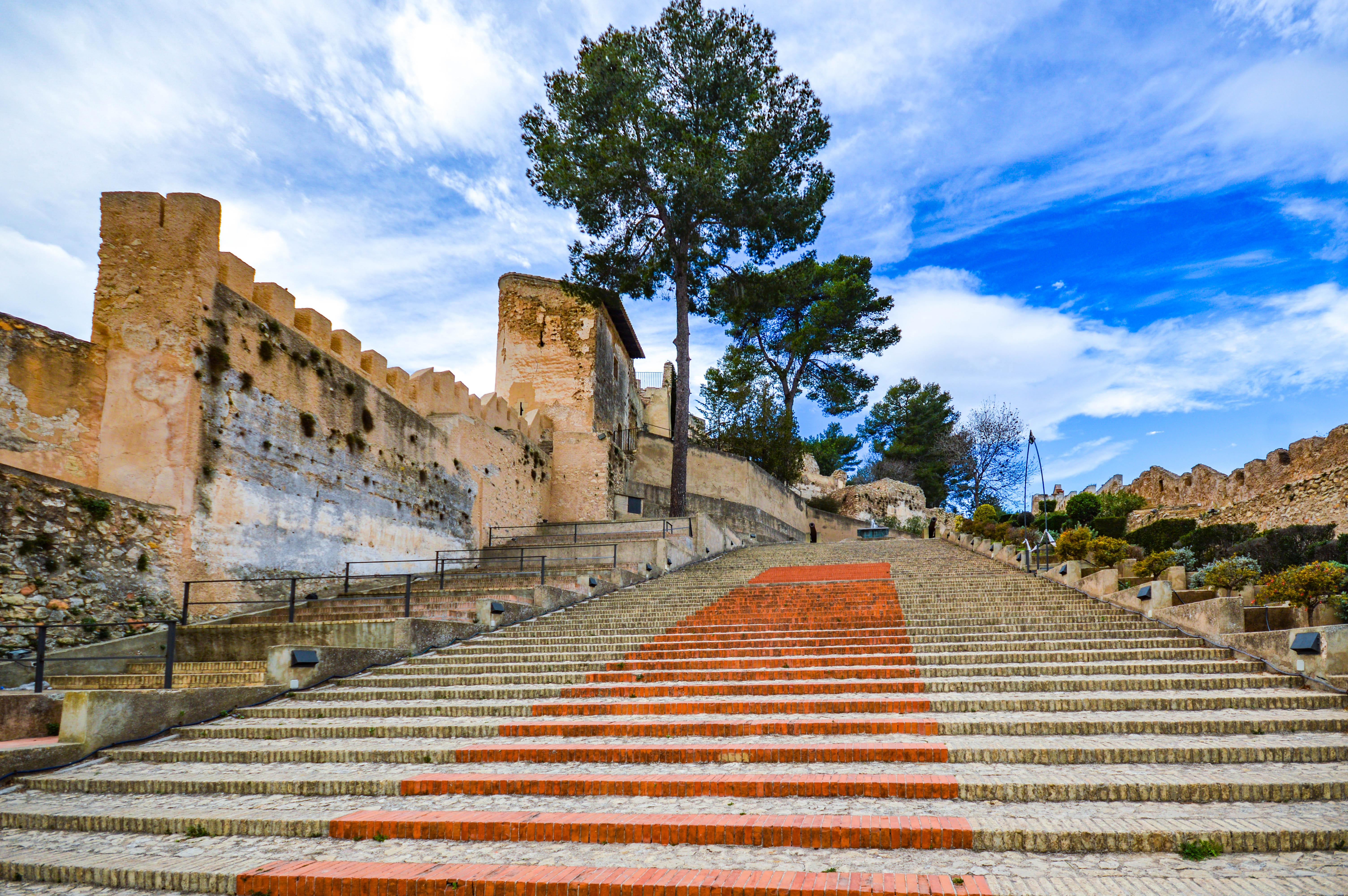
Steps to the Mirador
Steps to the Mirador ‐ photo by ,
©www.mgaylard.co.uk.
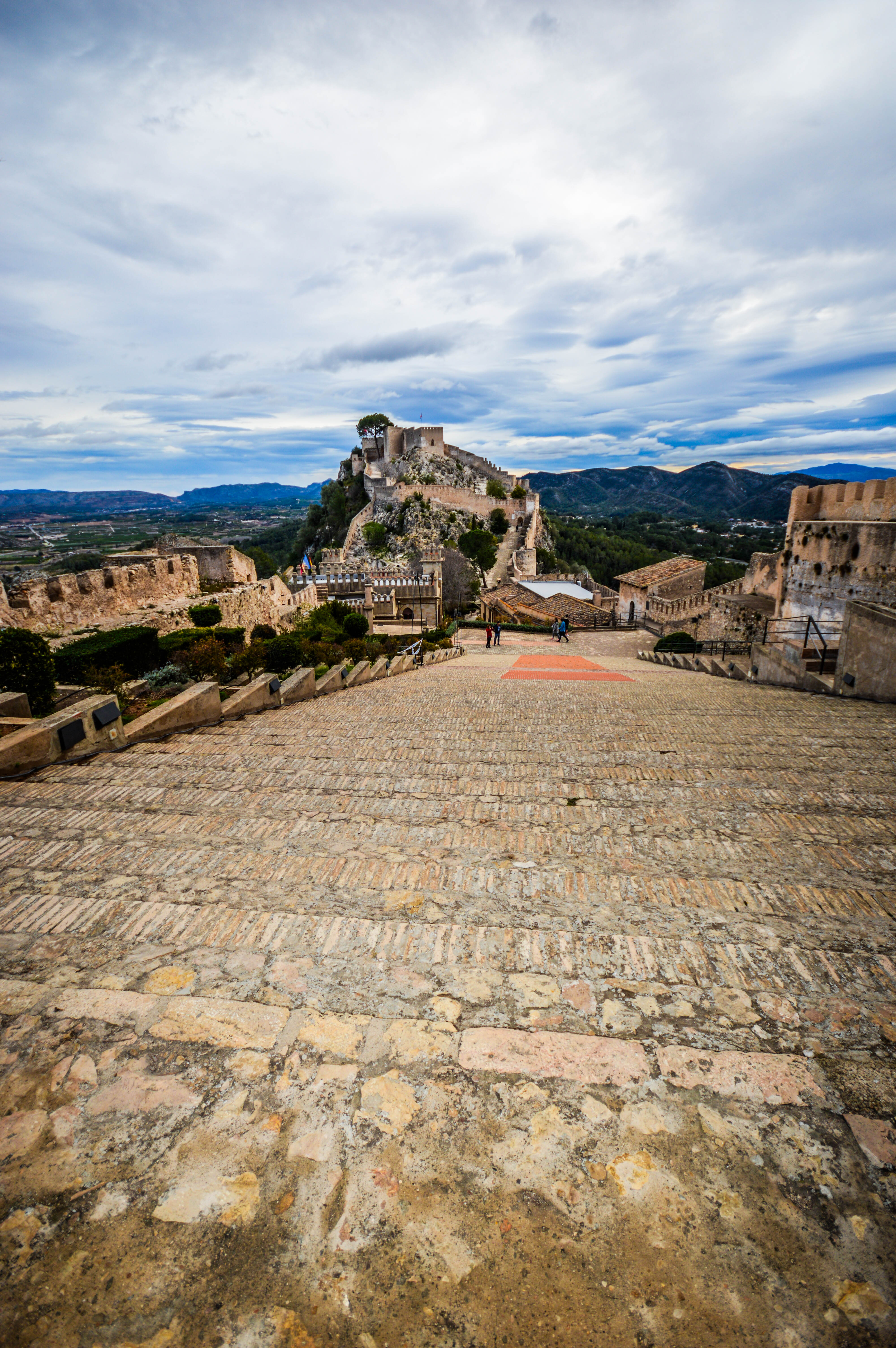
From the Mirador to the Lower Fortress
From the Mirador to the Lower Fortress ‐ photo by ,
©www.mgaylard.co.uk.
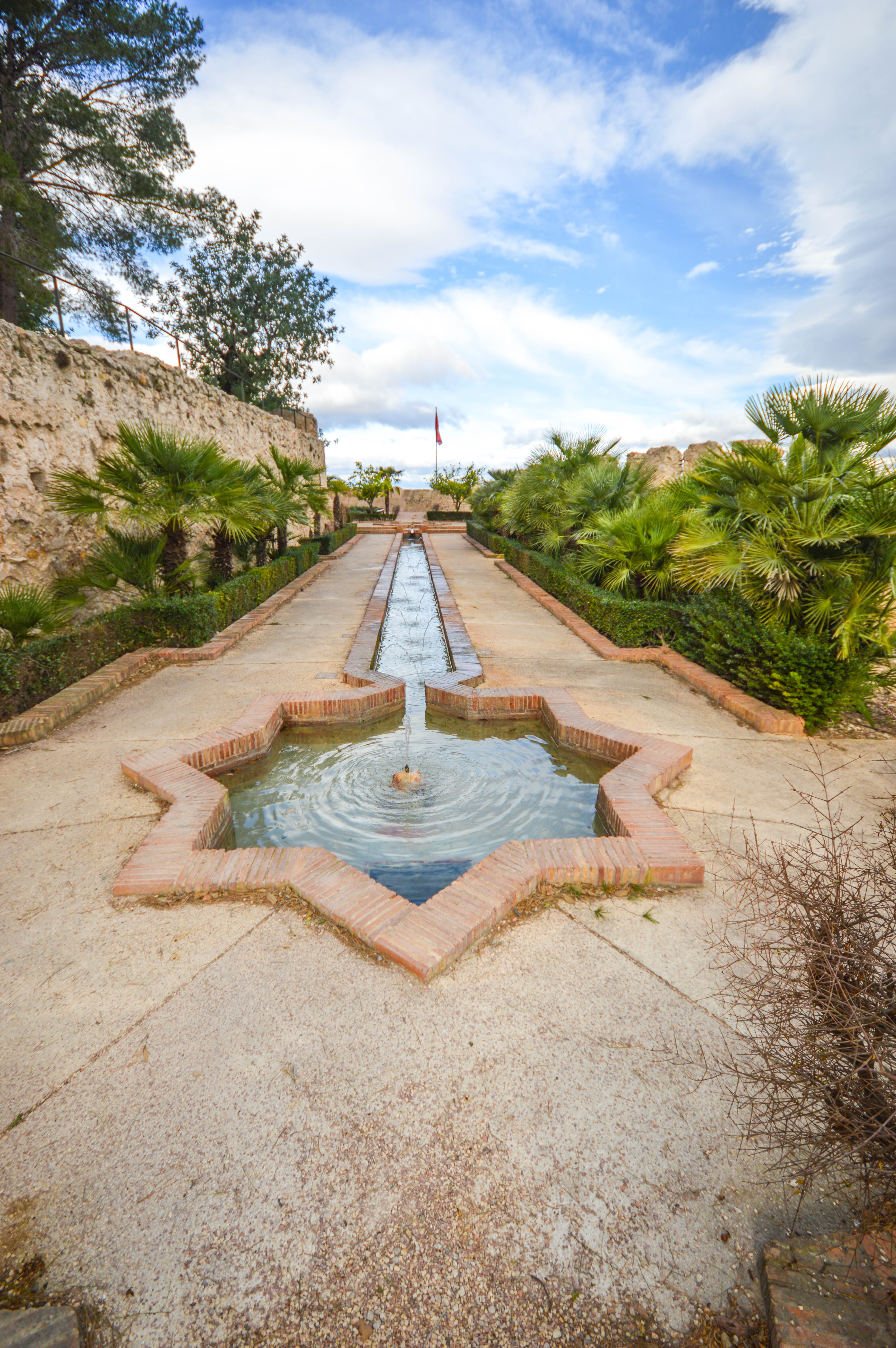
Moorish Fountain
Moorish Fountain ‐ photo by ,
©www.mgaylard.co.uk.
The Northern Walls
The Northern Walls ‐ photo by ,
©www.mgaylard.co.uk.
The Mriador
The Mriador ‐ photo by ,
©www.mgaylard.co.uk.
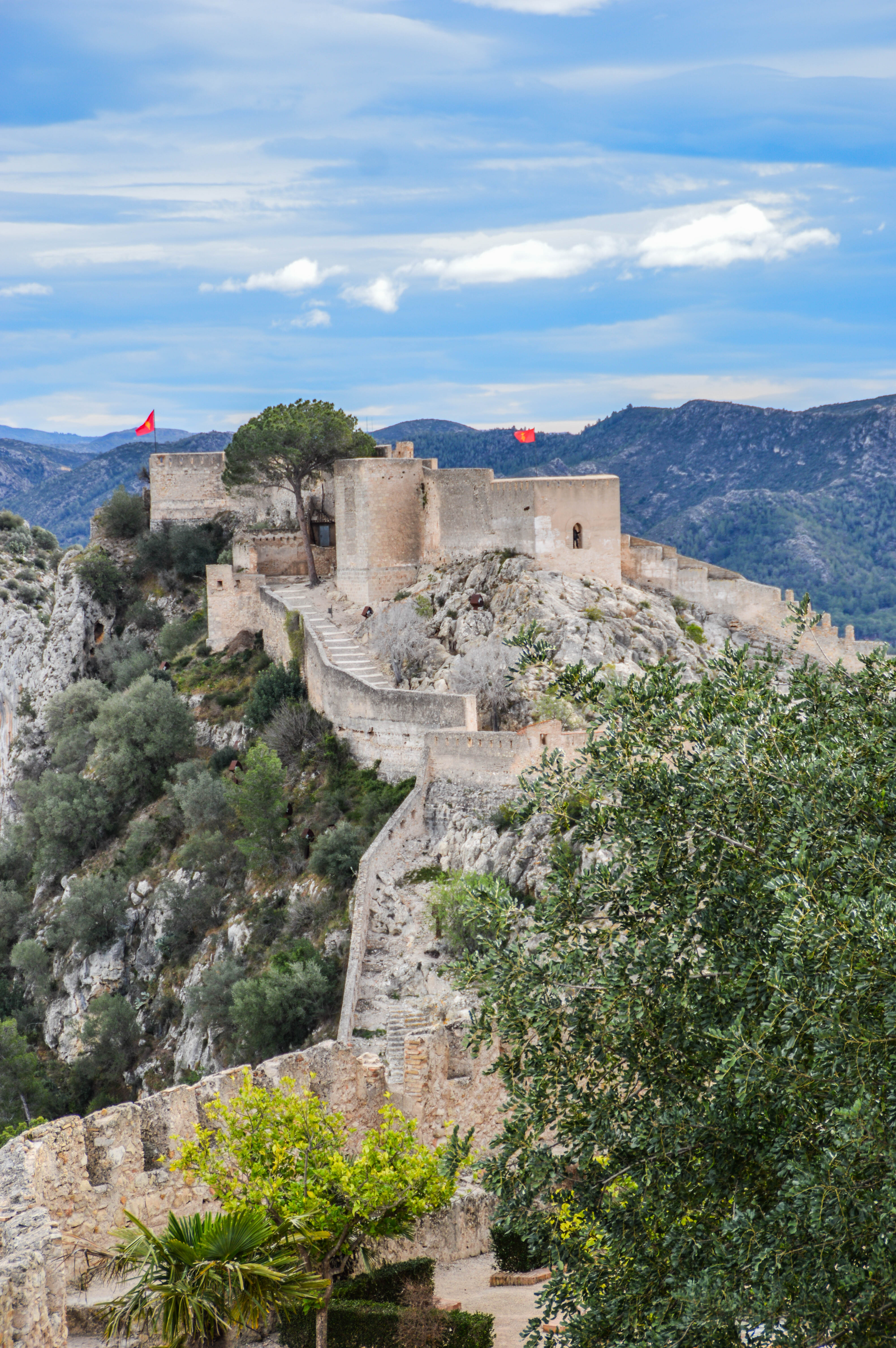
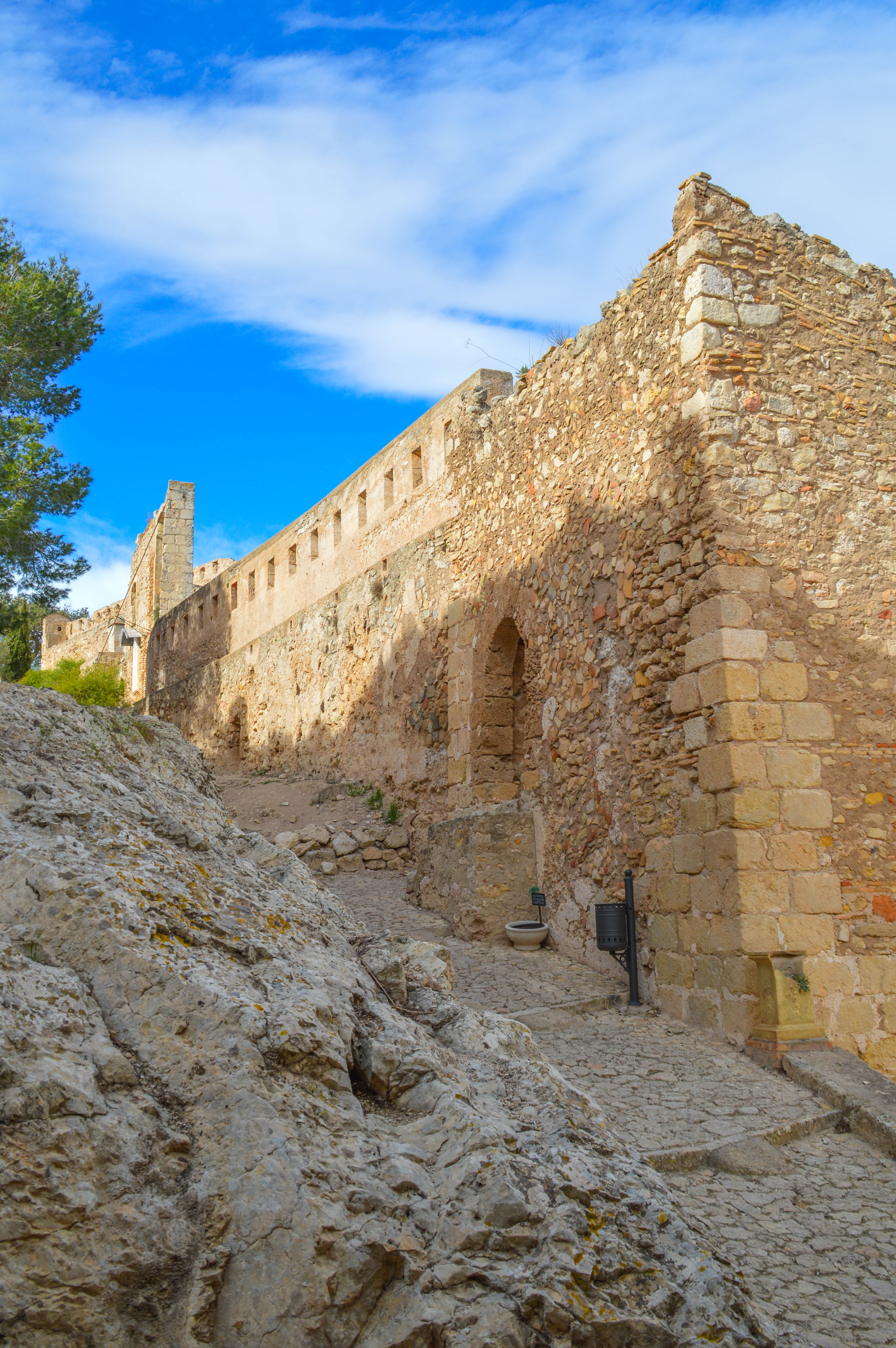
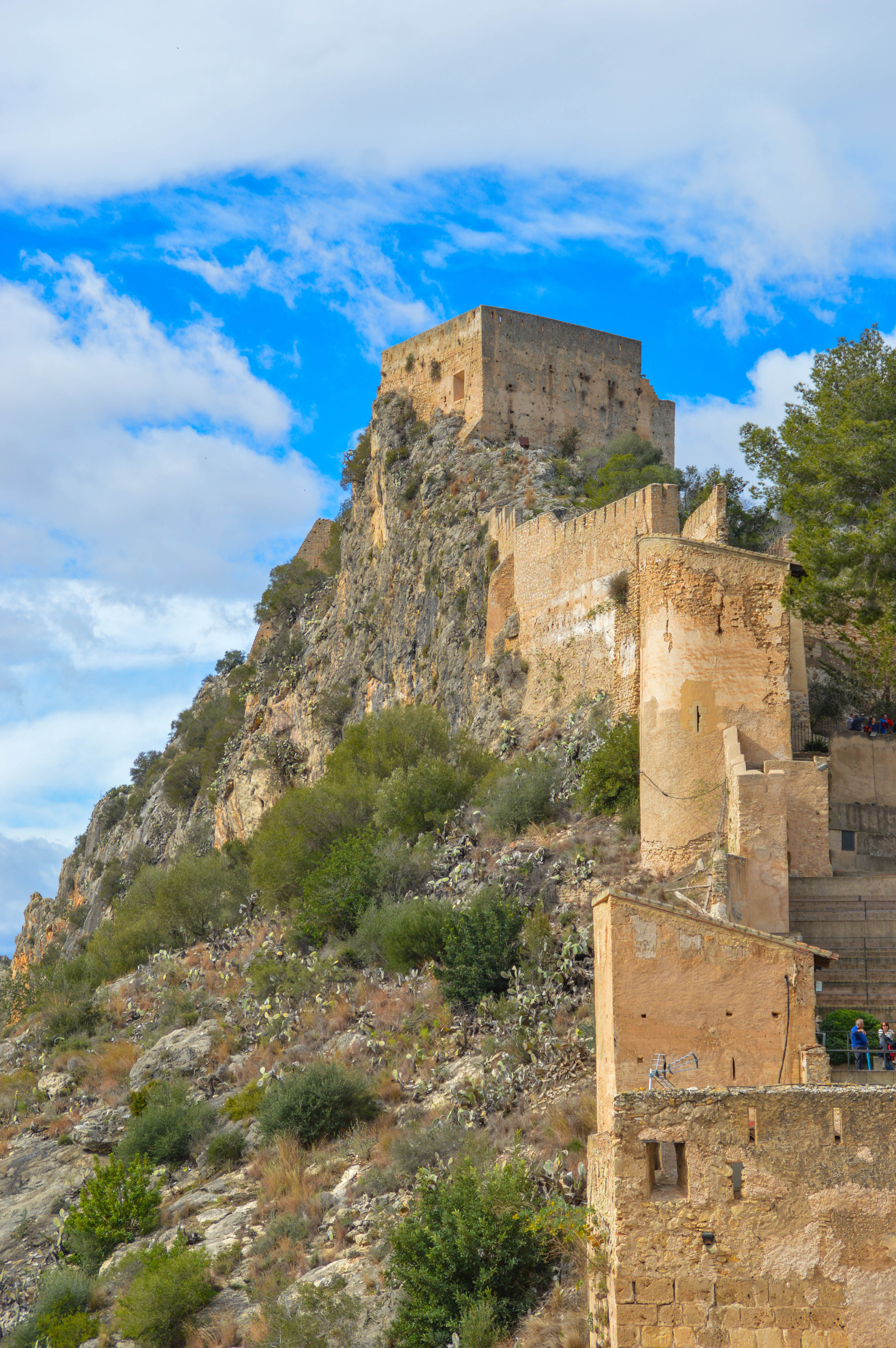
historic fortress perched on a rocky hillside
The Lower fortress perched on a rocky hillside ‐ photo by ,
©www.mgaylard.co.uk.
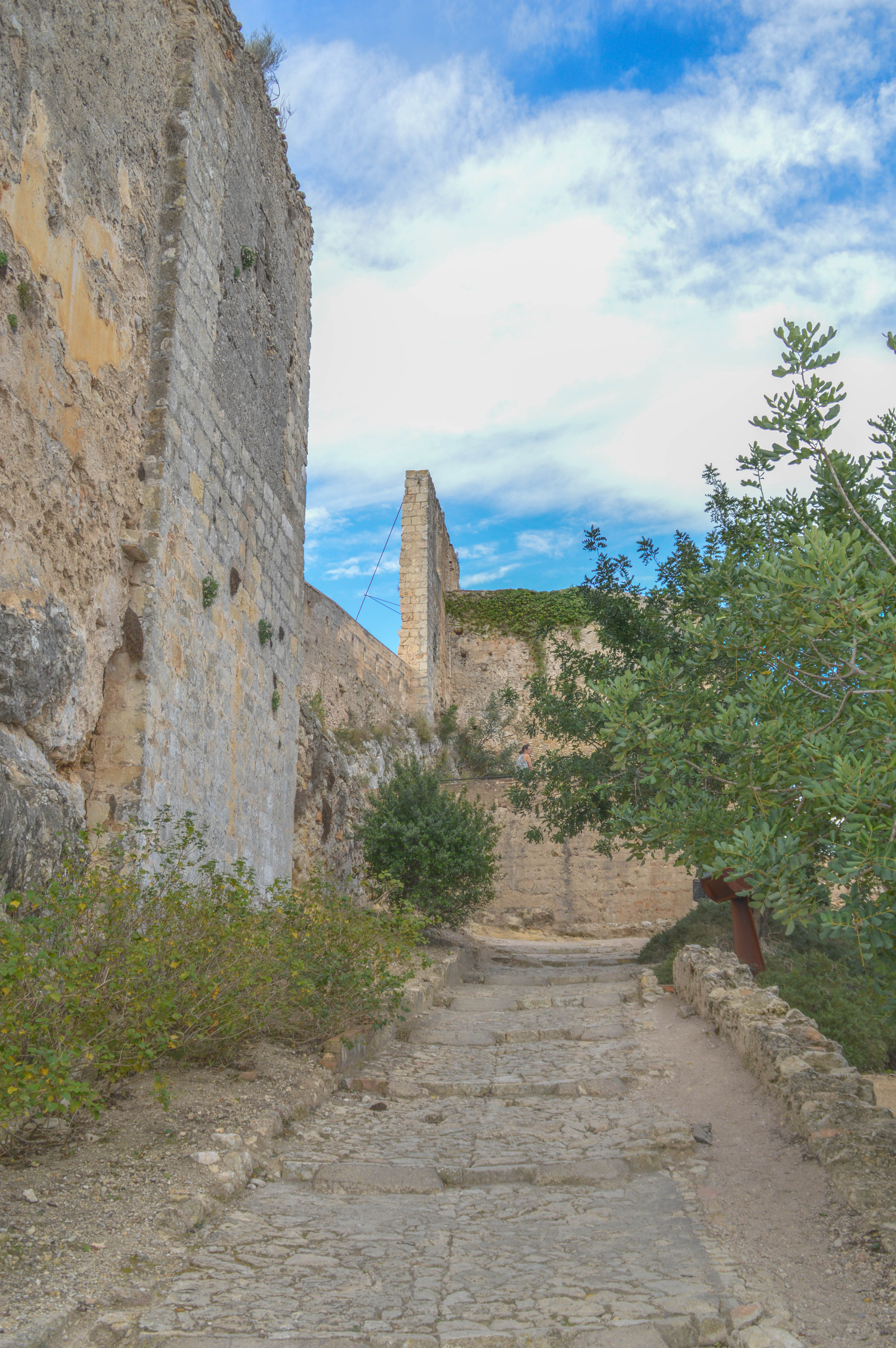
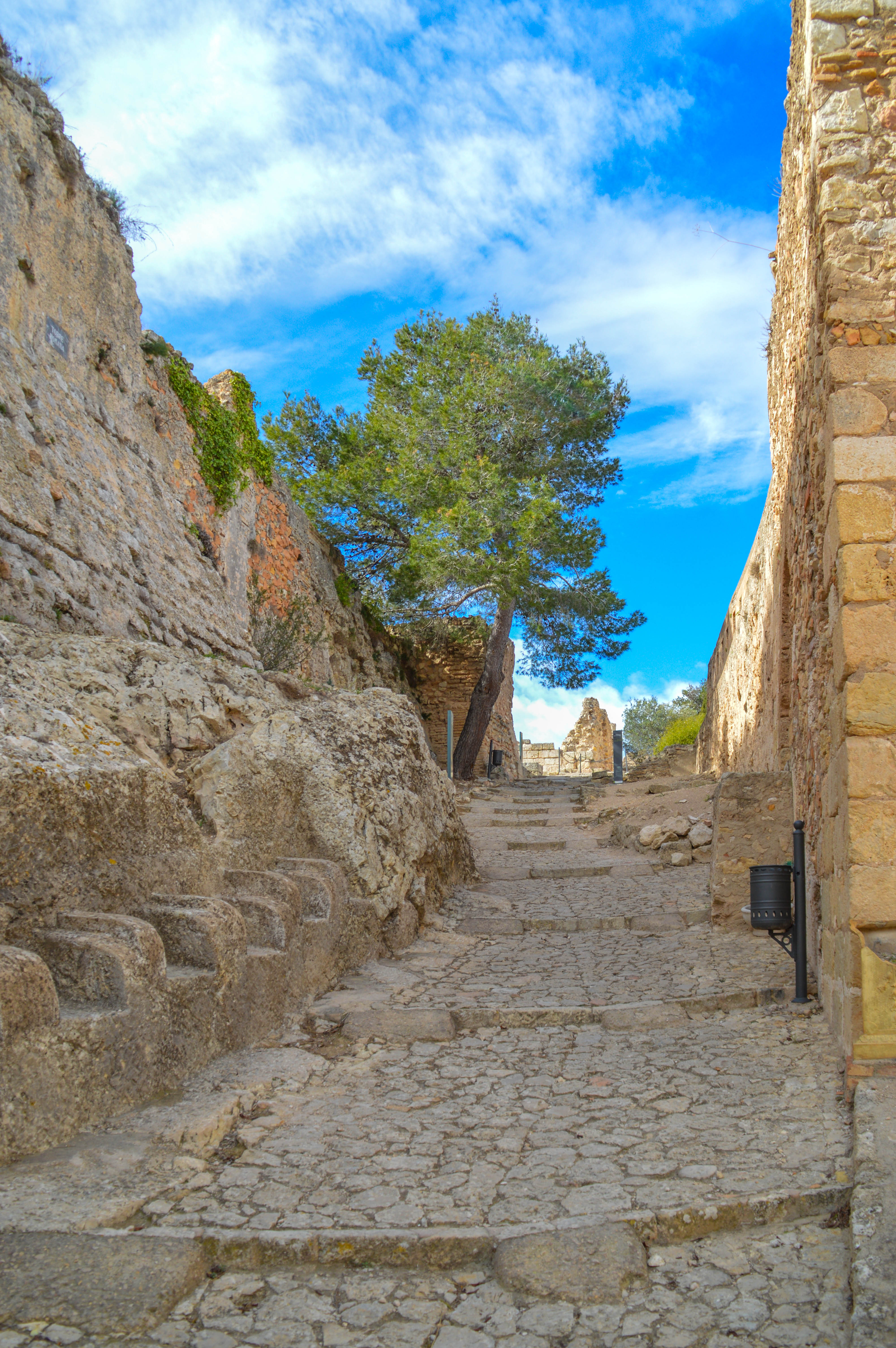
stone pathway leading up to a ruined structure
stone pathway leading up to a ruined structure ‐ photo by ,
©www.mgaylard.co.uk.
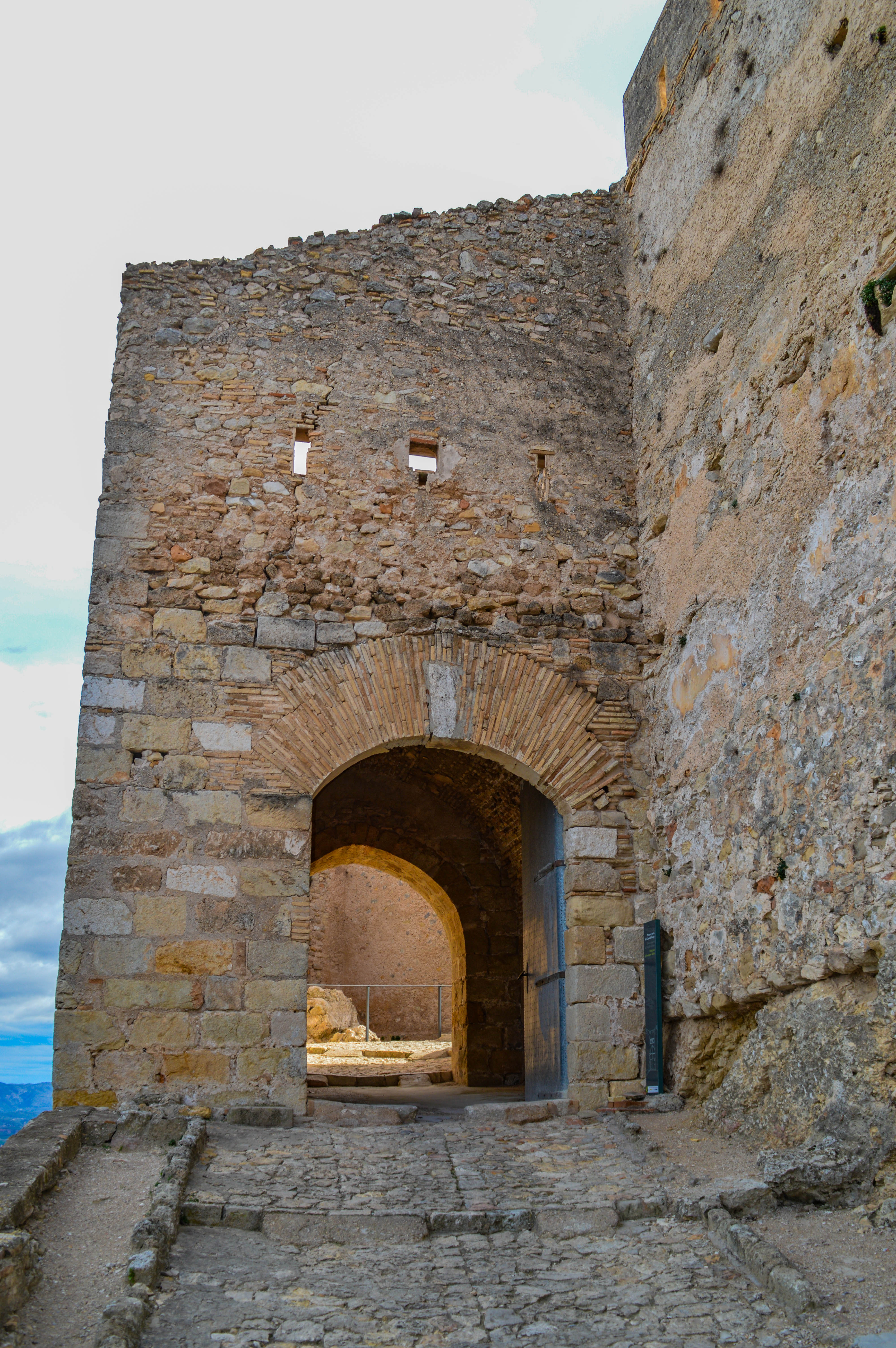
a large arched doorway made of bricks
a large arched doorway made of bricks ‐ photo by ,
©www.mgaylard.co.uk.
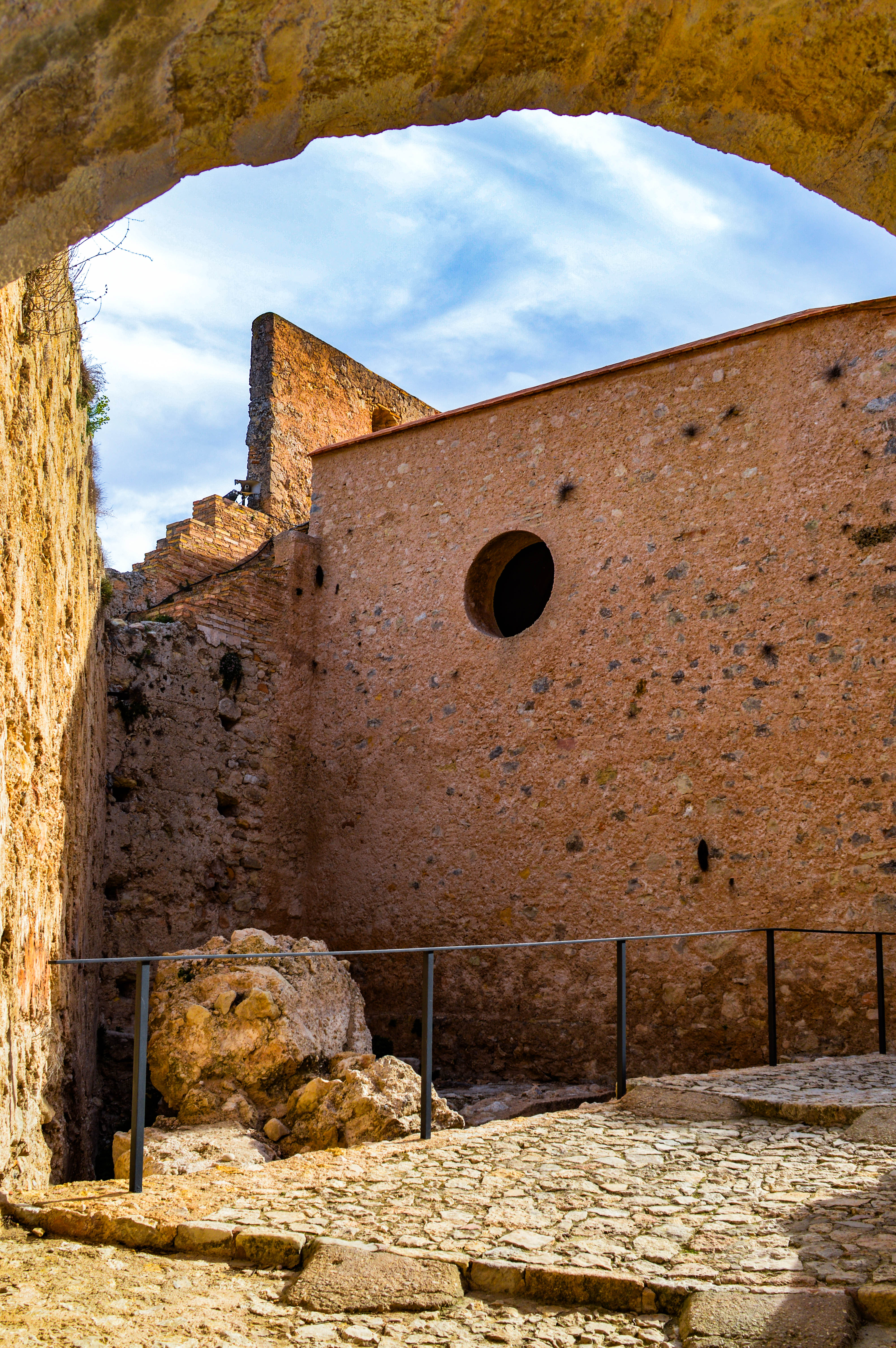
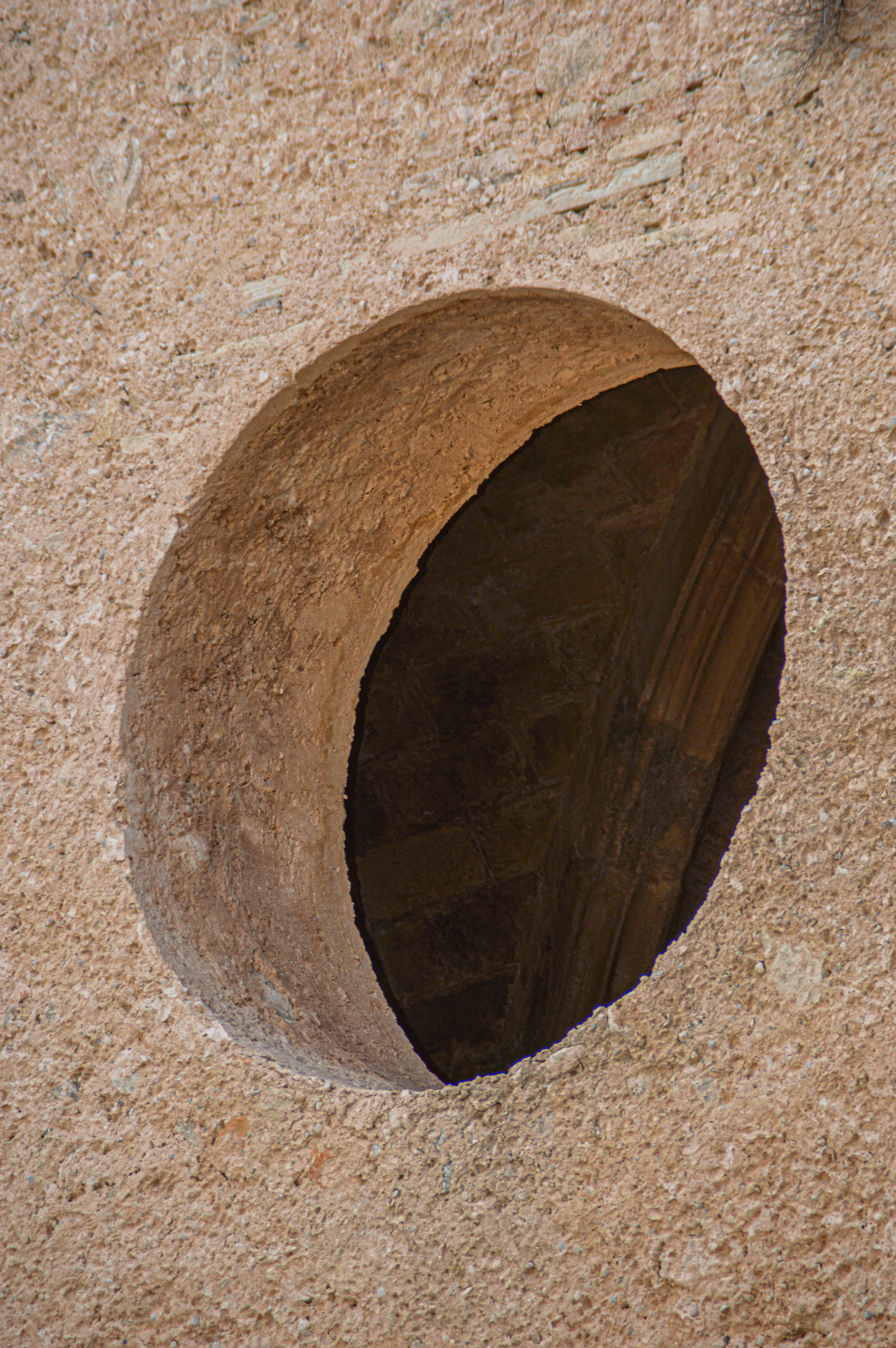
a large circular window.
a large circular window. ‐ photo by ,
©www.mgaylard.co.uk.
a large circular window. ‐ photo by ,
©www.mgaylard.co.uk.
To The Upper Castle
To The Upper Castle ‐ photo by ,
©www.mgaylard.co.uk.
To The Upper Castle
To The Upper Castle ‐ photo by ,
©www.mgaylard.co.uk.
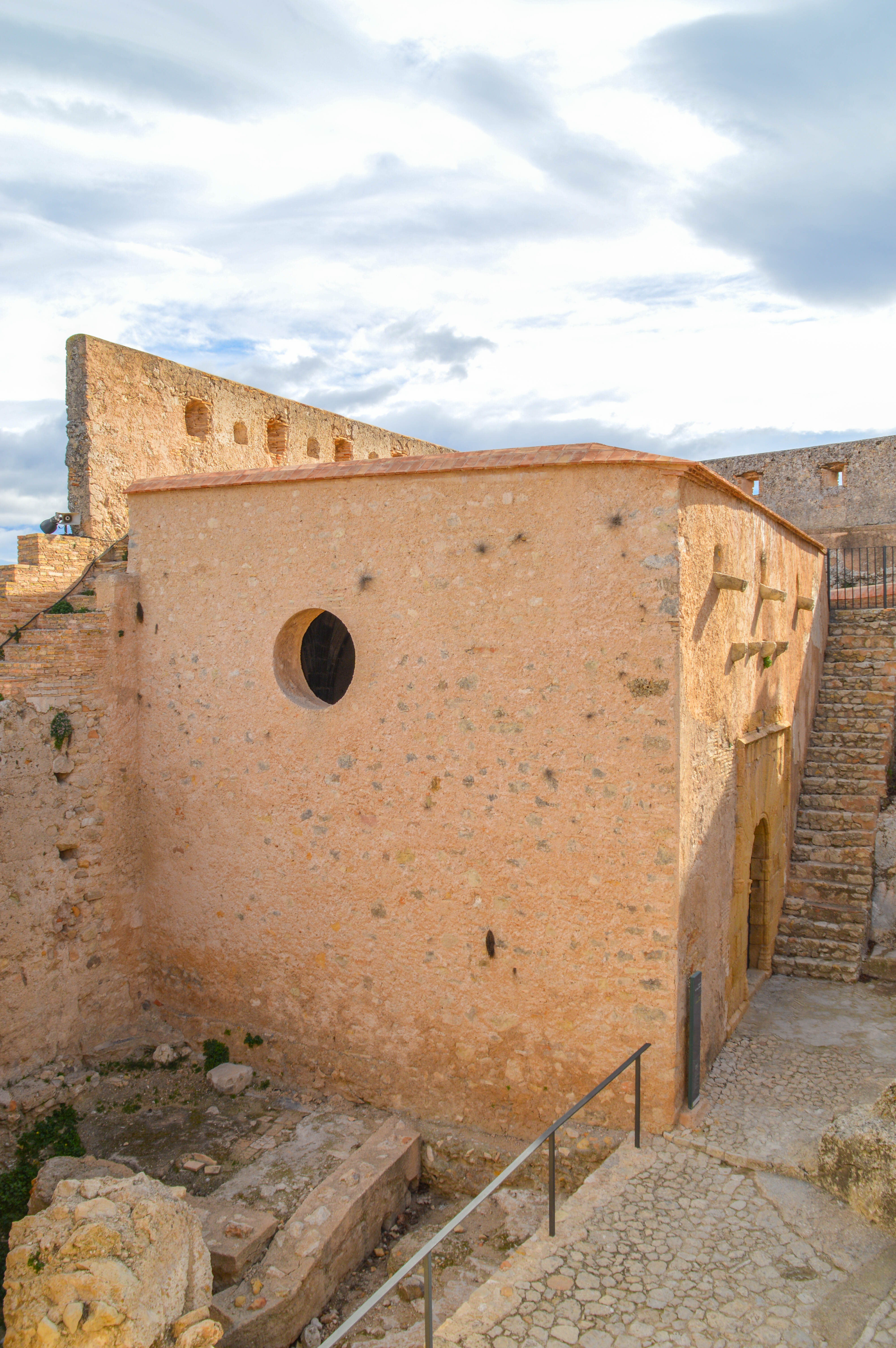
a large, round window on one wall
a large, round window on one wall ‐ photo by ,
©www.mgaylard.co.uk.
The Southern Walls
The Southern Walls ‐ photo by ,
©www.mgaylard.co.uk.
The Southern Walls
The Southern Walls ‐ photo by ,
©www.mgaylard.co.uk.
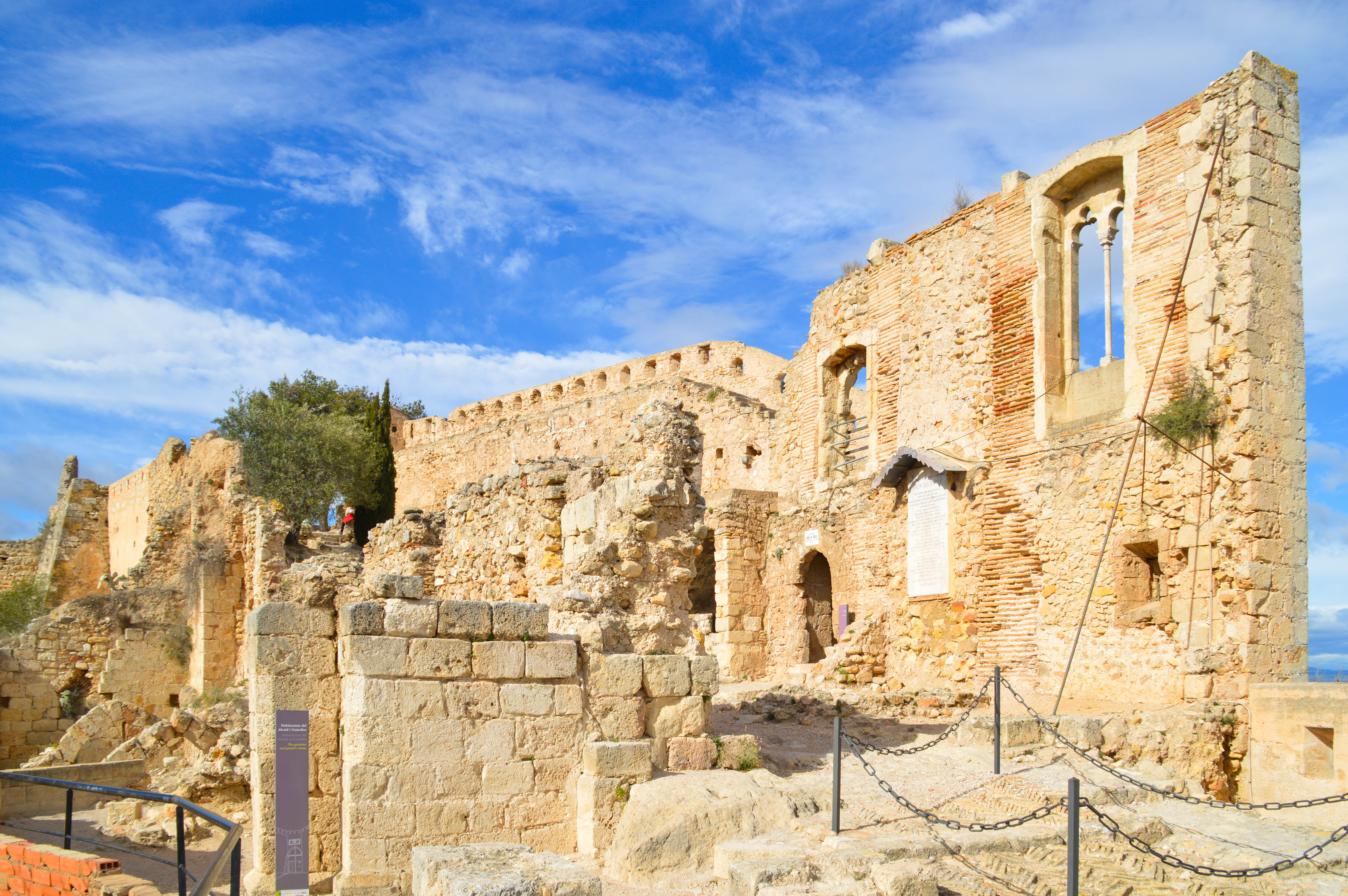
weathered and crumbling walls
weathered and crumbling walls ‐ photo by ,
©www.mgaylard.co.uk.
an arched doorway and a larger archway above
an arched doorway and a larger archway above ‐ photo by ,
©www.mgaylard.co.uk.
n arched doorway leading to an outdoor area
n arched doorway leading to an outdoor area ‐ photo by ,
©www.mgaylard.co.uk.
Looking back towards the Mirador
Looking back towards the Mirador" ‐ photo by ,
©www.mgaylard.co.uk.
fortress or castle built on a rocky hillsid
fortress or castle built on a rocky hillsid ‐ photo by ,
©www.mgaylard.co.uk.
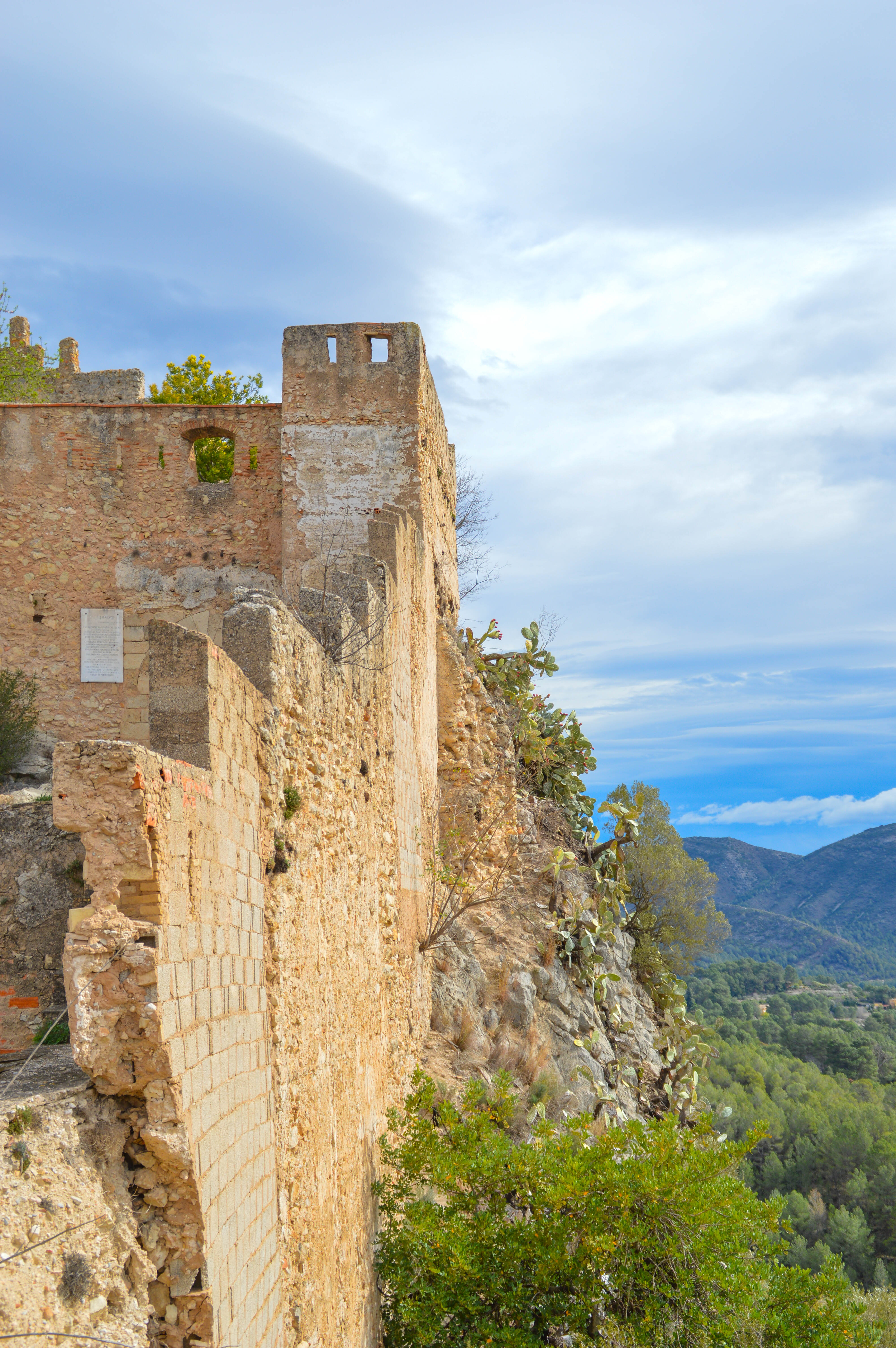
castle wall situated on a cliffside
castle wall situated on a cliffside ‐ photo by ,
©www.mgaylard.co.uk.
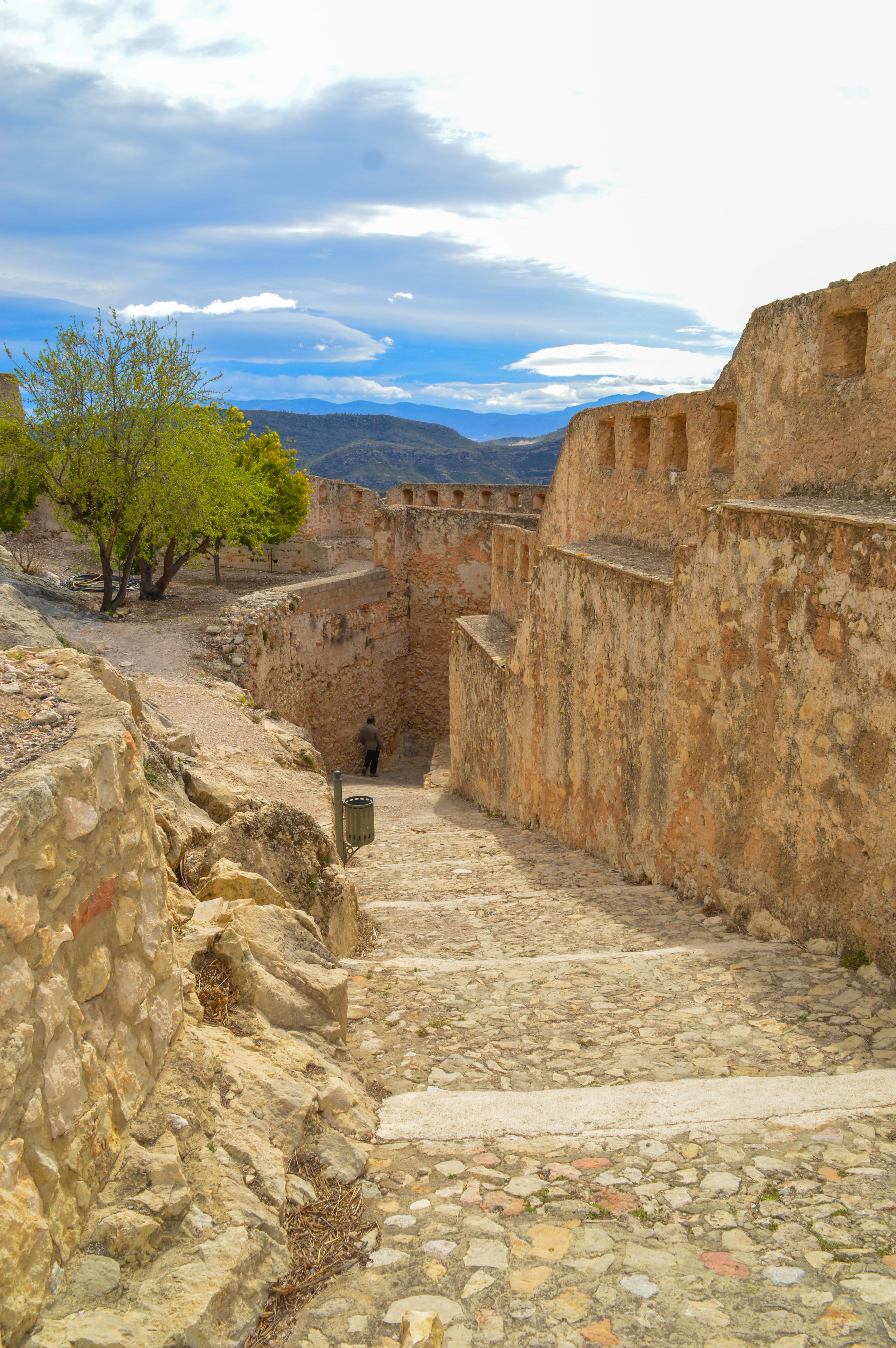
stone walls and a scenic view of mountains
Ramp to the Lower Castle ‐ photo by ,
©www.mgaylard.co.uk.
Looking Back From Torre de l'Esperó
Looking Back From Torre de l'Esperó ‐ photo by ,
©www.mgaylard.co.uk.
Torre de l'Esperó
From Torre de l'Esperó ‐ photo by ,
©www.mgaylard.co.uk.
Open the full set flickr button this page

Xativa

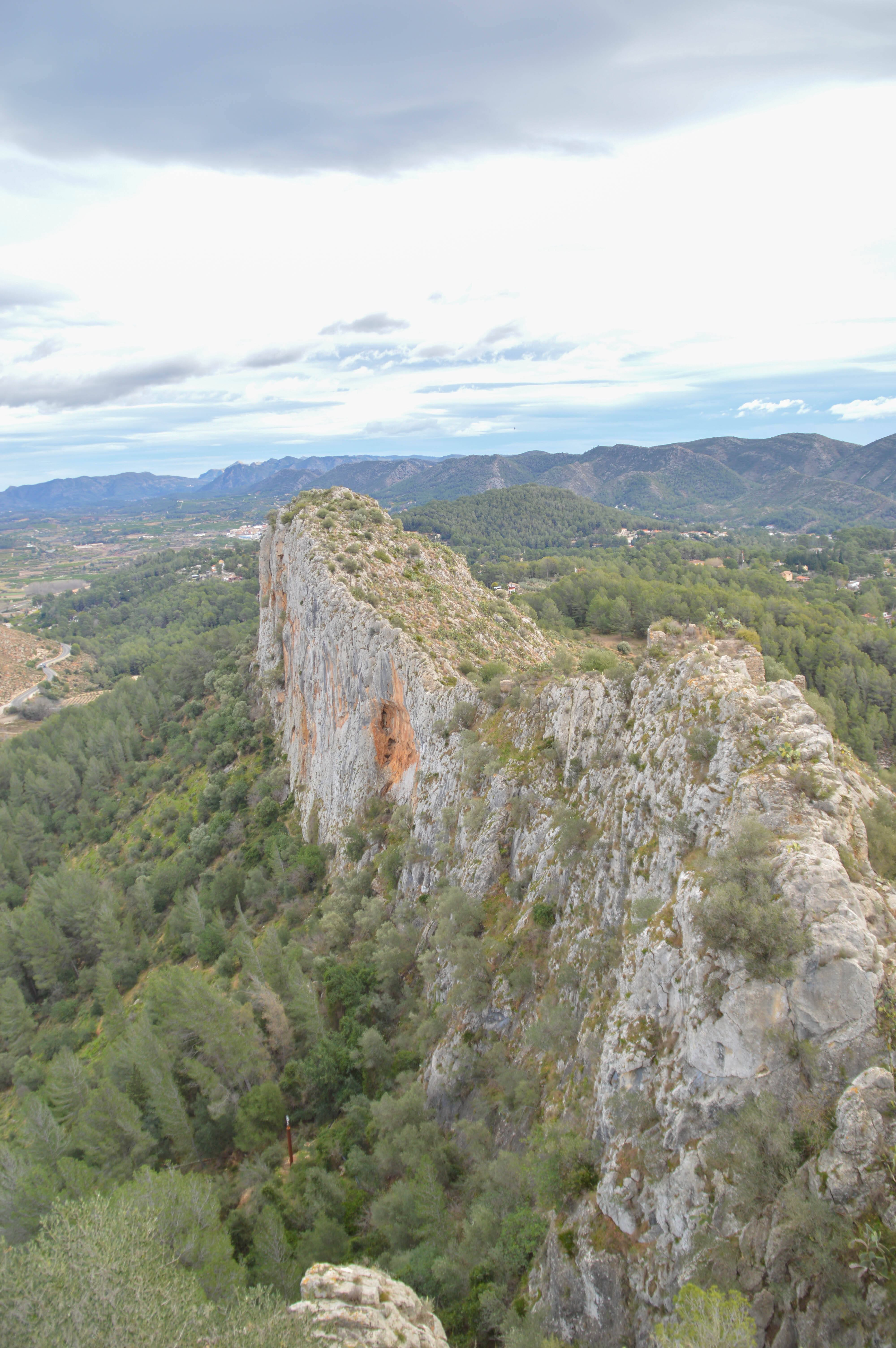
Castell de Xàtiva is a dramatic twin-fortress perched on the Sierra del Castell above the city of Xàtiva in the Valencian Community. The site combines an older Castell Menor (Iberian and Roman origins) and a later Castell Major (medieval Islamic and Gothic phases) and sits about 310 m above the modern city, offering extensive views over the plain and surrounding mountains.

Key historical highlights

The hillfort has Iberian and Roman roots and later became an important Islamic stronghold; it occupies a strategic position on the ancient Via Augusta.
The castle is traditionally linked to Hannibal and his campaigns in the region; local tradition and classical sources associate the site with Hannibal’s preparations for the siege of Saguntum.
In the medieval period the fortress changed hands during the Reconquista and later played roles in regional conflicts including the Revolt of the Brotherhoods and the War of the Spanish Succession.

Porta Ferrissa

Main historic gate with carved frieze and dramatic approach.

Plaza de Armas

Central courtyard linking Castell Menor and Castell Major.

Castell Menor

Oldest sector with Iberian and Roman remains and panoramic east views

Castle towers and walls

Islamic and Gothic defensive works; excellent viewpoints over Xàtiva.

References

xativaturismo.comen.wikipedia.org , Text generated by Microsoft CoPilot
link to flickr photography album Share
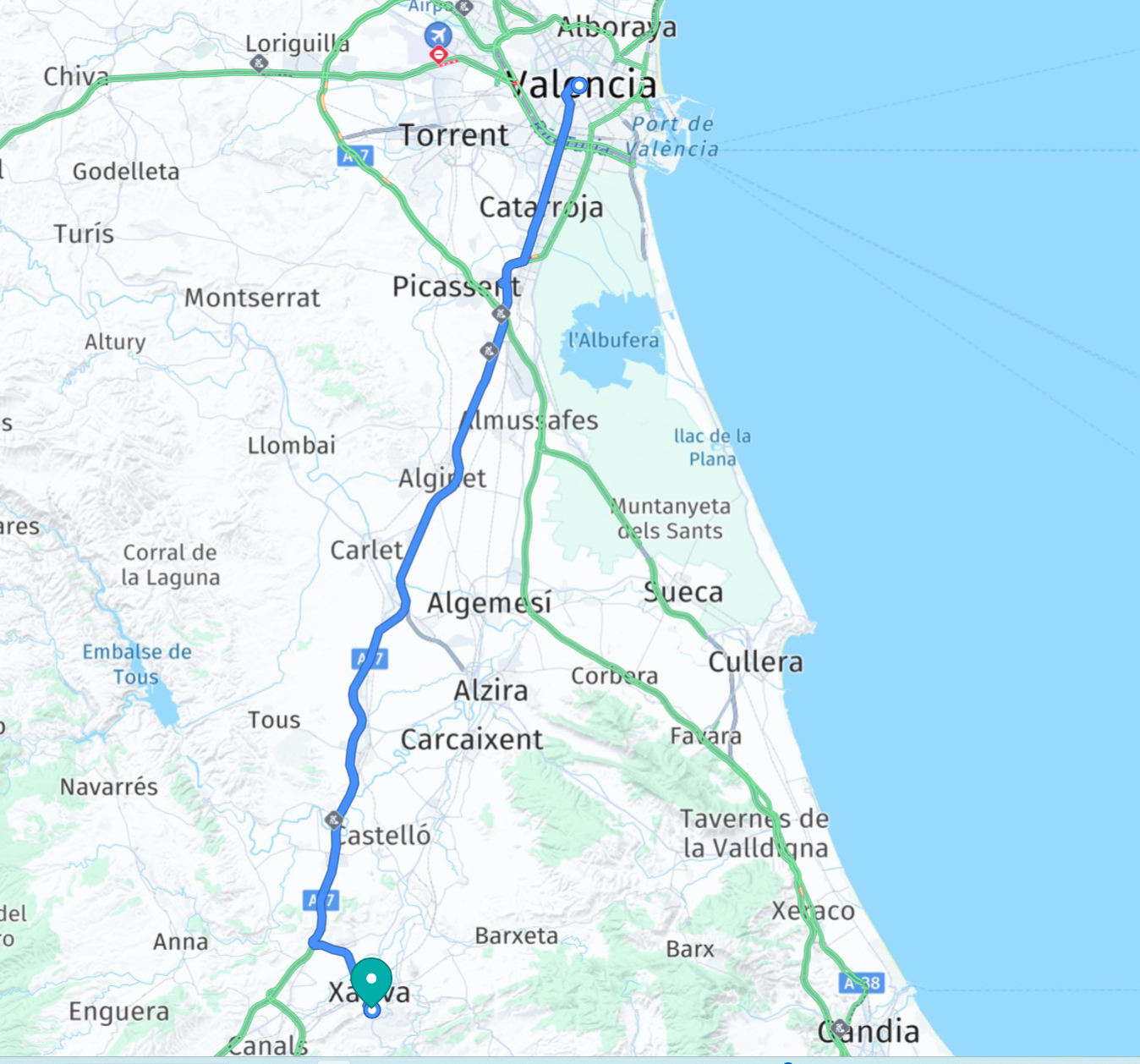
map of Xativa

About Castell de Xàtiva

The fortress is strategically located on the ancient roadway Via Augusta leading from Rome across the Pyrenees and down the Mediterranean coast to Cartagena and Cádiz.

It consists of a twin fortification divided between the older "Castillo Menor" (minor castle), built on the Iberian and Roman remains of the site, and the more recent "Castillo Mayor" (main castle), built during the medieval period. It sits at a height of 310 meters above the modern-day city.

The minor castle was originally a Celtiberian stronghold and was then taken by the Carthaginians in the third century BC. It is said to be the place where Hannibal planned the conquest of the Roman city of Saguntum, as well as where his son was born in 218 BC. It was later conquered by the Roman Scipio.

n the medieval period, in 1092, the castle fell to the Almoravid dynasty who were later pushed out in an uprising that took place in 1145. During this uprising, the castle was besieged by the ruler of Valencia, Marwan Abd-al-Aziz. In 1171, the castle finally joined, along with the rest of the Levante coast, the hands of the Almohads.

King James I of Aragon began his religious conquest there in the summer of 1239, capturing Xátiva on 22 May 1244, following a five-month siege. After surrendering to the Christian monarch, avoiding more bloodshed and signing the Treaty of Xàtiva, the Governor handed over the smaller nearby castle to James I, while the moors were allowed to continue occupying the larger castle for another two years, based on the terms of the treaty.

After the two years had elapsed, King James I of Aragon forcibly repopulated a large part of the town with Catalan and Aragonese settlers, meanwhile slaughtering and expelling a portion of the Muslim and Jewish populations from the city. In the subsequent decades, many Mudéjar (Muslims living under Christian rule after the Reconquista) left the region for Granada or North Africa.

The castle once again saw fighting during the war of the Spanish succession, as Castilan and French troops beat Aragonese and English troops that had taken refuge in the fortress during the siege of Xàtiva, in 1707. The site was later seriously damaged in the 1748 earthquake that rocked the region, and it lost its strategic importance.

en.wikipedia.org
To the top
Powered by w3.css. The images are all stored on link to www.gaylard.co.uk Photostream on Flickr   This website is hosted by link to 123Reg Web Hosting