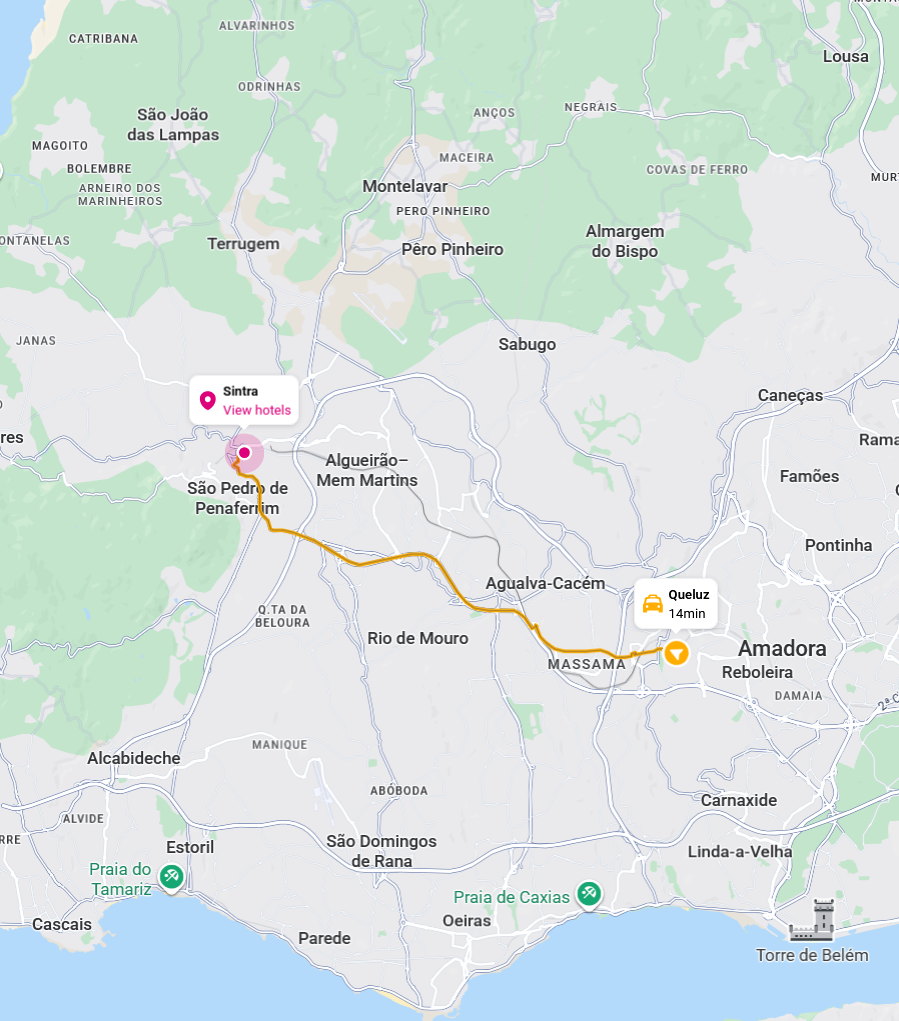
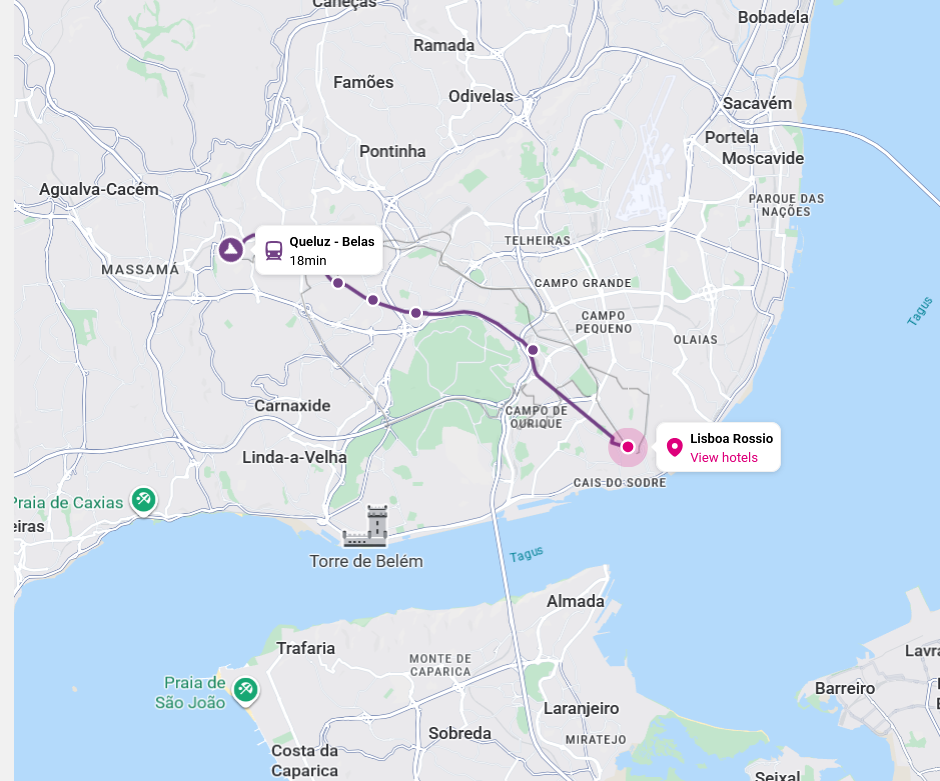
Largo Marquês de Pombal,
Queluz,
Lisbon,
2745-191,
Portugal
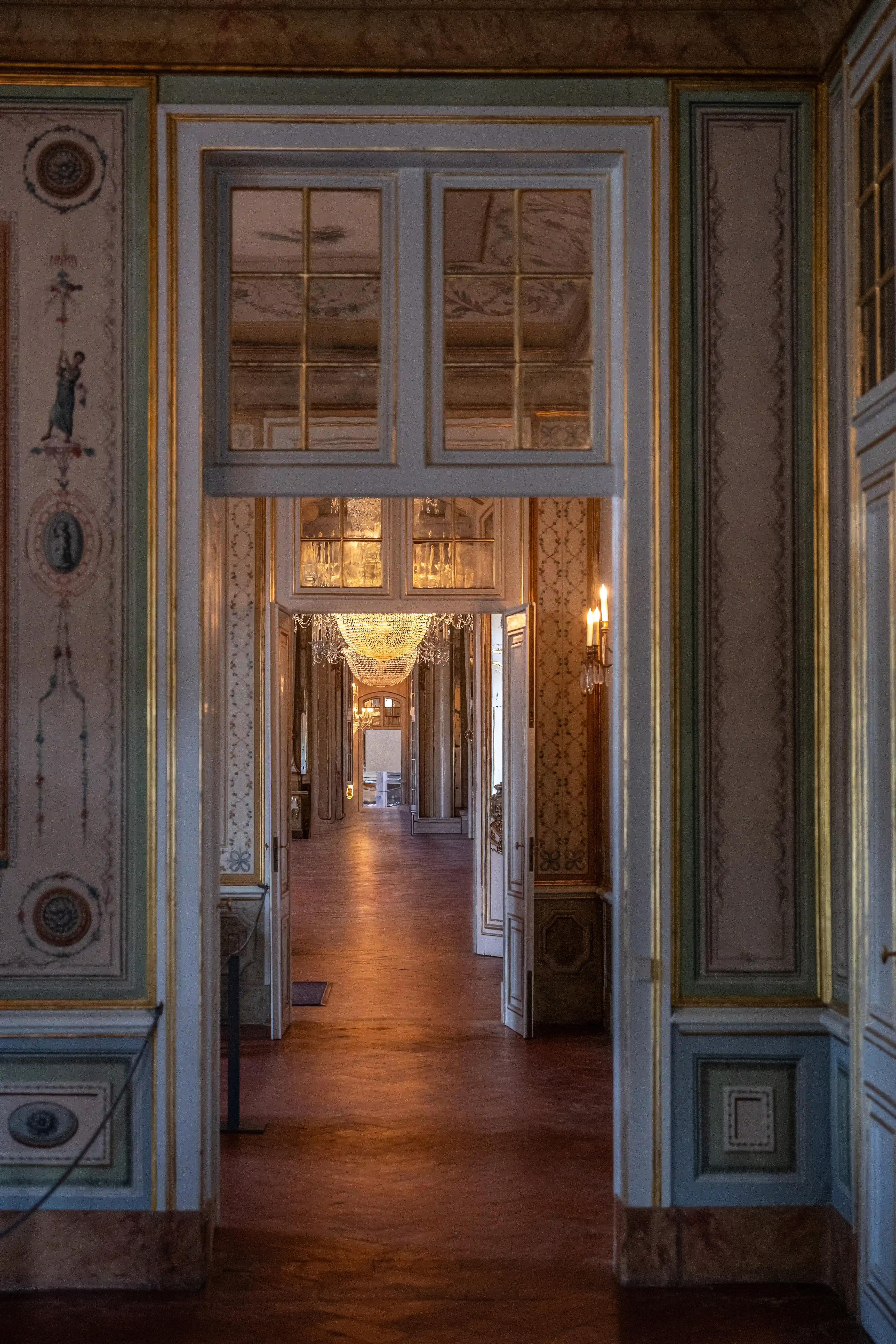
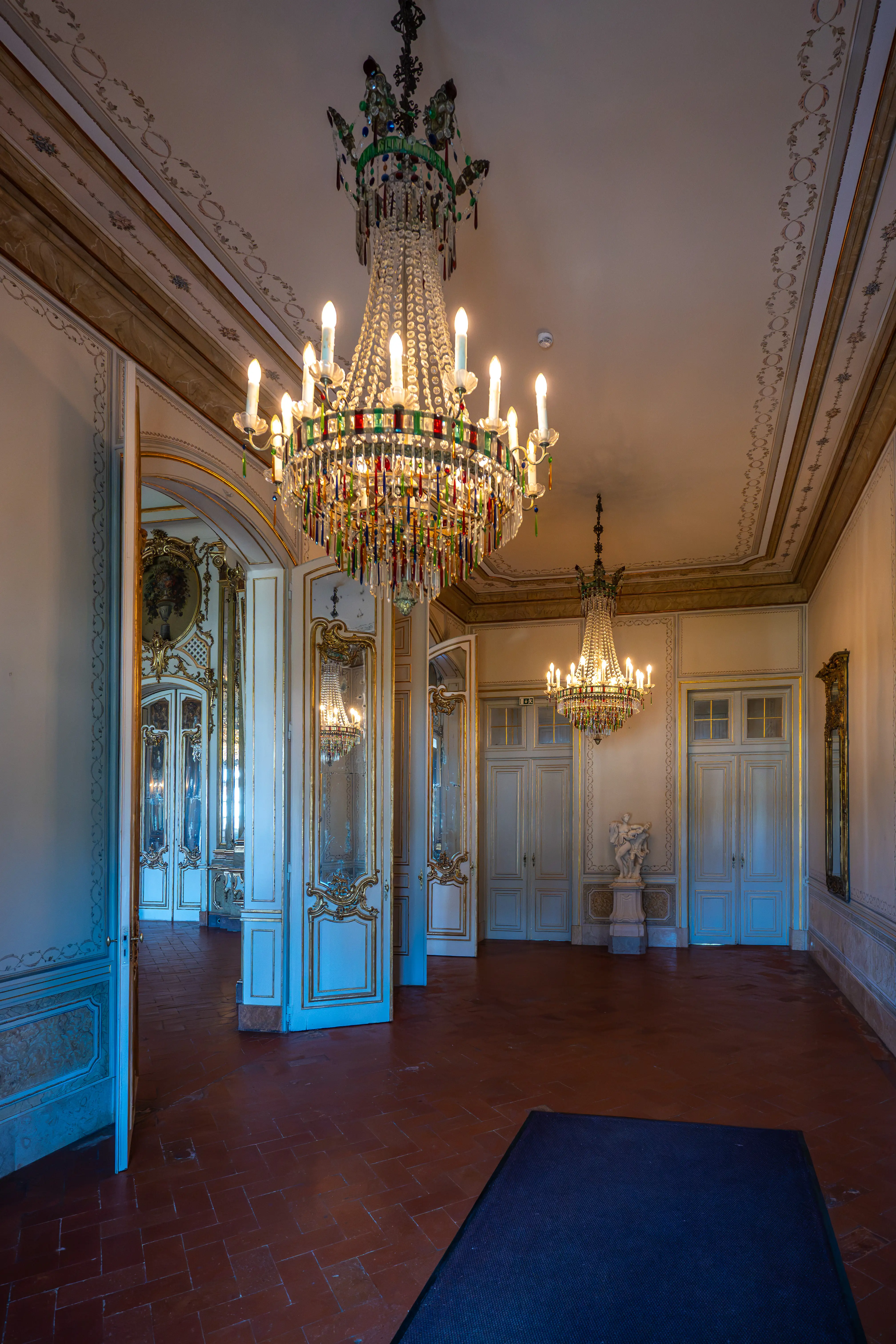
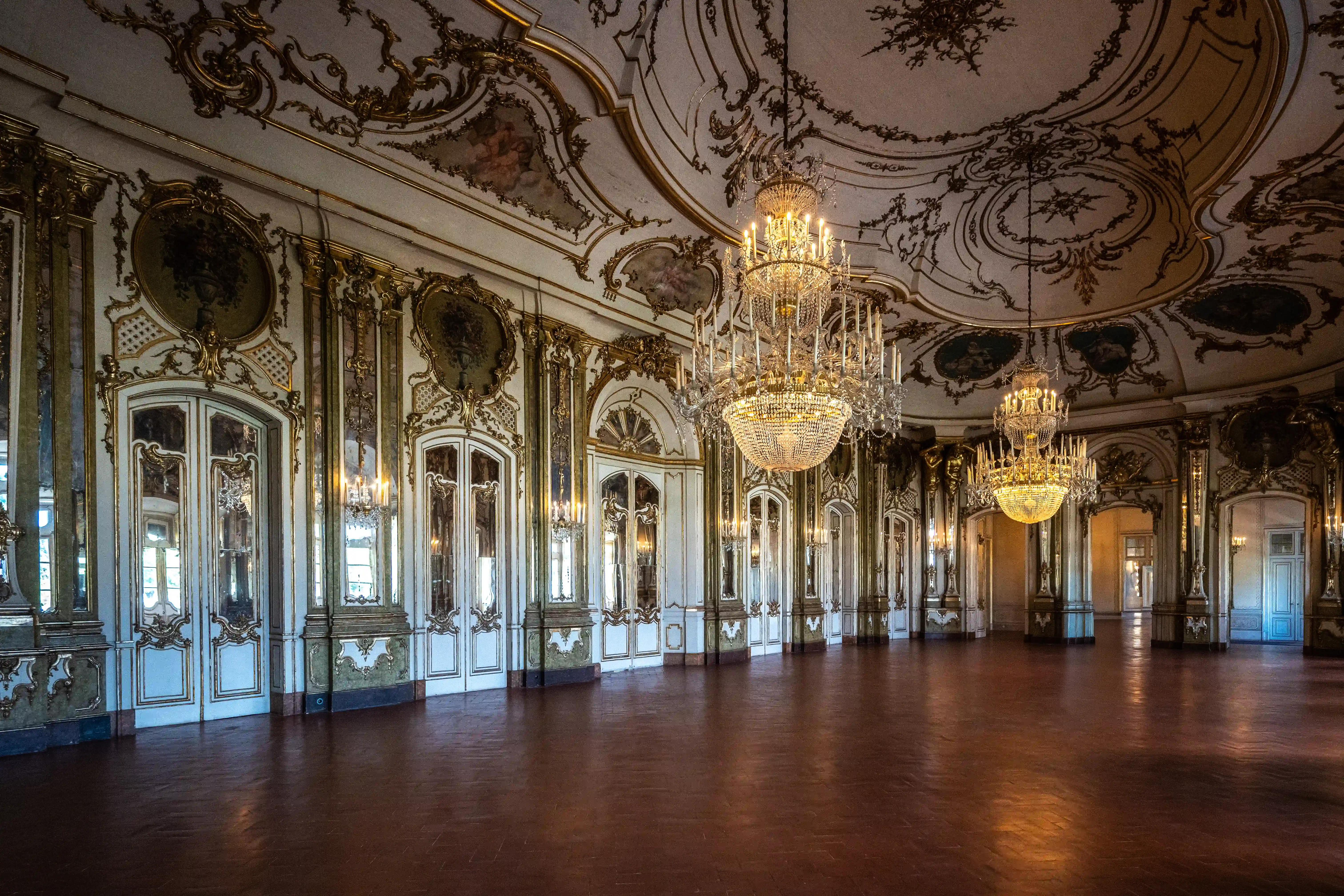
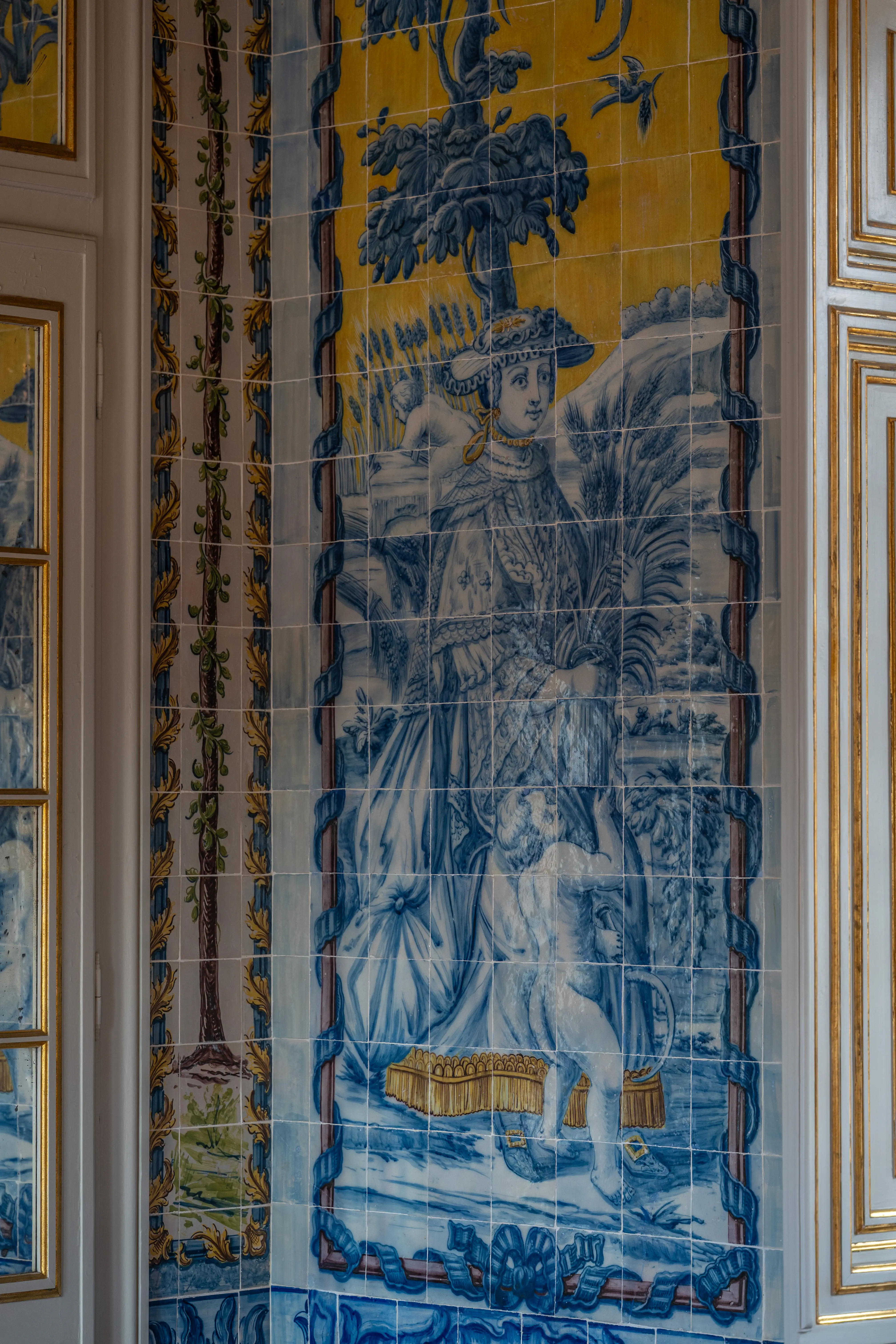
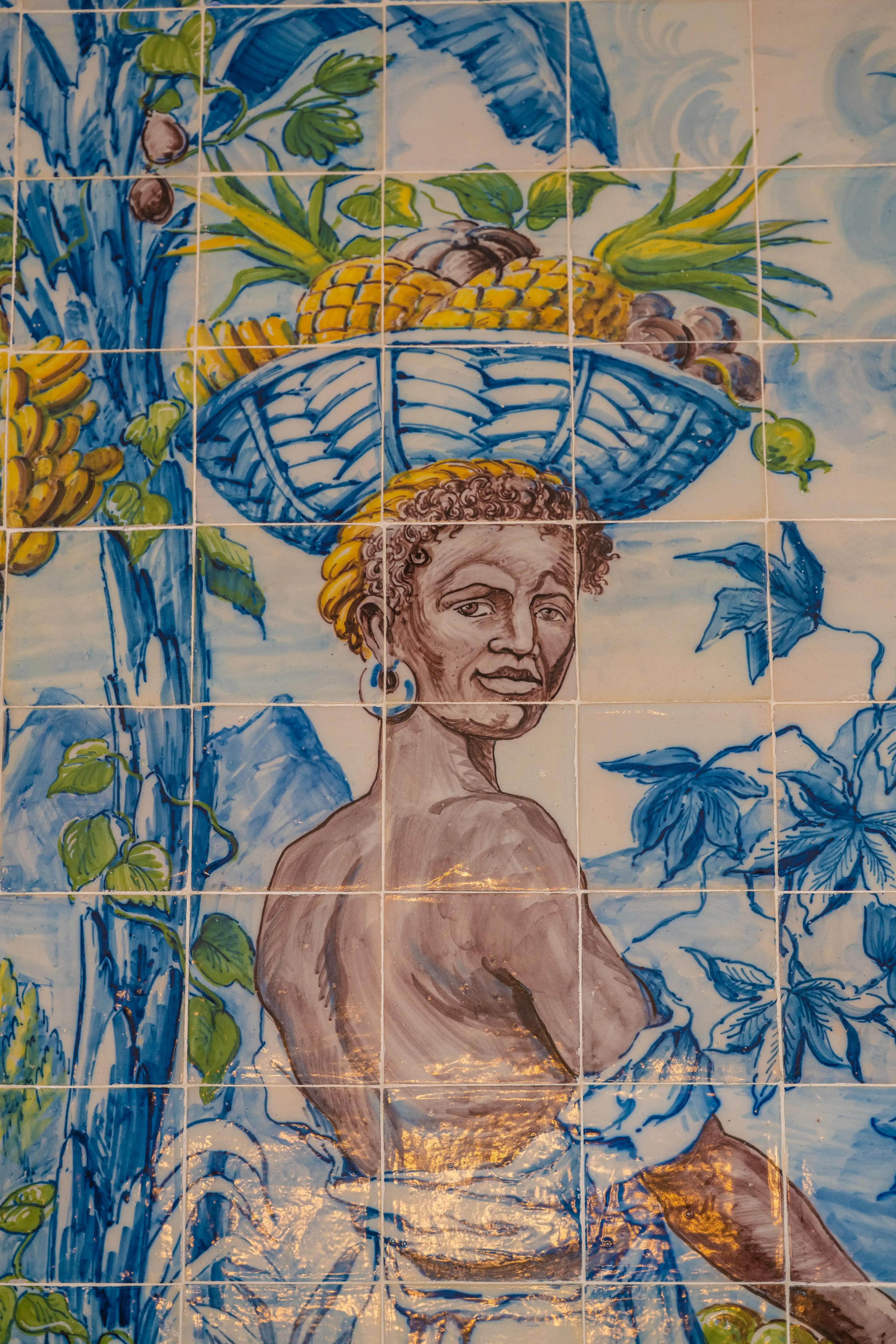
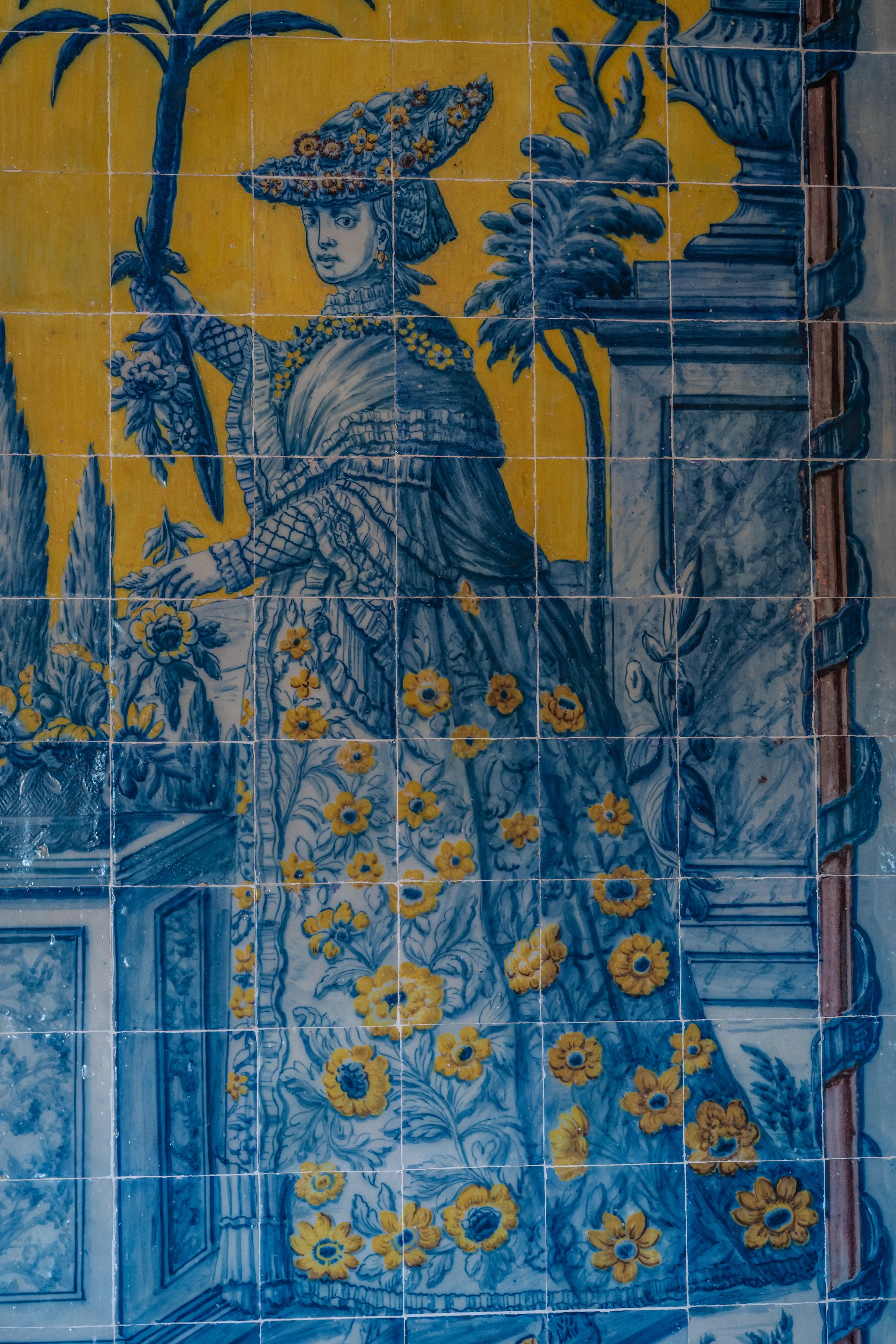
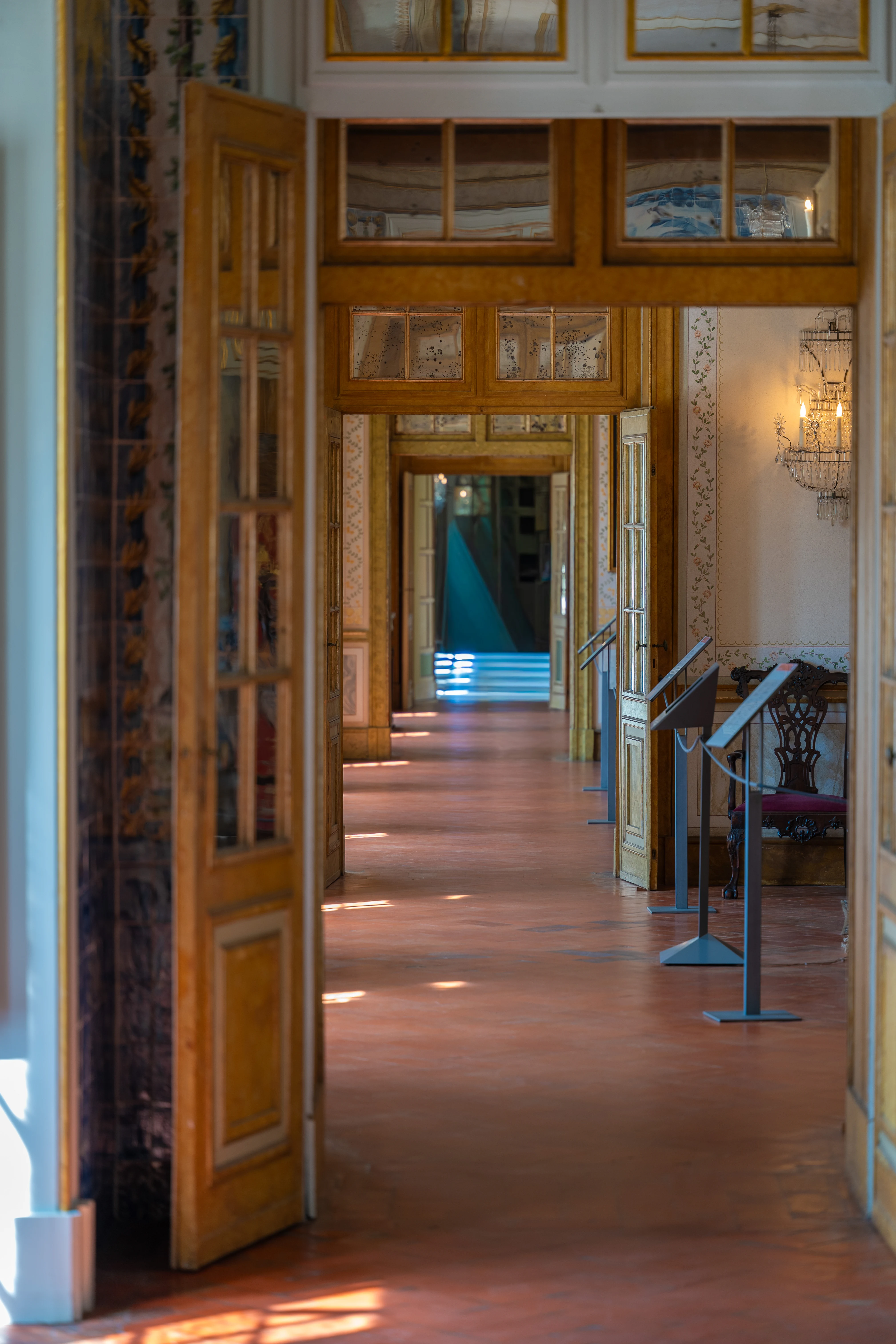
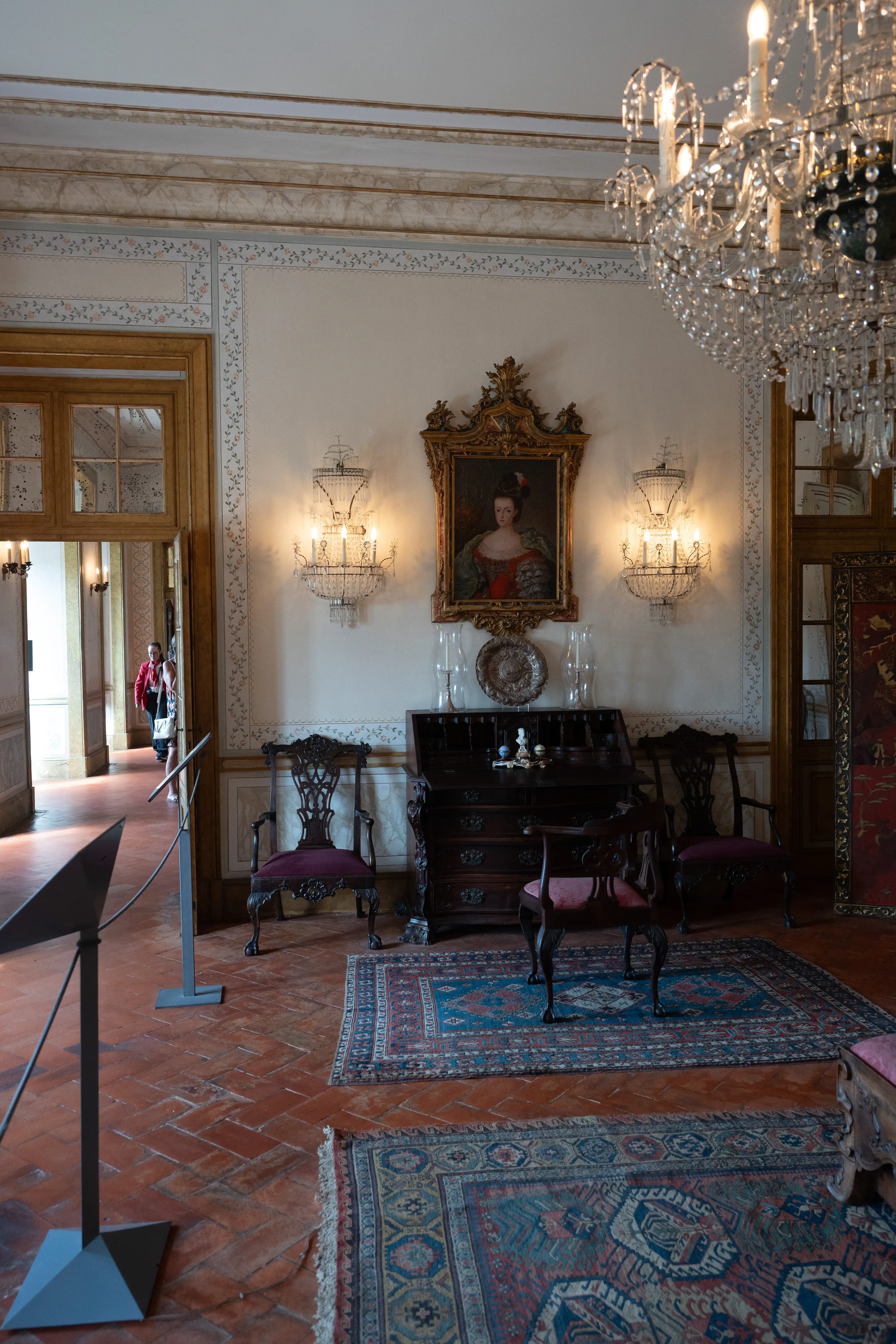
Palácio Nacional e Jardins de Queluz (Queluz Portugalal Palace and Gardens) is a magnificent 18th-century palace and its surrounding gardens located in Queluz, near Lisbon, Portugal. Often referred to as the "Portuguese Versailles", the palace is a masterpiece of Rococo and Neoclassical architecture, designed as a summer retreat for the Portuguese royal family. The palace and its exquisitely landscaped gardens reflect the opulence, artistry, and cultural heritage of Portugal during the Age of Enlightenment. Today, the palace and gardens are a major tourist attraction, offering visitors a glimpse into the lavish lifestyle of Portuguese royalty and the architectural and artistic brilliance of the era.
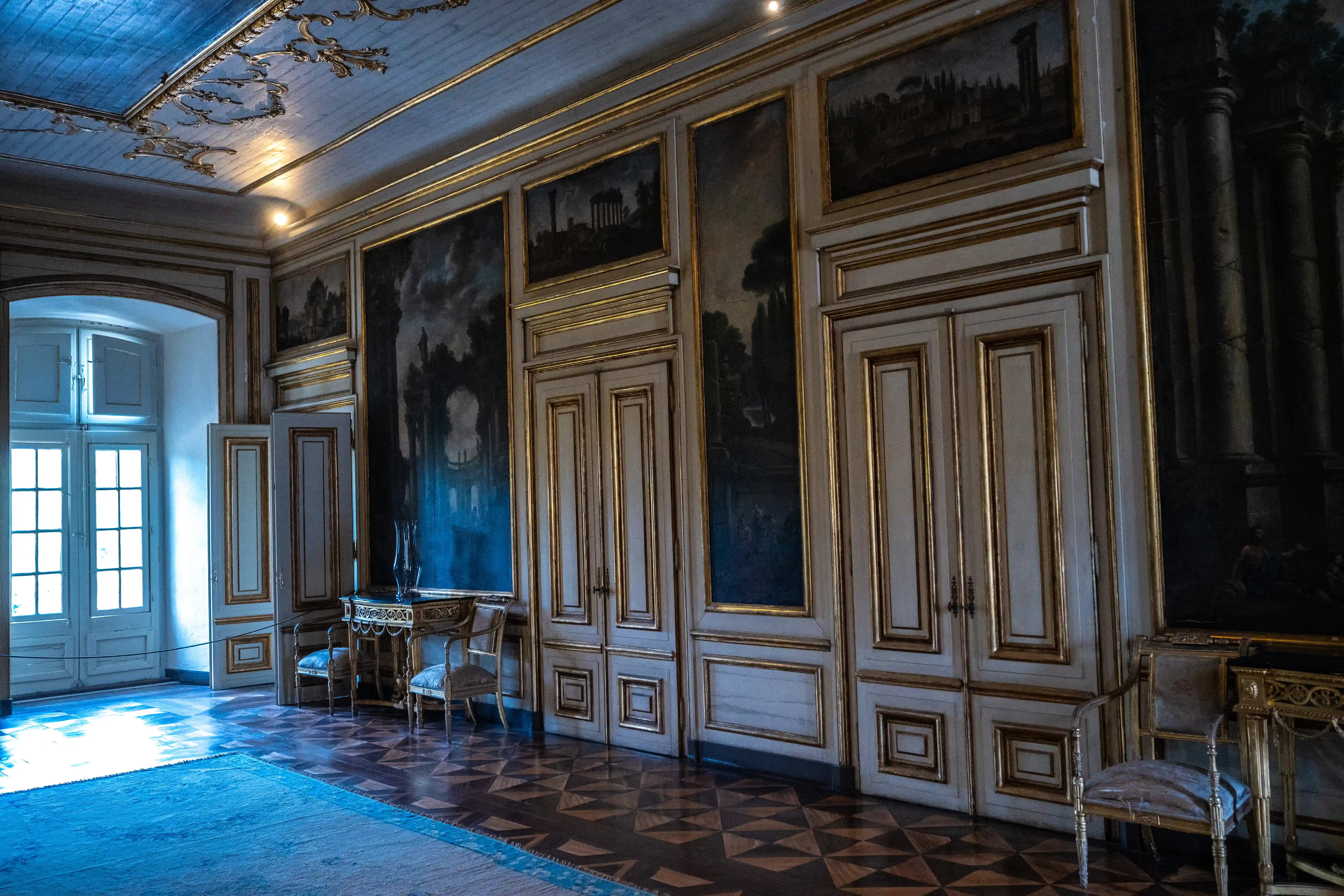
Rococo and Neoclassical Design – The palace is a masterpiece of Rococo and Neoclassical architecture, designed by the Portuguese architect Mateus Vicente de Oliveira and later expanded by Jean-Baptiste Robillon, a French architect who introduced Neoclassical elements. The palace’s ornate interiors, grand facades, and intricate details reflect the opulence and artistic sophistication of the era.
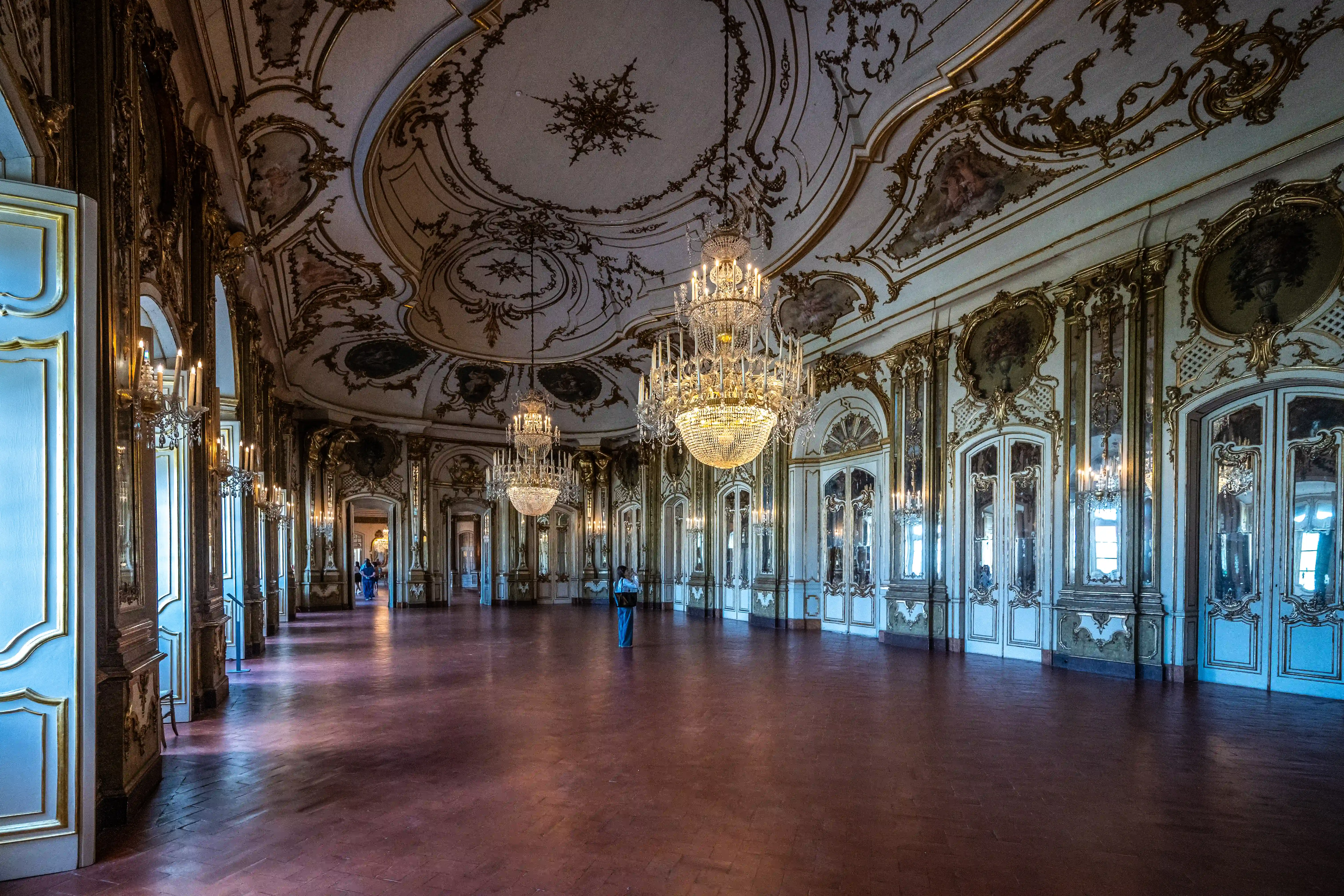
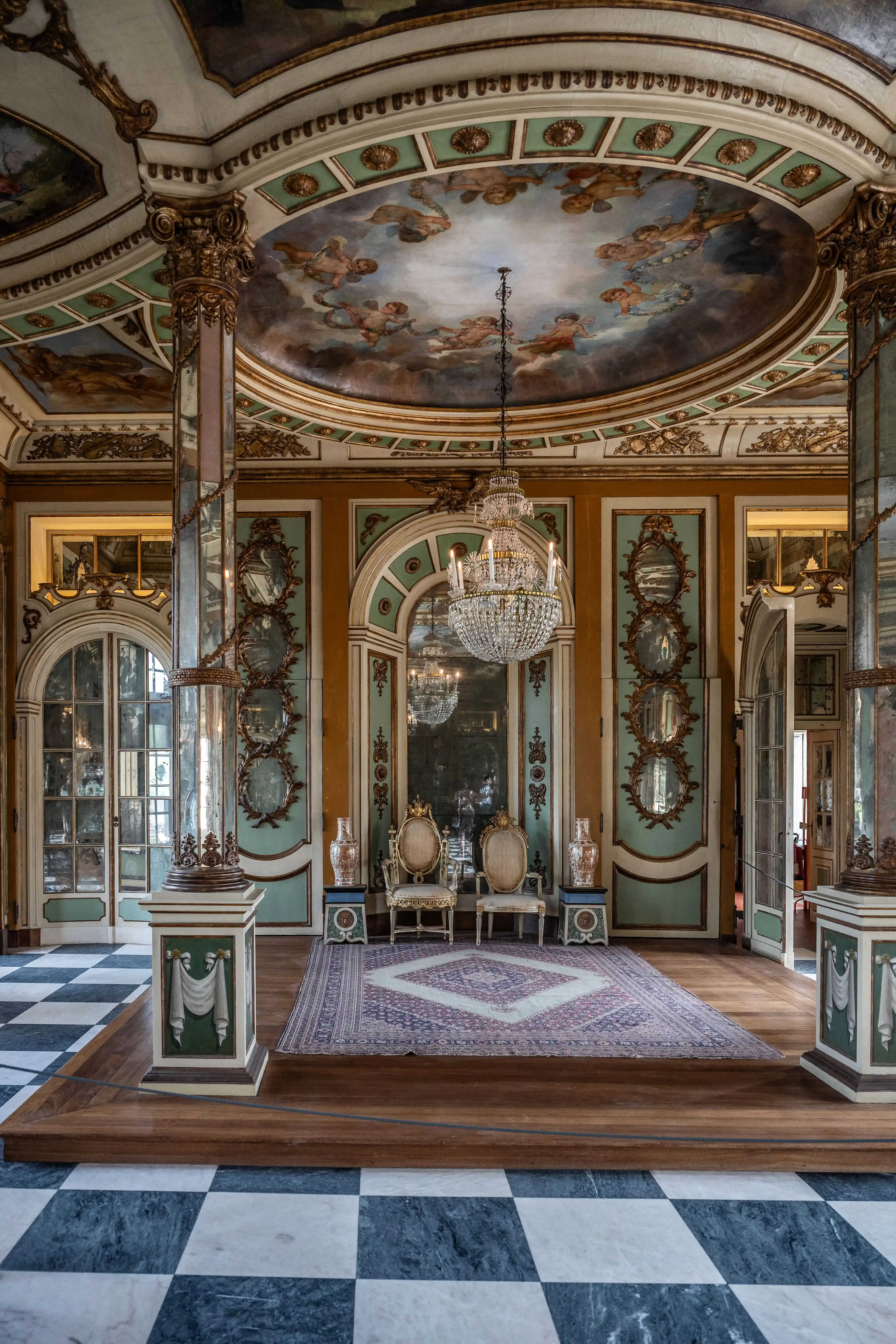
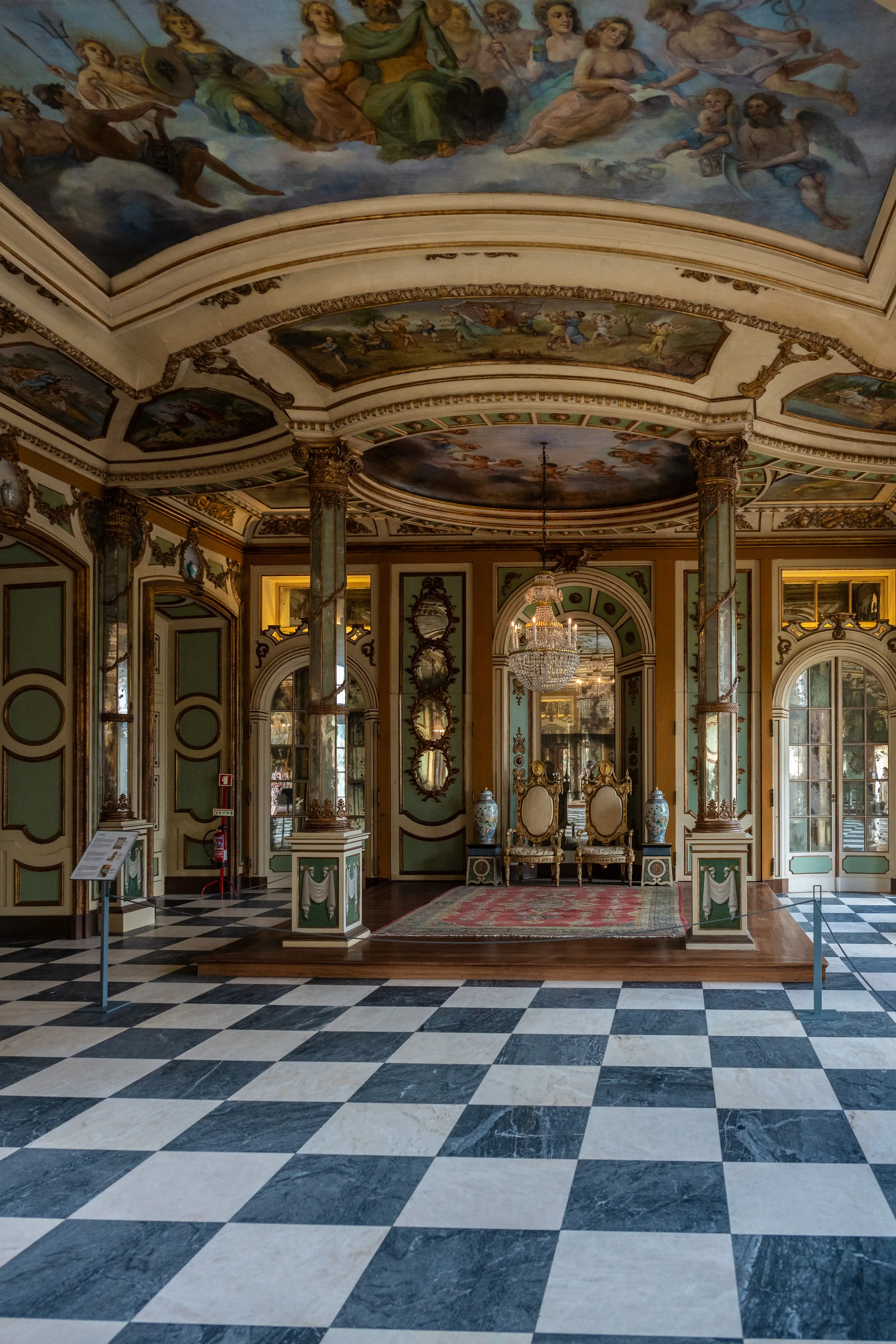
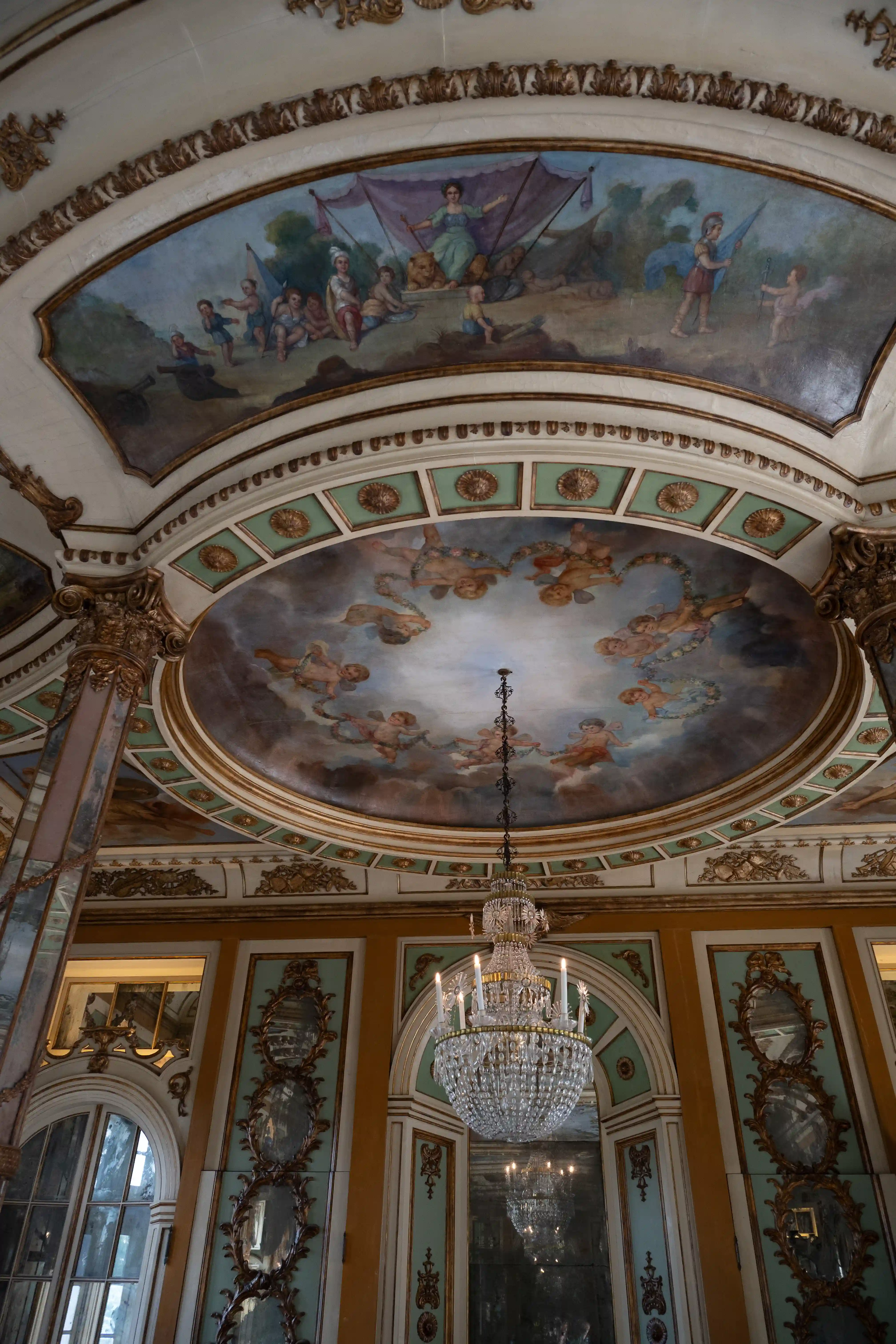
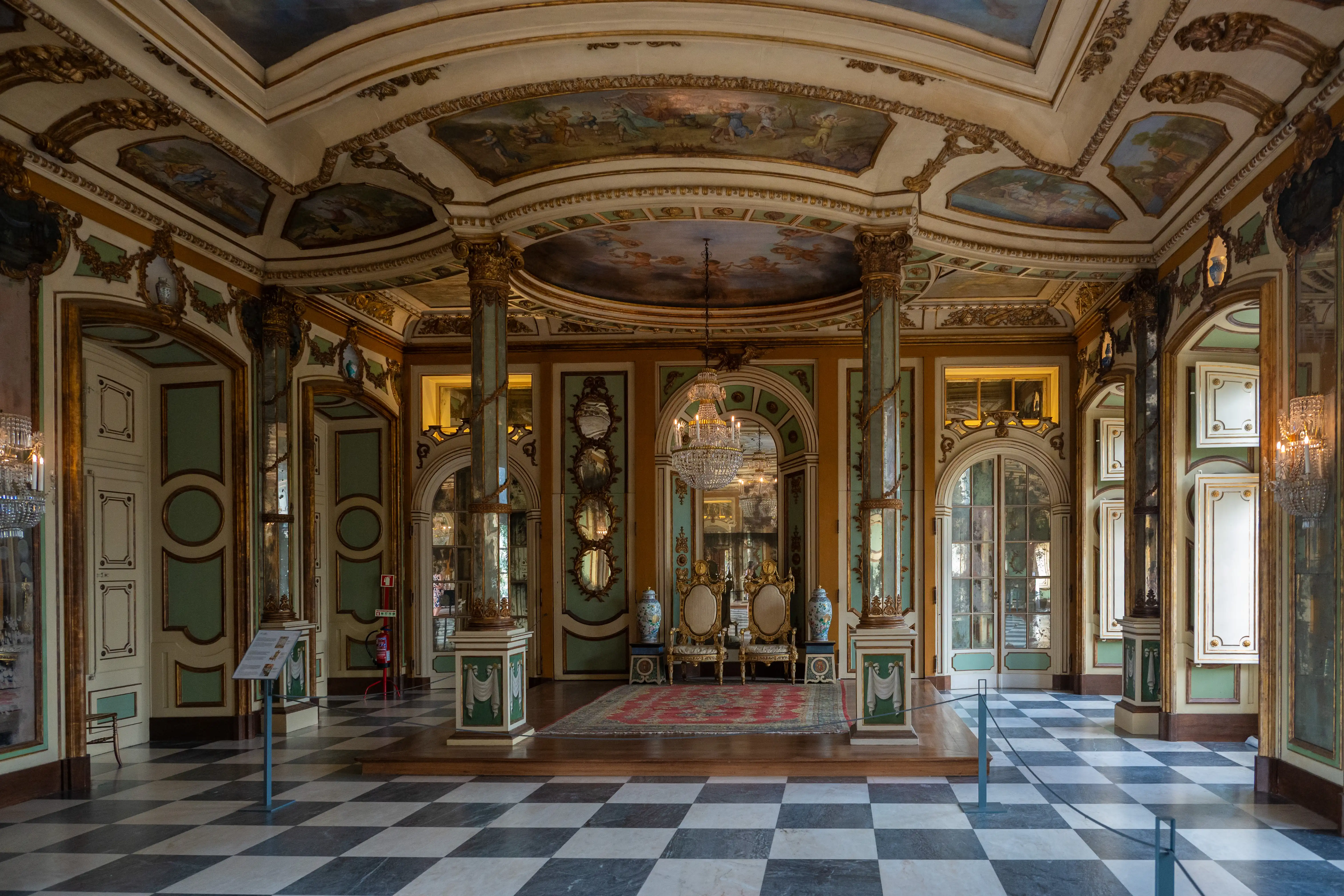
Sala do Trono (Throne Room) – A grand and opulent room featuring gilded carvings, mirrors, and a magnificent throne. The Throne Room was used for royal ceremonies and audiences and is a highlight of the palace’s interior.
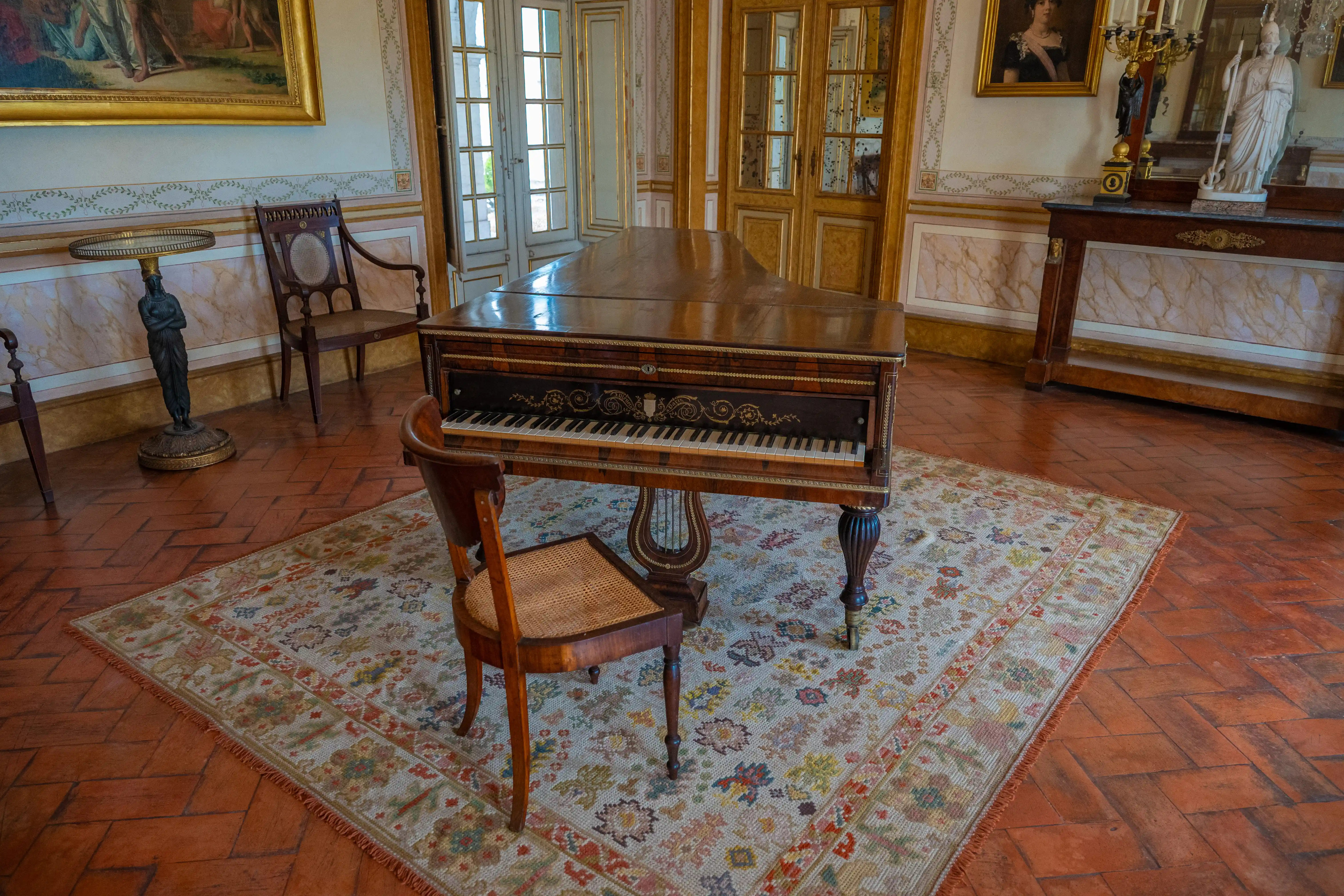
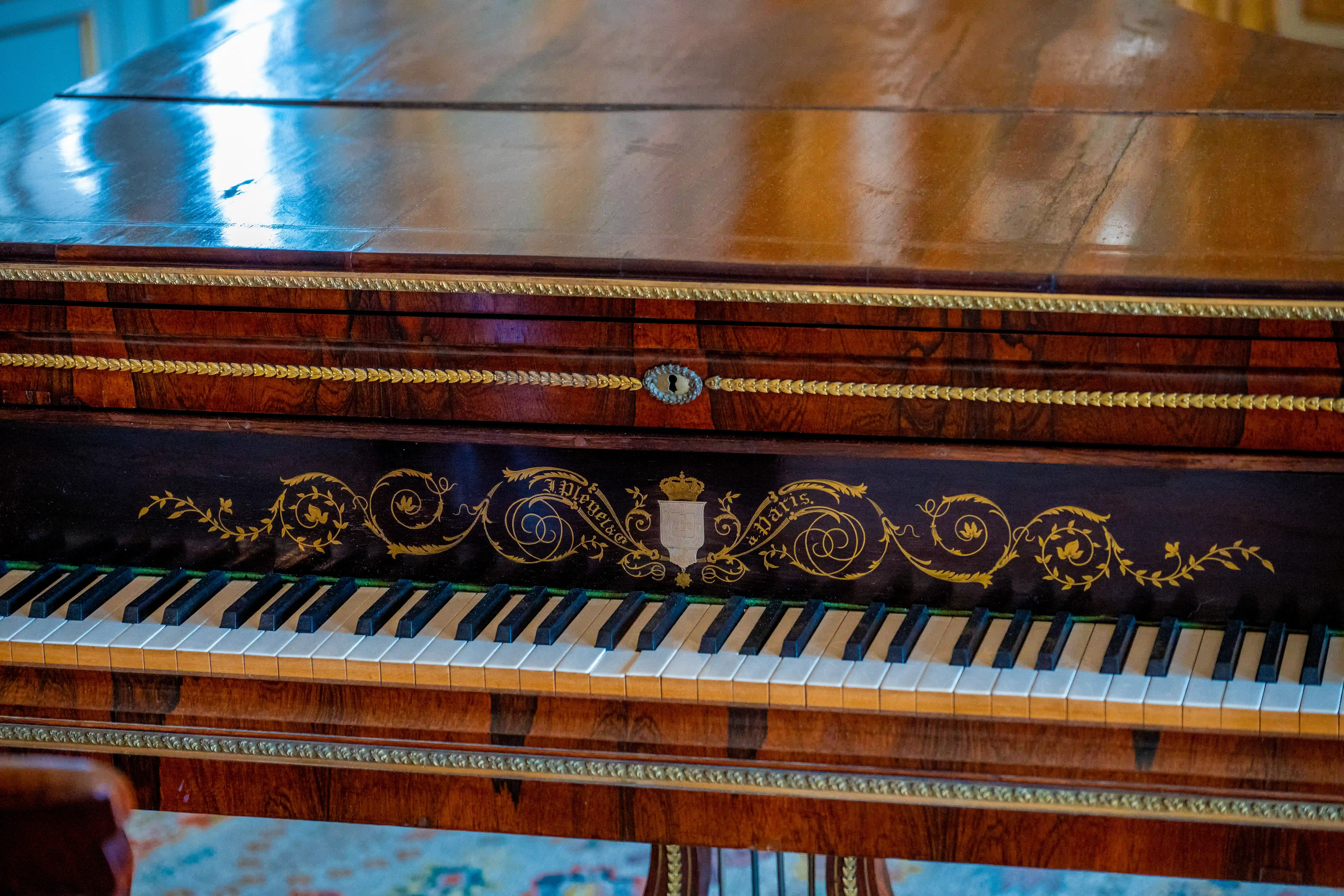
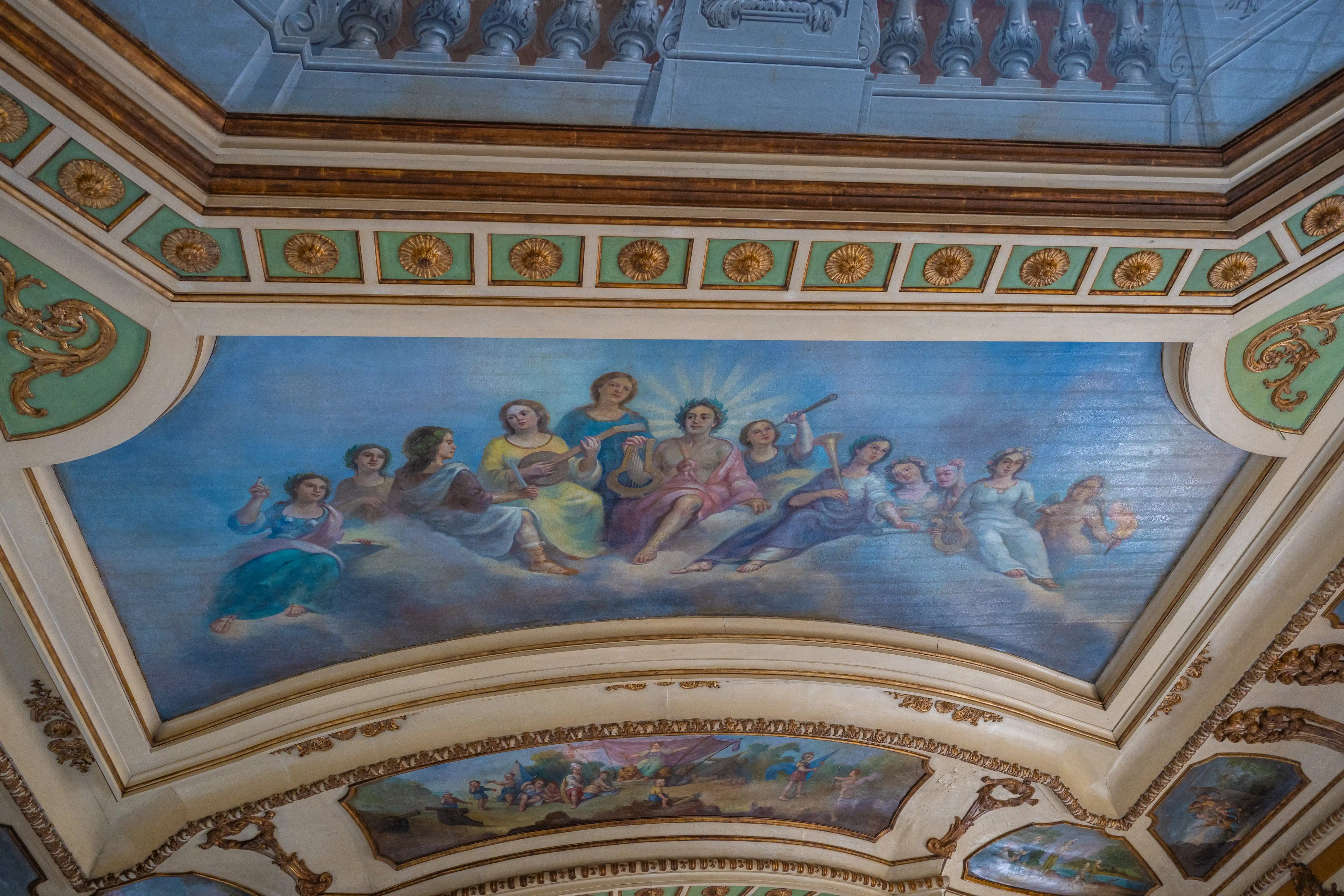
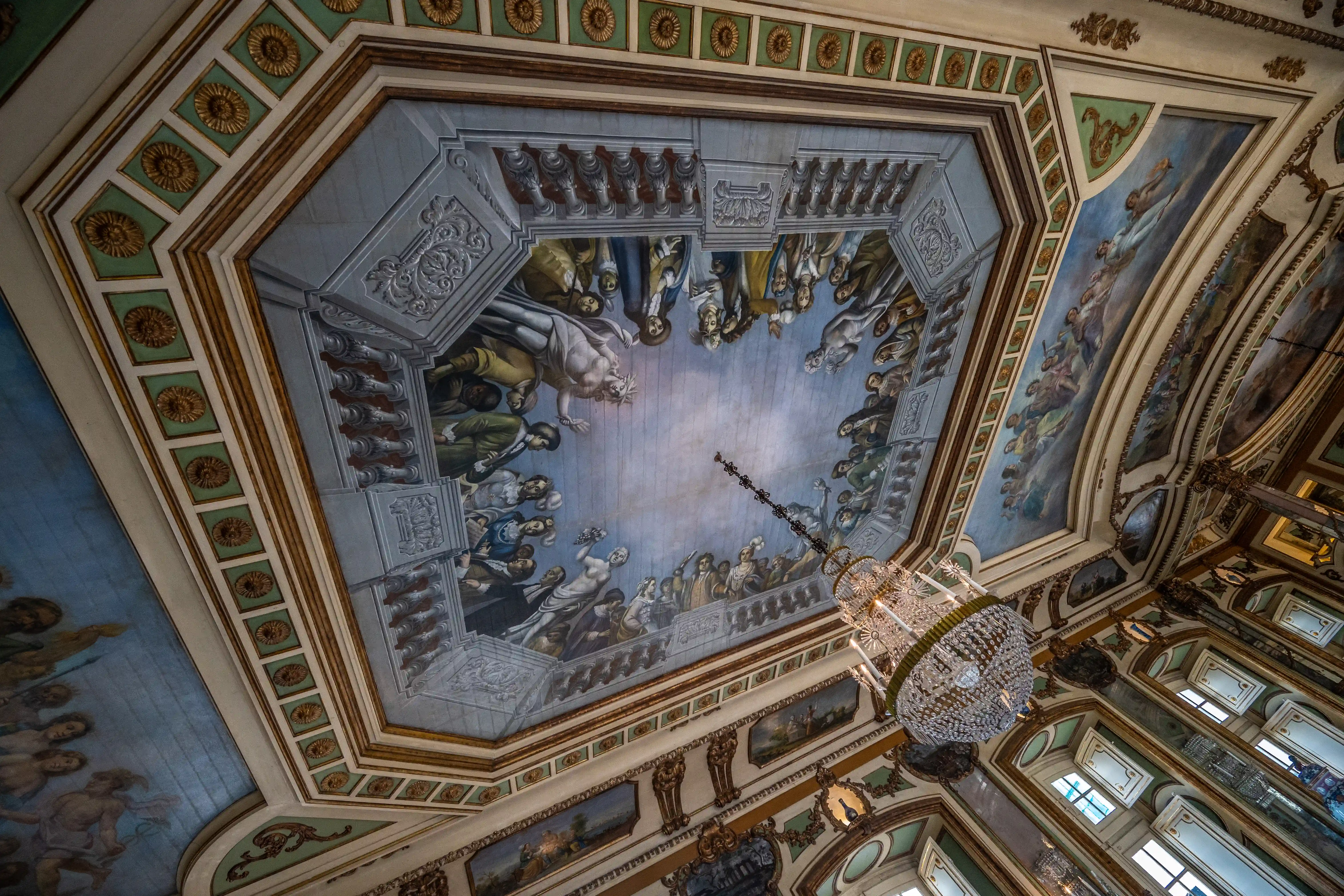
Sala de Música (Music Room) – A beautifully decorated room with intricate stucco work, frescoes, and a stunning ceiling painting. The Music Room was a center of entertainment for the royal family, hosting concerts and performances.
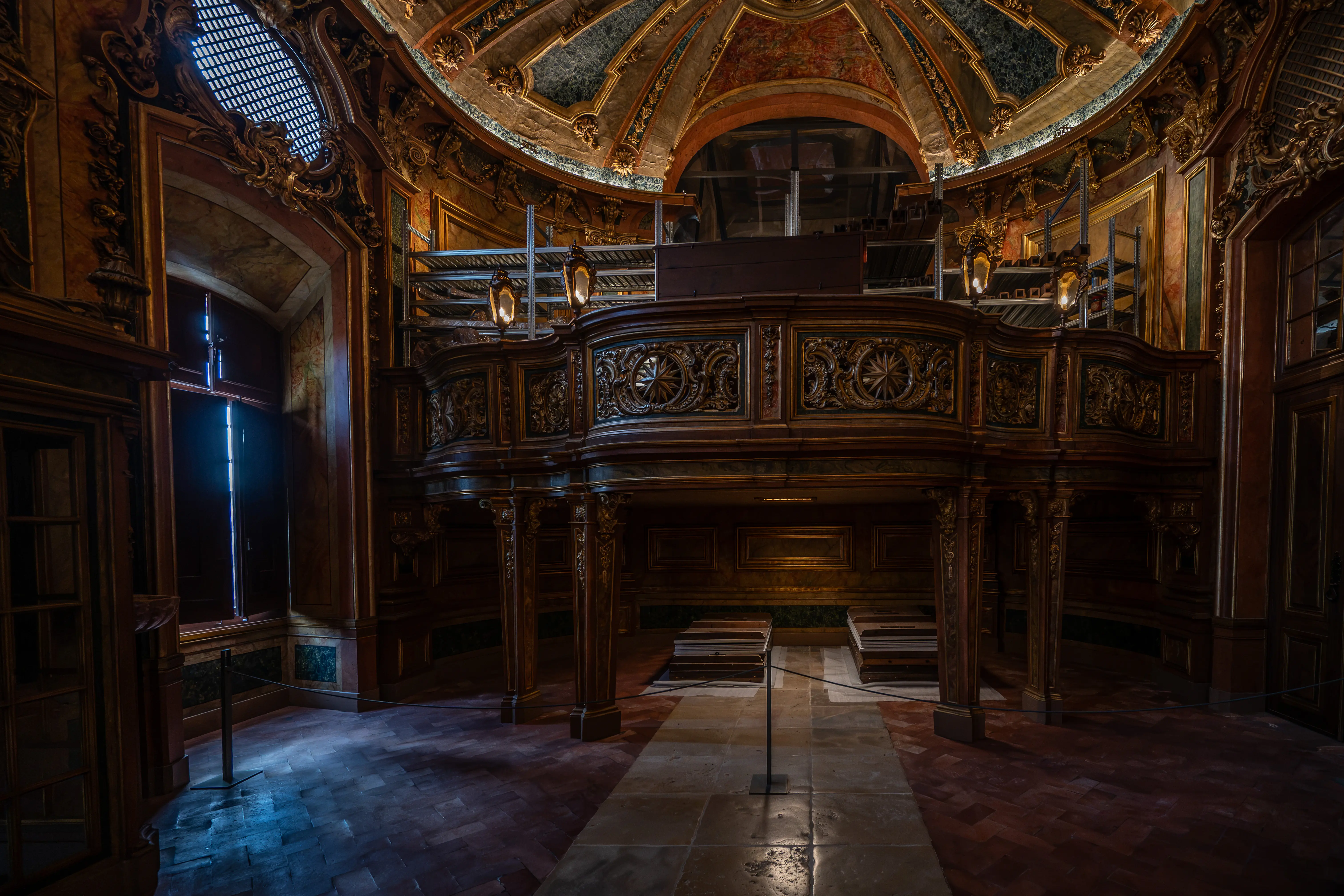
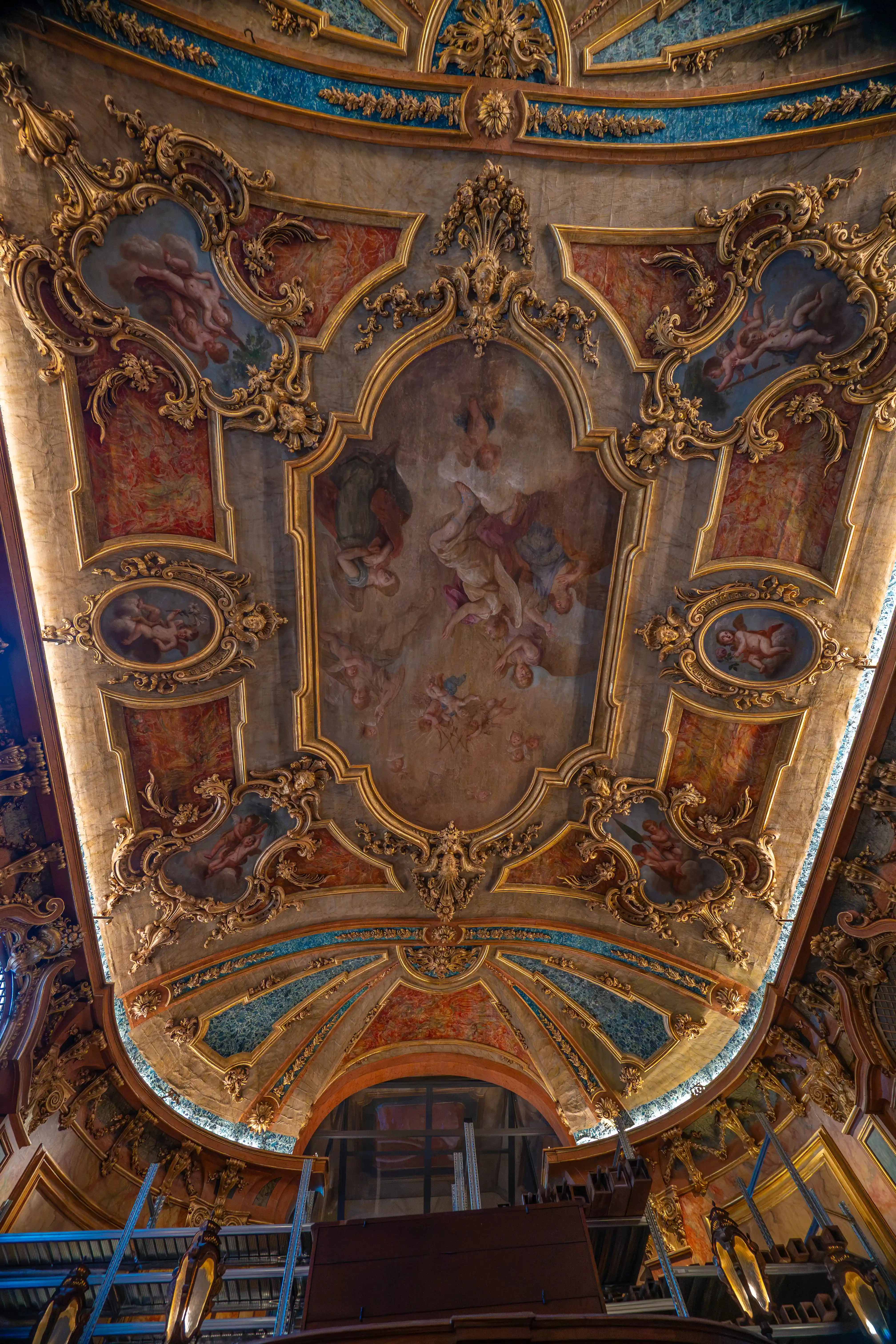
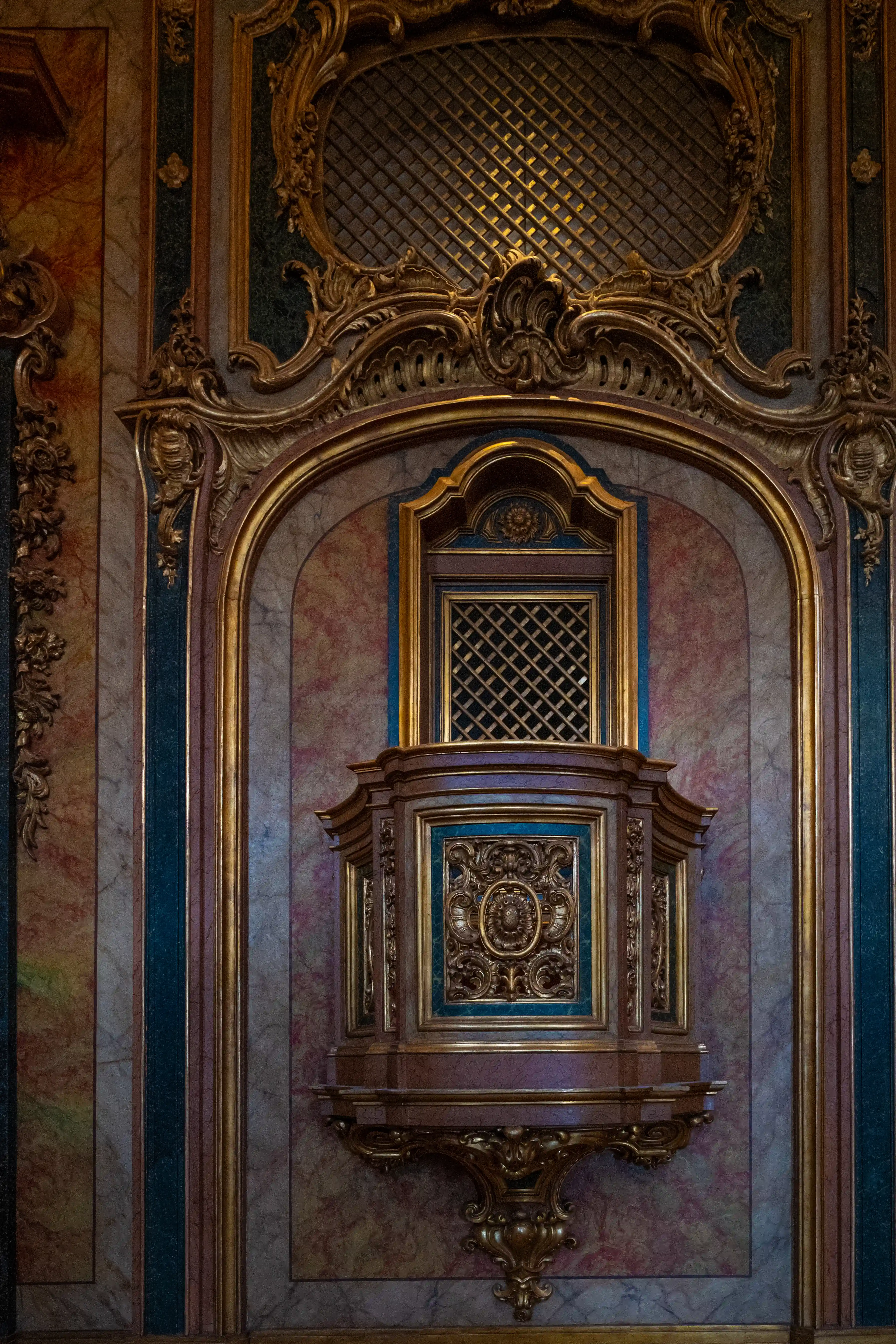
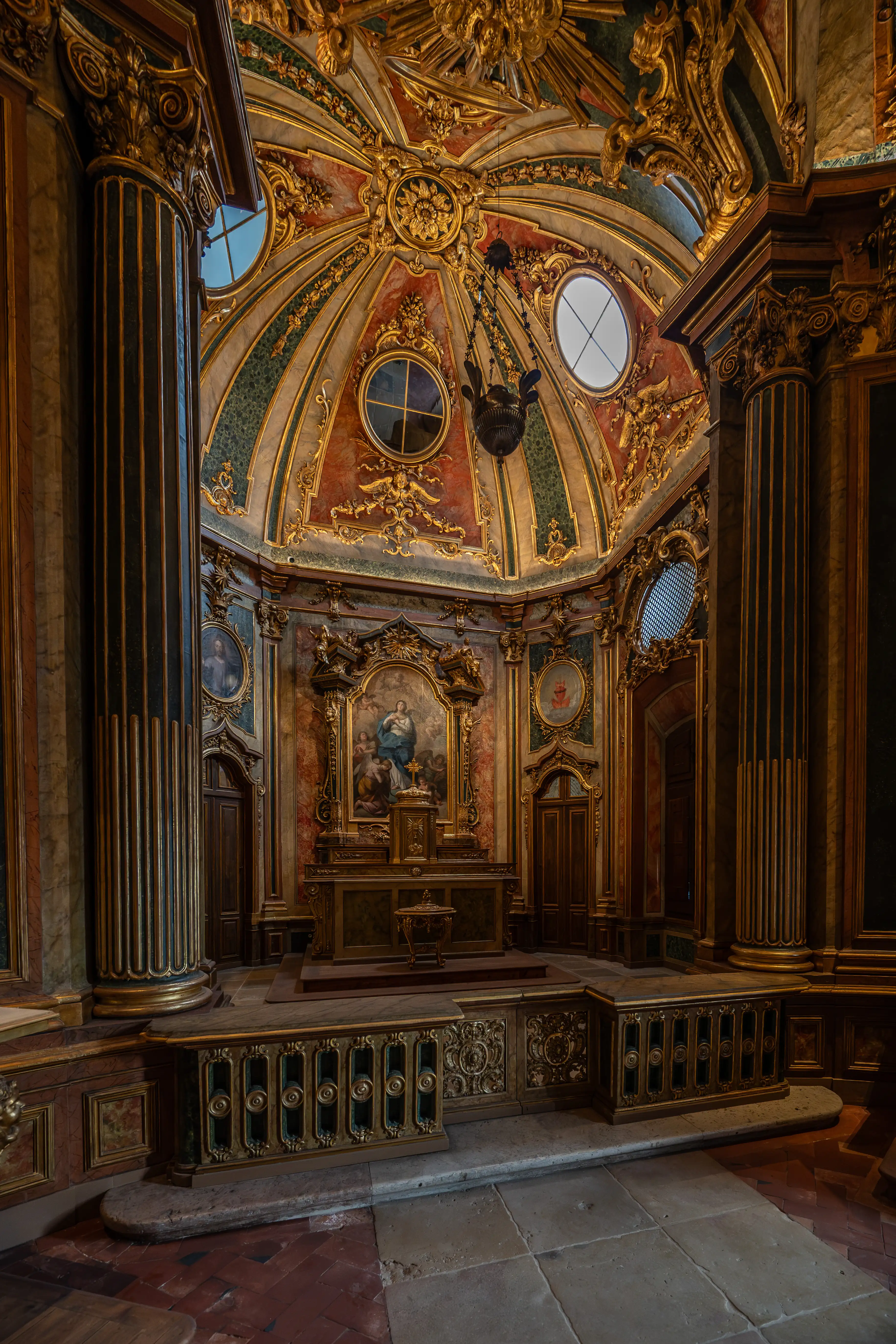
Capela Real (Royal Chapel) – A Baroque-style chapel adorned with gilded altarpieces, religious paintings, and ornate decorations. The chapel was used for royal religious ceremonies and remains a symbol of the palace’s spiritual heritage.
Sala dos Embaixadores (Ambassadors' Room) – A lavishly decorated room featuring portraits of Portuguese monarchs, diplomatic gifts, and historical artifacts. The room was used for receiving foreign dignitaries and showcases the diplomatic history of Portugal.
Sala de Jantar (Dining Room) – A grand dining room with elaborate table settings, chandeliers, and frescoes. The room was used for royal banquets and feasts and reflects the lavish lifestyle of the Portuguese monarchy.
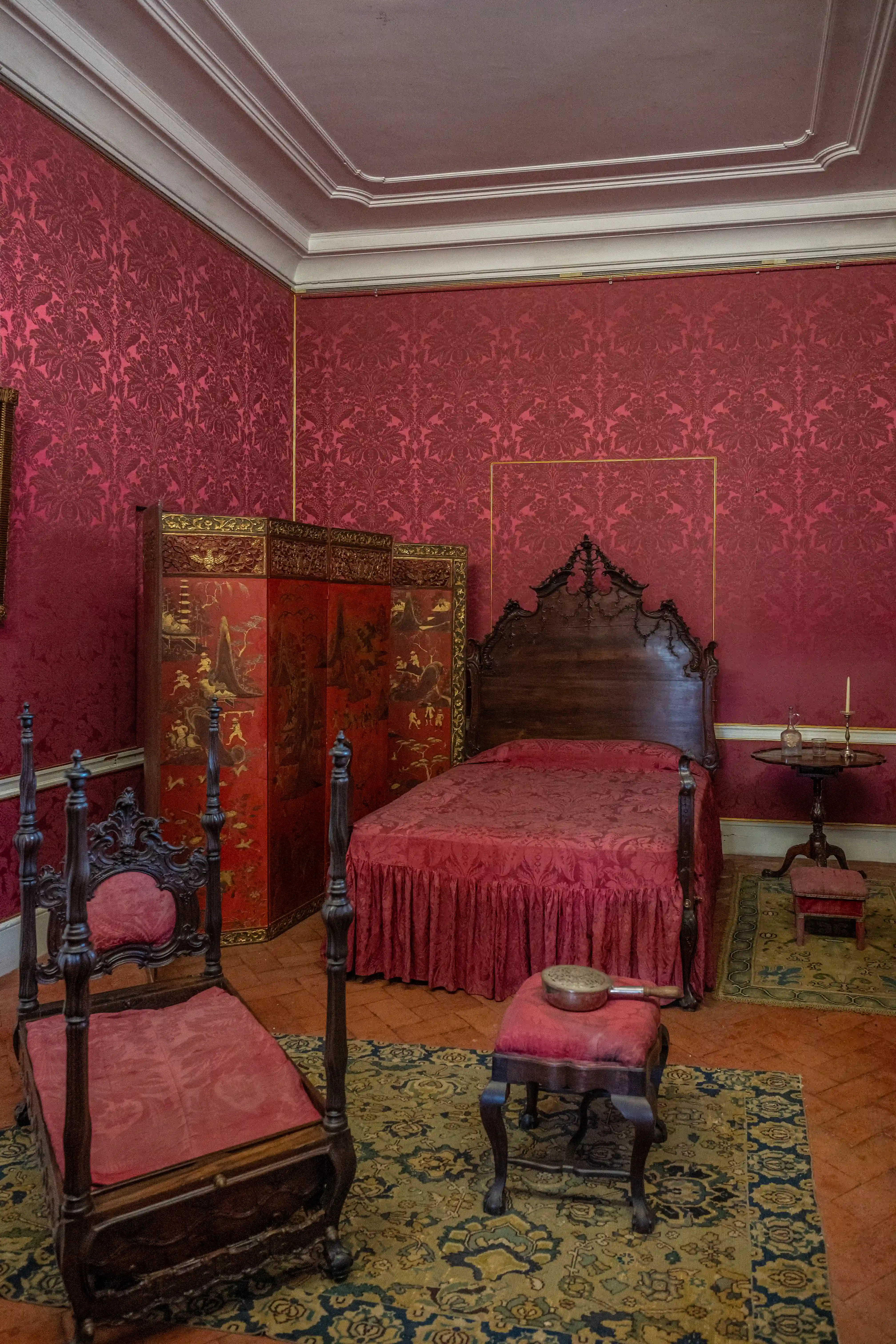
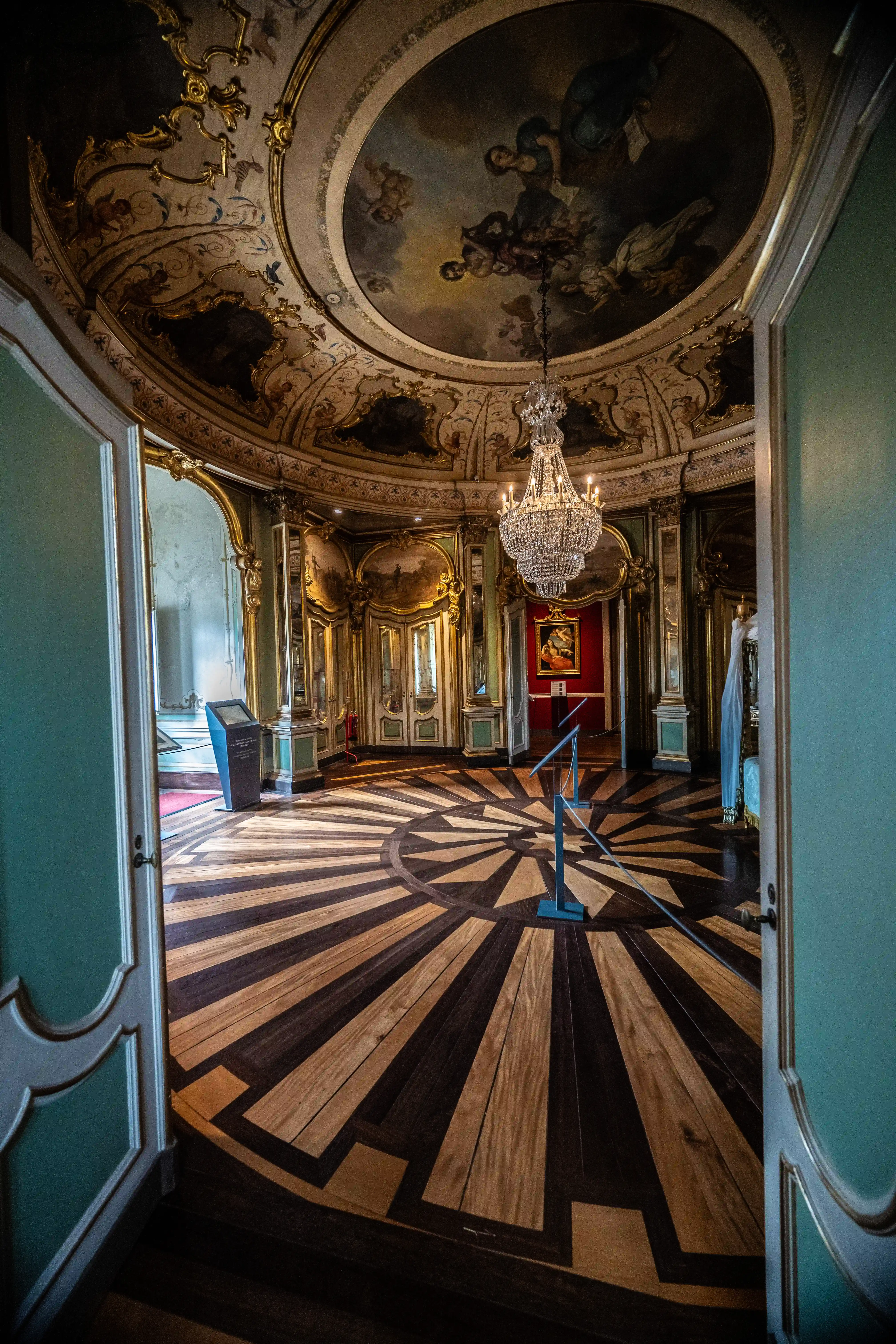
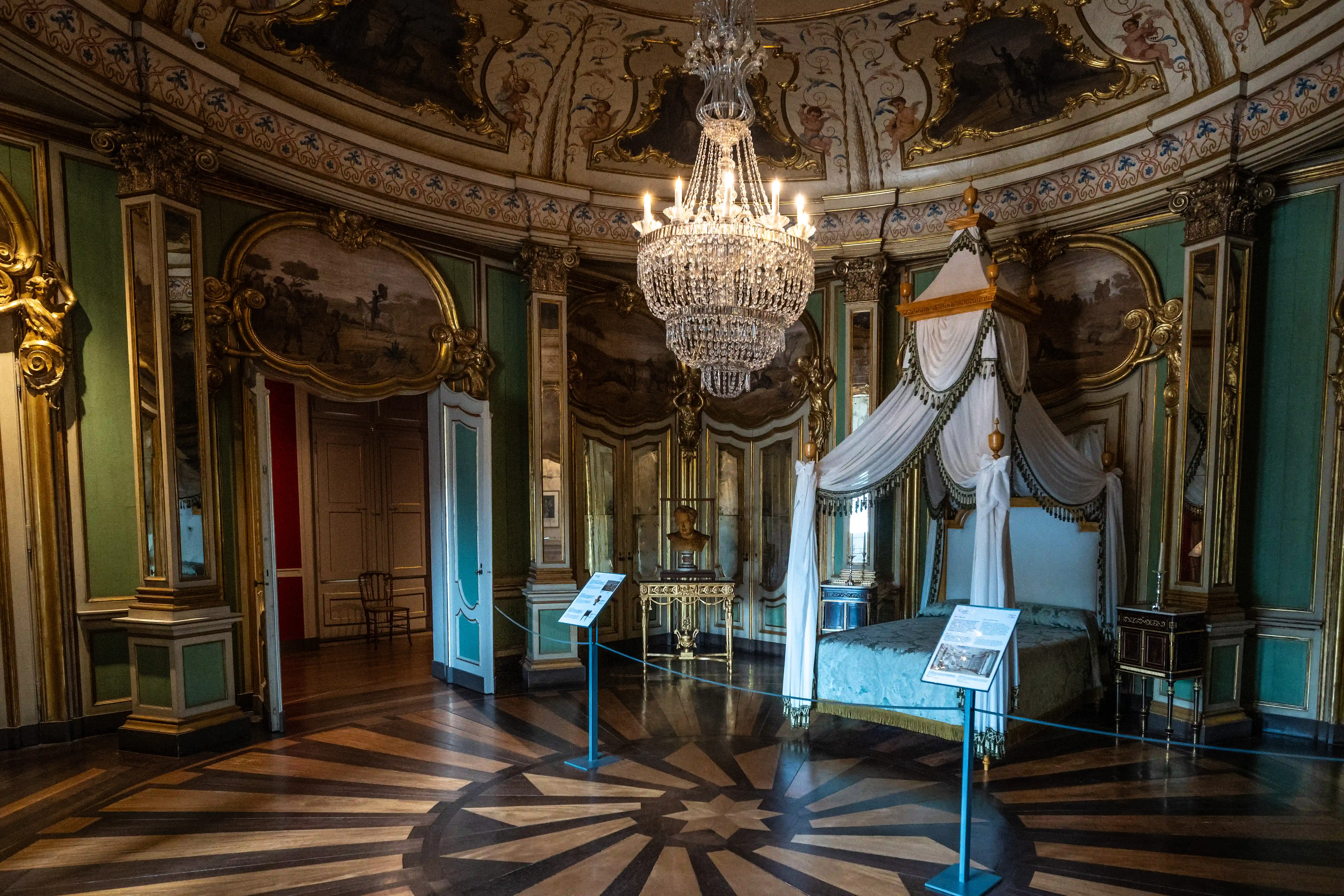
Royal Apartments – The private quarters of the Portuguese royal family, including the King’s and Queen’s Bedrooms, which feature opulent furnishings, tapestries, and personal artifacts. These apartments offer a glimpse into the intimate lives of the monarchy.
Historical and Cultural Significance
Royal Summer Retreat – The Palácio Nacional de Queluz was built in the 18th century as a summer retreat for the Portuguese royal family, particularly King José I and his wife, Queen Mariana Victoria of Spain. The palace was designed to escape the heat of Lisbon and provide a luxurious and leisurely environment for the monarchy.
Age of Enlightenment – The palace and gardens reflect the cultural and artistic ideals of the Age of Enlightenment, a period marked by intellectual growth, scientific advancement, and artistic innovation. The palace’s Rococo and Neoclassical design and its opulent interiors are a testament to the era’s emphasis on beauty, symmetry, and grandeur.
Portuguese Versailles – The palace is often referred to as the "Portuguese Versailles" due to its similarities to the Palace of Versailles in France. Both palaces were designed as royal summer retreats and feature grand architecture, lavish interiors, and exquisitely landscaped gardens.
Cultural Hub – During the 18th and 19th centuries, the palace was a center of cultural and intellectual life in Portugal. It hosted concerts, performances, and gatherings of the Portuguese elite, including writers, artists, and politicians.
Historical Events – The palace was the site of numerous historical events, including royal weddings, diplomatic negotiations, and political decisions. It also served as a residence for foreign dignitaries and a symbol of Portugal’s royal and cultural heritage.