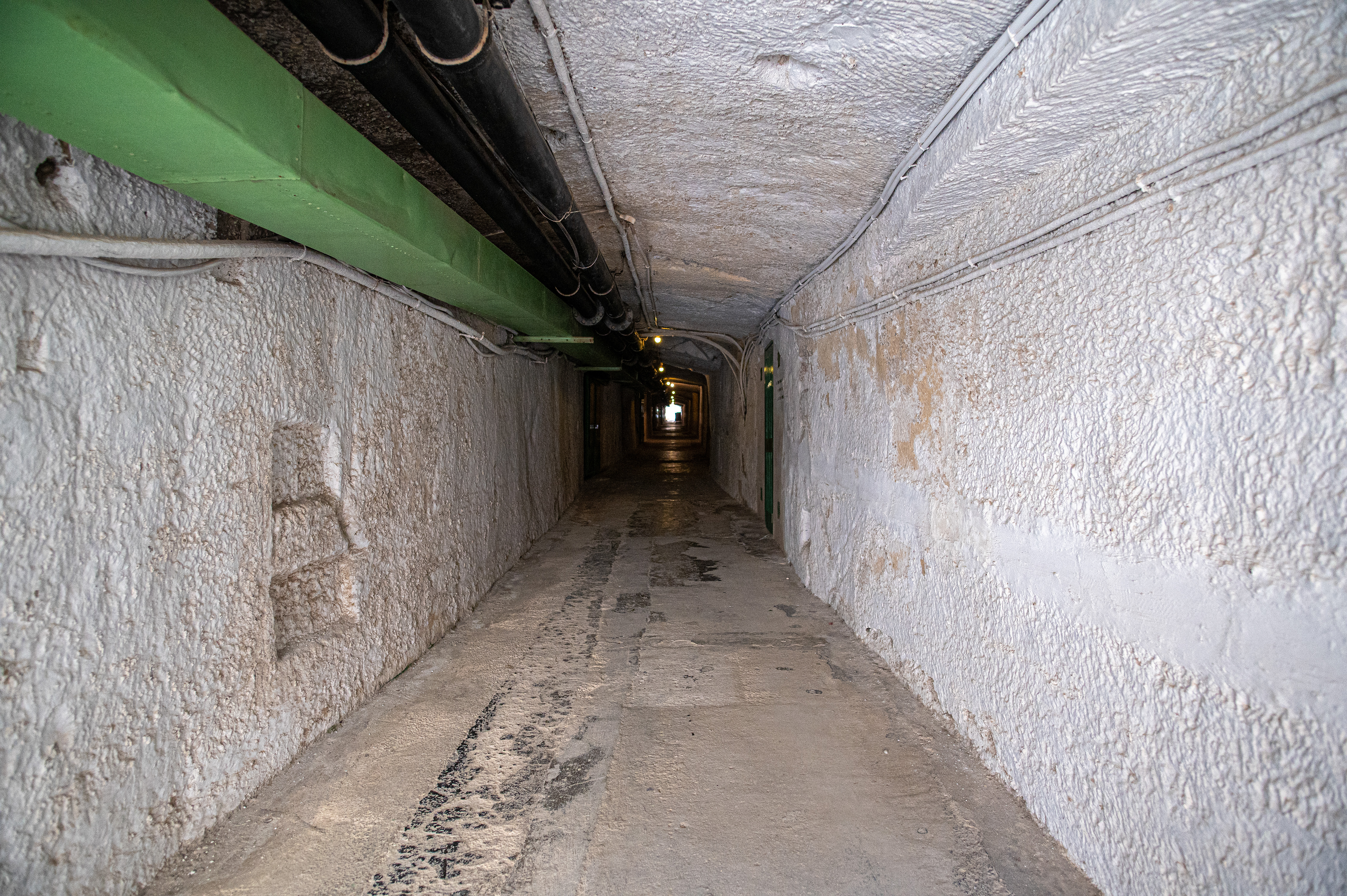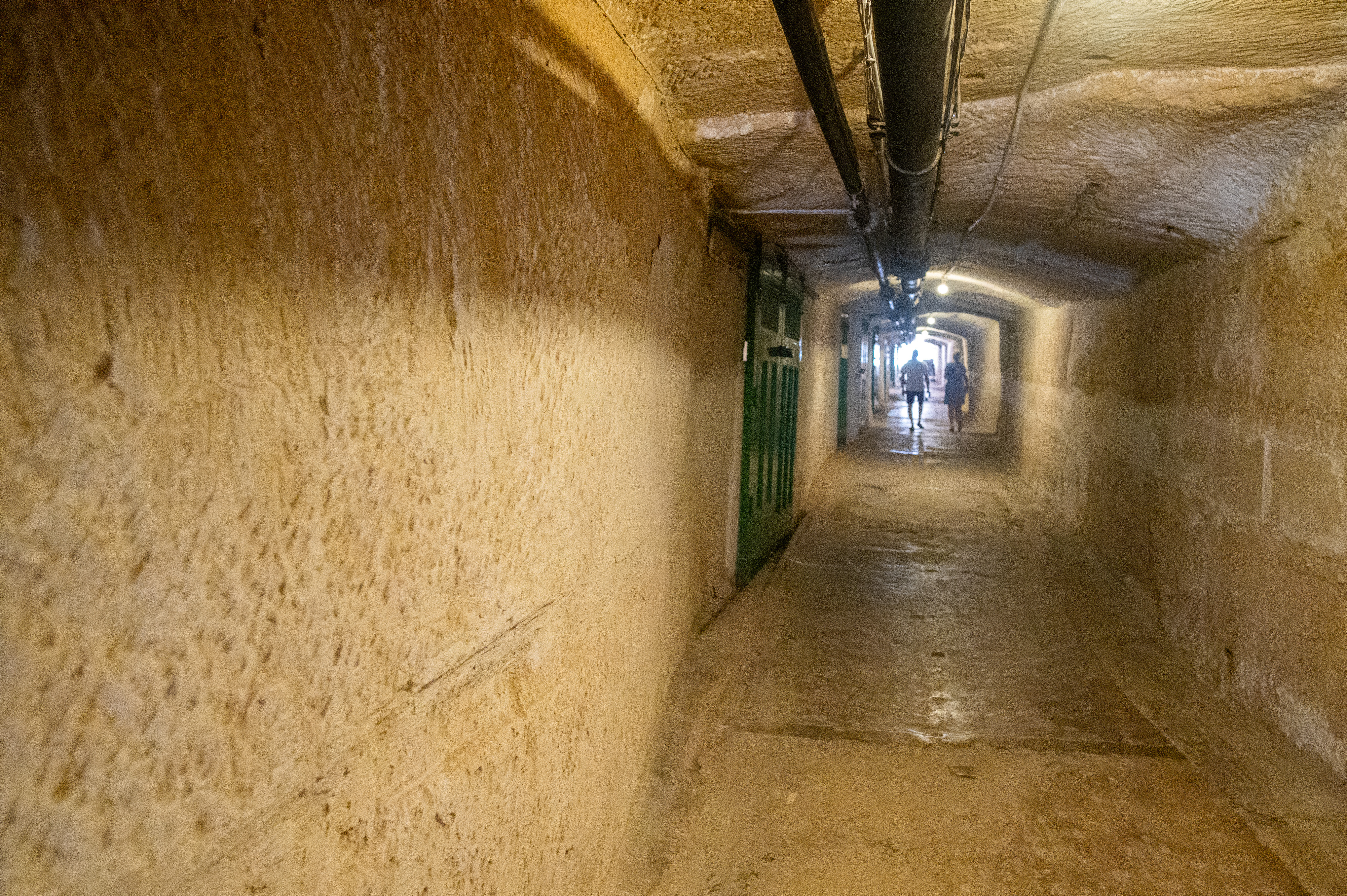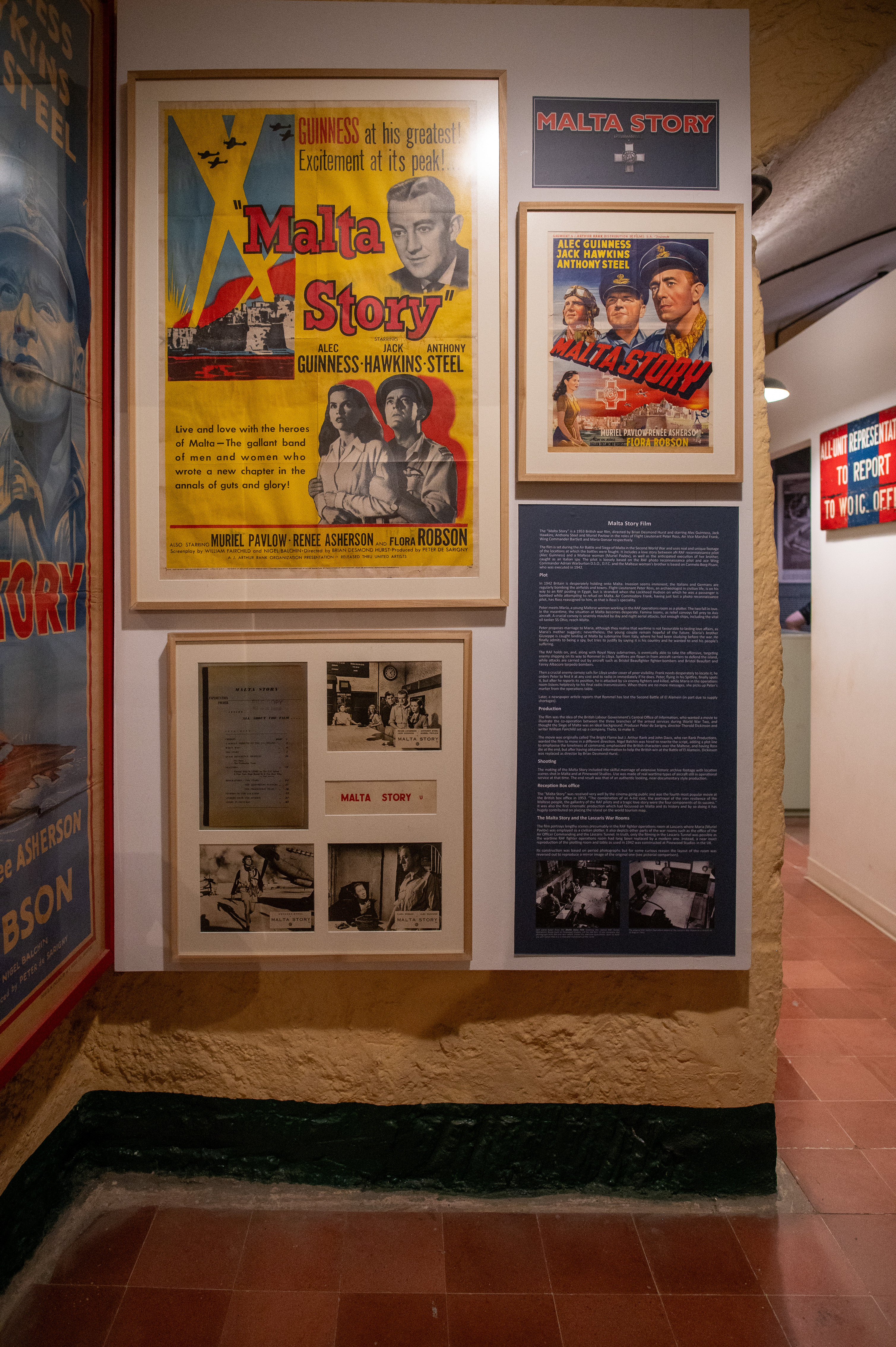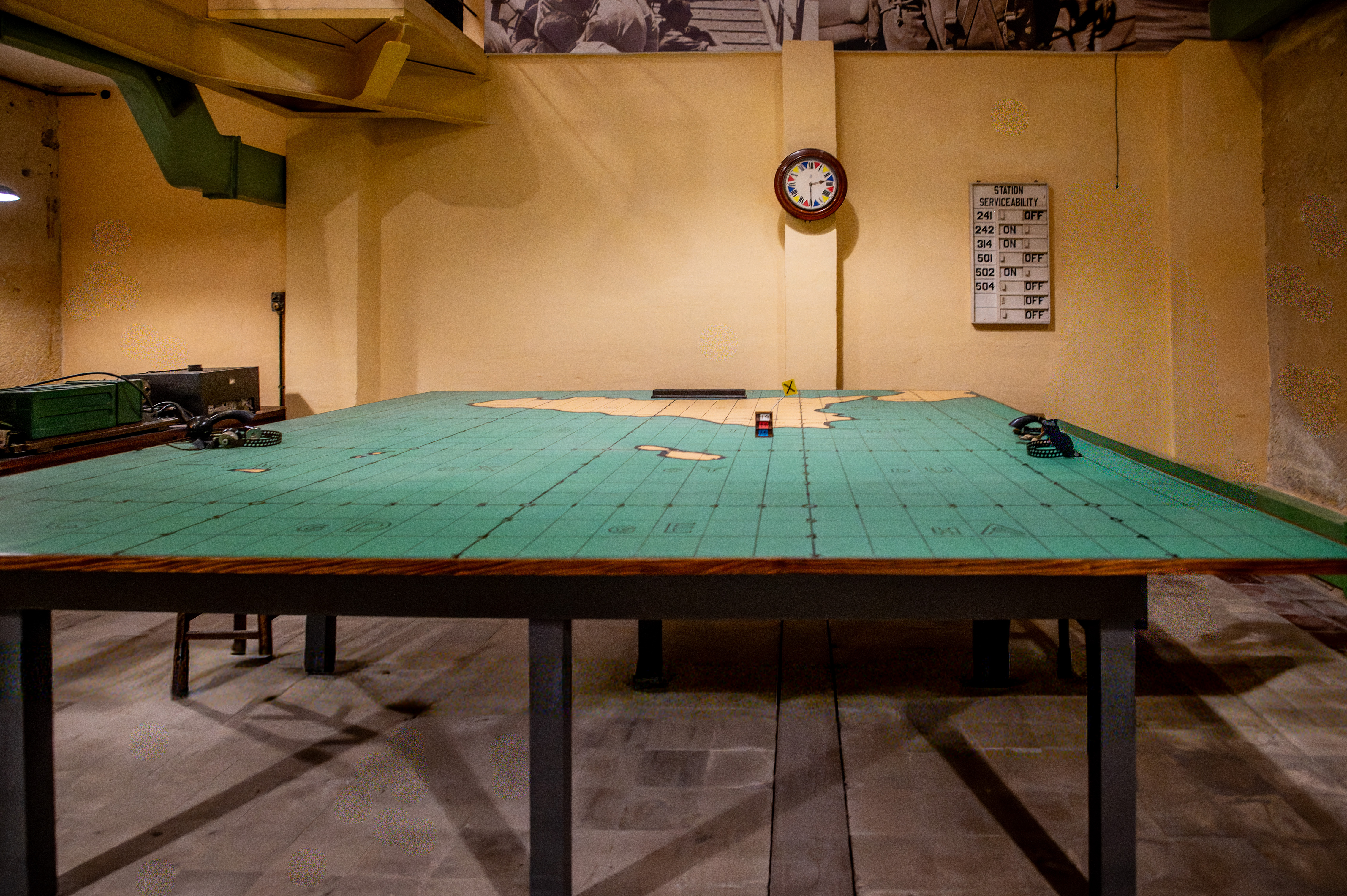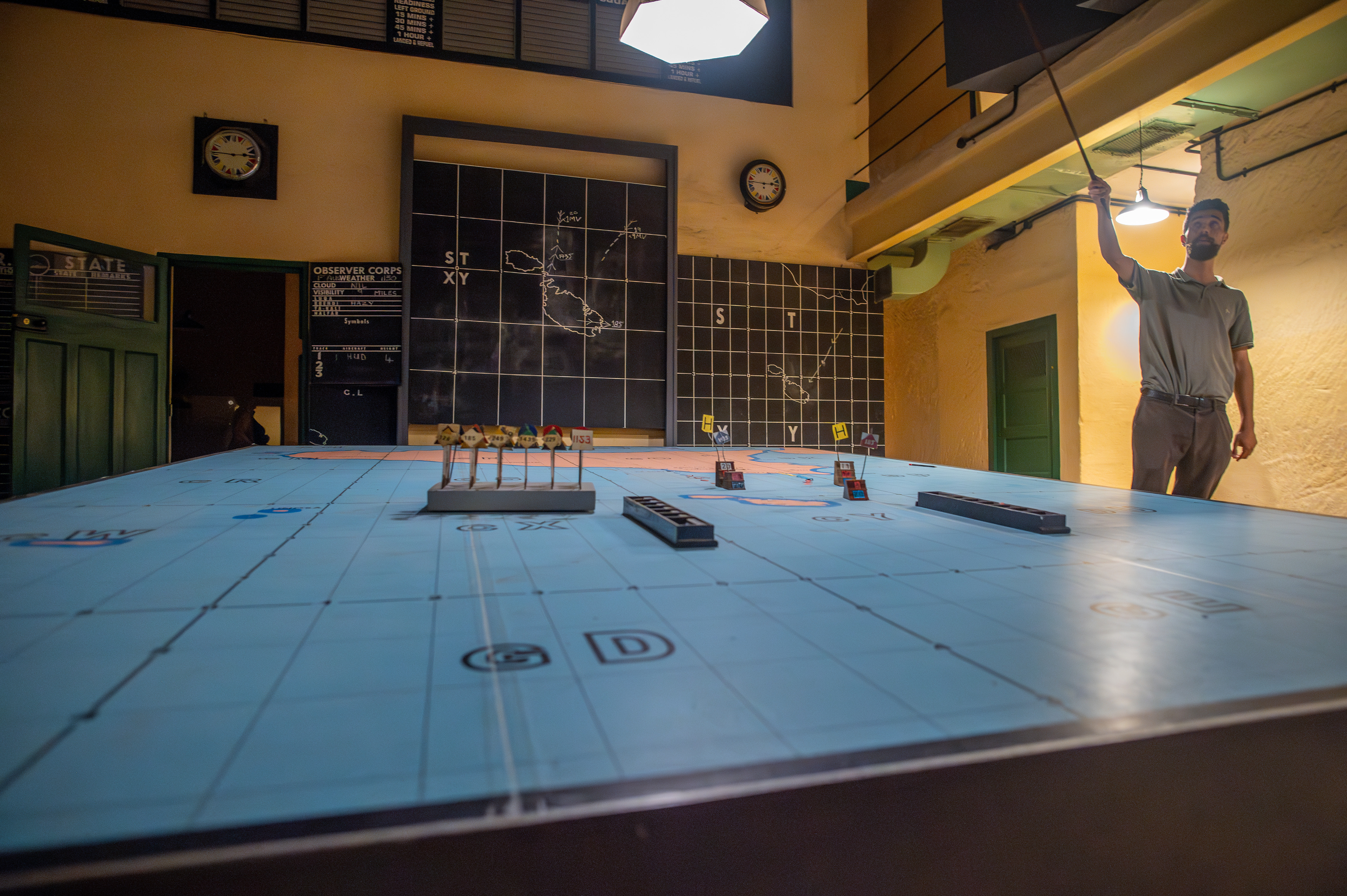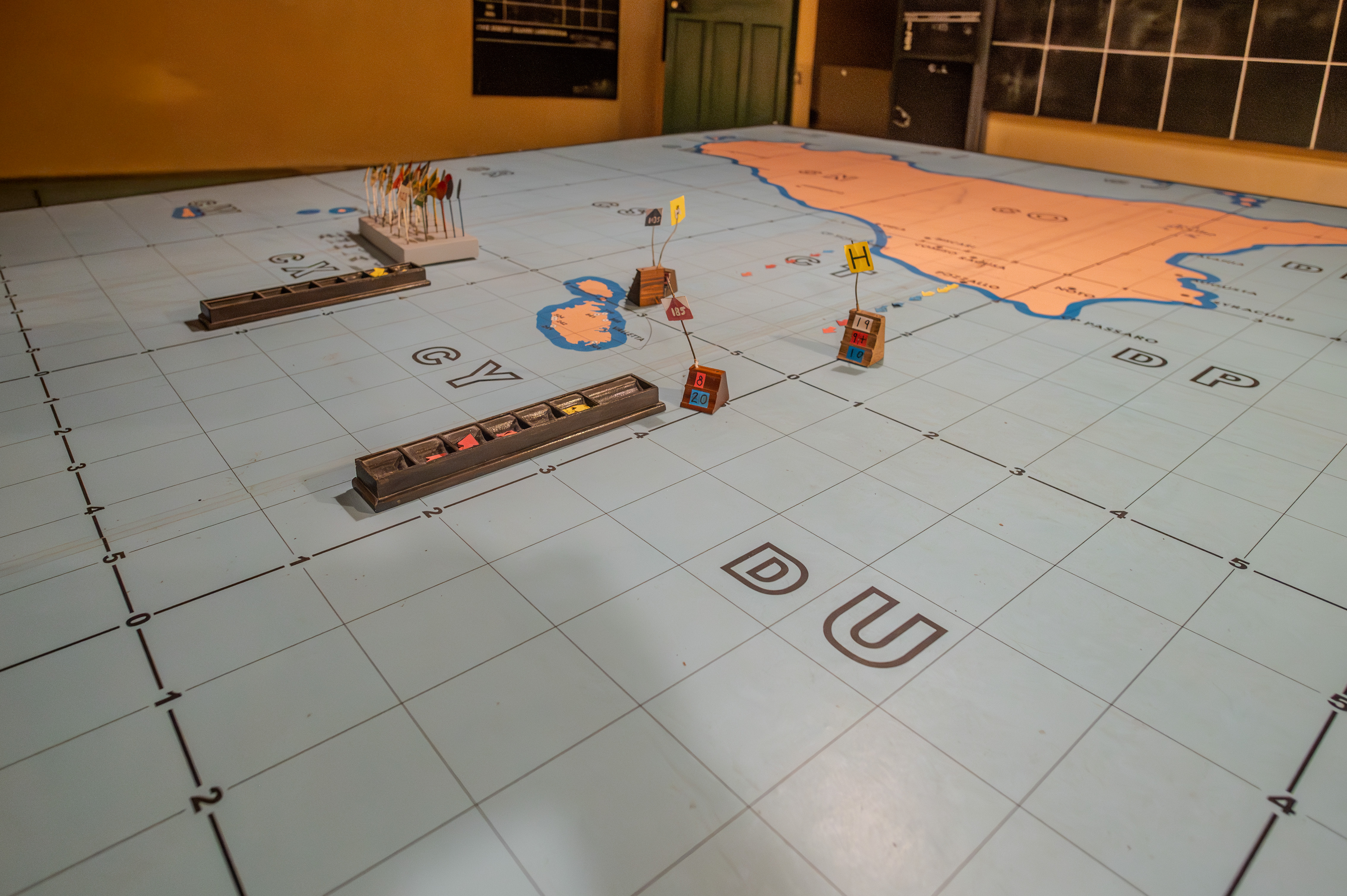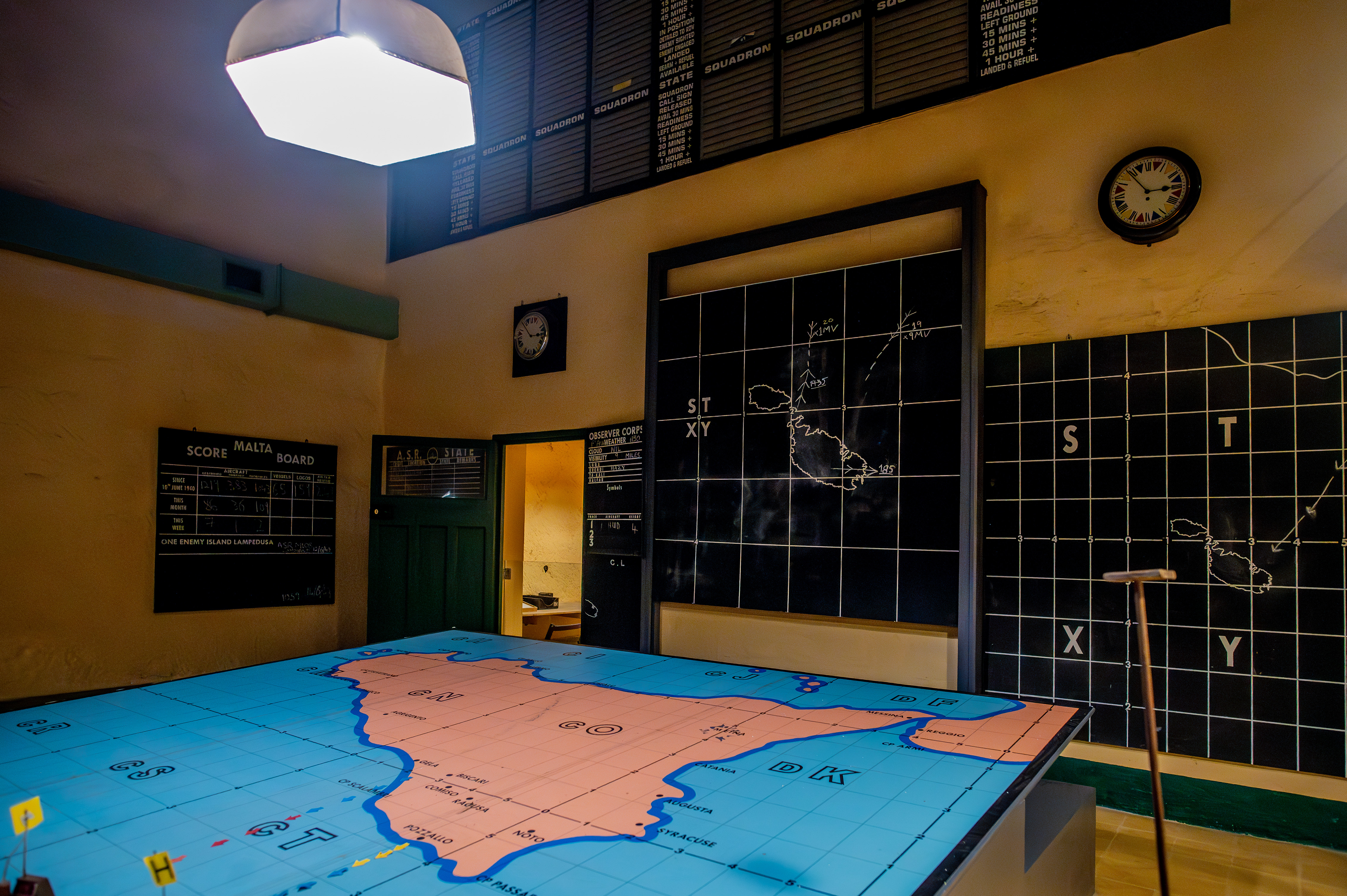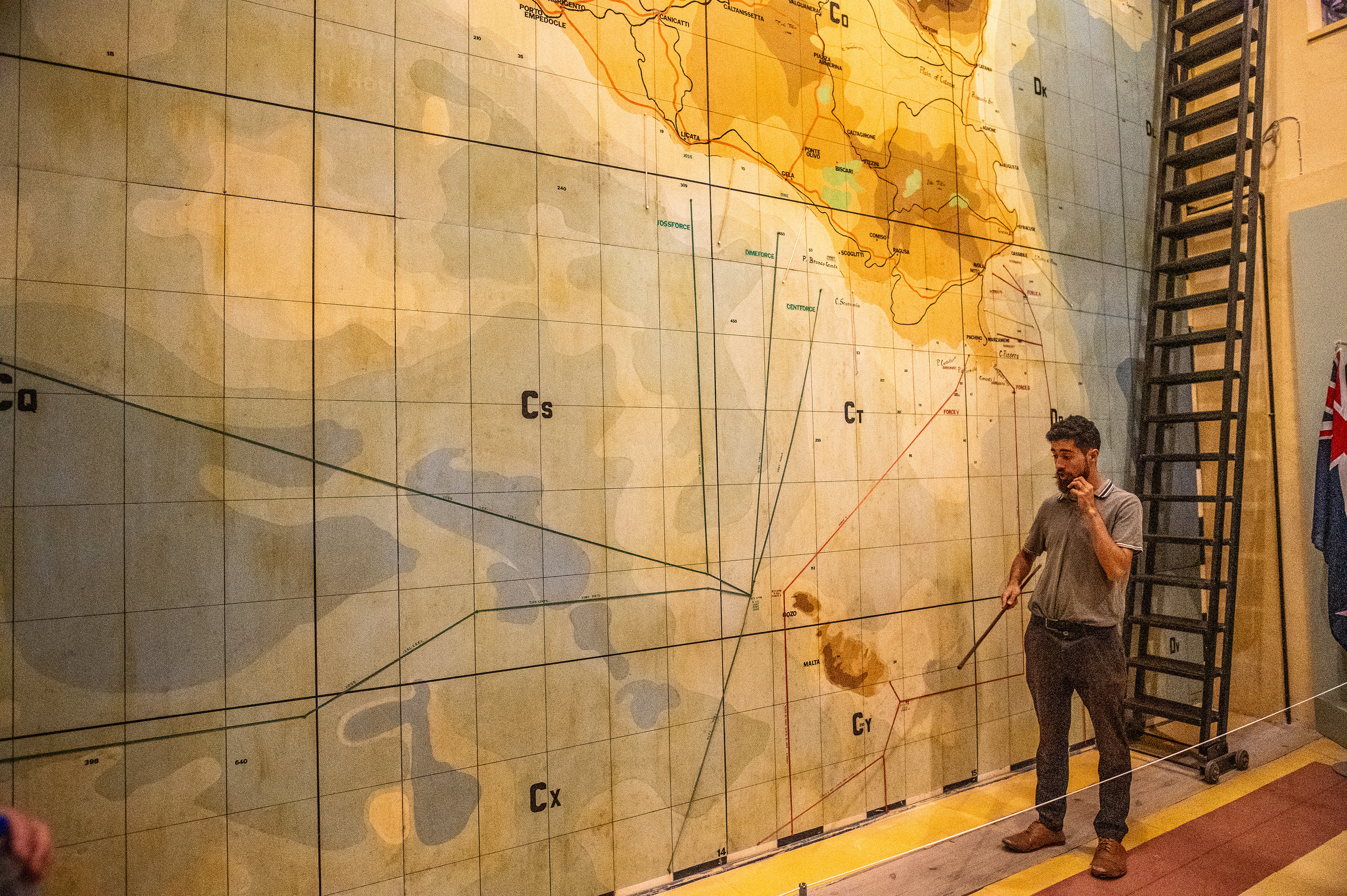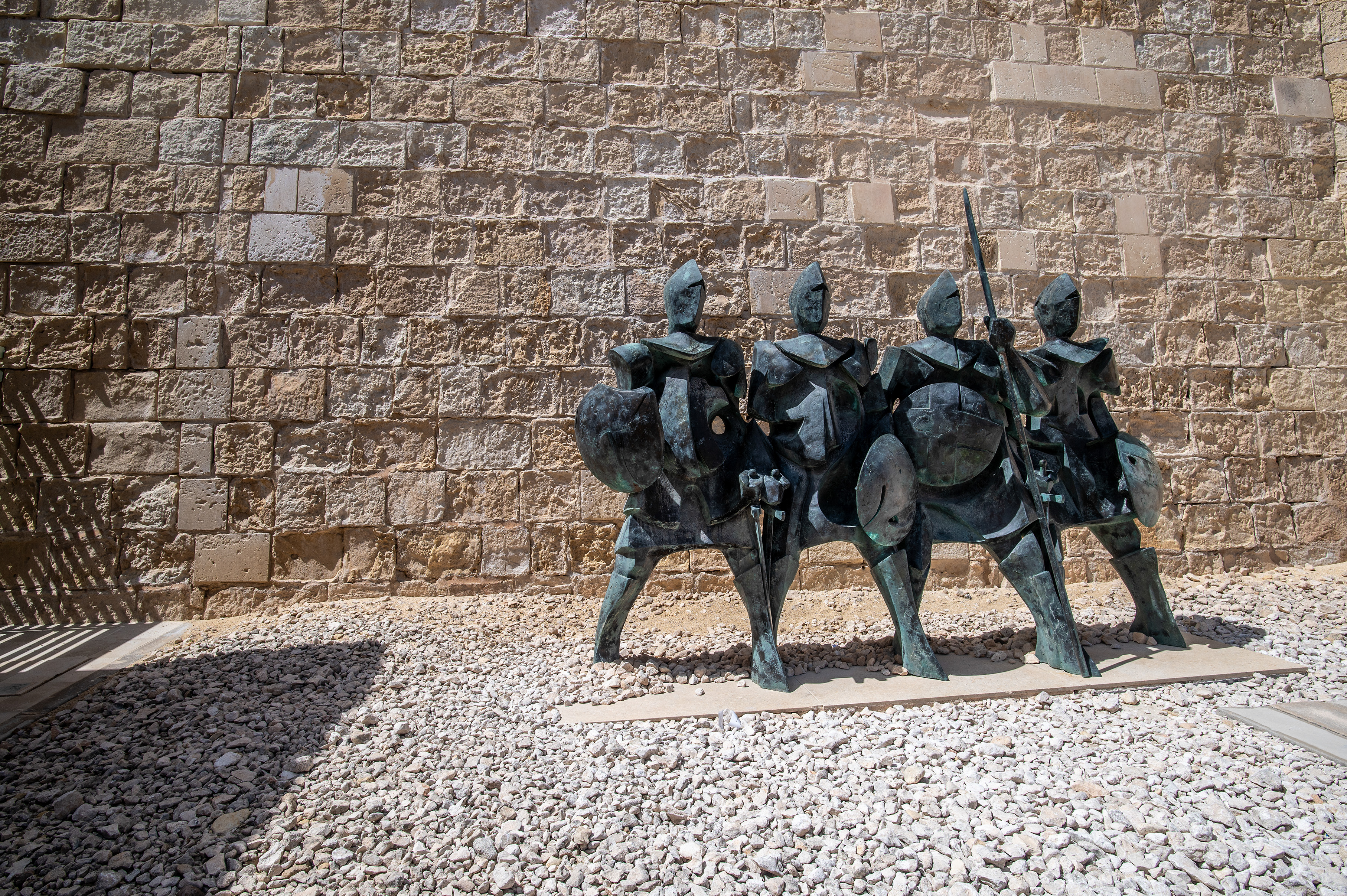
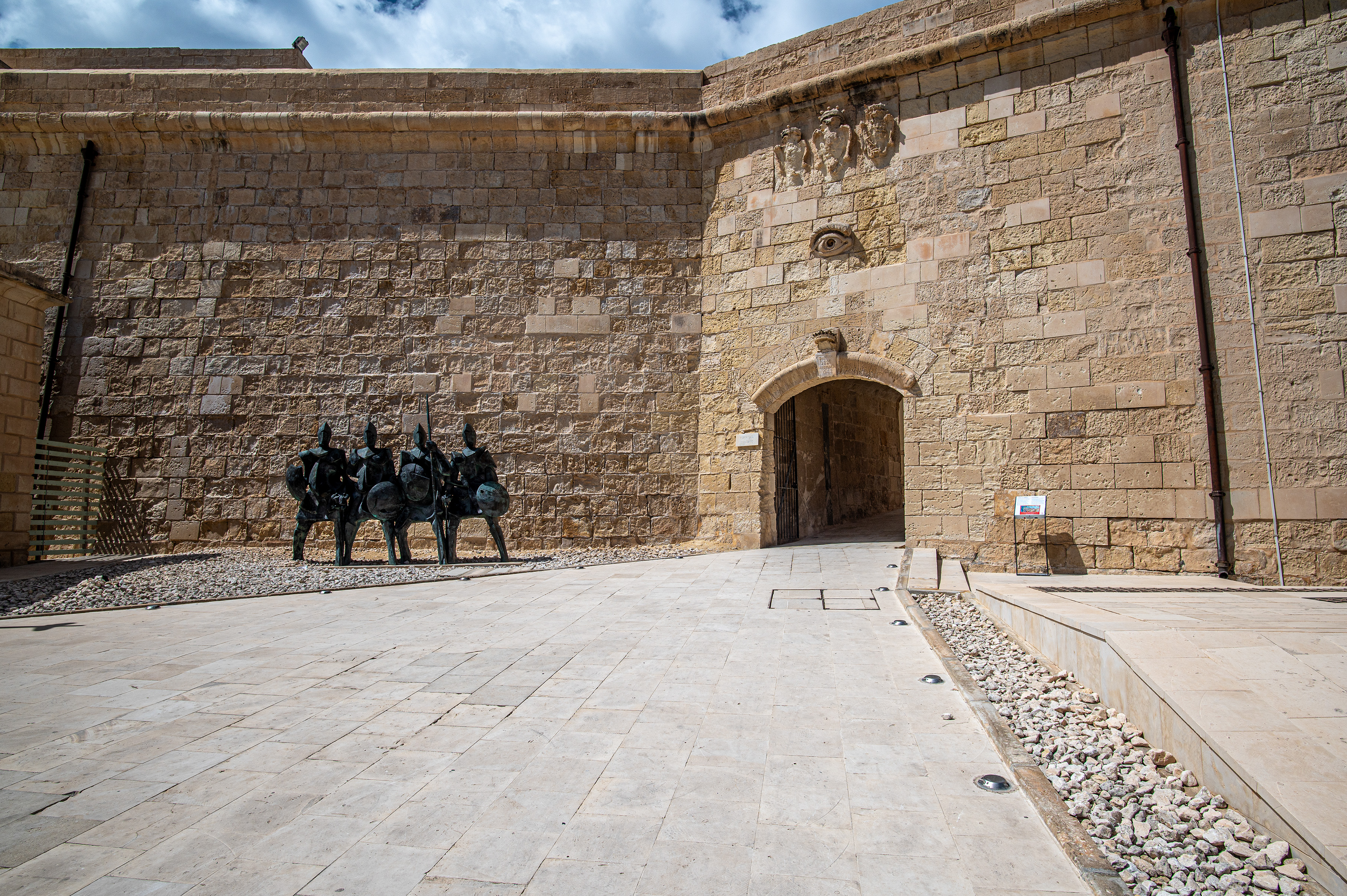
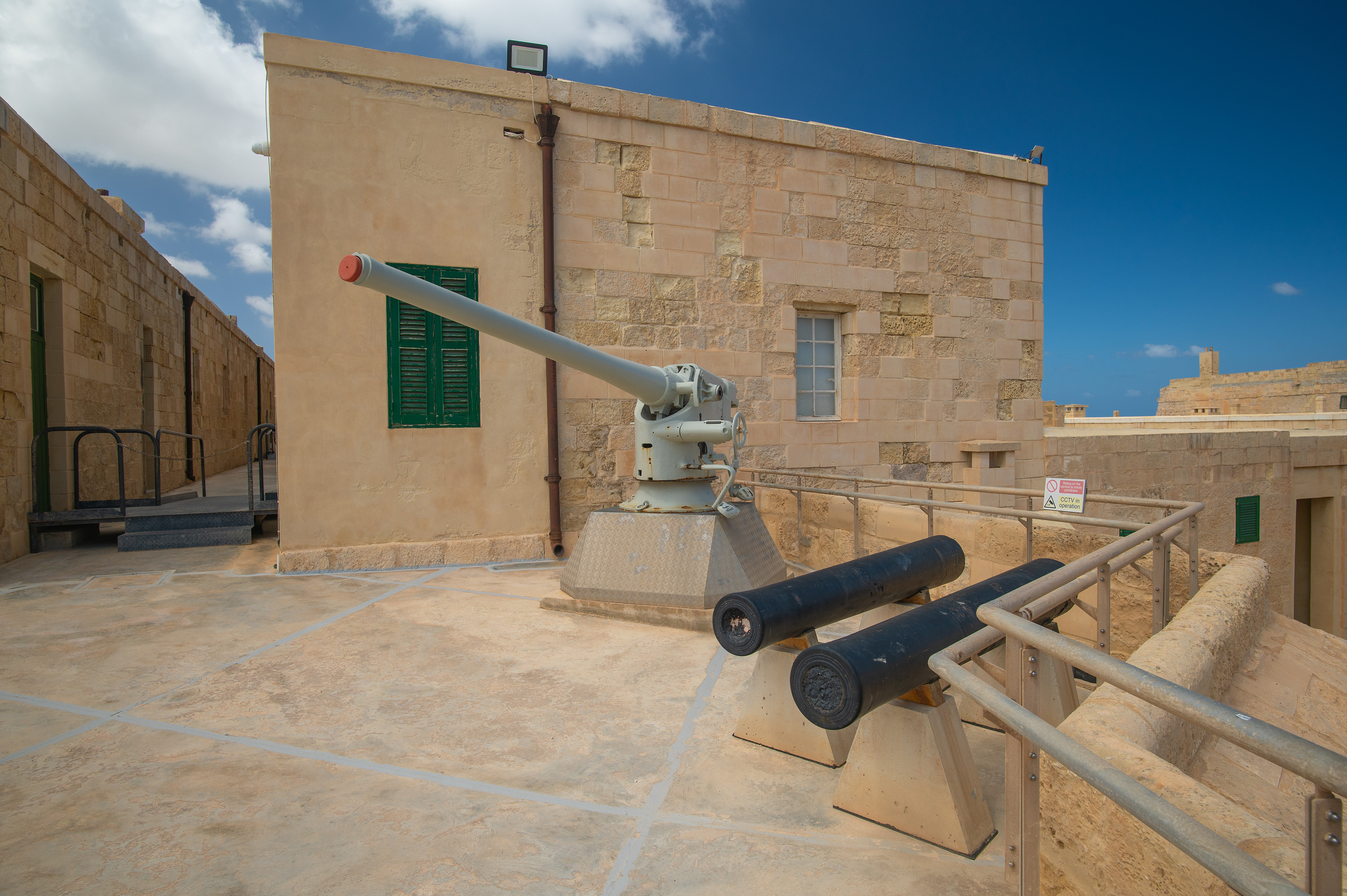
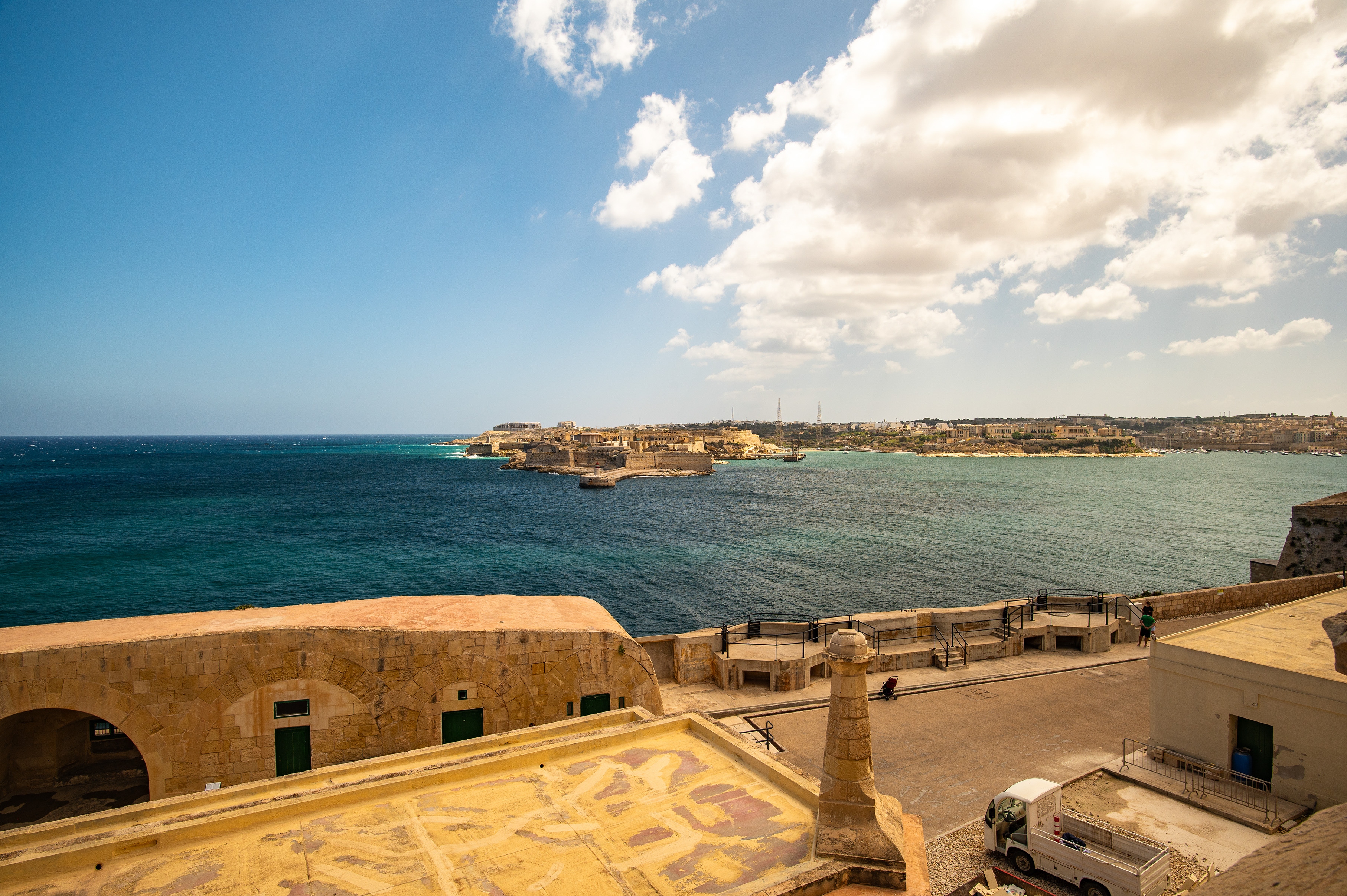
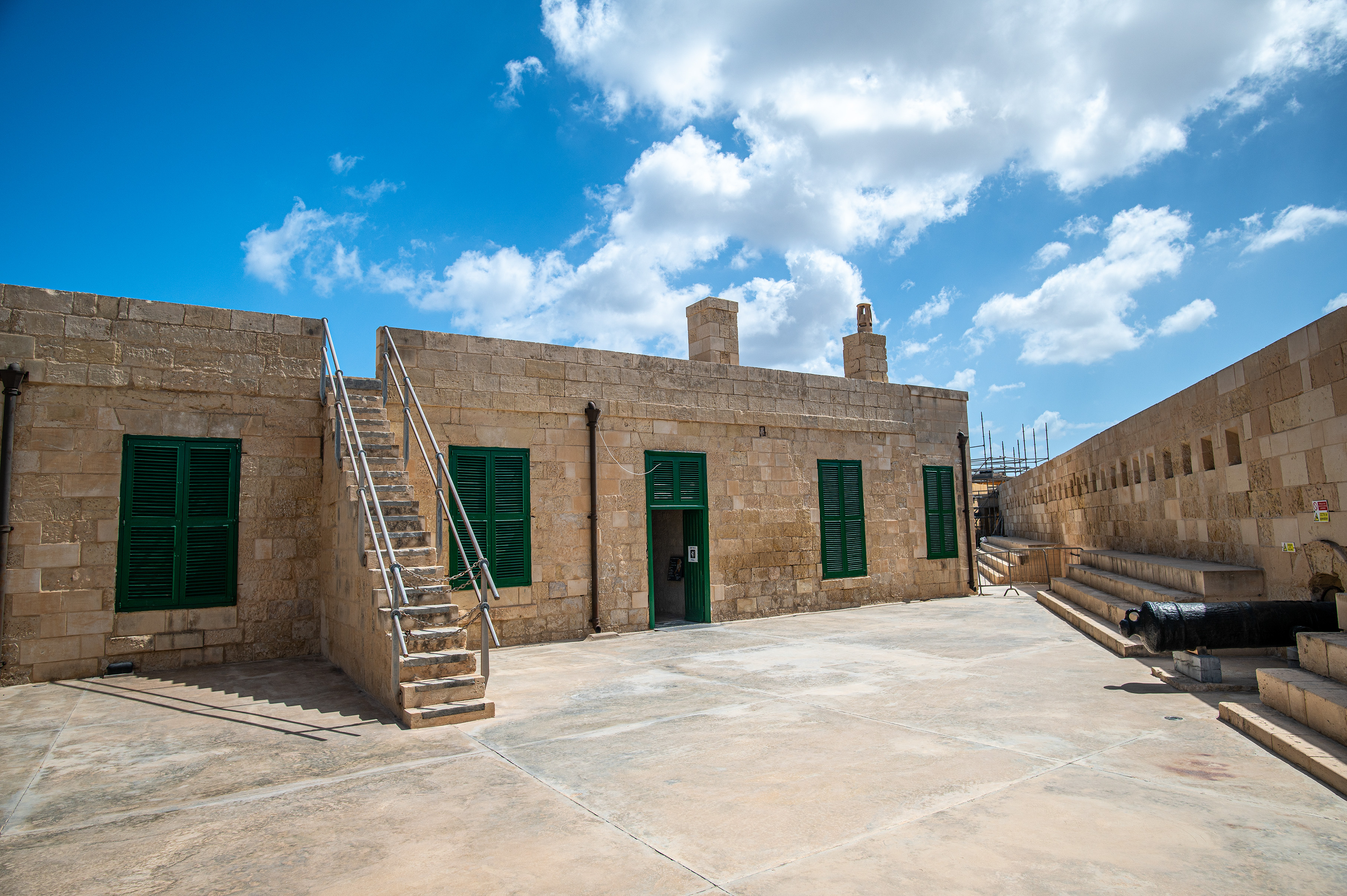
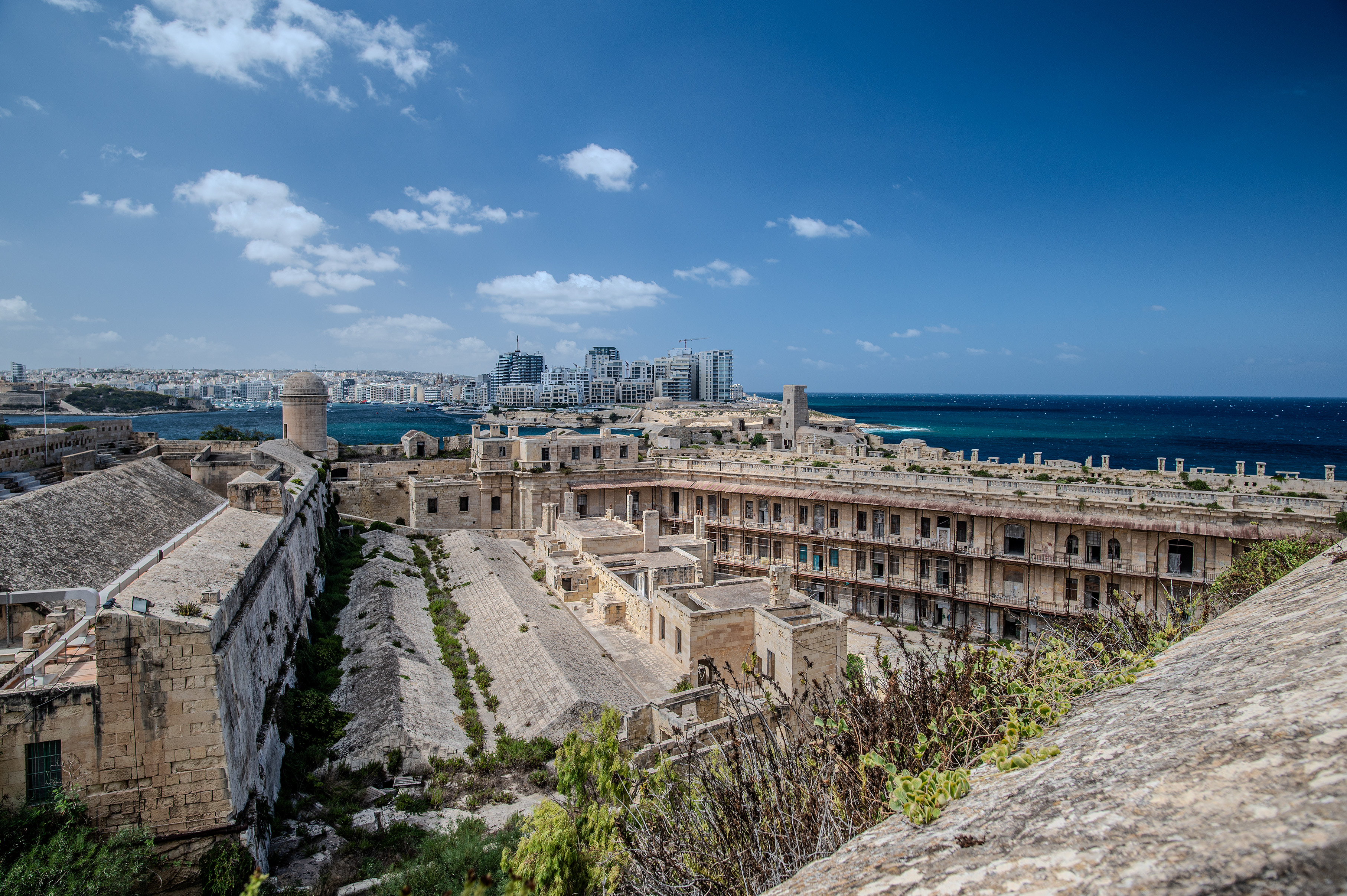
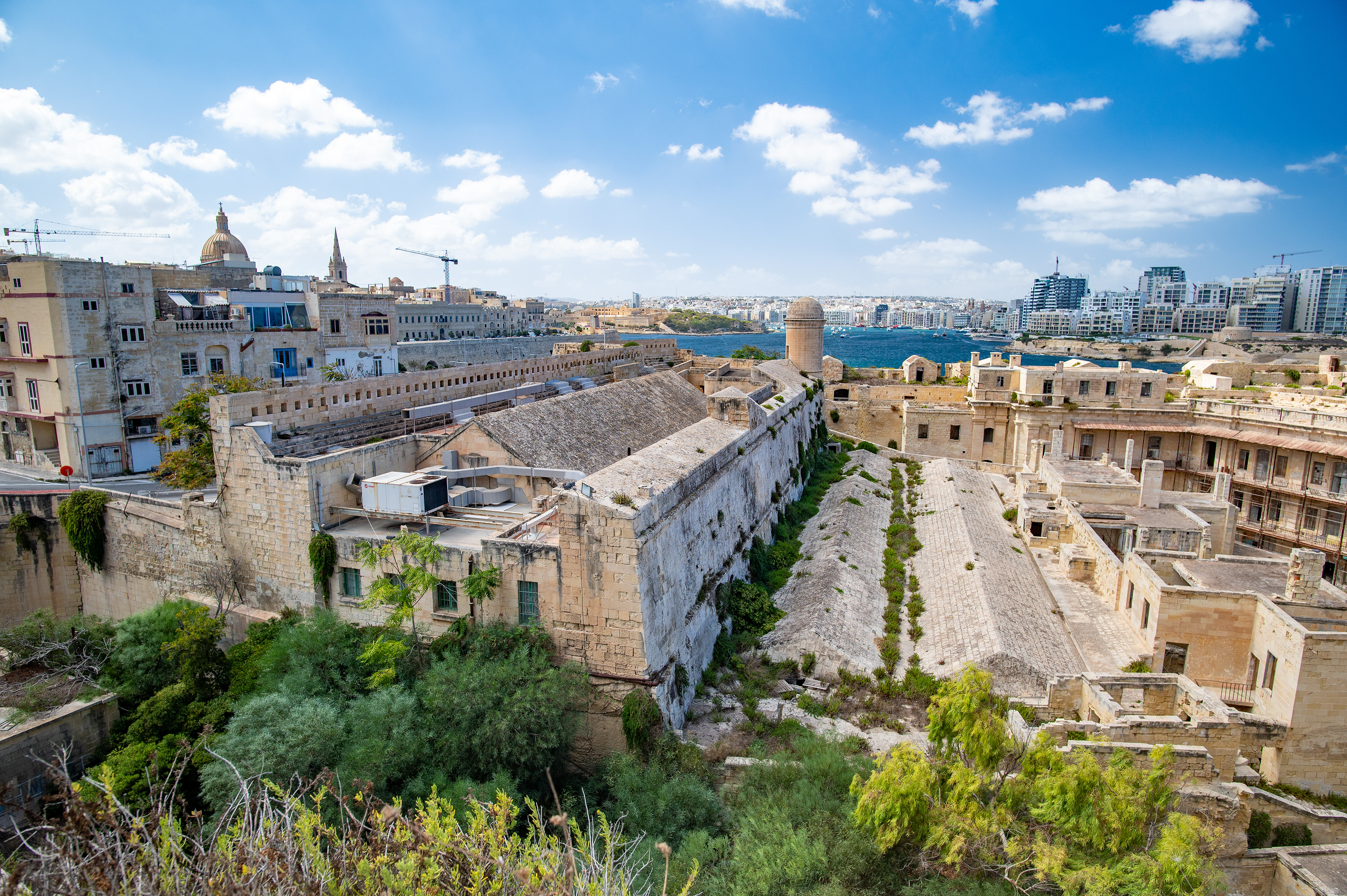
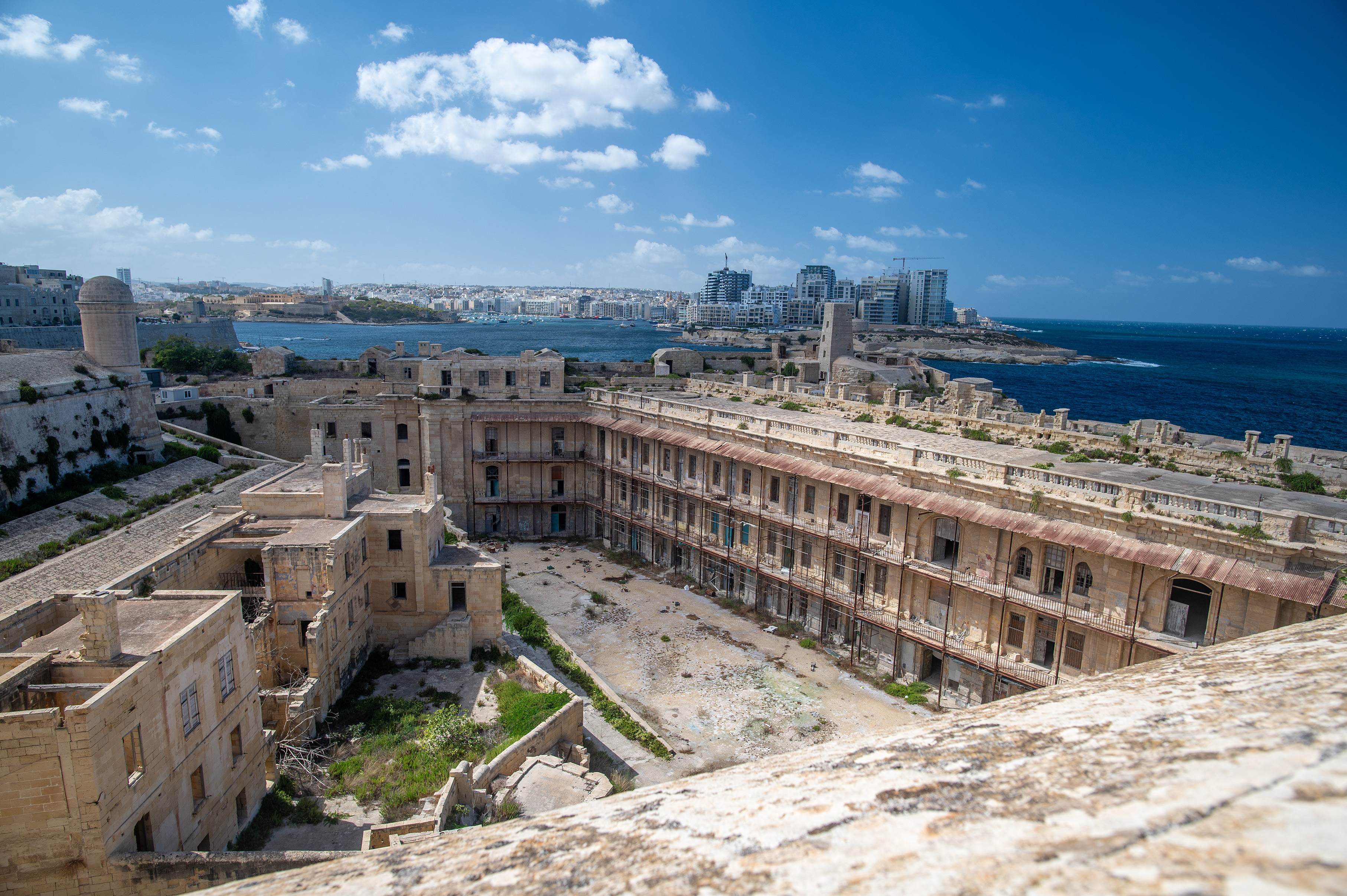
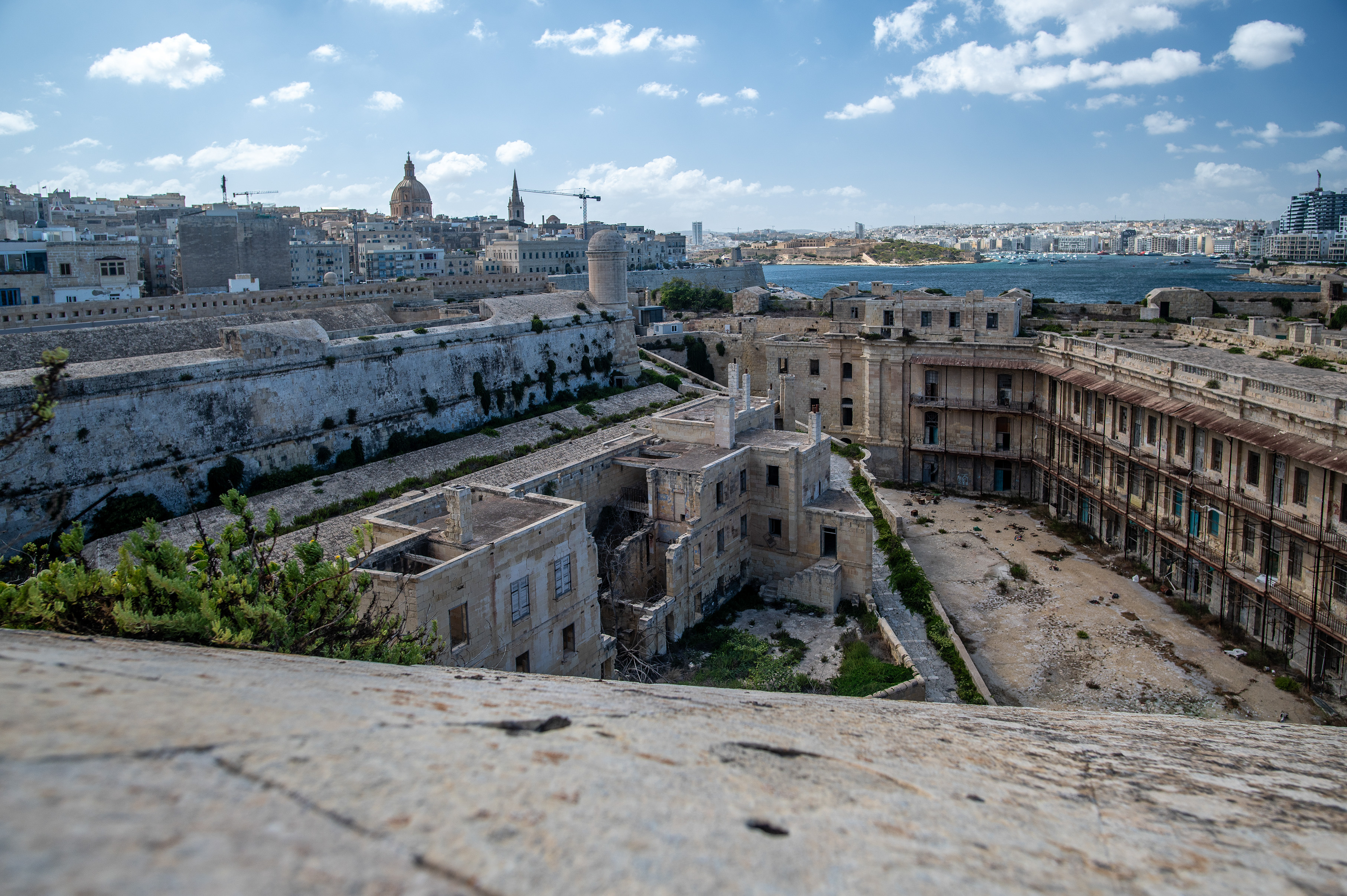
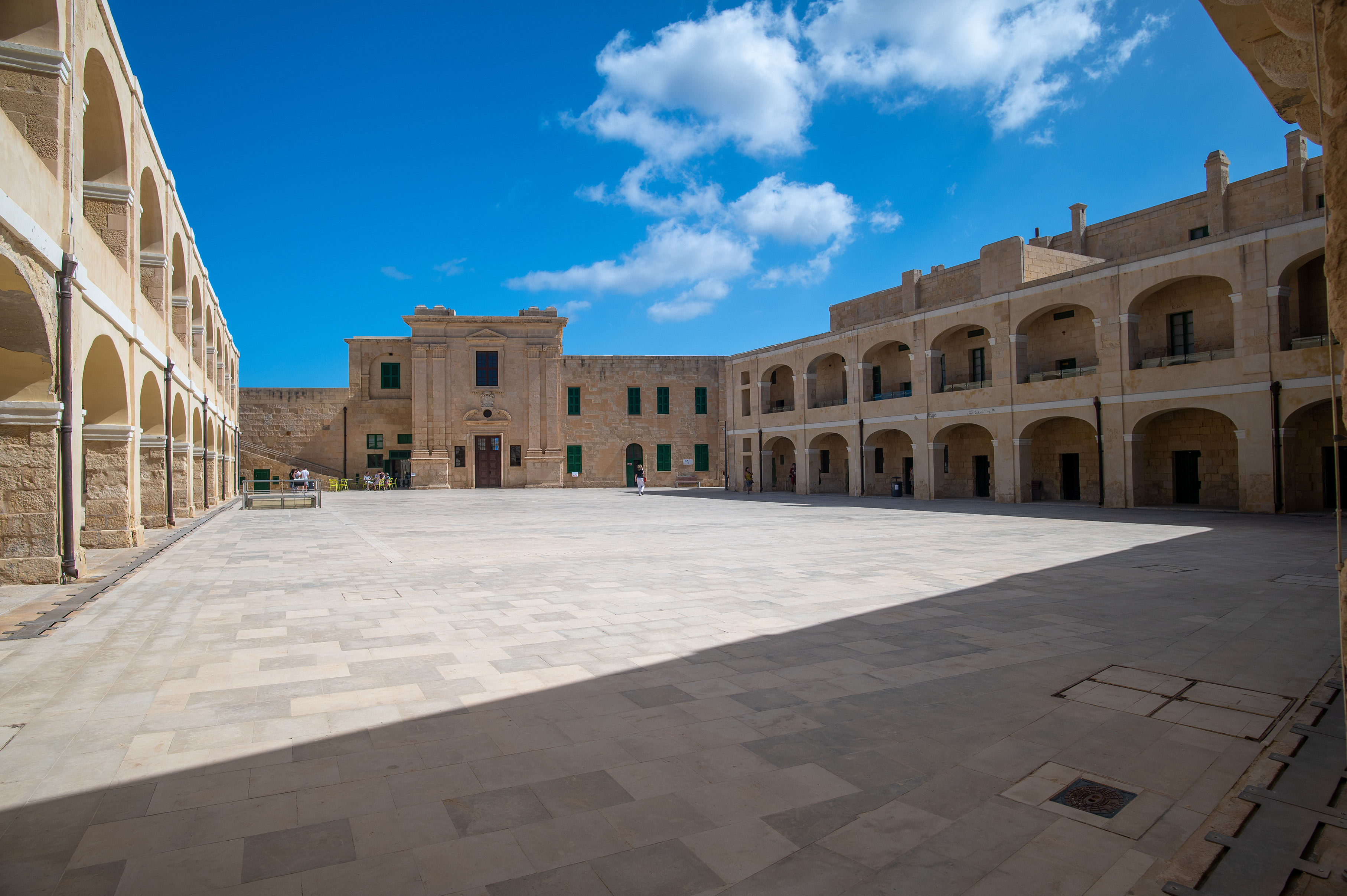
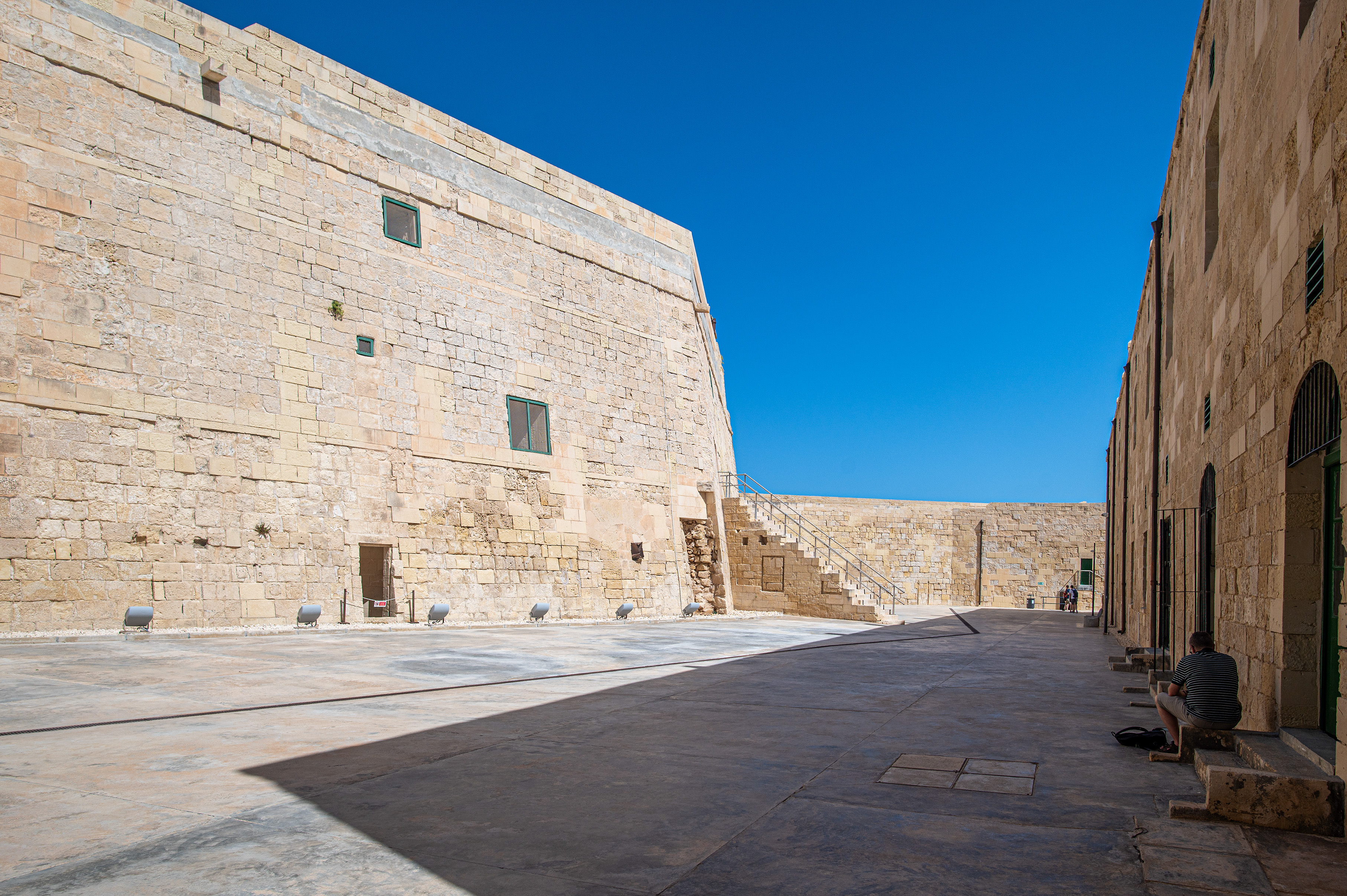
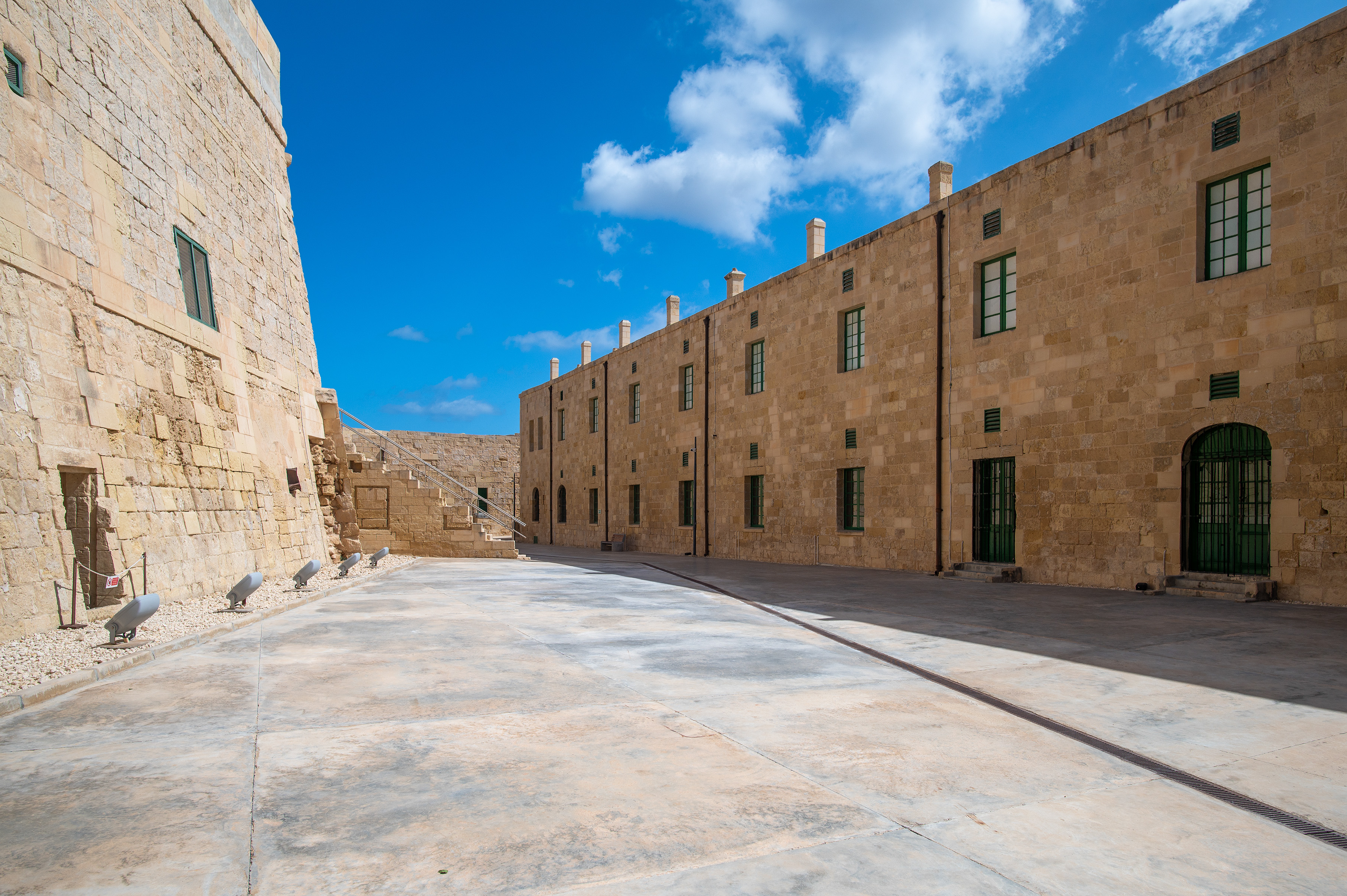
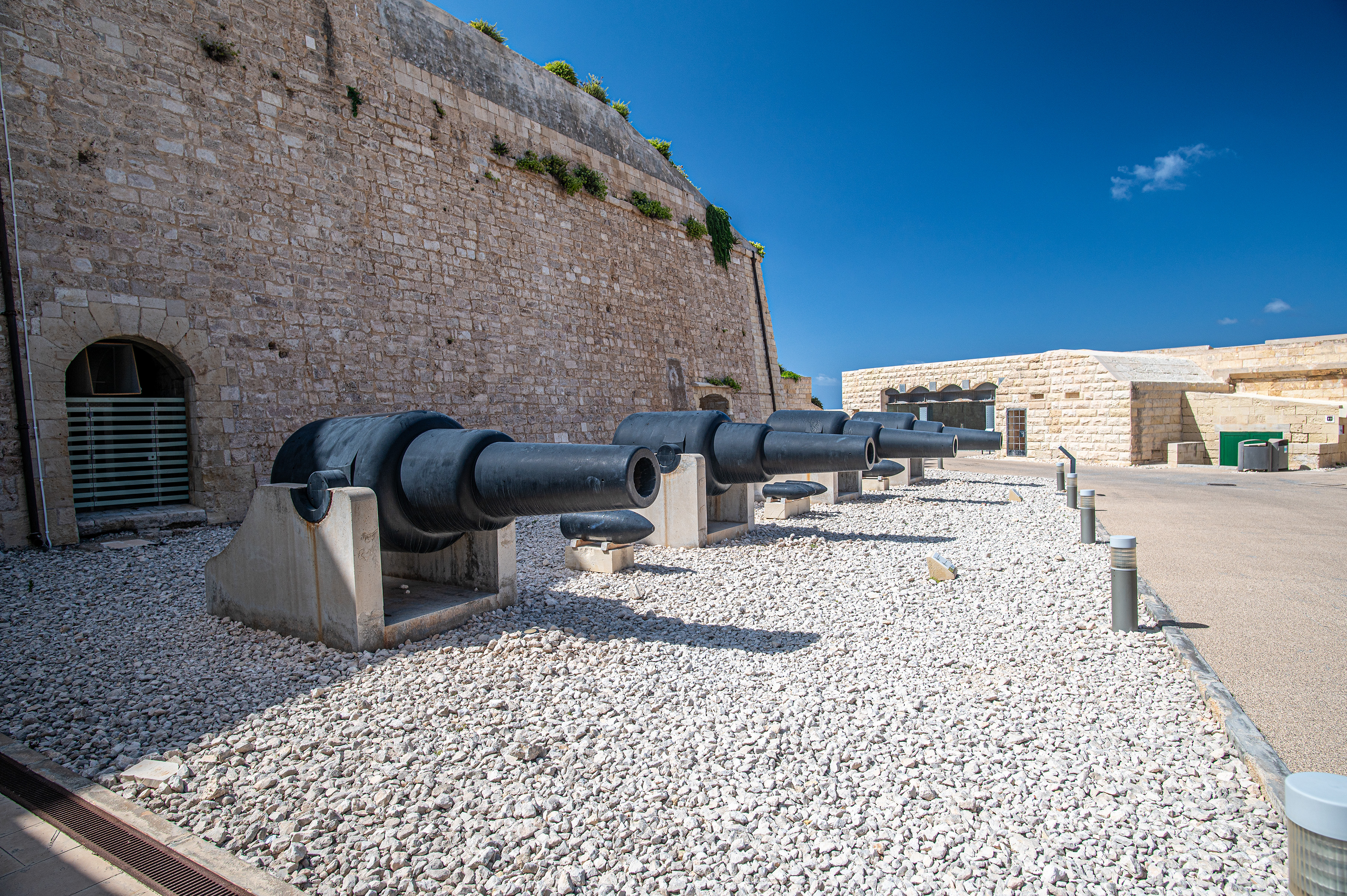
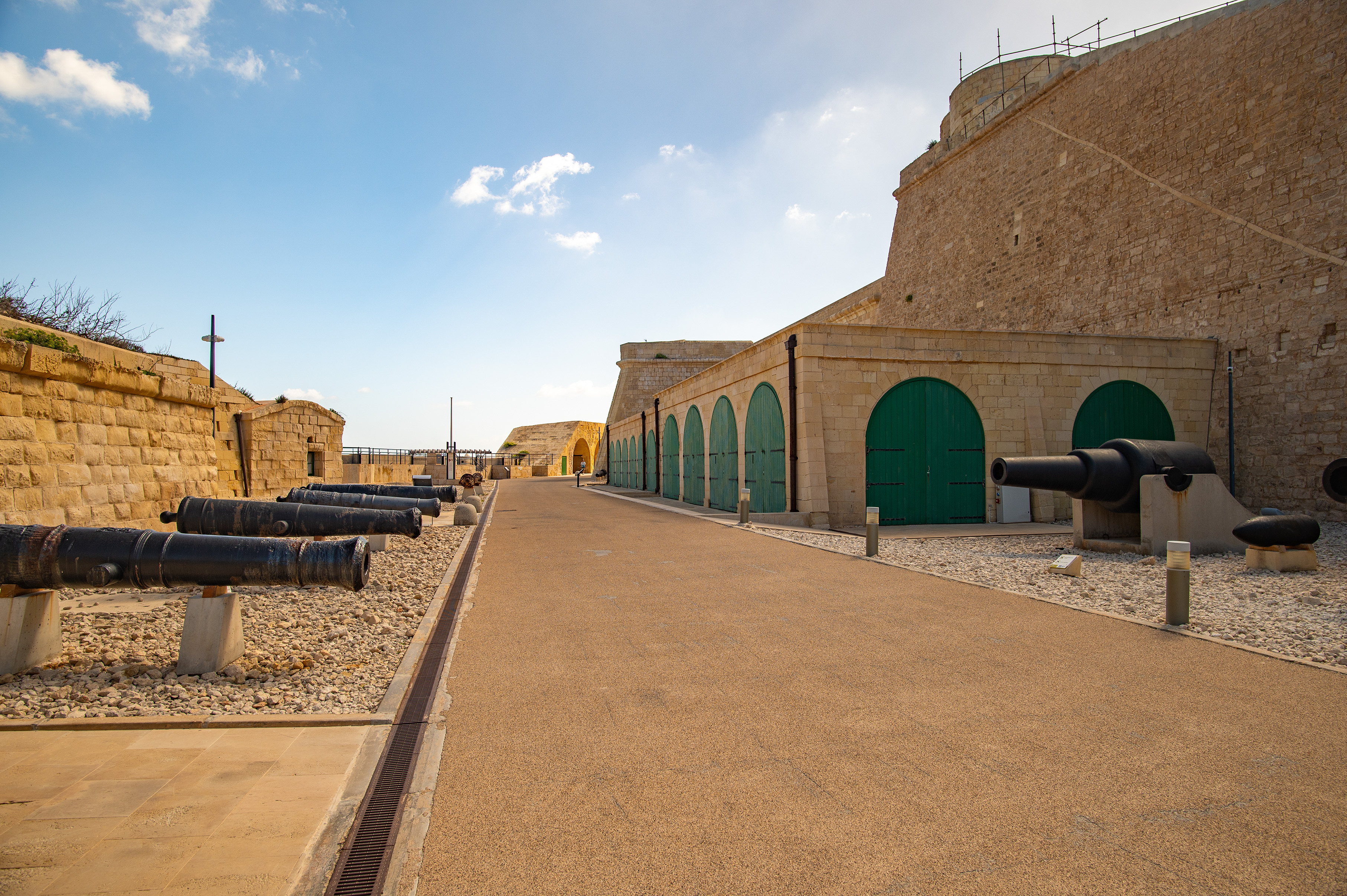


Fort St. Elmo is a star-shaped fortress at the tip of Valletta’s Sciberras Peninsula, famous for its heroic defense during the Great Siege of Malta in 1565 and now home to the National War Museum.
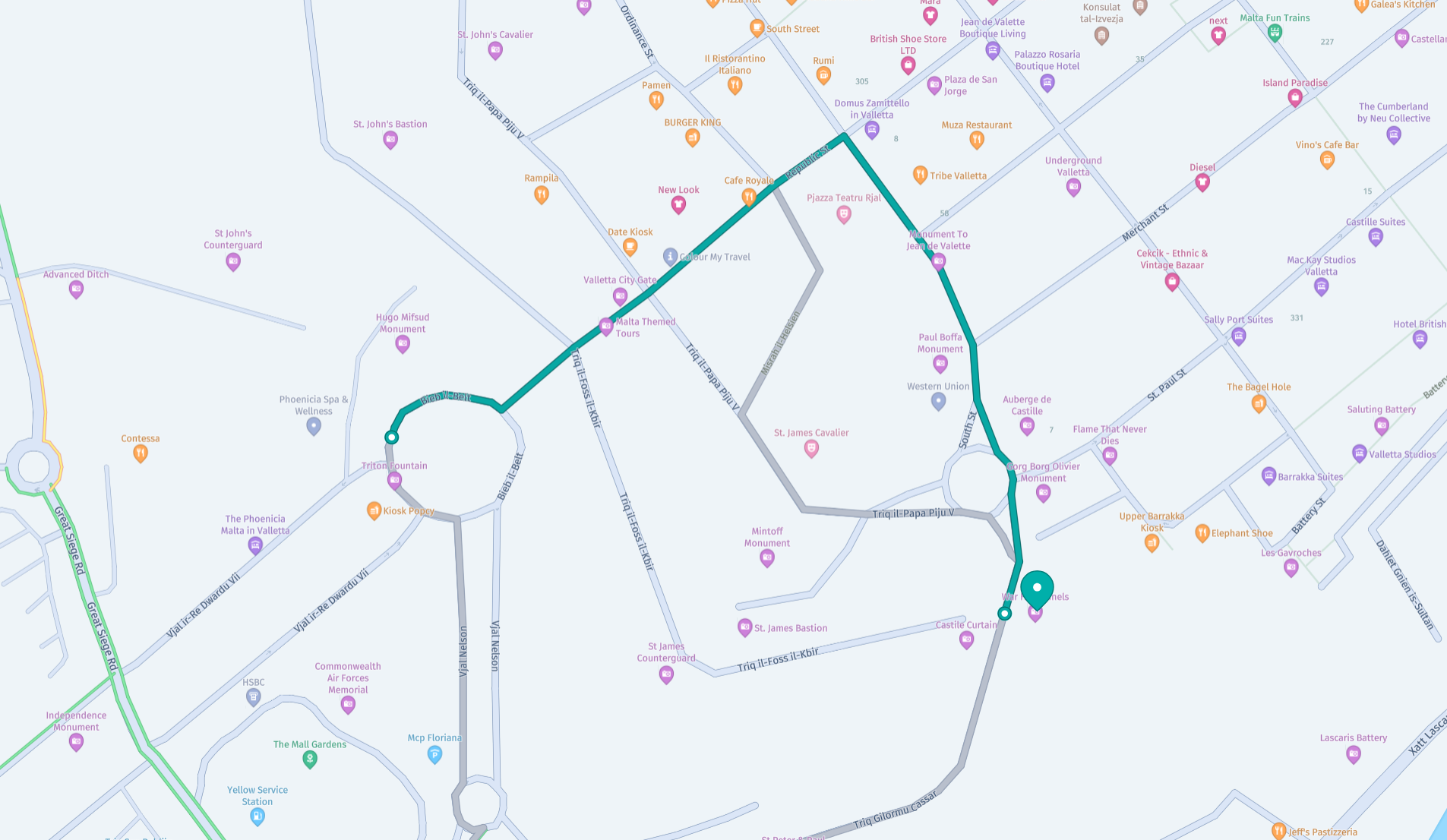
Location: Valletta, Malta, commanding both Grand Harbour and Marsamxett Harbour
Built: 1552 by the Knights of St John, designed by Pietro Prato (later expanded)
Type: Star fort, integrated into Valletta’s fortifications
Area: 50,400 m² (543,000 sq ft)
Role: Crucial in the Great Siege of 1565; later upgraded under British rule for modern artillery
Built: 1552 by the Knights of St John, designed by Pietro Prato (later expanded)
Type: Star fort, integrated into Valletta’s fortifications
Area: 50,400 m² (543,000 sq ft)
Role: Crucial in the Great Siege of 1565; later upgraded under British rule for modern artillery
Historical Highlights
1417: A watch post already existed on the site, showing its long-recognized strategic importance.
1552: Construction ordered by Grand Master De Homedes after Ottoman raids; completed rapidly to prepare for siege.
1565: The fort bore the brunt of the Ottoman attack during the Great Siege. Despite immense bombardment, defenders held out for nearly a month before falling on 23 June. Their sacrifice delayed the Ottomans and allowed Malta’s defenders to regroup.
17th–18th centuries: Expanded with barracks, chapels, and a lighthouse.
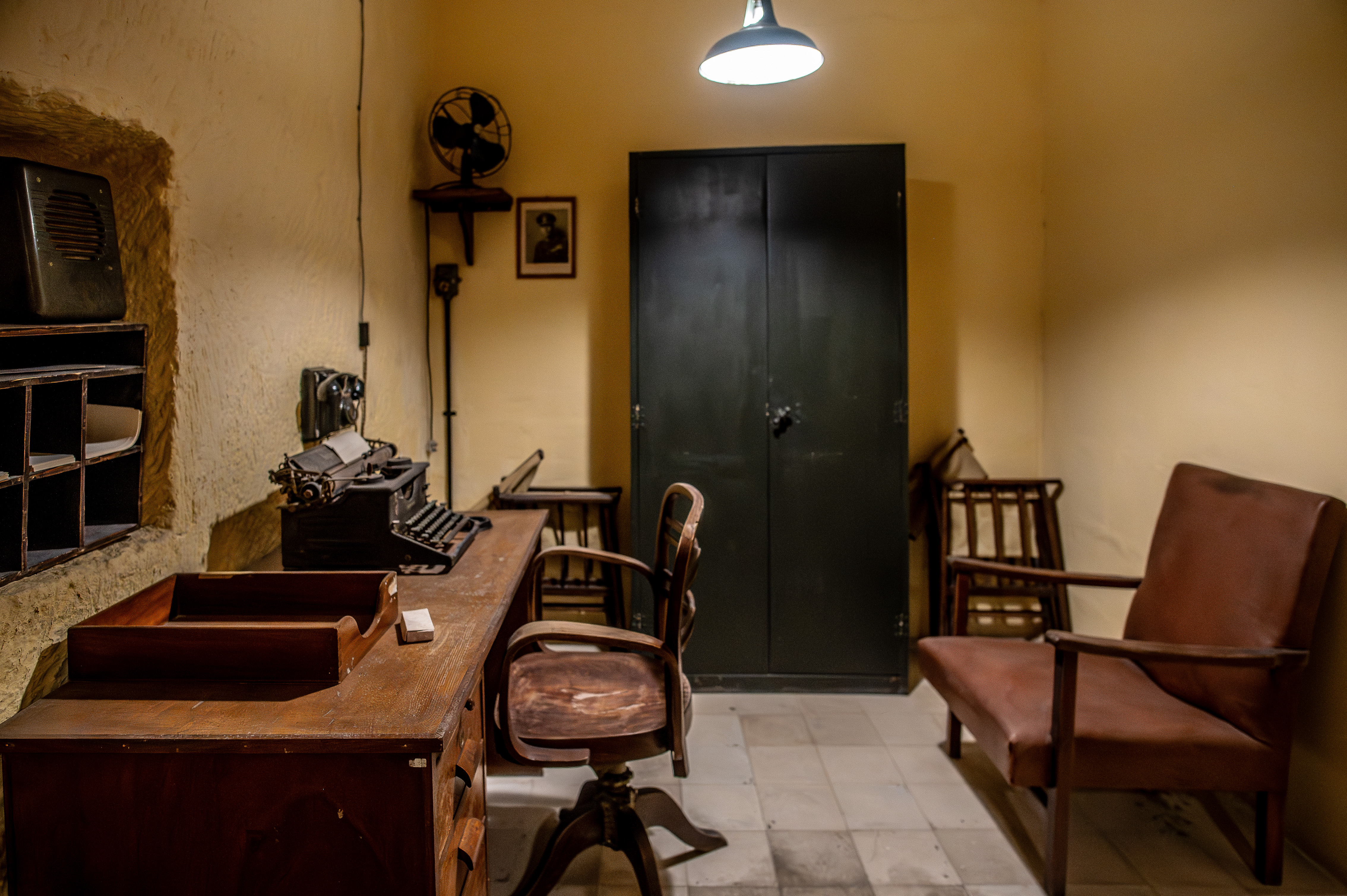
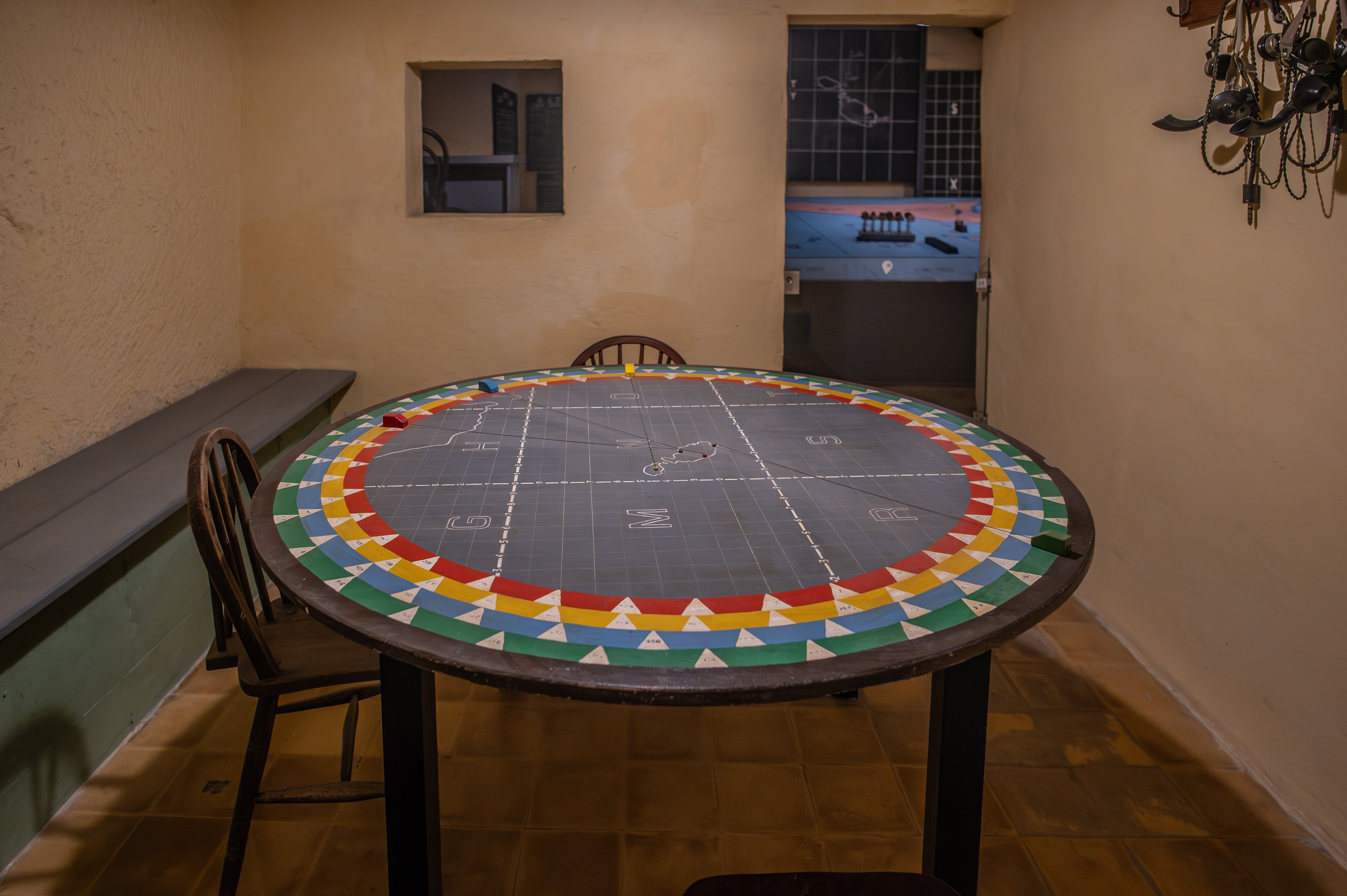
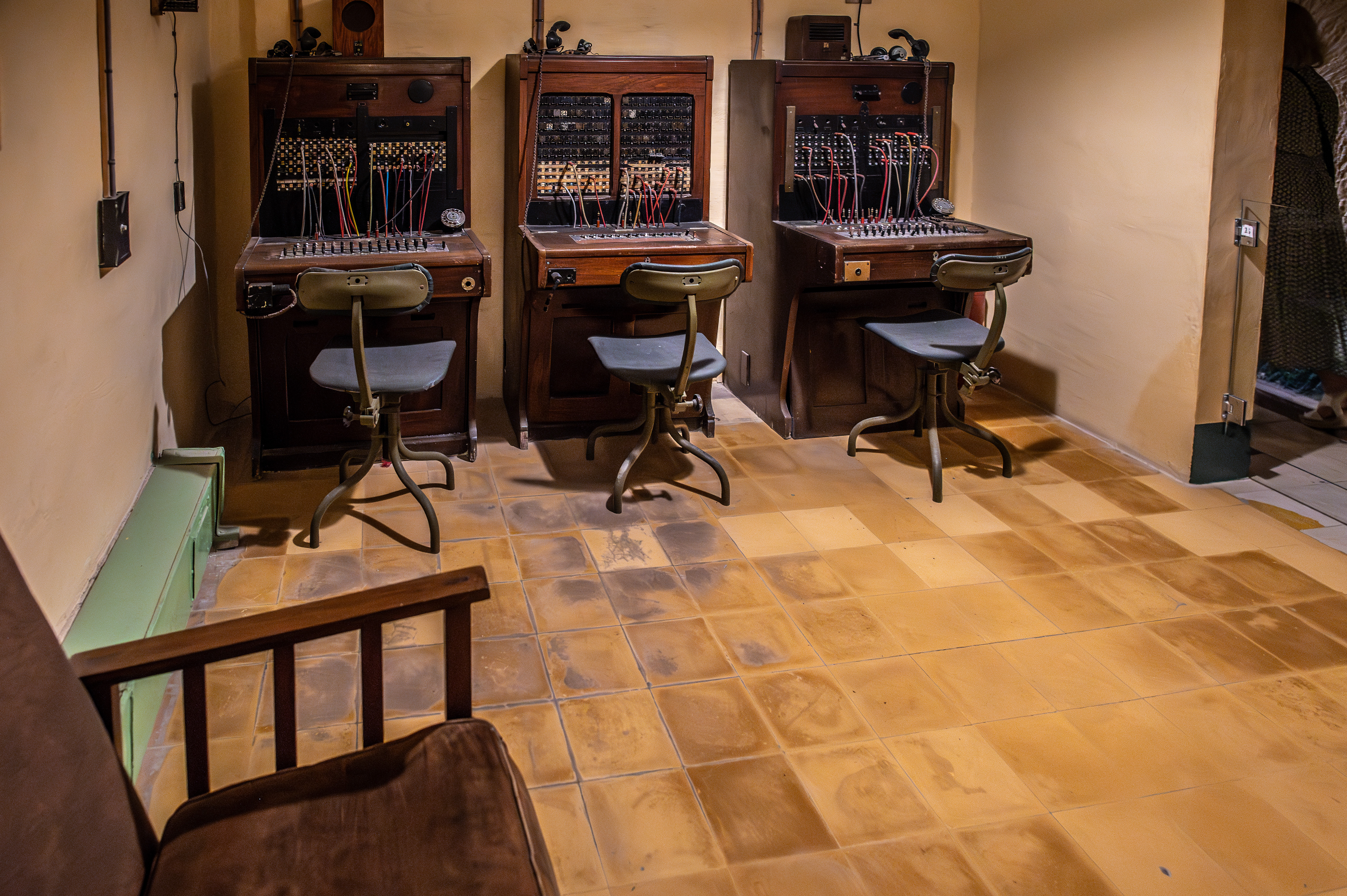
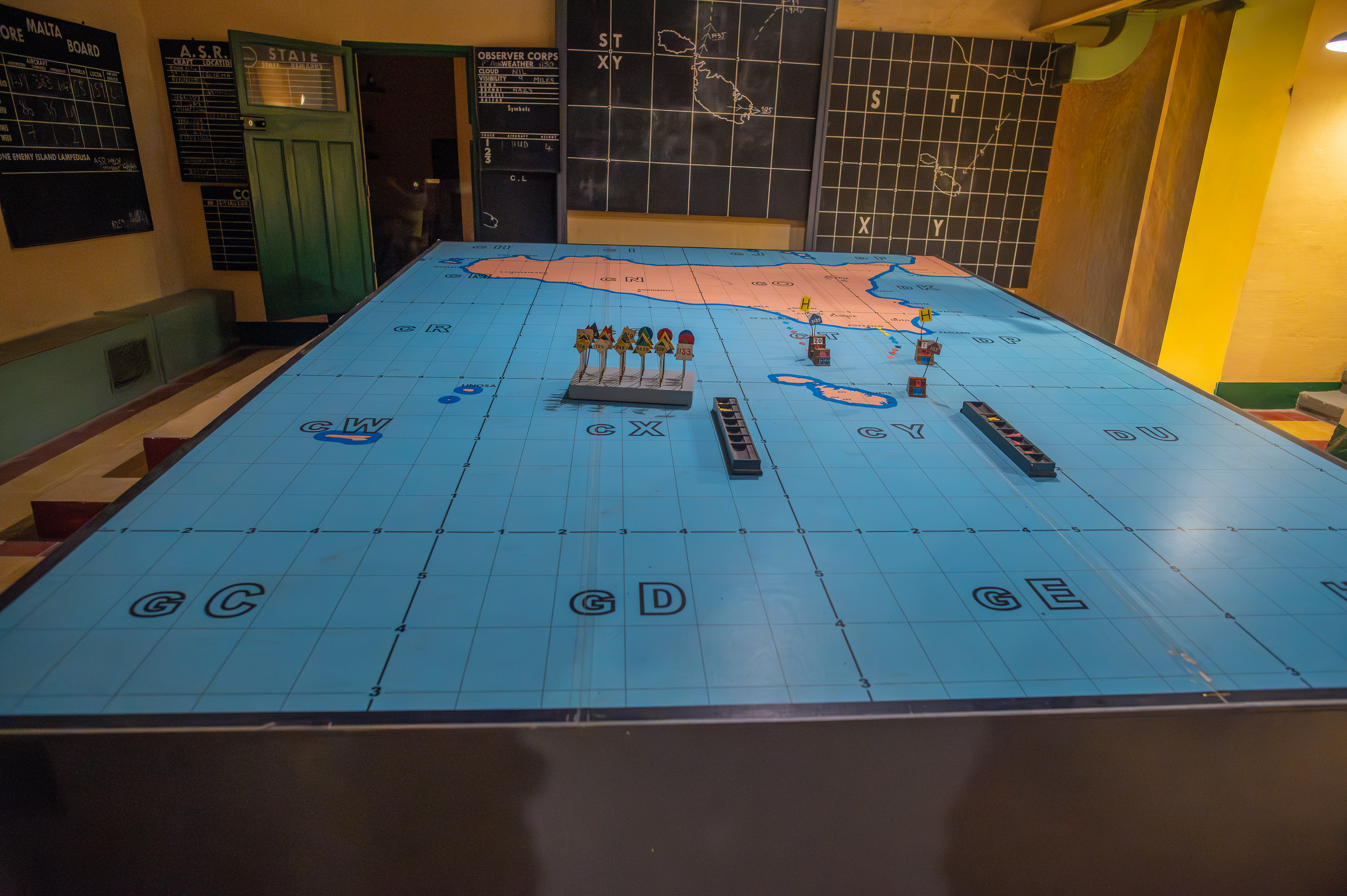
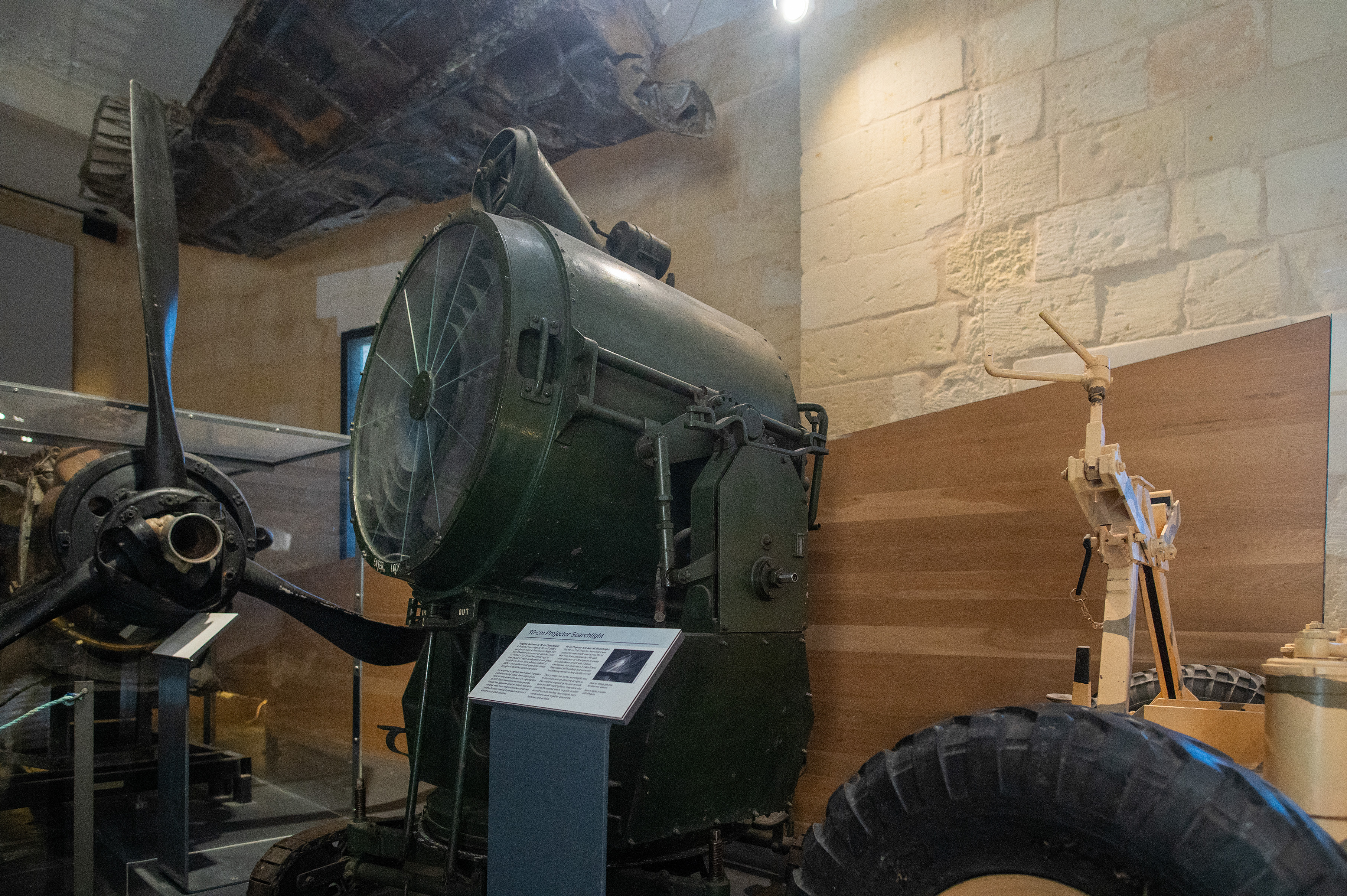
WWII: First site in Malta bombed by Axis forces on 11 June 1940; played a key role in defense.
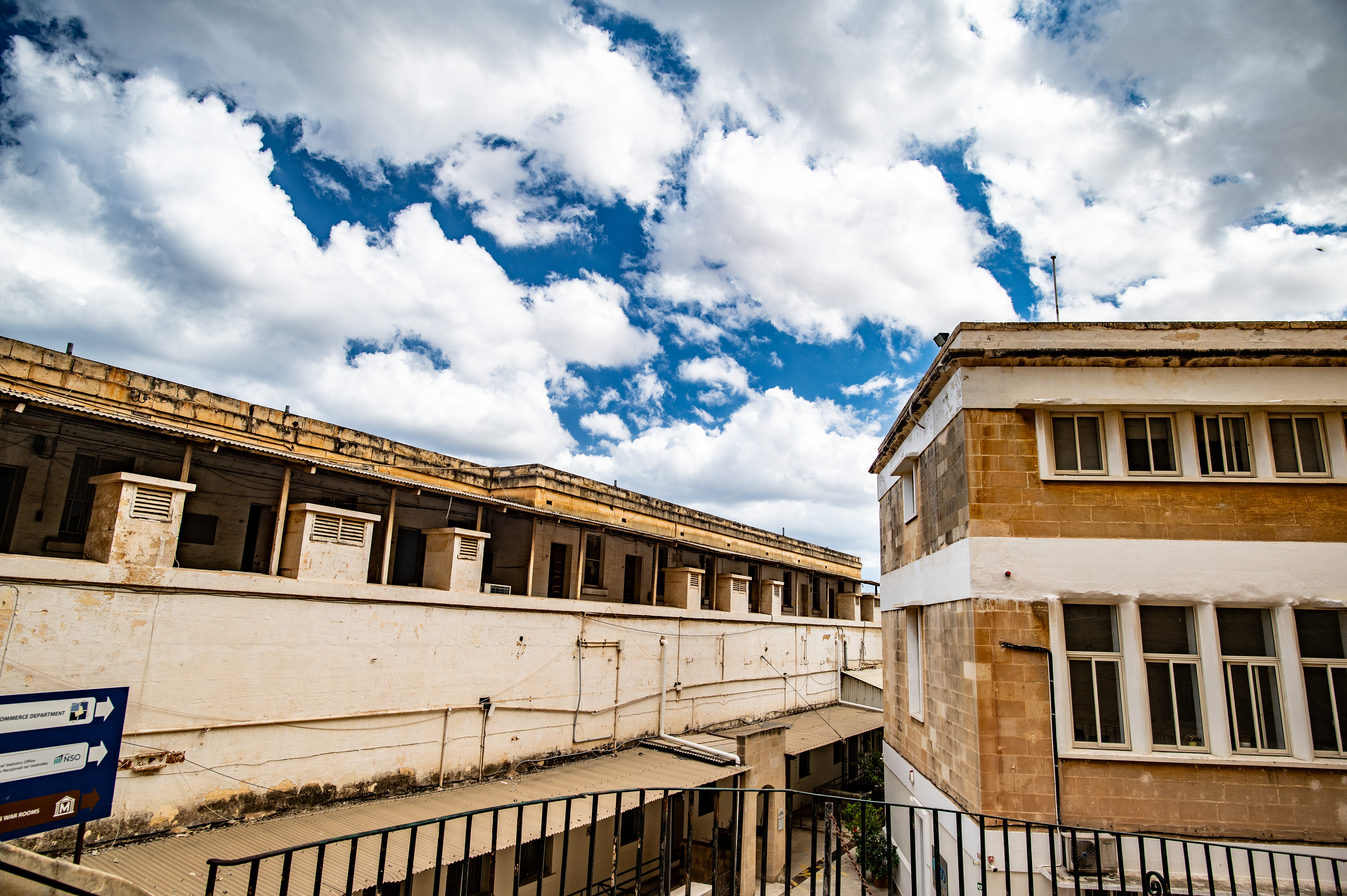
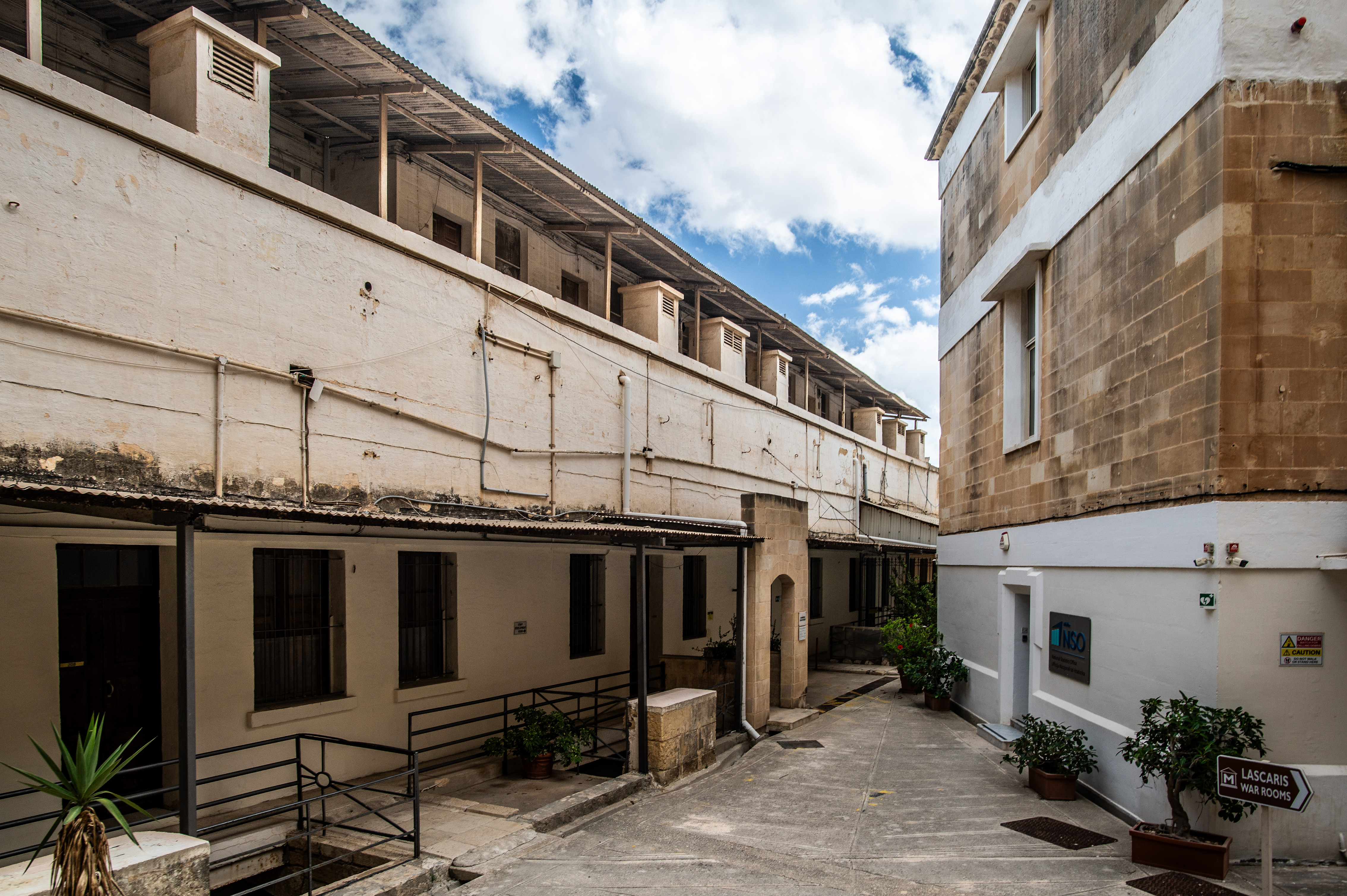
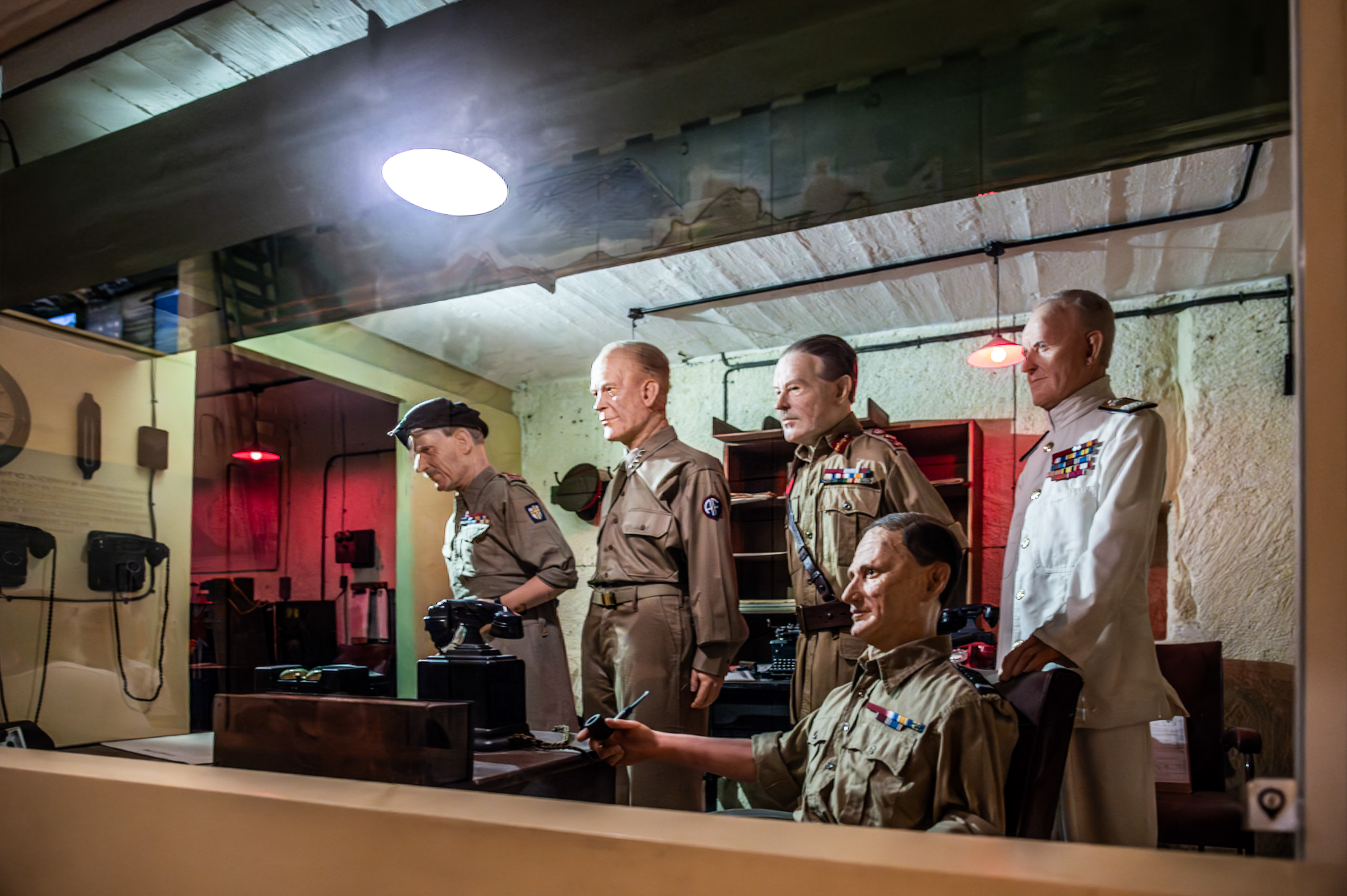
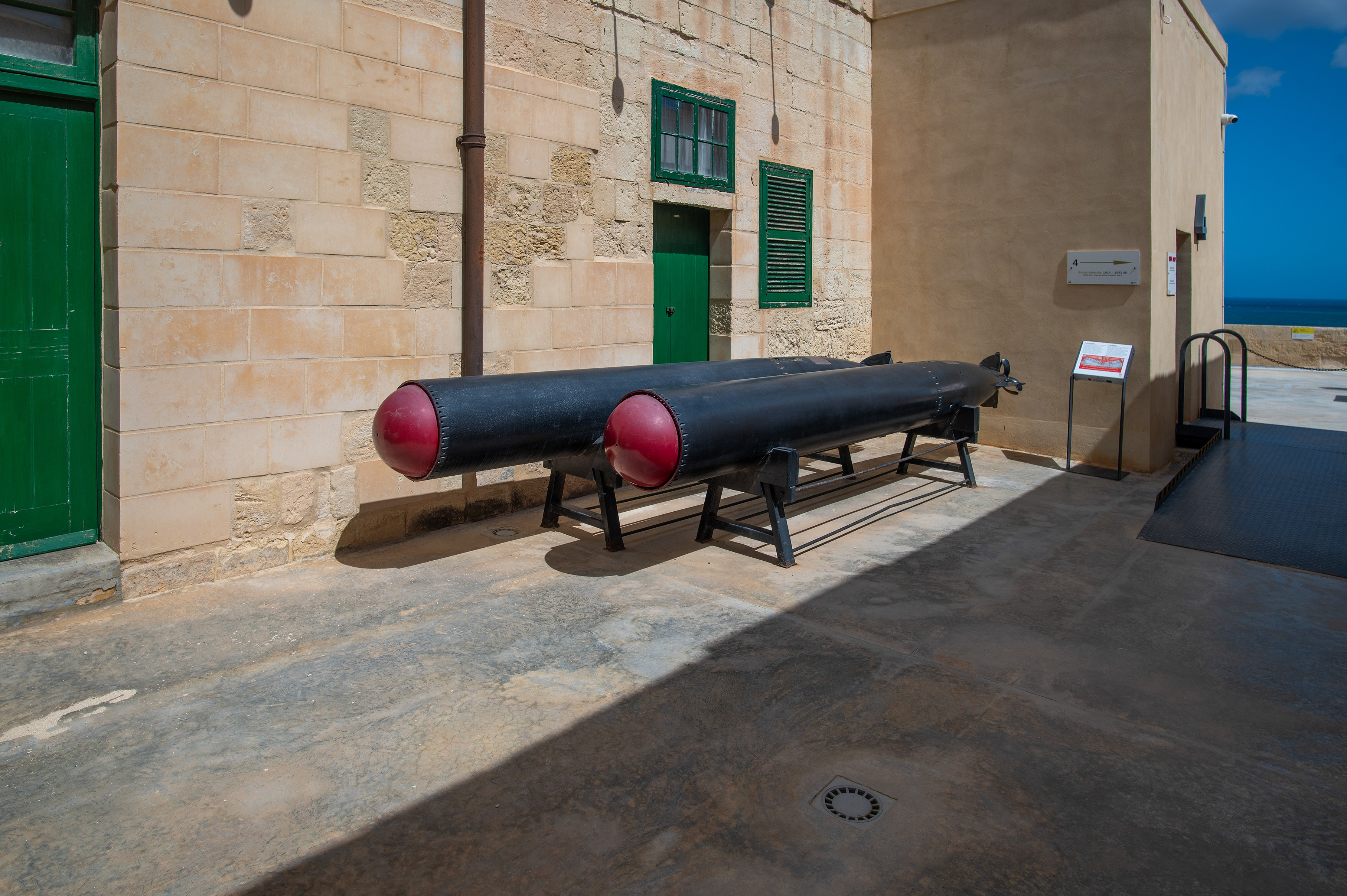
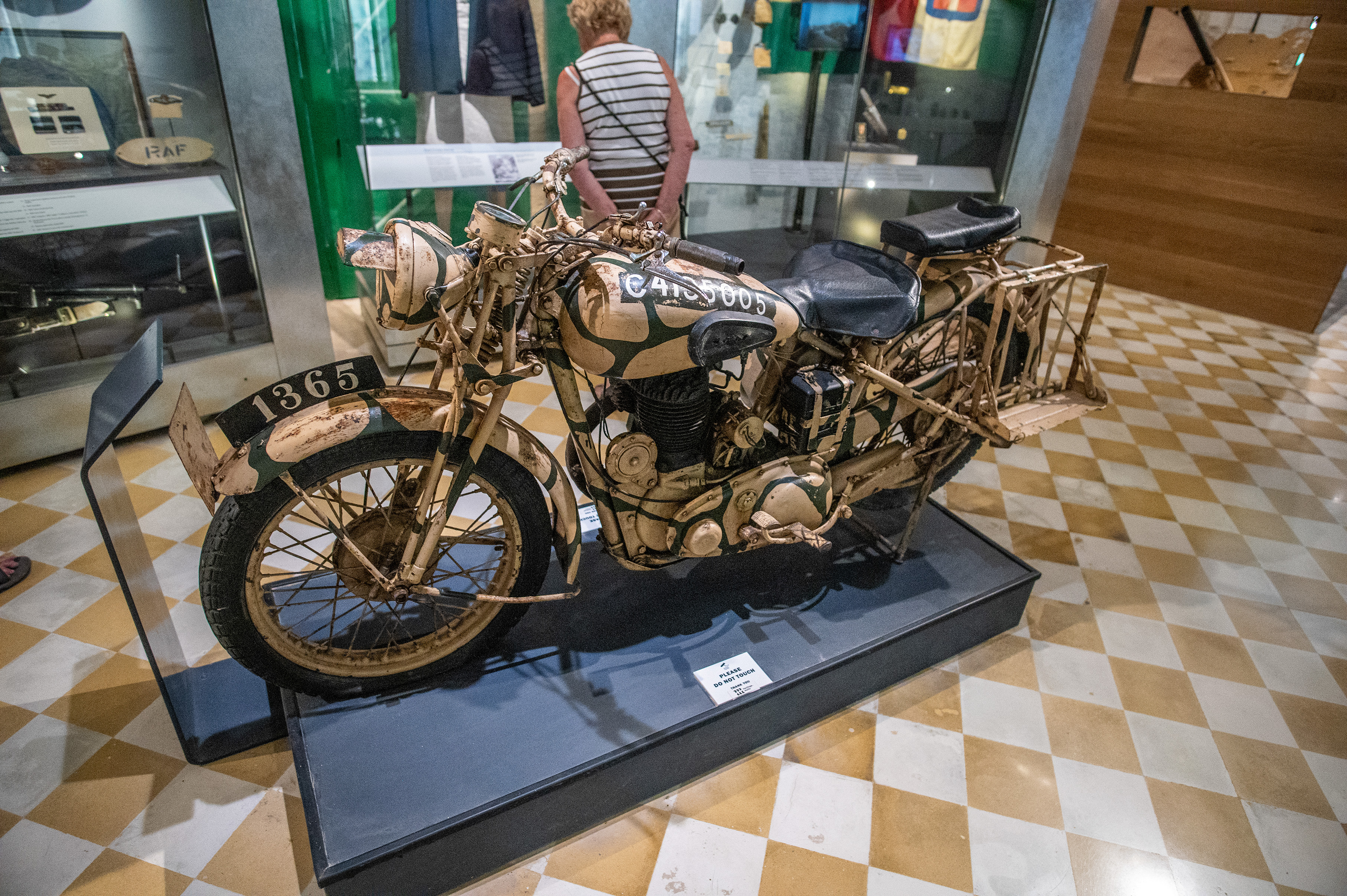
Today, Fort St. Elmo houses Malta’s National War Museum, covering 7,000 years of military history.
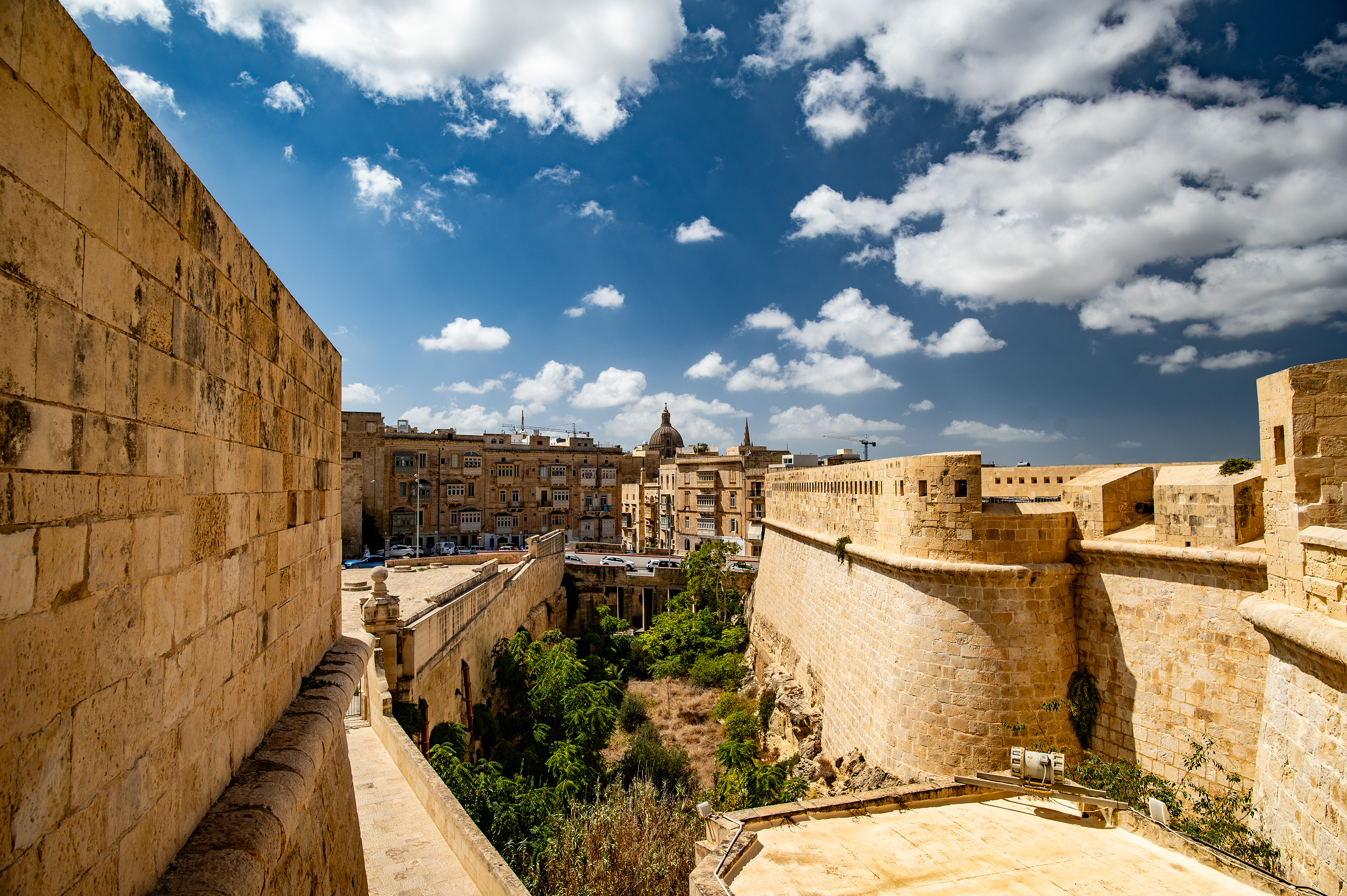
Fort St. Elmo anchors Valletta’s seaward edge, acting as a gateway and shield. Its position mirrors the Carmelite Basilica’s dome and St Paul’s Pro-Cathedral spire inland—together forming a layered civic and symbolic skyline.