HOME

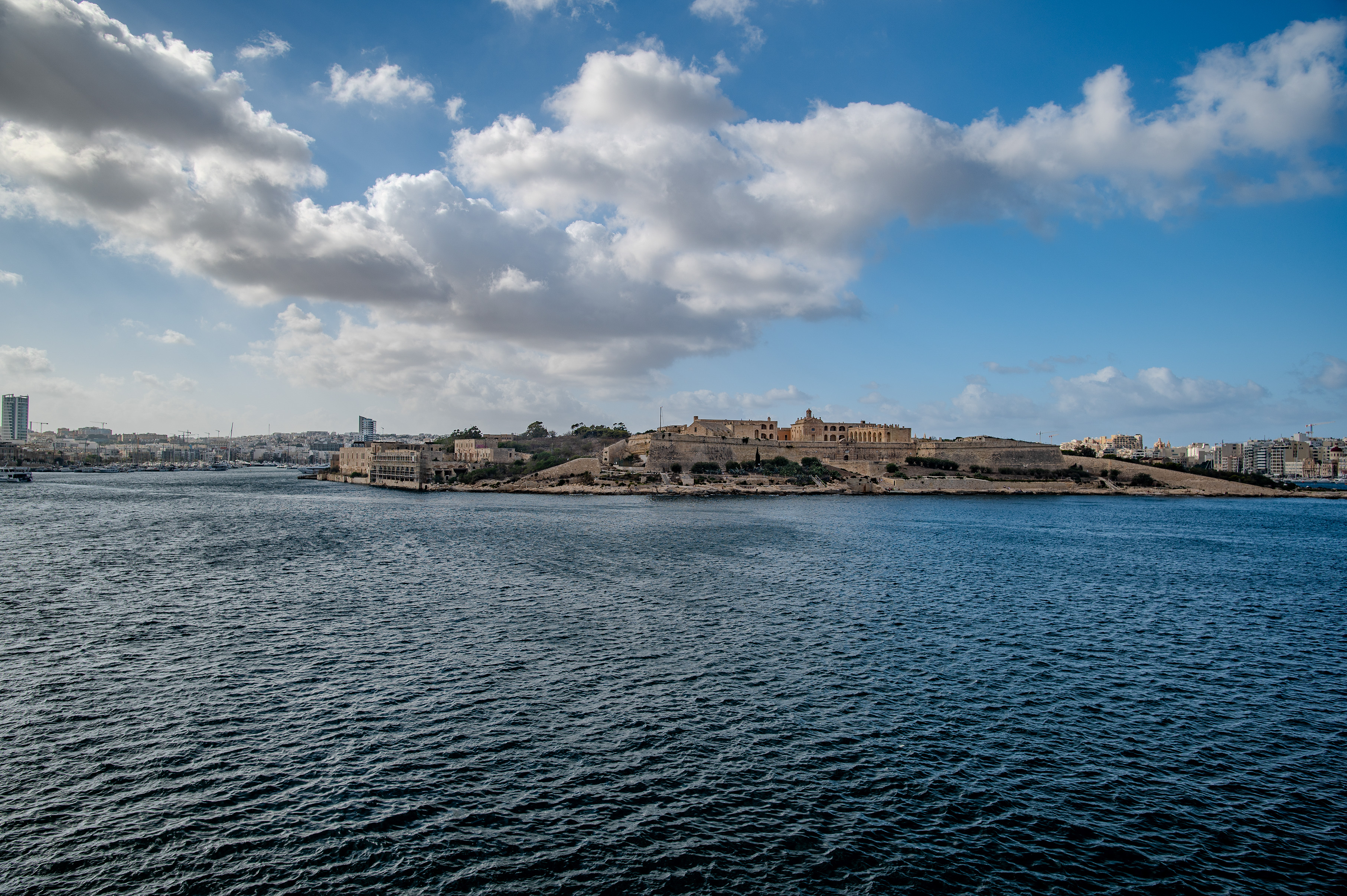
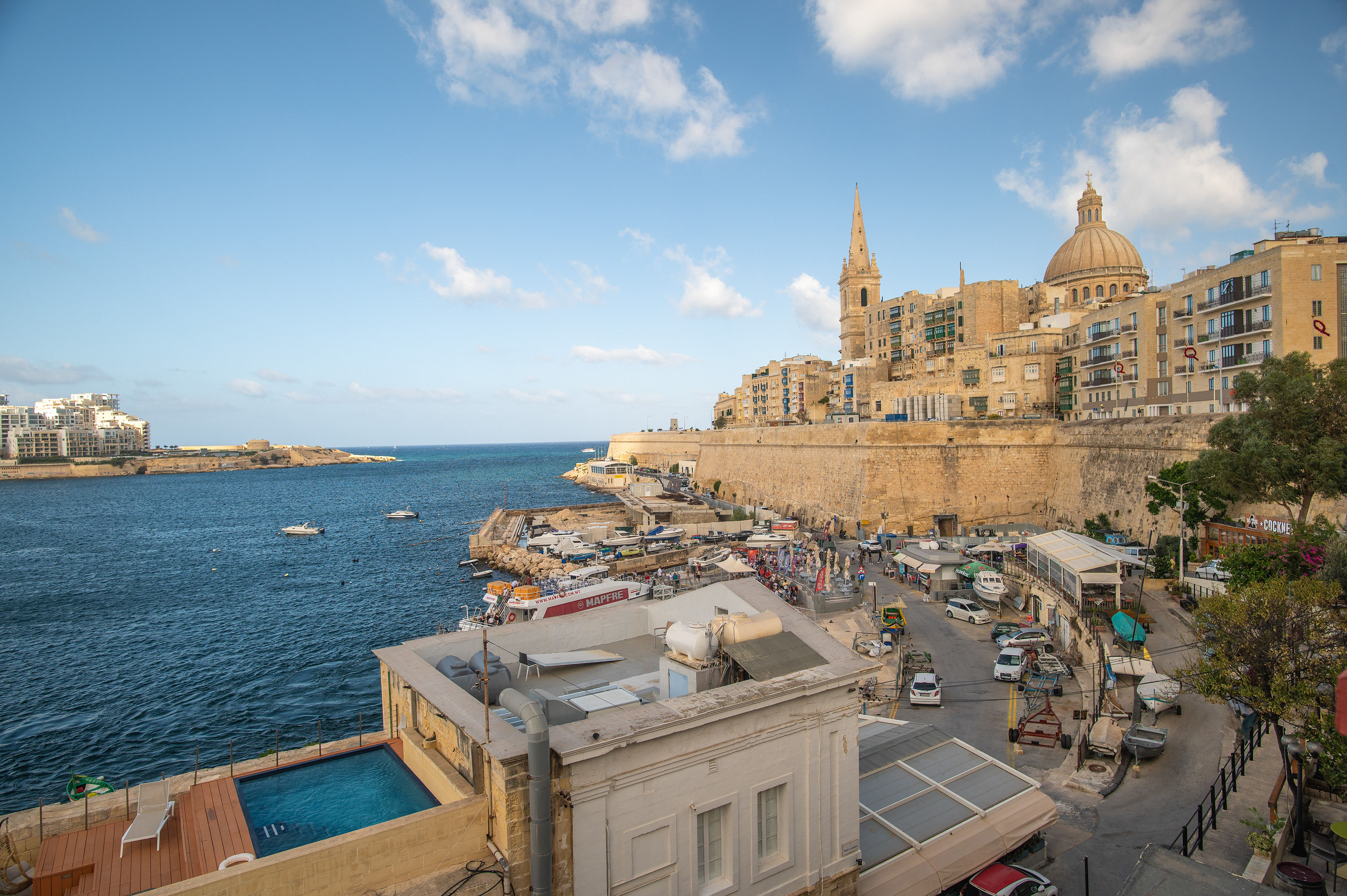
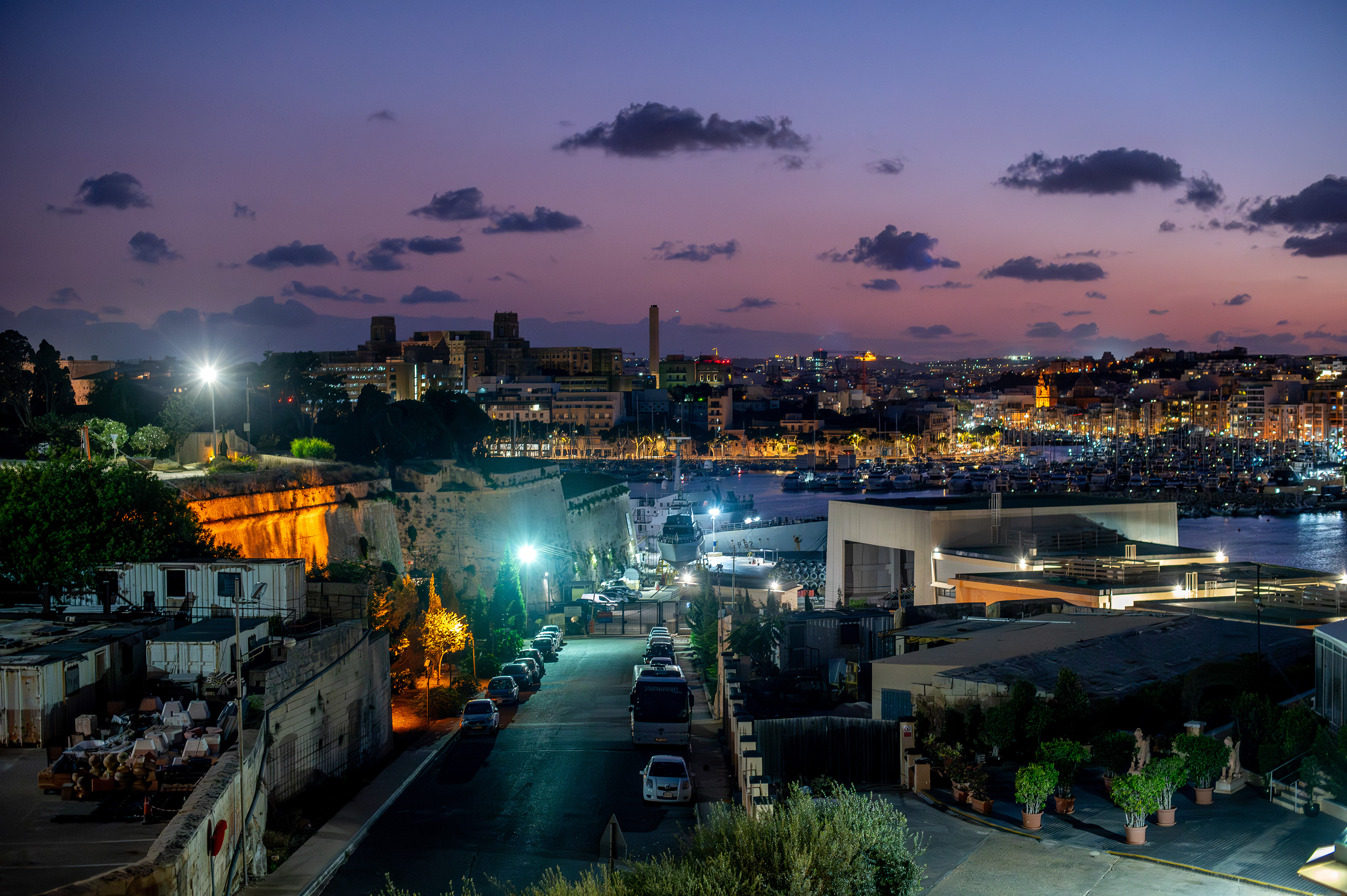
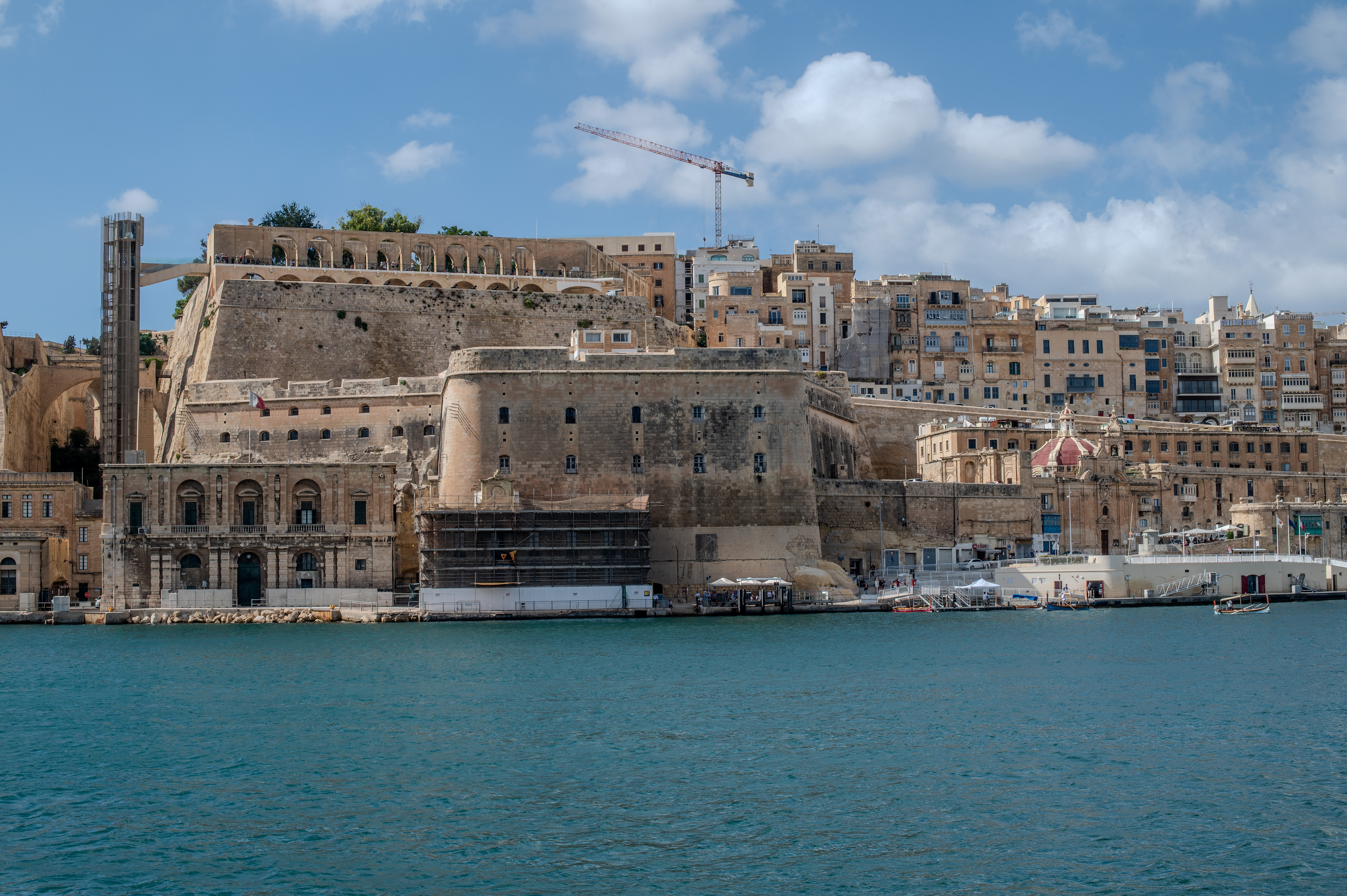
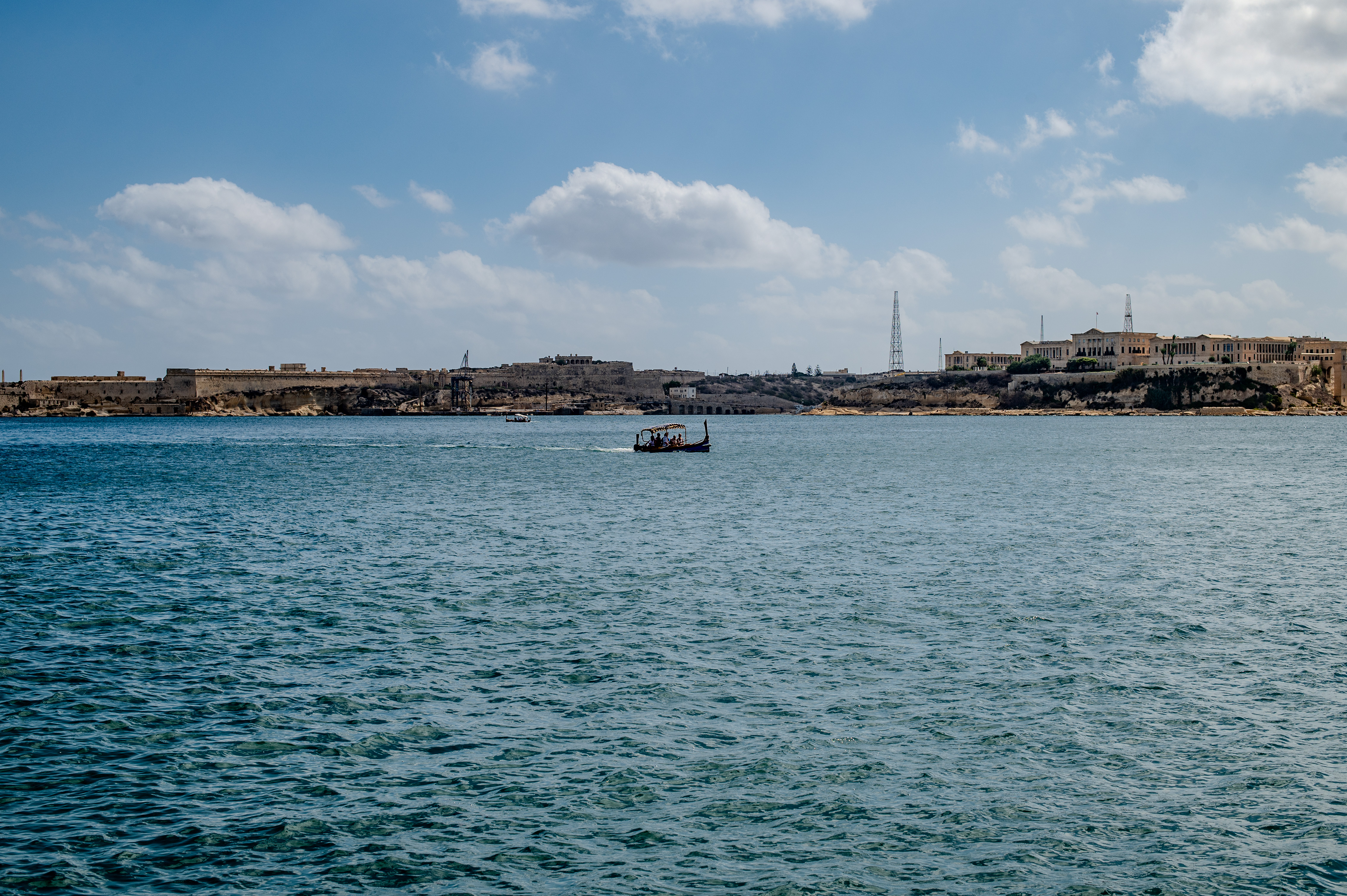
Grand Harbour

Grand Harbour

Valletta,   Malta

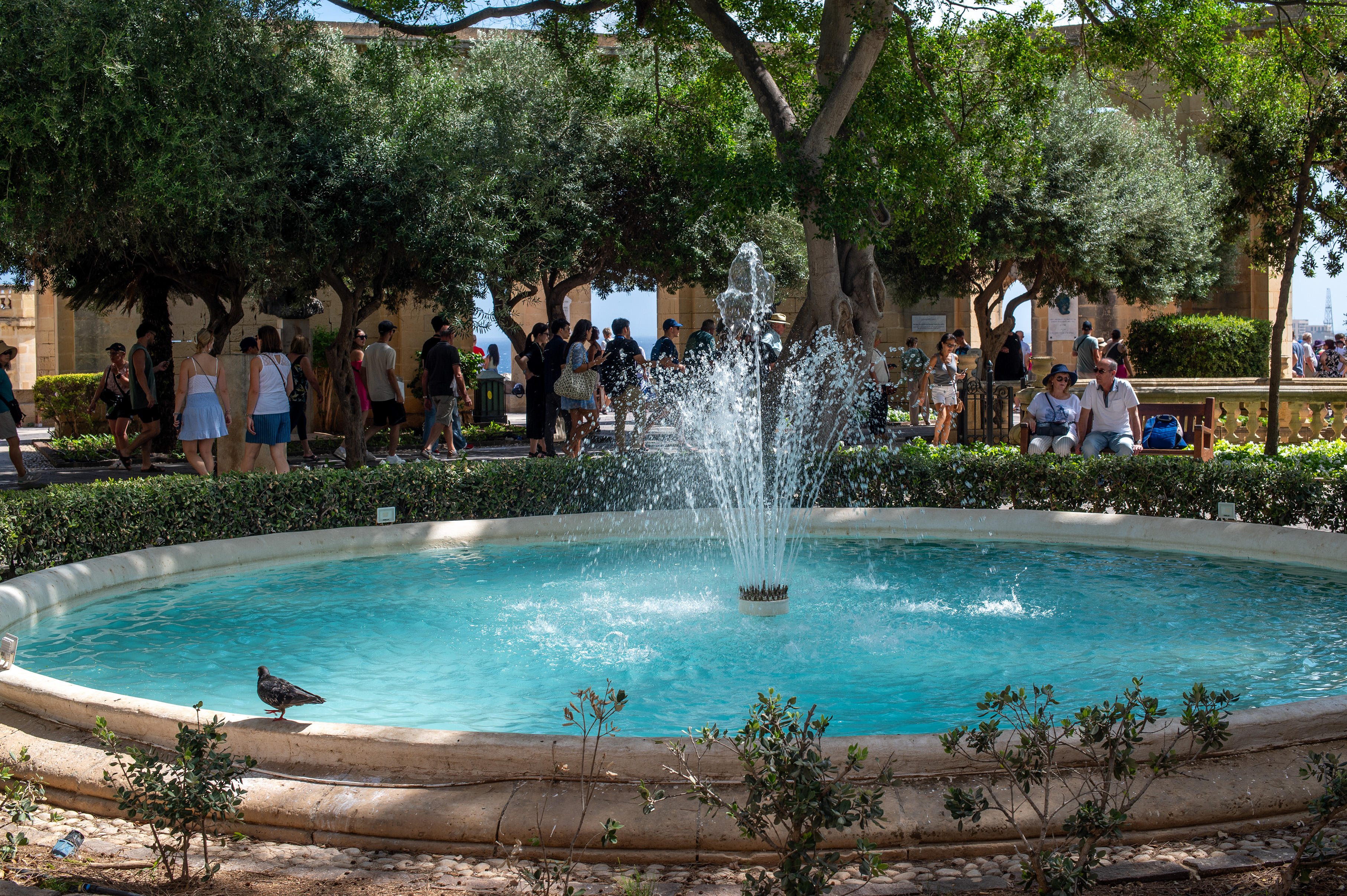
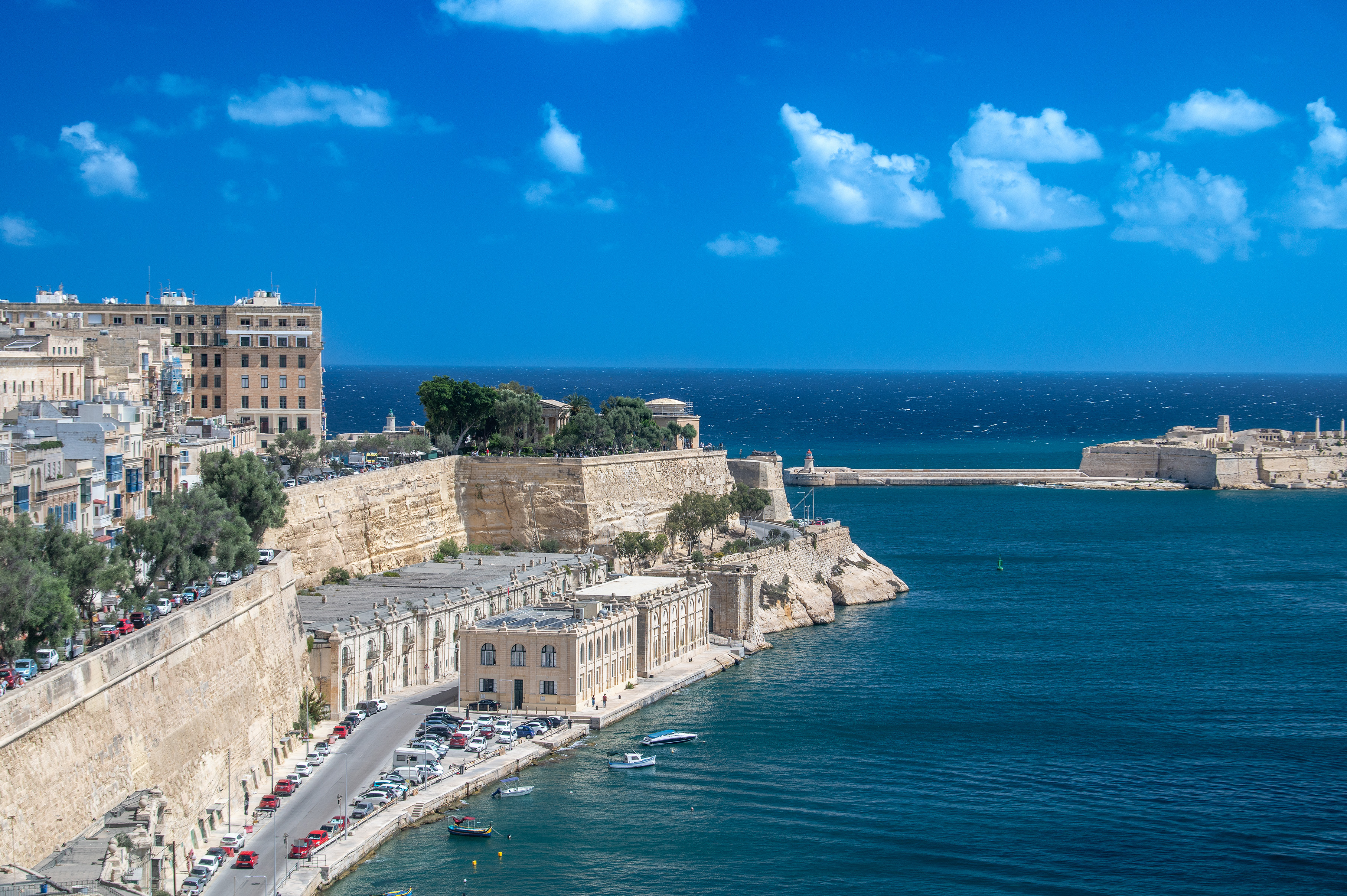
Upper Barrakka
Upper Barrakka ‐ photo by ,
©www.mgaylard.co.uk.
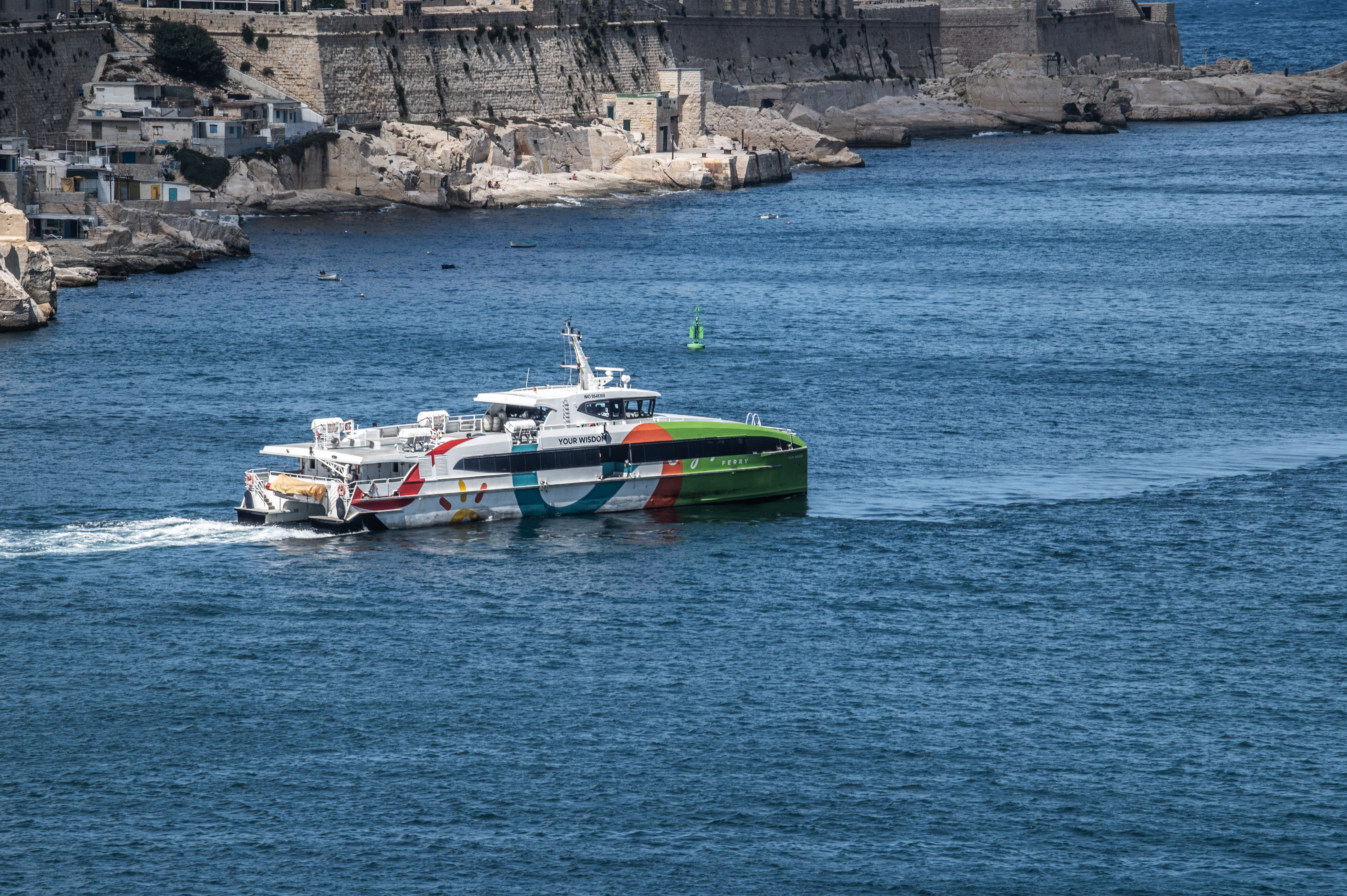
Ferry Boat
Ferry Boat ‐ photo by ,
©www.mgaylard.co.uk.
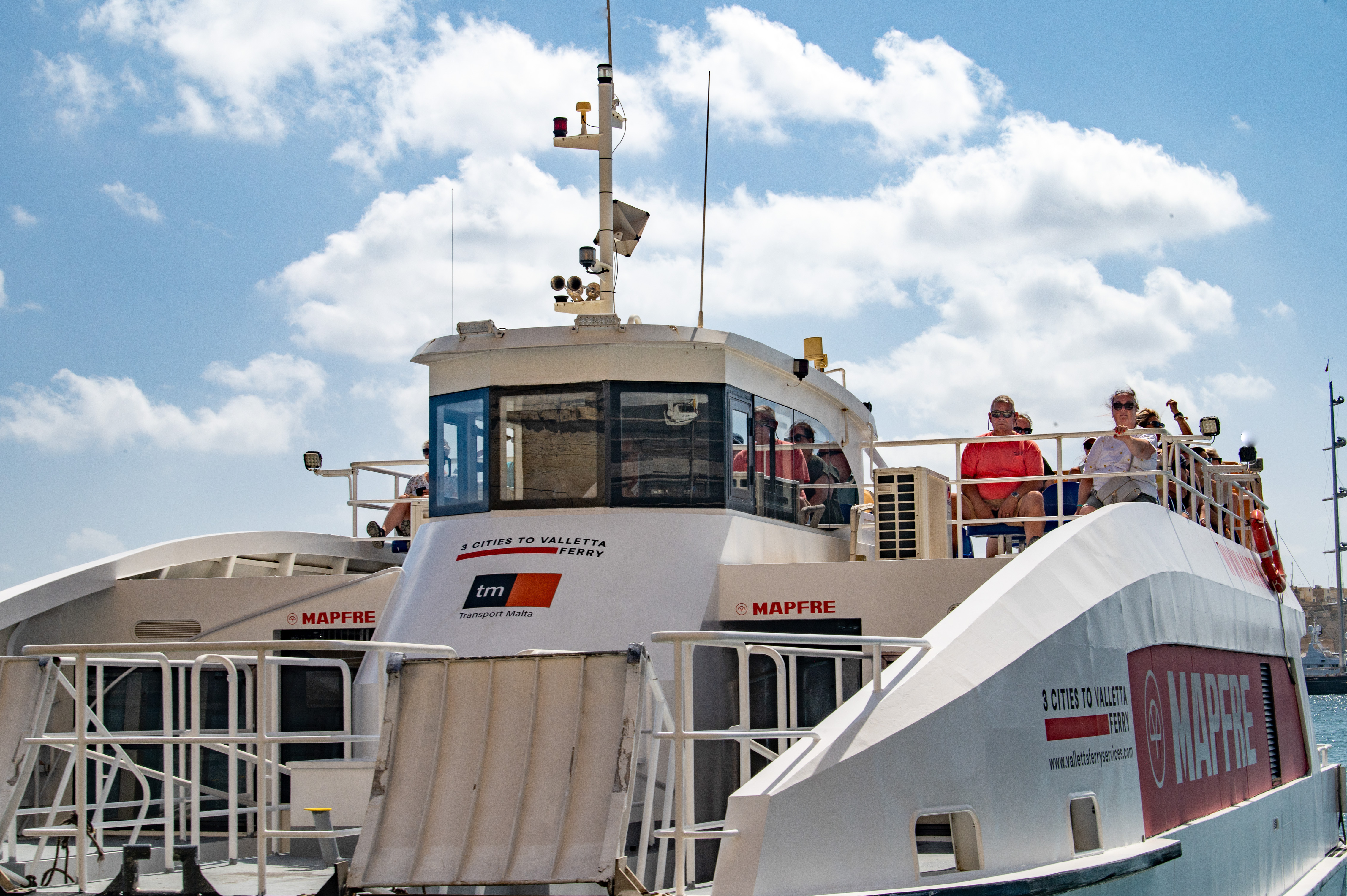
Birgu catamaran ferry
Birgu catamaran ferryBirgu catamaran ferry ‐ photo by ,
©www.mgaylard.co.uk.
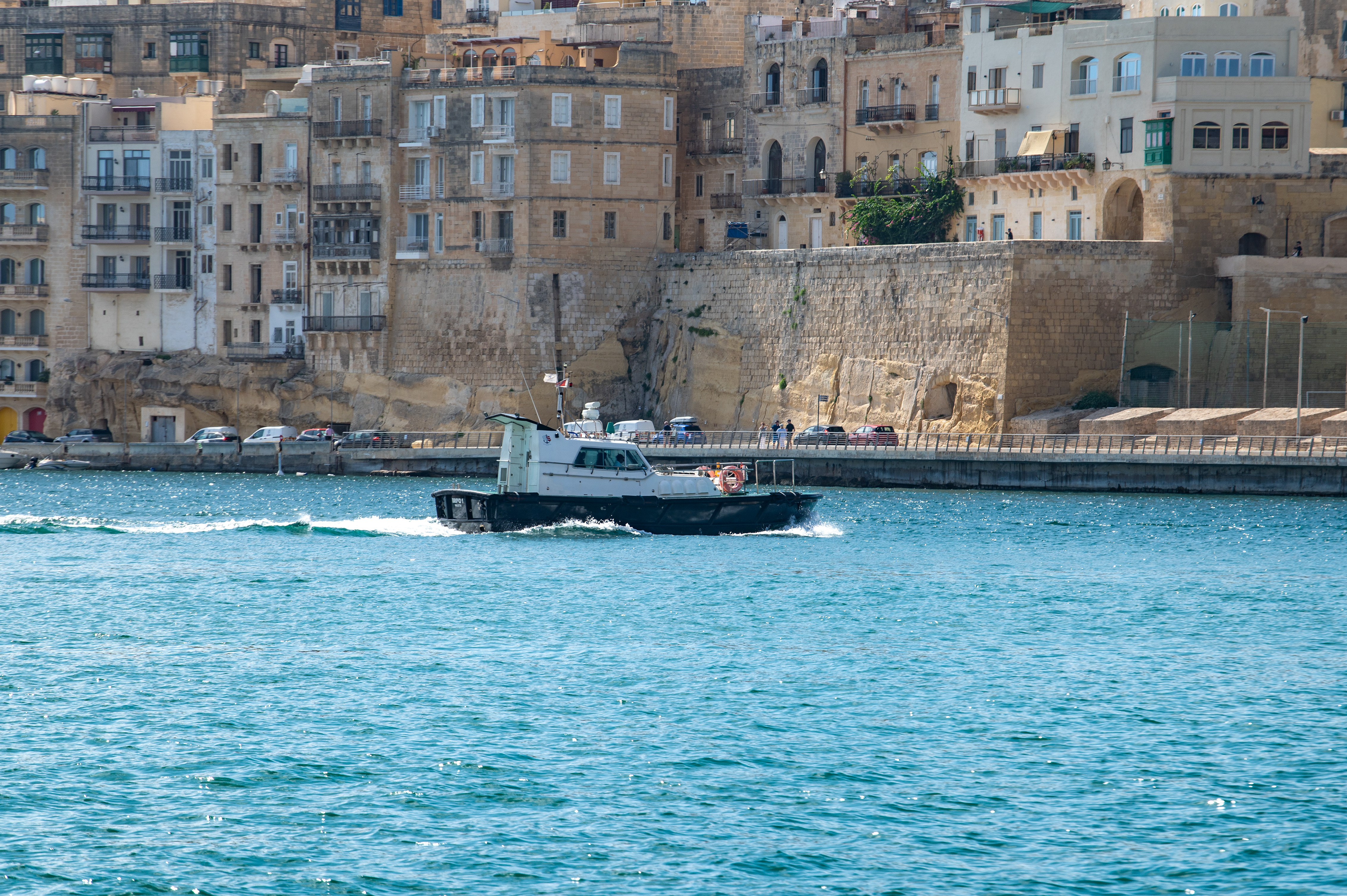
Grand Harbour Pilot Vessel
Grand Harbour Pilot Vessel ‐ photo by ,
©www.mgaylard.co.uk.
Luzzu Cruises
Luzzu Cruises ‐ photo by ,
©www.mgaylard.co.uk.
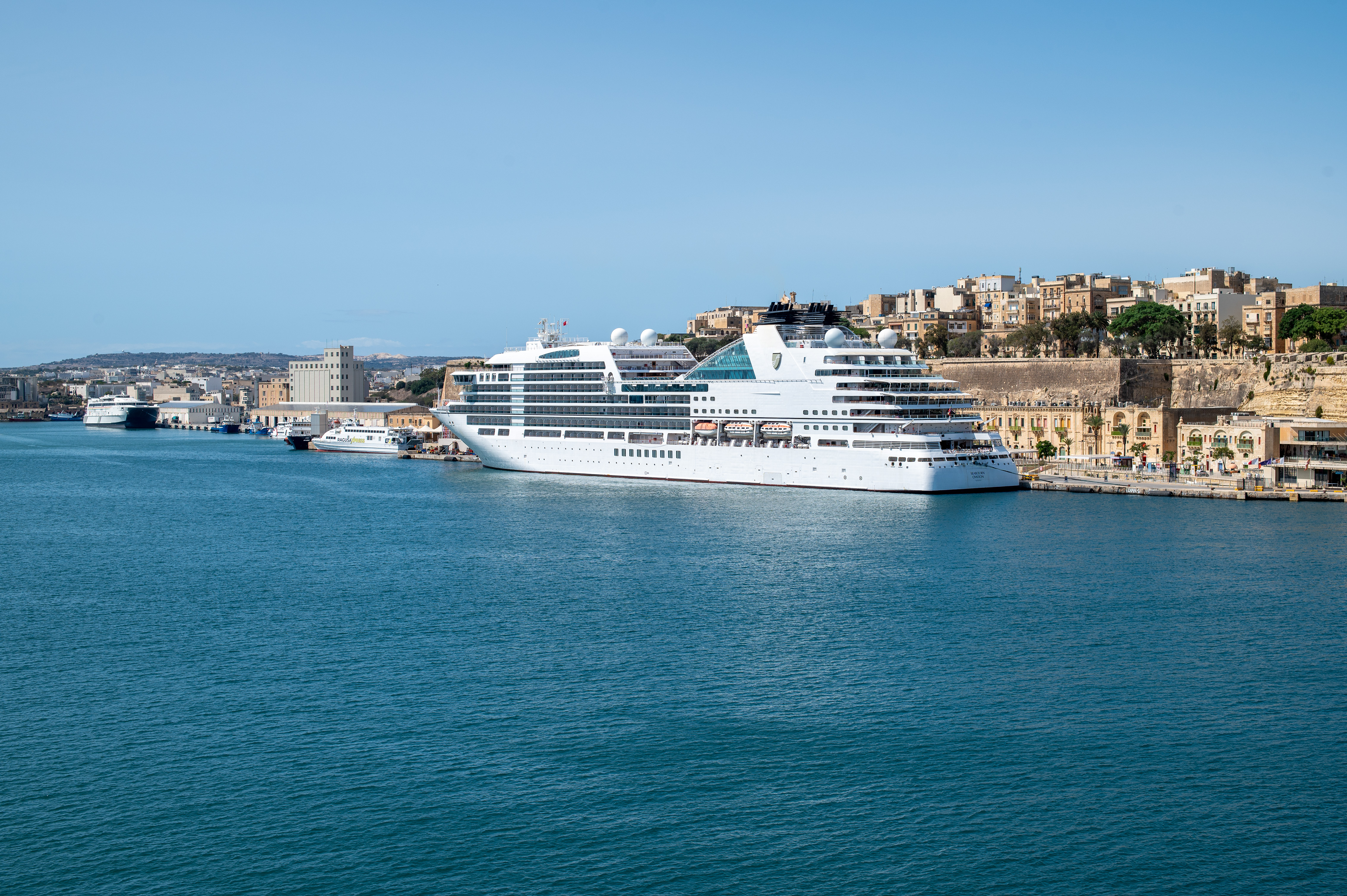
MSC Cruise Ship
MSC Cruise Ship ‐ photo by ,
©www.mgaylard.co.uk.
Harbour Taxi
Harbour Taxi ‐ photo by ,
©www.mgaylard.co.uk.
Harbour Taxi
Harbour Taxi ‐ photo by ,
©www.mgaylard.co.uk.
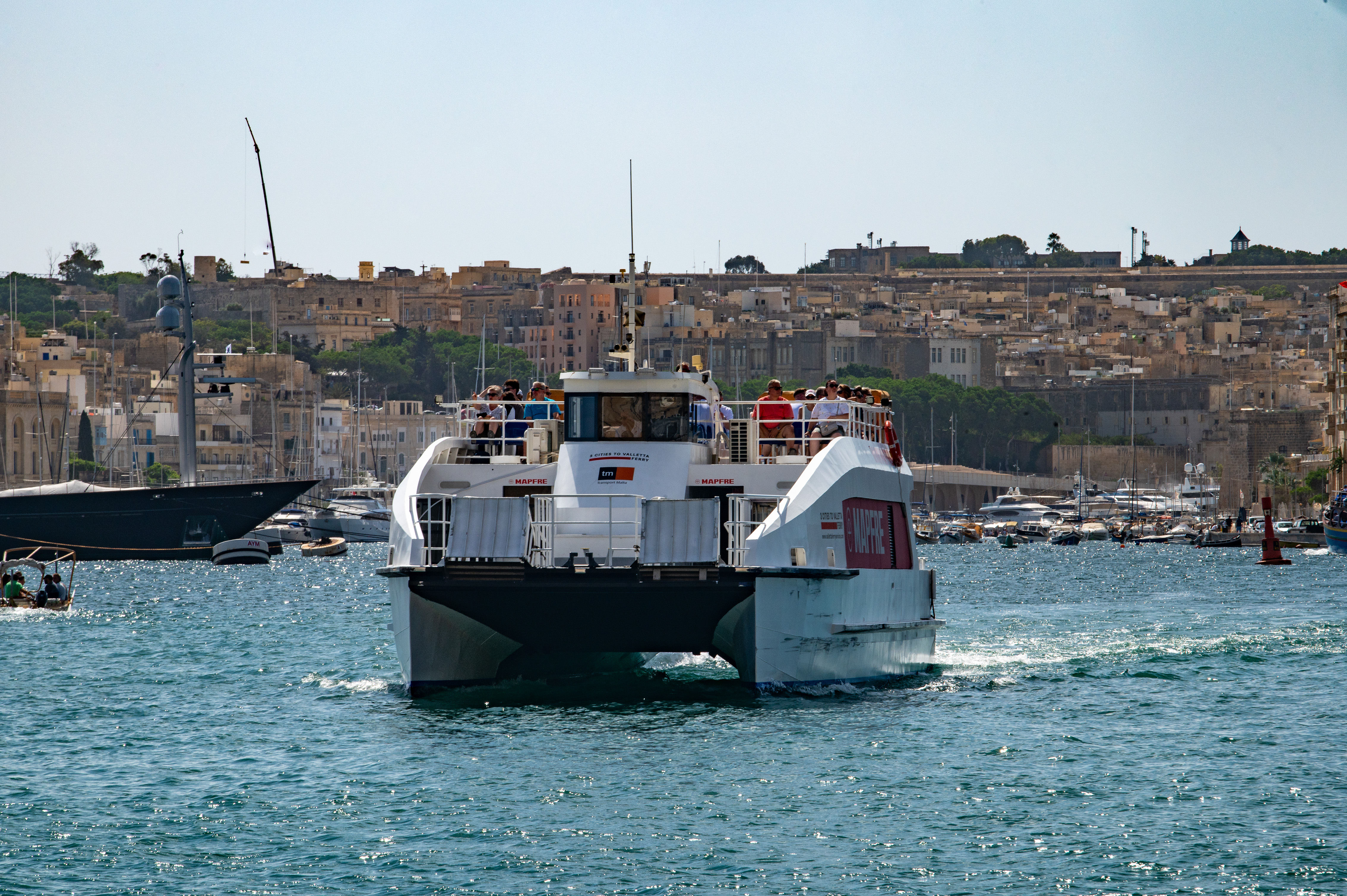
3 Cities to Valletta Ferry
3 Cities to Valletta Ferry ‐ photo by ,
©www.mgaylard.co.uk.
Open the full set flickr button this page

harbour

Grand Harbour in Malta is one of the Mediterranean’s most historic and visually striking natural harbours, central to the island’s identity and resilience.

Southeastern Malta, between Valletta (northwest shore) and the Three Cities (Birgu/Vittoriosa, Senglea, Cospicua) on the southeast. Size: About 2,035,000 m² (503 acres), stretching 3.63 km long and 1.33 km wide, with an average depth of 7.7 m.

Historical Significance


Prehistoric Use: Megalithic remains (Kordin Temples, c. 3700 BC) overlooked the harbour.
Phoenician & Roman Periods: Punic and Roman remains found along its shores; Cospicua may have been a Carthaginian port.
Knights of St. John: Established headquarters in Birgu, fortified Fort St. Angelo, and defended the harbour during the Great Siege of 1565.
British Era: Expanded dockyards and fortifications, making it a major naval base.
World War II: Heavily bombed but remained a strategic Allied stronghold.

- Today, Grand Harbour is considered one of the world’s most visually captivating cruise ports, welcoming liners with Valletta’s UNESCO skyline as backdrop. Marinas host luxury yachts and pleasure boats, especially at Birgu’s Grand Harbour Marina.
References

en.wikipedia.orgwww.guidememalta.comantor.com , Text generated by Microsoft CoPilot

Valletta  nation

Valletta is the capital city of Malta, a UNESCO World Heritage Site renowned for its 16th-century fortifications, baroque architecture, and breathtaking views of the Grand Harbour. It is a vibrant cultural hub with museums, palaces, gardens, and historic churches.
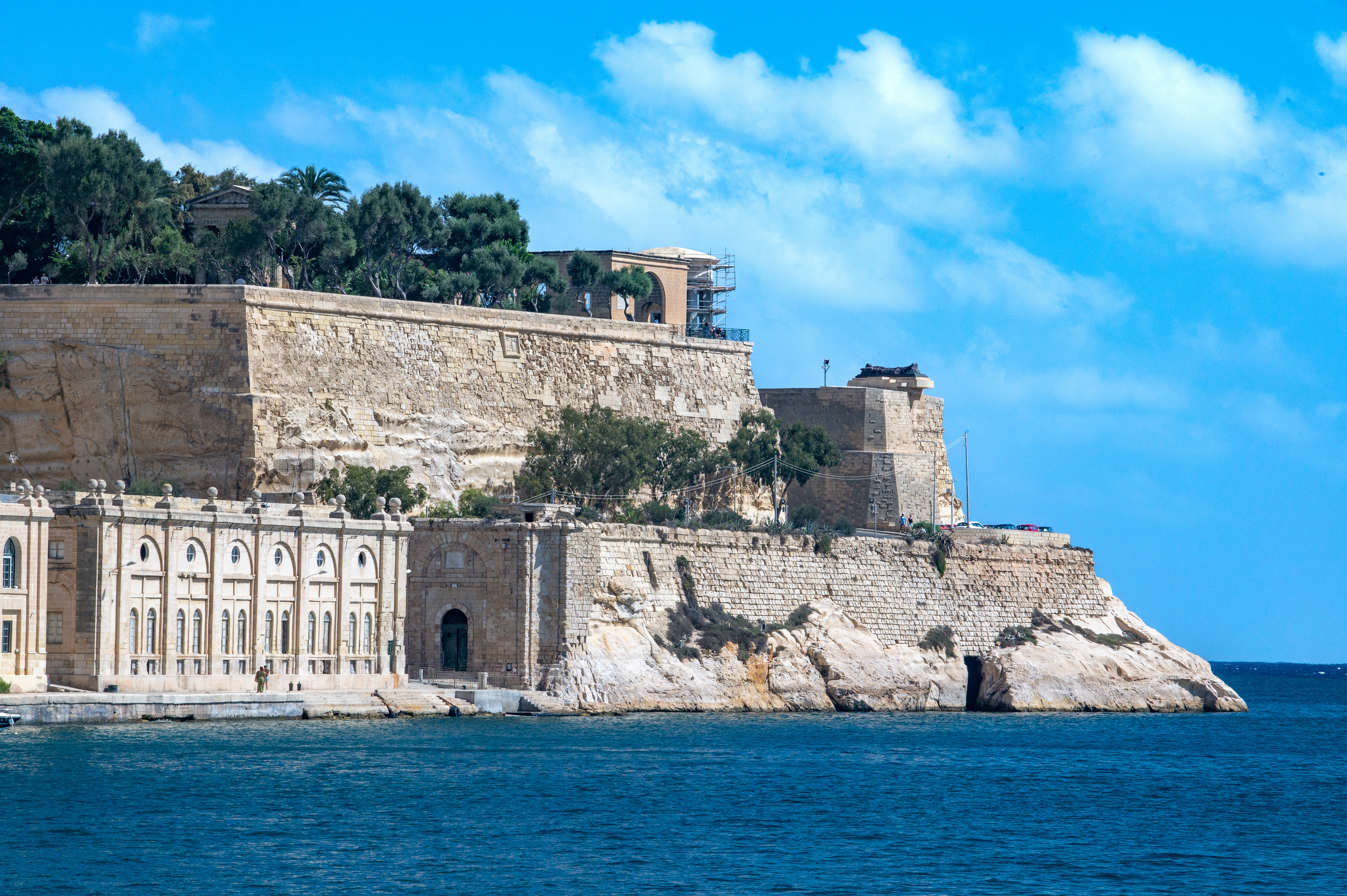
Quarry Wharf
Quarry Wharf ‐ photo by ,
©www.mgaylard.co.uk.
coastal fortification
coastal fortification ‐ photo by ,
©www.mgaylard.co.uk.
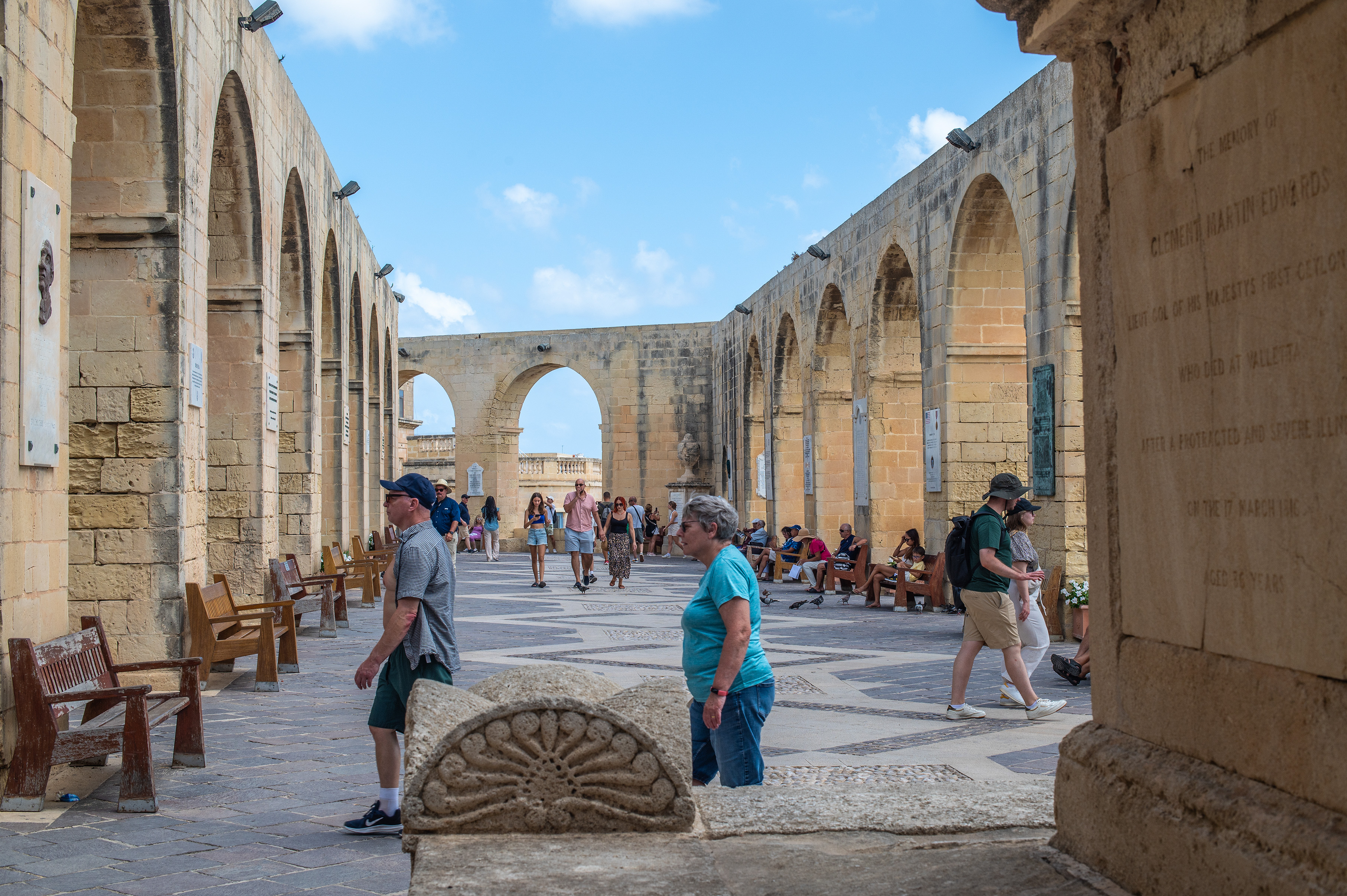
Upper Barrakka
Upper Barrakka ‐ photo by ,
©www.mgaylard.co.uk.
Upper Barrakka
Upper Barrakka ‐ photo by ,
©www.mgaylard.co.uk.

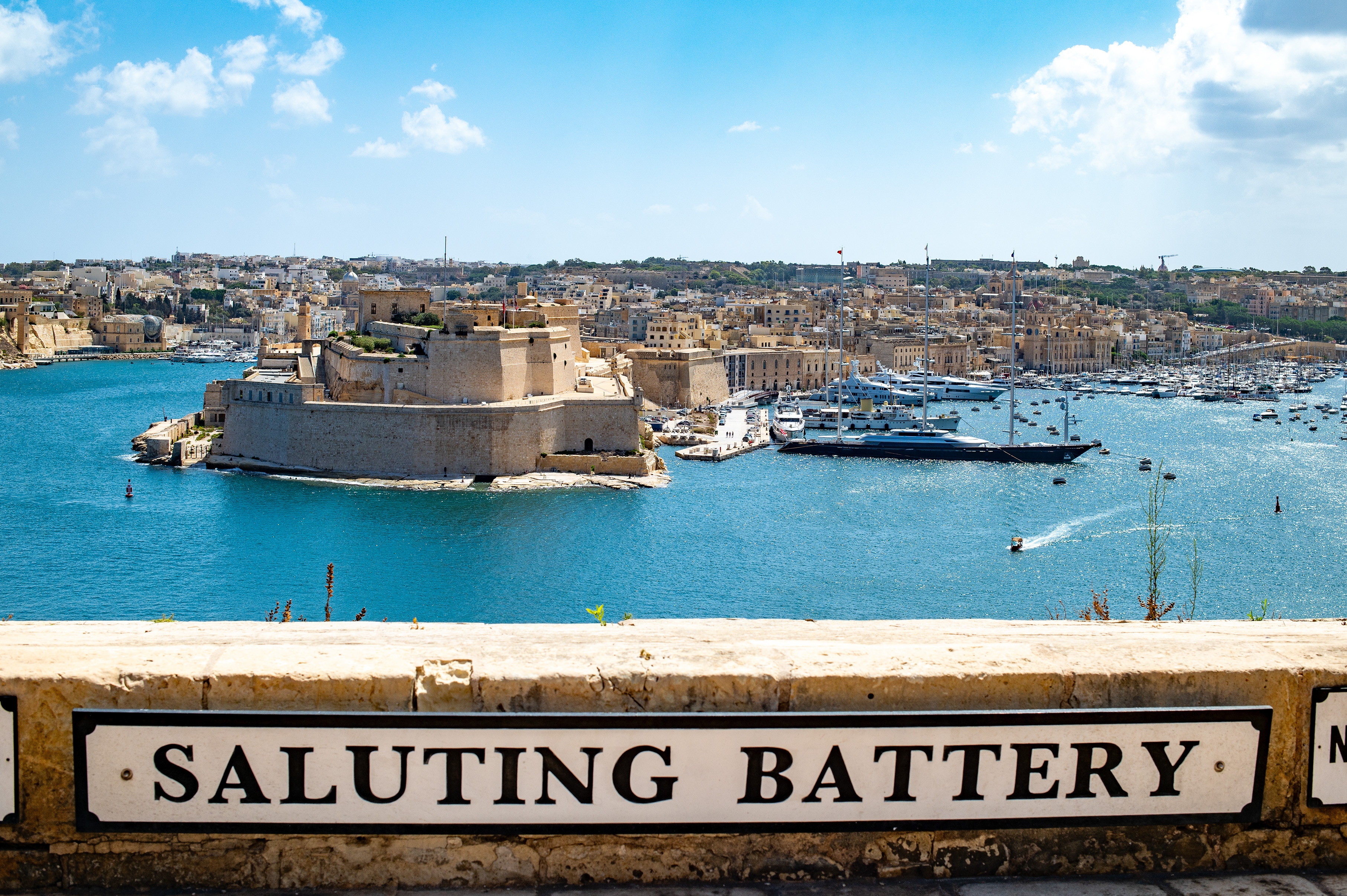
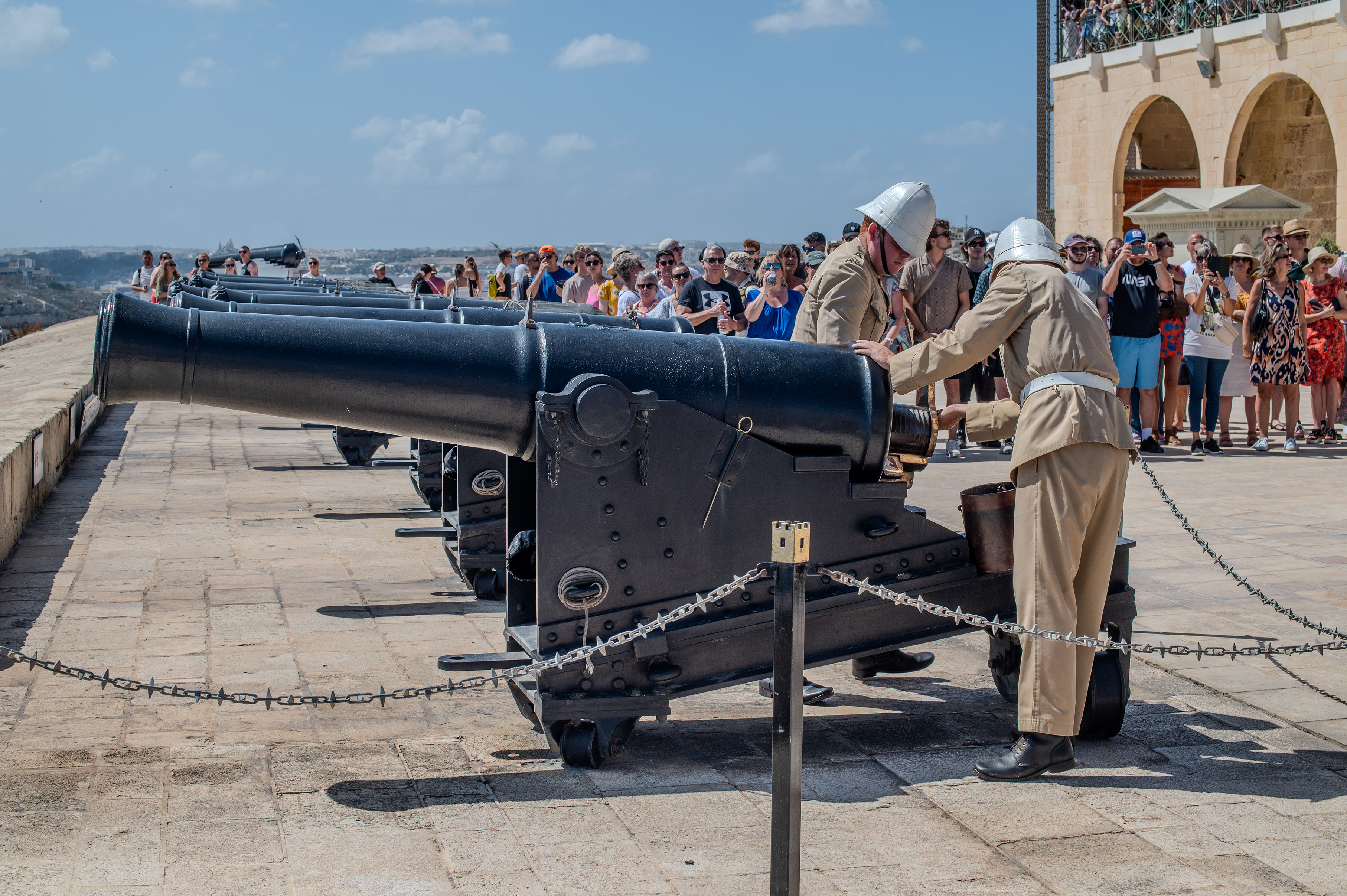
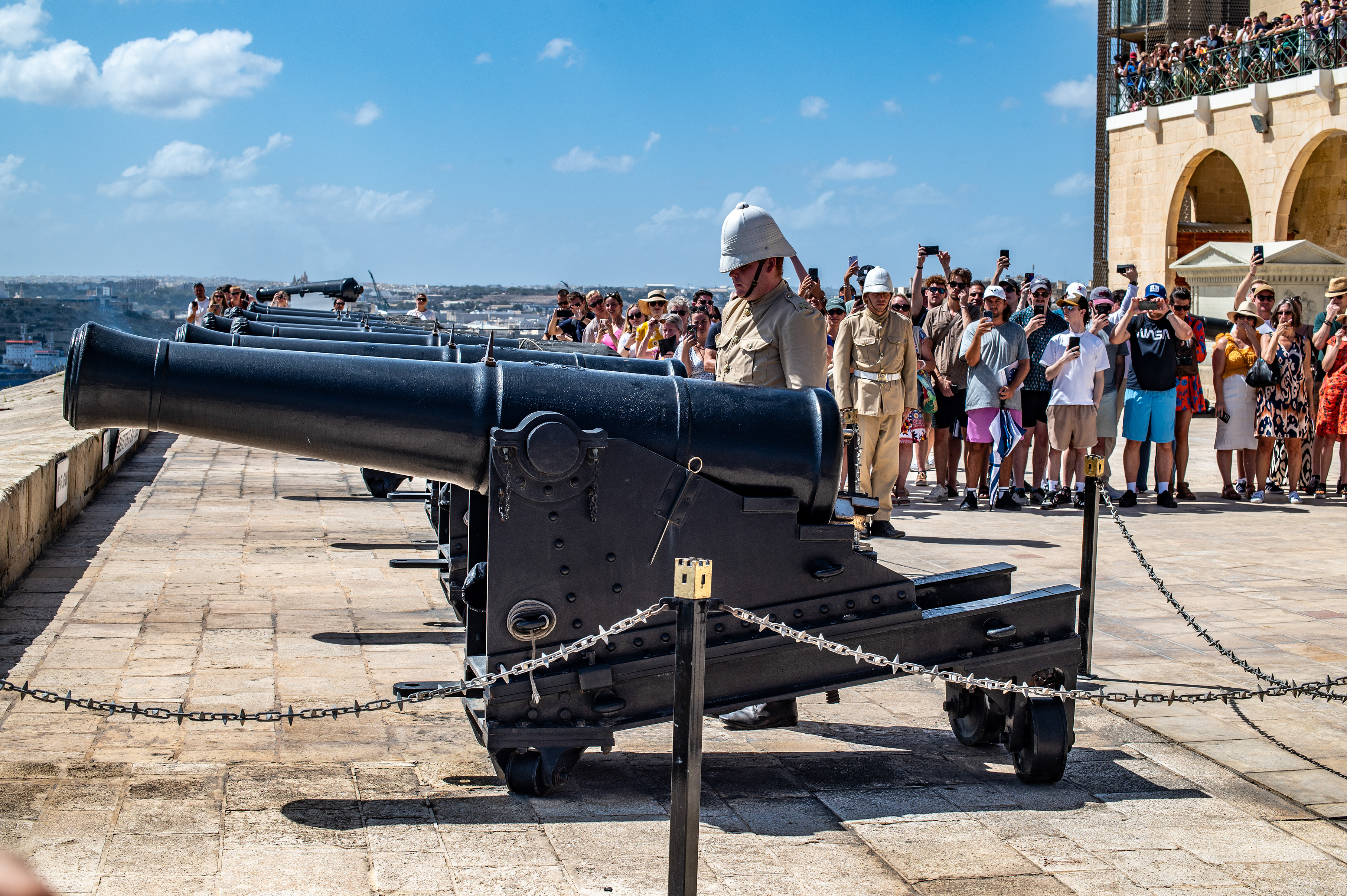
Saluting Battery

Saluting Battery
Saluting Battery ‐ photo by ,
©www.mgaylard.co.uk.
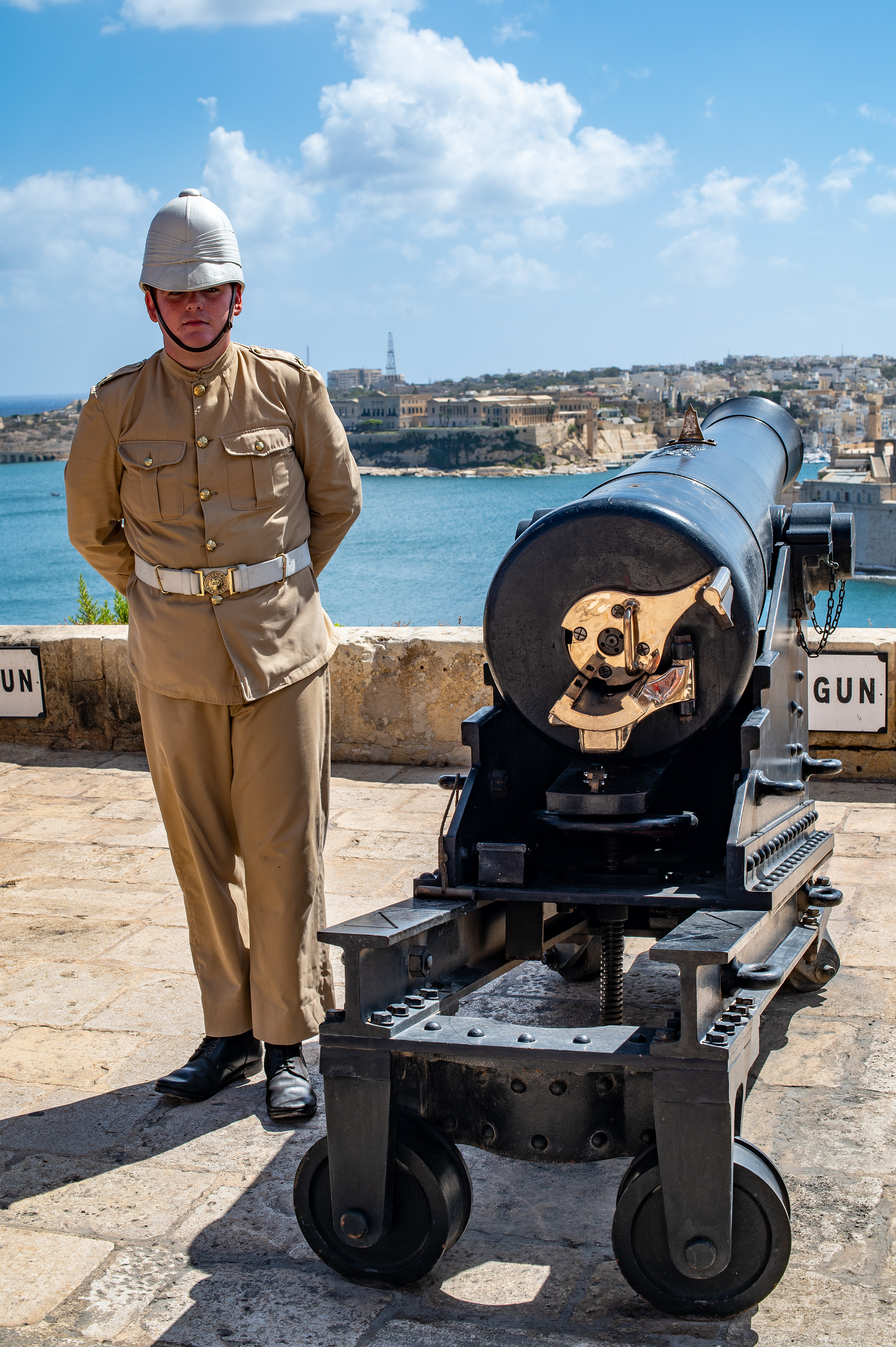
a person in a historical military uniform standing next to an old cannon
a person in a historical military uniform standing next to an old cannon ‐ photo by ,
©www.mgaylard.co.uk.
historical reenactment
historical reenactment ‐ photo by ,
©www.mgaylard.co.uk.
Cannons
Cannons ‐ photo by ,
©www.mgaylard.co.uk.

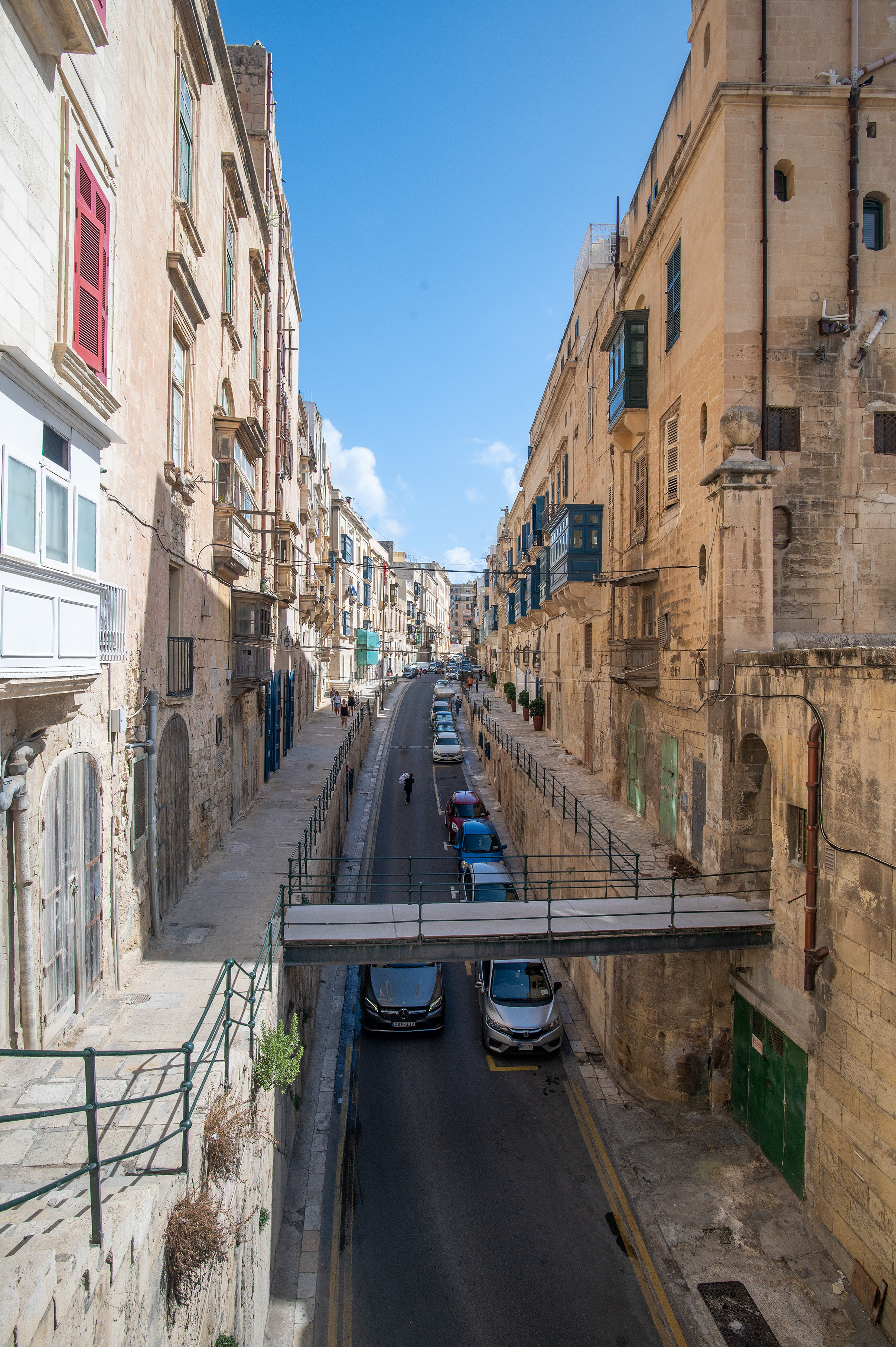
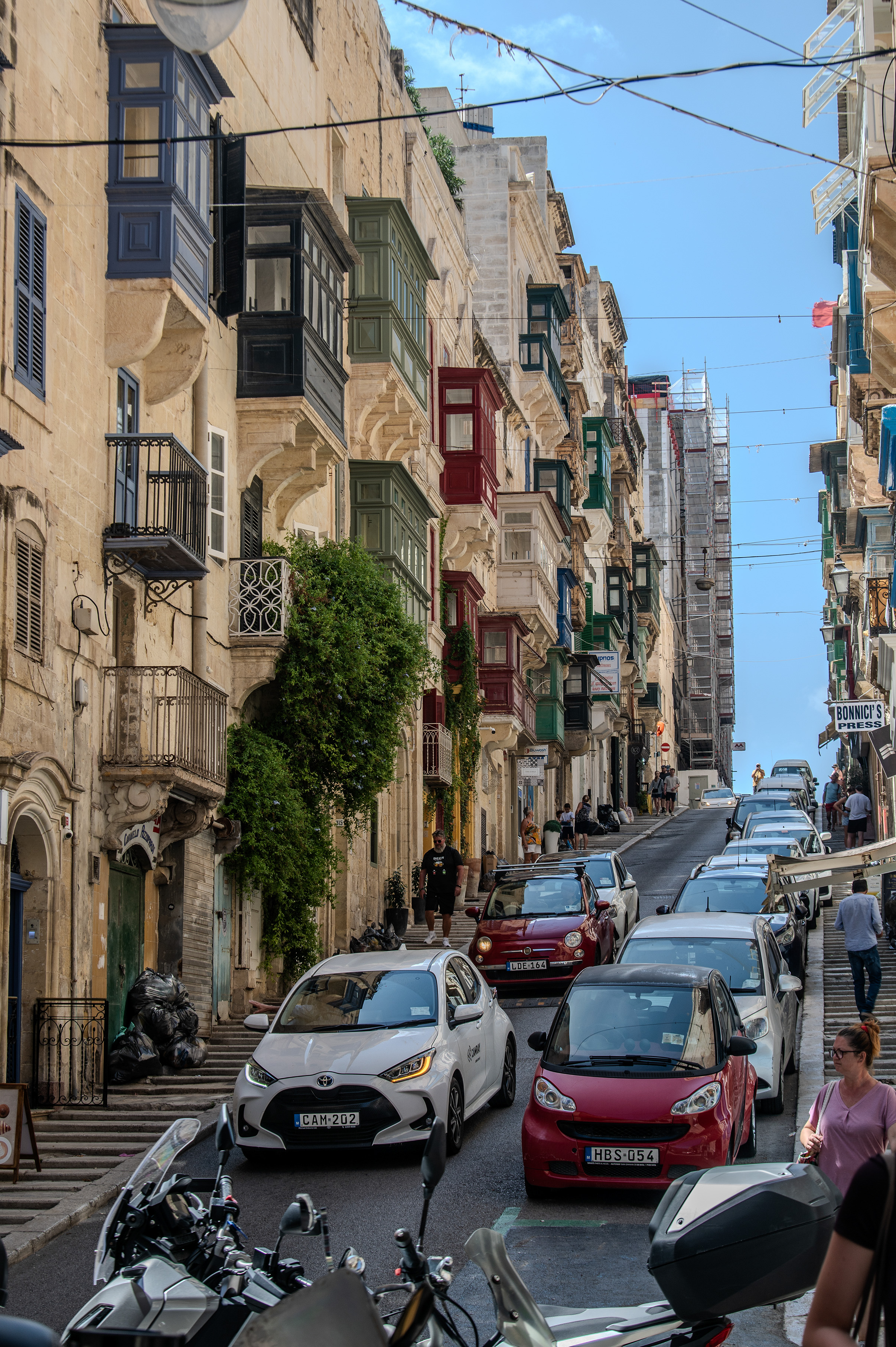
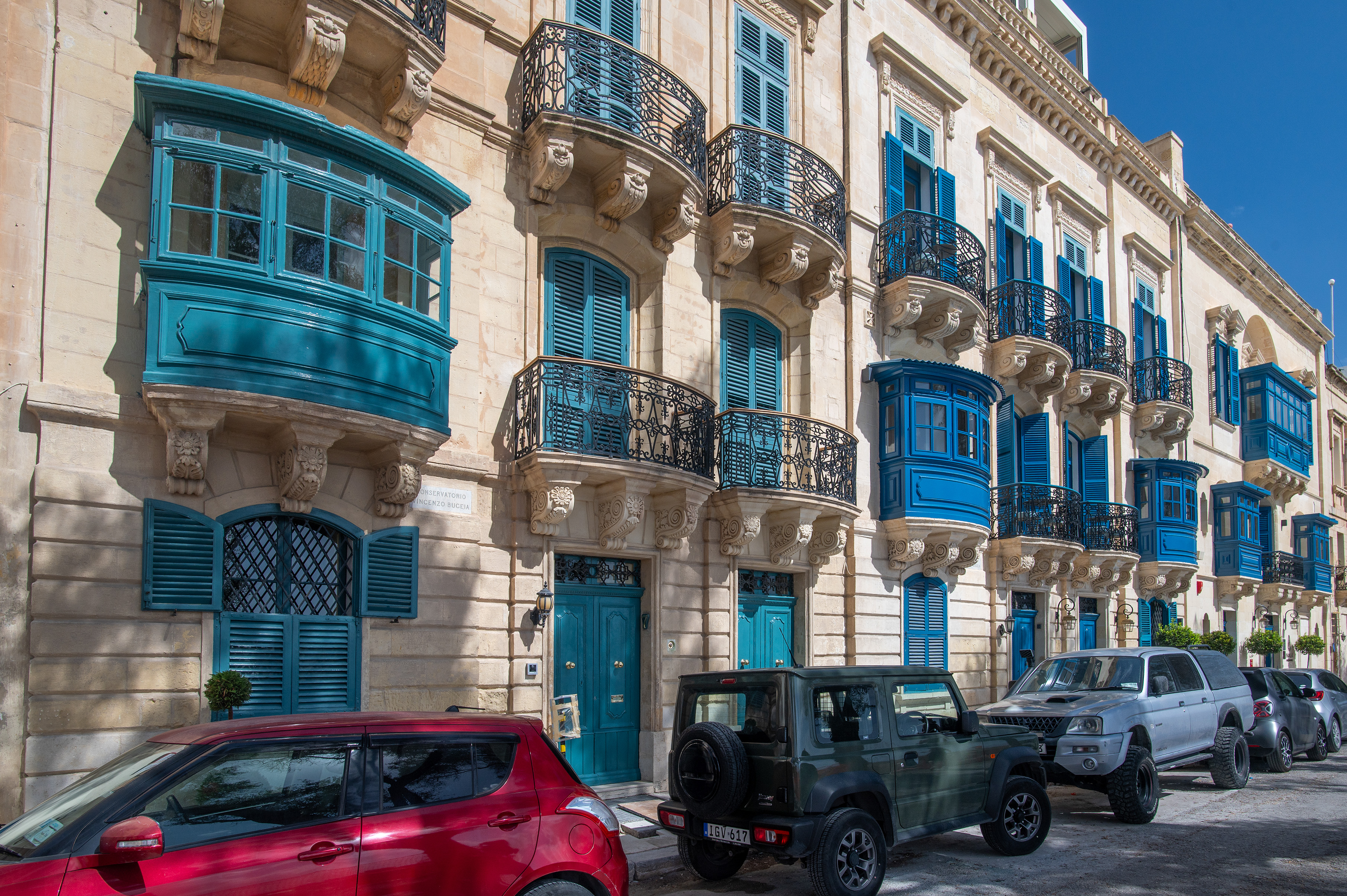
Streets of Valletta

narrow street
narrow street ‐ photo by ,
©www.mgaylard.co.uk.
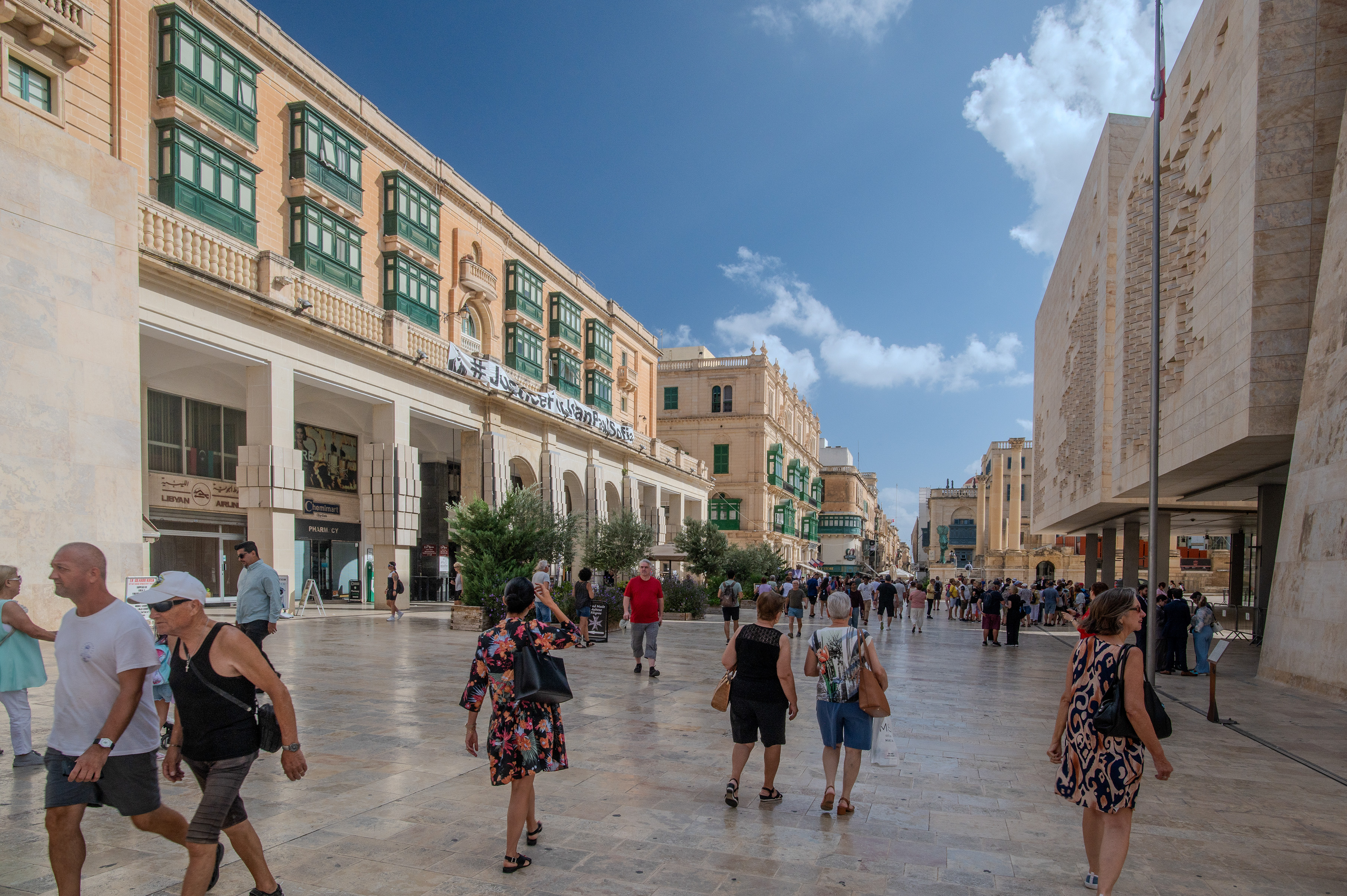
Republic Street
Republic Street ‐ photo by ,
©www.mgaylard.co.uk.
Republic Street
Republic Street ‐ photo by ,
©www.mgaylard.co.uk.
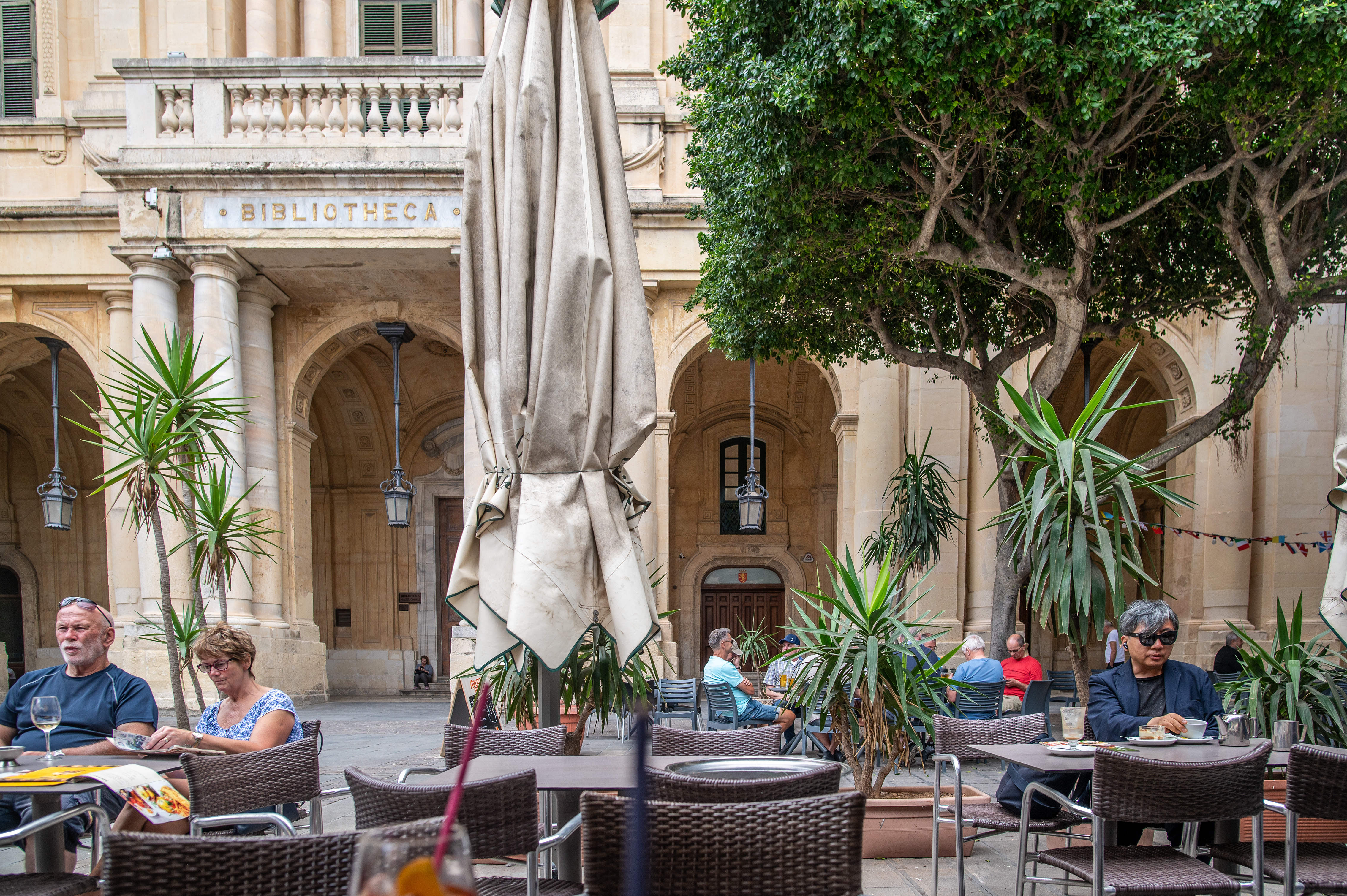
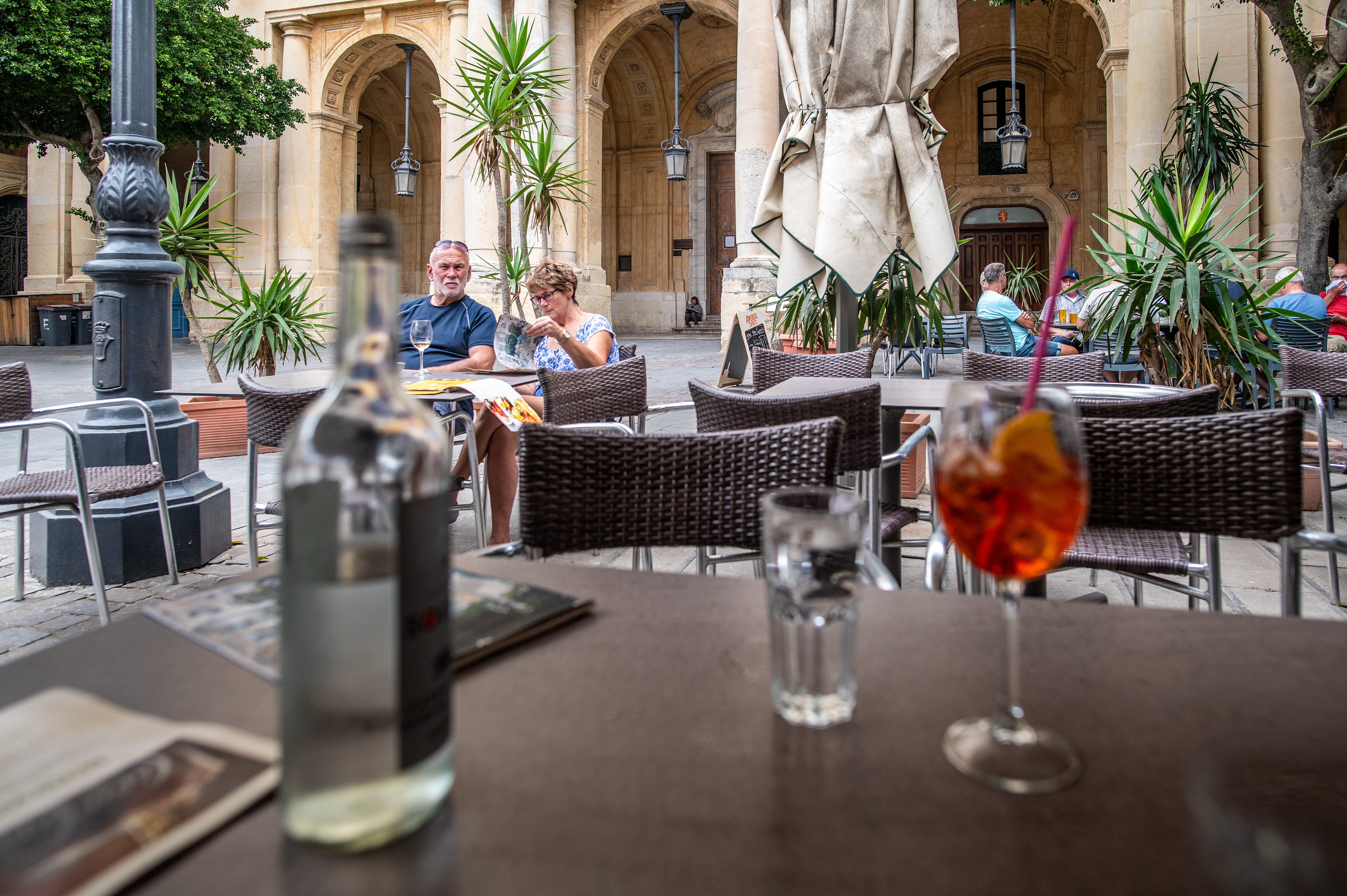
outdoor café scene
outdoor café scene ‐ photo by ,
©www.mgaylard.co.uk.
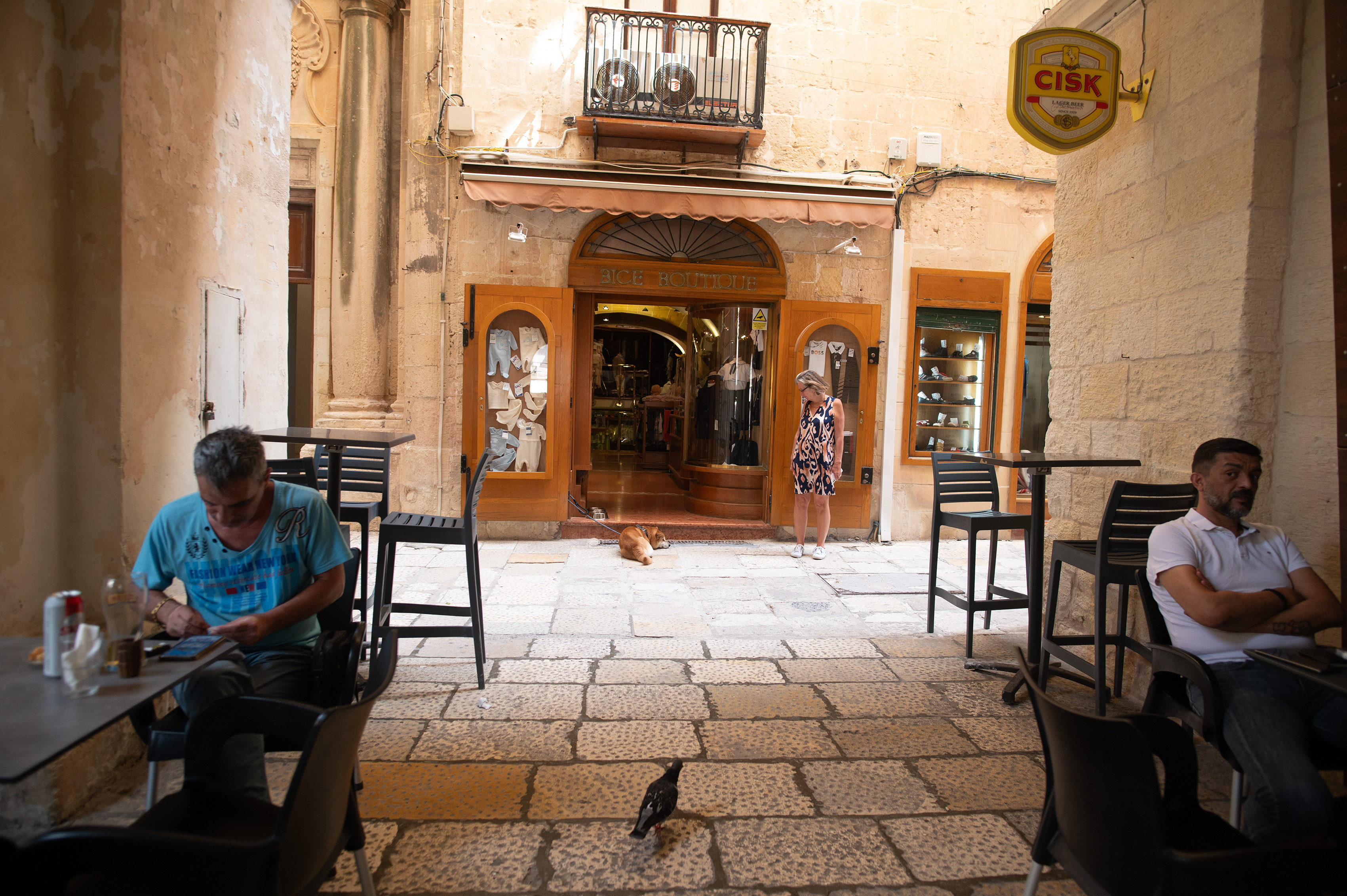
Two men are seated at tables, one engrossed in his phone
Two men are seated at tables, one engrossed in his phone ‐ photo by ,
©www.mgaylard.co.uk.
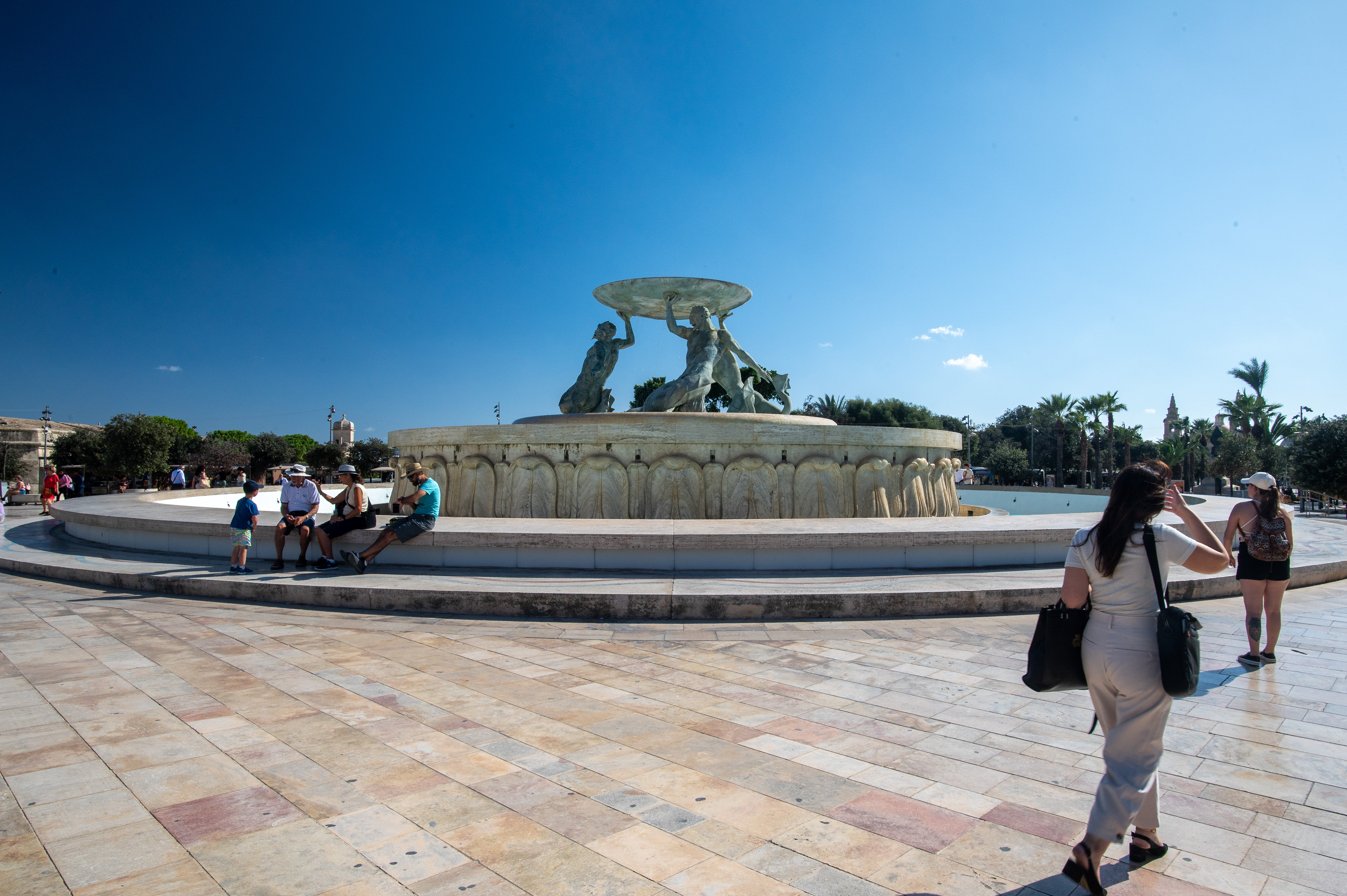
Triton Fountain
Triton Fountain ‐ photo by ,
©www.mgaylard.co.uk.
St Paul Street
St Paul Street ‐ photo by ,
©www.mgaylard.co.uk.
St Barbara Bastion
St Barbara Bastion ‐ photo by ,
©www.mgaylard.co.uk.
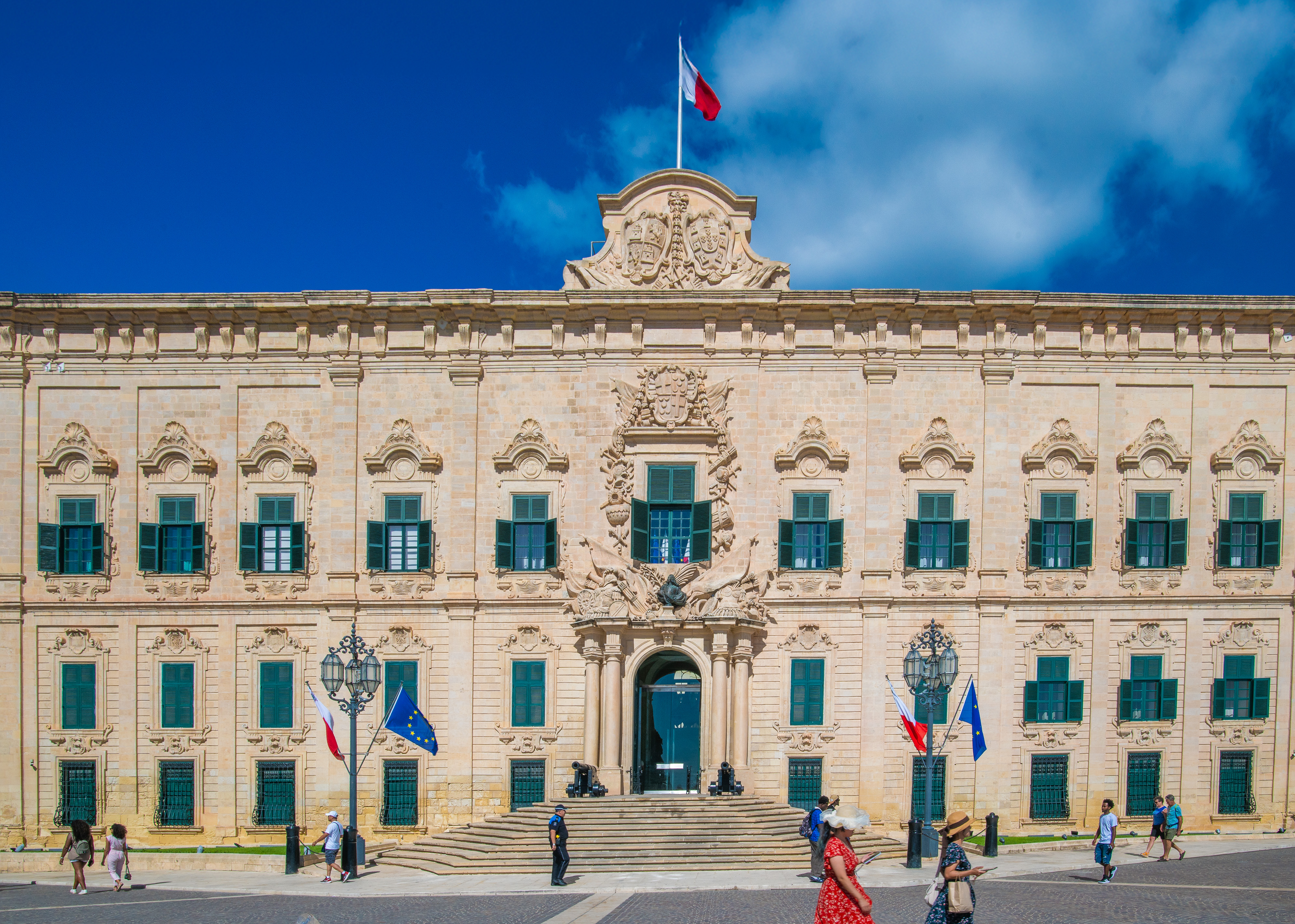
Auberge de Castille
Auberge de Castille ‐ photo by ,
©www.mgaylard.co.uk.
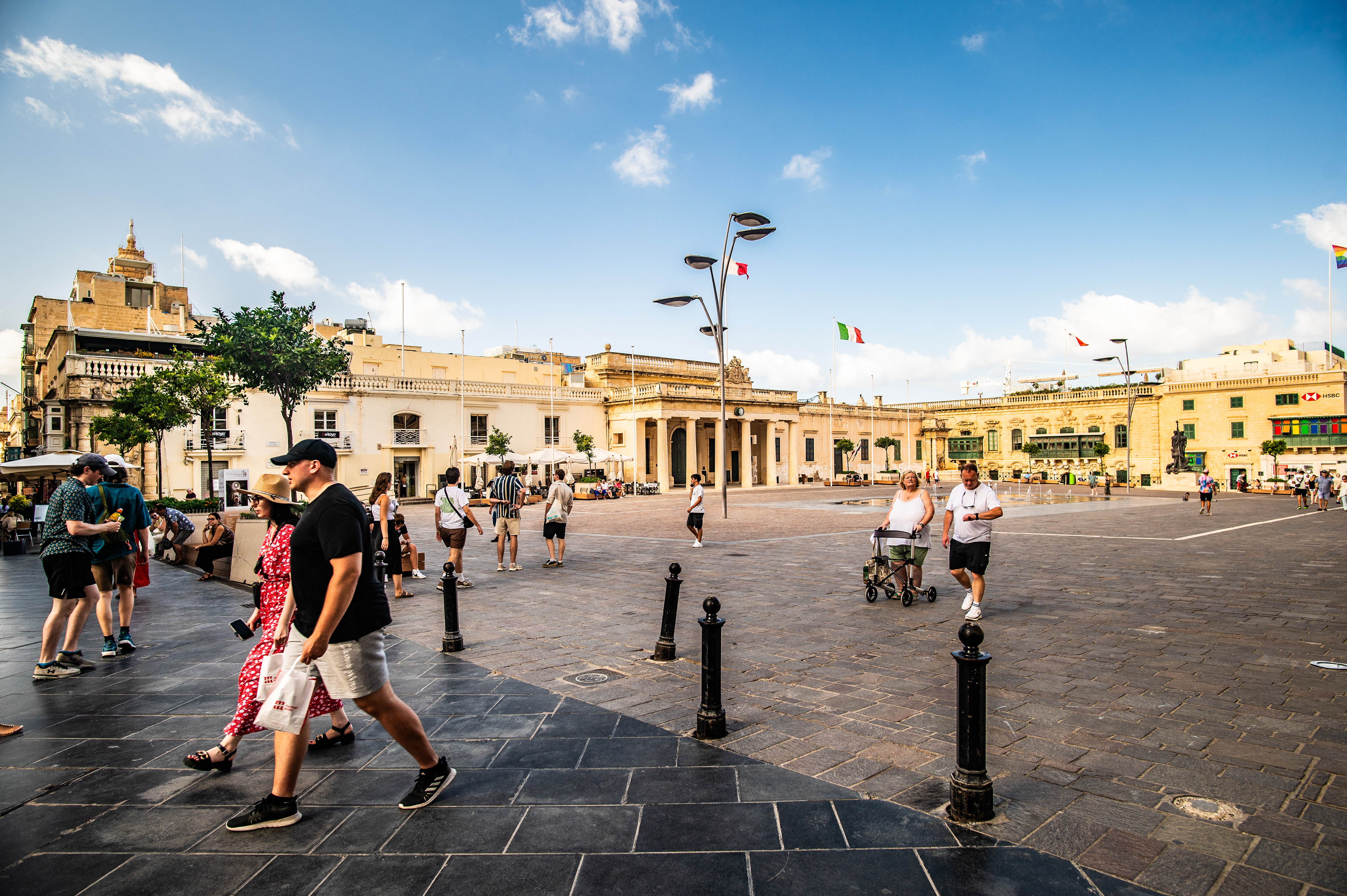
St. George’s Square
St. George’s Square ‐ photo by ,
©www.mgaylard.co.uk.
Great Seige Road
Fort Manoel ‐ photo by ,
©www.mgaylard.co.uk.
Boat Street
Boat Street ‐ photo by ,
©www.mgaylard.co.uk.
View from Grand Hotel Excelsior
View from Grand Hotel Excelsior ‐ photo by ,
©www.mgaylard.co.uk.
Open the full set flickr button this page

Valletta

Valletta is Malta’s capital city and one of the most concentrated historic urban areas in the world — a UNESCO World Heritage Site that embodies layers of military, civic, and symbolic meaning.

Founded: 1566 by the Knights of St. John, after the Great Siege of 1565.
Named After: Grand Master Jean Parisot de Valette, who led Malta’s defense against the Ottomans.
Size: About 0.8 km², making it one of Europe’s smallest capitals.
Population: Roughly 6,000 residents, though daily visitors swell numbers dramatically.
Layout: A planned city with a grid system, bastions, and fortifications — one of the earliest examples of Renaissance urban planning.

Historical Significance

Fortifications: Valletta was designed as a fortress city, with bastions, curtain walls, and cavaliers.
Baroque Architecture: Richly adorned churches, palaces, and auberges (lodges of the Knights).
Cultural Role: Became Malta’s political, religious, and cultural hub, replacing Birgu as capital.
British Period: Served as a naval base and administrative center.
World War II: Heavily bombed but resilient, earning the George Cross for bravery awarded to the Maltese people in 1942.

References

Text generated by Microsoft CoPilot
To the top
Powered by w3.css. The images are all stored on link to www.gaylard.co.uk Photostream on Flickr   This website is hosted by link to 123Reg Web Hosting