
HOME

The East Coast

Madeira, Portugal

Santana

Madeira,   Portugal

View of Santana ‐ photo by ,
©www.mgaylard.co.uk.
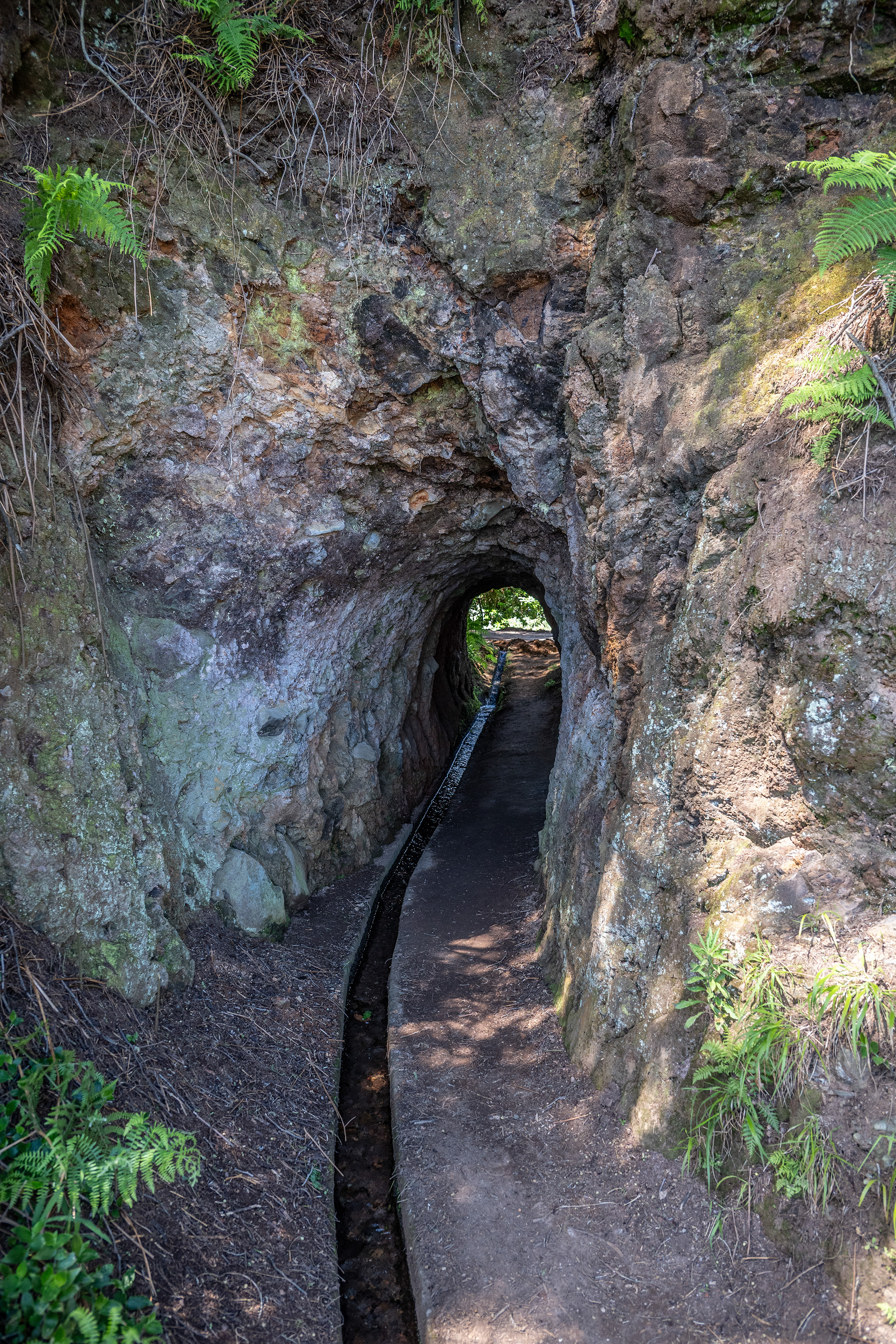
a narrow tunnel carved through a rocky hillside
a narrow tunnel carved through a rocky hillside ‐ photo by ,
©www.mgaylard.co.uk.
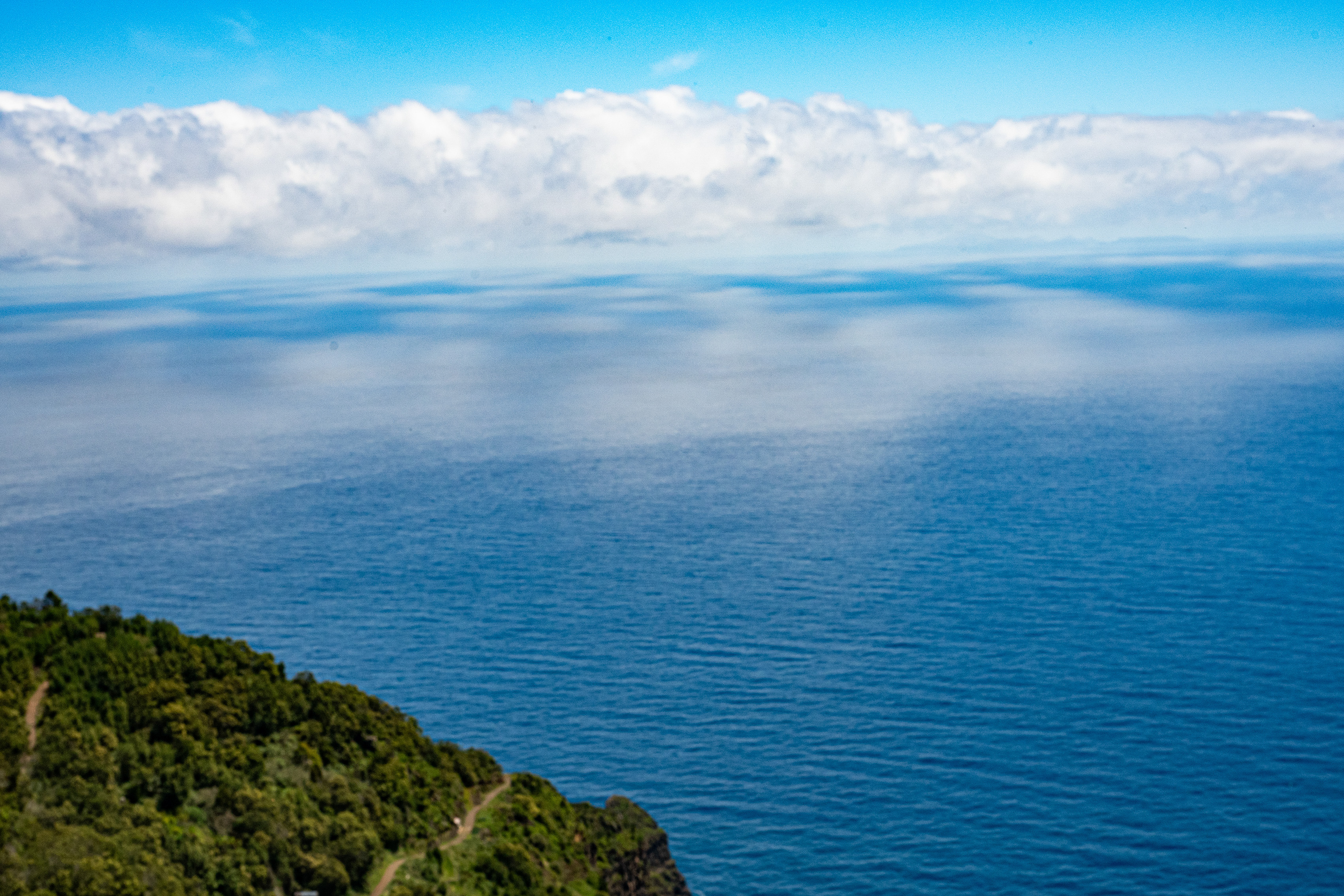
a vast expanse of calm blue water
a vast expanse of calm blue water ‐ photo by ,
©www.mgaylard.co.uk.
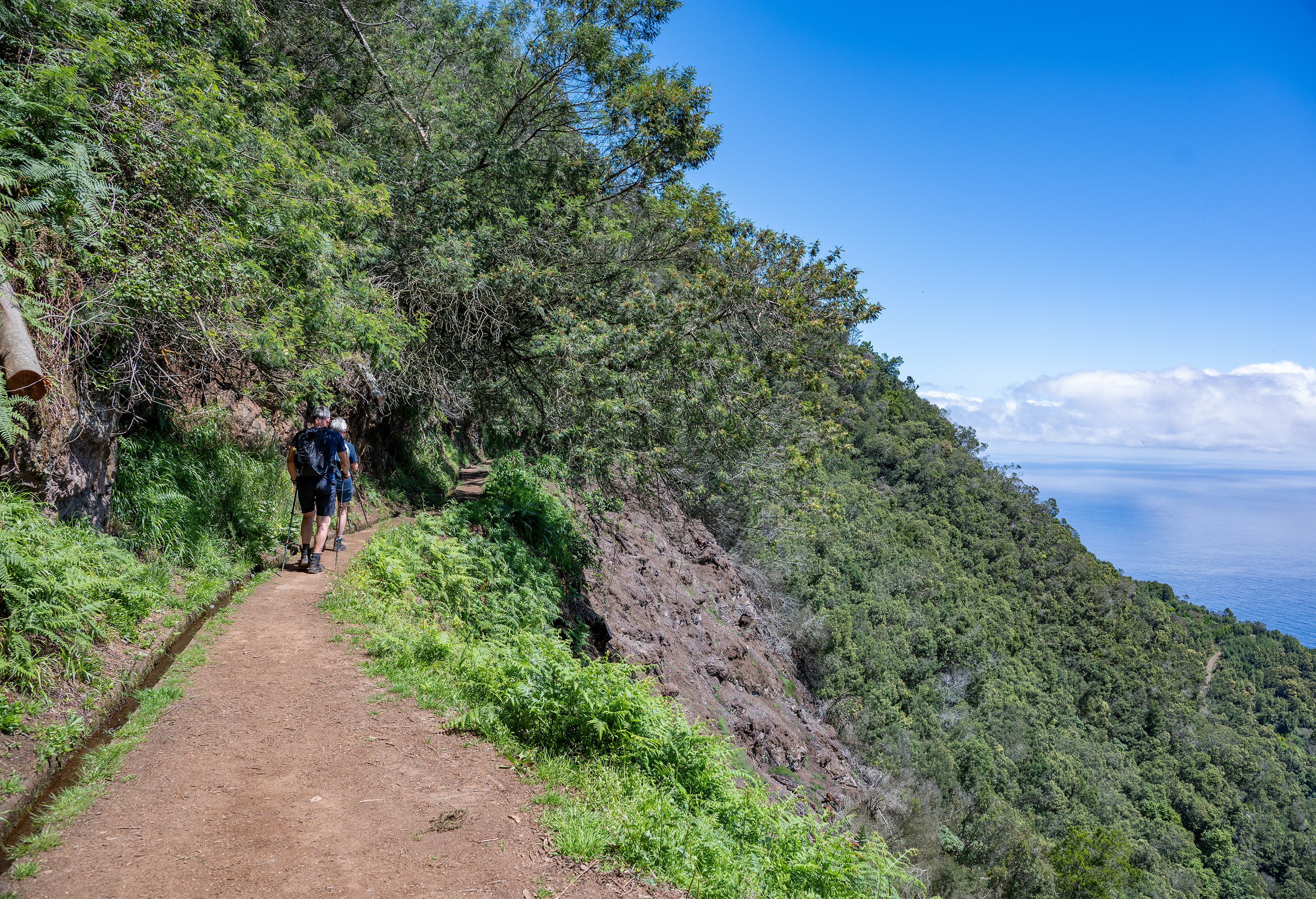
two hikers on a narrow dirt trail along a cliffside
two hikers on a narrow dirt trail along a cliffside ‐ photo by ,
©www.mgaylard.co.uk.
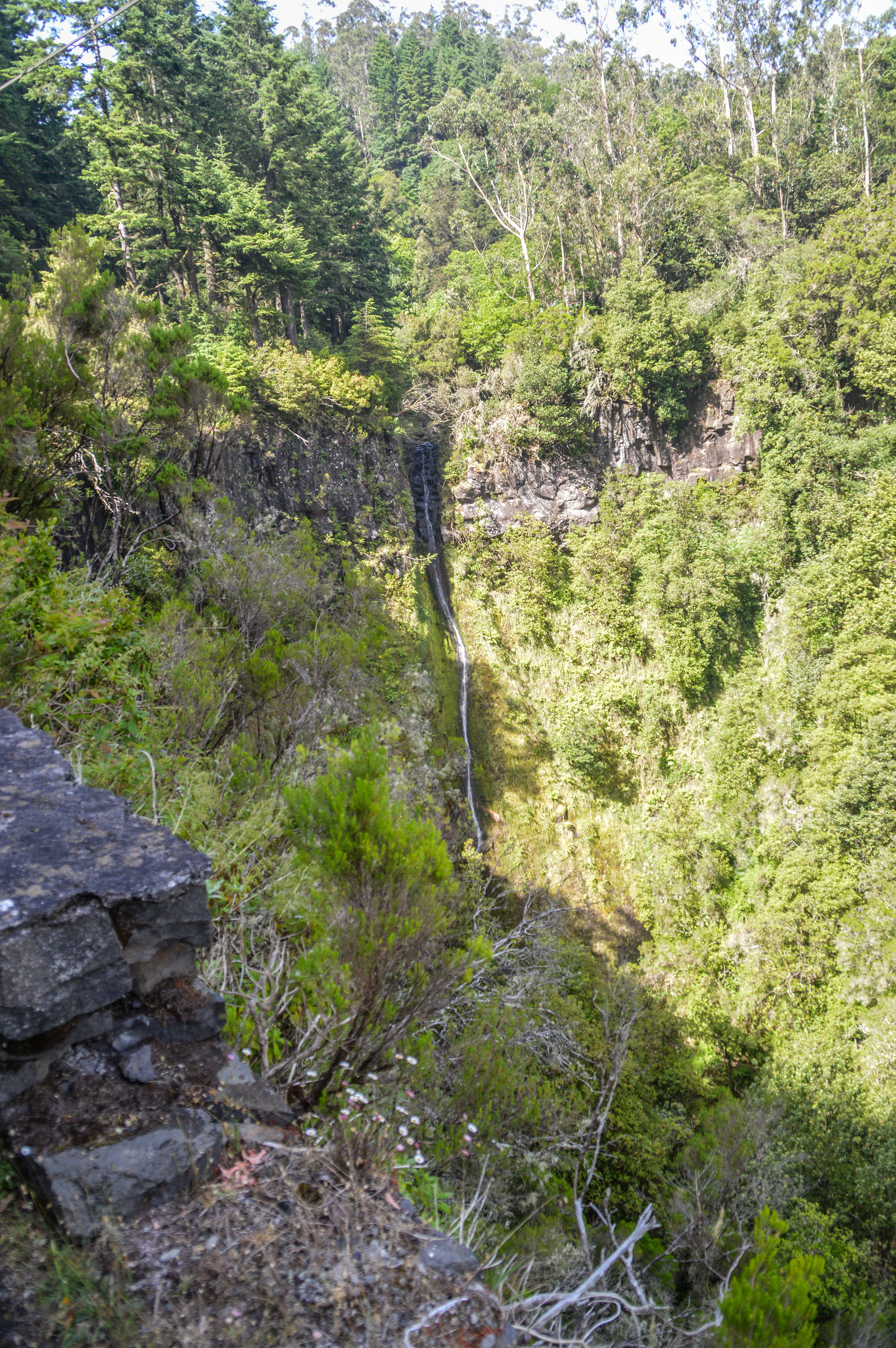
forested area
forested area ‐ photo by ,
©www.mgaylard.co.uk.
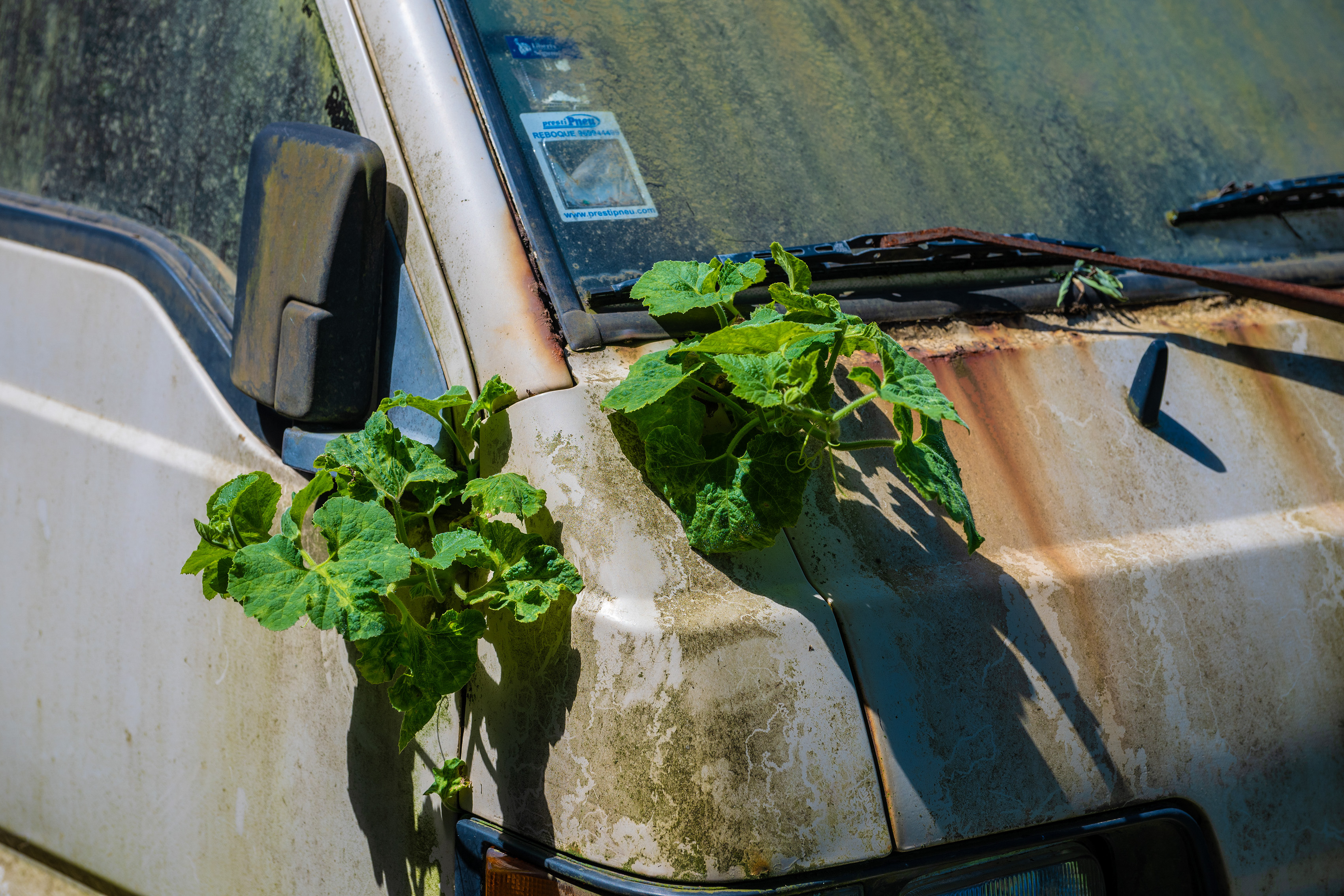
One Careless Owner
One Careless Owner ‐ photo by ,
©www.mgaylard.co.uk.
The plants appear to be thriving despite the car's dilapidated state
The plants appear to be thriving despite the car's dilapidated state ‐ photo by ,
©www.mgaylard.co.uk.
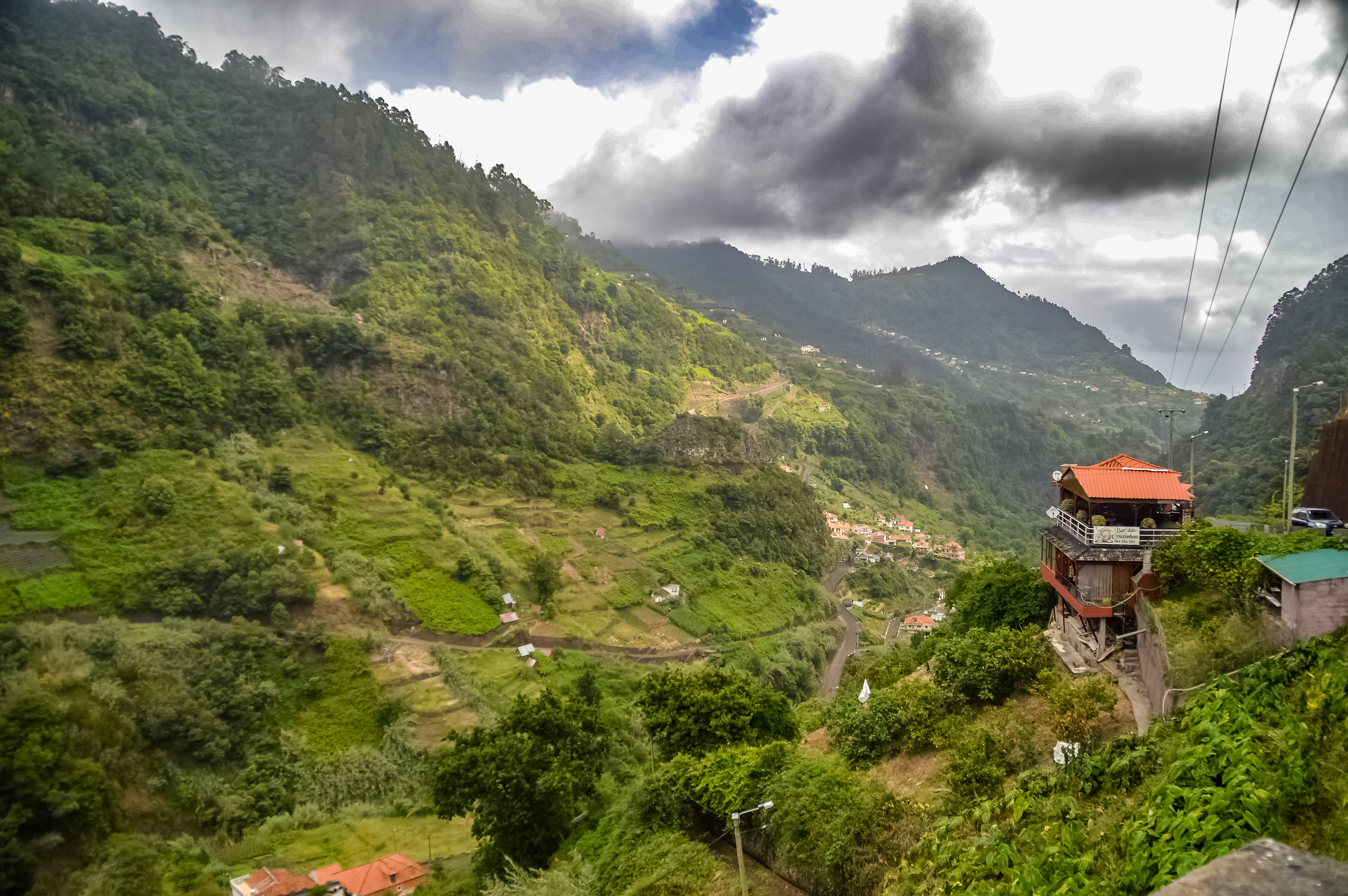
restaurant
restaurant ‐ photo by ,
©www.mgaylard.co.uk.
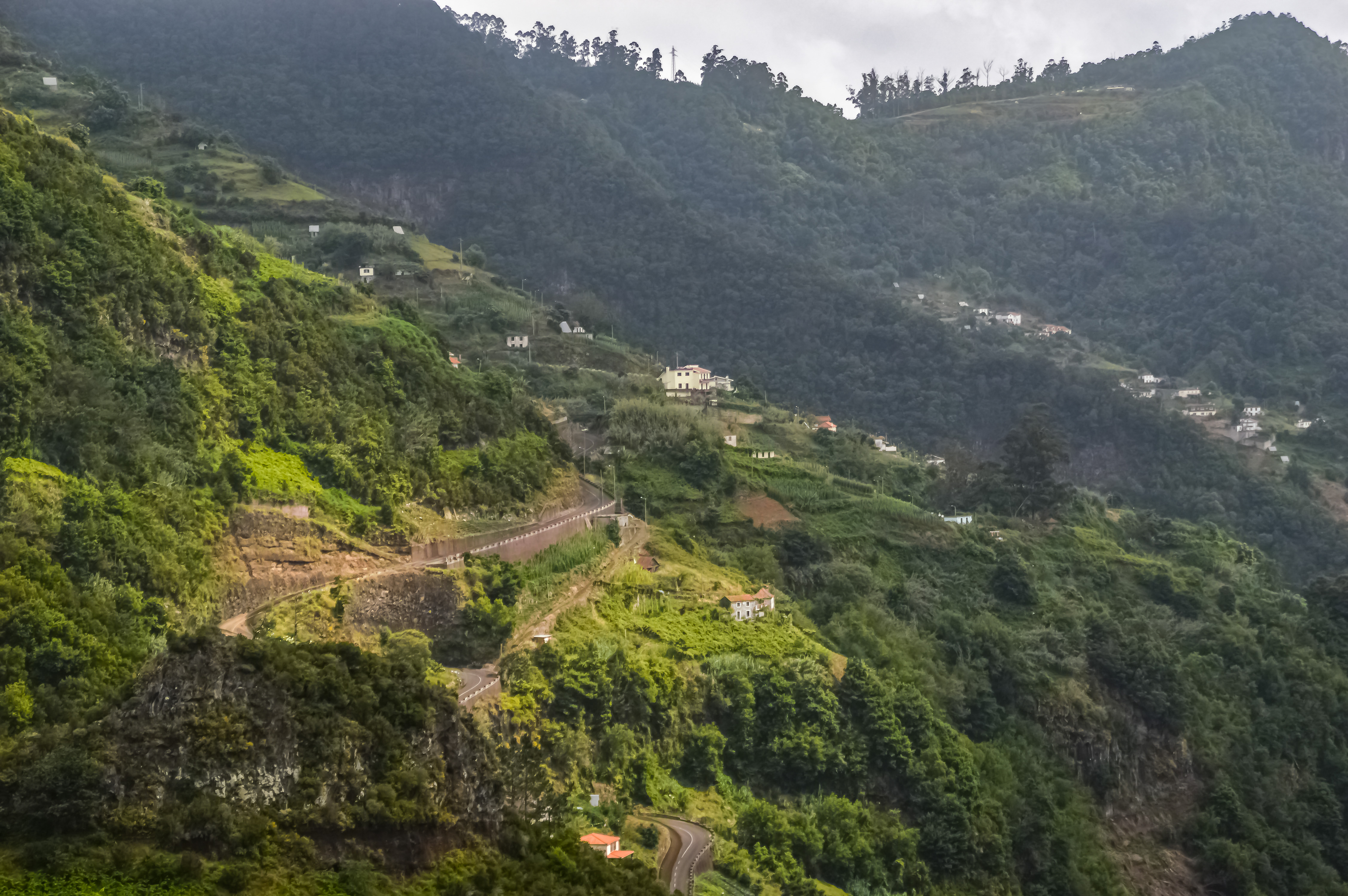
lush, green mountainous landscape
lush, green mountainous landscape ‐ photo by ,
©www.mgaylard.co.uk.
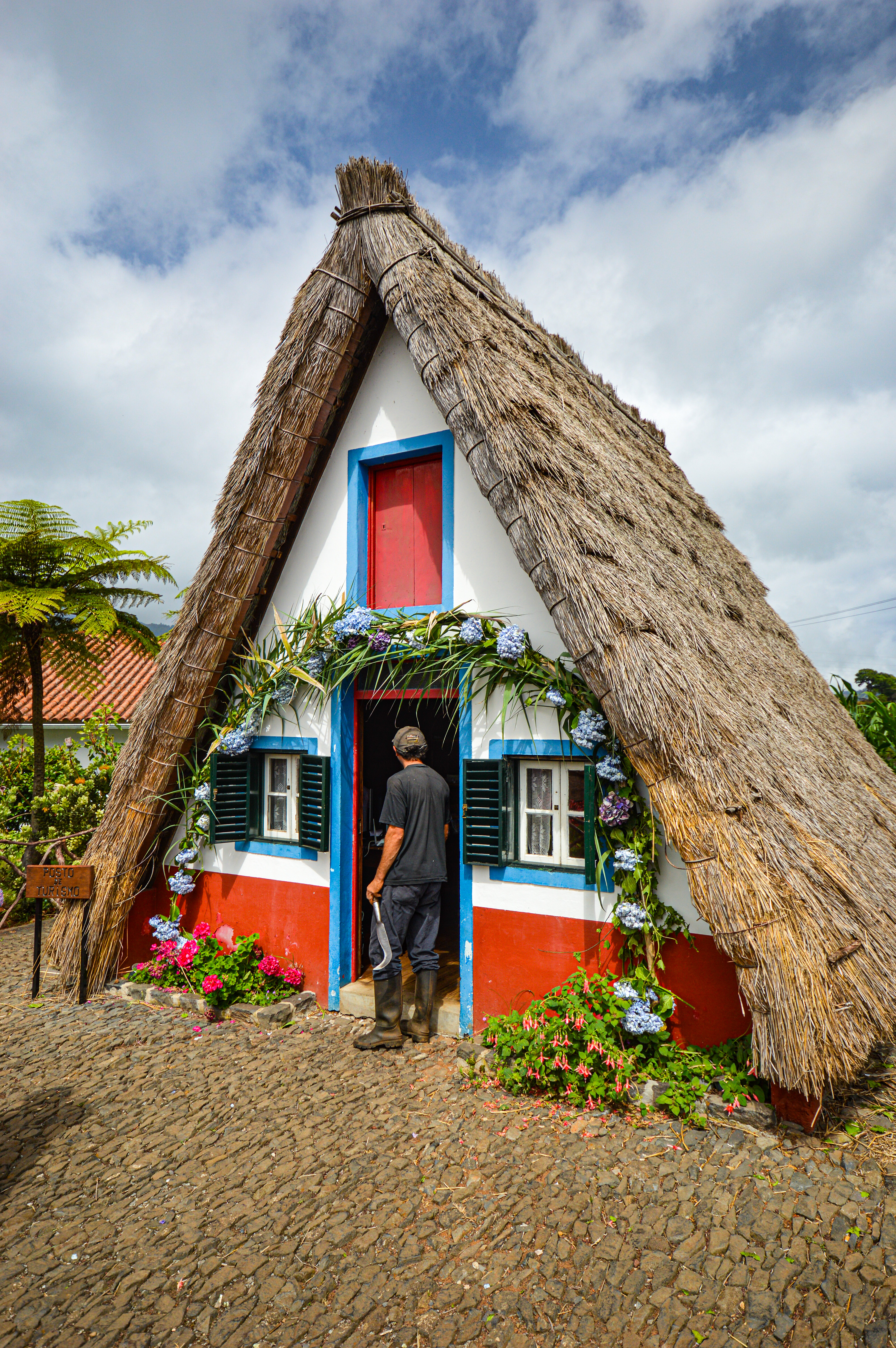
traditional thatched-roof house with a man standing at the entrance
traditional thatched-roof house with a man standing at the entrance ‐ photo by ,
©www.mgaylard.co.uk.
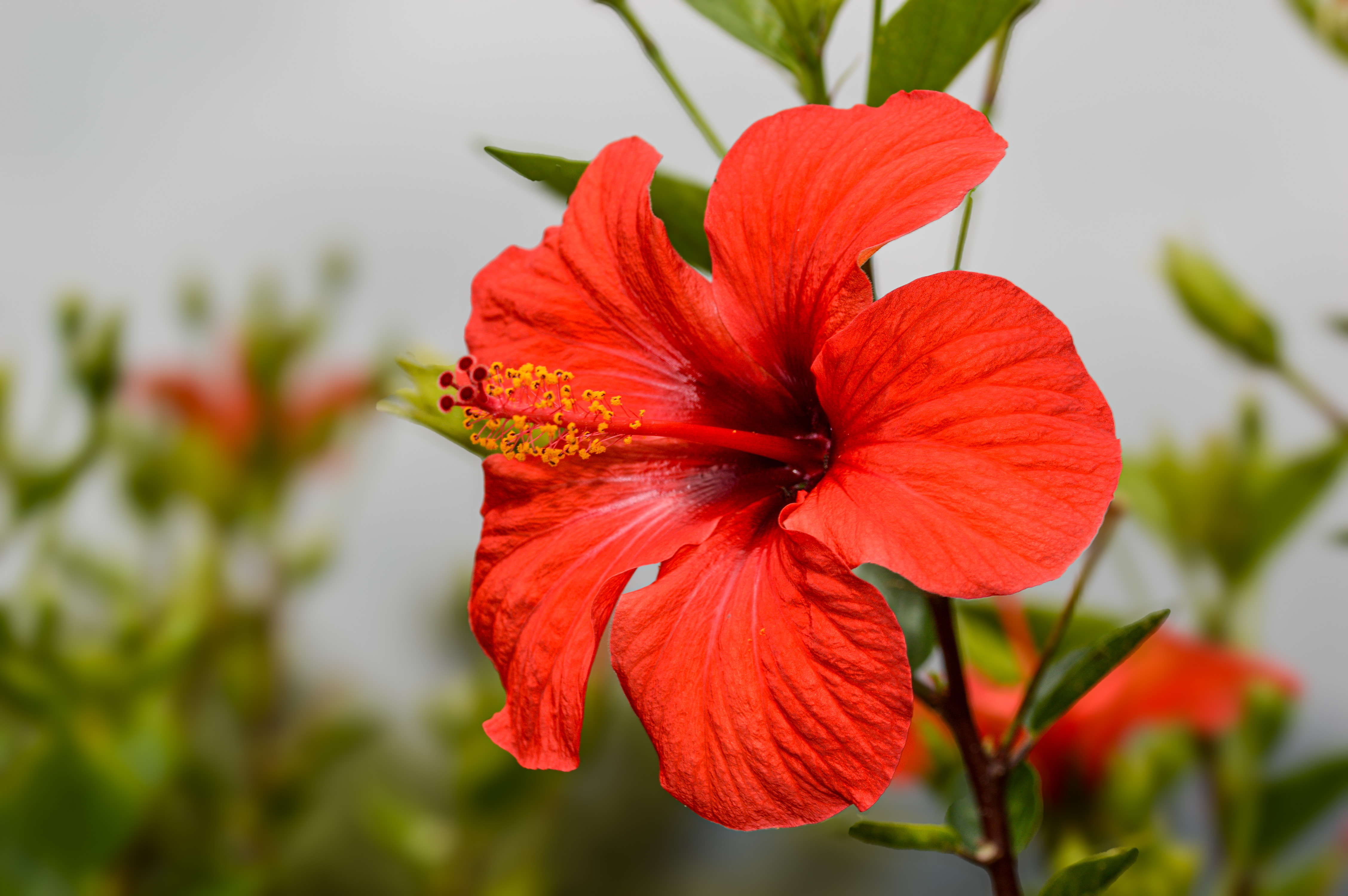
red hibiscus flower in full bloom
red hibiscus flower in full bloom ‐ photo by ,
©www.mgaylard.co.uk.
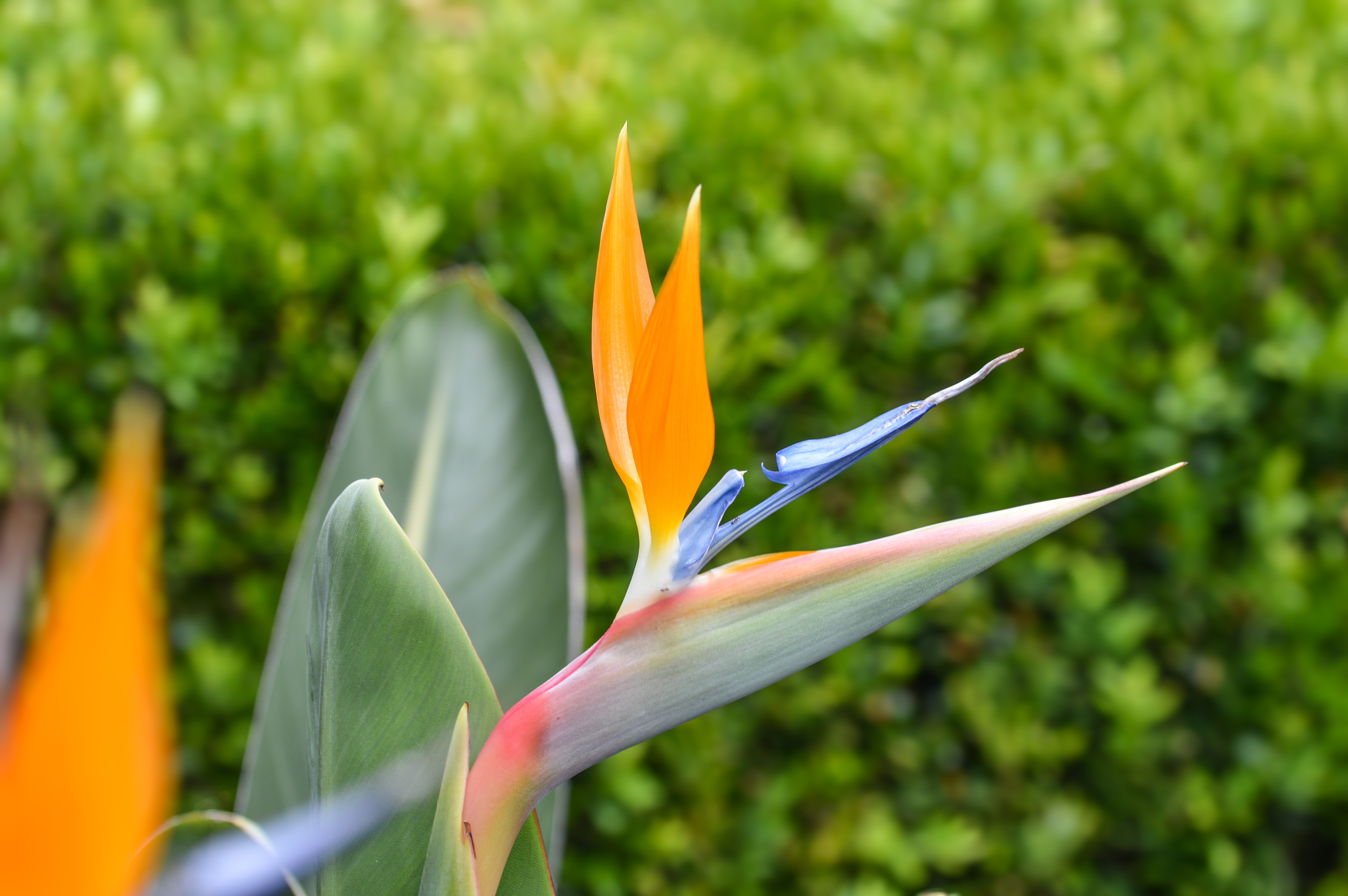
Bird of Paradise flower (Strelitzia)
Bird of Paradise flower (Strelitzia) ‐ photo by ,
©www.mgaylard.co.uk.
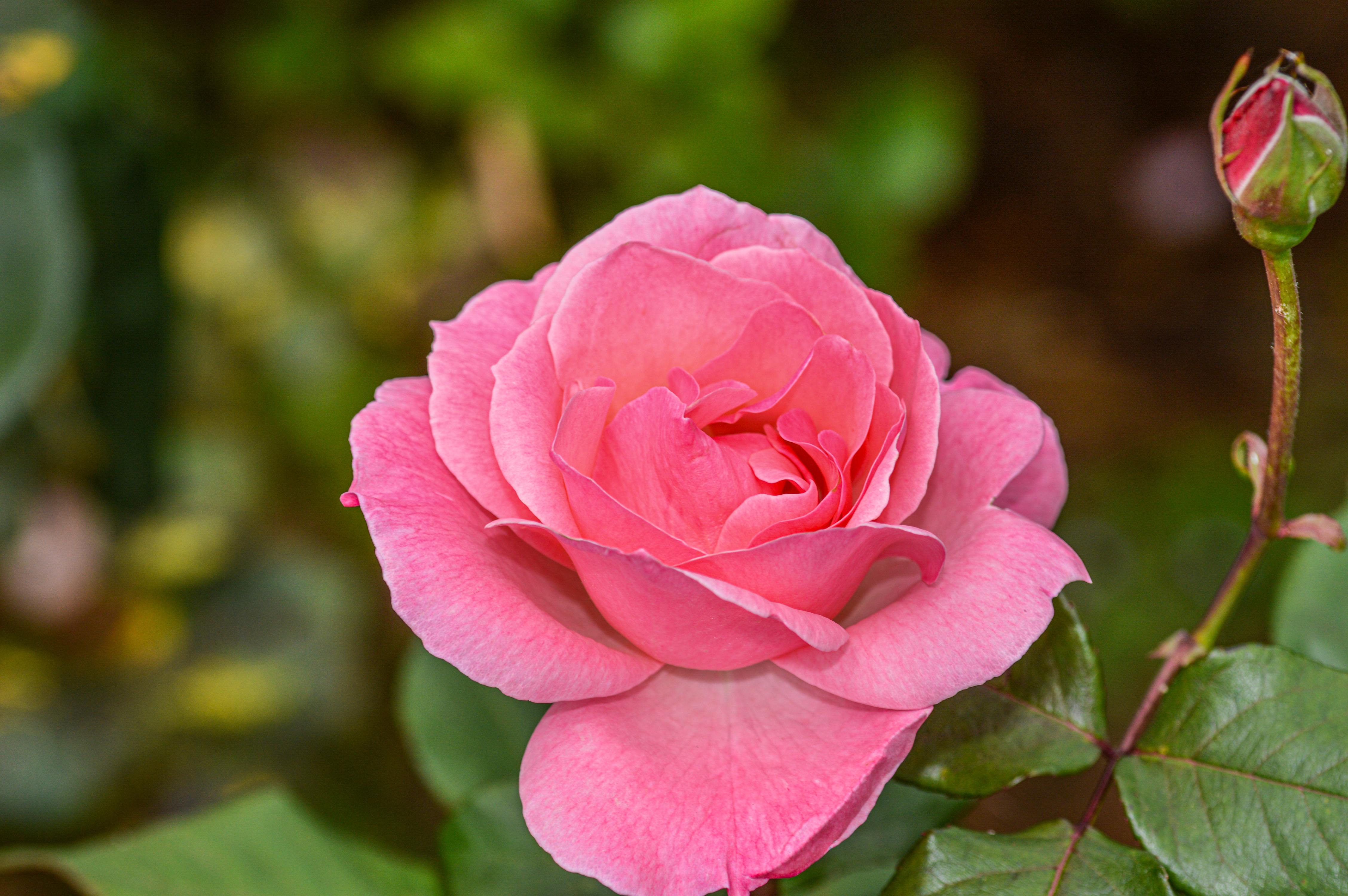
a close-up of a pink rose in full bloom
a close-up of a pink rose in full bloom ‐ photo by ,
©www.mgaylard.co.uk.
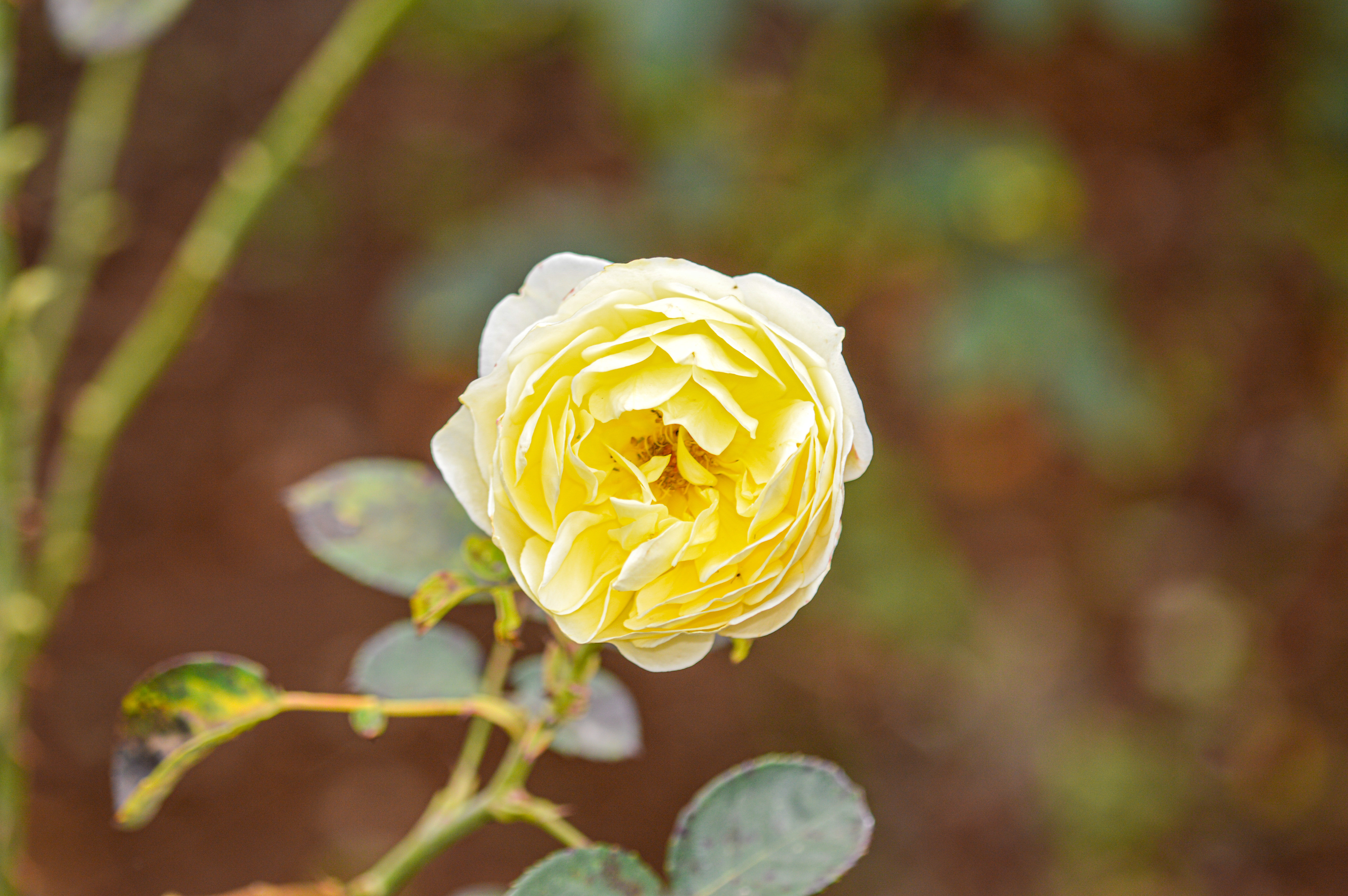
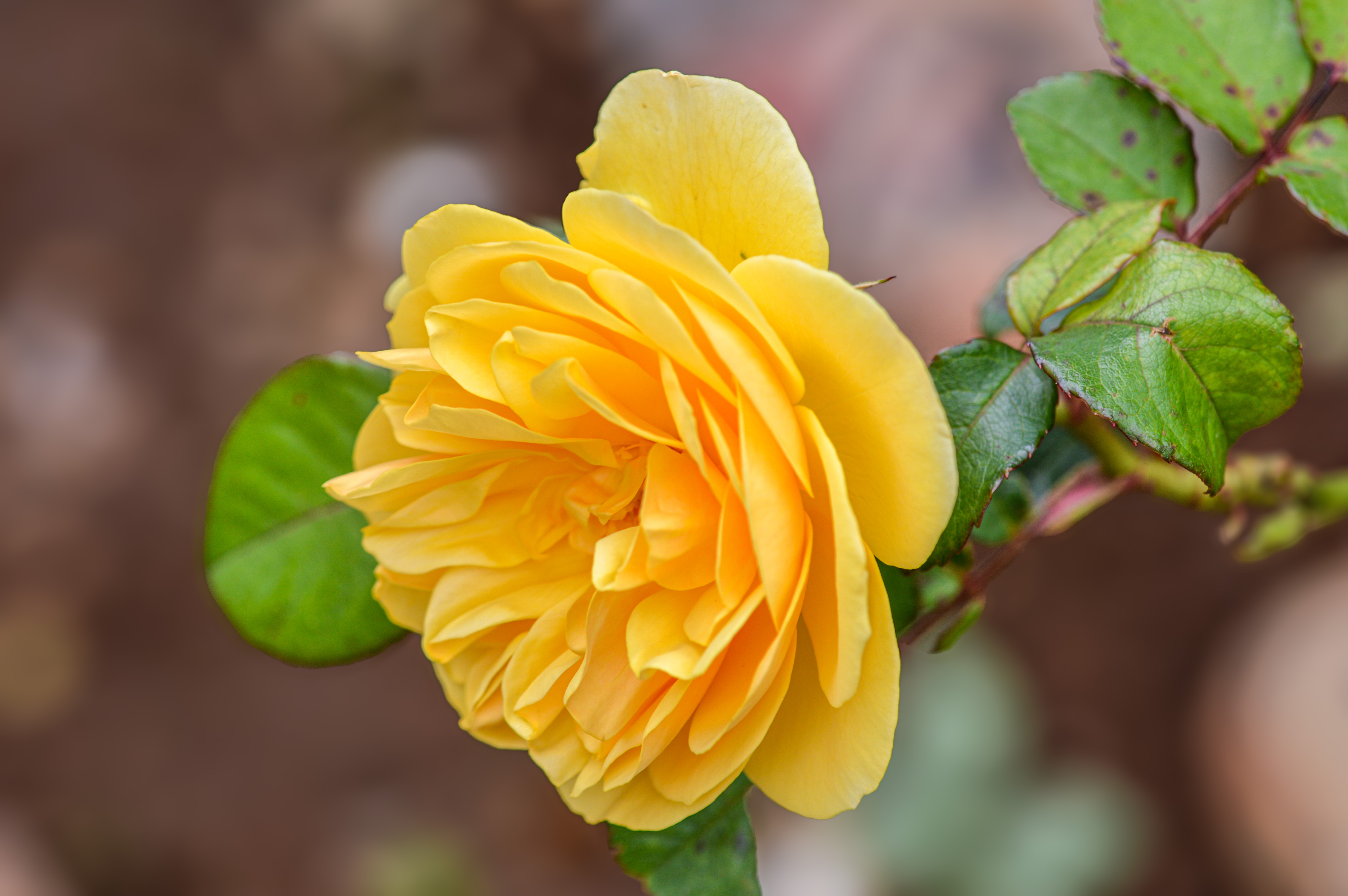
yellow rose in full bloom
yellow rose in full bloom ‐ photo by ,
©www.mgaylard.co.uk.
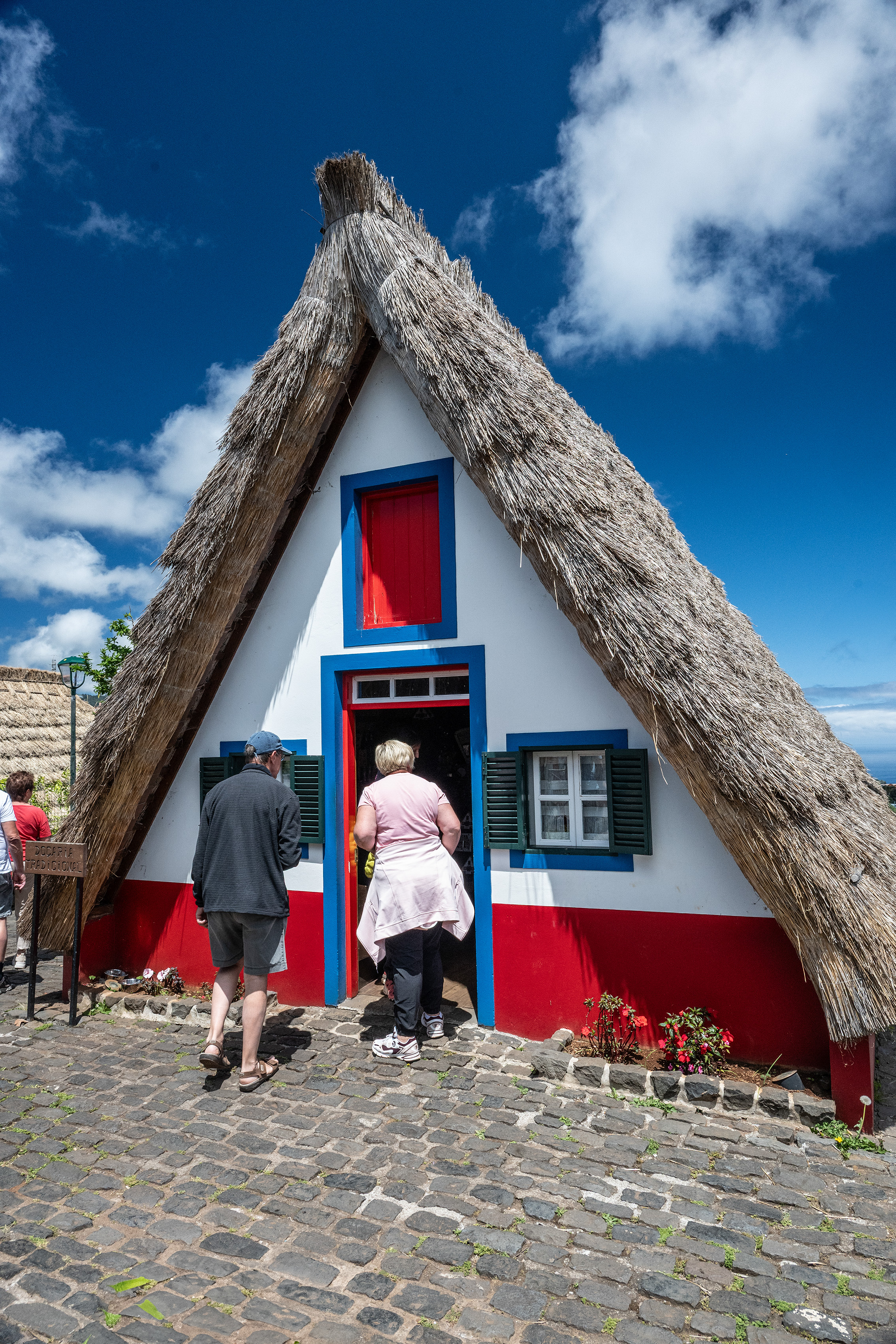
traditional thatched-roof house with a vibrant red and white exterior
traditional thatched-roof house with a vibrant red and white exterior ‐ photo by ,
©www.mgaylard.co.uk.
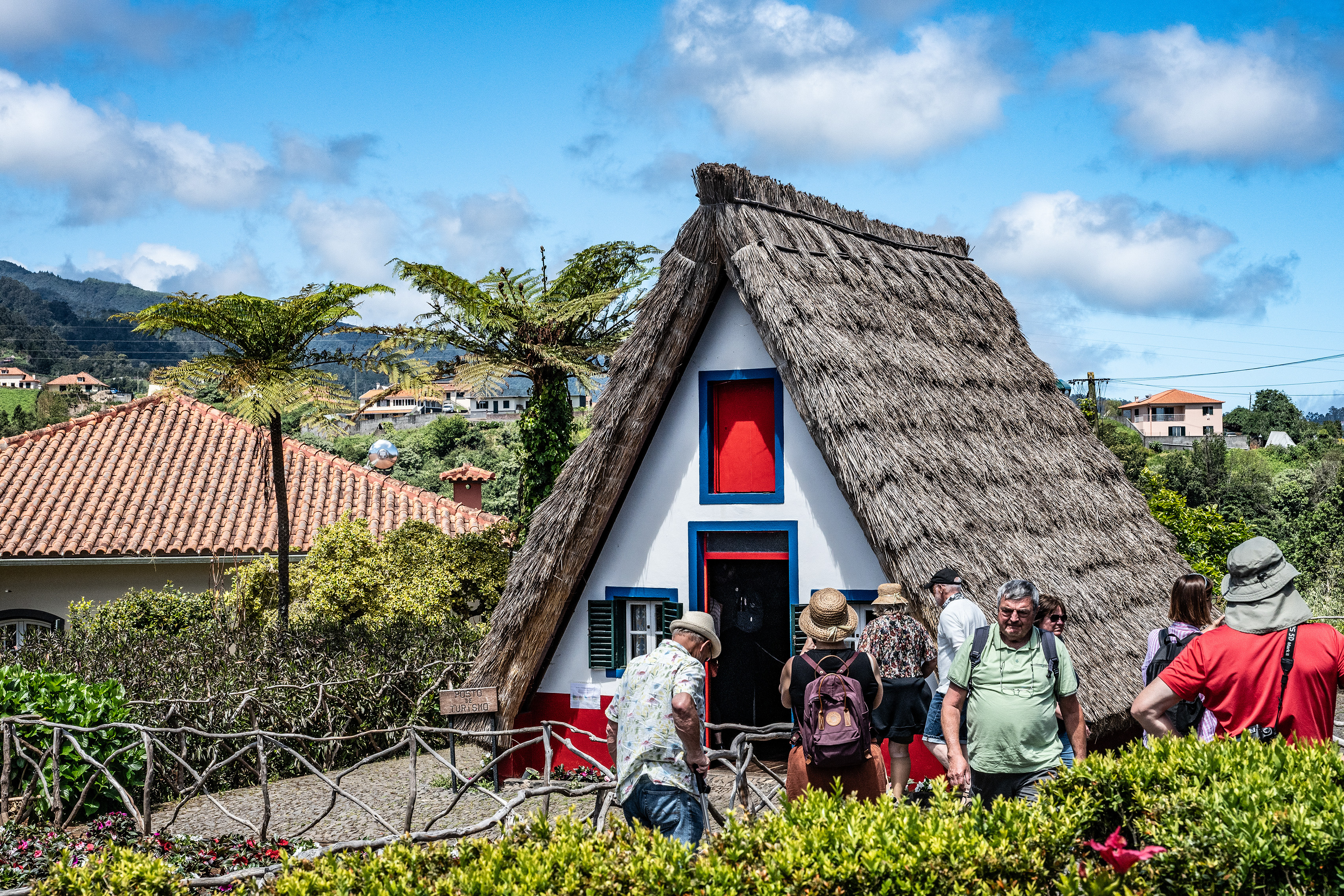
traditional thatched-roof house
traditional thatched-roof house ‐ photo by ,
©www.mgaylard.co.uk.
yellow rose in full bloom
yellow rose in full bloom ‐ photo by ,
©www.mgaylard.co.uk.
Open the full set flickr button this page

Santana

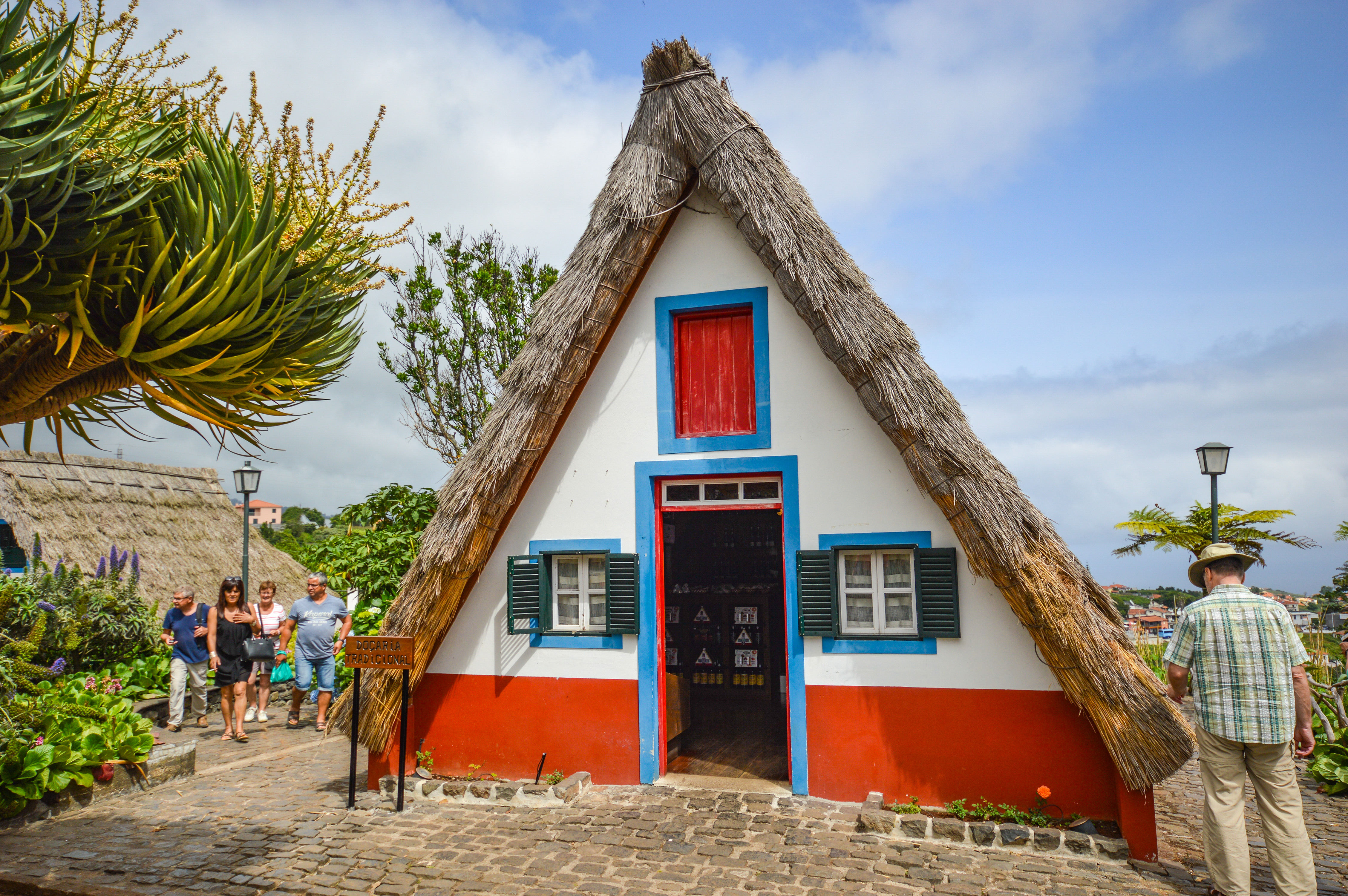
Santana on Madeira is renowned for its iconic triangular, thatched-roof houses, which have become a beloved symbol of the region. These houses, with their distinctive design, reflect a rich cultural heritage and a history of rural craftsmanship that has been preserved over the centuries. The village itself is set against a backdrop of lush landscapes and is part of a municipality that’s recognized as a UNESCO Biosphere Reserve—a testament to its environmental and cultural significance.

The traditional houses of Santana, known as Casas de Santana, are one of Madeira’s most iconic landmarks. These charming triangular houses with thatched roofs date back centuries and were originally built by local farmers using wood, straw, and stone—materials readily available on the island.

Key Features
Triangular Shape: The steeply pitched roof helps rainwater drain efficiently
Thatched Roof: Made from wheat or rye straw, providing natural insulation
Bright Colors: Typically painted in white, red, and blue, adding to their picturesque appeal.
Compact Design: Traditionally, they had a single ground floor for living space and an attic for storing crops.

While these houses were once common across Madeira, today they are mostly preserved for tourism and cultural heritage. Some have been restored to showcase traditional island life, and visitors can explore them in Santana’s town center
References

VisitMadeiraPortugalTravelGuideVisitMadeira - Casas de SantanaPinningTheWorld , Text generated by Microsoft CoPilot
a

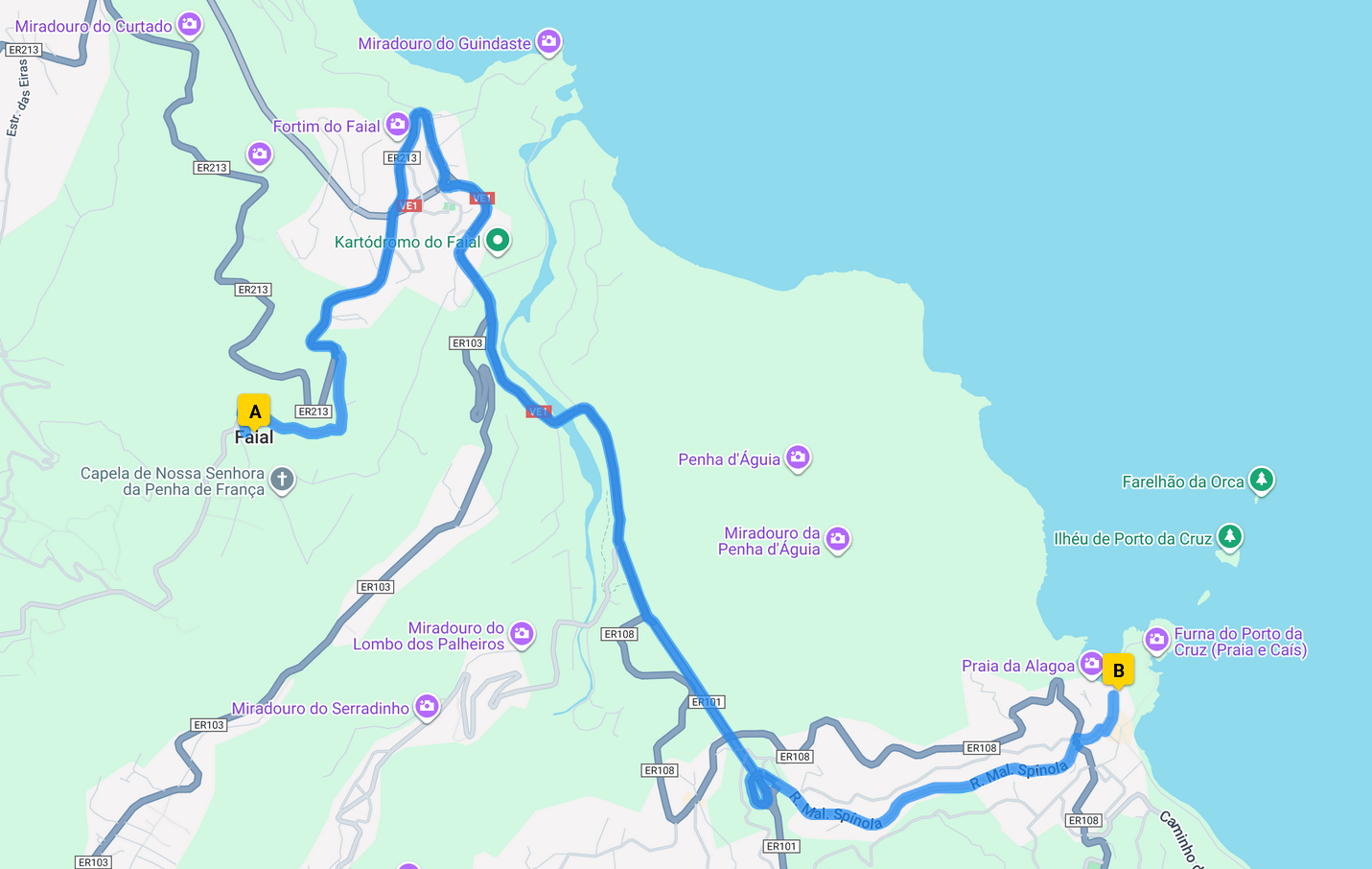
Faial

Madeira, Portugal

Faial

Madeira,   Portugal

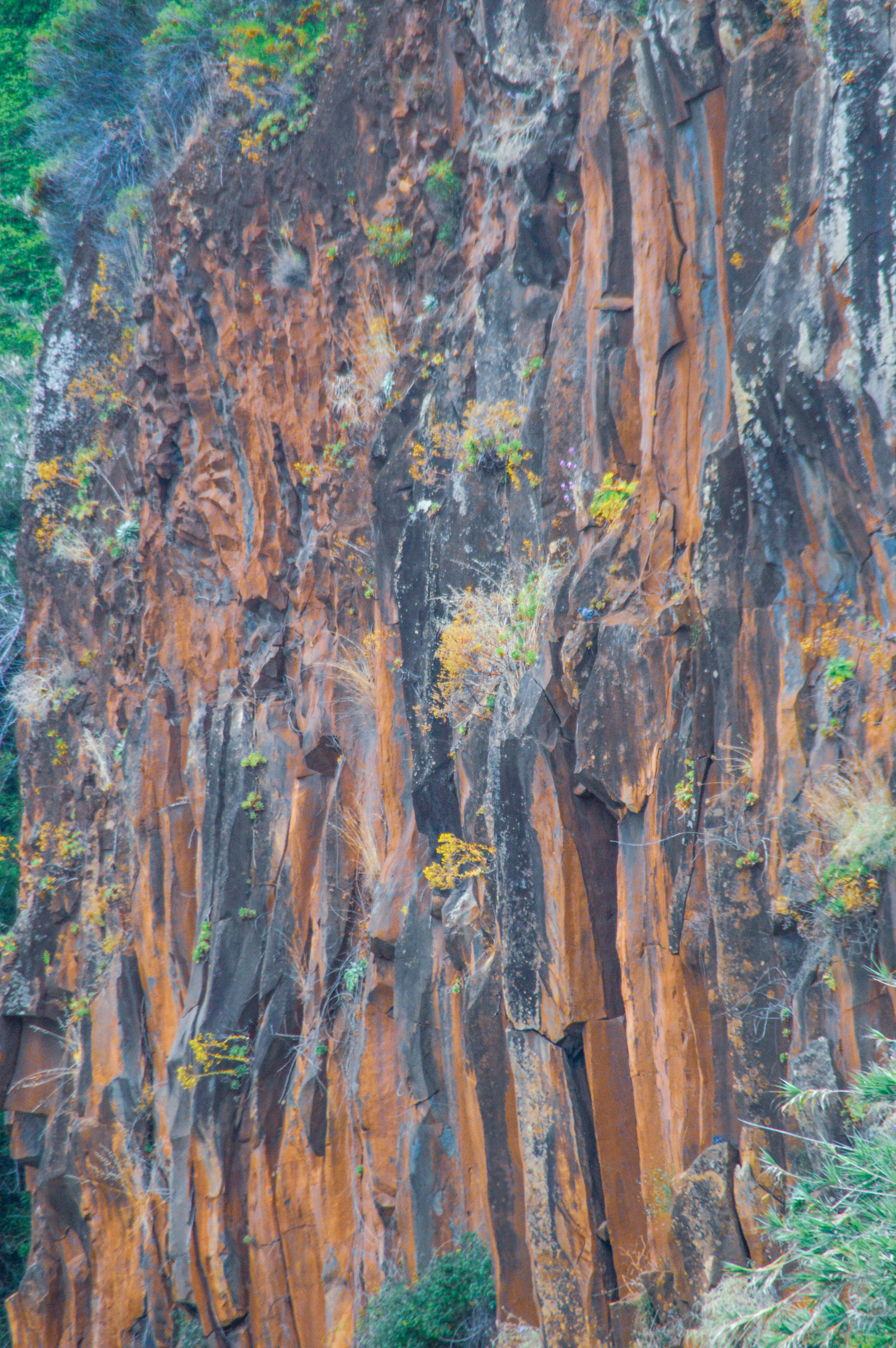
Volcanic Rock
Volcanic Rock ‐ photo by ,
©www.mgaylard.co.uk.
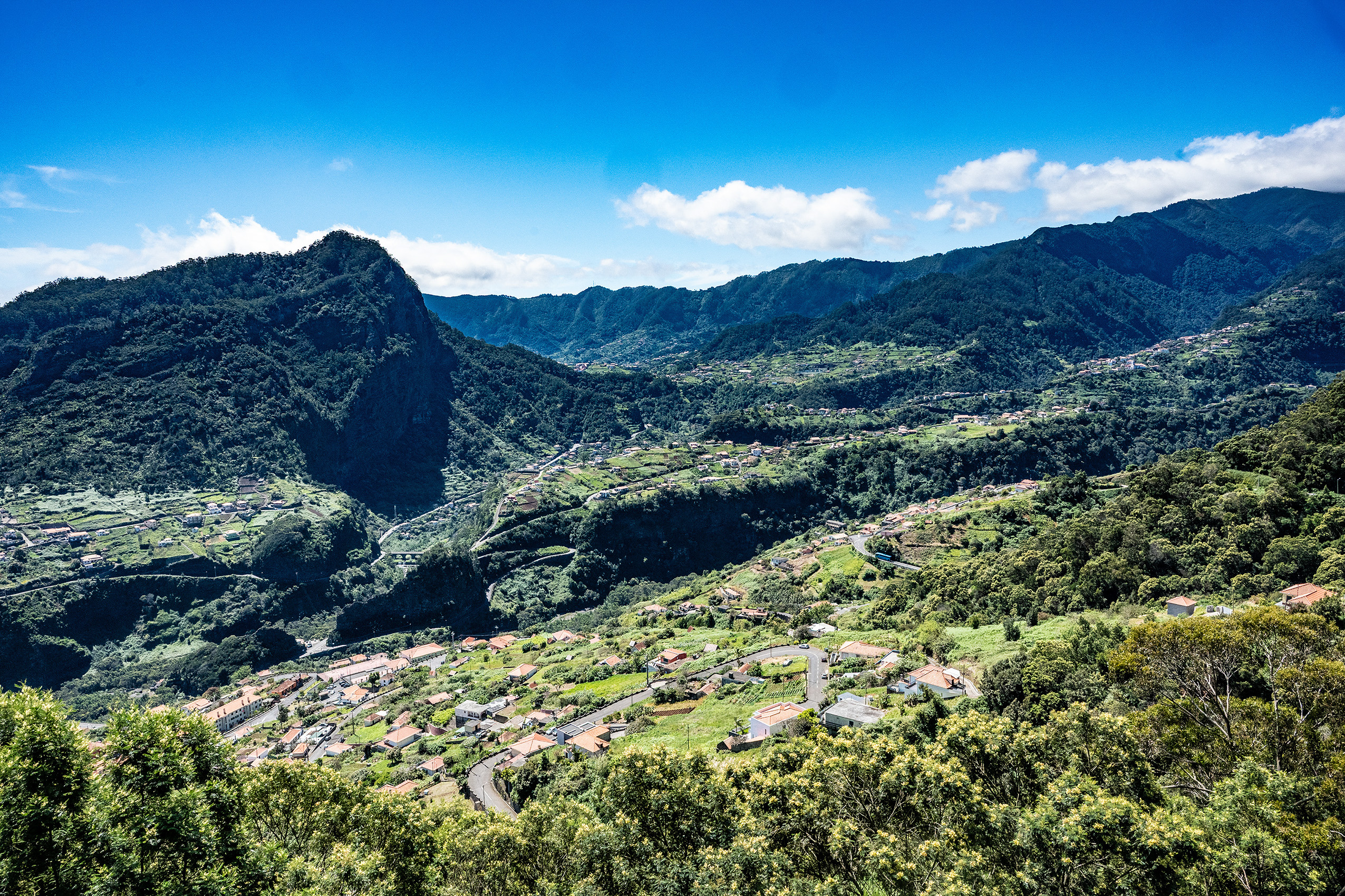
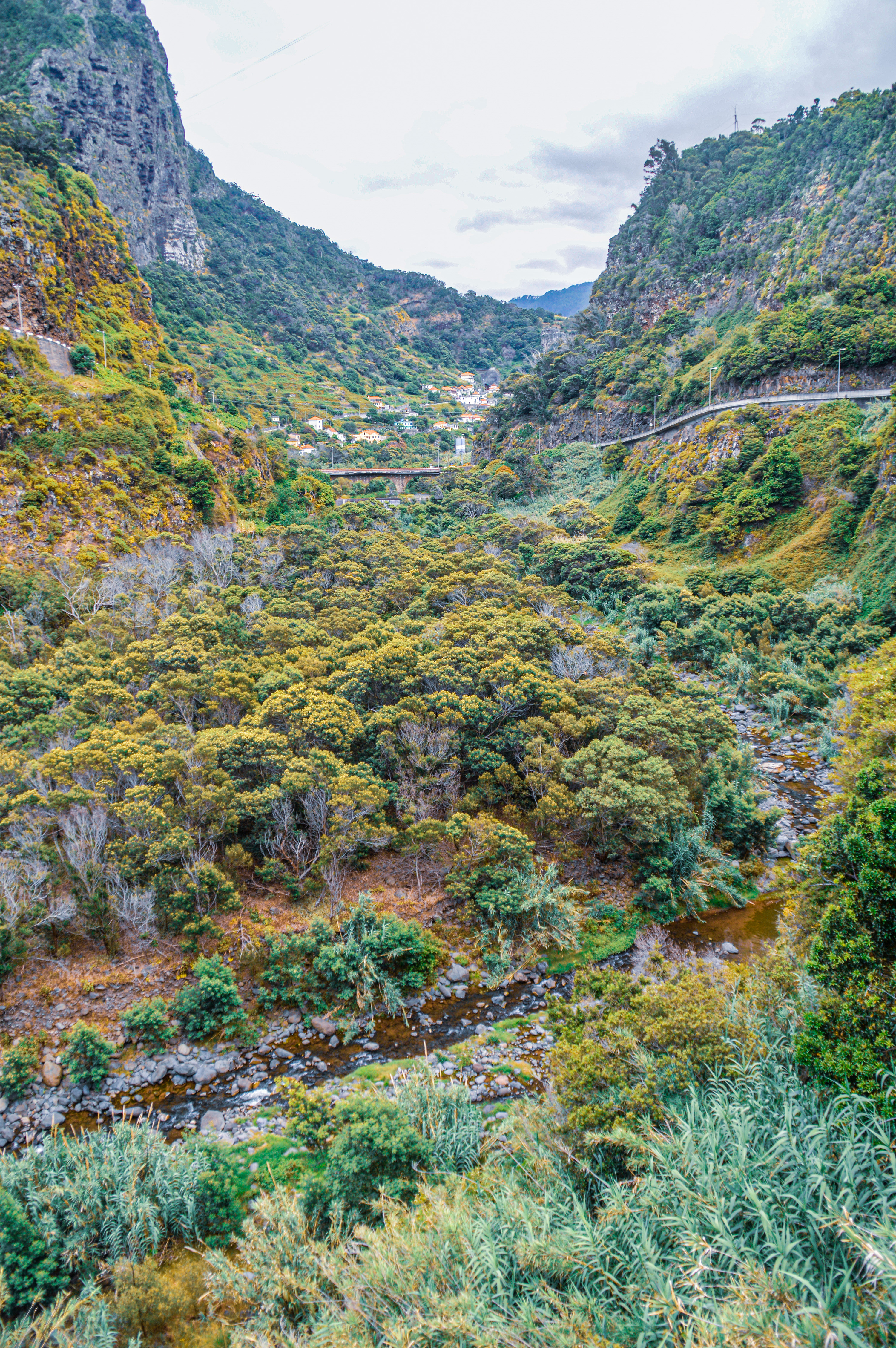
scenic valley with lush greenery and a winding river
scenic valley with lush greenery and a winding river ‐ photo by ,
©www.mgaylard.co.uk.
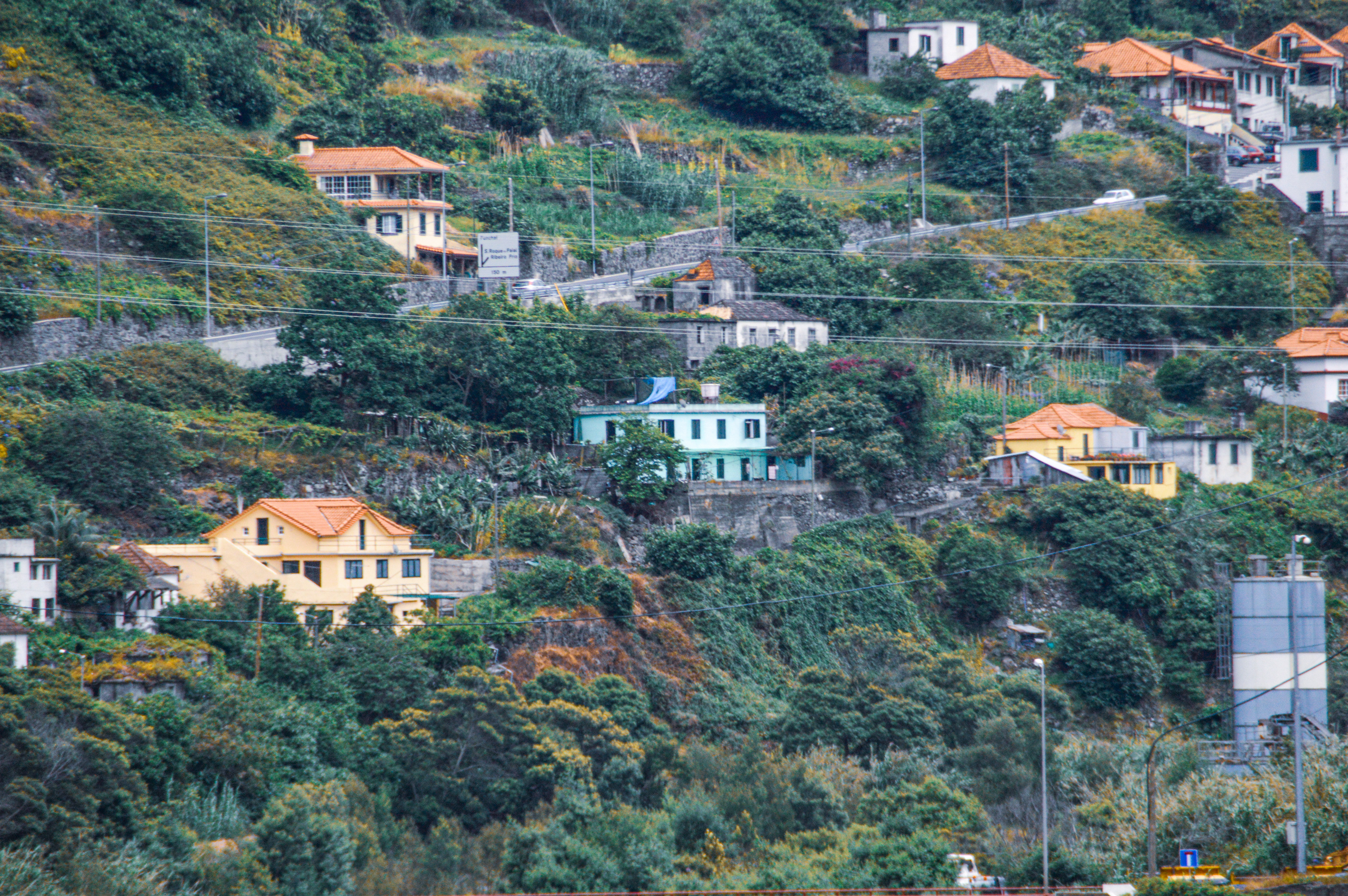
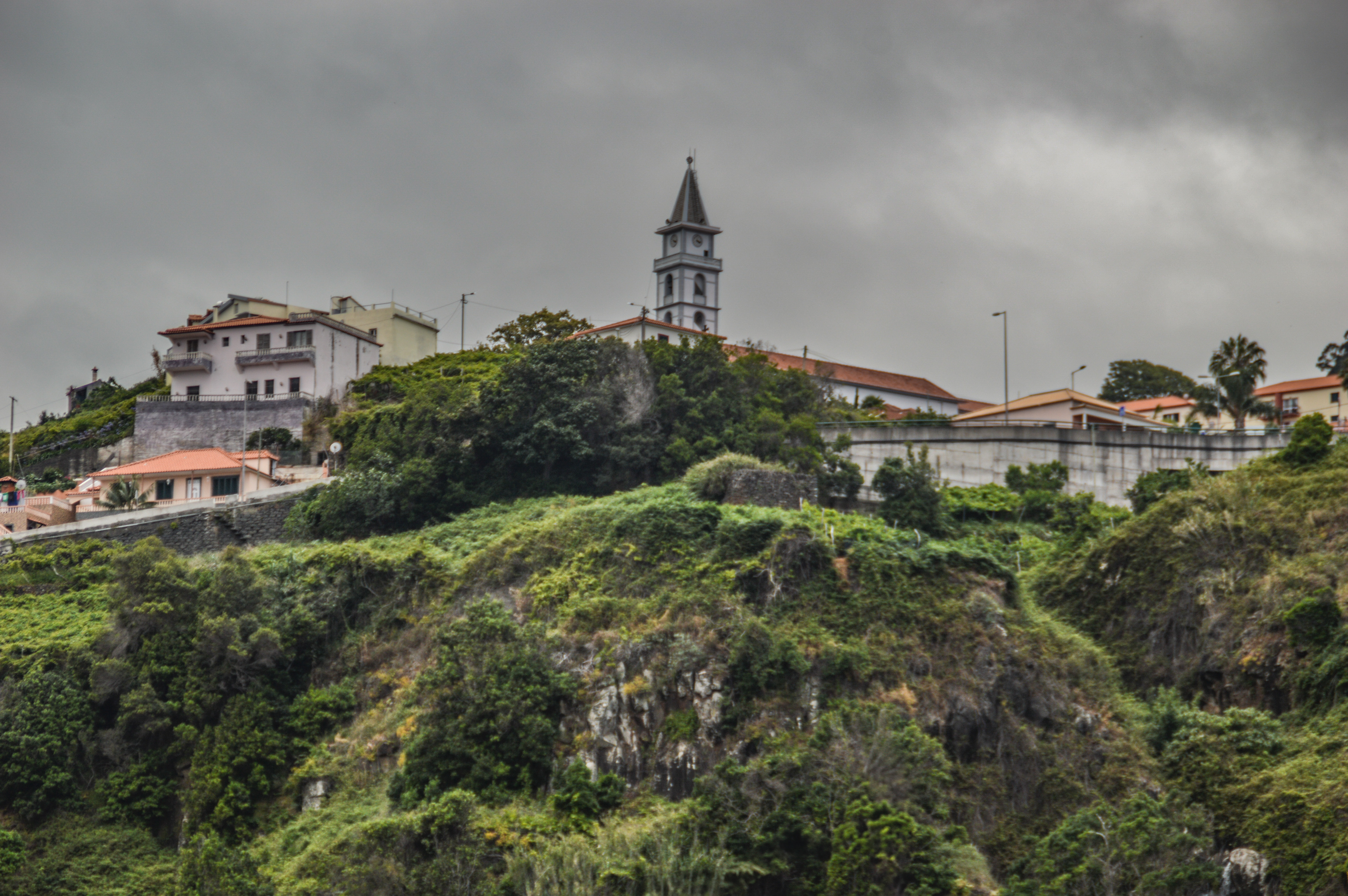
hillside village
View of Faial ‐ photo by ,
©www.mgaylard.co.uk.
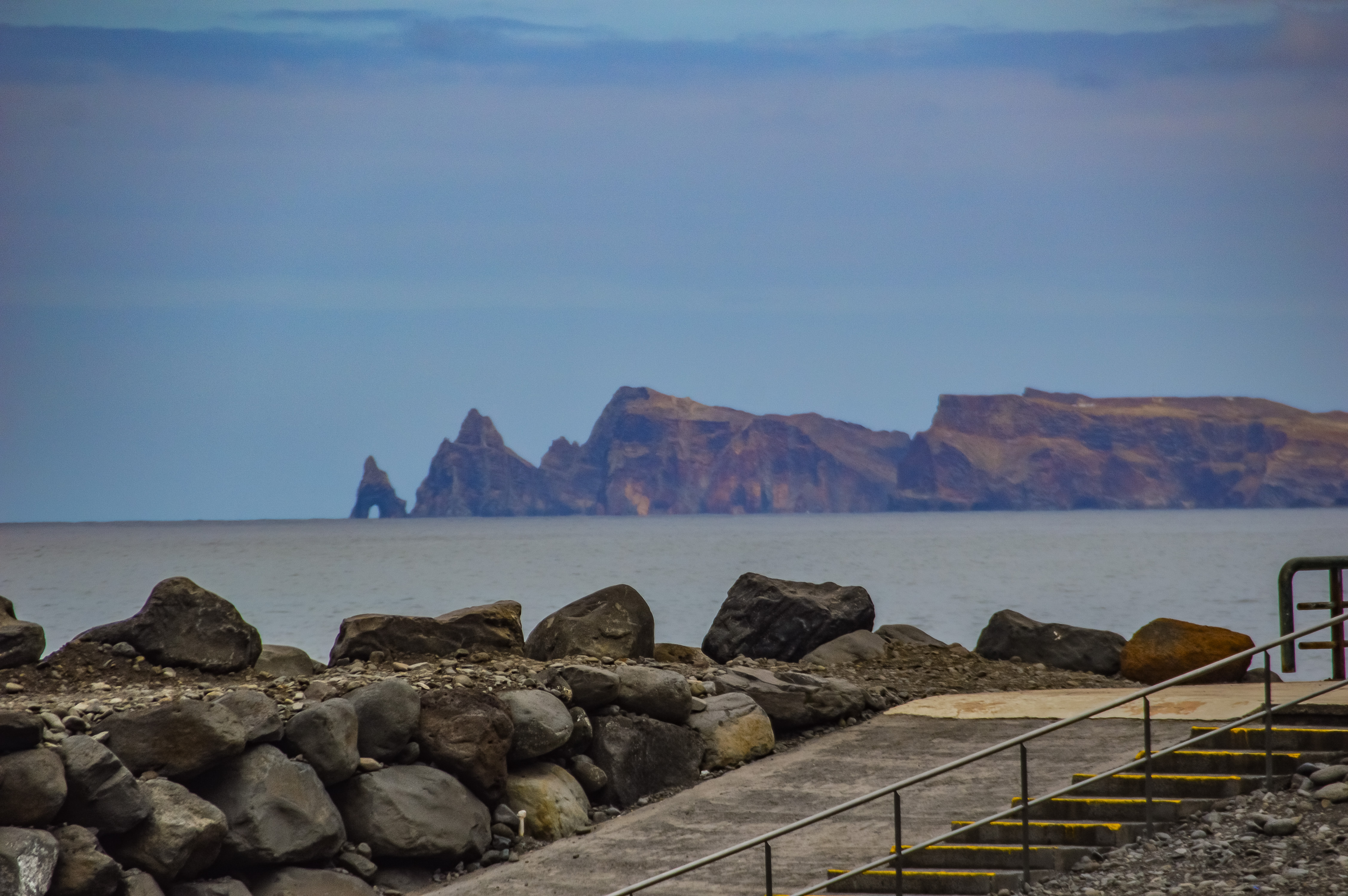
stairs and railings leading down to the water's edge
stairs and railings leading down to the water's edge ‐ photo by ,
©www.mgaylard.co.uk.
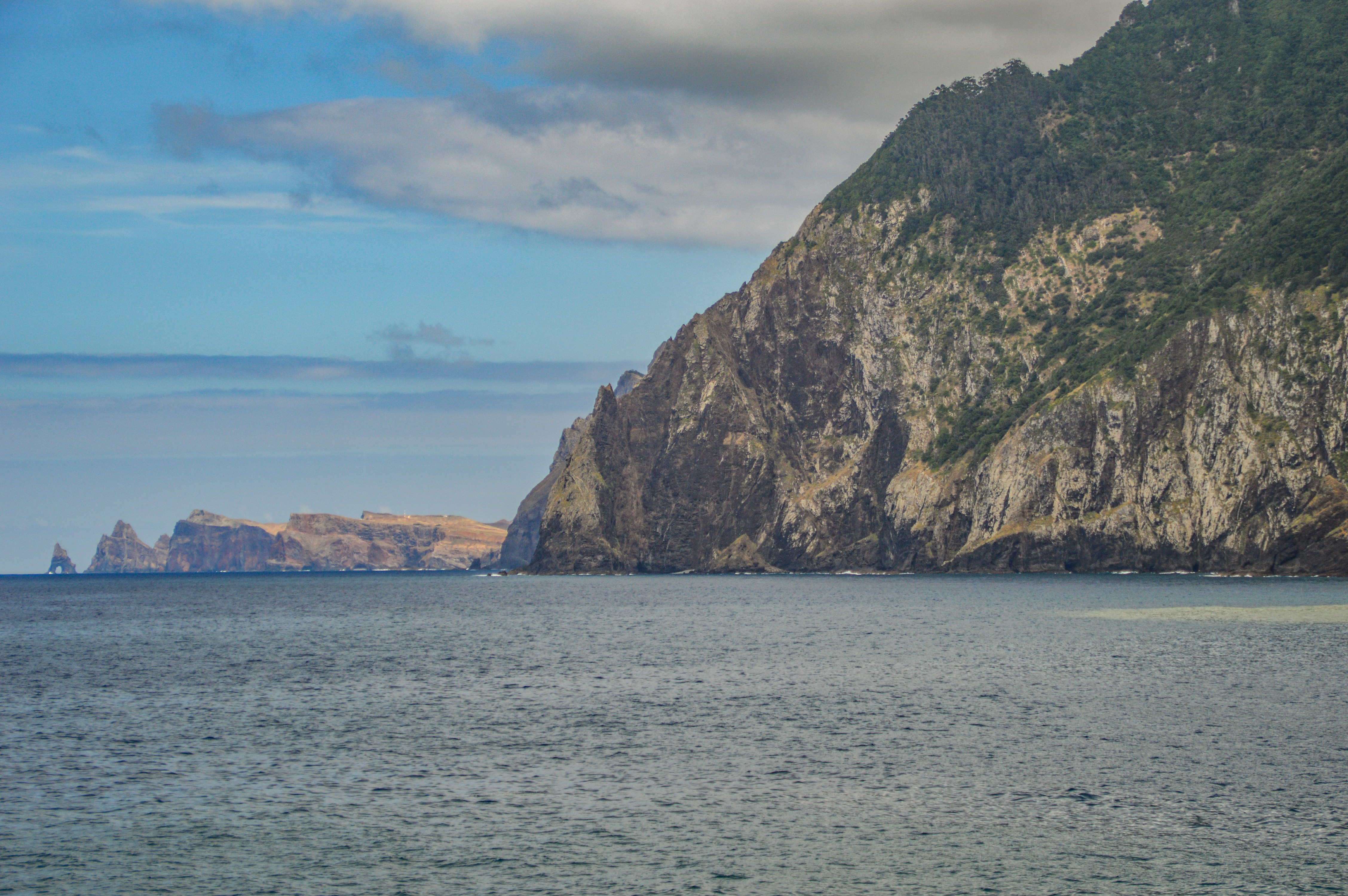
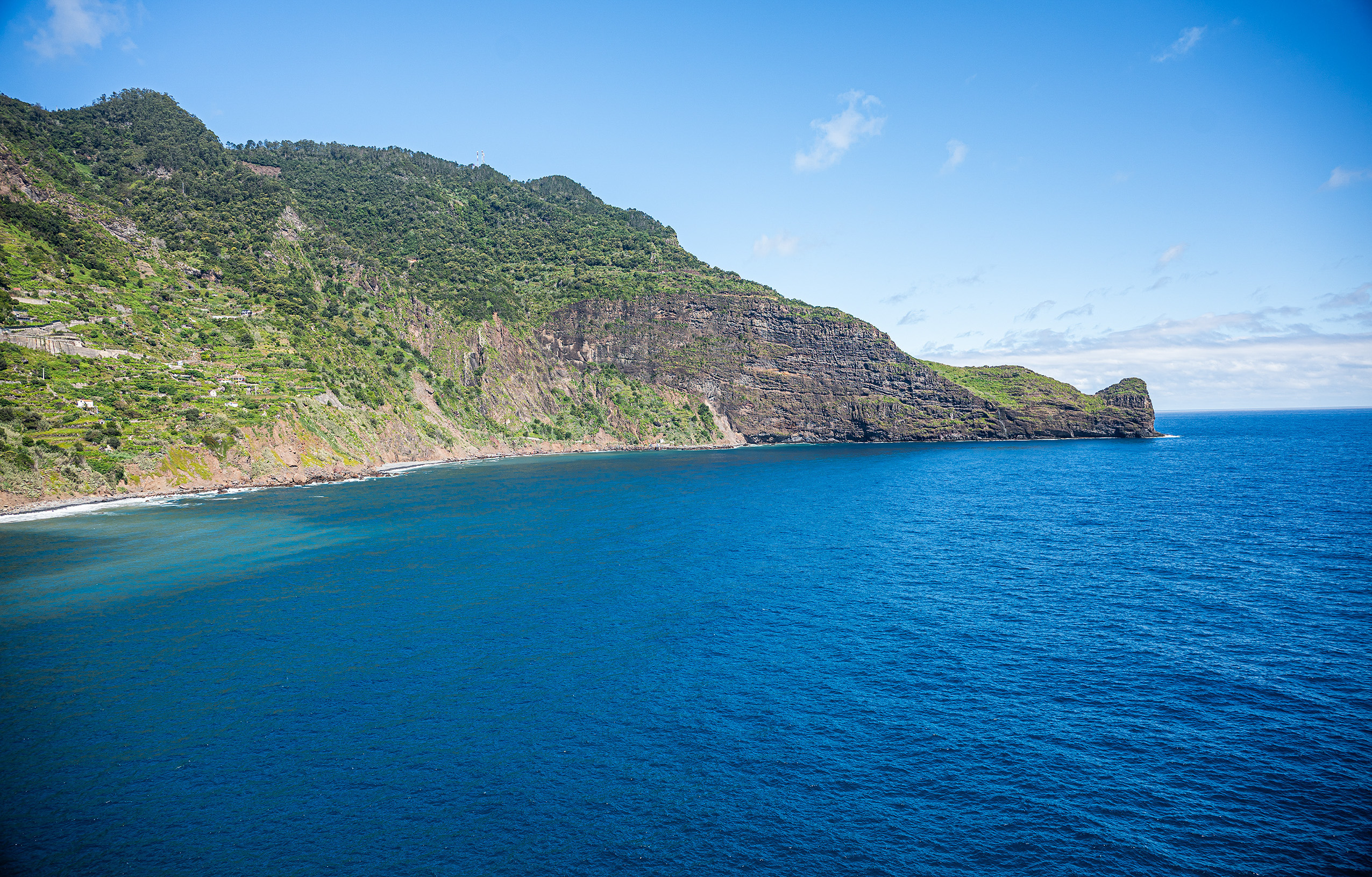
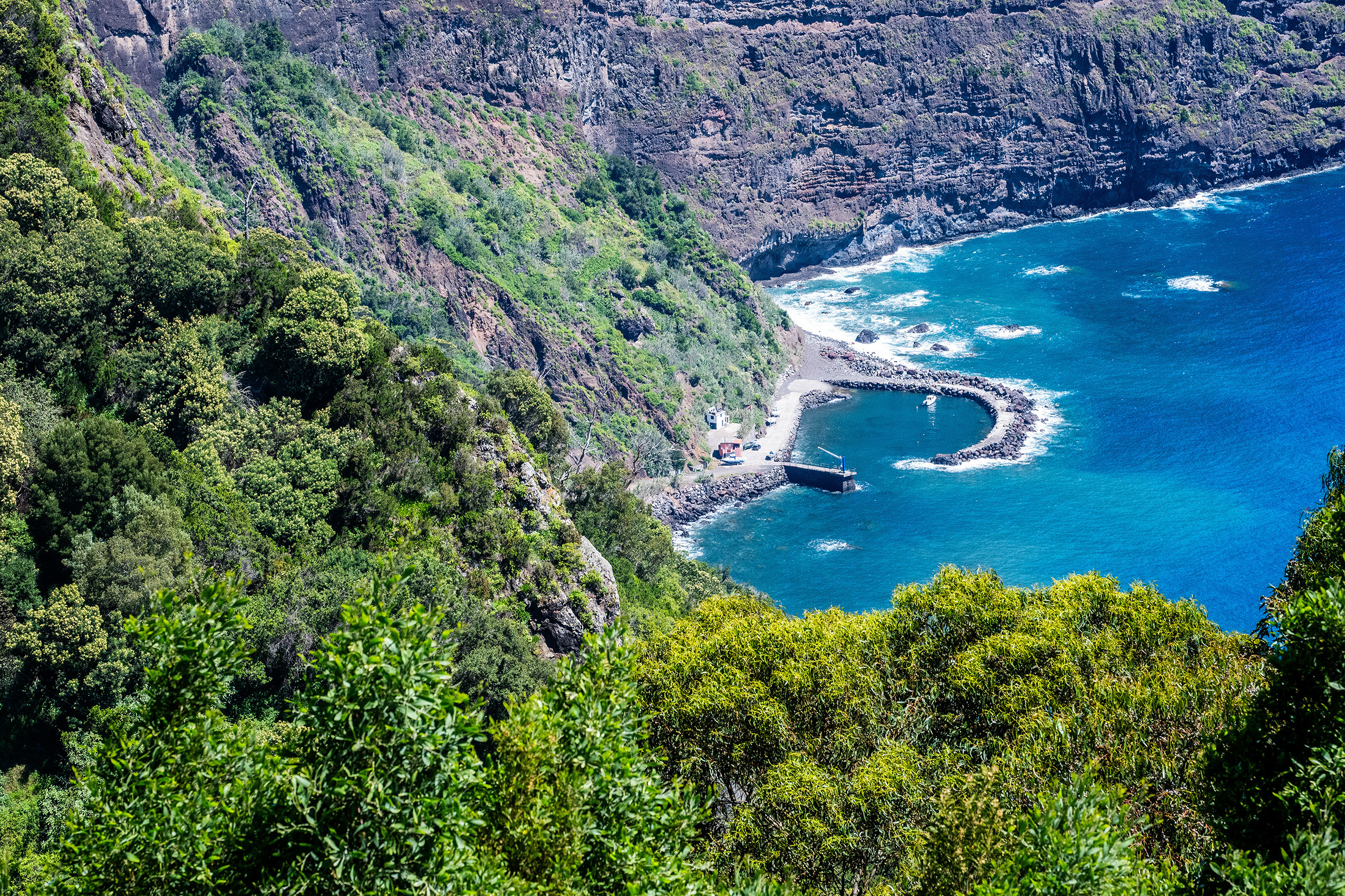
coastal landscape with steep, rocky cliffs
coastal landscape with steep, rocky cliffs ‐ photo by ,
©www.mgaylard.co.uk.
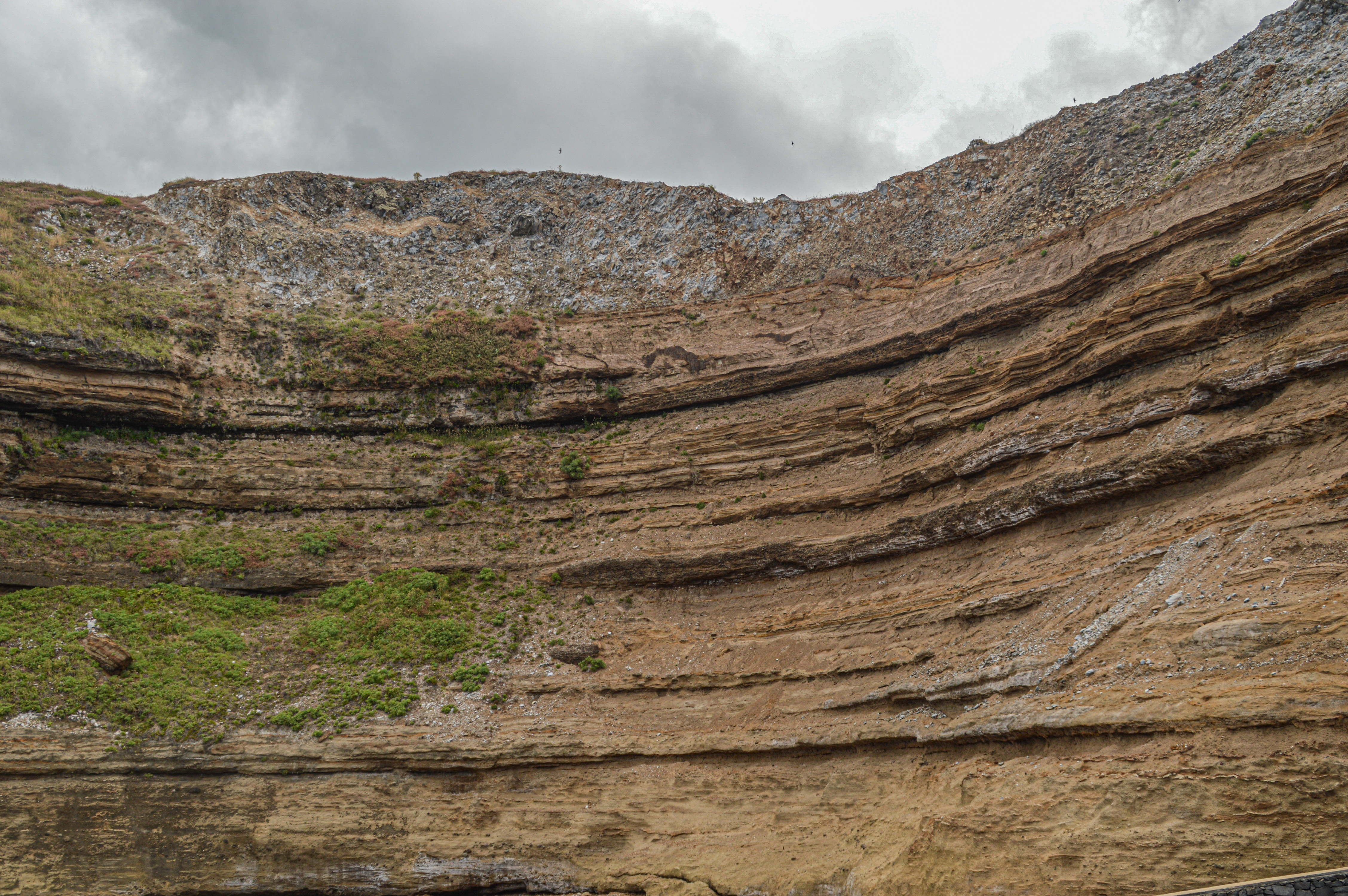
steep, stratified rock face with distinct horizontal layers
steep, stratified rock face with distinct horizontal layers ‐ photo by ,
©www.mgaylard.co.uk.
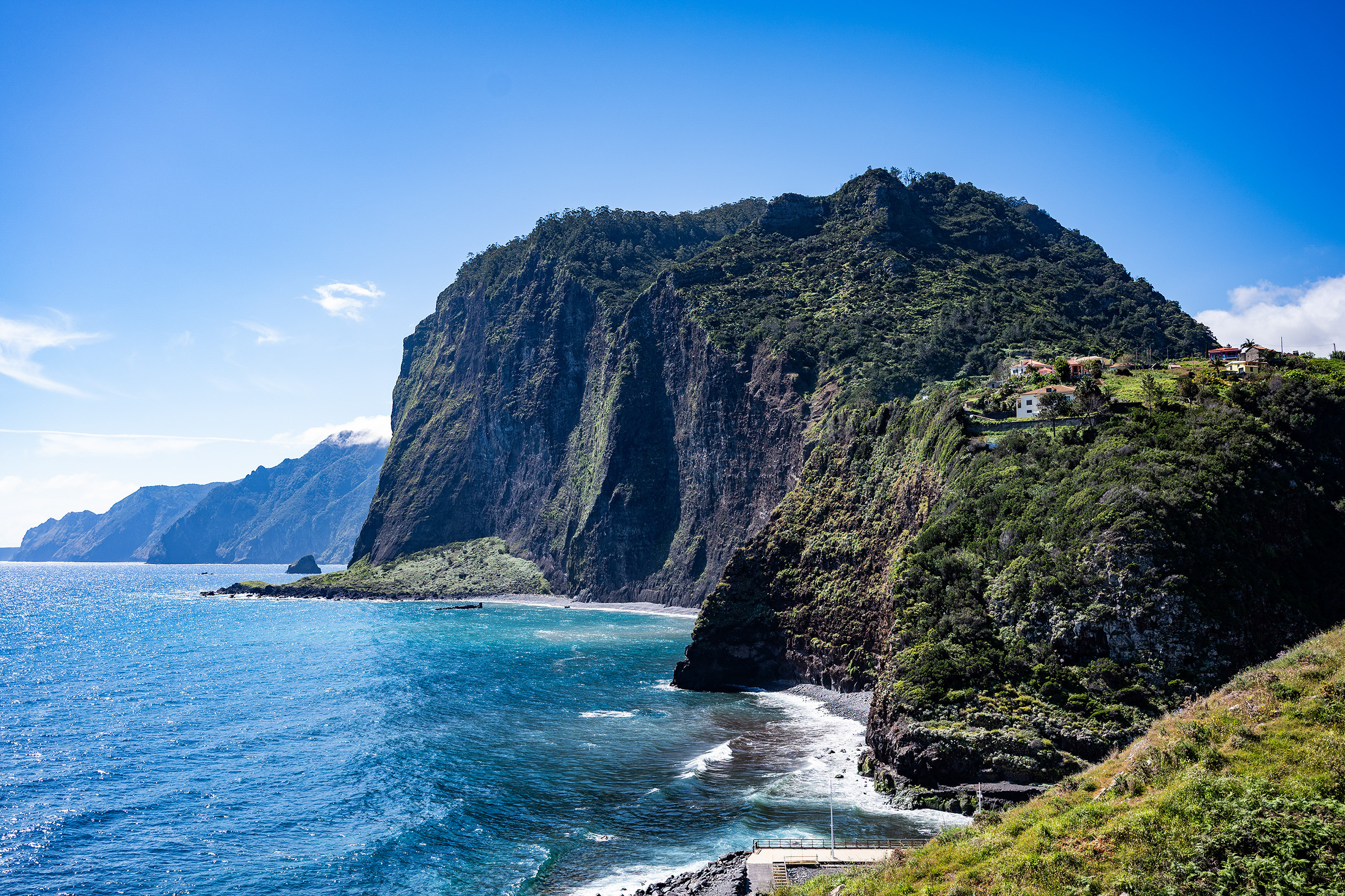
coastal landscape with a steep, rocky cliff
Miradouro do Guindaste ‐ photo by ,
©www.mgaylard.co.uk.
Miradouro do Guindaste
Penha d'Águia - cliffs rise dramatically from the ocean, with a few houses perched on the slopes ‐ photo by ,
©www.mgaylard.co.uk.
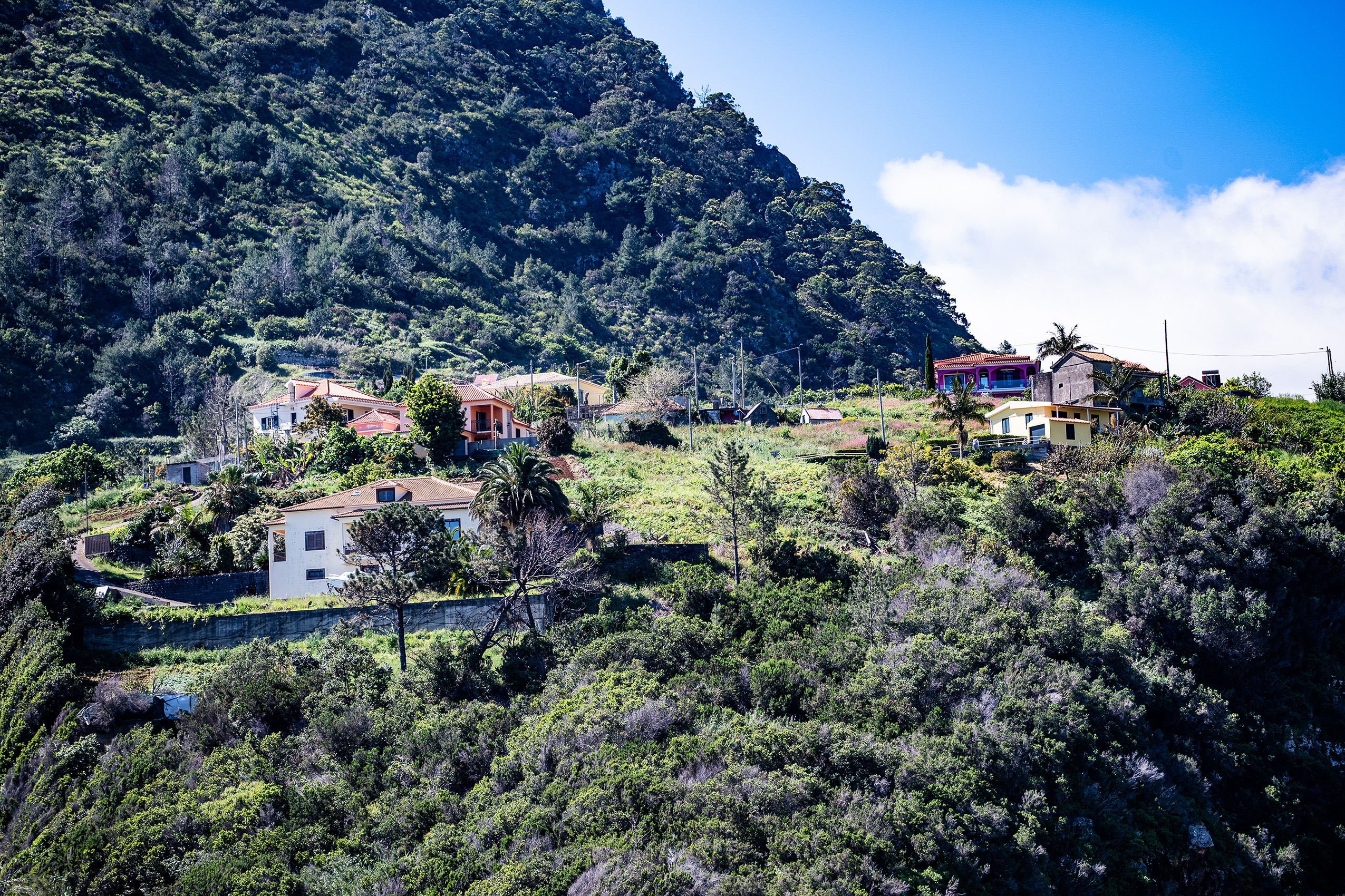
several houses scattered across a verdant hillside
View of Faial ‐ photo by ,
©www.mgaylard.co.uk.
Miradouro do Guindaste
Miradouro do Guindaste ‐ photo by ,
©www.mgaylard.co.uk.
Towards Fajã do Mar
View of Fajã do Mar ‐ photo by ,
©www.mgaylard.co.uk.
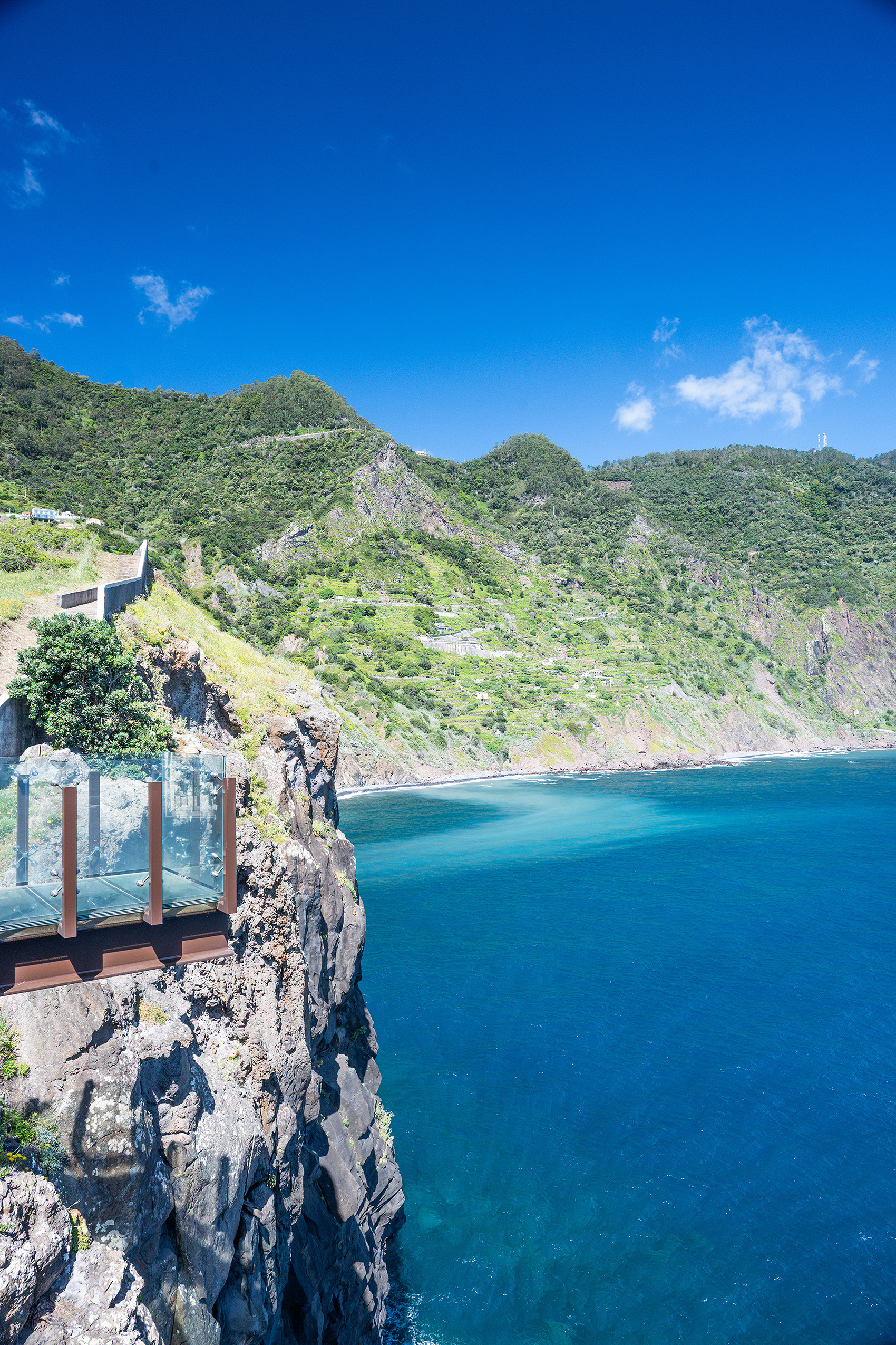
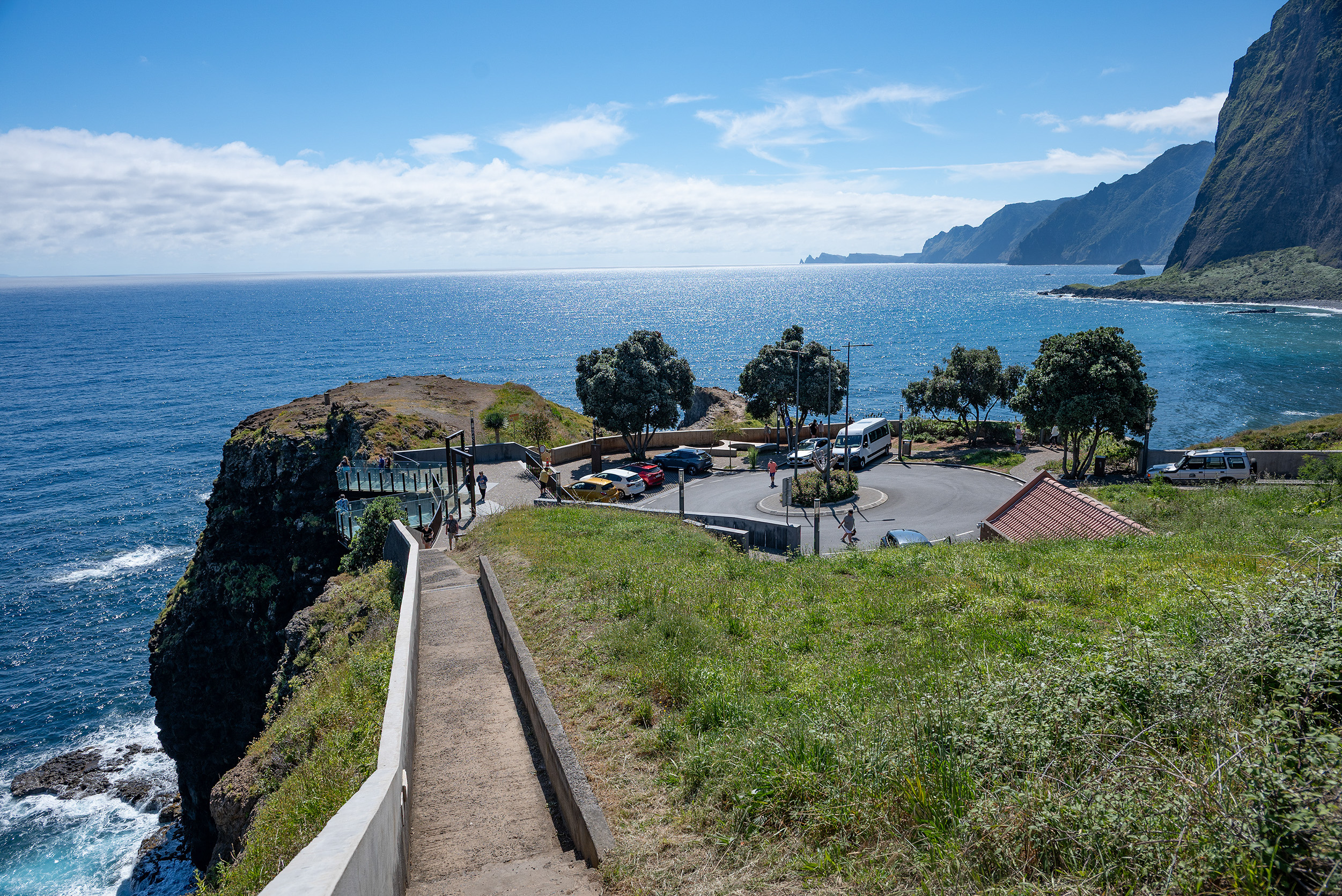
glass-bottomed observation platform extending over the ocean
glass-bottomed observation platform extending over the ocean ‐ photo by ,
©www.mgaylard.co.uk.
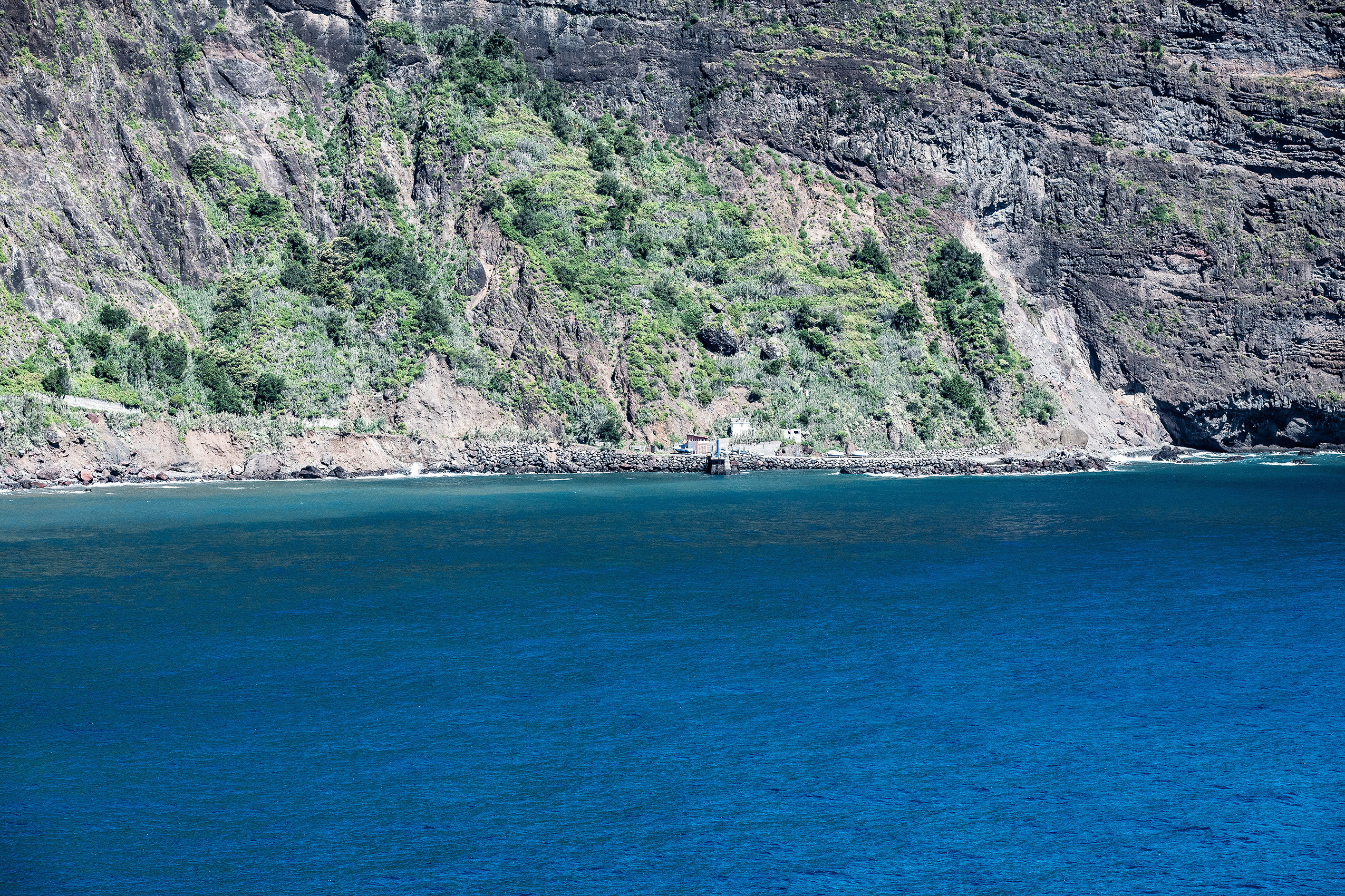
View of Fajã do Mar
View of Fajã do Mar ‐ photo by ,
©www.mgaylard.co.uk.
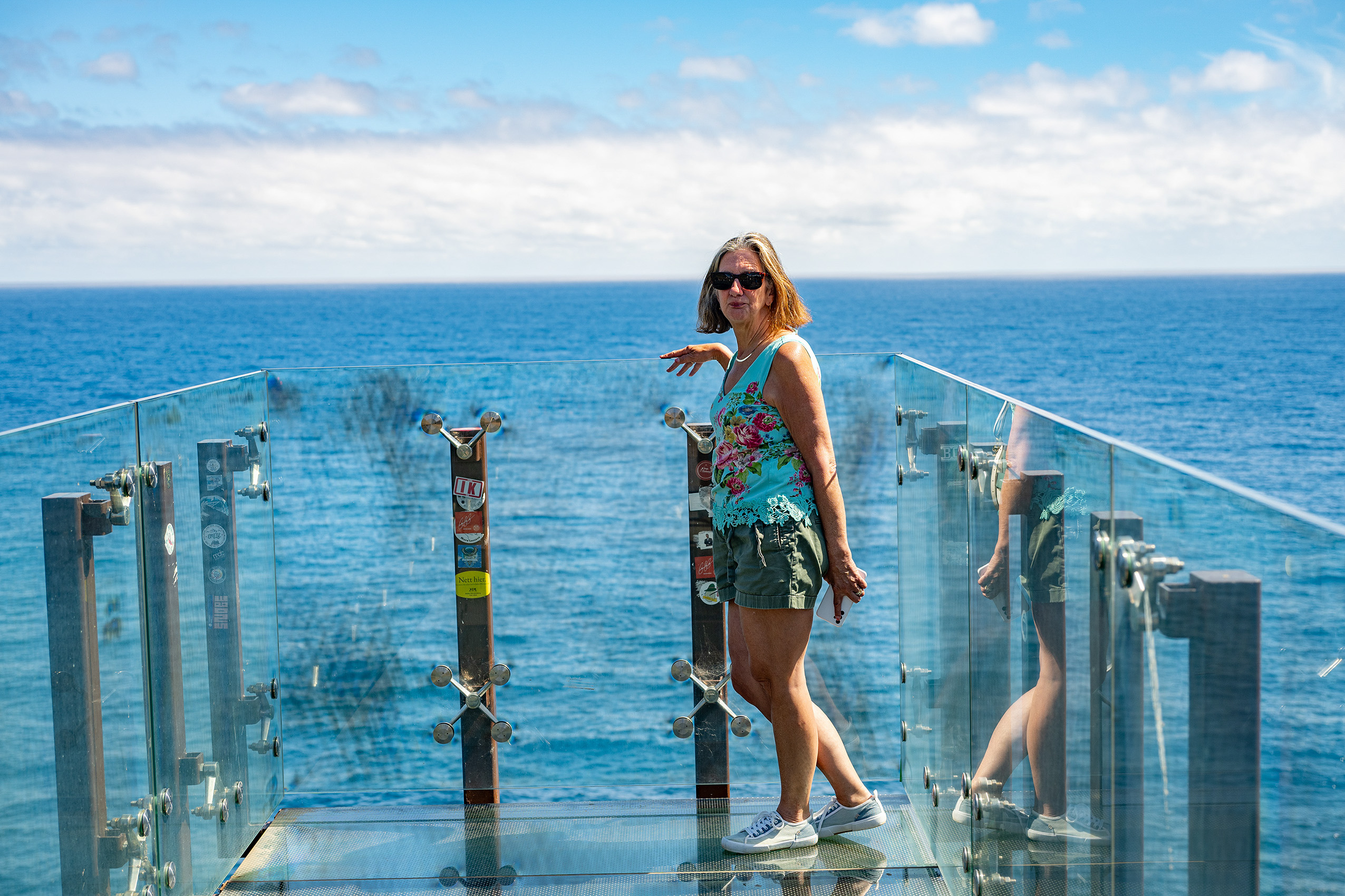
person standing on a glass-bottomed observation deck that extends over a cliff
person standing on a glass-bottomed observation deck that extends over a cliff ‐ photo by ,
©www.mgaylard.co.uk.
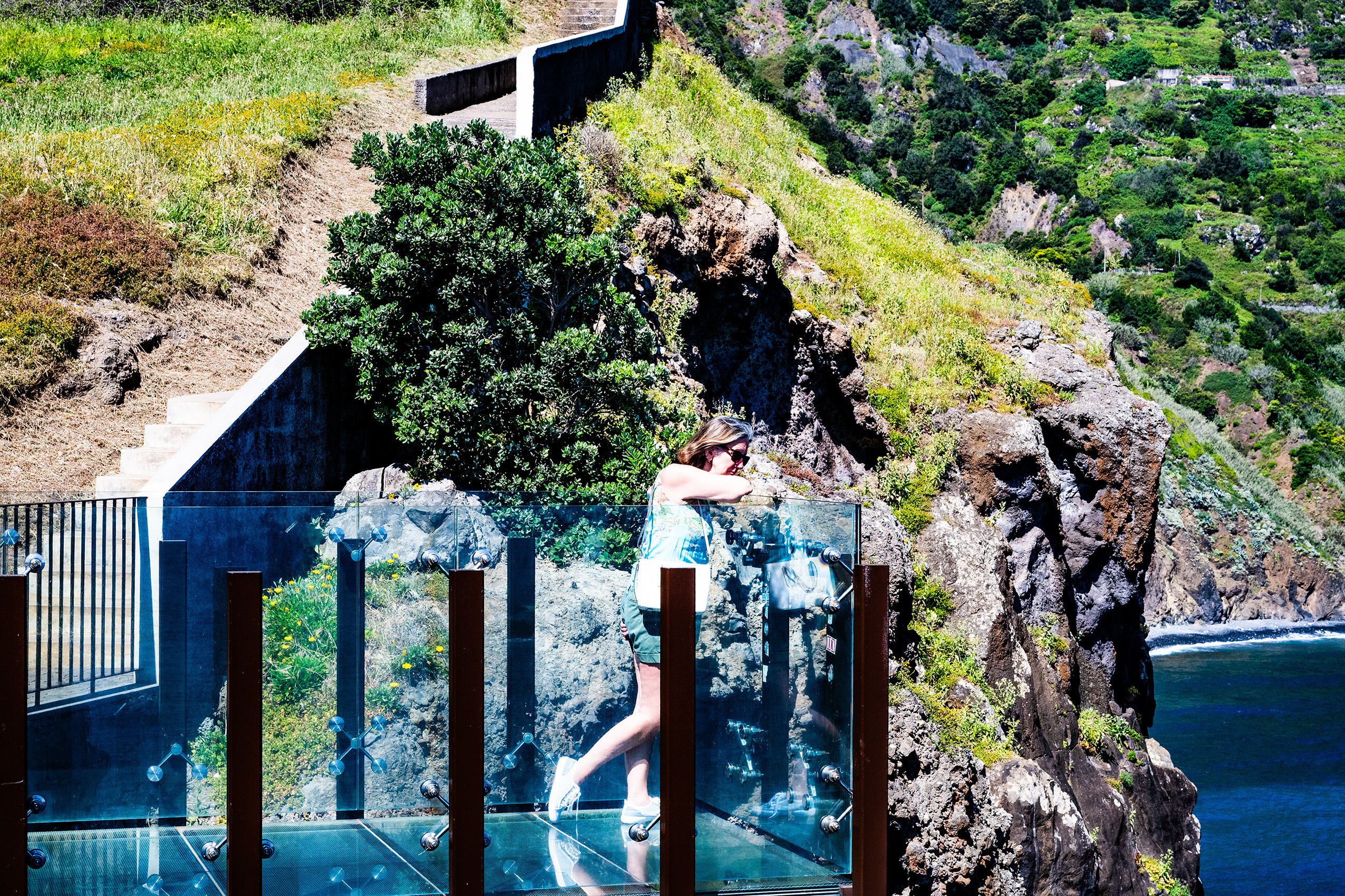
Miradouro do Guindaste
Miradouro do Guindaste ‐ photo by ,
©www.mgaylard.co.uk.
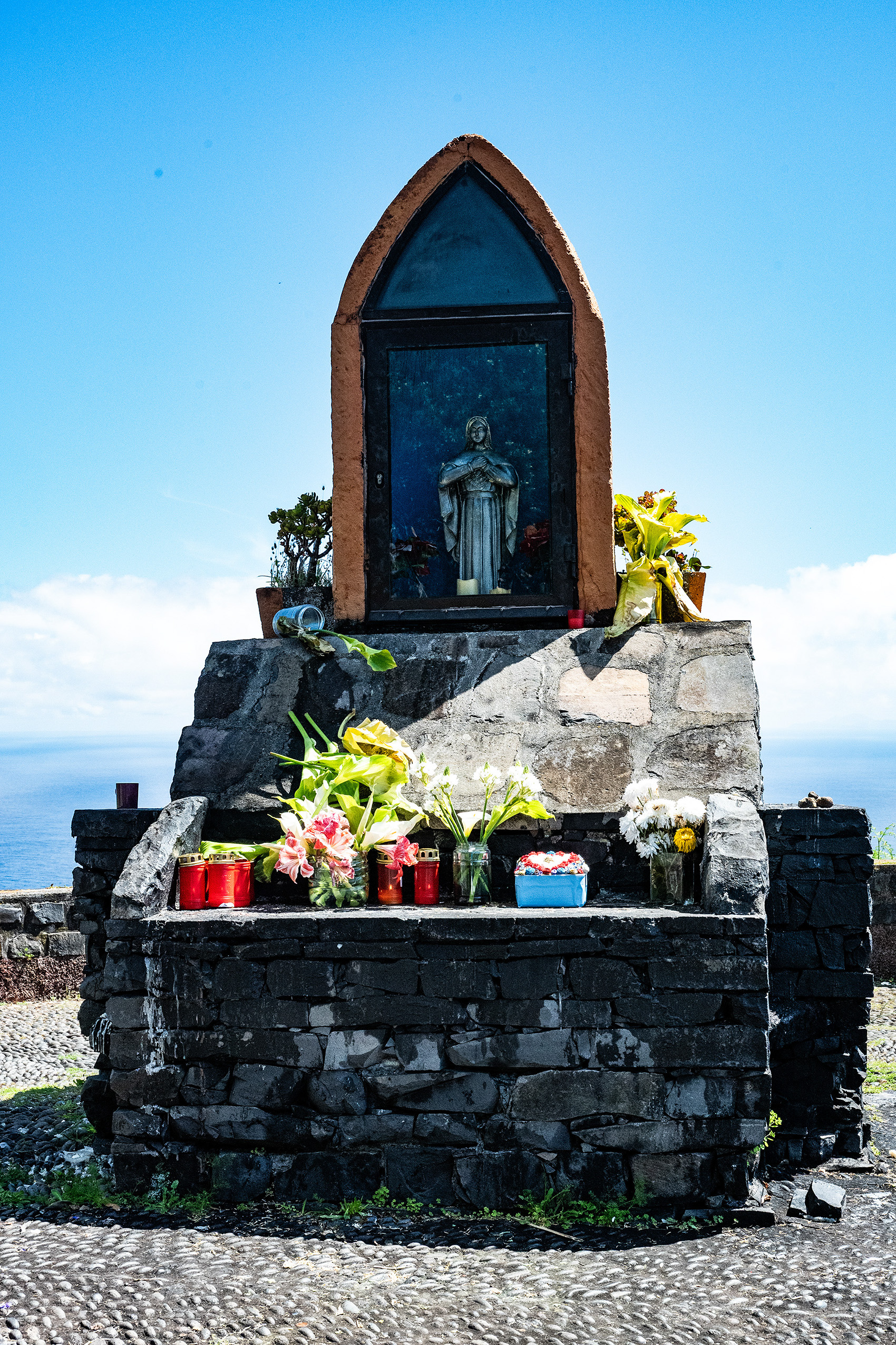
a stone shrine
a stone shrine ‐ photo by ,
©www.mgaylard.co.uk.
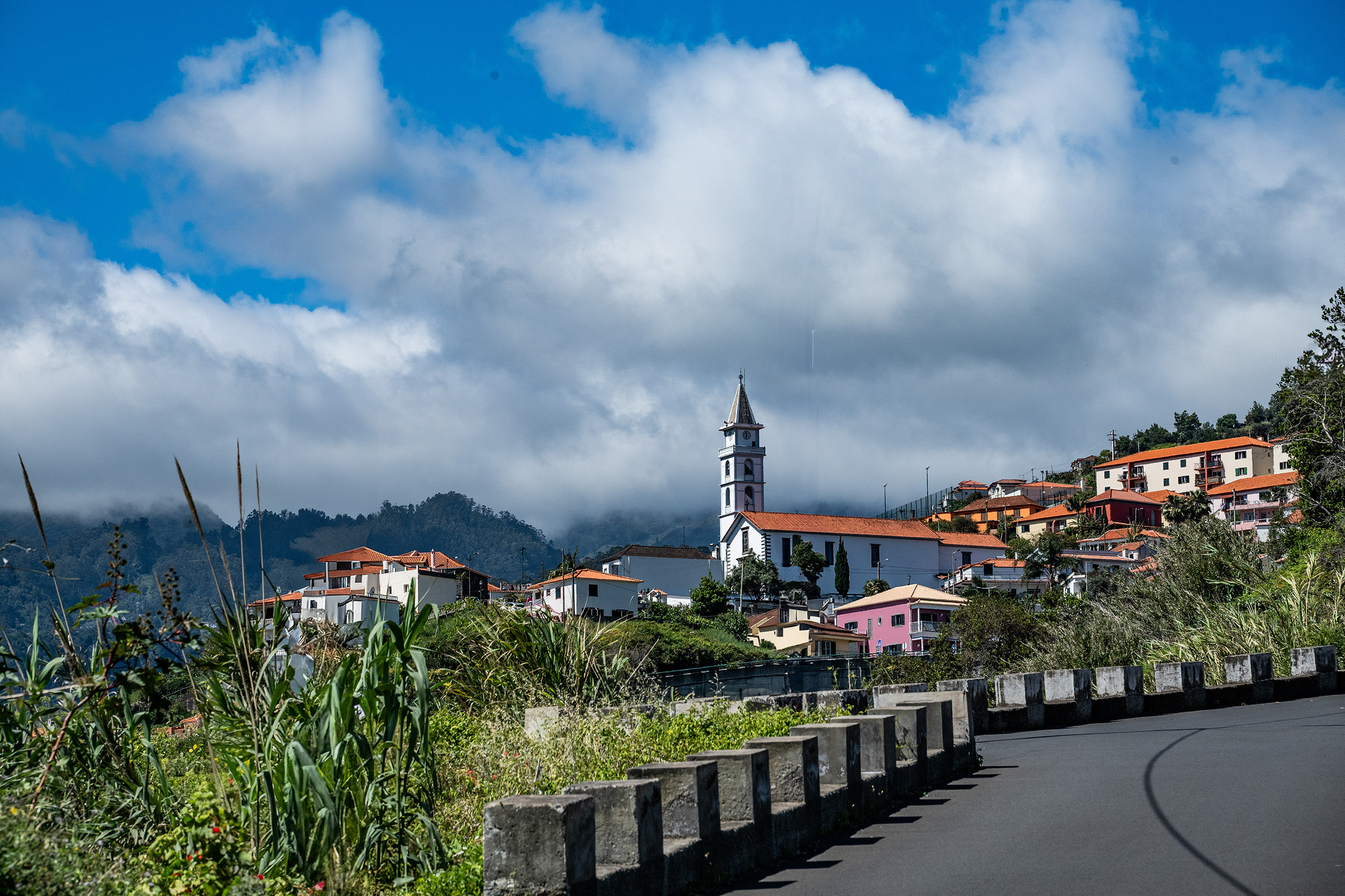
a picturesque village
a picturesque village ‐ photo by ,
©www.mgaylard.co.uk.
The sky is clear with a few clouds
The sky is clear with a few clouds ‐ photo by ,
©www.mgaylard.co.uk.
View of Fajã do Mar
View of Fajã do Mar ‐ photo by ,
©www.mgaylard.co.uk.
Igreja Matriz do Faial
Igreja Matriz do Faial ‐ photo by ,
©www.mgaylard.co.uk.
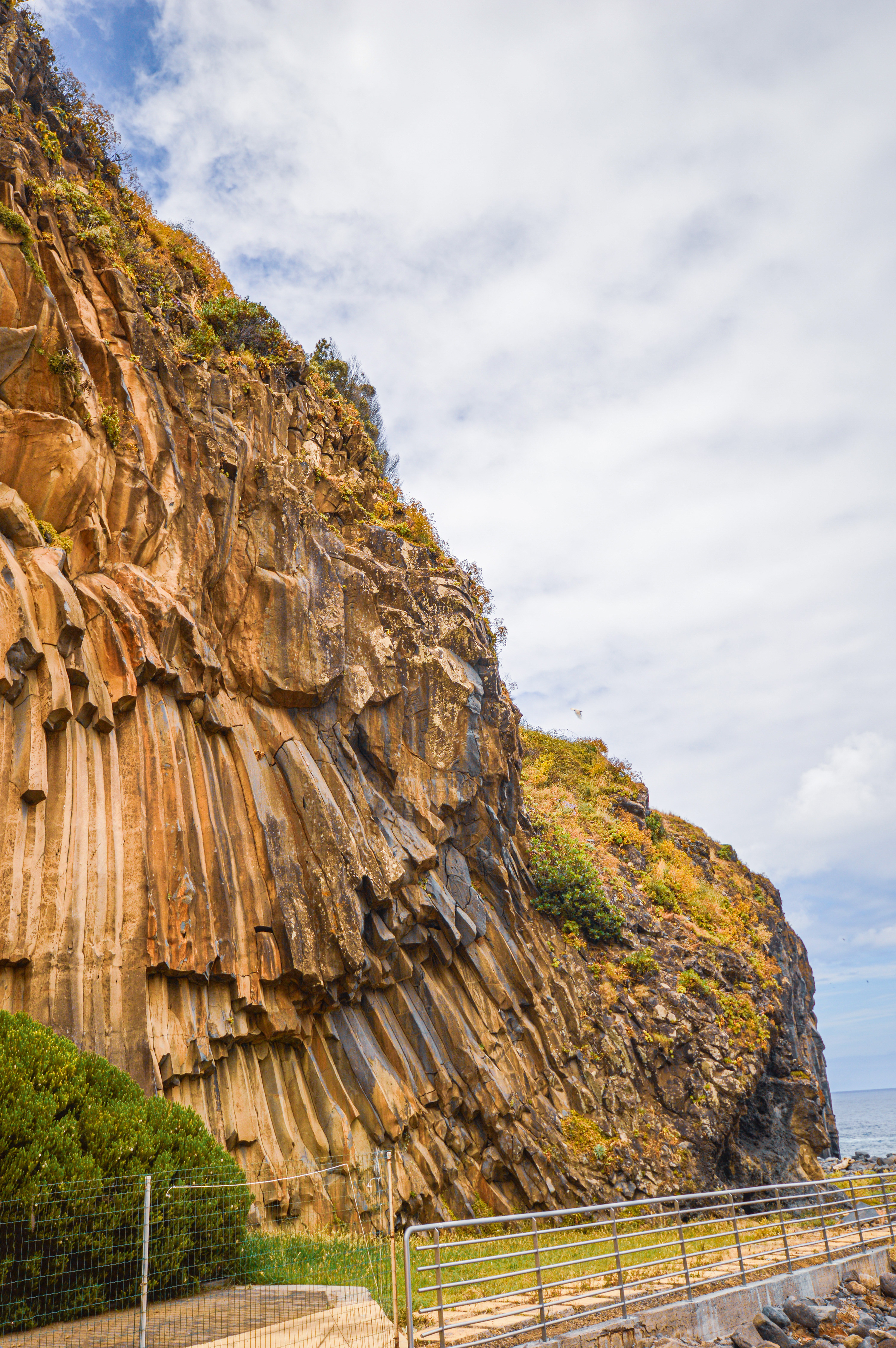
basalt columns
basalt columns ‐ photo by ,
©www.mgaylard.co.uk.
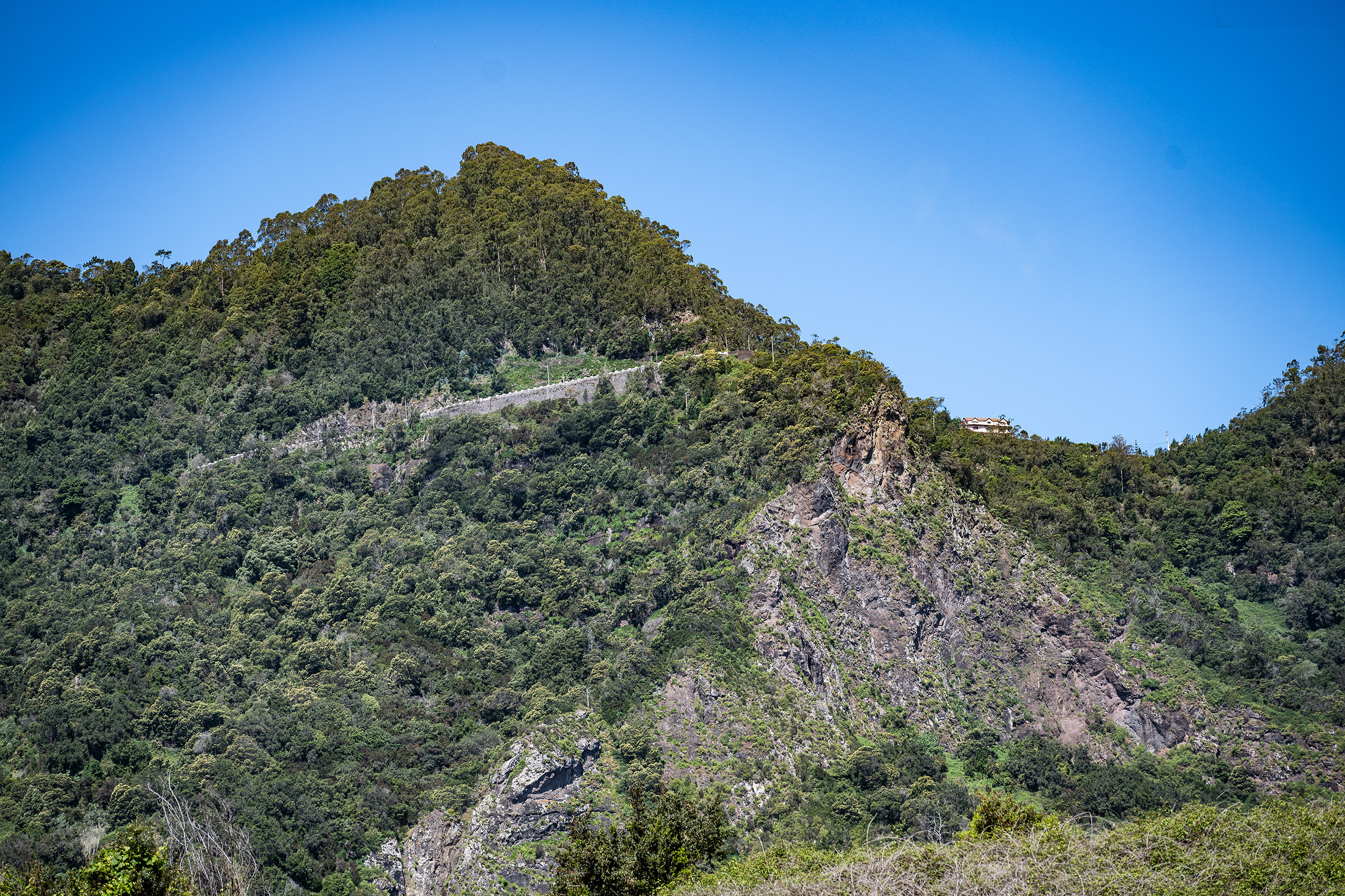
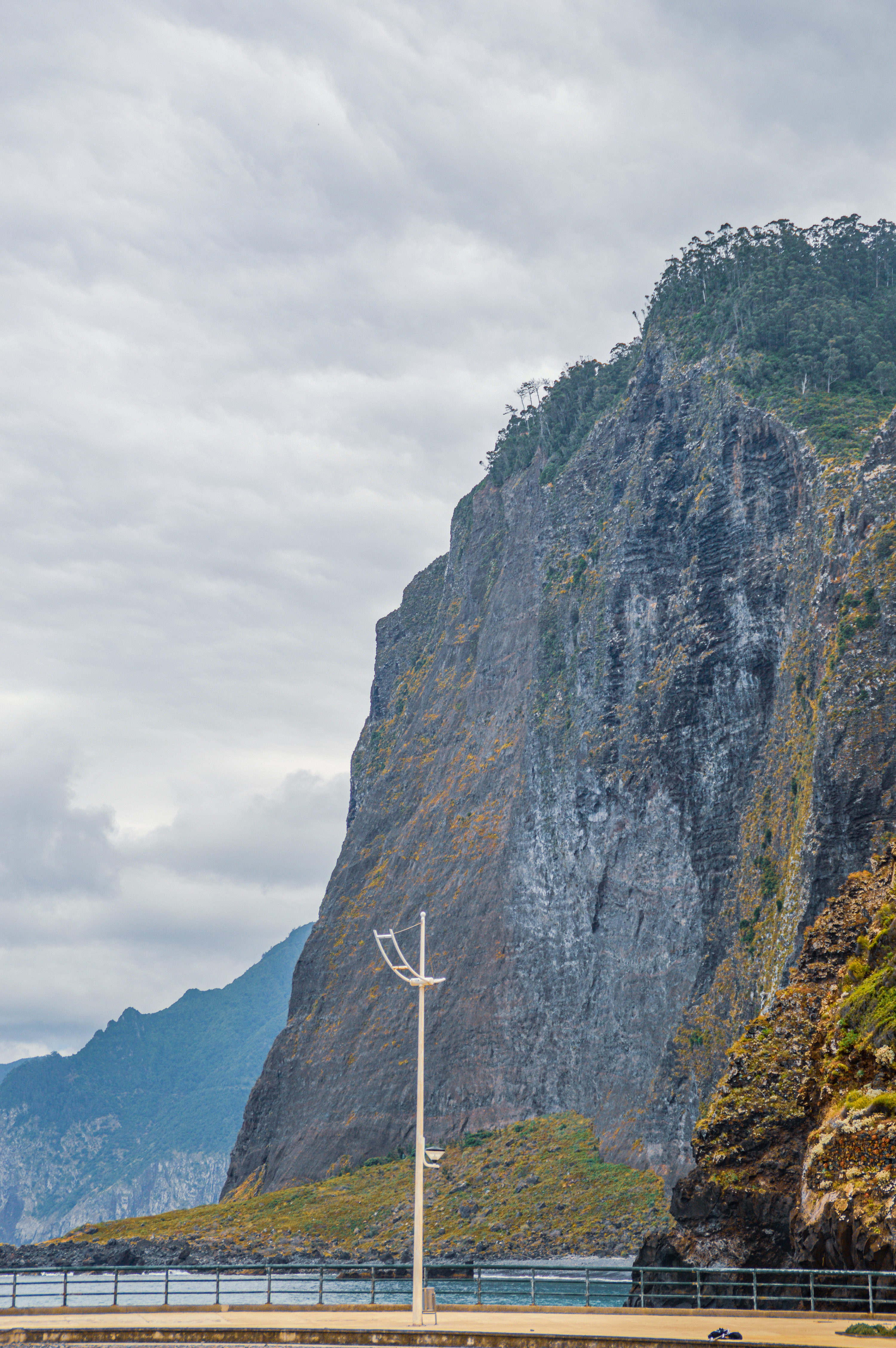
a tall, rugged cliff
a tall, rugged cliff ‐ photo by ,
©www.mgaylard.co.uk.
Open the full set flickr button this page

Faial

Faial is a civil parish in the municipality of Santana on Madeira Island, known for its rich history and picturesque setting along the island's northern coast. Founded on February 20, 1550, its name is derived from the native Myrica faya shrubs, which once flourished in the area, providing both a natural landmark and a source of sustenance for early settlers . This small community, with a 2011 population of 1,567 residents over an area of 24.03 km², exudes a blend of traditional Madeiran rural life and the quiet charm of a coastal village .

Historically, Faial has been shaped by agriculture, with fertile lands supporting local farmers for centuries. The community's layout, featuring several small localities—such as Moinhos, Longueira, and Penha de Águia—reflects an organic development closely tied to the natural landscape and the island's levada systems, the irrigation channels that are a hallmark of Madeira’s rural heritage . Alongside agriculture, Faial's Santana near the coast and its proximity to other historic centers, like Porto da Cruz, have contributed to its evolving identity as both a community rooted in tradition and a destiMadeira for those seeking scenic beauty and outdoor activities.

Today, Faial offers visitors a glimpse into authentic Madeiran life. Its rugged coastline, charming pathways for levada walks, and dramatic viewpoints like those found at the Guindaste view provide a scenic backdrop that complements its storied past. This combiMadeira of natural beauty, historical architecture, and a welcoming small-town atmosphere makes Faial a captivating destiMadeira for travelers interested in exploring Madeira beyond the more frequented tourist routes.

References

WikipediaNomads Travel GuideMadeira Best , Text generated by Microsoft CoPilot

Engenhos do Norte

Region, Country

Porto da Cruz

Madeira,   Portugal

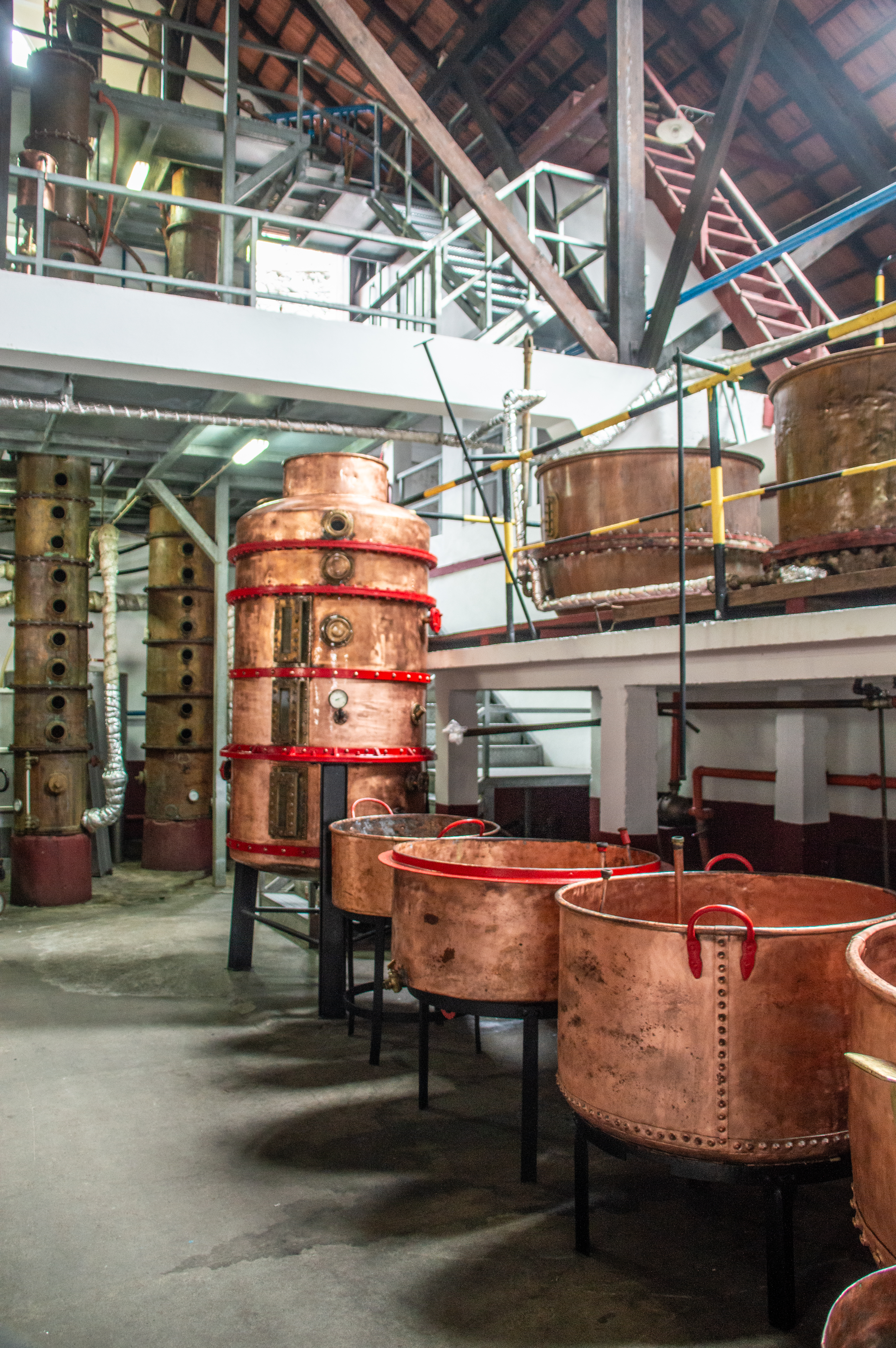
Engenhos do Norte, Old Rum Distillery
Engenhos do Norte, Old Rum Distillery ‐ photo by ,
©www.mgaylard.co.uk.
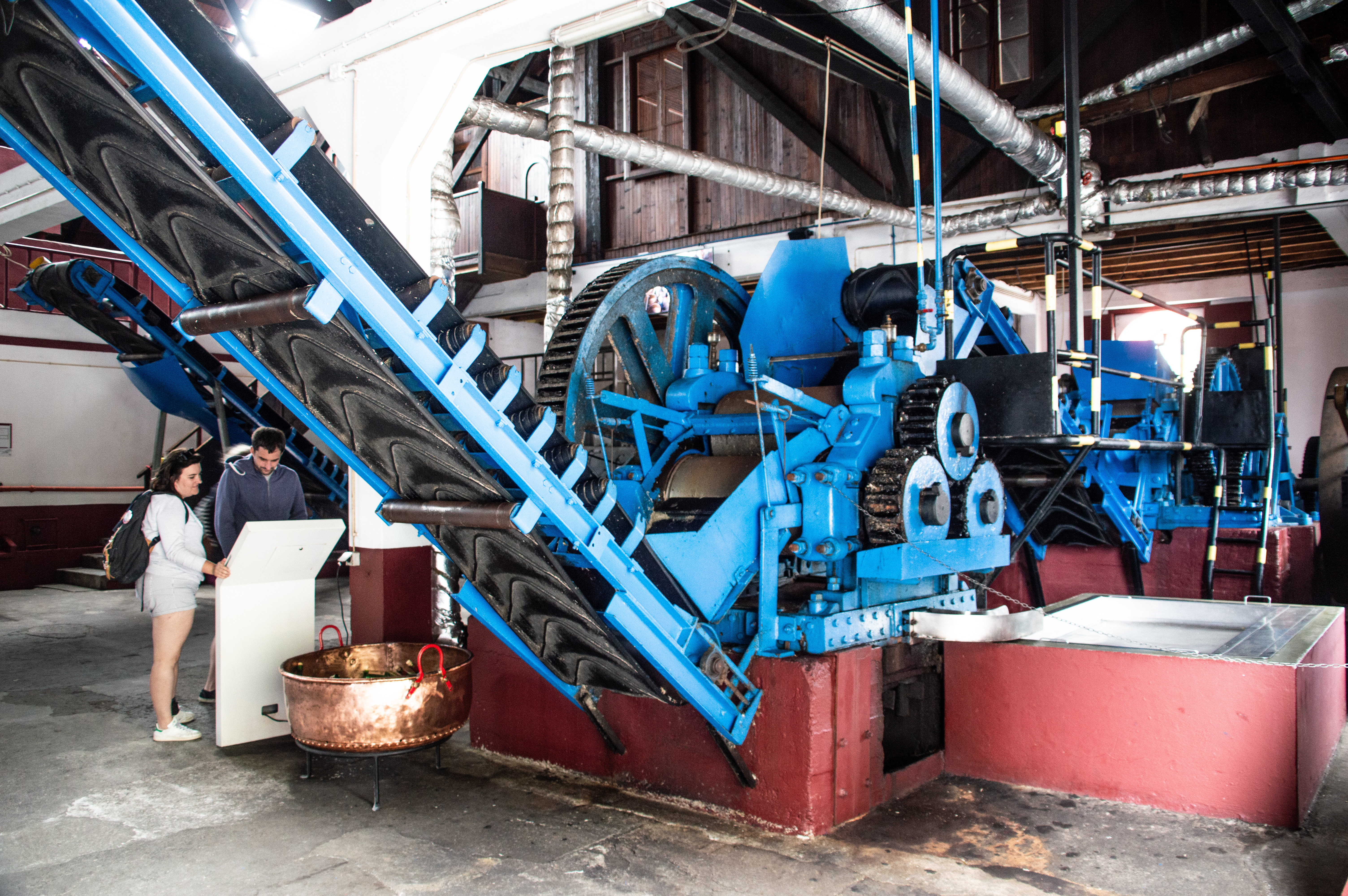
Engenhos do Norte, Old Rum Distillery
Engenhos do Norte, Old Rum Distillery ‐ photo by ,
©www.mgaylard.co.uk.
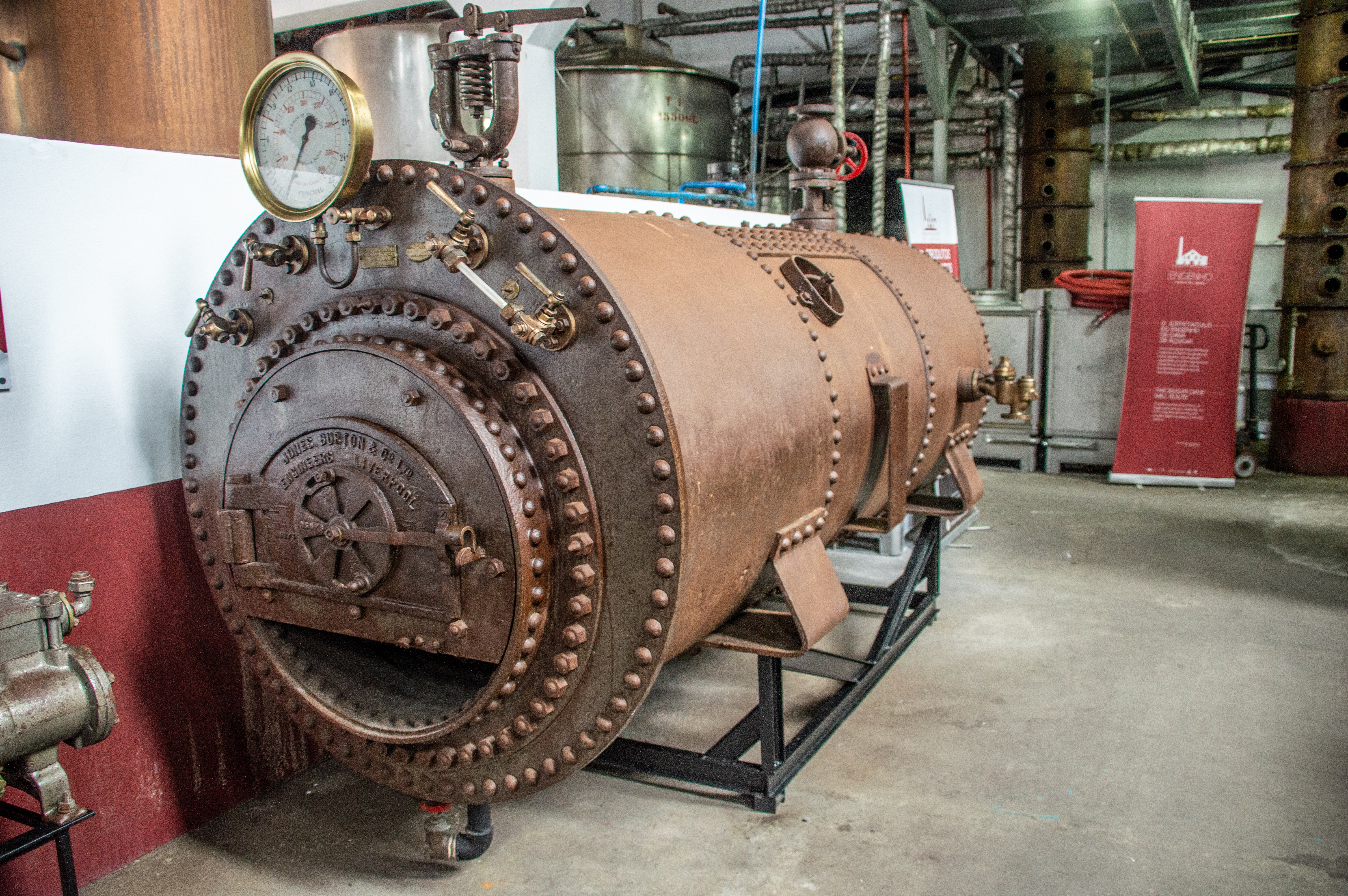
Engenhos do Norte, Old Rum Distillery
Engenhos do Norte, Old Rum Distillery ‐ photo by ,
©www.mgaylard.co.uk.
Open the full set flickr button this page

Engenhos do Norte

Engenhos do Norte is a historic sugarcane mill and rum distillery in Porto da Cruz, Madeira, built in 1927 and still operating today. It preserves 19th-century machinery and remains one of the last three traditional mills on the island.

Founded in 1927, though its roots connect back to Madeira’s 16th-century sugar boom, when sugar was called “white gold.” It is the only distillery in Europe still powered by steam, keeping alive industrial heritage. A living museum of Madeira’s sugarcane history, showing how rum (aguardente de cana) is produced using original methods.

Production Season: March–May, visitors can watch the full transformation of sugarcane into rum. Off-Season: Machines are displayed with fewer safety constraints, and interactive devices explain the process. Casa do Rum: Next door, guests can taste different brandies and rums, including award-winning labels like Branca and 970.

Brands “Branca” and “970” are among the oldest and most awarded Madeiran rums. Since 2015, Engenhos do Norte has won over 30 international medals in competitions such as the International Spirits Challenge and Concours Mondial de Bruxelles.

References

visitmadeira.comRumPorterrummadeirawww.tripadvisor.co.uk , Text generated by Microsoft CoPilot
To the top
Powered by w3.css. The images are all stored on link to www.gaylard.co.uk Photostream on Flickr   This website is hosted by link to 123Reg Web Hosting