HOME

Waterlily House, Kew Gardens

Waterlily House, Kew Gardens;

Royal Botanic Gardens, KewRichmondLondon,   United Kingdom

The Waterlily House at Kew Gardens is a stunning glasshouse dedicated to the cultivation and display of waterlilies and other aquatic plants. Built in 1852, it is the oldest surviving glasshouse at Kew and features a unique design with a curved roof and large pond. The house is home to a variety of waterlilies, including the famous giant Amazon waterlily (Victoria amazonica), and provides a tranquil and educational experience for visitors.
The image depicts a water lily (Nymphaea) flower in full bloom, surrounded by various broad leaves floating on dark water. The flower is characterized by its delicate, star-shaped petals in shades of white and light purple. The leaves exhibit a mix of green, brown, and yellow hues, with some showing signs of decay. The overall scene is a close-up view of a serene aquatic environment.
a water lily (Nymphaea) flower in full bloom ‐ photo by ,
©www.mgaylard.co.uk.
The image depicts a serene pond scene with lily pads and vibrant purple water lilies in bloom. Among the natural elements, there are large, intricately designed glass sculptures resembling lily pads, adding an artistic touch to the scene. The glass sculptures contrast beautifully with the natural lily pads and flowers, creating a harmonious blend of art and nature.
lily pads and vibrant purple water lilies ‐ photo by ,
©www.mgaylard.co.uk.
The image depicts a serene scene of a white water lily flower blooming in a pond. The flower stands out prominently against the dark water, surrounded by broad, green lily pads. The central lily is fully open, revealing its yellow center, while another lily in the background is partially visible. Additionally, there are two unopened lily buds nearby, hinting at more blooms to come. The overall setting suggests a tranquil, natural environment..
white water lily flower  ‐ photo by ,
©www.mgaylard.co.uk.
The image depicts a serene pond scene with water lilies and lotus flowers. The water lilies have broad, green leaves floating on the water's surface, while the lotus flowers are in various stages of bloom, with some buds not yet fully opened. The water is dark and reflective, creating a calm and tranquil atmosphere. The overall scene is lush and vibrant, showcasing the natural beauty of aquatic plants.
water lilies and lotus flowers ‐ photo by ,
©www.mgaylard.co.uk.
The image depicts a lush, greenhouse environment filled with large green leaves and various stages of lotus flowers, from buds to fully bloomed blossoms. The background shows blurred figures of people, suggesting a public or tourist setting. The atmosphere is vibrant and verdant, highlighting the beauty and diversity of the lotus plants.
lotus flowers ‐ photo by ,
©www.mgaylard.co.uk.
The image shows a lush garden scene with a focus on two prominent lotus flowers. One flower is in full bloom with white petals and a yellow center, while the other is a seed pod with a spiky, textured surface. The background features blurred figures of people, suggesting a public garden or botanical setting with abundant greenery and tall plants.
two prominent lotus flowers ‐ photo by ,
©www.mgaylard.co.uk.
The image depicts a water lily plant in a pond. A fully bloomed white water lily flower is prominently displayed, surrounded by broad green leaves floating on the water's surface. The stem of the plant is visible, showing buds at various stages of development, including some that are still closed and others that are beginning to open. The water is calm, reflecting the plant and its surroundings.
water lily plant ‐ photo by ,
©www.mgaylard.co.uk.
The image shows a close-up of a flower bud with vibrant yellow petals that are tightly curled and beginning to unfurl. The background is blurred, featuring green foliage, which helps to highlight the intricate details of the bud. The bud appears to be on the verge of blooming, with delicate white petals starting to emerge from the top. The overall scene captures a moment of natural beauty and transformation in a garden setting.g
yellow petals that are tightly curled and beginning to unfurl ‐ photo by ,
©www.mgaylard.co.uk.
The image shows a close-up of a unique, elongated, green flower bud with a textured surface, hanging down from a plant. The background is blurred, highlighting the intricate details of the bud and some orange and yellow flowers above it.
Bitter Gourd ‐ photo by ,
©www.mgaylard.co.uk.
The image features a close-up of vibrant red flowers with green stems and leaves. The flowers are in various stages of blooming, with some fully open and others still budding. The background is blurred, drawing focus to the intricate details of the flowers. The overall scene is bright and colorful, highlighting the natural beauty of the flowers.
Canna Lily ‐ photo by ,
©www.mgaylard.co.uk.
The image depicts a vibrant pink lotus flower in full bloom, surrounded by large green lotus leaves. The flower stands out prominently against the backdrop of other lotus plants in various stages of growth, with some buds yet to open. The scene is set in a pond, with the water surface visible in the background, reflecting the greenery around it. The overall atmosphere is serene and natural, highlighting the beauty of the lotus flower in its aquatic environment.
a vibrant pink lotus flower in full bloom ‐ photo by ,
©www.mgaylard.co.uk.
The image depicts a close-up view of a body of water, likely a pond, with various aquatic plants and debris floating on the surface. The water is calm, reflecting the plants and surrounding environment. The plants include small, round, green leaves typical of water lentils or duckweed, and there are also some larger, darker leaves. Additionally, there is a conspicuous piece of debris or possibly a small cluster of organic material, such as nuts or seeds, in the center of the image. The overall scene suggests a natural, possibly stagnant, freshwater habitat.
Lily Pond ‐ photo by ,
©www.mgaylard.co.uk.
The image depicts a close-up view of a cluster of orange-colored fruits with red spots, likely a type of citrus fruit, hanging from a tree. The background consists of green leaves and branches, creating a vibrant and natural setting.
orange-colored fruits with red spots ‐ photo by ,
©www.mgaylard.co.uk.
The image depicts a close-up view of a cluster of orange-colored fruits with red spots, likely a type of citrus fruit, hanging from a tree. The background consists of green leaves and branches, creating a vibrant and natural setting.
orange-colored fruits with red spots ‐ photo by ,
©www.mgaylard.co.uk.
The image depicts a close-up view of a chrysalis, also known as a pupa, which is the stage in the life cycle of a butterfly or moth where it undergoes transformation into its adult form. The chrysalis is shown hanging from a plant, with its distinctive texture and coloration clearly visible. The surrounding foliage is slightly blurred, drawing focus to the chrysalis itself.
Weird Fruit ‐ photo by ,
©www.mgaylard.co.uk.
The image depicts a serene pond scene with large, vibrant green lily pads floating on the water's surface. Some of the lily pads have small white flowers blooming from their centers. A terracotta pot with a plant is also visible, partially submerged in the water. The overall atmosphere is calm and natural, with the lily pads reflecting off the dark water, creating a peaceful and tranquil setting.
large, vibrant green lily pads floating on the water's surface ‐ photo by ,
©www.mgaylard.co.uk.
The image showcases a serene pond scene with vibrant water lilies and lotus flowers. The water lilies display a mix of yellow and reddish hues, while a single lotus flower in light purple stands out prominently. The dark water reflects the colors of the flowers, creating a visually appealing contrast. The overall atmosphere is calm and picturesque, highlighting the natural beauty of aquatic plants.
lilies and lotus flowers ‐ photo by ,
©www.mgaylard.co.uk.
The image depicts a serene pond scene with water lilies (Nymphaea 'Camembert') blooming on the water's surface. The pond is surrounded by large, green lily pads with some showing brown spots. The water is calm, reflecting the plants and a metal structure above. The overall atmosphere is tranquil and natural.
Nymphaea 'Camembert' ‐ photo by ,
©www.mgaylard.co.uk.
The image showcases a large, intricate glass sculpture resembling a flower or sea anemone, likely part of an art exhibit. The sculpture is transparent with detailed patterns and is situated outdoors, surrounded by greenery and people observing it. The setting appears to be a public space, possibly a botanical garden or an art fair, with visitors appreciating the artwork.
Ethereal White Persian Pond Glass Sculpture by Chihuly ‐ photo by ,
©www.mgaylard.co.uk.
The image depicts a serene pond scene with large, translucent, lotus-like leaves floating on the water. The leaves are intricately detailed and have a delicate, almost glass-like appearance. Surrounding the pond are various green plants and foliage, creating a lush and vibrant atmosphere. The overall setting is tranquil and visually appealing, suggesting a peaceful natural environment.
Ethereal White Persian Pond Glass Sculpture by Chihuly ‐ photo by ,
©www.mgaylard.co.uk.
The image shows a close-up of a green, elongated fruit hanging from a branch. The fruit has a smooth, glossy surface with some dark spots. The branch it hangs from has a few withered leaves, and the background is blurred, focusing attention on the fruit.
a green, elongated fruit hanging from a branch. ‐ photo by ,
©www.mgaylard.co.uk.
The image shows a close-up of a plant with a focus on its flowering part. The flower is bright yellow and appears to be in the early stages of blooming. The background is blurred, emphasizing the details of the flower and its stem.
The flower is bright yellow and appears to be in the early stages of blooming ‐ photo by ,
©www.mgaylard.co.uk.
Open the full set flickr button this page
The Waterlily House

The Waterlily House at Kew Gardens is one of the most charming and historically significant glasshouses in the Royal Botanic Gardens, Kew

Historical Overview

Construction and Origins:
The Waterlily House was completed in 1852 and is the second oldest glasshouse at Kew Gardens. It was designed to showcase the giant Amazon waterlily (Victoria amazonica), which was named in honor of Queen Victoria after its discovery in 1801 kew.org+1.
Architectural Style:
The Waterlily House is a Grade II-listed building and features a circular pond surrounded by a small, square glasshouse. Its design was influenced by Decimus Burton, who also contributed to the Palm House.

Architectural and Design Features

Structure and Environment:
The Waterlily House is the hottest and most humid glasshouse at Kew Gardens. It was designed to create an ideal environment for tropical aquatic plants, including the giant waterlilies.
Inspiration and Influence:
The structure of the Victoria waterlily’s leaf is said to have inspired architect Joseph Paxton’s design for the Crystal Palace, which housed the Great Exhibition of 1851.

Plant Collection and Conservation

Diverse Flora:
The Waterlily House is home to a variety of tropical aquatic plants, including: Victoria cruziana (Santa Cruz waterlily): Grown from seed each year, with lily pads that can reach up to three meters wide. Nymphaea ‘Kew’s Stowaway Blues’ and ‘Kew’s Kabuki’: Two unique Kew-made waterlily hybrids that are only displayed at Kew. Sacred lotus (Nelumbo nucifera) and other exotic plants.
Wildlife:
The pond also hosts fish and occasionally attracts wild birds like robins and blue tits, which sometimes enter through the vents.

Cultural and Historical Significance

Symbol of Kew Gardens:
The Waterlily House is a highlight of Kew Gardens, known for its bright, lush plants and the massive Victoria waterlily at its center. It reflects the Victorian fasciUnited Kingdom with exotic plants and the global botanical explorations of the era.
Seasonal Closure:
The Waterlily House is closed during the winter months (from November to April) to protect the plants from the cold. The giant waterlilies are grown from seed each year and are a major attraction during the summer.

Visitor Information

Location:
The Waterlily House is located in the Royal Botanic Gardens, Kew, near the Palm House and the ornamental lake. It is easily accessible via public transport (Kew Gardens, Kew Bridge, or Richmond stations).
Opening Hours and Access:
The Waterlily House is open to the public from April to November and is included in the general admission ticket to Kew Gardens. Visitors can explore the pond, waterlilies, and tropical plants in this unique and intimate glasshouse.
Text generated by Mistral AI

Broadwalk, Kew Gardens

Broadwalk

Royal Botanic GardensRichmondLondon,   United Kingdom

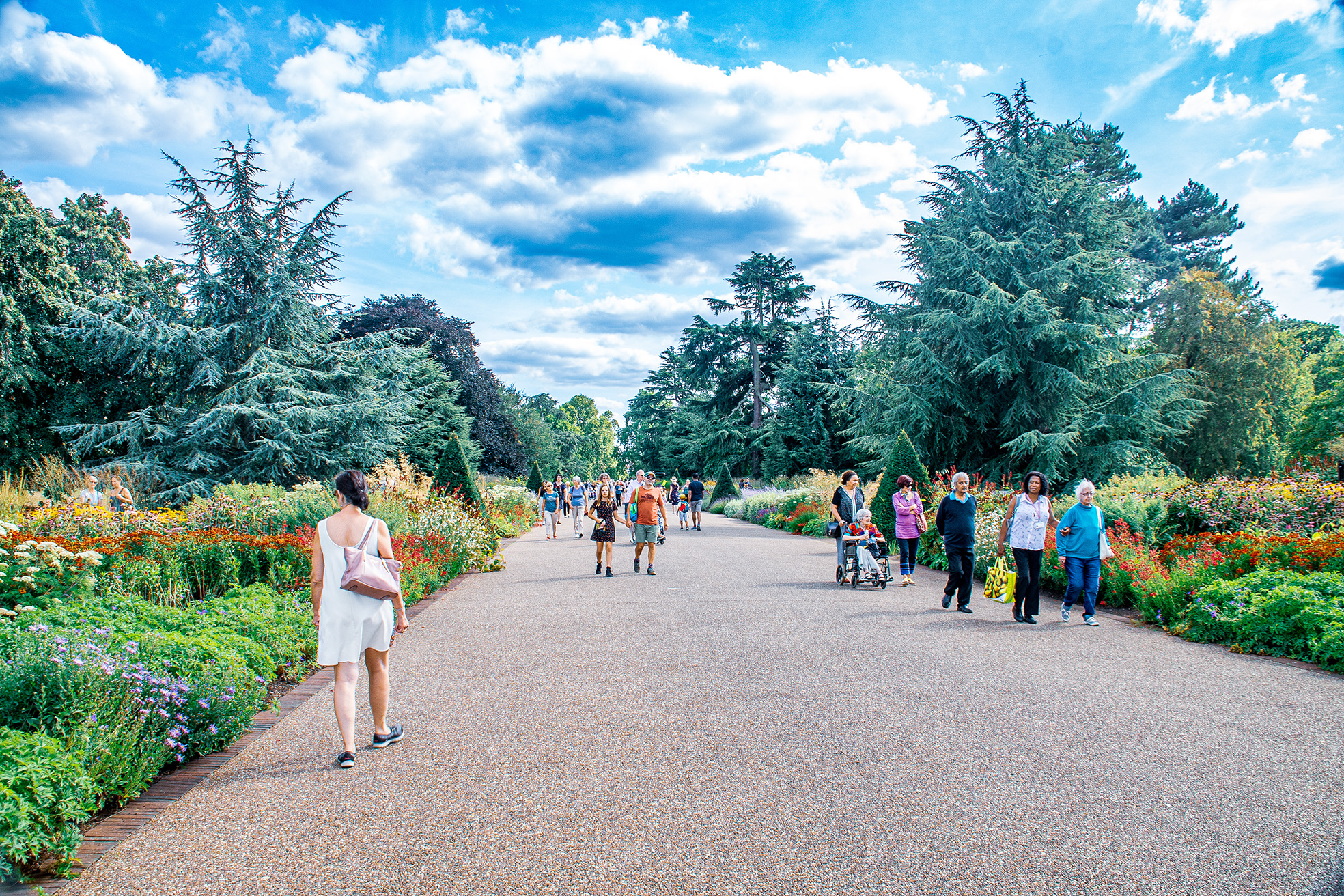
Broad Walk is one of the most iconic and historic pathways in Kew Gardens, London. This grand, tree-lined avenue stretches from the Palm House to the Victoria Gate, offering visitors a stunning promenade through the heart of the gardens. Broad Walk is renowned for its seasonal displays, including spring cherry blossoms and autumnal colors, and is a favorite spot for leisurely strolls and photography.
The image depicts a lively scene in a botanical garden with numerous people walking along a wide, gravel path. The path is lined with vibrant, colorful flowers and lush greenery on both sides, creating a picturesque and serene environment. Tall trees provide a canopy overhead, and the sky is bright with scattered clouds. People of various ages are seen enjoying the garden, some walking hand-in-hand, others pushing strollers, and a few carrying bags. The overall atmosphere is calm and inviting, suggesting a pleasant day spent outdoors.
The Broad Walk ‐ photo by ,
©www.mgaylard.co.uk.
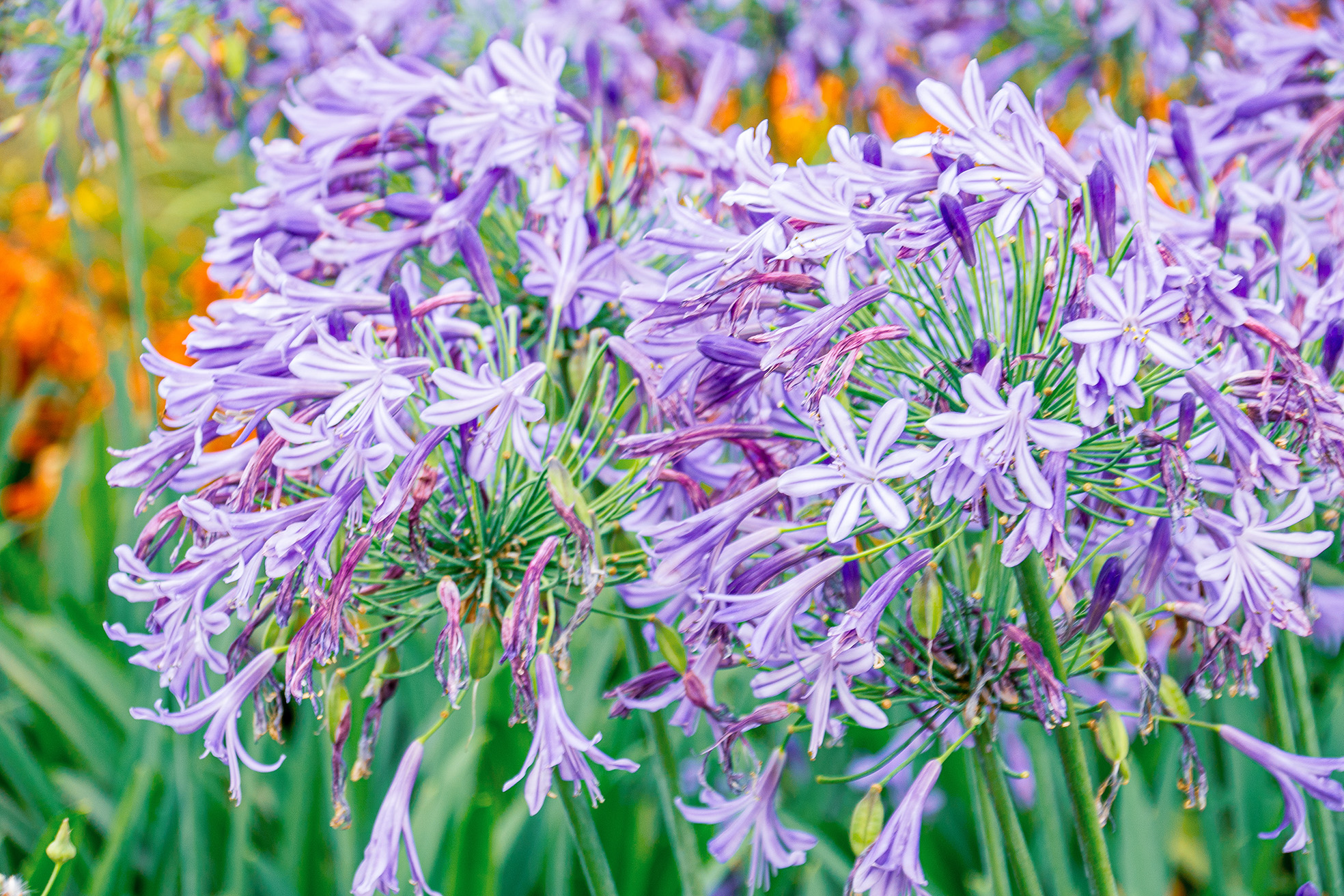
The image showcases a close-up view of vibrant purple flowers, likely alliums, with star-shaped petals and green centers. The flowers are densely clustered together, creating a striking and colorful display. The background features a blurred mix of green and orange hues, suggesting a garden setting with other plants and flowers.
Agapanthus ‐ photo by ,
©www.mgaylard.co.uk.
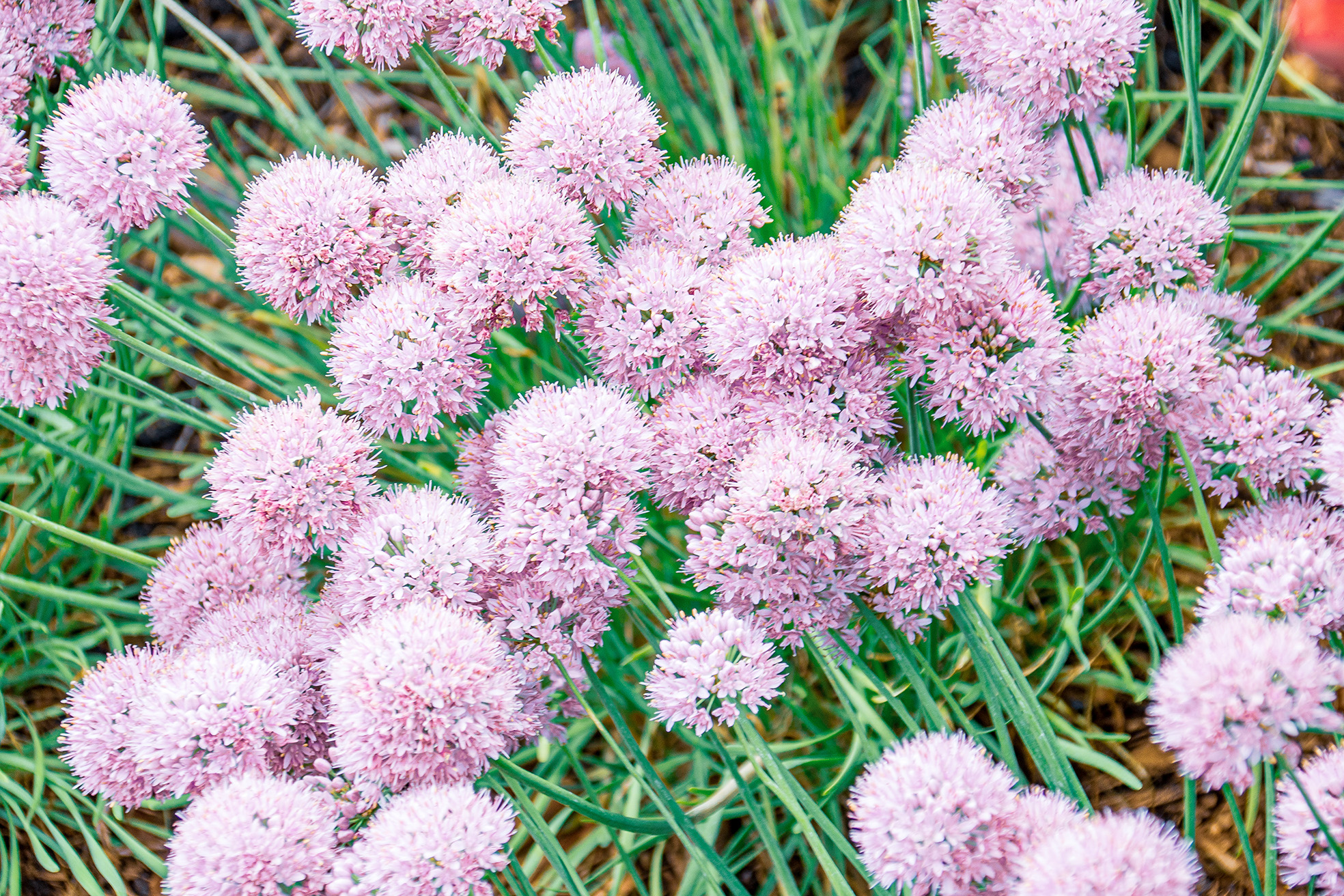
The image depicts a cluster of Allium plants, characterized by their distinctive round, purple flower heads composed of many small florets. The plants have long, slender, green stems and narrow, strap-like leaves. The flowers appear dense and spherical, creating a visually striking display.
Allium ‐ photo by ,
©www.mgaylard.co.uk.
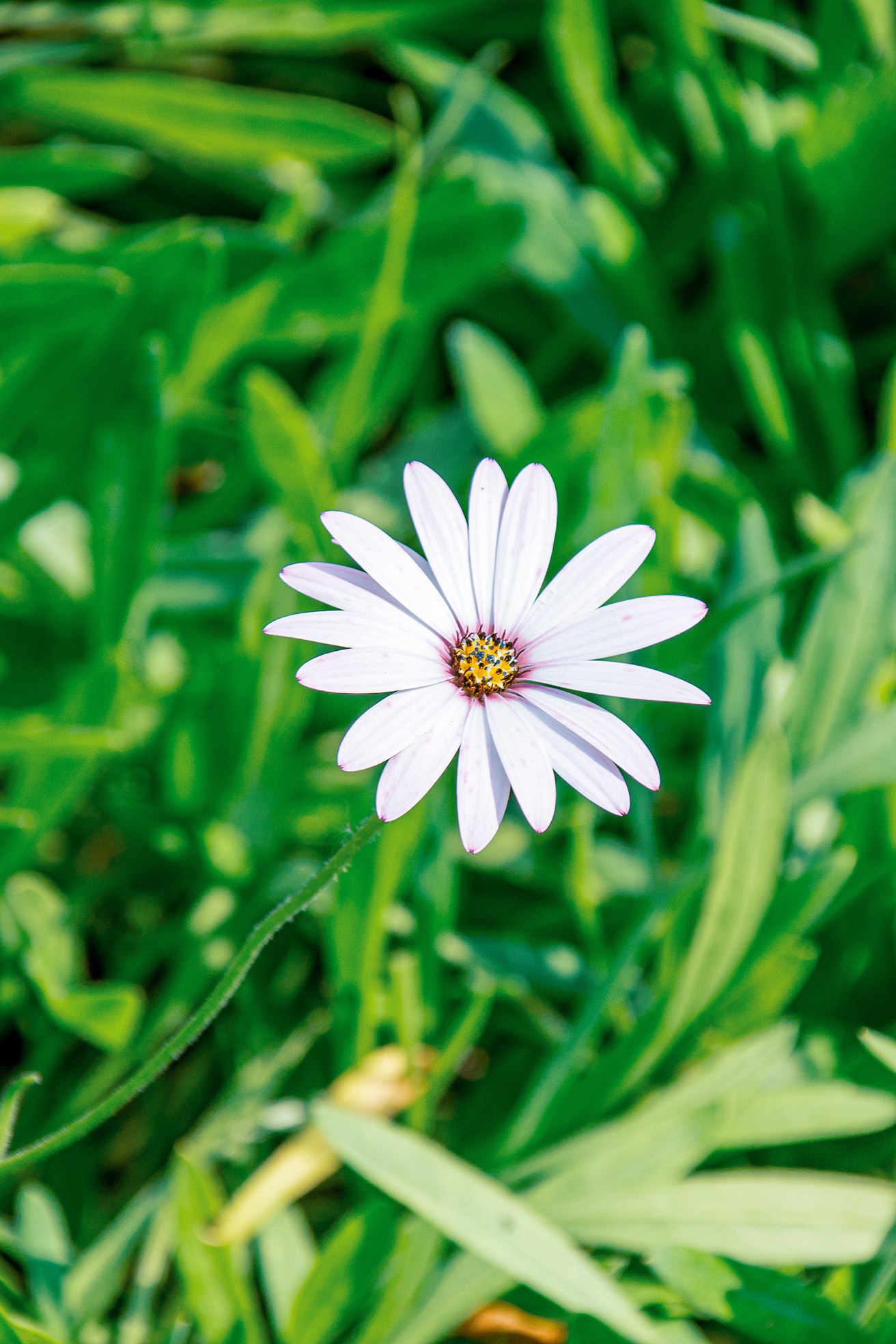
The document contains an image of a single, vibrant purple flower with a yellow center, standing out against a lush green background. The flower is the main focus of the image, with its petals clearly visible and the background slightly blurred, emphasizing the flower's details. The overall scene is one of natural beauty and tranquility.
African Daisy ‐ photo by ,
©www.mgaylard.co.uk.
The image showcases tall, slender spikes of purple flowers with small, delicate blossoms along the stems. The background is blurred, highlighting the vibrant green foliage and the intricate details of the flowers. The overall scene depicts a close-up view of these flowers in a natural, outdoor setting.
Anise Hyssop ‐ photo by ,
©www.mgaylard.co.uk.
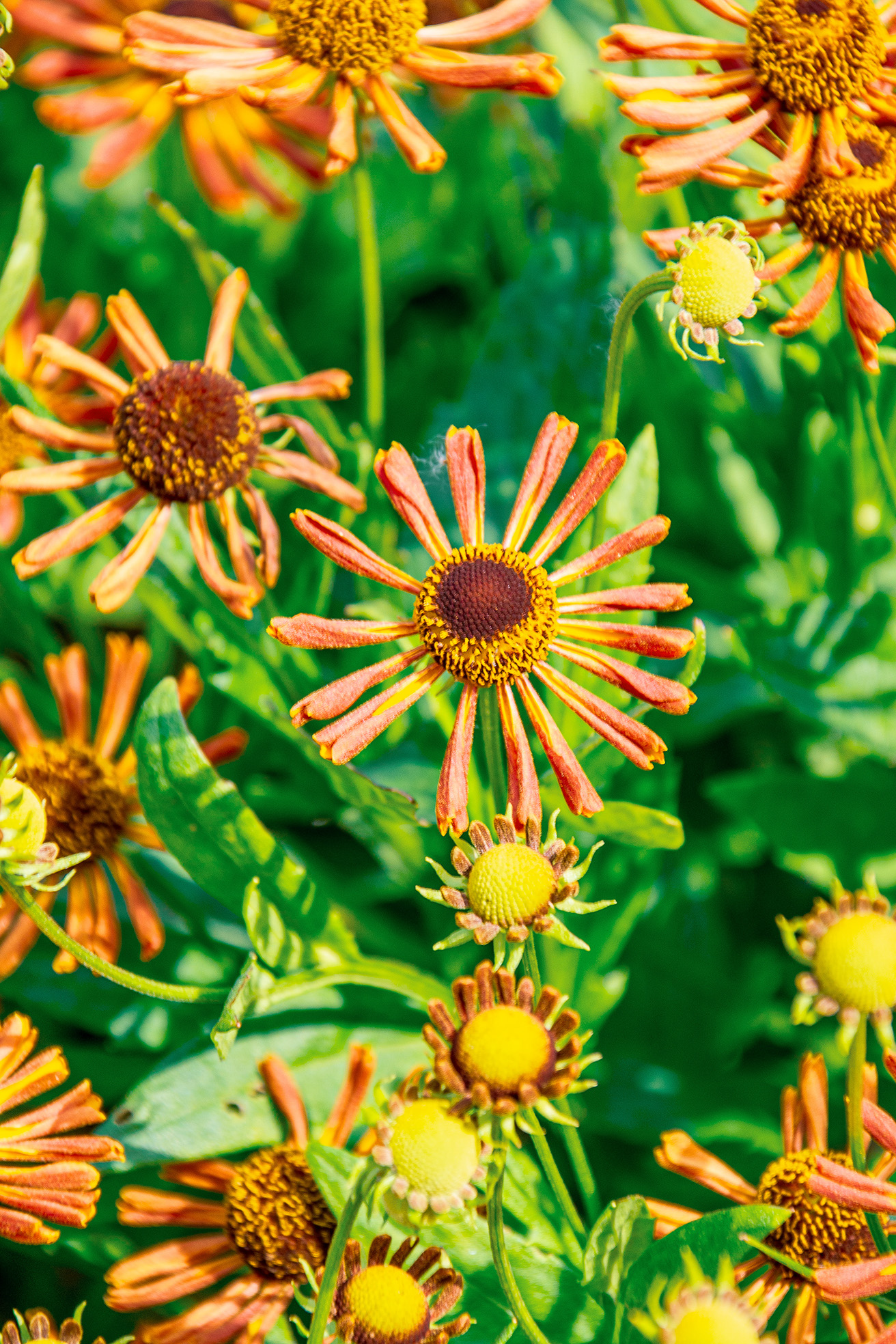
Sneezeweeds
Sneezeweeds ‐ photo by ,
©www.mgaylard.co.uk.
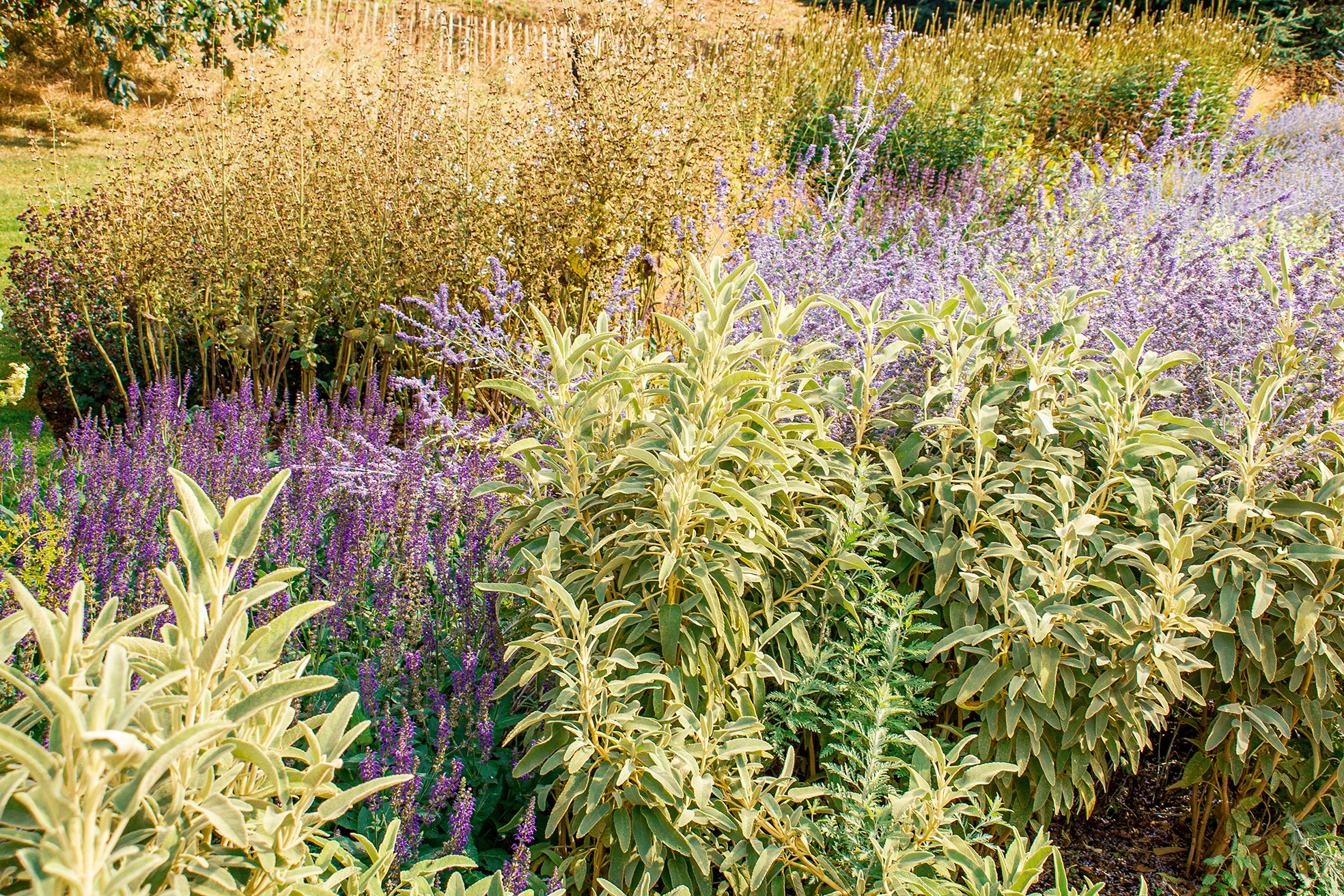
The image depicts a vibrant and diverse garden filled with a variety of plants. The garden features tall grasses with golden hues, interspersed with clusters of purple flowers. There are also tall plants with broad, green leaves, adding to the lush and dense appearance of the garden. The overall scene is one of natural beauty and biodiversity, showcasing a well-maintained and thriving garden ecosystem.
tall grasses with golden hues ‐ photo by ,
©www.mgaylard.co.uk.
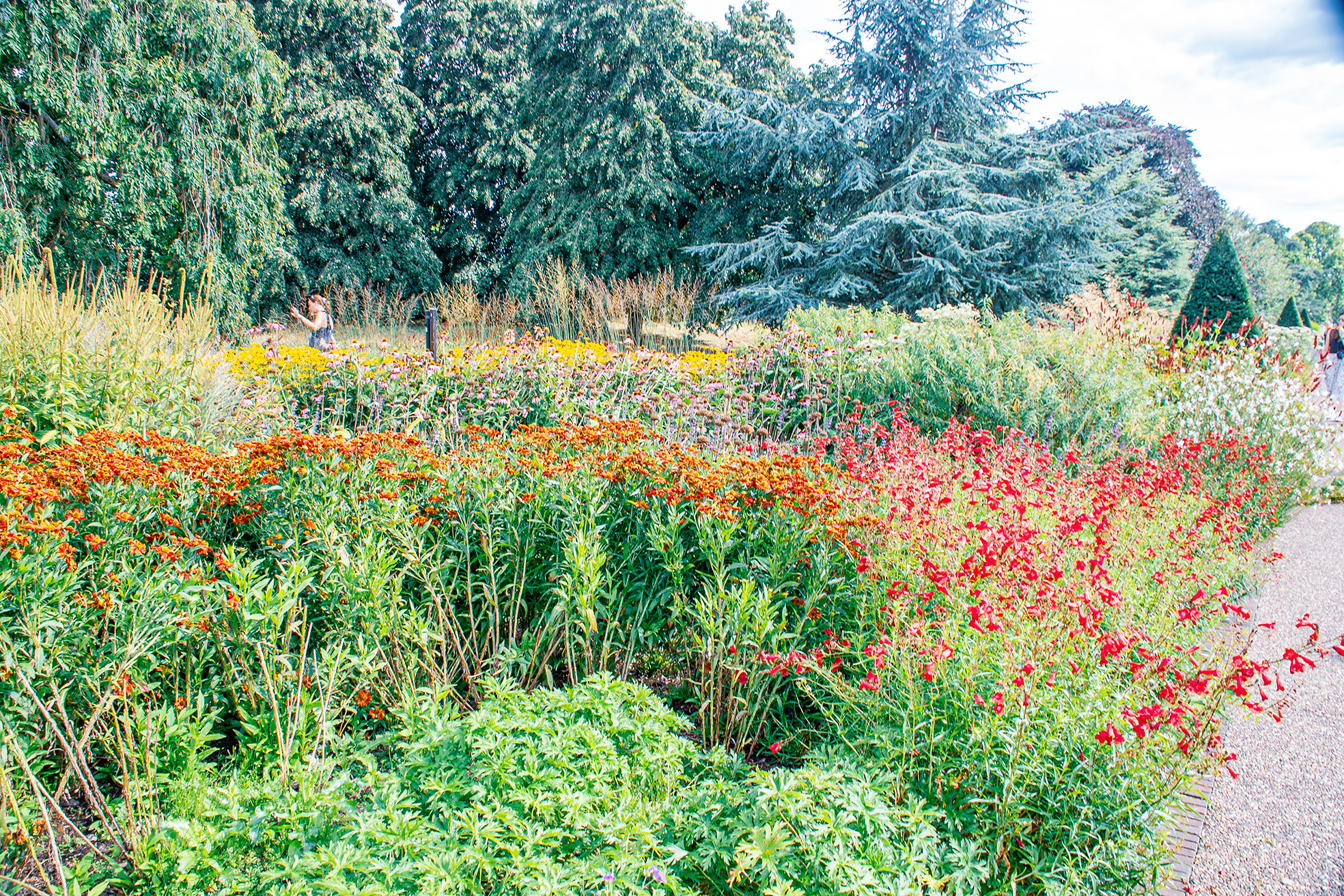
The image depicts a vibrant garden with a variety of colorful flowers and lush greenery. There is a paved path running through the garden, with a few people visible in the background. The garden is surrounded by tall trees, creating a serene and picturesque setting.
a variety of colorful flowers and lush greenery ‐ photo by ,
©www.mgaylard.co.uk.
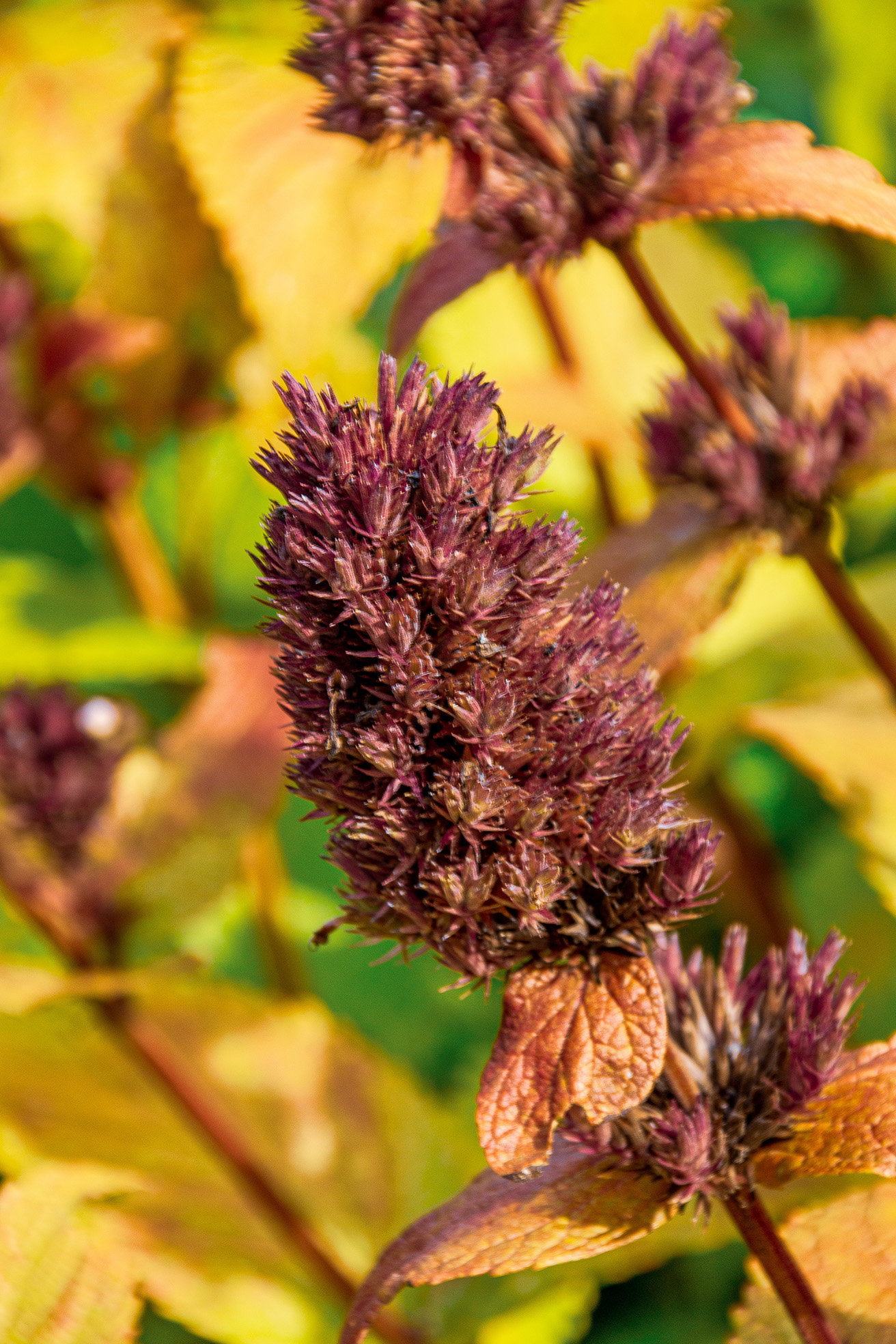
The image depicts a close-up view of a plant with spiky, dried seed heads. The seed heads are dark purple and have a textured, almost bristly appearance. The background is blurred, featuring green and yellow foliage, which suggests that the plant is in a garden or natural setting. The focus is primarily on the seed heads, highlighting their intricate details and structure.
spiky, dried seed heads ‐ photo by ,
©www.mgaylard.co.uk.
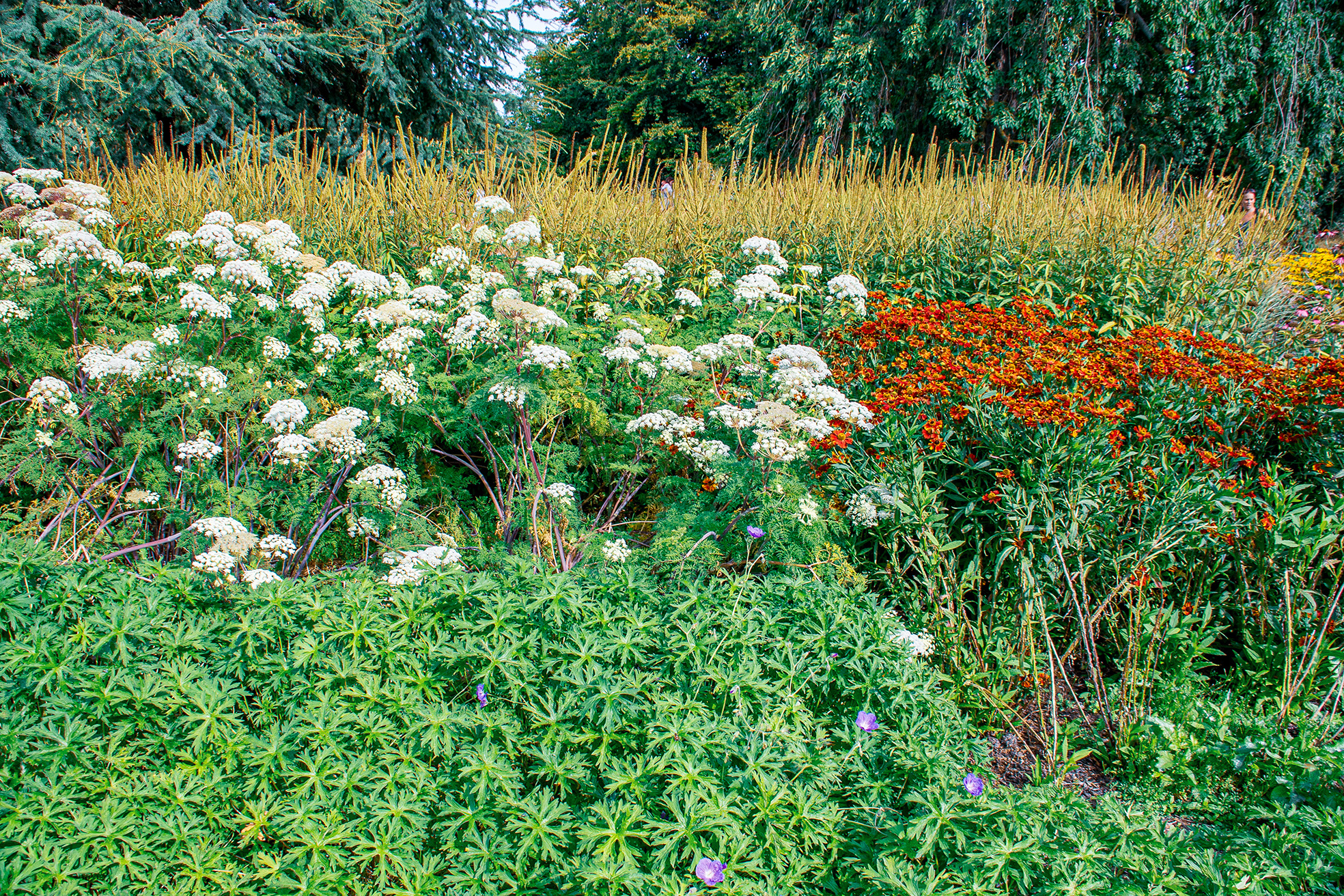
The image depicts a vibrant and well-maintained garden with a variety of plants and flowers. The garden features tall grasses in the background, white flowers in the middle ground, and a mix of green foliage and purple flowers in the foreground. The overall scene is lush and colorful, showcasing a diverse range of plant life.
a variety of plants and flowers ‐ photo by ,
©www.mgaylard.co.uk.
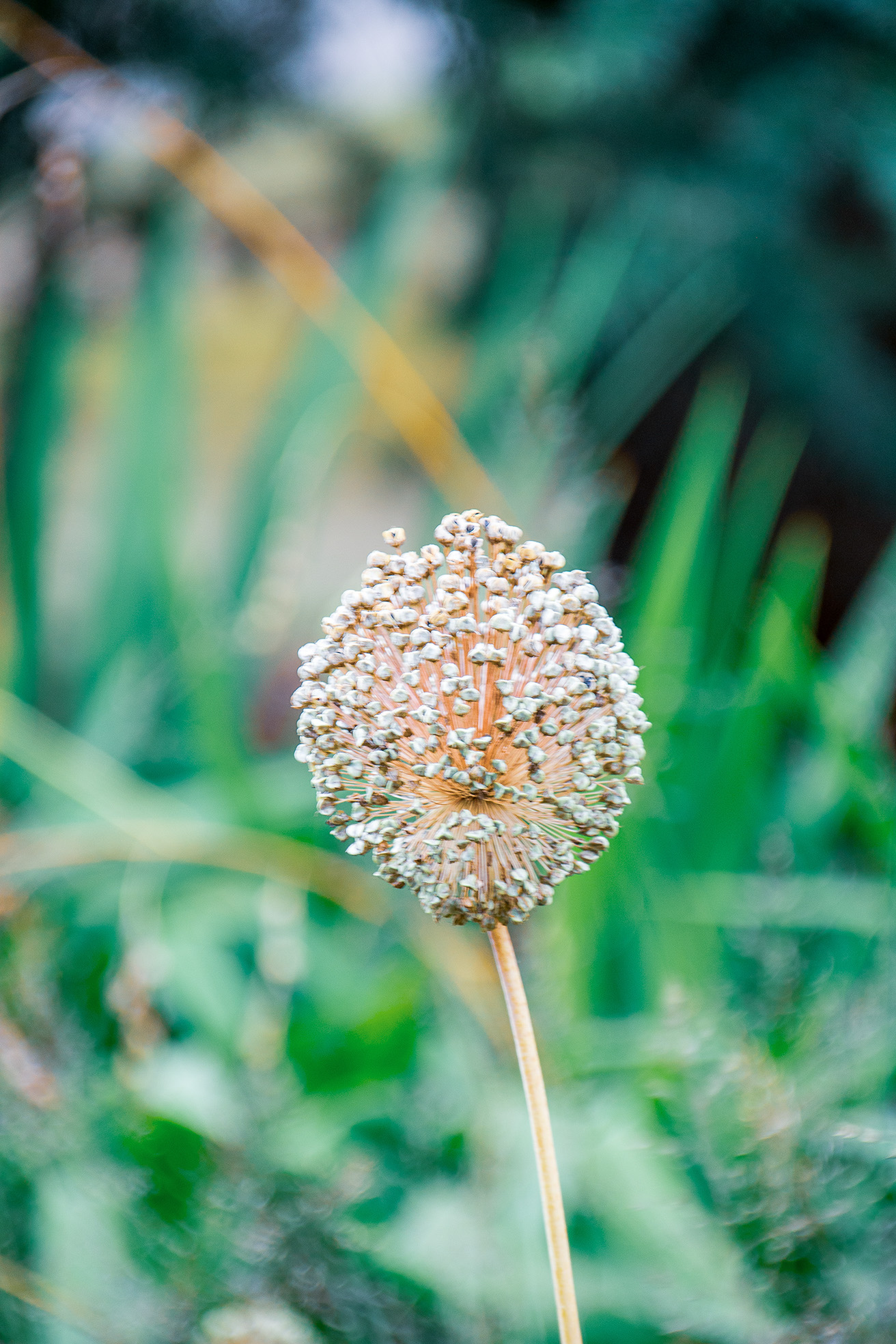
The image shows a close-up of a seed head, likely from an allium plant, with numerous small, round seeds densely packed together. The background is blurred, featuring green foliage, which suggests that the plant is in a natural, outdoor setting.
a close-up of a seed head ‐ photo by ,
©www.mgaylard.co.uk.
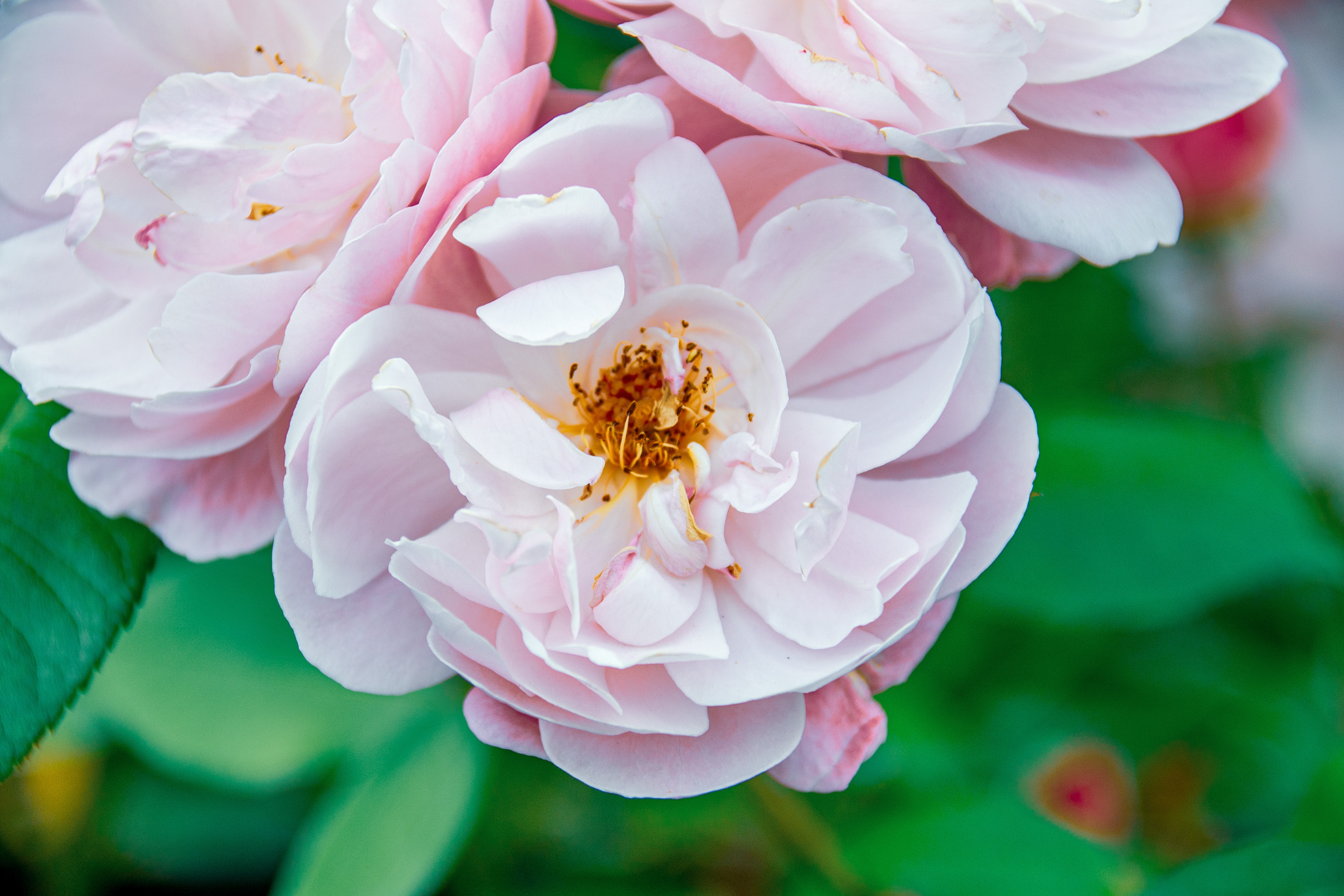
The image depicts a close-up view of a cluster of pink roses in full bloom. The petals are delicate and slightly ruffled, with a soft pink hue. The center of the roses shows the intricate details of the stamens and pistils. The background is blurred, emphasizing the flowers and creating a bokeh effect. The overall scene is vibrant and highlights the beauty of the roses.
The petals are delicate and slightly ruffled ‐ photo by ,
©www.mgaylard.co.uk.
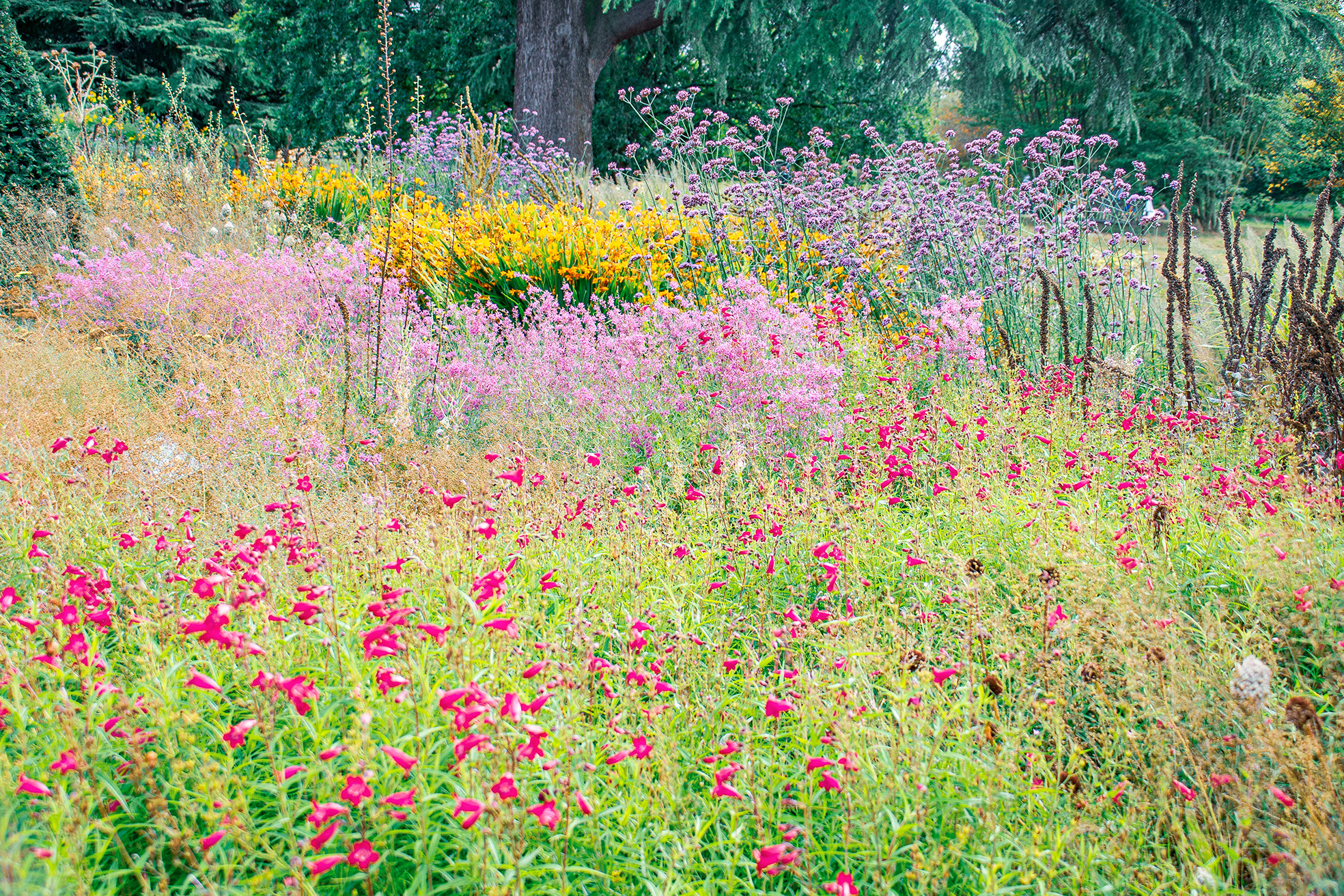
The image depicts a vibrant and lush garden filled with a variety of colorful flowers and plants. The garden features a mix of tall and short plants, with prominent displays of pink, yellow, and purple flowers. The background includes tall trees and dense greenery, creating a serene and natural setting. The overall scene is one of natural beauty and tranquility, showcasing a well-maintained and diverse garden ecosystem.
The garden features a mix of tall and short plants, with prominent displays of pink, yellow, and purple flowers ‐ photo by ,
©www.mgaylard.co.uk.
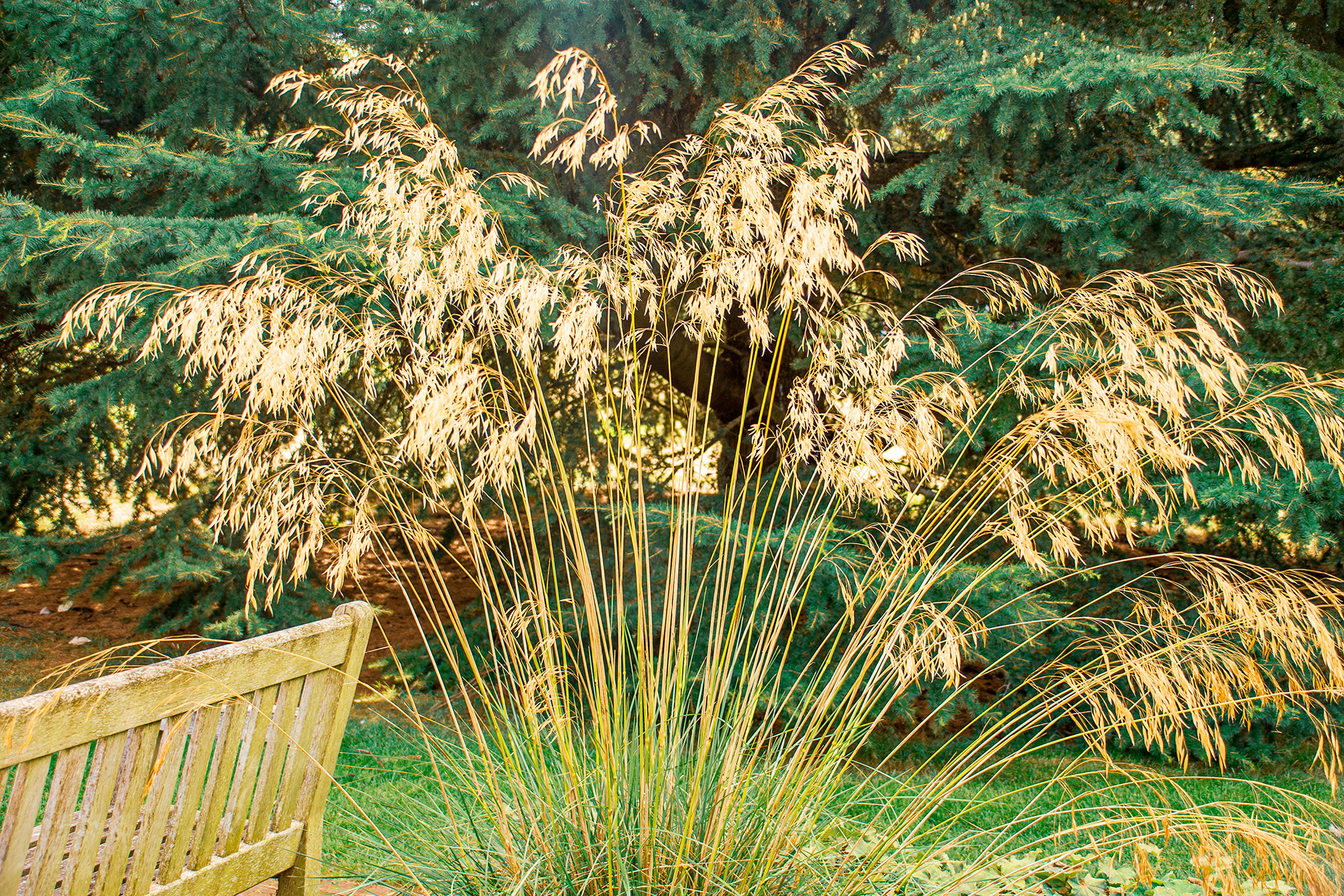
The image depicts a serene outdoor scene featuring a tall, golden-hued plant with delicate, cascading branches, possibly a type of ornamental grass or bamboo. The plant is situated in a lush, green environment with dense foliage in the background. A weathered wooden bench is partially visible on the left side of the image, suggesting a peaceful, natural setting, likely in a garden or park.
possibly a type of ornamental grass ‐ photo by ,
©www.mgaylard.co.uk.
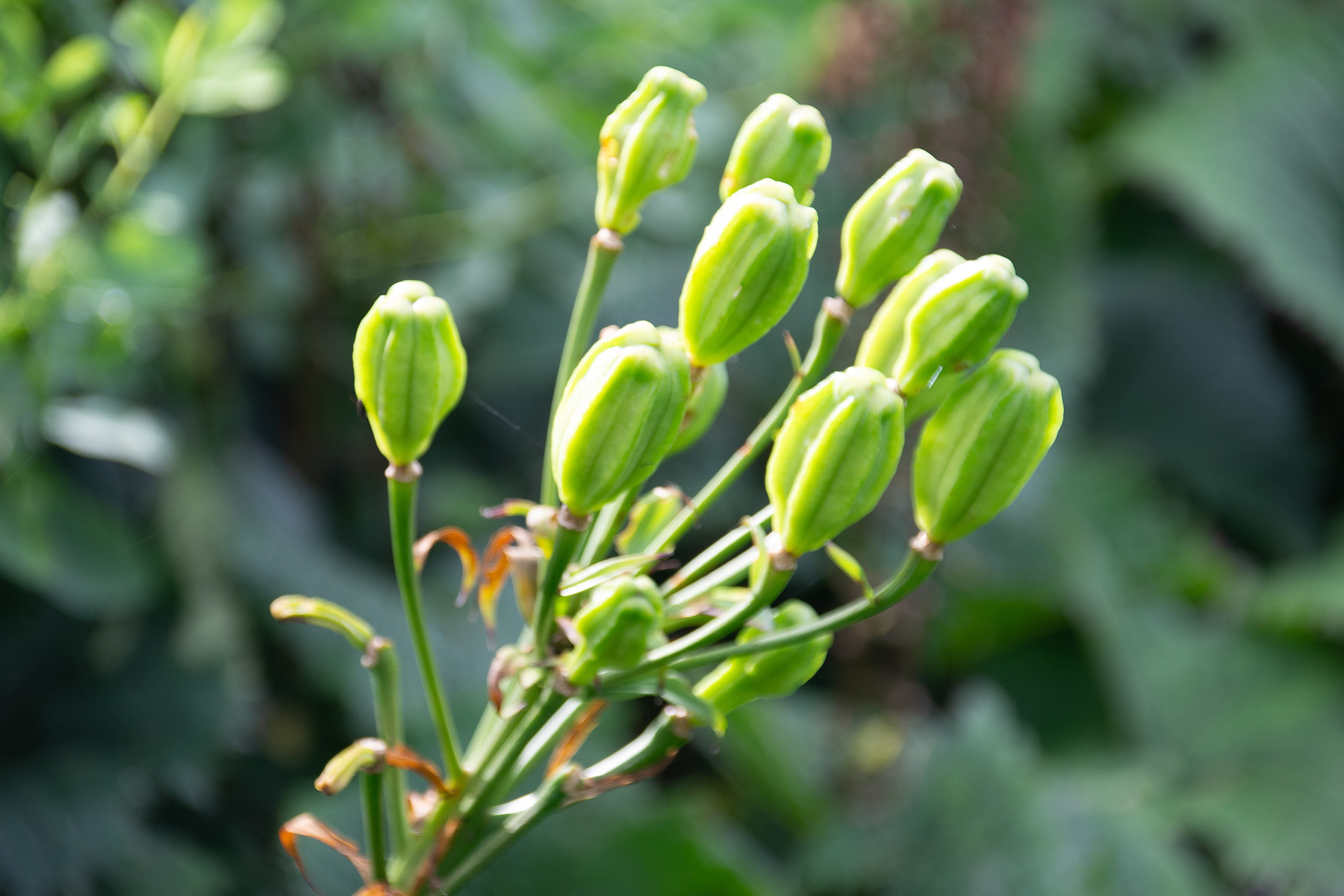
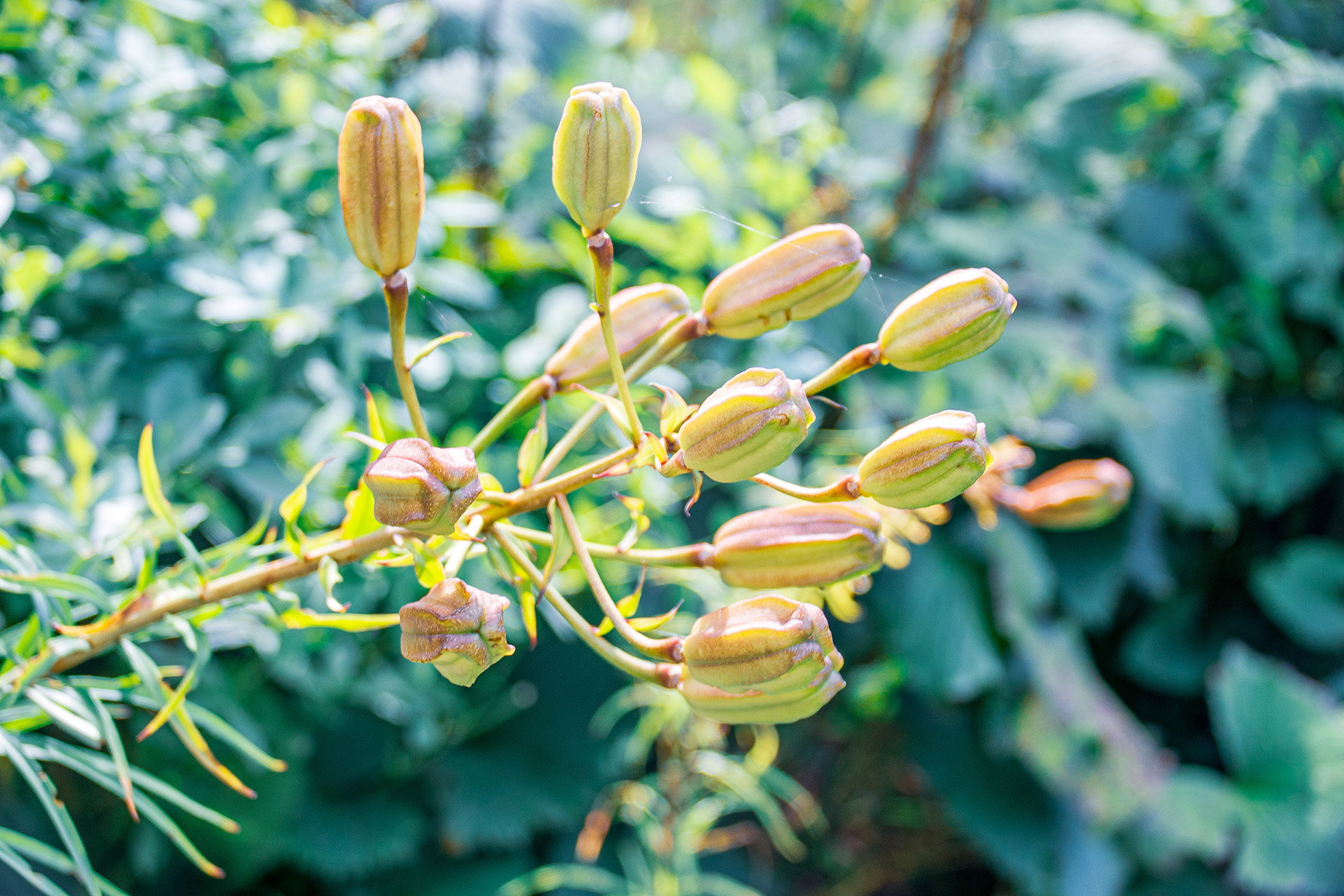
The image shows a cluster of green, unopened flower buds on a plant. The buds are elongated and pointed, with a smooth, waxy appearance. The stems are slender and green, with some small, curled tendrils. The background is blurred, highlighting the buds in the foreground.
unopened flower buds ‐ photo by ,
©www.mgaylard.co.uk.
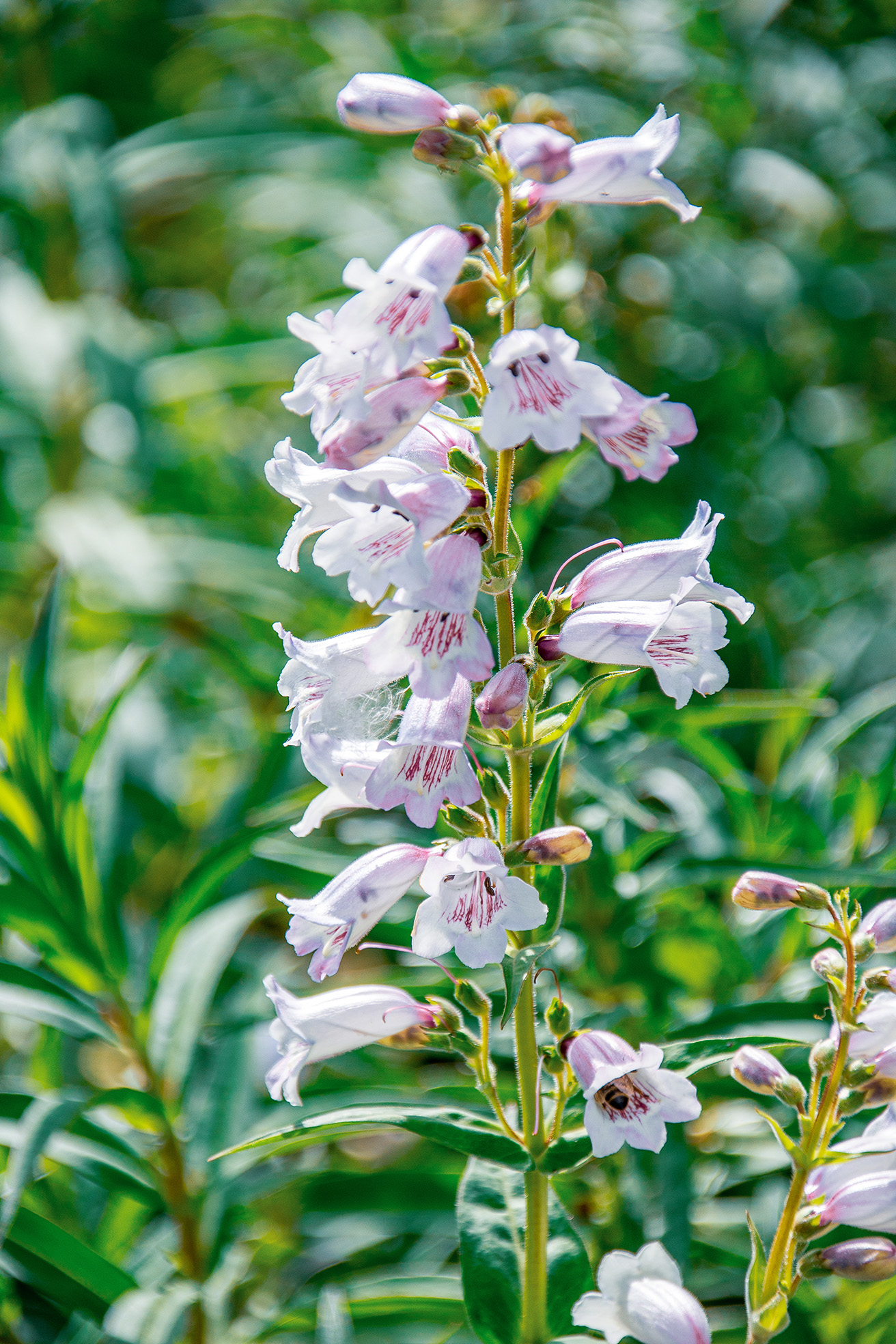
The image depicts a cluster of light purple flowers with dark purple markings on the petals. The flowers are arranged on a tall, slender stem with elongated, narrow leaves. The background is a soft blur of green foliage, suggesting a natural, outdoor setting.
light purple flowers with dark purple markings on the petals ‐ photo by ,
©www.mgaylard.co.uk.
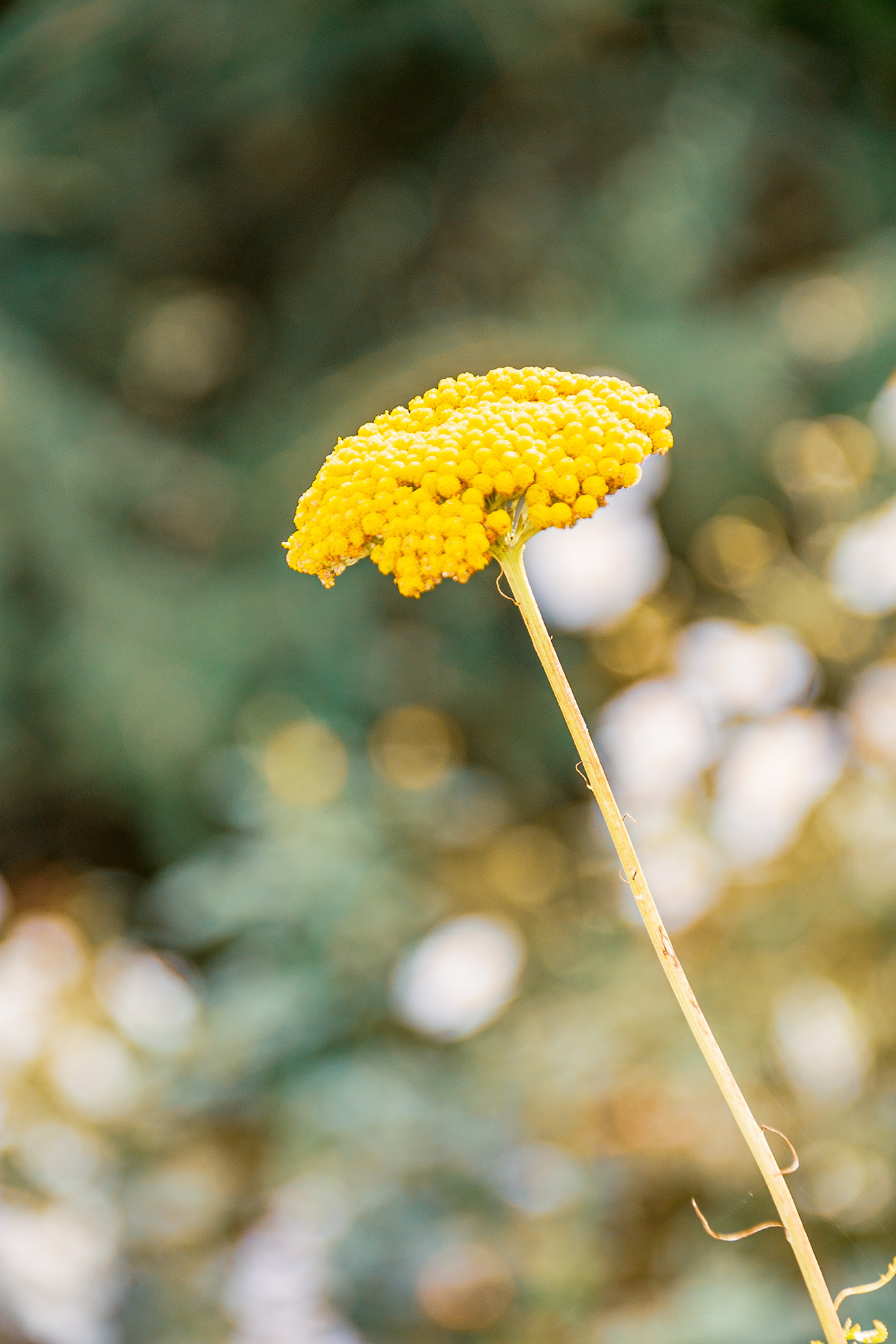
The image depicts a close-up of a yellow flower with a blurred green background. The flower has a cluster of small, densely packed florets forming a rounded shape at the top of a slender stem. The background suggests a natural, outdoor setting, possibly a garden or a field.
a yellow flower ‐ photo by ,
©www.mgaylard.co.uk.
The image shows a close-up of a plant with multiple unopened flower buds. The buds are elongated and pointed, with a light green color. The plant has thin, wiry stems and small leaves. The background is blurred, highlighting the buds in the foreground.
a plant with multiple unopened flower buds ‐ photo by ,
©www.mgaylard.co.uk.
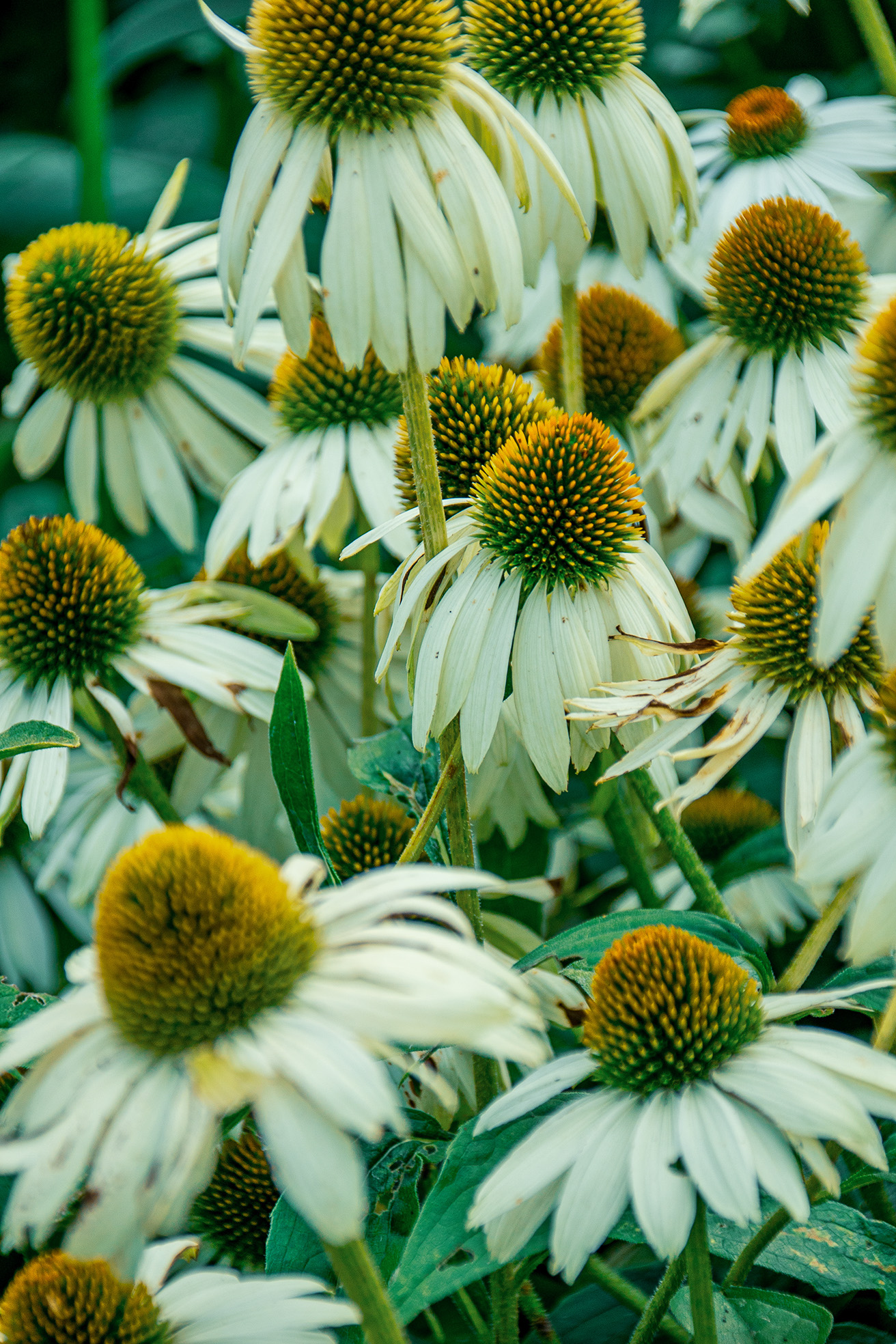
The image depicts a close-up view of a cluster of echinacea flowers, also known as coneflowers. The flowers have white petals that are slightly drooping and a prominent, spiky, brownish-orange central cone. The background is a soft blur of green foliage, which helps to highlight the intricate details of the flowers. The overall color palette is dominated by shades of green, white, and brown, creating a natural and serene aesthetic.
echinacea flowers ‐ photo by ,
©www.mgaylard.co.uk.
The image showcases a close-up view of several Echinacea flowers, commonly known as coneflowers. The flowers are in various stages of blooming, with some petals fully open and others still tightly closed. The central cones are prominent and spiky, characteristic of the Echinacea genus. The background is blurred, highlighting the intricate details of the flowers and their green leaves. The overall scene captures the natural beauty and delicate structure of these flowers.
Echinacea flowers, commonly known as coneflowers ‐ photo by ,
©www.mgaylard.co.uk.
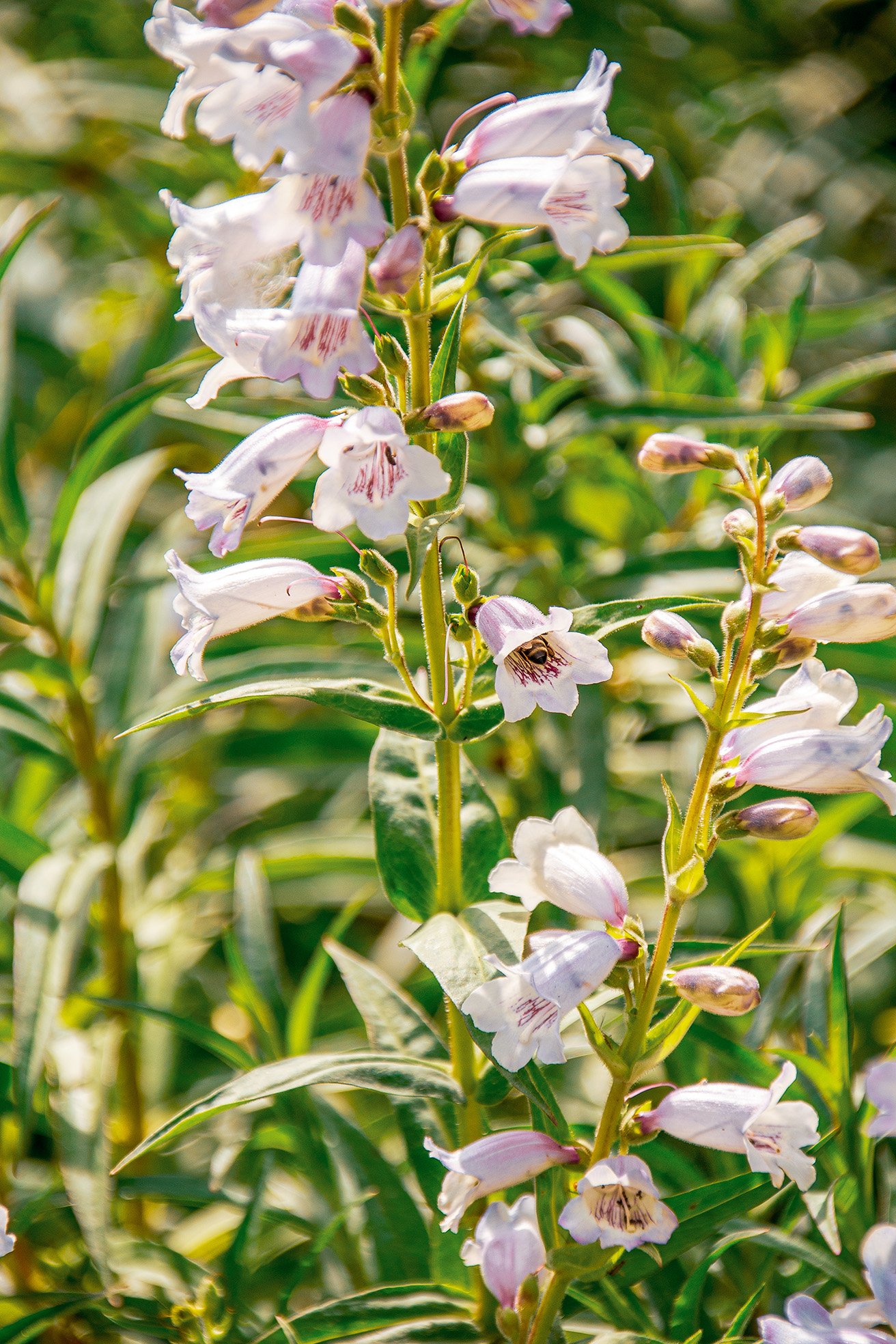
The image shows a close-up of a plant with light purple flowers and green foliage. The flowers have white and purple streaks and are clustered on tall, slender stems. The background consists of green grass and leaves, creating a natural and vibrant setting.
View of location ‐ photo by ,
©www.mgaylard.co.uk.
Open the full set flickr button this page
The Boardwalk

The Boardwalk at Kew Gardens is part of the Great Broad Walk Borders, one of the most iconic and visually stunning features of the Royal Botanic Gardens, Kew.

Historical Overview

Origins and Design:
The Great Broad Walk Borders were originally designed as an impressive promenade leading to the Palm House, which was completed in 1848. The borders were replanted in 2016 and extended in 2023, creating a 320-meter-long herbaceous border that showcases a spectacular range of plant families.
Architectural Influence:
The design of the Great Broad Walk was influenced by William Nesfield, a landscape architect who worked closely with William Hooker, the first Director of Kew Gardens. The walk was intended to emphasize the Palm House as the focal point of the gardens.

Design and Features

Plant Diversity:
The borders are arranged in eight large circular beds, each showcasing different plant families and themes. The design is intended to inspire gardeners and provide a vibrant display of color and texture throughout the seasons.
Visual Impact:
The Great Broad Walk is known for its breathtaking views, with the herbaceous borders stretching as far as the eye can see. The conifers and trees in the background provide a dark green backdrop, enhancing the visual impact of the flowering plants.

Cultural and Horticultural Significance

Horticultural Innovation:
The Great Broad Walk Borders are a modern revival of the traditional herbaceous border, demonstrating Kew’s commitment to horticultural excellence and plant conservation. The borders are a living laboratory for studying plant diversity and garden design.
Visitor Experience:
The walk is a highlight for visitors, offering a tranquil and immersive experience. It is particularly popular during the summer months, when the borders are in full bloom.

Visitor Information

Location:
The Great Broad Walk Borders are located near Victoria Gate and stretch towards the northeast corner of Kew Gardens, passing by the Palm House and other key attractions.
Accessibility:
The walk is easily accessible and is included in the general admission ticket to Kew Gardens. It is a must-see for anyone interested in garden design, horticulture, or simply enjoying a peaceful stroll.

References

www.chickadeegardens.comwww.kew.orgyourgardenpartner , Text generated by Mistral AI

The Princess of Wales Conservatory at Kew Gardens

The Princess of Wales Conservatory at Kew Gardens

Royal Botanic GardensRichmondLondon,   United Kingdom

The Princess of Wales Conservatory at Kew Gardens is one of the world's most advanced glasshouses, showcasing ten distinct climate zones under one roof. Opened in 1987, it is named in honor of Princess Augusta, the founder of Kew Gardens, and houses a diverse collection of plants from arid, tropical, and temperate environments. The conservatory is a marvel of modern horticultural engineering and a must-see for visitors.
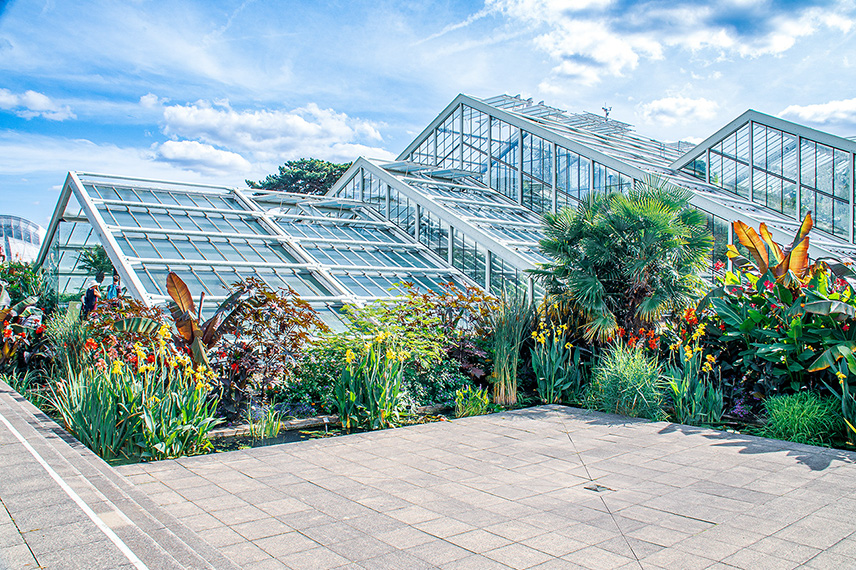
The image depicts a large, modern greenhouse with a glass structure, housing a variety of lush plants and flowers. The greenhouse is divided into multiple sections, each with different types of vegetation. The exterior of the greenhouse is bright and sunny, with a clear blue sky and some clouds. The foreground features a paved walkway leading to the entrance of the greenhouse, surrounded by well-maintained gardens with colorful flowers and greenery. The overall scene is vibrant and inviting, suggesting a well-curated botanical garden.
Princess of Wales Conservatory ‐ photo by ,
©www.mgaylard.co.uk.
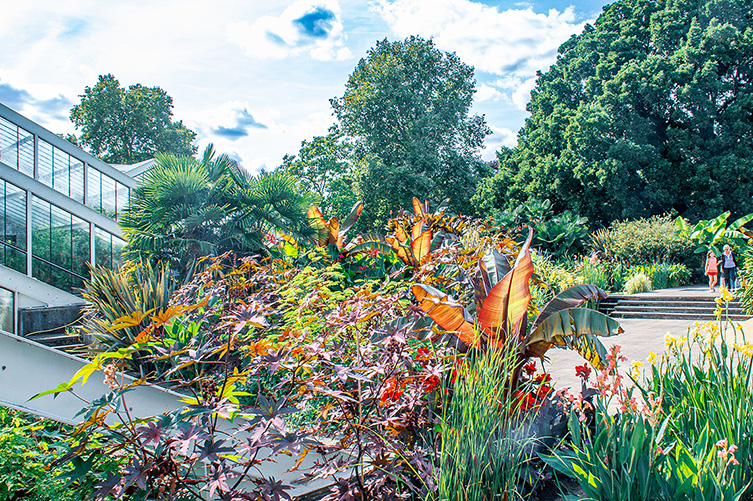
The image depicts a vibrant garden with a variety of colorful plants and flowers. There is a modern glass building on the left side, and a pathway leading through the garden with people walking in the background. The scene is set on a bright, sunny day with a clear blue sky.
modern glass building ‐ photo by ,
©www.mgaylard.co.uk.
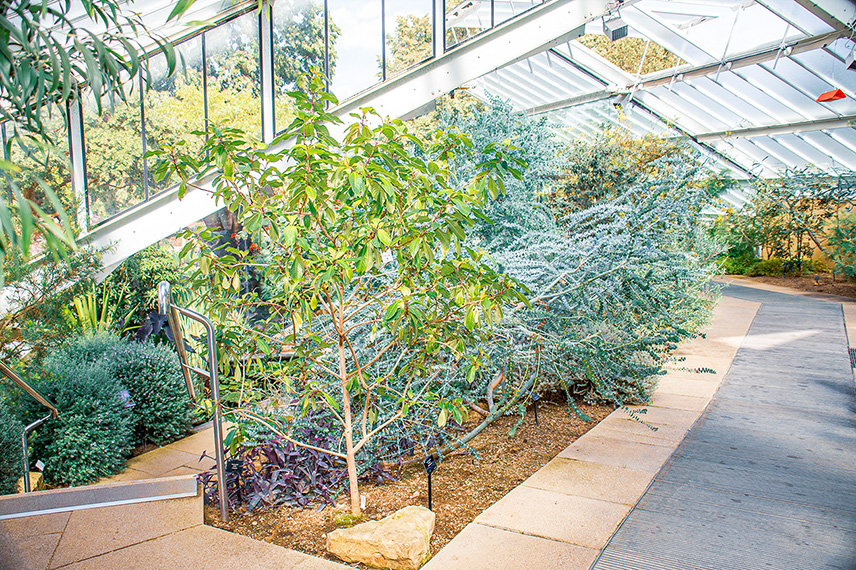
The image depicts a greenhouse with various plants and trees. The structure has a transparent roof and walls, allowing natural light to enter. There is a pathway with stone tiles and a metal railing. The plants are arranged in a landscaped manner, with some trees supported by stakes. The environment appears well-maintained and organized.
Interior ‐ photo by ,
©www.mgaylard.co.uk.
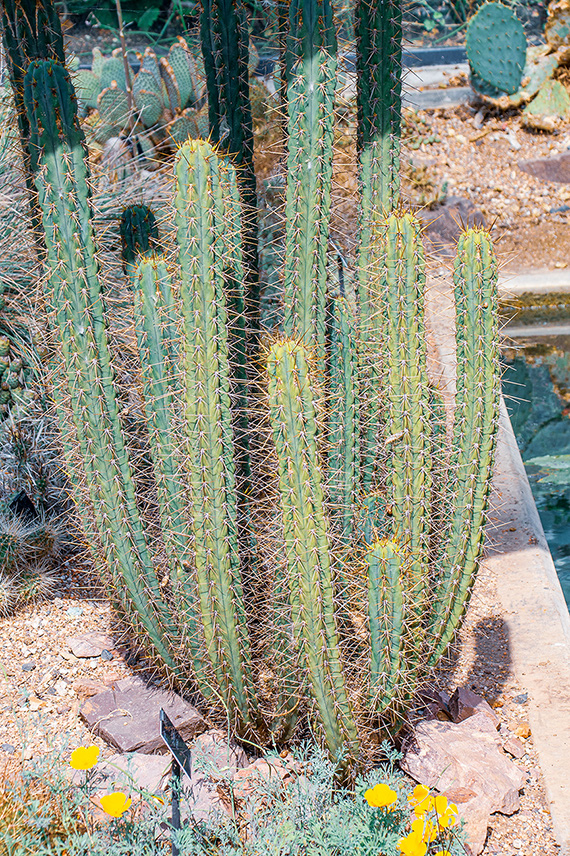
The image depicts a group of tall, green cacti with long, thin spines growing in a desert-like environment. There are rocks and some yellow flowers visible at the base of the cacti.
tall, green cacti ‐ photo by ,
©www.mgaylard.co.uk.
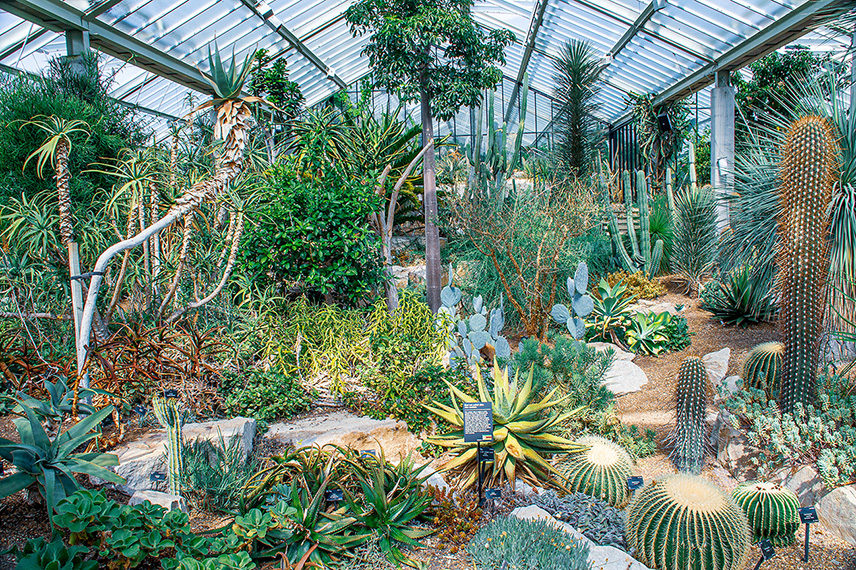
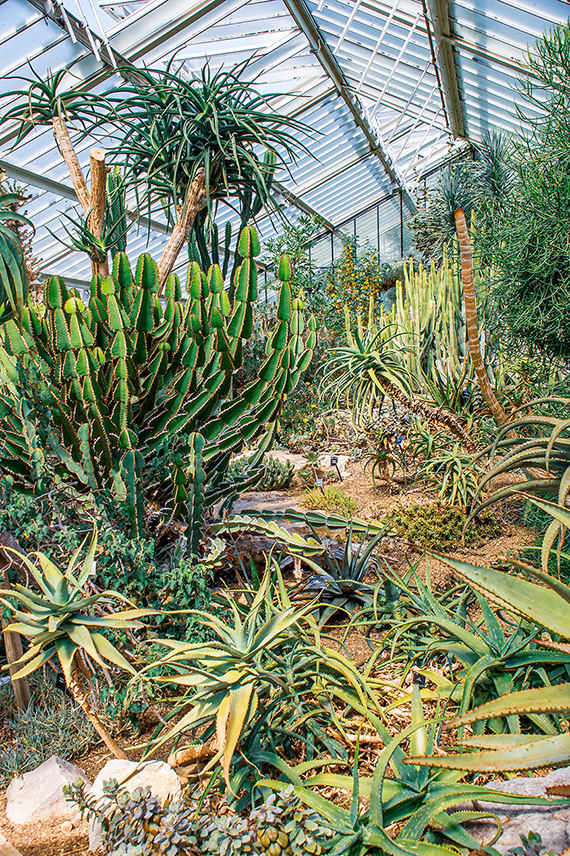
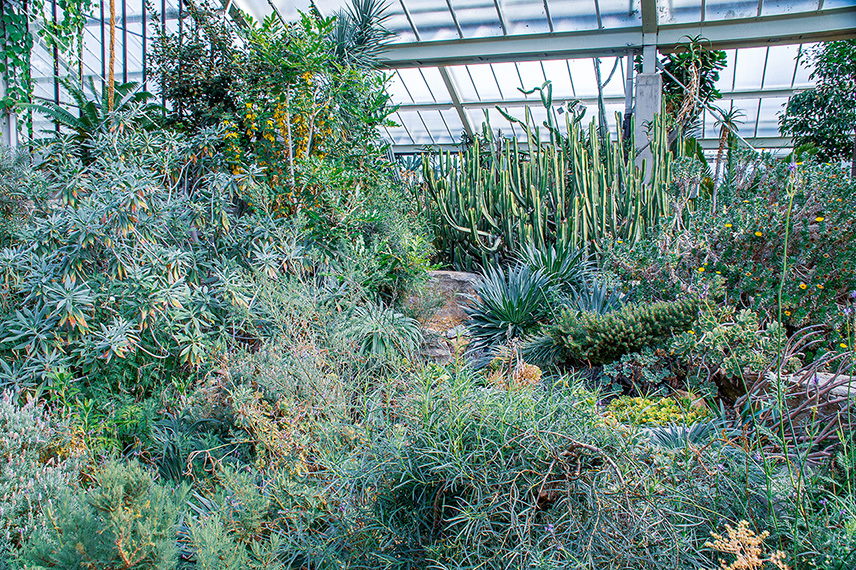
The image depicts a lush greenhouse filled with a variety of desert plants, including cacti, succulents, and other arid-land vegetation. The greenhouse has a glass ceiling allowing ample sunlight to nourish the plants. The plants are arranged in a naturalistic setting with paths for visitors to walk through and observe the diverse flora.
desert plants, including cacti, succulents ‐ photo by ,
©www.mgaylard.co.uk.
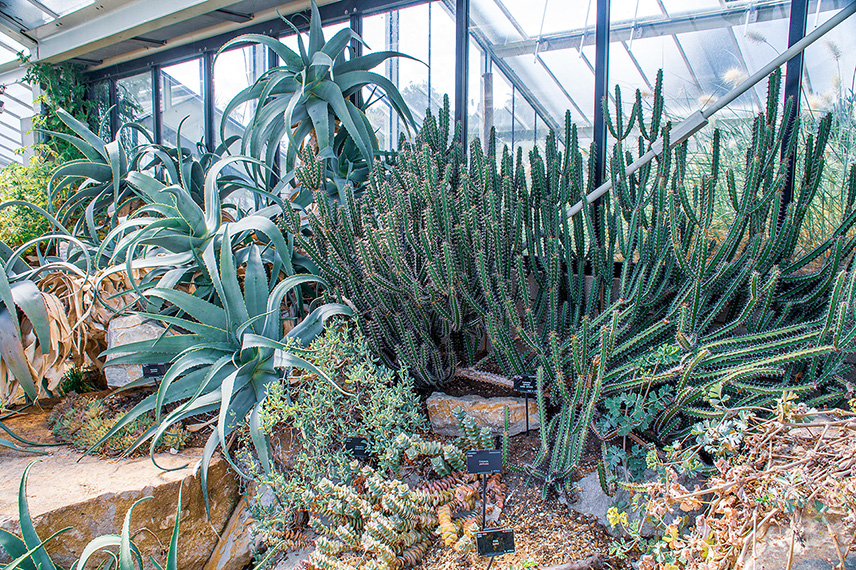
The image depicts a variety of succulent plants, including agave and cacti, housed in a greenhouse environment. The plants are arranged in a naturalistic setting with rocky terrain and some fallen leaves, creating a desert-like atmosphere. The greenhouse structure is visible in the background, featuring a metal frame and transparent panels that allow ample sunlight to nourish the plants.
ucculent plants, including agave and cacti ‐ photo by ,
©www.mgaylard.co.uk.
The image depicts a lush greenhouse filled with a variety of succulent plants, primarily cacti and agave. The greenhouse has a glass ceiling allowing ample sunlight to nourish the plants. The scene is vibrant with different shapes and sizes of green, spiky foliage, creating a diverse and thriving desert-like environment.
a diverse and thriving desert-like environment ‐ photo by ,
©www.mgaylard.co.uk.
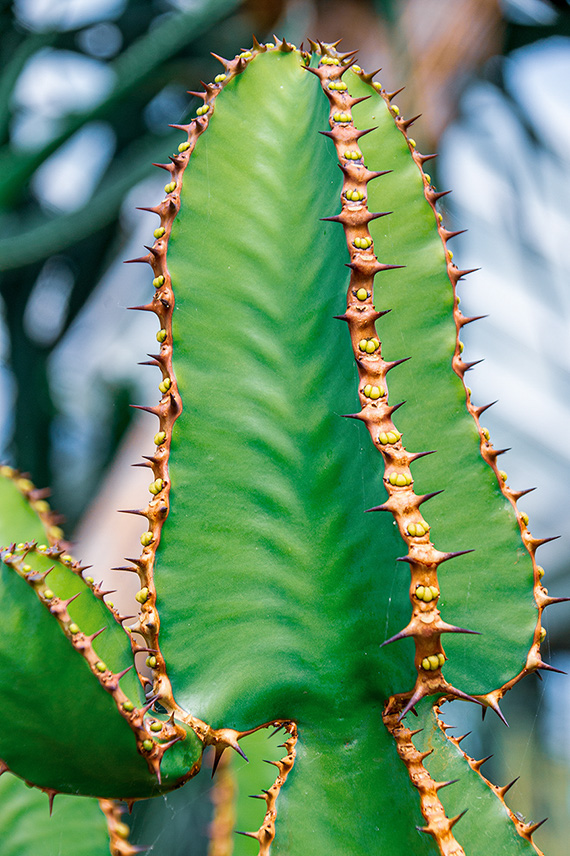
The image shows a close-up of a cactus leaf with prominent spines along the edges and small yellowish buds along the central ridges. The leaf is green and healthy, with a clear, sharp focus on the spines and buds.
a close-up of a cactus leaf with prominent spines along the edges and small yellowish buds along the central ridges ‐ photo by ,
©www.mgaylard.co.uk.
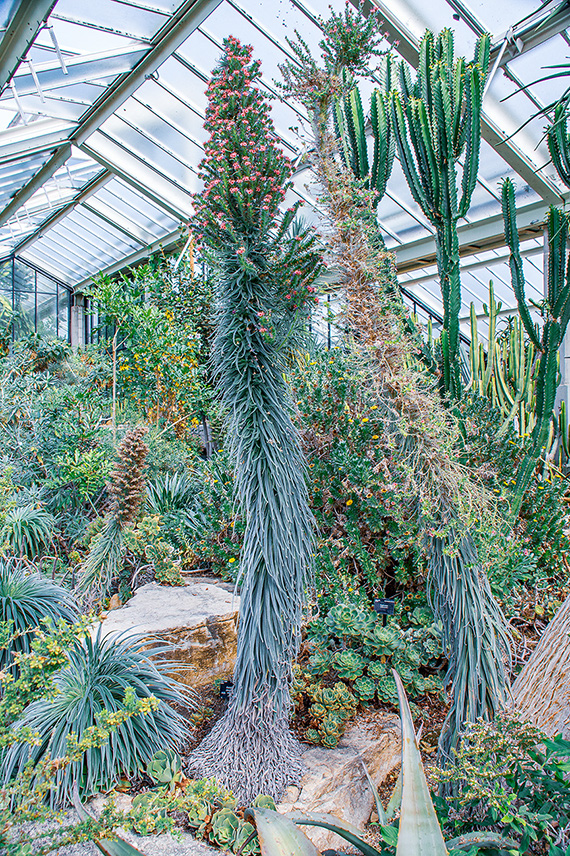
The image depicts a lush, indoor greenhouse filled with a variety of plants, predominantly cacti and succulents. The greenhouse has a glass ceiling allowing ample natural light to filter through. The central focus is a tall, spiky plant with red fruits or flowers at the top, surrounded by an array of different green plants and cacti of varying shapes and sizes. The environment appears to be well-maintained and vibrant, showcasing a diverse collection of desert flora.
The central focus is a tall, spiky plant with red fruits or flowers at the top ‐ photo by ,
©www.mgaylard.co.uk.
The image depicts a lush, indoor greenhouse filled with a diverse array of succulent plants, including various types of cacti and other drought-resistant flora. The greenhouse features a glass roof and metal framework, allowing ample natural light to nourish the plants. The scene is vibrant with different shades of green and some yellow accents, showcasing a well-maintained and thriving environment for these unique plants.
cacti and other drought-resistant flor ‐ photo by ,
©www.mgaylard.co.uk.
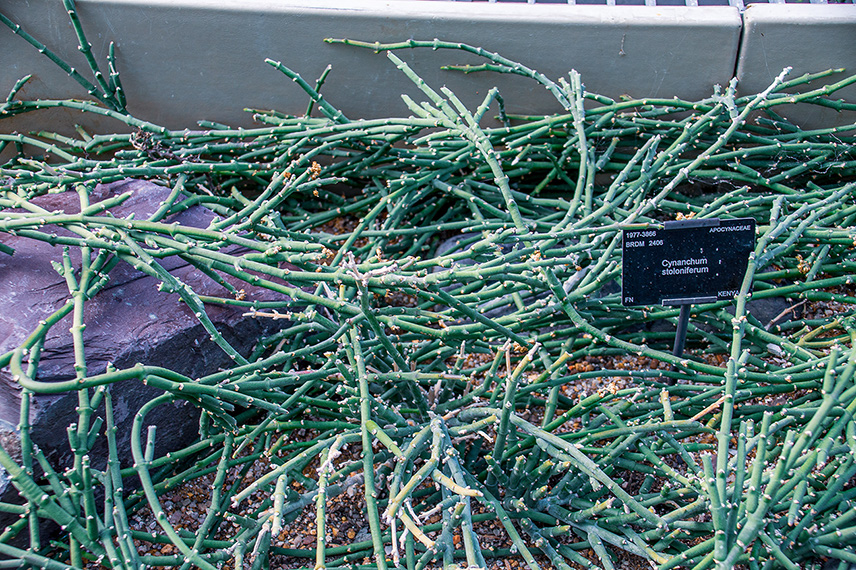
The image shows a plant labeled as 'Cyperus stenoniferum' in a garden setting. The plant has long, thin, green stems spreading out in various directions. The plant is situated in a bed of small rocks and soil, with a dark-colored stone nearby. A label with the plant's details is prominently displayed among the stems.
Cyperus stenoniferum ‐ photo by ,
©www.mgaylard.co.uk.
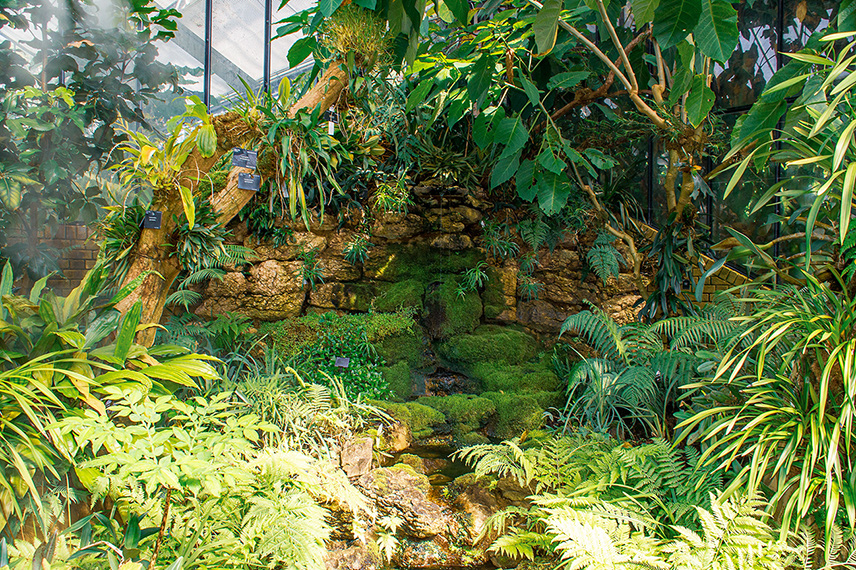
The image depicts a lush, indoor greenhouse environment with a variety of tropical plants and ferns. The scene features a small stream flowing over rocks, surrounded by dense vegetation. The greenhouse is well-lit, with natural light filtering through the glass ceiling, creating a vibrant and thriving ecosystem.
tropical plants and ferns ‐ photo by ,
©www.mgaylard.co.uk.
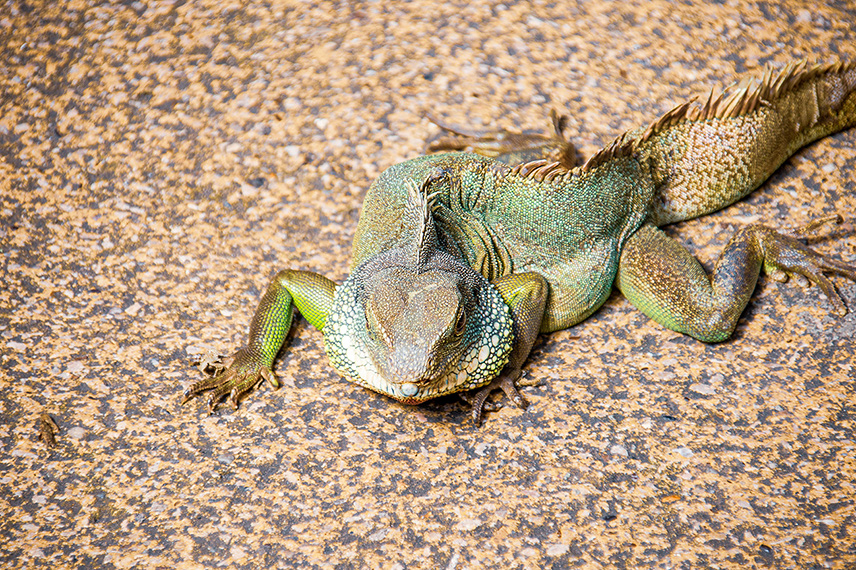
The image depicts a green iguana resting on a textured, rocky surface. The iguana is lying on its side, with its limbs and tail extended. The surface appears to be a natural, outdoor setting, possibly a rocky ground or a similar environment.
a green iguana resting on a textured, rocky surface ‐ photo by ,
©www.mgaylard.co.uk.
Open the full set flickr button this page
The Princess of Wales Conservatory

The Princess of Wales Conservatory at Kew Gardens is one of the most innovative and diverse glasshouses in the Royal Botanic Gardens, Kew.

Historical Overview

Construction and Origins:
The Princess of Wales Conservatory was designed by Gordon Wilson and opened in 1987 by Diana, Princess of Wales. It was named in commemoration of Princess Augusta, the founder of Kew Gardens in 1759. The conservatory replaced 26 smaller buildings that had fallen into disrepair, consolidating their collections into a single, modern structure.
Purpose:
The conservatory was designed to be energy-efficient and easy to maintain, with a focus on climate control and plant conservation.

Architectural and Design Features

Structure and Environment:
The conservatory is partially underground, which helps to minimize energy use and conserve heat. It features ten computer-controlled climate zones, each tailored to different plant species, including tropical, desert, and temperate environments.
Size and Layout:
The conservatory covers 4,500 square meters and houses a diverse collection of plants, including cacti, carnivorous plants, orchids, and bromeliads. The glass roof extends to the ground, maximizing the use of natural light and solar energy kew.

Plant Collection and Conservation

Diverse Flora:
The conservatory is home to a wide variety of plants, including: Carnivorous plants, such as the Venus flytrap (Dionaea muscipula) and the titan arum (Amorphophallus titanum), known for its rare and dramatic blooms. Orchids, water lilies, and bromeliads, which are displayed in rotating exhibits to ensure visitors always see flowering specimens. Cacti and succulents, including lithops and other desert plants.
Wildlife:
The conservatory also houses lizards and aquatic plants, creating a miniature ecosystem that supports a variety of life artsandculture.google.com.

Cultural and Historical Significance

Symbol of Innovation:
The Princess of Wales Conservatory is a symbol of modern horticultural innovation, blending cutting-edge technology with traditional plant conservation. It is a key attraction at Kew Gardens, offering visitors a unique and immersive experience. Awards and Recognition: The conservatory received the Europa Nostra Award for Conservation in 1989, recognizing its architectural and horticultural excellence.

References

en.wikipedia.orgwww.kew.orgwww.westburygr.comwww.artwarefineart.comartsandculture.google.com , Text generated by Mistral AI
To the top
Powered by w3.css. The images are all stored on link to www.gaylard.co.uk Photostream on Flickr   This website is hosted by link to 123Reg Web Hosting