HOME

Temperate House, Kew Gardens

Temperate House, Kew Gardens

Royal Botanic Gardens, KewRichmondLondon,   United Kingdom

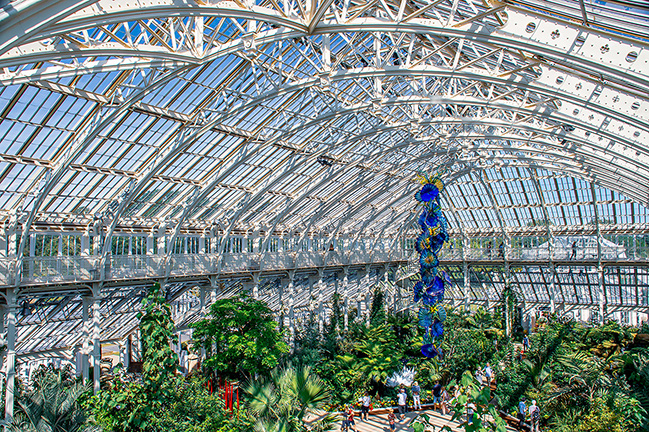
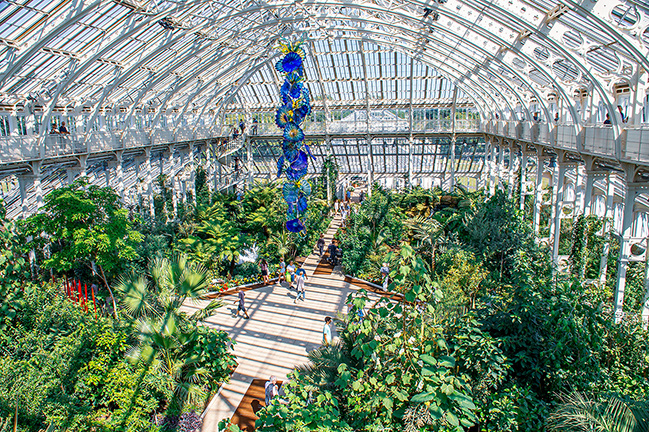
The Temperate House at Kew Gardens is the world's largest surviving Victorian glasshouse. Restored to its former glory, it houses an extraordinary collection of temperate zone plants from around the globe, including rare and endangered species. The glasshouse is a masterpiece of 19th-century engineering and a vital center for plant conservation and education.
The image depicts a large, ornate greenhouse or conservatory set in a park-like environment. The structure is characterized by its extensive use of glass and steel, typical of Victorian-era architecture. The greenhouse is surrounded by a well-maintained lawn and is framed by trees, suggesting it is part of a botanical garden or similar public space. The sky is clear with a few scattered clouds, indicating a bright and sunny day.
Temperate House ‐ photo by ,
©www.mgaylard.co.uk.
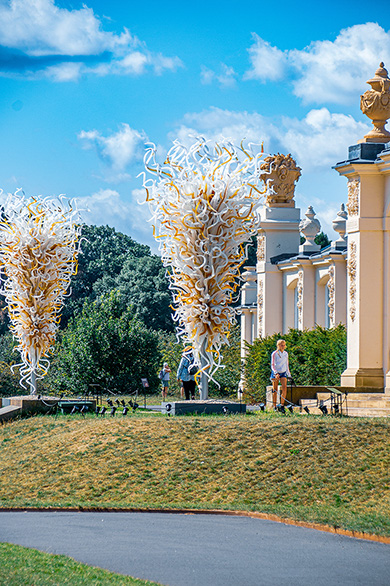
The image depicts an outdoor scene with large, abstract, golden sculptures resembling trees or bushes with intricate, swirling patterns. The sculptures are situated in a well-maintained park or garden area with a manicured lawn and a paved path. In the background, there is a classical-style building with columns and ornate decorations. A person is seen sitting on a bench, enjoying the view. The sky is clear with a few scattered clouds, indicating a bright and sunny day.
large, abstract, golden sculptures resembling trees or bushes with intricate, swirling patterns ‐ photo by ,
©www.mgaylard.co.uk.
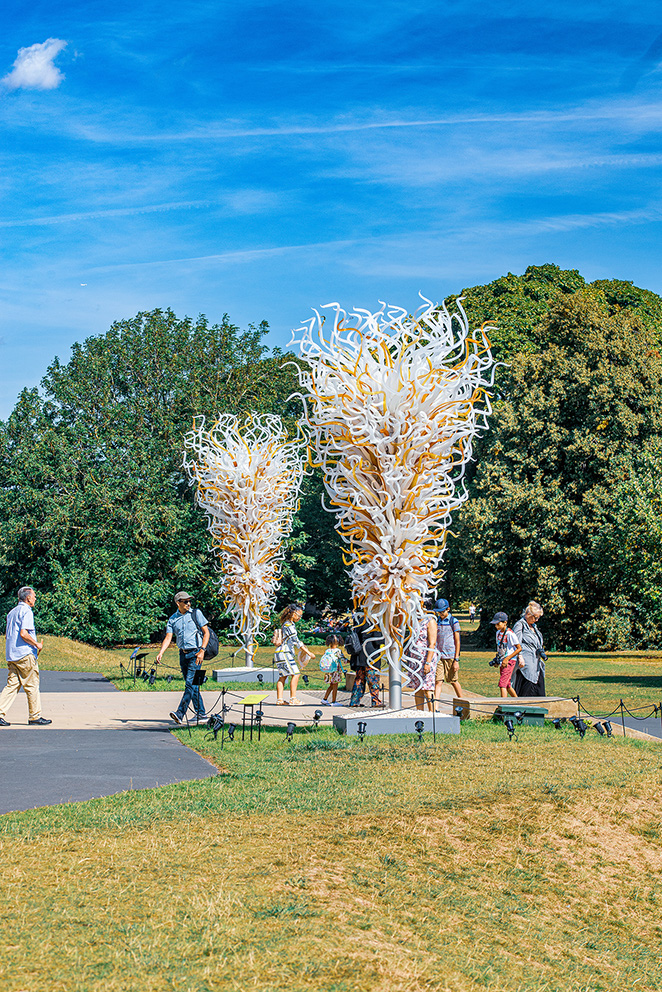
The image depicts a park scene with a large, intricate sculpture made of white and yellow twisted elements. Several people are walking around and observing the sculpture, which is situated on a paved area surrounded by grass and trees under a clear blue sky..
intricate sculpture made of white and yellow twisted elements ‐ photo by ,
©www.mgaylard.co.uk.
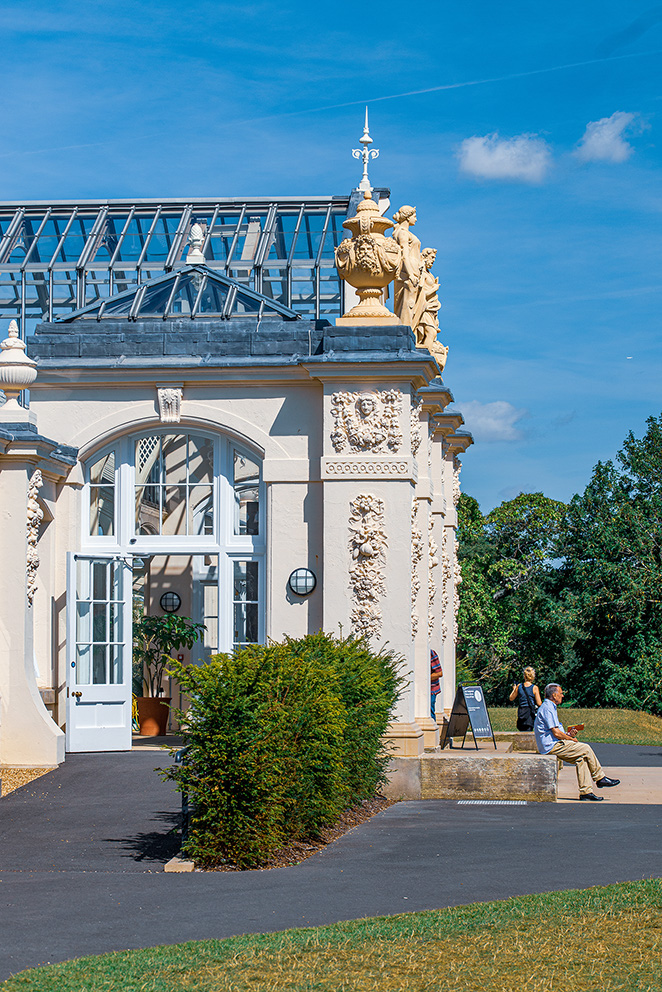
The image depicts a historic building with ornate architectural details, including statues and decorative elements. The structure features large glass windows and a glass roof, suggesting it might be a conservatory or greenhouse. Outside, there is a well-maintained garden with a paved walkway. Two people are visible in the scene: one sitting on a bench and another standing near a sign. The sky is clear with a few clouds, indicating a bright and sunny day.
statues and decorative elements ‐ photo by ,
©www.mgaylard.co.uk.
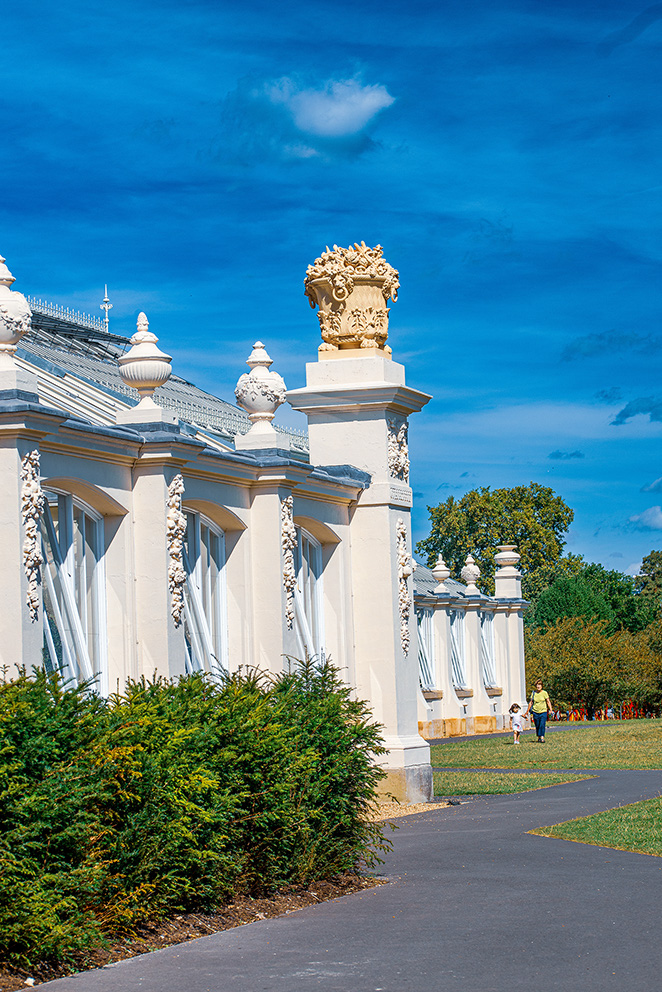
The image depicts a section of an ornate, white building with classical architectural elements, including columns and decorative urns. The structure is set against a bright blue sky with a few clouds. There is a paved walkway in the foreground, flanked by greenery and trees, with a person and a child walking along it.
white building with classical architectural elements ‐ photo by ,
©www.mgaylard.co.uk.
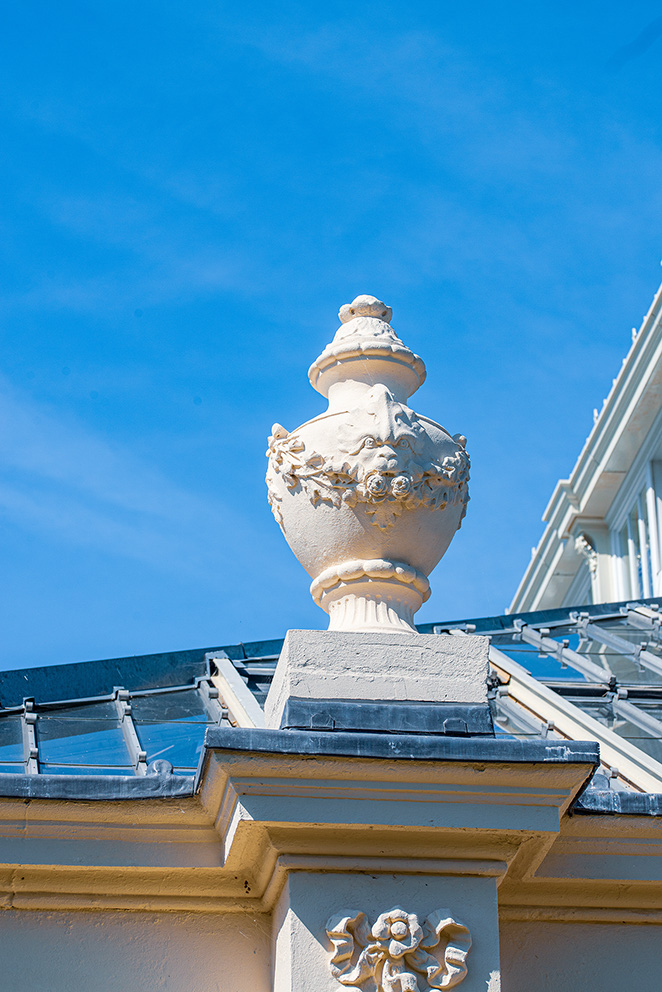
The image shows an ornate architectural detail on the top of a building, featuring a decorative urn or vase with intricate designs and a finial on top, set against a clear blue sky. The building has a light-colored facade with a balcony and decorative elements.
a decorative urn or vase ‐ photo by ,
©www.mgaylard.co.uk.
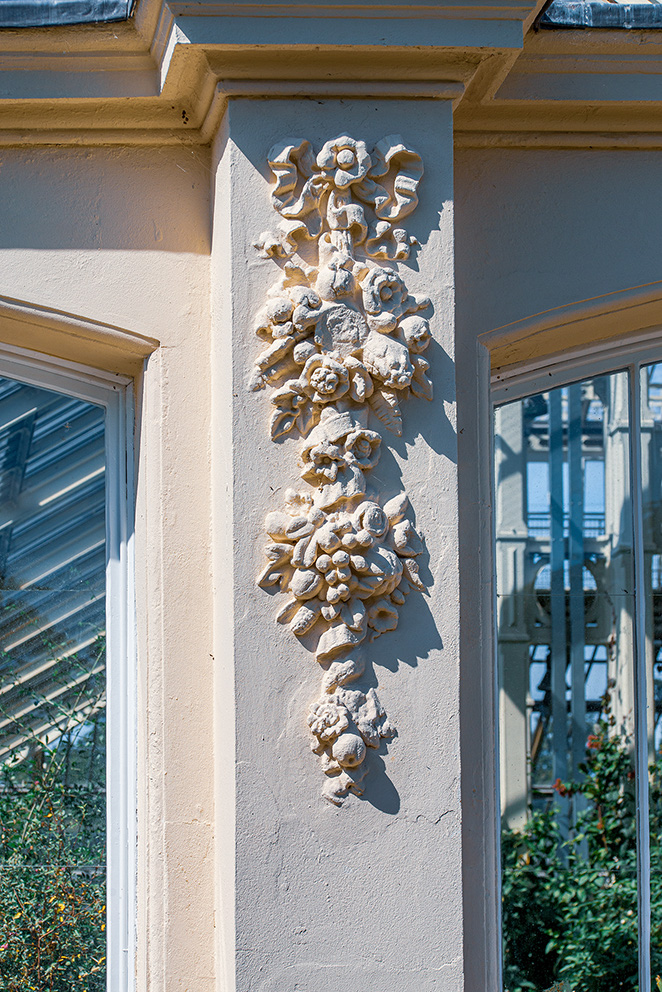
The image showcases an ornate architectural detail on a building. The detail features a vertical arrangement of sculpted floral and shell-like elements, set within a niche on a light-colored wall. The surrounding structure includes windows with white frames and a decorative balcony with a metal railing. The scene is bathed in natural light, highlighting the intricate design and the texture of the sculpted elements.
sculpted floral and shell-like elements ‐ photo by ,
©www.mgaylard.co.uk.
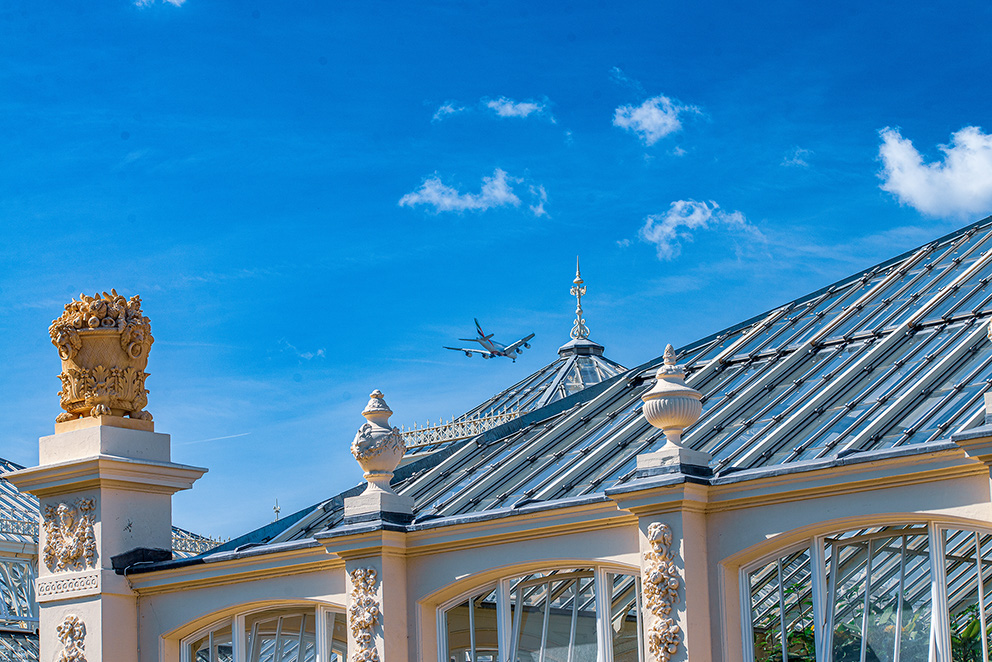
The image depicts a clear blue sky with a few scattered clouds. In the foreground, there is a building with ornate architectural details, including decorative columns and a crest. The building has a glass roof, and in the background, an airplane is captured mid-flight, ascending into the sky.
ornate architectural details ‐ photo by ,
©www.mgaylard.co.uk.
The image shows an ornate architectural detail on the top of a building, featuring a decorative urn or vase with intricate designs and a finial on top, set against a clear blue sky. The building has a light-colored facade with a balcony and decorative elements.
a decorative urn or vase ‐ photo by ,
©www.mgaylard.co.uk.
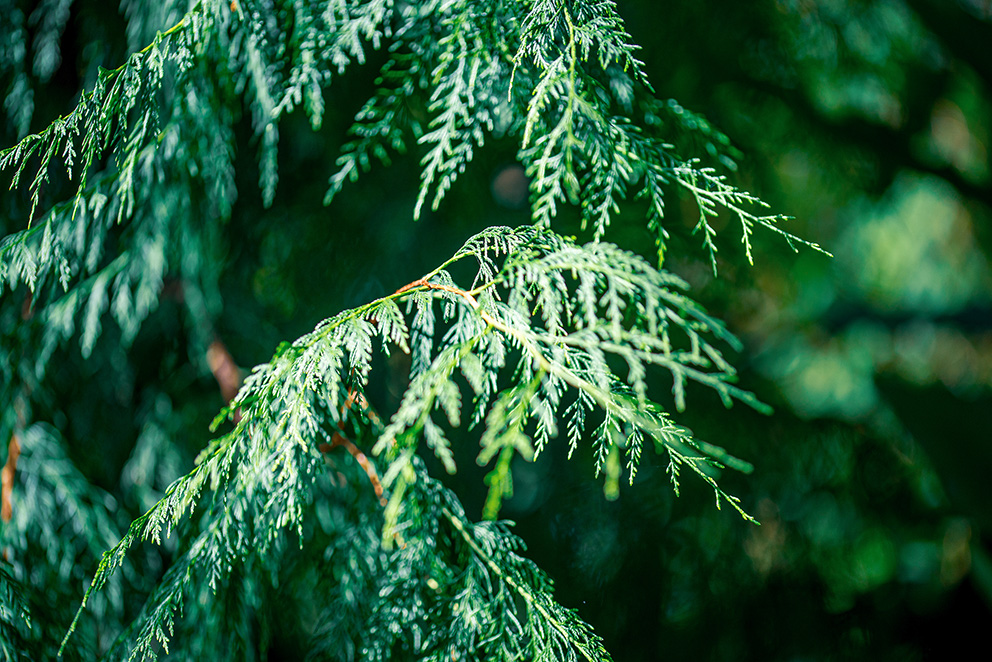
The image depicts a close-up view of a coniferous tree branch with delicate, feathery needles. The background is blurred, highlighting the intricate details of the needles and the overall green hue of the foliage.
Kashmir Cypress ‐ photo by ,
©www.mgaylard.co.uk.
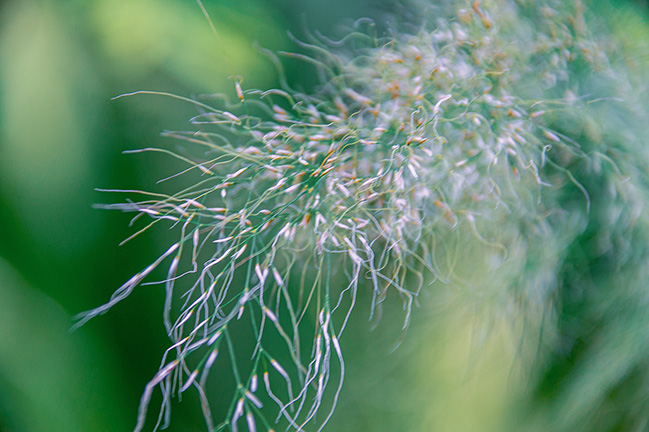
The image depicts a close-up view of a plant with delicate, feathery seed heads. The seed heads are light-colored, possibly white or light purple, and have fine, thread-like structures extending from them. The background is blurred, highlighting the intricate details of the seed heads and creating a soft, green backdrop. The overall effect is one of gentle, natural beauty and fine detail.
delicate, feathery seed heads ‐ photo by ,
©www.mgaylard.co.uk.
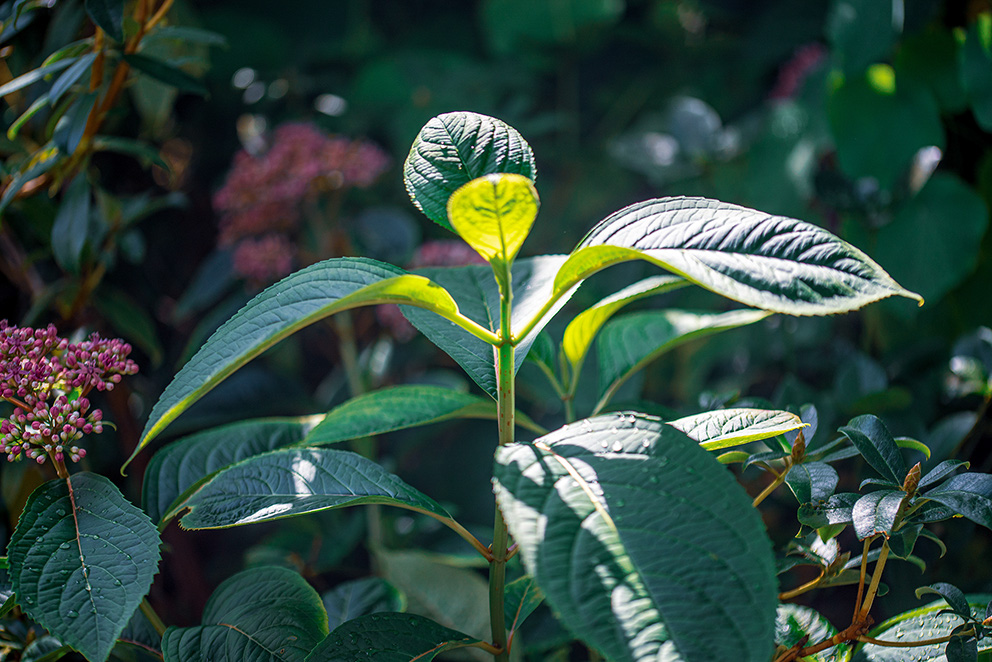
The image displays a cluster of light purple flowers with yellow centers, surrounded by green leaves. The flowers are in various stages of blooming, with some fully open and others still budding. The background is filled with lush green foliage, creating a vibrant and natural setting.
purple flowers with yellow centers ‐ photo by ,
©www.mgaylard.co.uk.
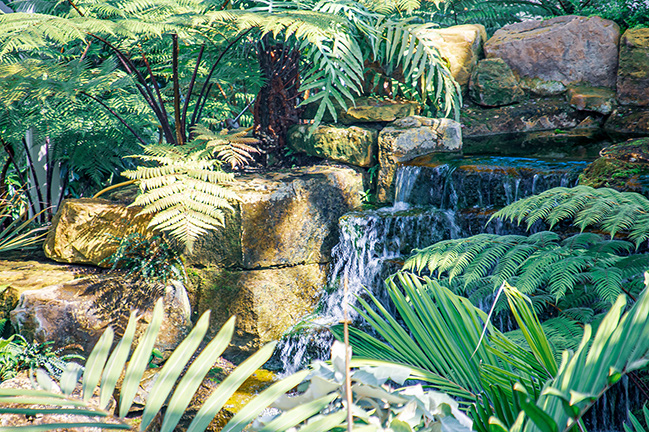
The image depicts a serene garden scene with a small waterfall cascading over rocks, surrounded by lush green ferns and other tropical plants.
a serene garden scene with a small waterfall cascading over rocks ‐ photo by ,
©www.mgaylard.co.uk.
View of temperate ‐ photo by ,
©www.mgaylard.co.uk.
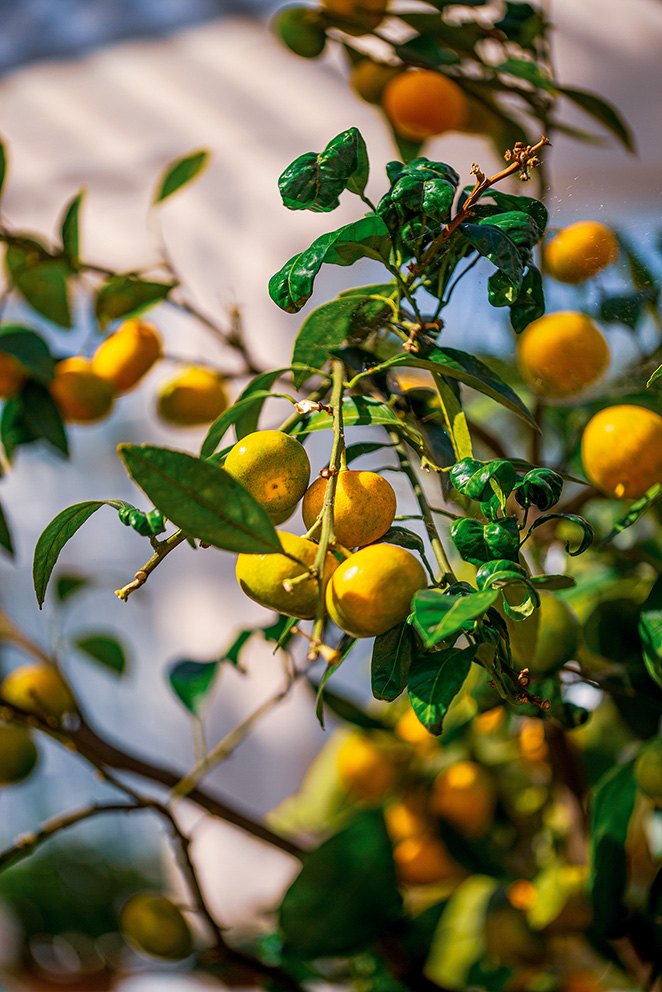
The image depicts a close-up view of a tree branch laden with yellow fruits, likely lemons, and green leaves. The background is blurred, emphasizing the vibrant colors of the fruits and leaves in the foreground.
a tree branch laden with yellow fruits ‐ photo by ,
©www.mgaylard.co.uk.
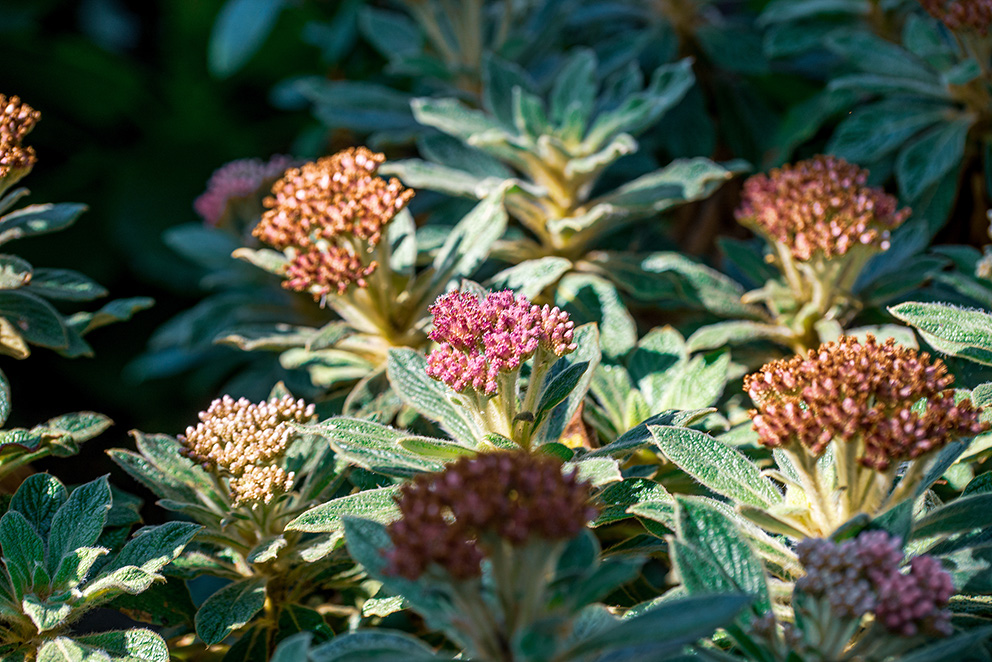
The image depicts a close-up view of a plant with green, fuzzy leaves and clusters of small, pinkish flowers. The flowers are in various stages of blooming, with some buds not yet fully open. The plant appears to be healthy and well-lit, suggesting it is in a sunny environment.
The flowers are in various stages of blooming ‐ photo by ,
©www.mgaylard.co.uk.
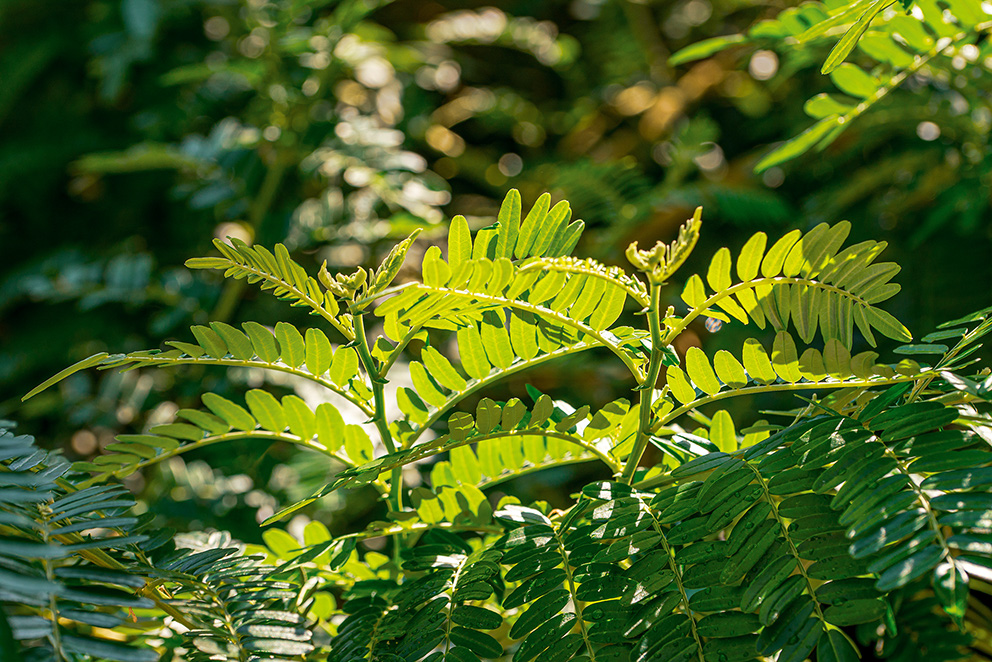
The image depicts a close-up view of a lush, green plant with delicate, feathery leaves. The leaves are arranged in a pinnate structure, with smaller leaflets extending from a central stem. The plant is bathed in sunlight, highlighting its vibrant green color and intricate details. The background is blurred, drawing focus to the plant in the foreground.
green plant with delicate, feathery leaves ‐ photo by ,
©www.mgaylard.co.uk.
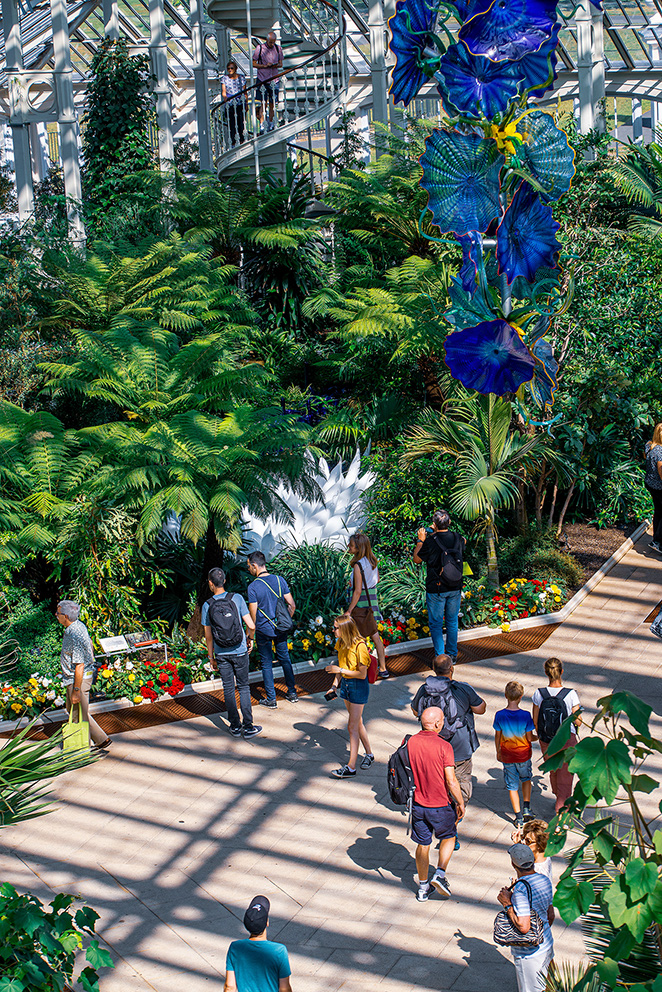
The image depicts a vibrant indoor botanical garden with lush greenery and colorful glass sculptures resembling flowers. Visitors, including families and individuals, are seen walking along a pathway, observing the plants and art installations. The garden features a variety of ferns and other tropical plants, with a staircase leading to an upper level where more visitors are present. The overall atmosphere is lively and educational, showcasing the blend of nature and art.
colorful glass sculptures resembling flowers ‐ photo by ,
©www.mgaylard.co.uk.
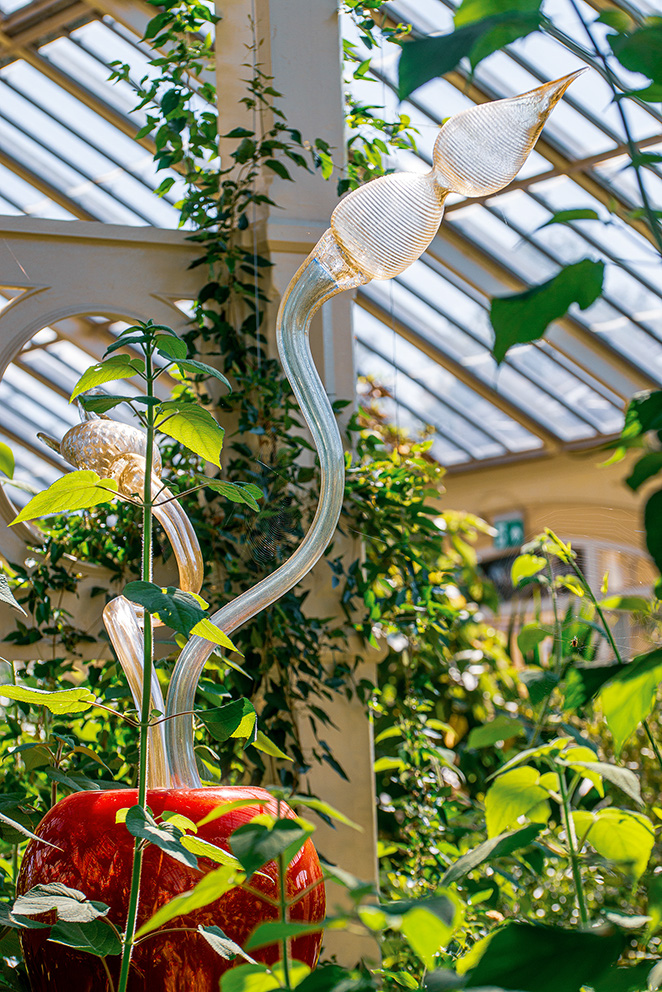
The image depicts a glass sculpture in a greenhouse setting. The sculpture features elongated, translucent forms that resemble leaves or vines, extending upwards and intertwining with the surrounding greenery. The structure is supported by a red pot at the base, and the background shows a glass ceiling and various plants.
The sculpture features elongated, translucent forms that resemble leaves or vines ‐ photo by ,
©www.mgaylard.co.uk.
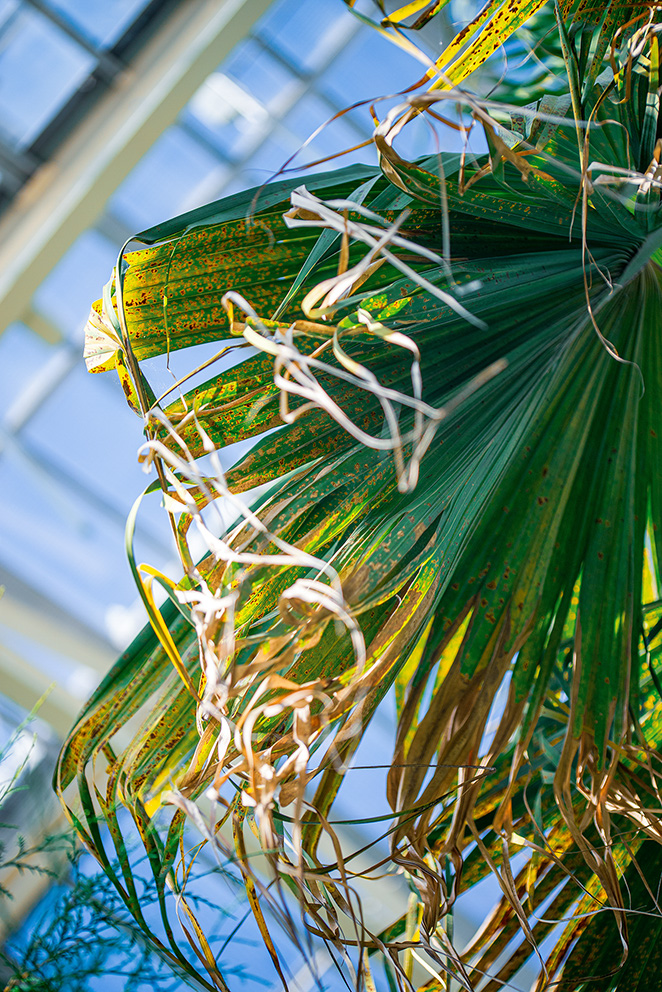
a plant with broad, green leaves that have yellow and brown spots and streaks ‐ photo by ,
©www.mgaylard.co.uk.
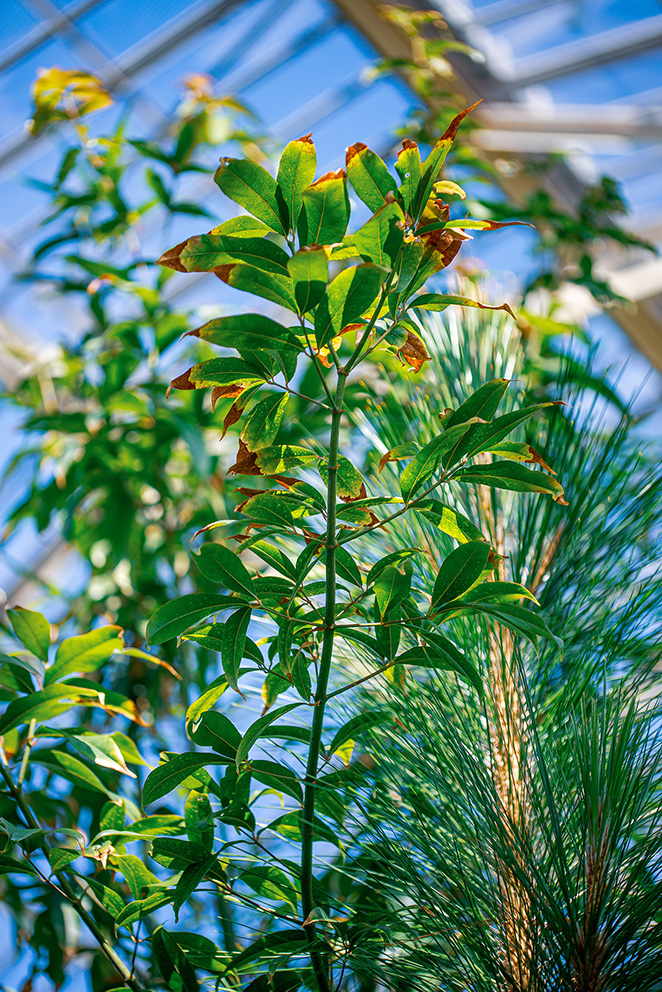
The image depicts a lush, green plant with broad leaves, possibly located in a greenhouse or conservatory. The plant is tall and healthy, with some leaves showing signs of browning at the edges. The background features other tropical plants and a structure that appears to be part of a greenhouse framework, allowing sunlight to filter through.
a lush, green plant with broad leaves ‐ photo by ,
©www.mgaylard.co.uk.
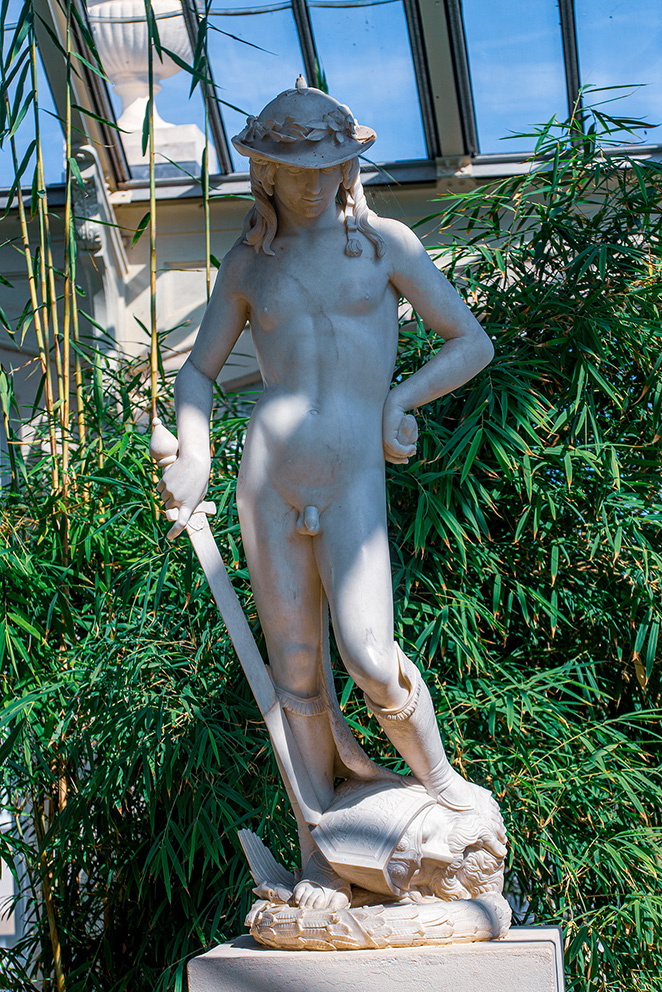
The image depicts a classical statue of a young man standing on a shell, often identified as a representation of Neptune or a sea deity. The statue is made of white marble and features intricate details, including the figure's pose and the shell base. The figure is adorned with a wreath on his head and holds a trident in his right hand. The statue is set outdoors, surrounded by greenery, with a modern glass structure in the background.
a classical statue of a young man ‐ photo by ,
©www.mgaylard.co.uk.
The image depicts the interior of a large greenhouse or conservatory with a high, arched, glass-and-metal ceiling. The structure allows ample natural light to illuminate the lush, diverse plant life below. A prominent, colorful sculpture of a double helix DNA strand hangs from the ceiling, adding an artistic element to the natural surroundings. People can be seen walking and observing the plants, indicating that this is a public space, likely a botanical garden or similar attraction.
The structure allows ample natural light to illuminate the lush, diverse plant life below ‐ photo by ,
©www.mgaylard.co.uk.
The image depicts a large, lush greenhouse filled with a variety of tropical plants and trees. A prominent feature is a tall, blue, spiral sculpture that extends upwards towards the glass ceiling. The greenhouse has a high, arched roof made of glass panels, allowing natural light to flood the interior. There are several visitors walking along a wooden pathway that winds through the greenery. The overall atmosphere is vibrant and verdant, creating a serene and inviting environment.
a large, lush greenhouse filled with a variety of tropical plants and trees ‐ photo by ,
©www.mgaylard.co.uk.
Open the full set flickr button this page

The Temperate House

The Temperate House at Kew Gardens is the world’s largest surviving Victorian glasshouse and a masterpiece of 19th-century horticulture and architecture.

Historical Overview

Construction and Origins:
The Temperate House was designed by Decimus Burton and constructed between 1859 and 1899, opening in 1863 (though not fully completed until 1899). It was built to house tender plants from temperate regions that could not survive London’s winters, including rare conifers and specimens from Australia, New Zealand, and South America.
Purpose and Vision:
The house was envisioned by William Hooker, then Director of Kew Gardens, as a “Winter Garden” to protect and display temperate flora, preserving them for scientific study and public enjoyment.

Architectural and Design Features

Architectural Style:
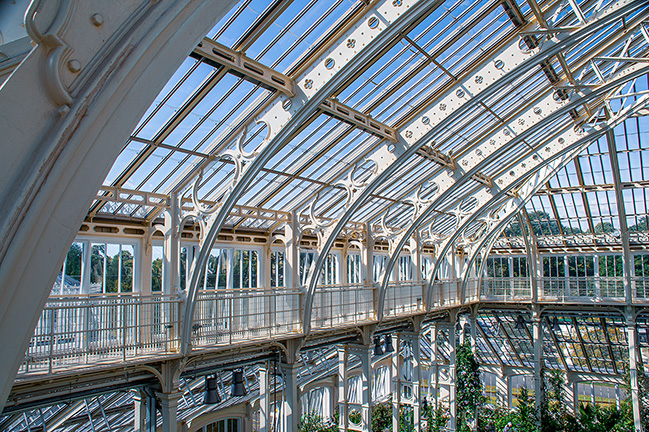
The Temperate House is a Grade I-listed building and a prime example of Victorian glasshouse design, featuring wrought-iron ribs, decorative motifs, and grand arched windows. It is twice the size of the Palm House and stands 60 feet high to accommodate the tallest specimens.
Restoration:
After a five-year, £41 million restoration, completed in 2018, the Temperate House was restored to its former glory while incorporating modern engineering techniques. The restoration uncovered original foundations and underfloor heating systems. Plant Collection and Conservation Diverse Flora: The Temperate House houses over 10,000 plants, representing 1,500 species, many of which are rare and threatened. Six species are classified as Extinct in the Wild by the IUCN, making the collection of global conservation importance. Scientific Research: The house supports research into plant conservation, DNA sampling, and traditional medicine, contributing to Kew’s global botanical and horticultural expertise. Visitor Information Location: The Temperate House is located in the Royal Botanic Gardens, Kew, in Southwest London. It is easily accessible via public transport (Kew Gardens, Kew Bridge, or Richmond stations). Opening Hours and Access: The Temperate House is open daily, with free entry for Kew Gardens ticket holders. The house is partially closed for maintenance at times, so visitors should check Kew’s website for updates

References

en.wikipedia.orgwww.kew.org , Text generated by Mistral AI

The Great Pagoda

Royal Botanic Gardens, KewRichmondLondon,   United Kingdom

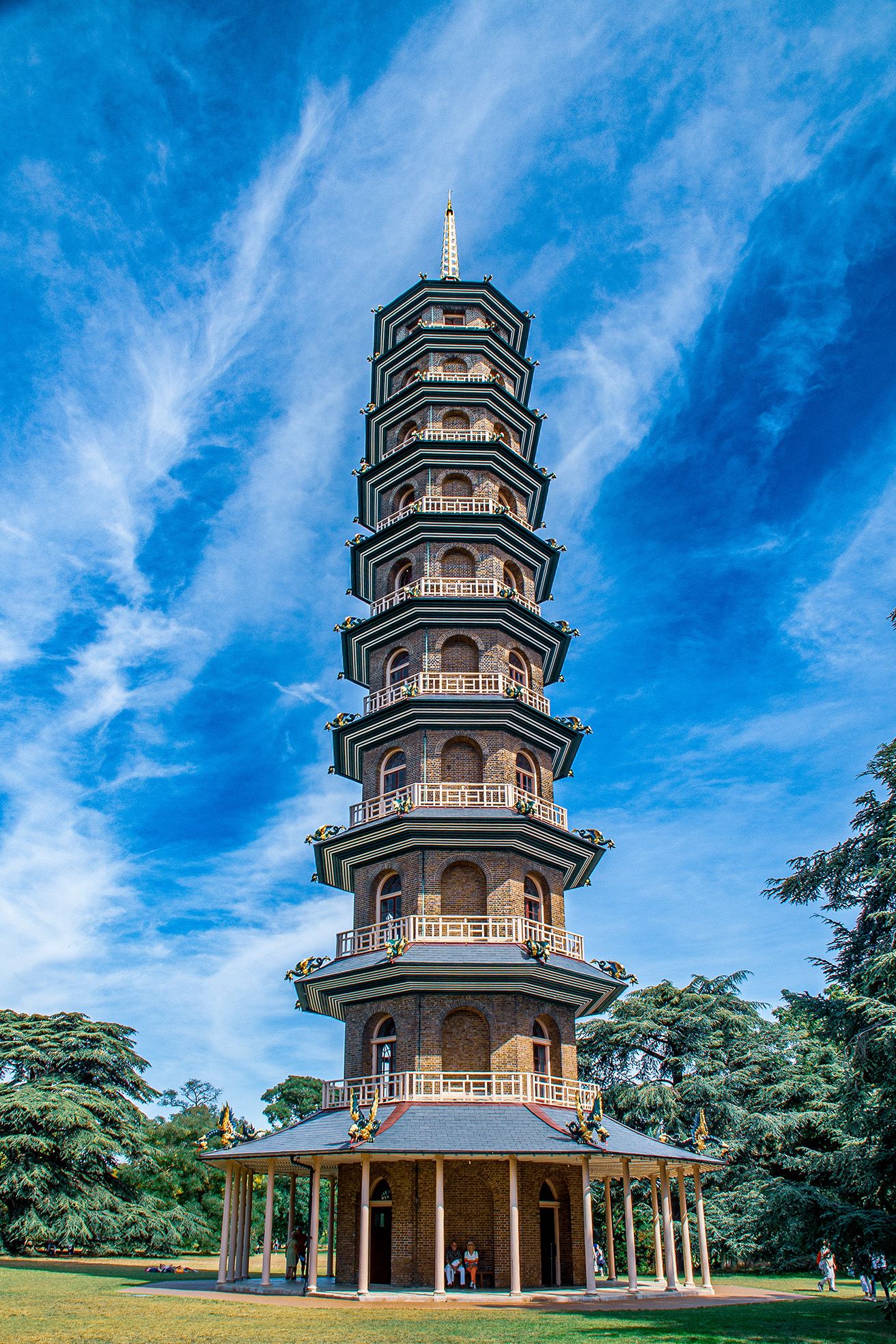
The Great Pagoda is an iconic 18th-century structure located in Kew Gardens, London. Built in 1762 under the direction of Sir William Chambers, the pagoda stands at 50 meters tall and is adorned with 80 golden dragons. It is a striking example of Chinoiserie architecture and a symbol of the 18th-century fascination with East Asian culture. The pagoda offers panoramic views of Kew Gardens and the surrounding area.
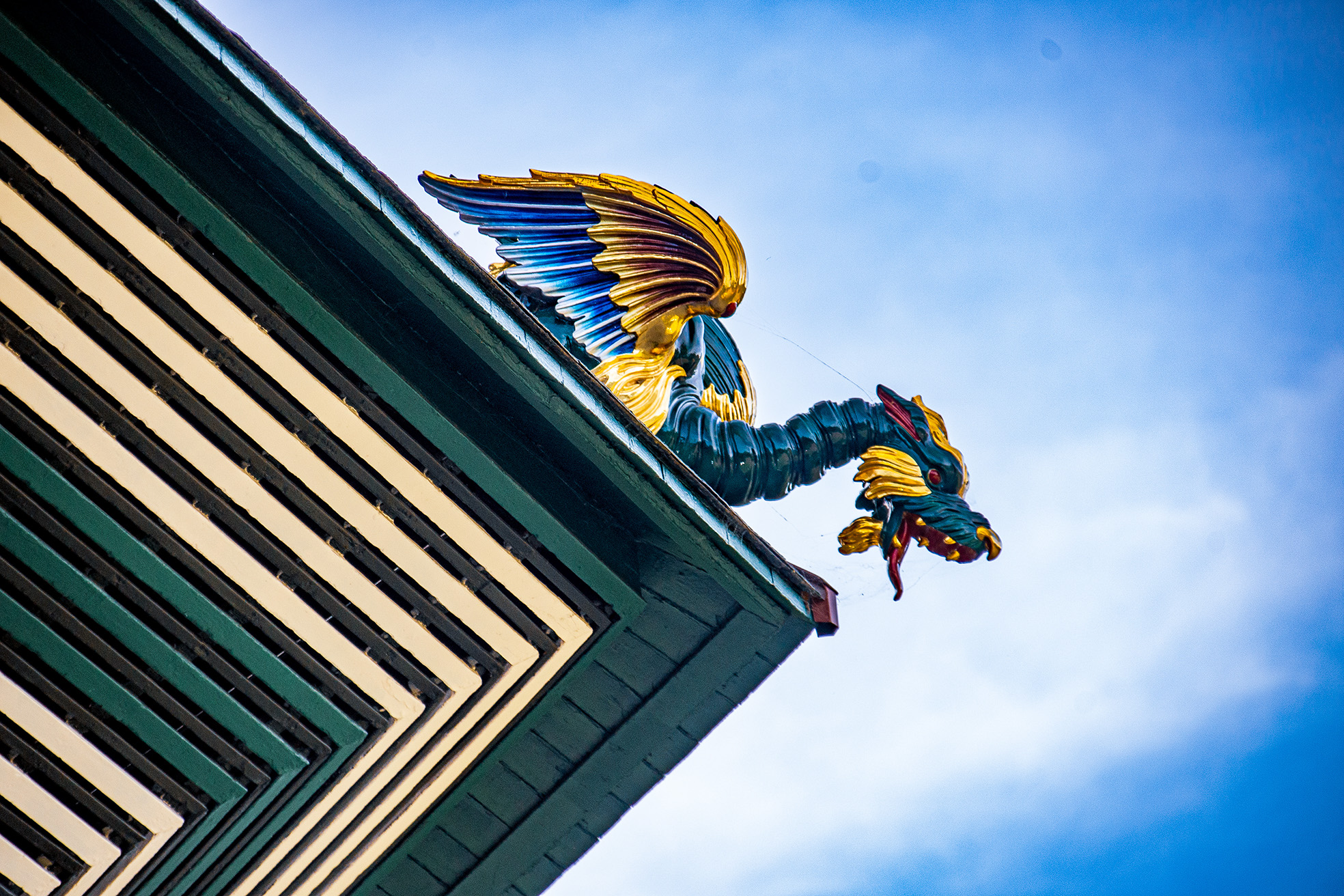
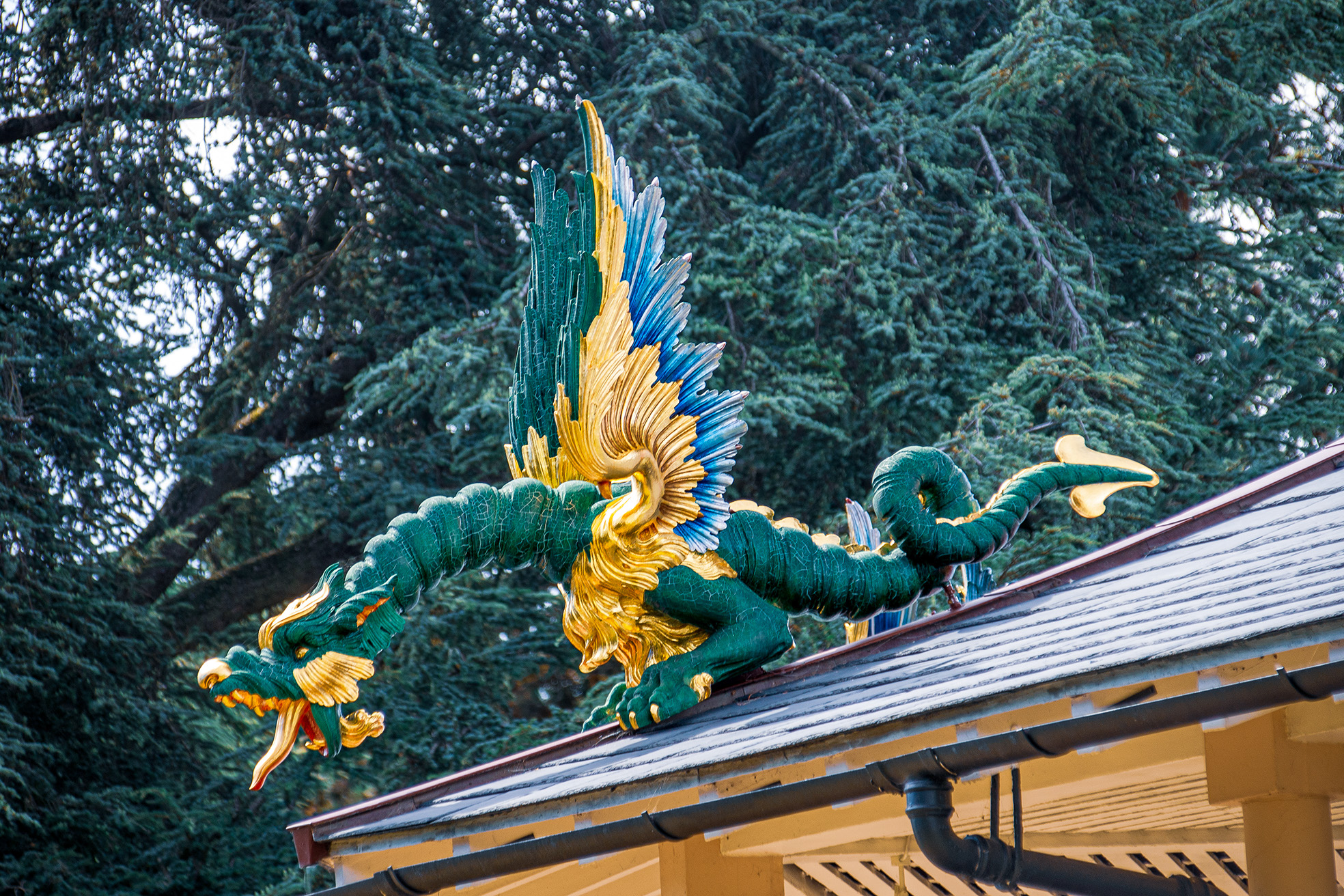
The image depicts a colorful, ornate sculpture of a winged dragon figure mounted on the corner of a building. The figure has a blue body with golden wings and is holding a bunch of grapes. The building has a green and white striped pattern.
a winged dragon figure ‐ photo by ,
©www.mgaylard.co.uk.
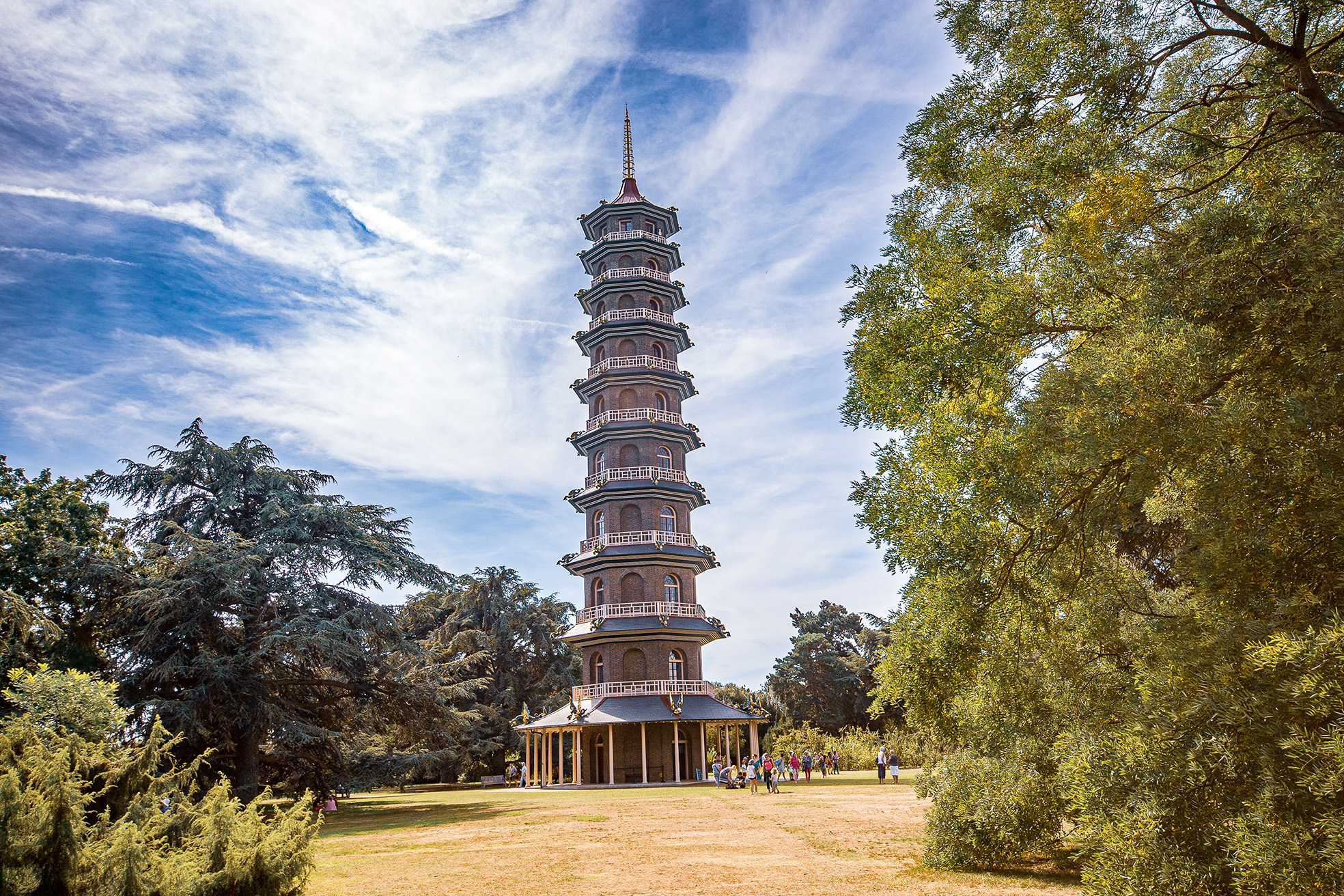
The image depicts a tall, multi-tiered pagoda-style tower situated in a lush, green park. The tower features several levels with arched windows and balconies, topped with a spire. The structure is surrounded by trees and a clear blue sky with some wispy clouds. There are a few people standing at the base of the tower, and the overall scene appears to be a peaceful, well-maintained park area.
multi-tiered pagoda-style tower ‐ photo by ,
©www.mgaylard.co.uk.
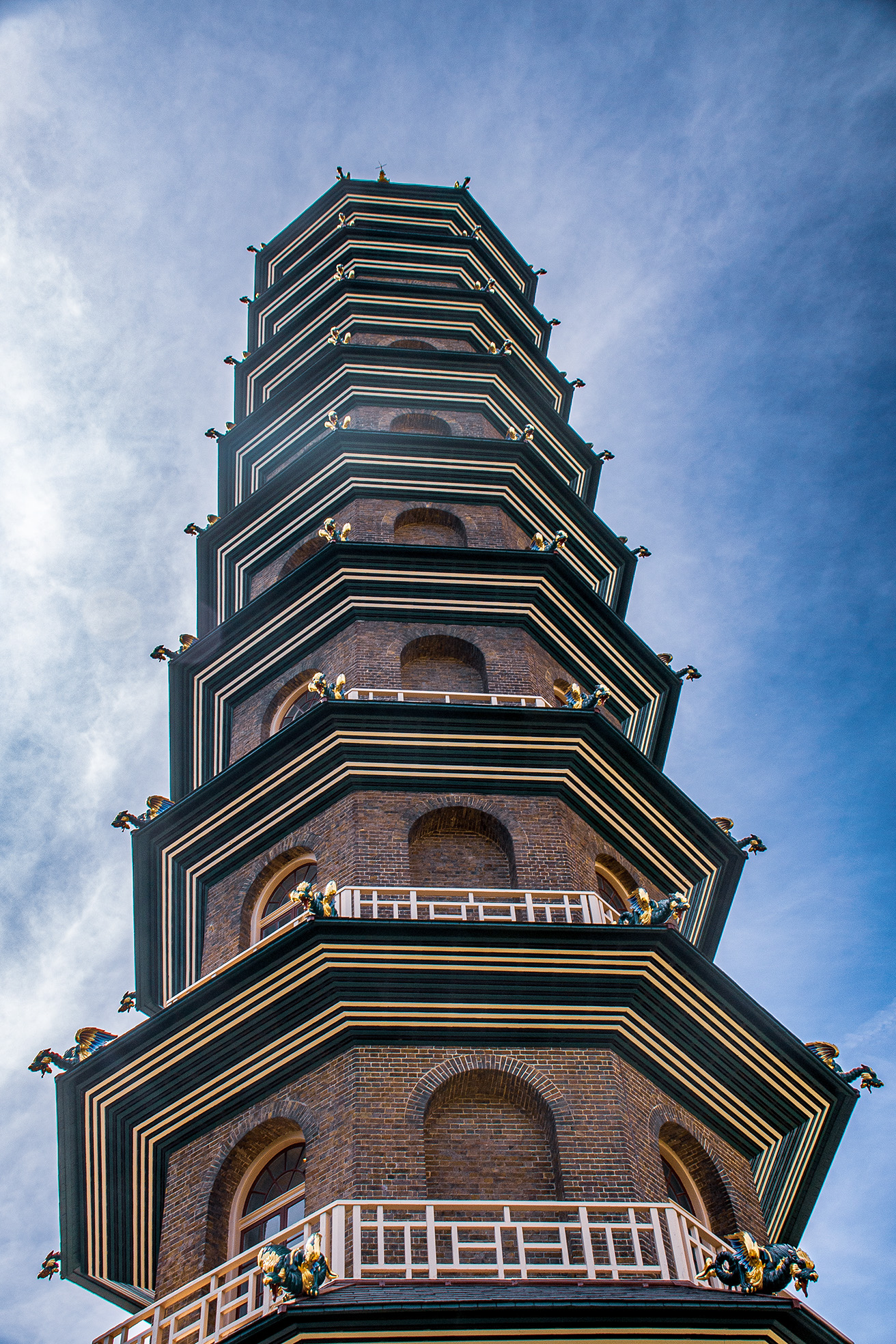
The image depicts a tall, multi-tiered pagoda-style tower situated in a lush, green park. The tower has several levels with balconies and is topped with a spire. The surrounding area is filled with trees and people walking around, suggesting it is a popular spot for visitors.
The tower has several levels with balconies and is topped with a spire ‐ photo by ,
©www.mgaylard.co.uk.
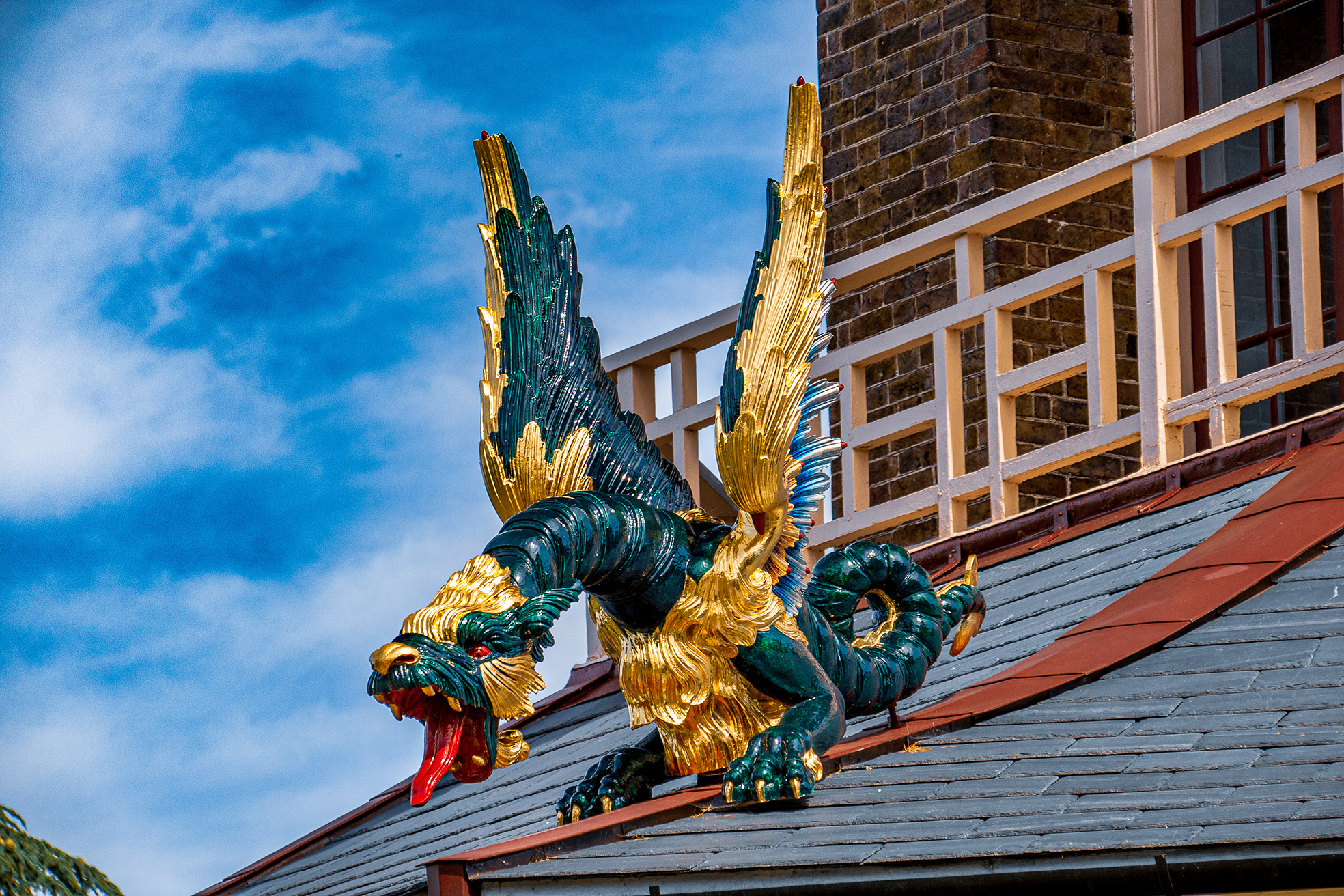
The image depicts a traditional Japanese architectural ornament known as a shachihoko, which is a mythical creature often used as a roof decoration on temples and castles. The shachihoko is typically a carp-like creature with the head of a tiger, and it is often painted in vibrant colors, as seen in the image with green scales and a golden mane. This ornament is believed to protect buildings from fire.
View of location ‐ photo by ,
©www.mgaylard.co.uk.
The image depicts a tall, multi-tiered pagoda-style tower with ornate decorations. The tower is constructed from brick and features multiple levels, each with arched openings and detailed cornices. The structure is adorned with golden ornamental elements, including statues of mythical creatures at each corner of the eaves. The sky in the background is clear with some clouds, providing a stark contrast to the intricate details of the tower.
The tower is constructed from brick and features multiple levels, each with arched openings and detailed cornices ‐ photo by ,
©www.mgaylard.co.uk.
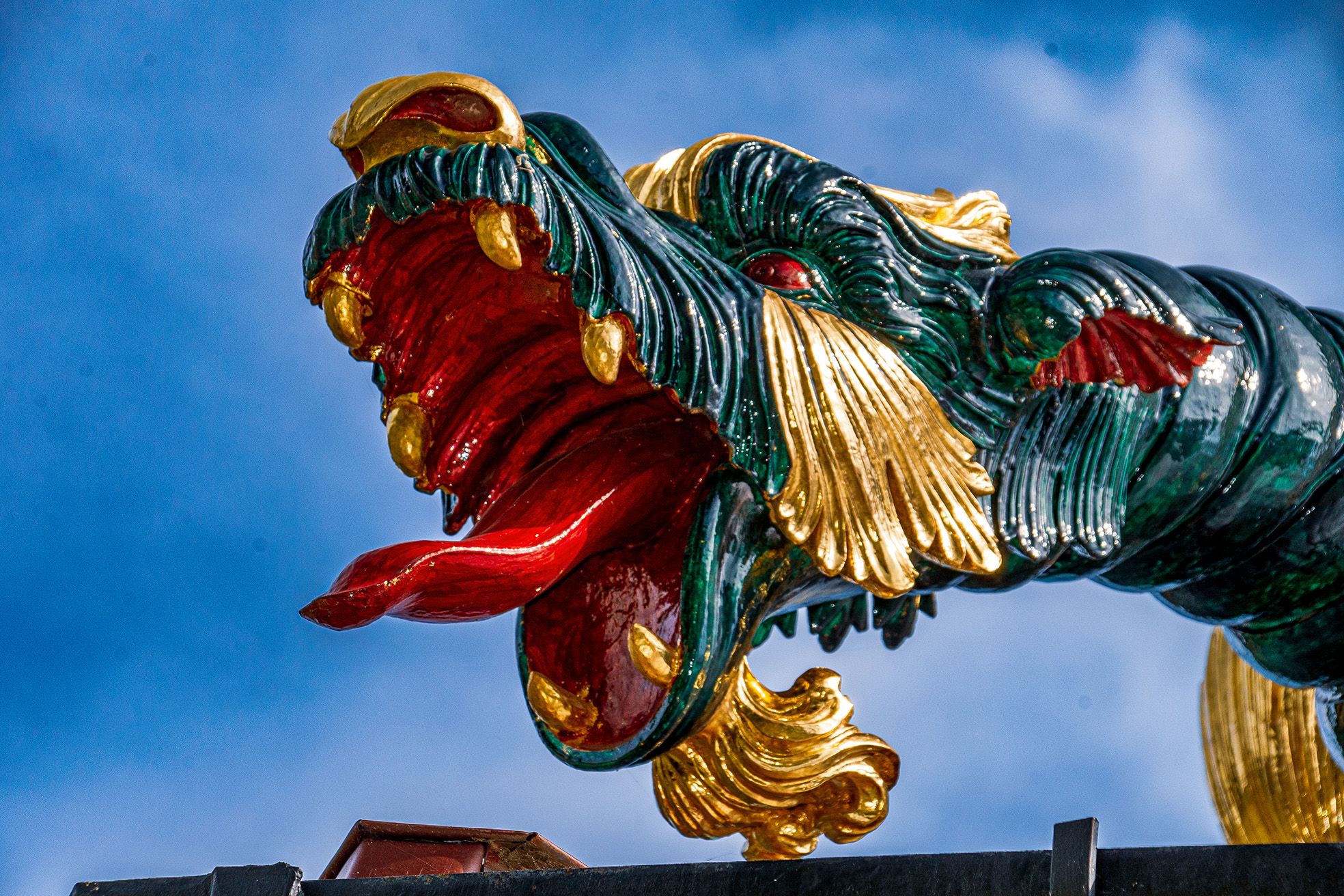
The image depicts a colorful and intricate sculpture of a dragon's head, featuring vibrant colors such as red, green, gold, and black. The dragon has detailed features including a red tongue, gold teeth, and a green body with gold accents. The sculpture is set against a clear blue sky, suggesting it is located outdoors, possibly on a building or temple.
The dragon has detailed features including a red tongue, gold teeth, and a green body with gold accents ‐ photo by ,
©www.mgaylard.co.uk.
The image depicts a decorative dragon figure on the roof of a building. The dragon is intricately designed with vibrant colors, predominantly green and gold, and features detailed scales and an open mouth. The building has a traditional architectural style with a tiled roof and white railings. The sky in the background is clear with a few clouds.
a decorative dragon figure on the roof ‐ photo by ,
©www.mgaylard.co.uk.
Open the full set flickr button this page

The Great Pagoda

The Great Pagoda at Kew Gardens is one of the most iconic and historic structures in the Royal Botanic Gardens.

Historical Overview

Construction and Origins:
The Great Pagoda was designed by Sir William Chambers and built in 1762 as part of the Kew Gardens landscape. It was inspired by the Chinese pagodas Chambers had seen during his travels, reflecting the 18th-century European fascination with chinoiserie—a style that blended Chinese and European artistic traditions .
Purpose:
Originally, the Pagoda was a garden ornament and a symbol of the exotic tastes and global connections of the British elite during the Age of Enlightenment .

Architectural Features

Design and Structure:
The Pagoda stands 163 feet (50 meters) tall and consists of 10 octagonal storeys, each with roofs adorned with dragons. The structure was designed to be both decorative and functional, with a spiral staircase inside leading to the top .
Dragons:
The 80 dragons that once adorned the Pagoda’s roofs were added in 1843 and were originally made of wood and papier-mâché. They were removed in 2017–2018 for restoration and conservation due to weather damage, but many have been replaced with replicas as part of the ongoing restoration project .

Cultural and Historical Significance

Symbol of Kew Gardens:
The Great Pagoda is one of the most recognizable landmarks in Kew Gardens and a symbol of its rich history and global connections. It reflects the cultural exchange between Europe and Asia during the 18th and 19th centuries .
Restoration:
A major restoration project was completed in 2018, allowing the Pagoda to reopen to the public after being closed for decades. The project included repairing the structure, restoring the dragons, and improving visitor access .

Visitor Information

Location:
The Great Pagoda is located in the Royal Botanic Gardens, Kew, in Southwest London. It is easily accessible via public transport (Kew Gardens, Kew Bridge, or Richmond stations) .
Opening Hours and Access:
The Pagoda is open to the public and offers guided tours and panoramic views of the surrounding gardens and London skyline. Visitors can climb the 163 steps to the top for a unique perspective of Kew Gardens .

Cultural Impact

Literary and Artistic Influence:
The Pagoda has inspired writers, artists, and designers and remains a popular subject in art and literature. It is a testament to the blending of global cultures and the exuberance of the Georgian era .
Text generated by Mistral AI

The Palm House at Kew Gardens

Royal Botanic Gardens, KewRichmondLondon,   United Kingdom

The Palm House at Kew Gardens is a stunning Victorian glasshouse designed by Decimus Burton and Richard Turner. Completed in 1848, it is one of the most important surviving examples of iron-and-glass architecture from the 19th century. The Palm House is home to a diverse collection of tropical plants, including palms, orchids, and other exotic species, and is a highlight of Kew Gardens.
The image depicts a large, ornate greenhouse or conservatory with a distinctive glass structure, set within a well-maintained garden. The greenhouse features multiple arched sections and a central dome, reflecting a Victorian architectural style. The surrounding area is lush with greenery, including manicured lawns, bushes, and trees. Several people are seen walking and enjoying the outdoor space, suggesting it is a public garden or botanical facility. The sky is clear with some wispy clouds, indicating a pleasant day.
The Palm House at Kew Gardens ‐ photo by ,
©www.mgaylard.co.uk.
The image depicts a close-up of a vibrant cluster of orange and red flowers with long, thin petals, set against a backdrop of green leaves and a blurred natural environment. The flowers are in full bloom, showcasing intricate details and vivid colors.
Saraca asoca ‐ photo by ,
©www.mgaylard.co.uk.
The image depicts a lush, dense tropical environment with a prominent plant featuring vibrant red and orange leaves in the center, surrounded by various types of green foliage and tall, slender stems.
Codiaeum Variegatum ‐ photo by ,
©www.mgaylard.co.uk.
The image depicts a lush, indoor botanical garden with a variety of tropical plants and a tiled pathway. The garden is covered by a curved, translucent roof that allows natural light to filter through, creating a bright and vibrant atmosphere. The pathway is bordered by metal grates and concrete planters filled with various green foliage, including large ferns and other tropical plants. The overall scene is serene and inviting, suggesting a well-maintained and thoughtfully designed space for plant enthusiasts and visitors to enjoy.
indoor botanical garden ‐ photo by ,
©www.mgaylard.co.uk.
The image depicts the interior of a greenhouse or conservatory with a high, arched, glass-paneled roof. The structure allows ample sunlight to filter through, creating a bright and warm environment. Inside, there is a variety of lush, tropical plants, including several large palm trees with broad, green fronds. The overall scene is vibrant and verdant, showcasing a thriving, diverse collection of plant life.
conservatory with a high, arched, glass-paneled roof ‐ photo by ,
©www.mgaylard.co.uk.
The image shows a close-up of a plant with distinctive, spiky green cones. These cones are surrounded by long, slender leaves and smaller, reddish-brown structures that appear to be developing cones or flower parts. The background is blurred, emphasizing the sharp details of the cones and leaves in the foreground.
Sweet Chestnut ‐ photo by ,
©www.mgaylard.co.uk.
The image shows a statue of the Unicorn of Scotland, a heraldic symbol, standing in a garden. The statue is made of stone and depicts a unicorn with a shield on its front. The shield features a design that includes a lion and a crown. The statue is surrounded by greenery and flowers, and there is a mesh fence in the background. The base of the statue has the inscription 'UNICORN OF SCOTLAND'.
Unicorn of Scotland ‐ photo by ,
©www.mgaylard.co.uk.
The image depicts a vibrant garden scene with a variety of red and purple flowers in full bloom. There are several statues placed throughout the garden, adding an artistic touch. A large, curved glass greenhouse structure is visible in the background, reflecting the sunlight. People are seen walking and enjoying the garden, with some sitting on benches. The overall atmosphere is lively and colorful, suggesting a well-maintained and popular public garden.
People are seen walking and enjoying the garden, with some sitting on benches ‐ photo by ,
©www.mgaylard.co.uk.
The image depicts a large, ornate greenhouse or conservatory with a curved, glass-paneled structure. The building is set amidst a beautifully landscaped garden filled with a variety of vibrant flowers and lush greenery. There are several people visible in the garden, enjoying the serene environment. The sky is clear with a few scattered clouds, suggesting a bright and sunny day. The overall scene conveys a sense of tranquility and natural beauty.
The Palm House ‐ photo by ,
©www.mgaylard.co.uk.
The image depicts a large, historic building with classical architecture, featuring a symmetrical facade with numerous windows. The building is surrounded by a well-maintained garden with a pond in the foreground, where yellow daffodils are in bloom. People are seen walking and gathering in front of the building, suggesting it might be a place of interest or a public venue. The scene is set on a clear day with blue skies, and the overall atmosphere appears serene and inviting.
Kew Brasserie ‐ photo by ,
©www.mgaylard.co.uk.
Open the full set flickr button this page

The Palm House

The Palm House at Kew Gardens is one of the most iconic and historically significant glasshouses in the world.

Historical Overview

Construction and Origins:
The Palm House was designed by Decimus Burton and constructed by Richard Turner between 1844 and 1848. It was the first large-scale glasshouse of its kind and was built to house tropical plants collected by Victorian plant hunters. The design was inspired by shipbuilding techniques, giving the structure its distinctive upturned hull appearance.
Purpose:
The Palm House was intended to showcase tropical and subtropical plants, many of which were endangered or extinct in the wild. It remains a vital resource for scientific research and conservation.

Architectural Features

Design and Structure:
The Palm House is a Grade I-listed building and a prime example of Victorian glass and iron architecture. It features wrought-iron ribs and a curved profile that maximizes light for the plants. The structure is 62 feet high and 362 feet long, making it one of the largest glasshouses of its time.
Innovative Techniques:
The architects borrowed techniques from shipbuilding, including the use of wrought-iron rolling, which was employed architecturally for the first time in this building+.

Plant Collection and Conservation

Diverse Flora:
The Palm House is home to a wide range of tropical plants, including palms, orchids, bananas, and spices. It recreates a rainforest climate, supporting plants from some of the most threatened environments in the world+1.
Scientific Research:
The collection is used for research into medicine, sustainable cropping, and plant conservation. Kew scientists rely on the Palm House for studying rare and threatened species.

Restoration and Future Plans

Renovation Project:
The Palm House is scheduled for a major renovation starting in 2027, with a projected cost of £60 million. The project aims to decarbonize the building, improve accessibility, and future-proof the glasshouse for generations to come.
Temporary Decant:
Plants will be carefully moved to temporary glasshouses during the renovation, ensuring their preservation and continued study.

Visitor Information

Location:
The Palm House is located in the Royal Botanic Gardens, Kew, in Southwest London. It is easily accessible via public transport (Kew Gardens, Kew Bridge, or Richmond stations).
Opening Hours and Access:
The Palm House is open daily and is included in the general admission ticket to Kew Gardens. Visitors can explore the upper walkway and view the plants from the ground level and gallery.

Cultural and Educational Impact

Educational Programs:
The Palm House offers audio tours, workshops, and educational programs for visitors of all ages. It is a popular destination for school groups, researchers, and tourists.
Architectural Influence:
The Palm House has inspired glasshouse designs worldwide and remains a symbol of Victorian innovation and horticultural excellence

References

en.wikipedia.orgwww.kew.orgwww.arthurroadlandscapes.co.uk , Text generated by Mistral AI
To the top
Powered by w3.css. The images are all stored on link to www.gaylard.co.uk Photostream on Flickr   This website is hosted by link to 123Reg Web Hosting