King George V Road,
Bovington,
Dorset,
BH20 6JG,
United Kingdom
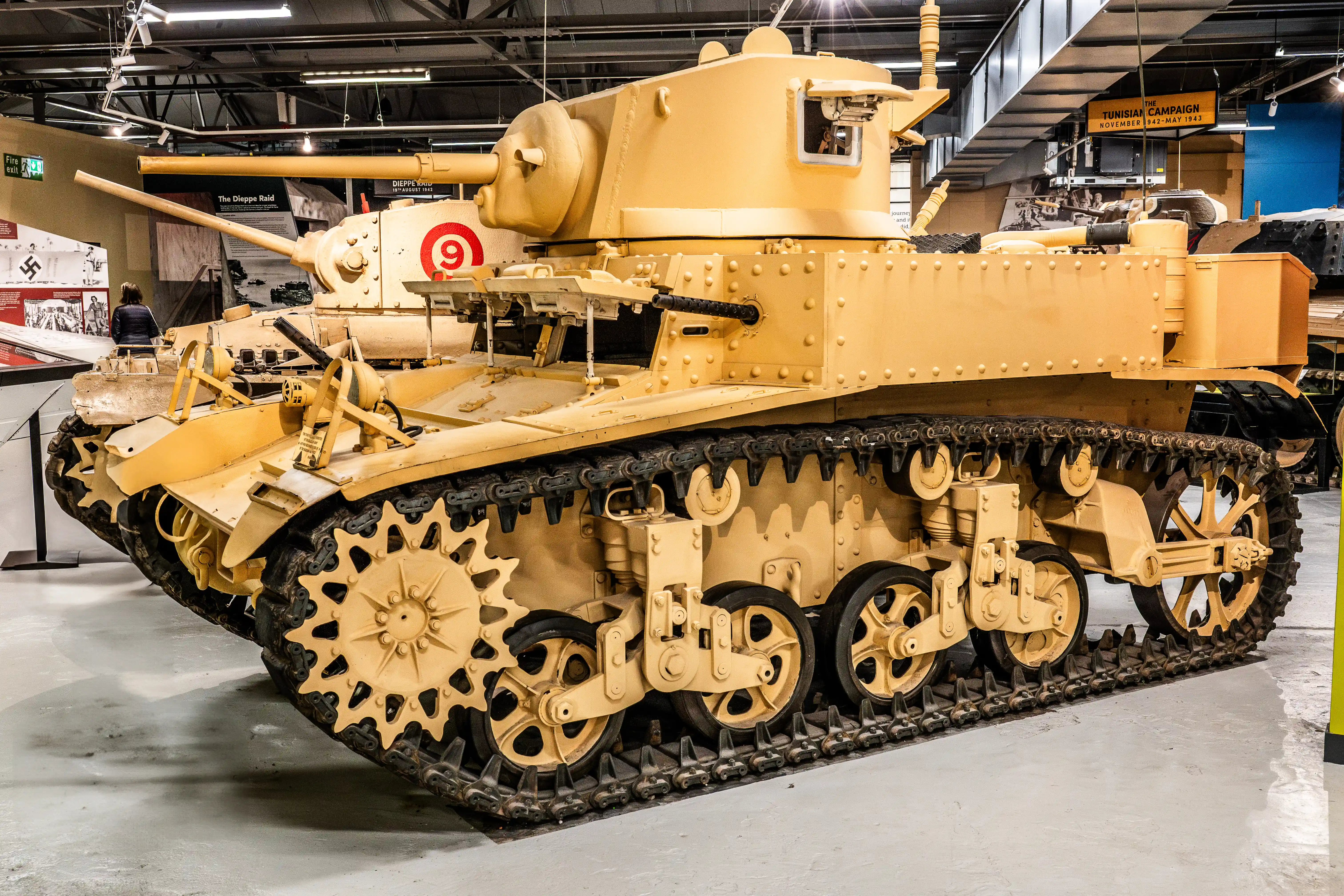
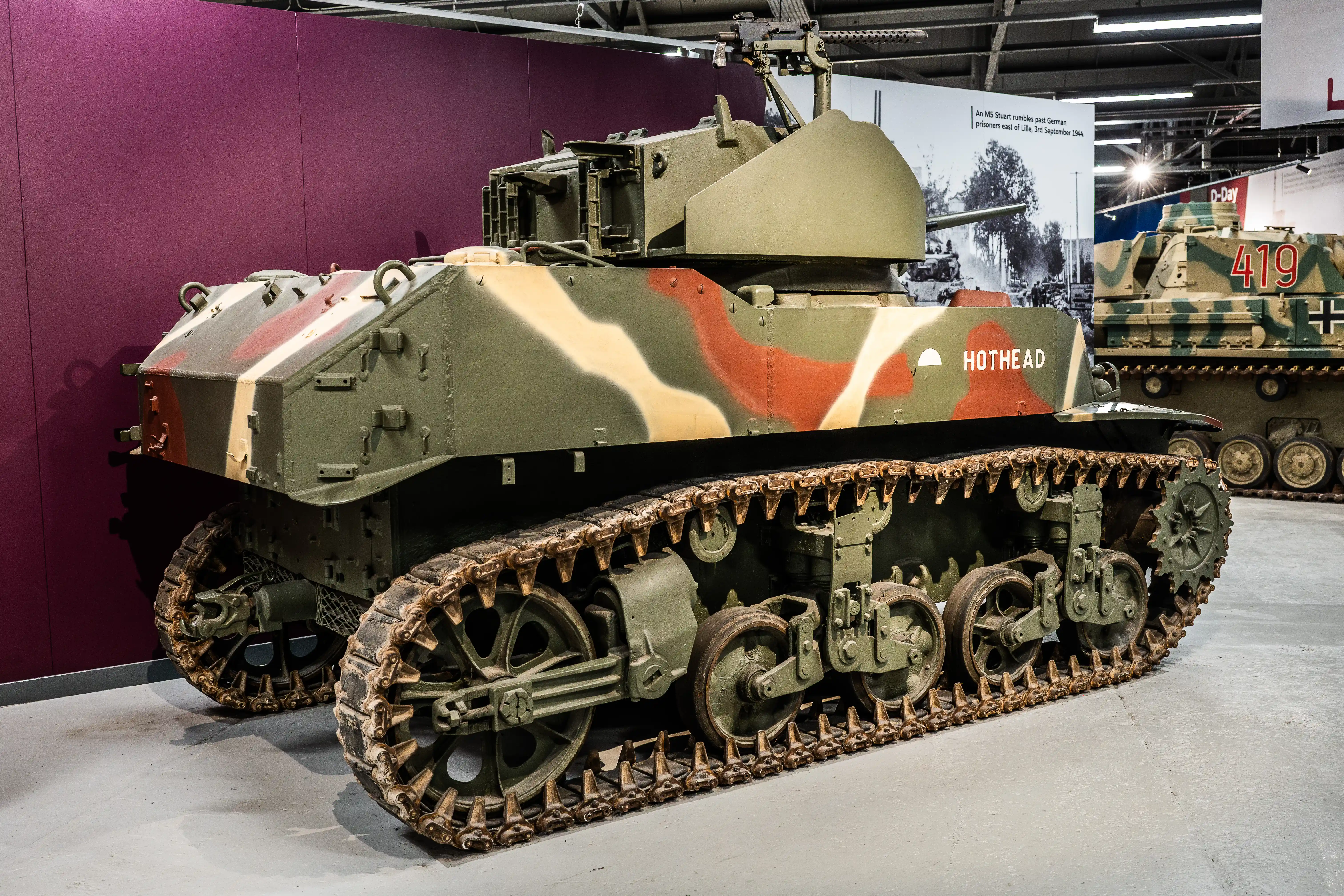
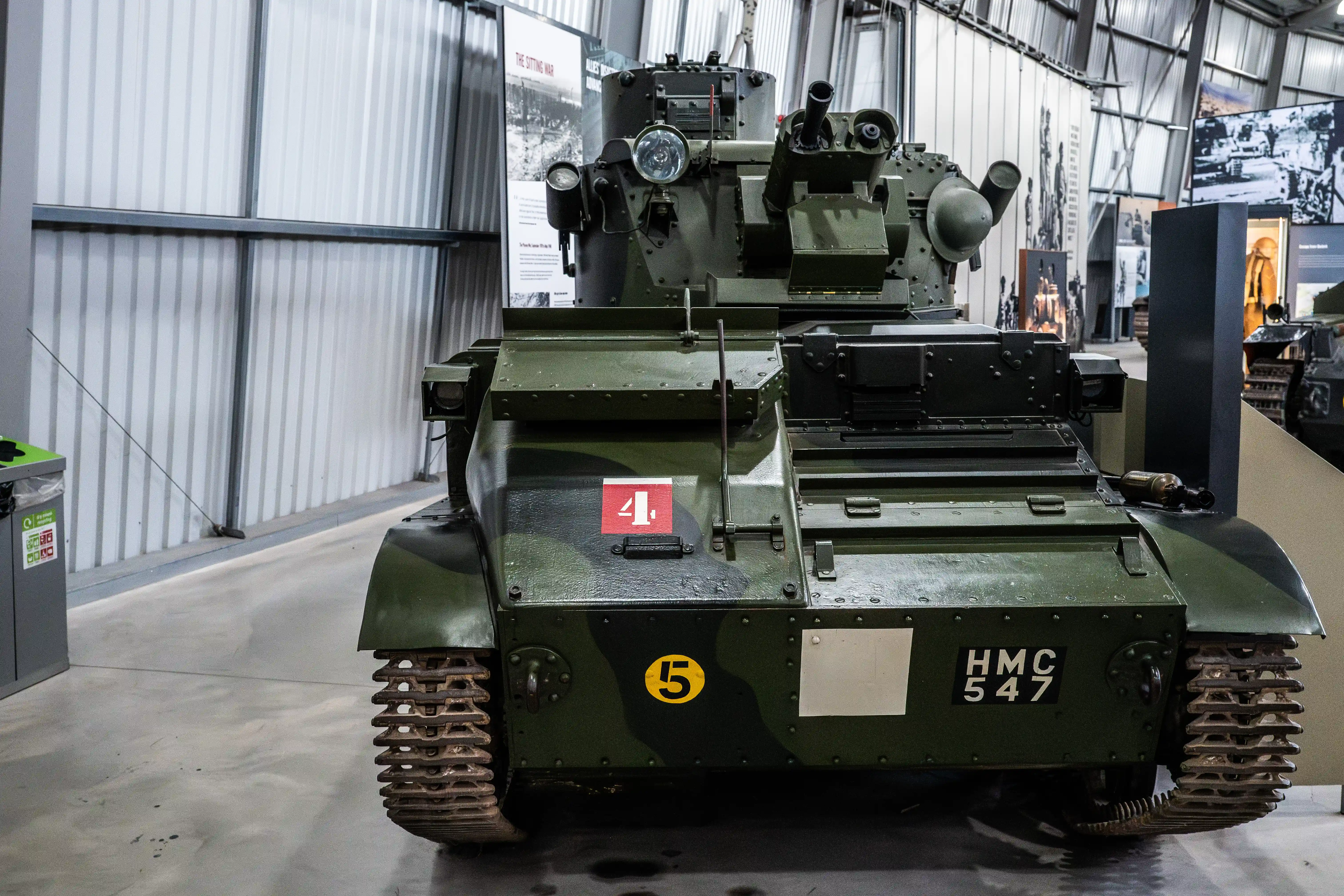
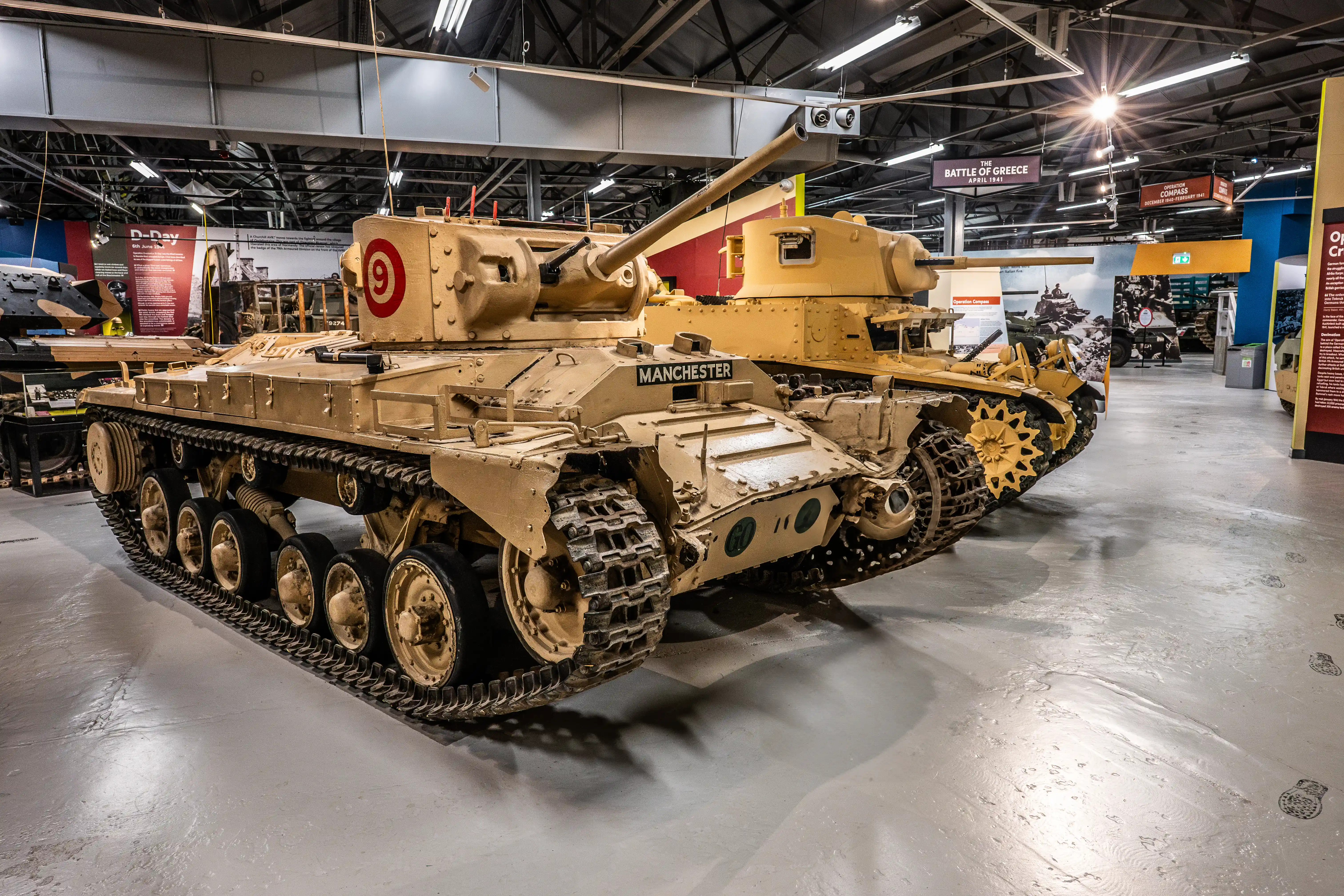
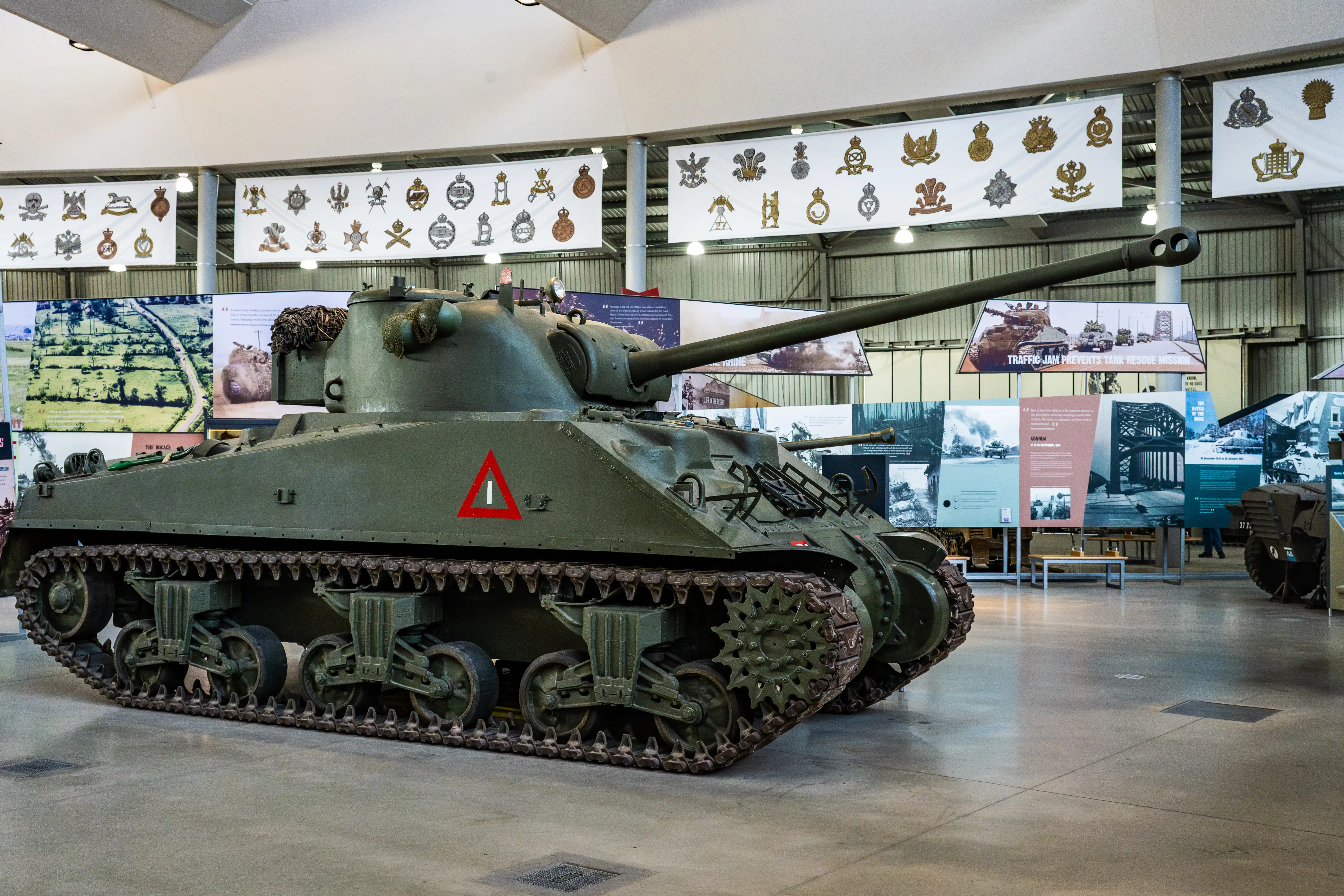
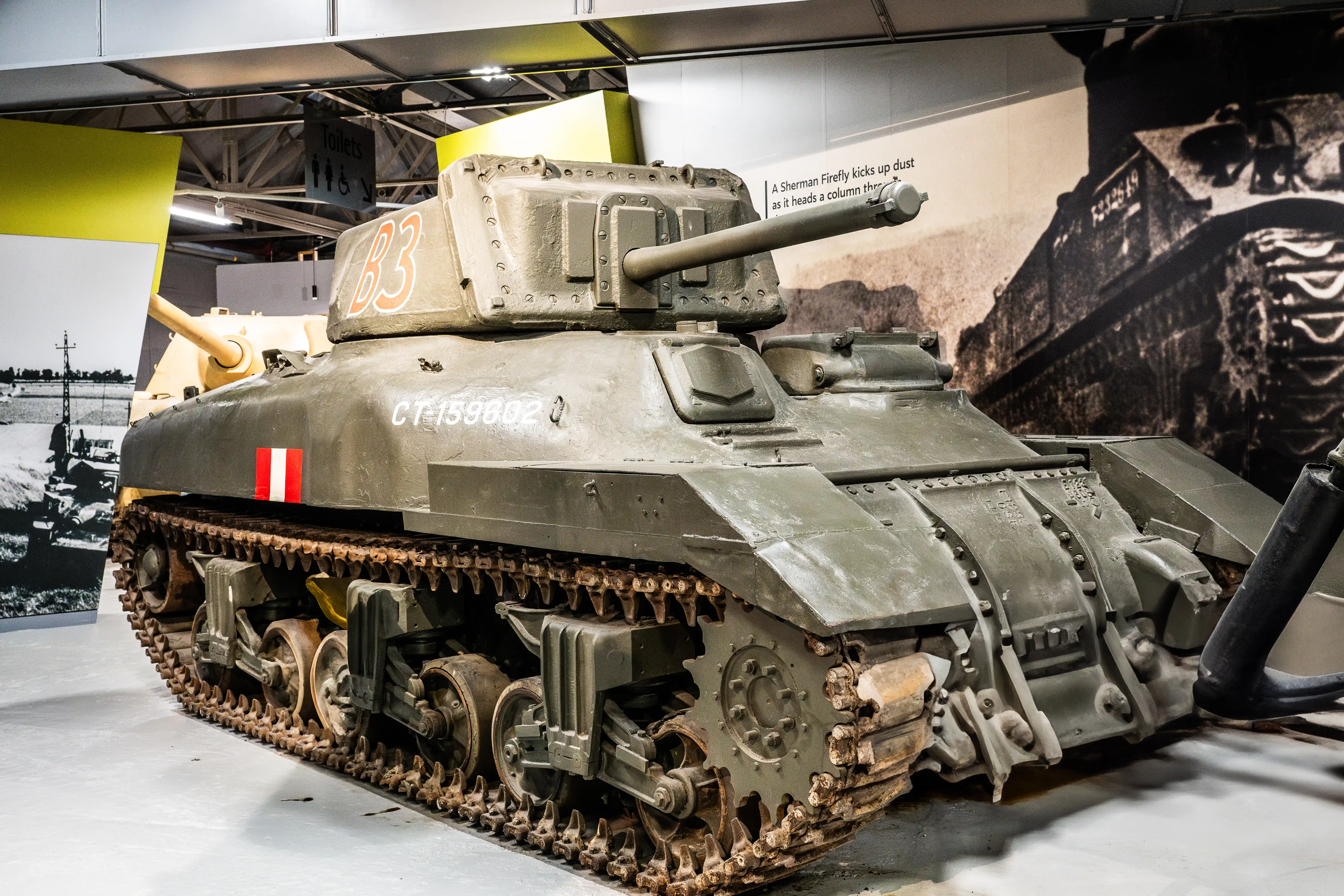
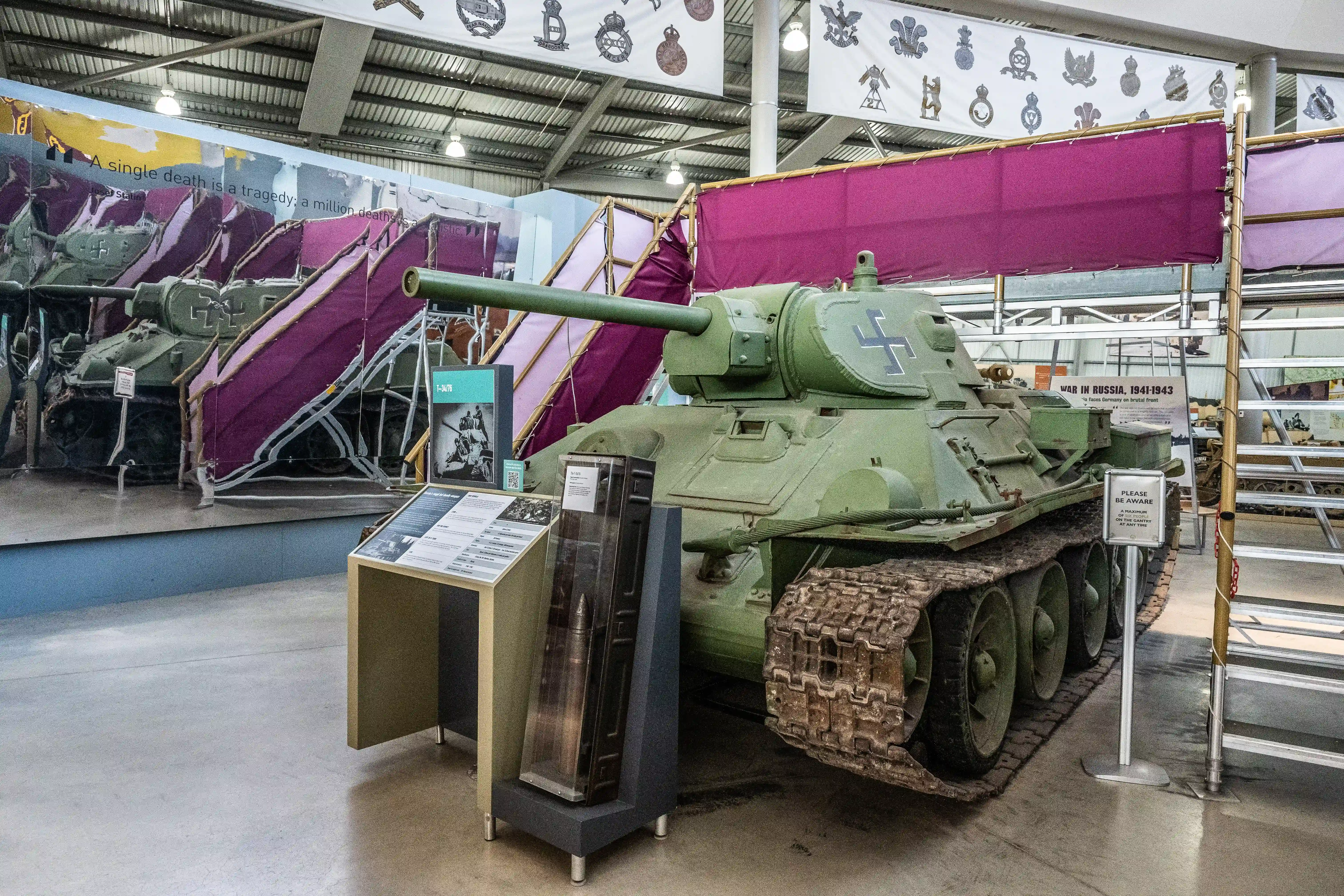
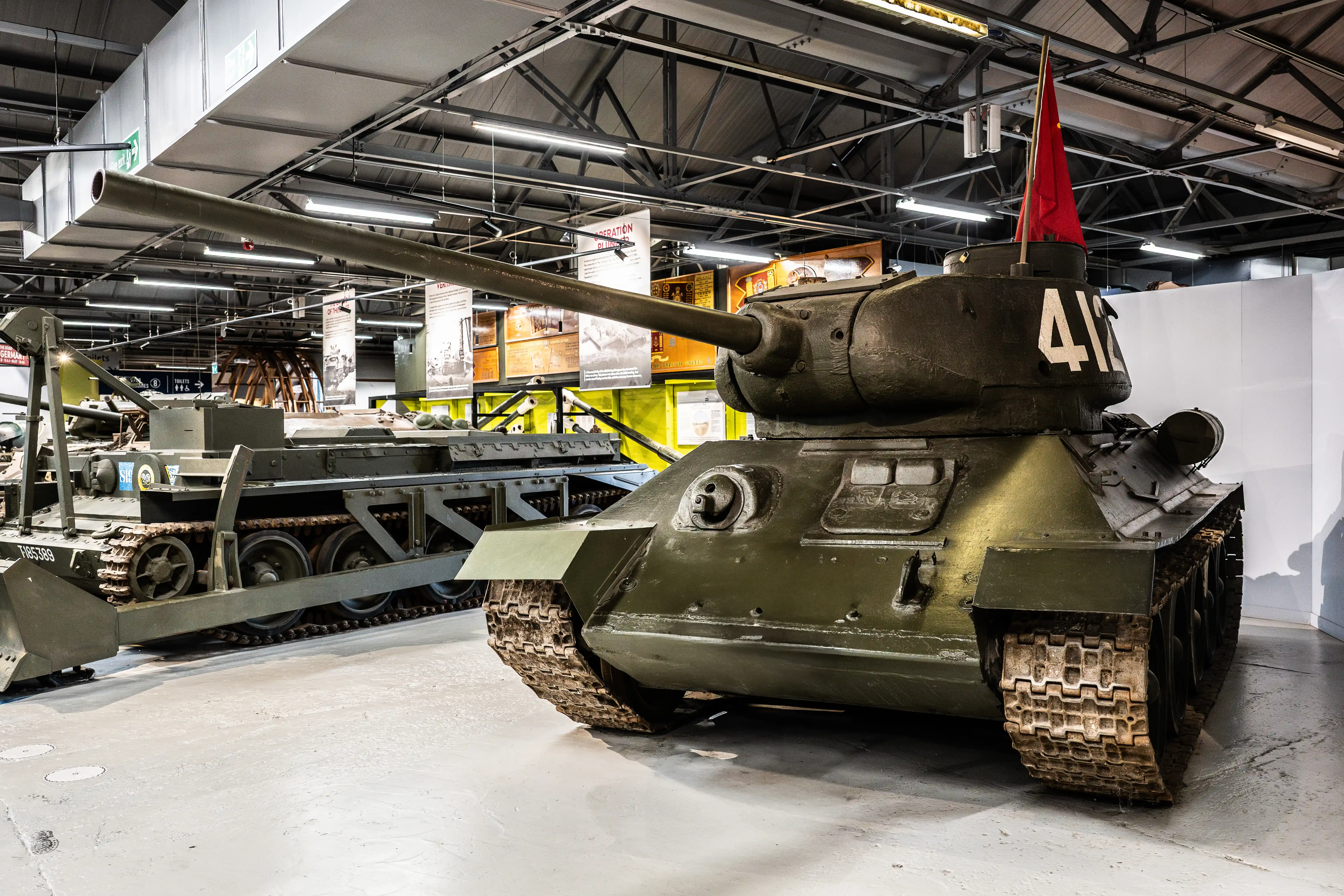
The Tank Museum in Bovington, Dorset, is home to the world’s finest collection of tanks and armoured fighting vehicles. Established in 1923, the museum showcases over 300 vehicles, including iconic tanks such as the Tiger 131, Challenger 2, and the first British tank, Little Willie. The museum offers interactive exhibits, live events like TANKFEST, and educational programs, making it a must-visit destination for military history enthusiasts and families alike.
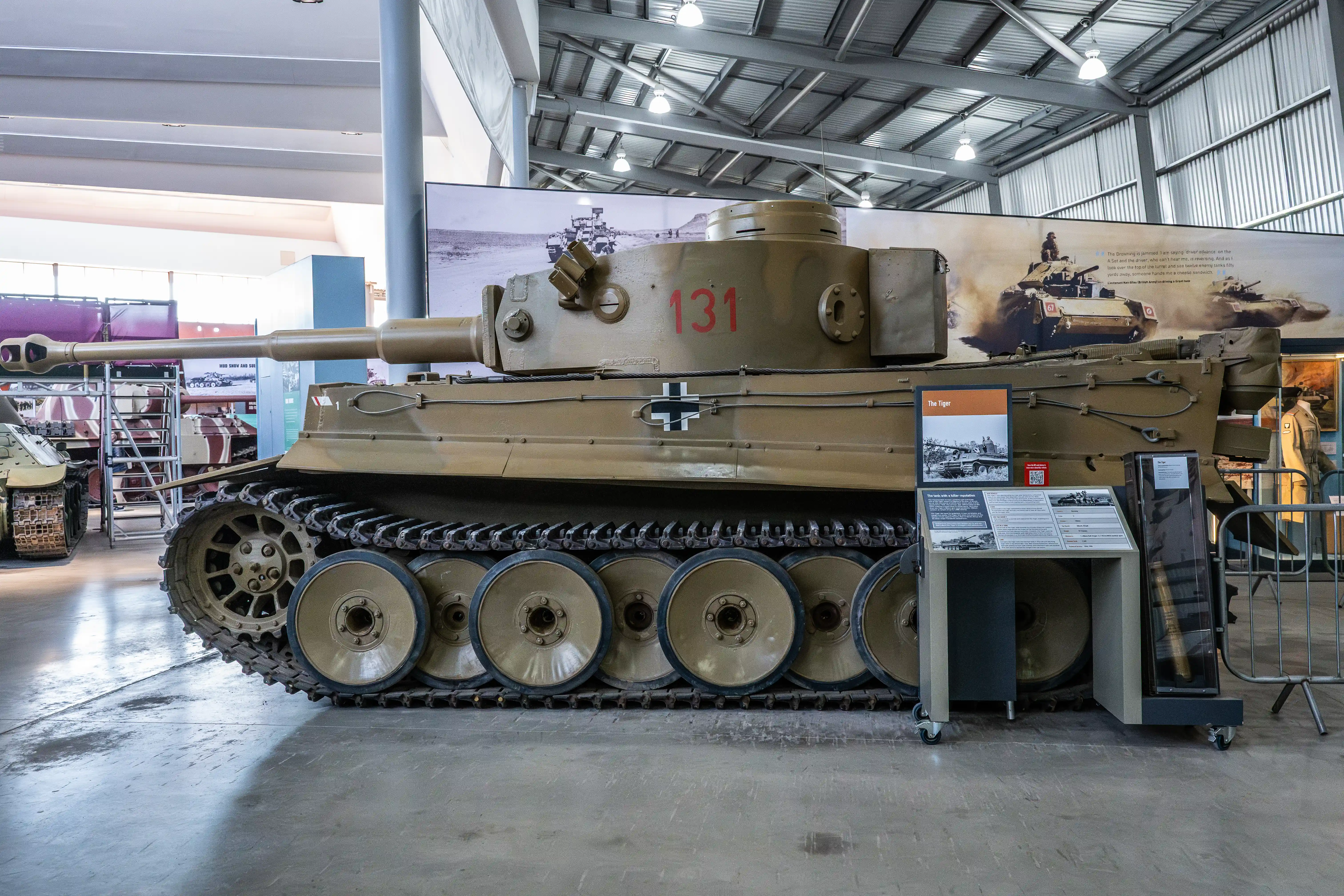
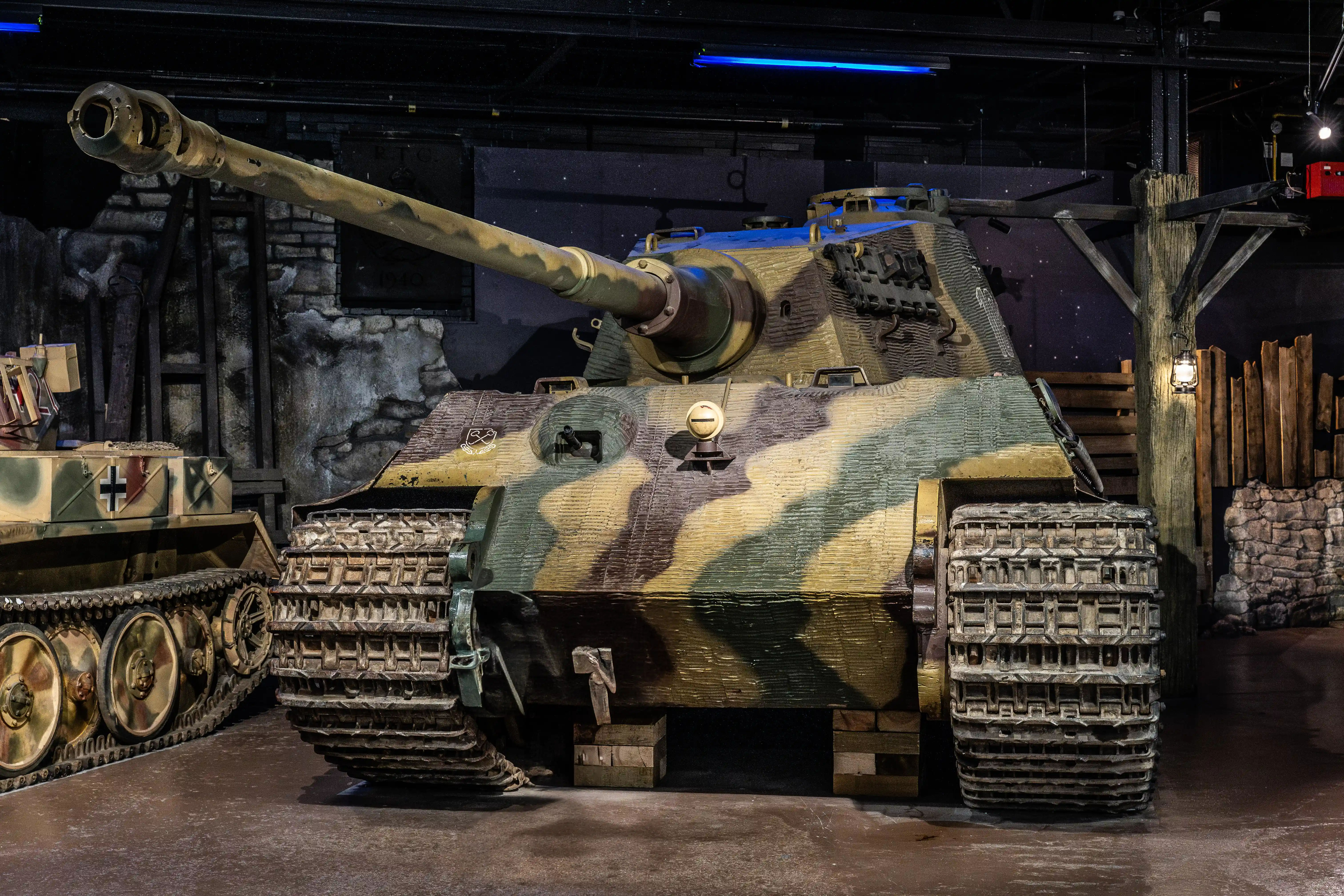
The Tiger I (Panzerkampfwagen VI Ausf. E) was Nazi Germany’s most iconic heavy tank of the Second World War. Entering service in 1942, it combined thick armour, a devastating 8.8 cm KwK 36 gun, and a large, imposing silhouette. It fought on every major front from Leningrad to Tunisia and became a symbol of German armoured power.
The Tank Museum, Bovington: Where Iron Giants Tell Their Stories
The Tank Museum in Bovington, Dorset, is home to the world’s finest collection of tanks and armoured vehicles, spanning from World War I to modern marvels like the Challenger 2. The museum is renowned for its immersive exhibits, including the world’s only working Tiger 131 tank, live tank demonstrations, and family-friendly interactive displays. It is open daily, with most visitors spending 3–5 hours exploring the indoor and outdoor exhibits. Special events like TANKFEST, featuring arena displays and historical re-enactments, are highlights of the museum’s calendar
The Birthplace of the Tank
Perched on the windswept Dorset heathland, the Tank Museum at Bovington is more than a collection of armored beasts—it is the spiritual home of the tank itself. It was here, in 1916, that the British Army first mustered its tank regiments, training crews in the art of mechanized warfare before sending these clanking titans into the mud and blood of the Western Front. The museum’s origins lie in the aftermath of the Great War, when the poet and storyteller Rudyard Kipling visited Bovington and, moved by the sight of battle-scarred tanks rusting in the fields, urged that they be preserved as a memorial to the men who fought and died in them. His vision gave birth to a museum that now houses the world’s finest collection of armored vehicles, a living chronicle of warfare’s evolution from the trenches to the digital age.
A Parade of Steel and Sacrifice
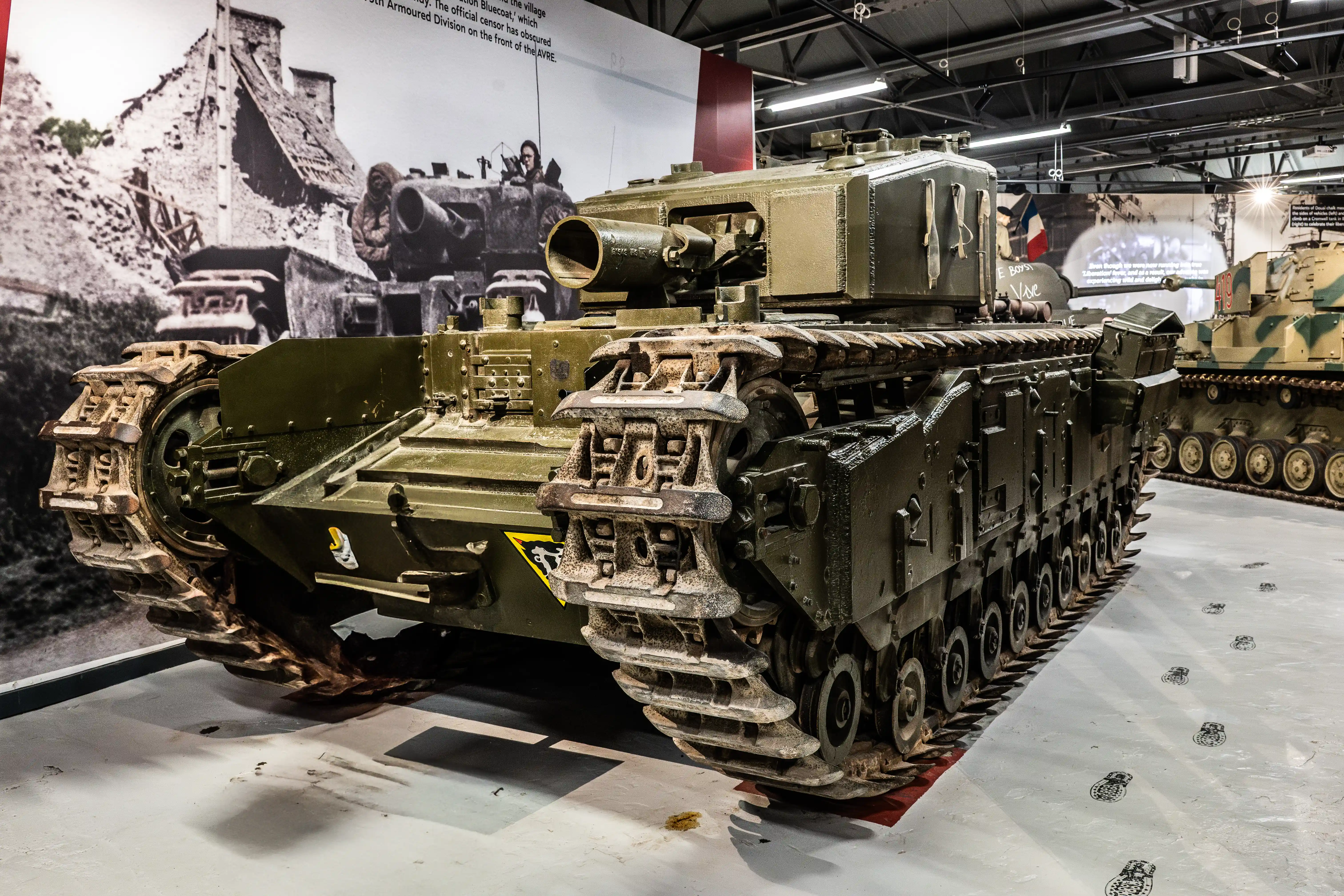
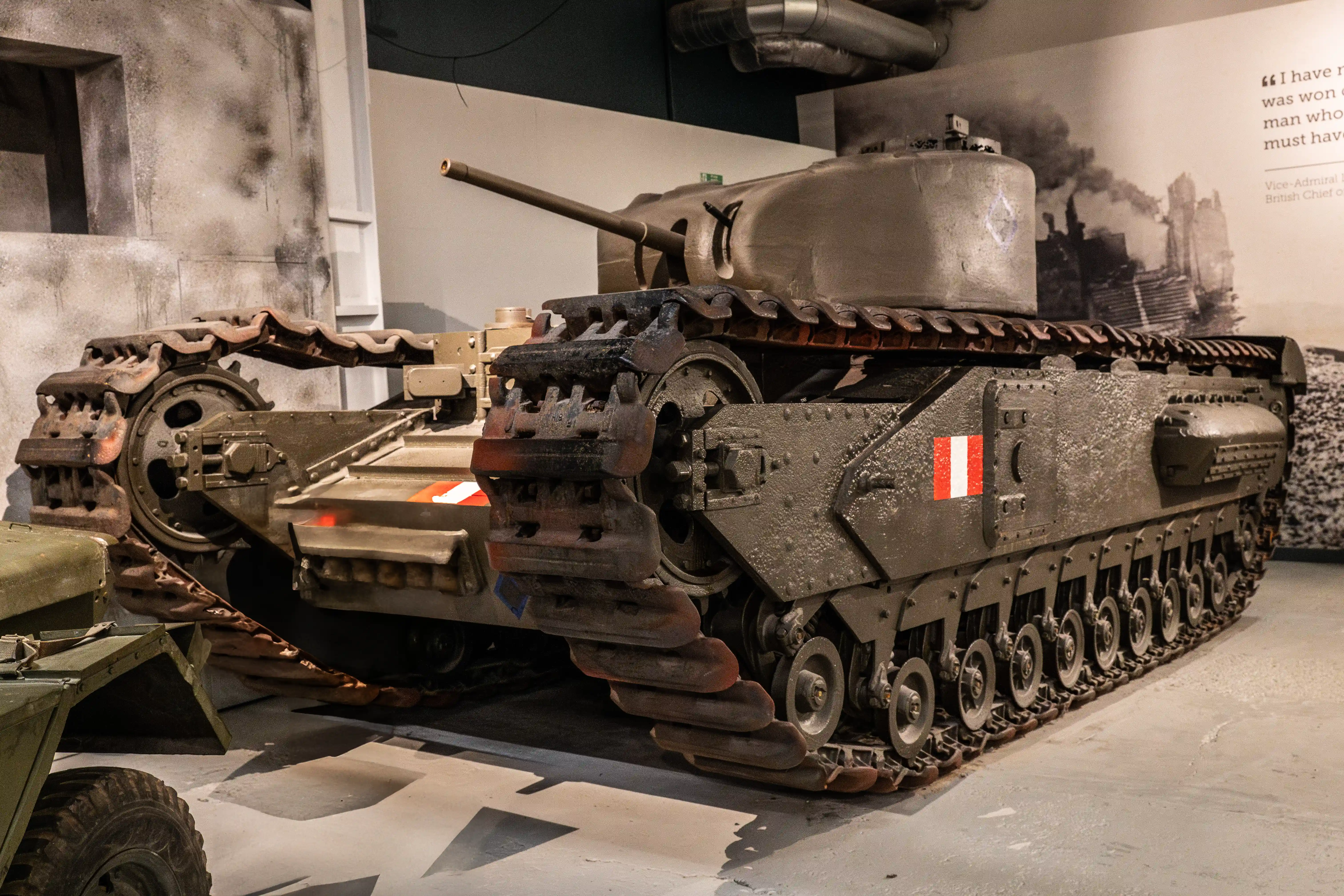
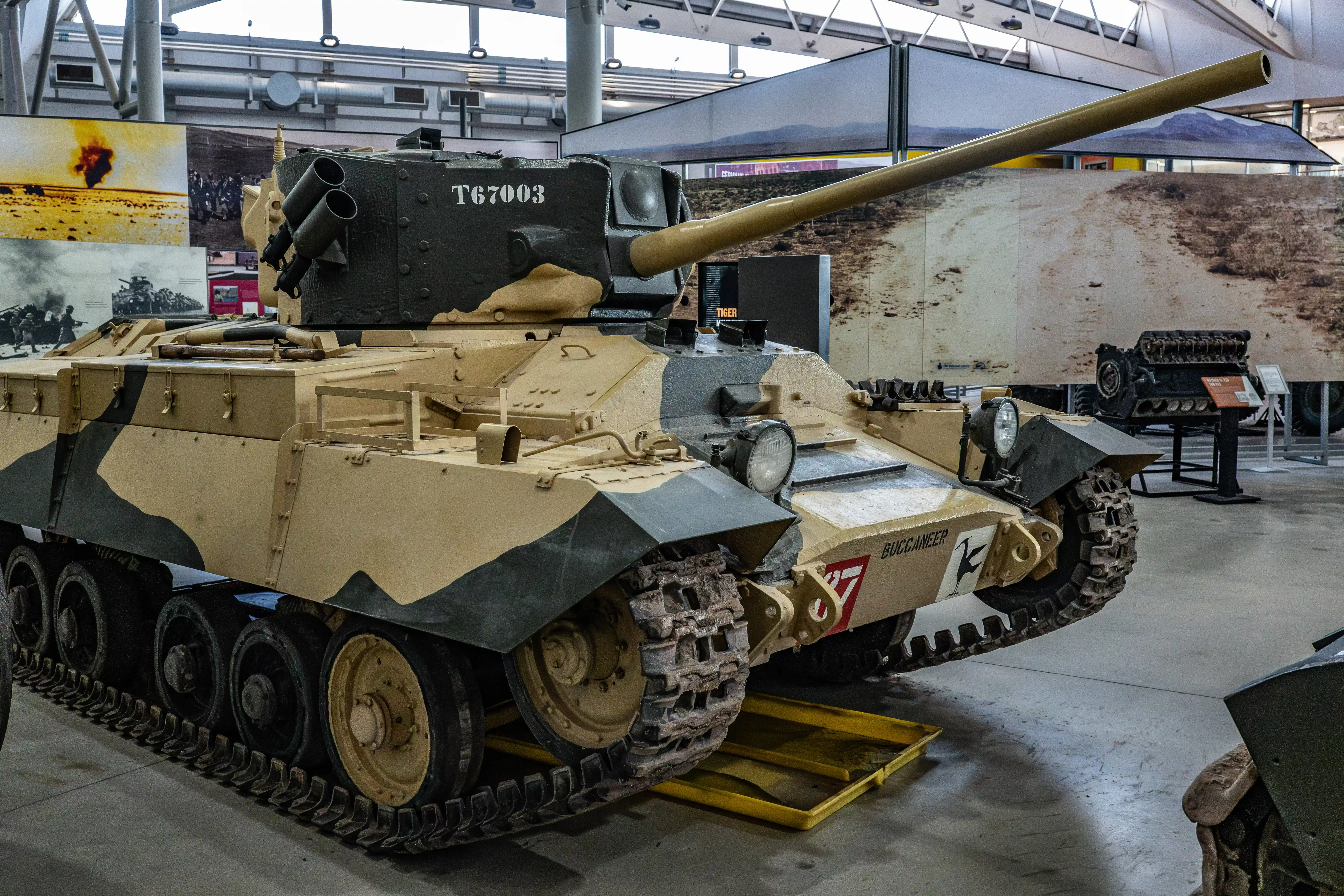
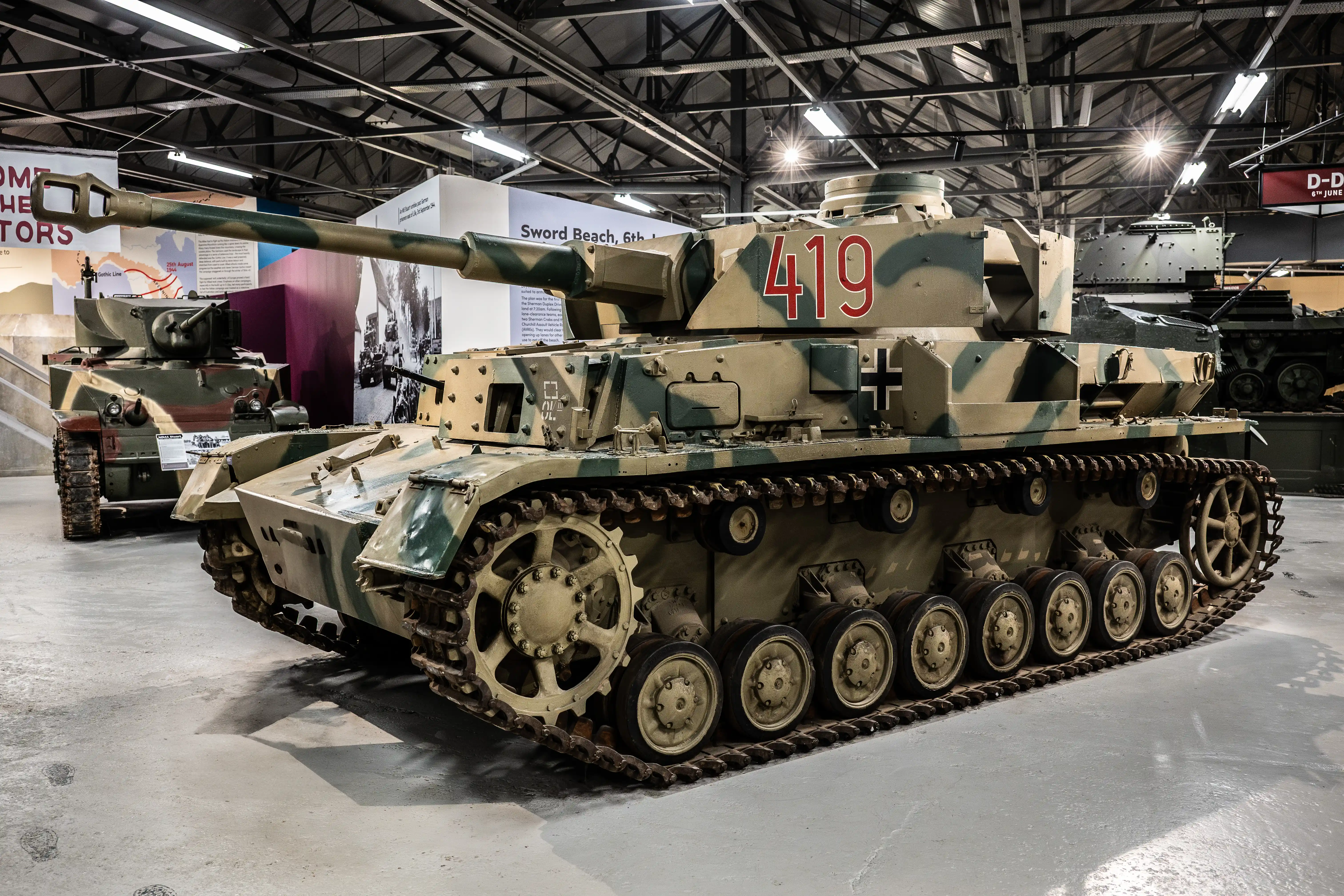
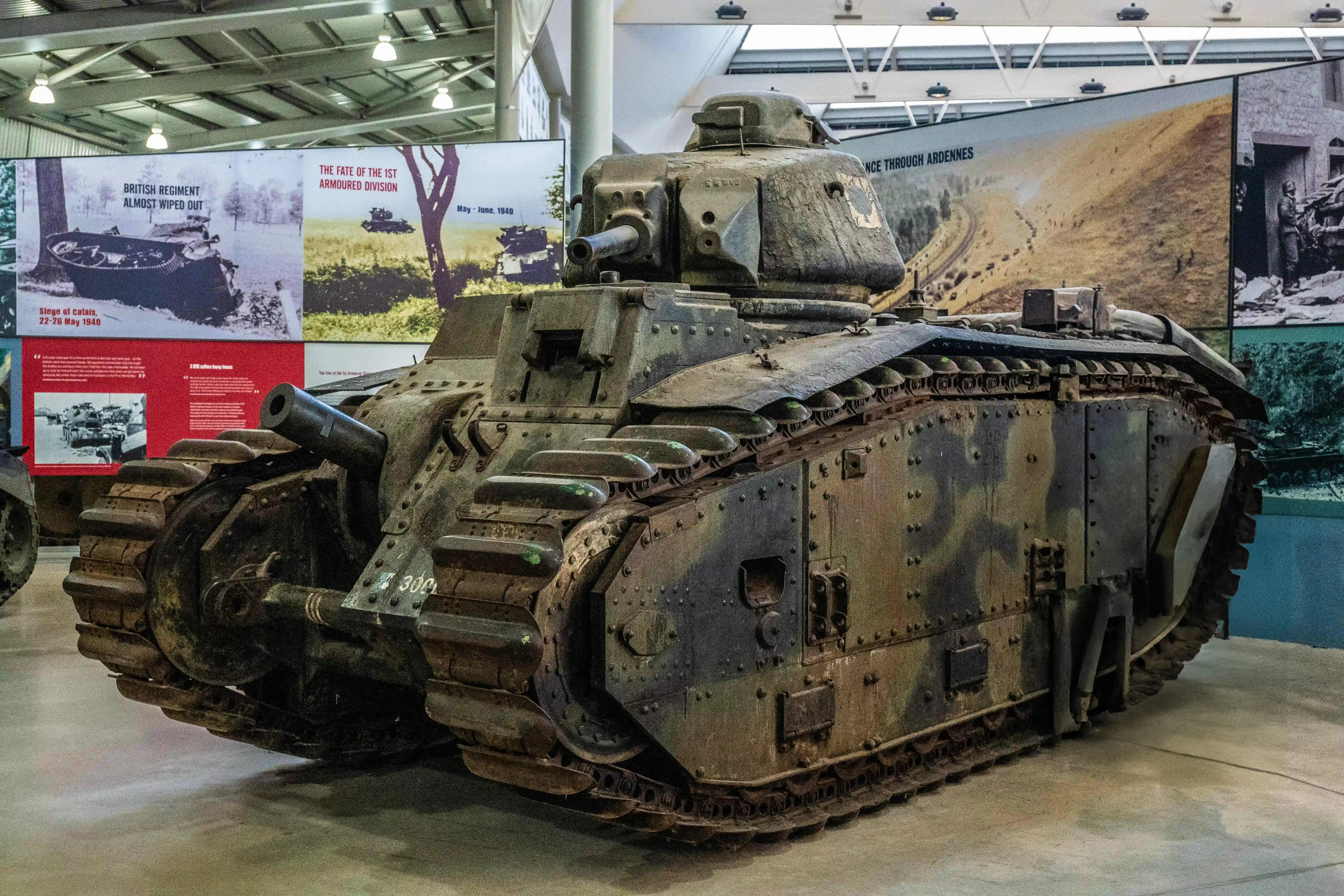
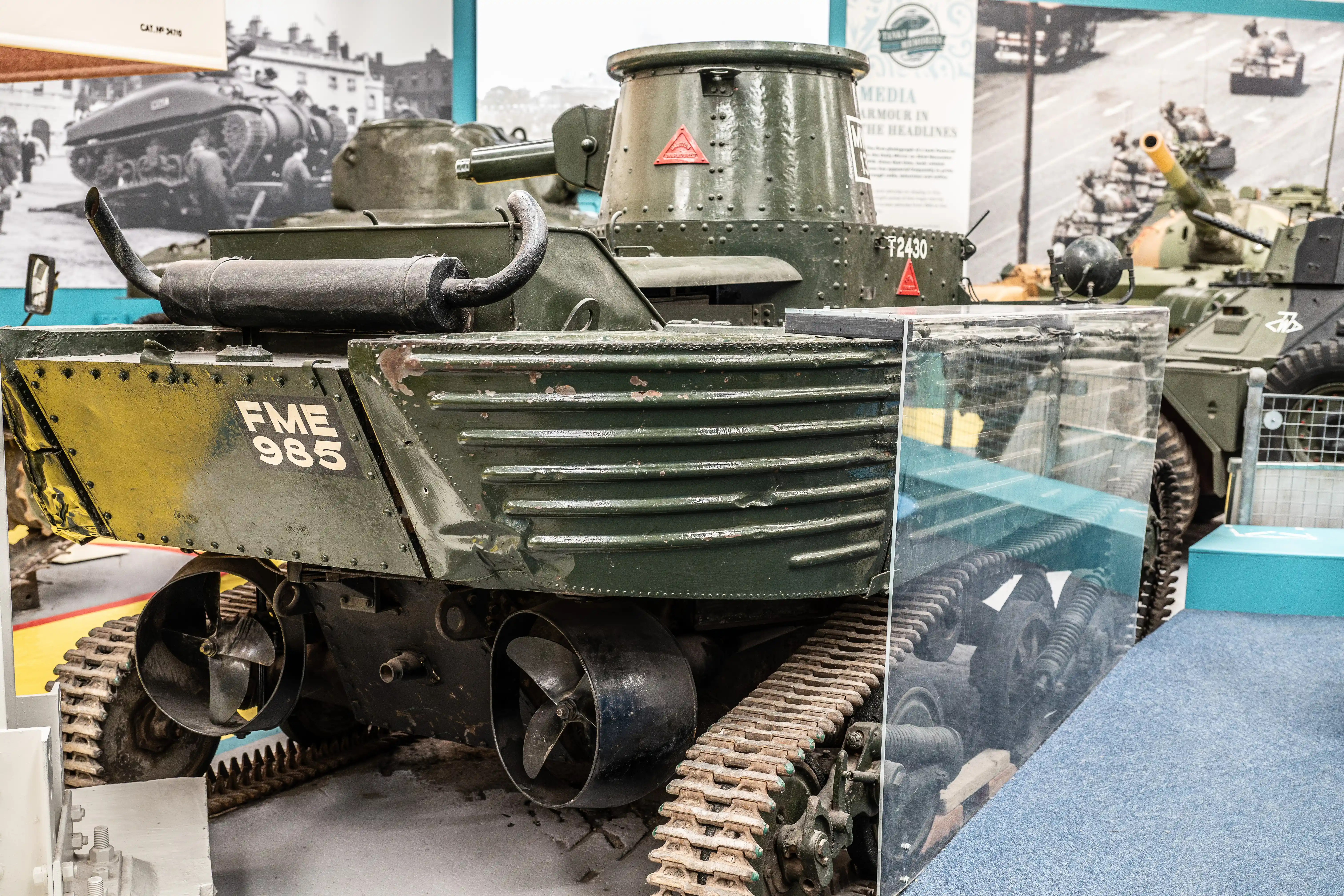
Within the museum’s halls, the story of the tank unfolds in steel and fire. Here stand the pioneers: “Little Willie,” the first British prototype, its riveted hull a testament to the desperate ingenuity of 1915", "the Whippet, sleek and swift, designed to exploit breakthroughs in the enemy lines", "and the mighty Tiger 131, the only operational Tiger I tank in the world, its restored engine growling with the same menace it once brought to the battlefields of North Africa. Each vehicle carries its own tale—of crews who endured the infernal noise and heat of battle, of designers who pushed the boundaries of technology, and of battles that turned the tide of history. The museum’s exhibits are not just static relics", "many are lovingly restored to running condition, their tracks rumbling to life during dramatic “Tanks in Action” displays, a thunderous reminder of their fearsome past.
From the Somme to the Modern Age
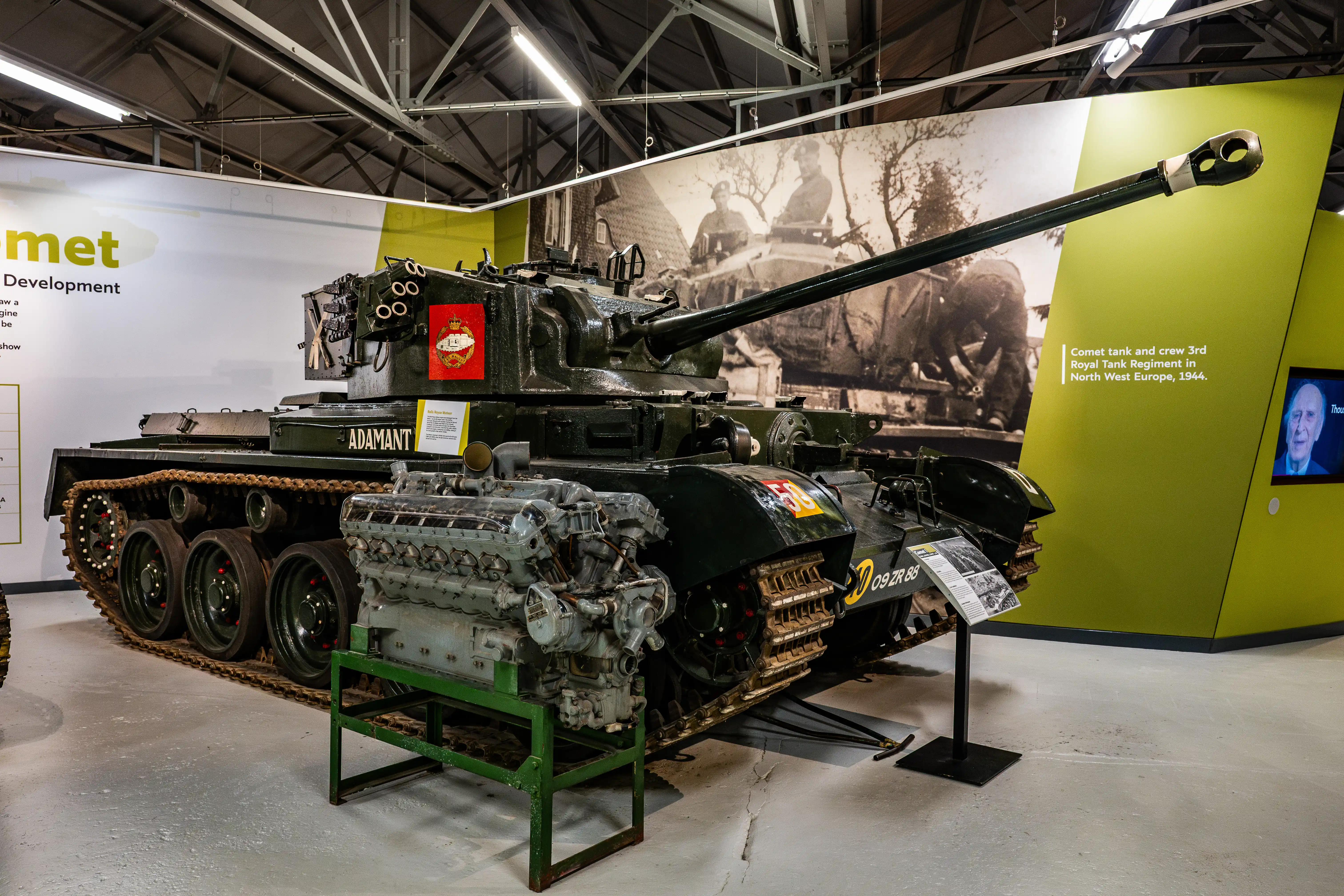
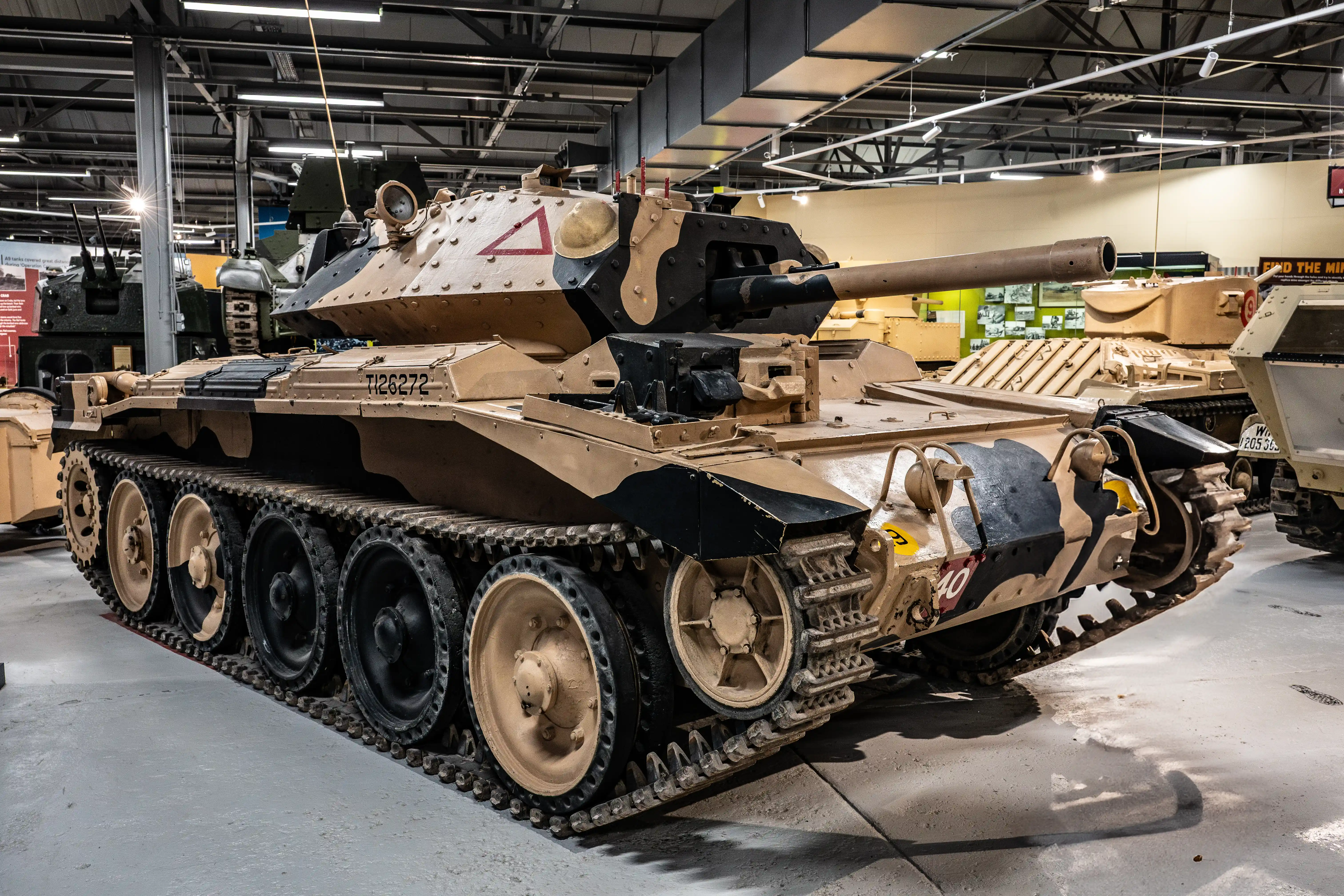
The Tank Museum’s collection spans a century of armored warfare, from the crude, lumbering machines of 1916 to the sophisticated killing machines of the 21st century. Here, the visitor can trace the evolution of the tank—from the Mark I’s first faltering advance at the Somme to the Challenger 2’s precision strikes in the deserts of Iraq. The museum does more than display hardware", "it tells the human stories behind the metal. Exhibits like “War Stories” bring to life the experiences of the Royal Armoured Corps, while interactive displays and immersive dioramas place visitors in the heart of the action, from the mud of Passchendaele to the sands of the Gulf. It is a place where history is not just observed, but felt
A Living Memorial
Bovington is more than a museum", "it is a shrine to the men and women who served in armored units, a place where their courage and sacrifice are honored. The tanks here are not merely machines—they are monuments to the crews who lived, fought, and often died within their steel hulls. The museum’s mission is to educate and inspire, to ensure that the lessons of the past are not forgotten, and that the stories of those who shaped the history of armored warfare endure. For anyone who has ever been captivated by the romance of military history or the raw power of these mechanical giants, a visit to Bovington is a pilgrimage—a chance to stand in the presence of legends


,_20250402_DSC_1252.webp)
,_20250402_DSC_1258.webp)







 Share this page

