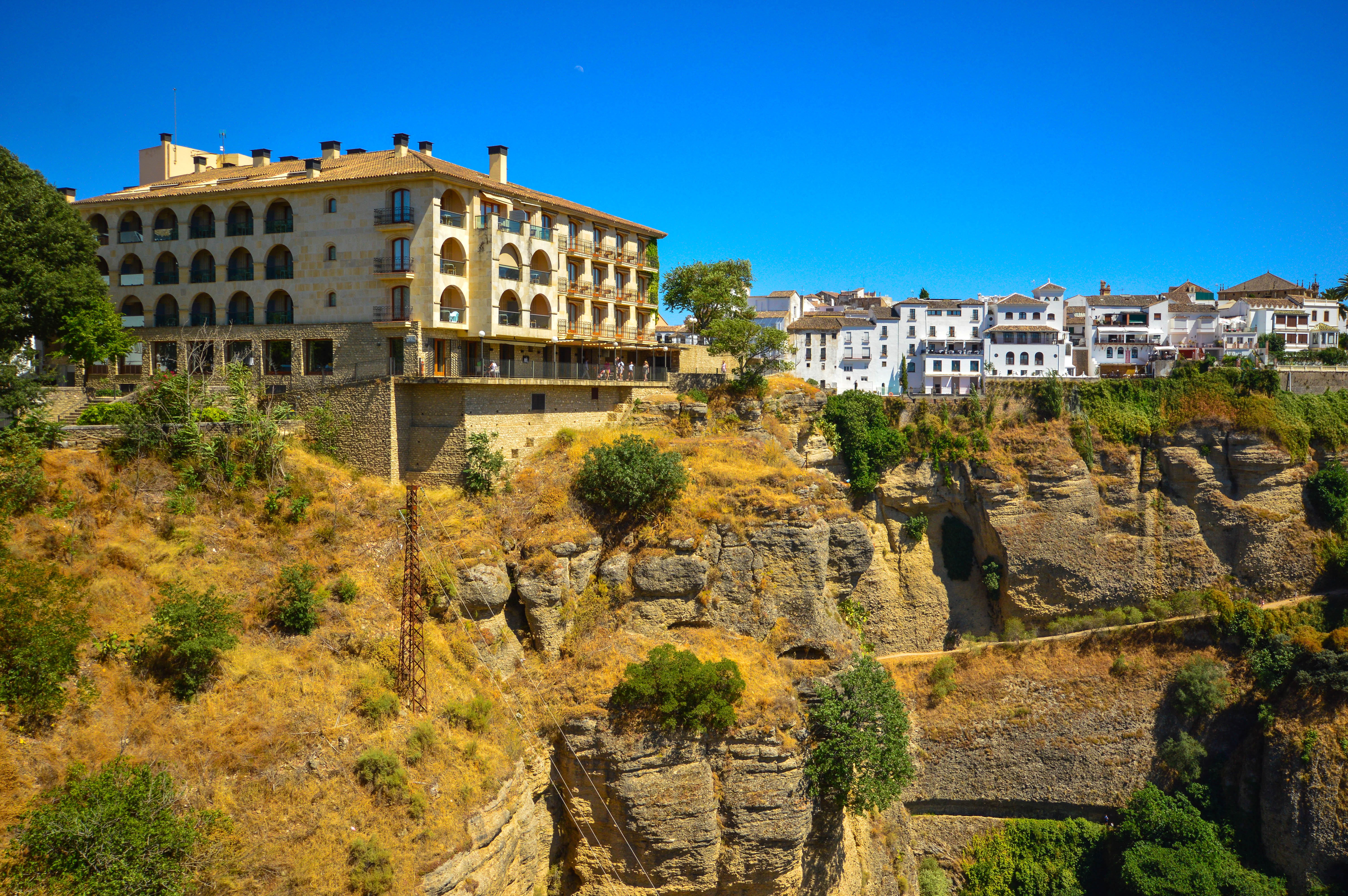
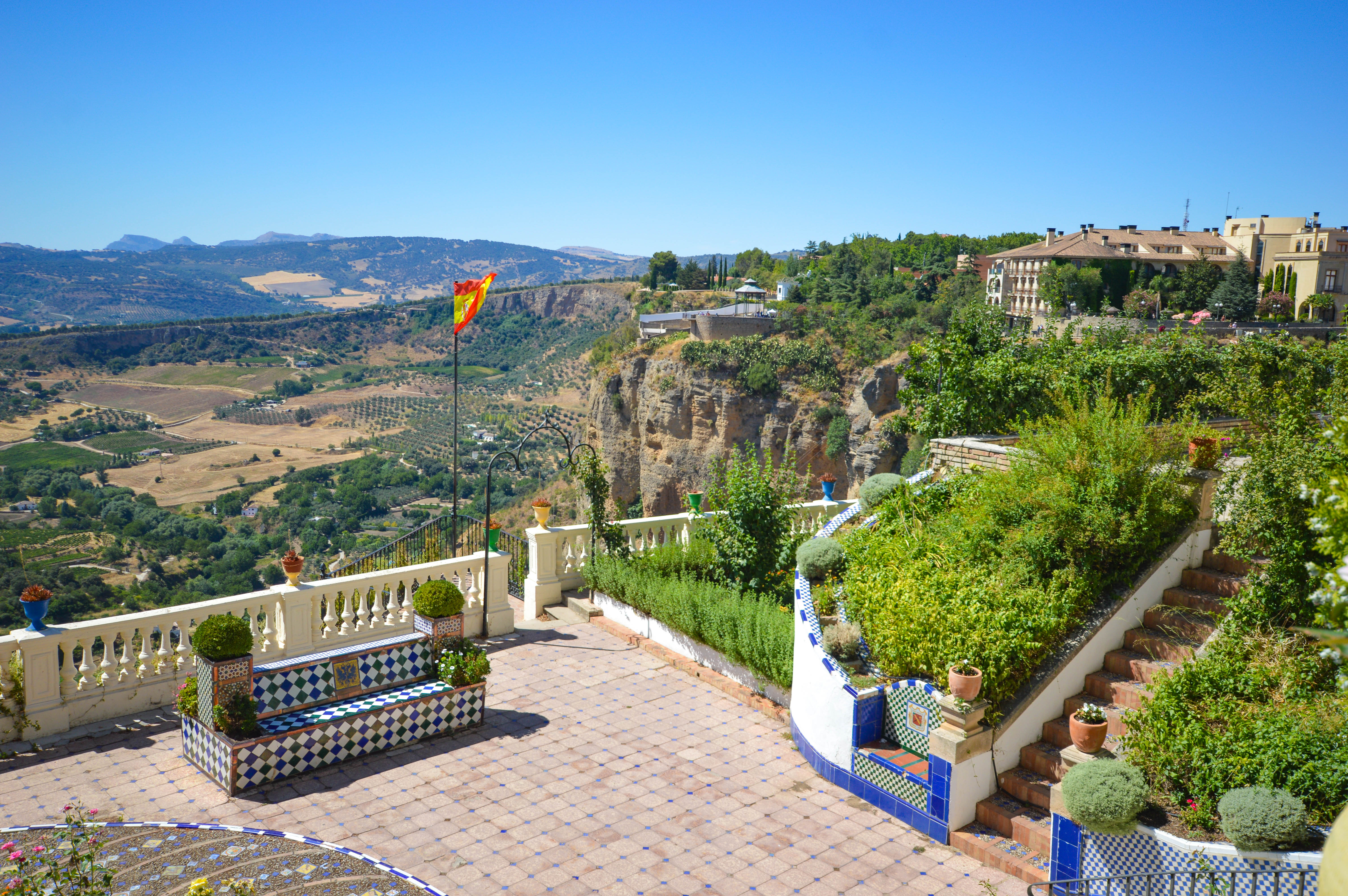
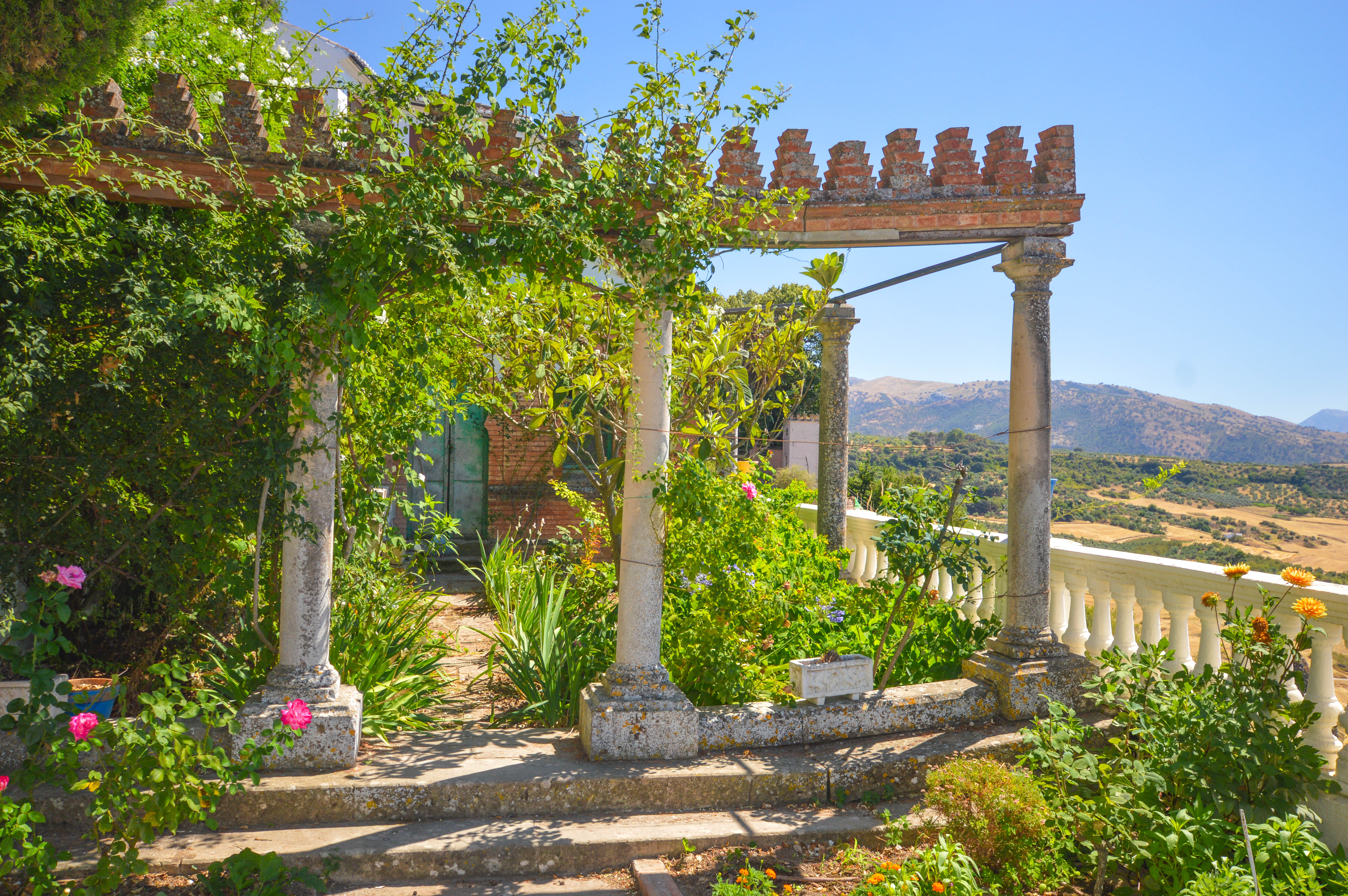
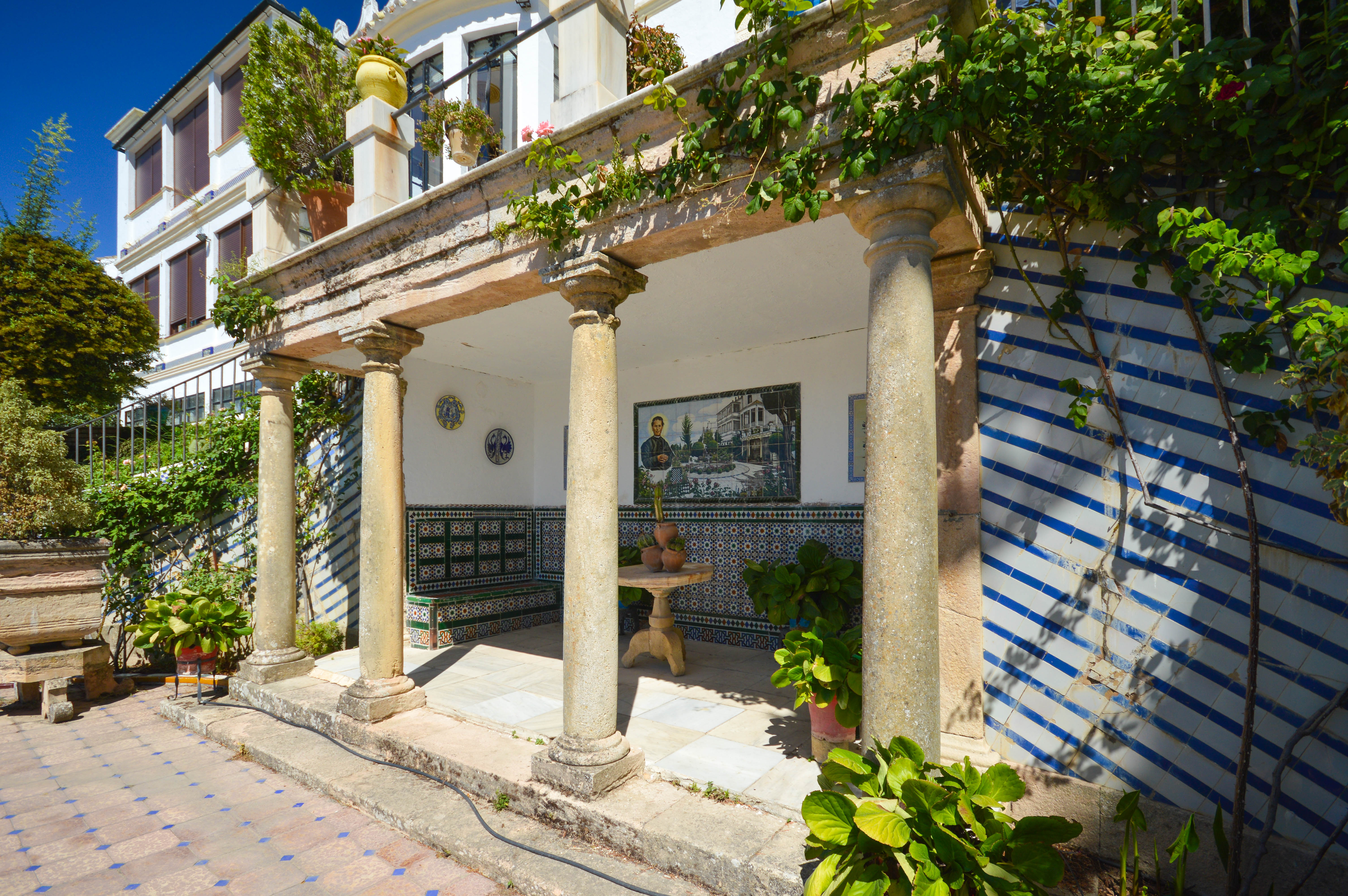
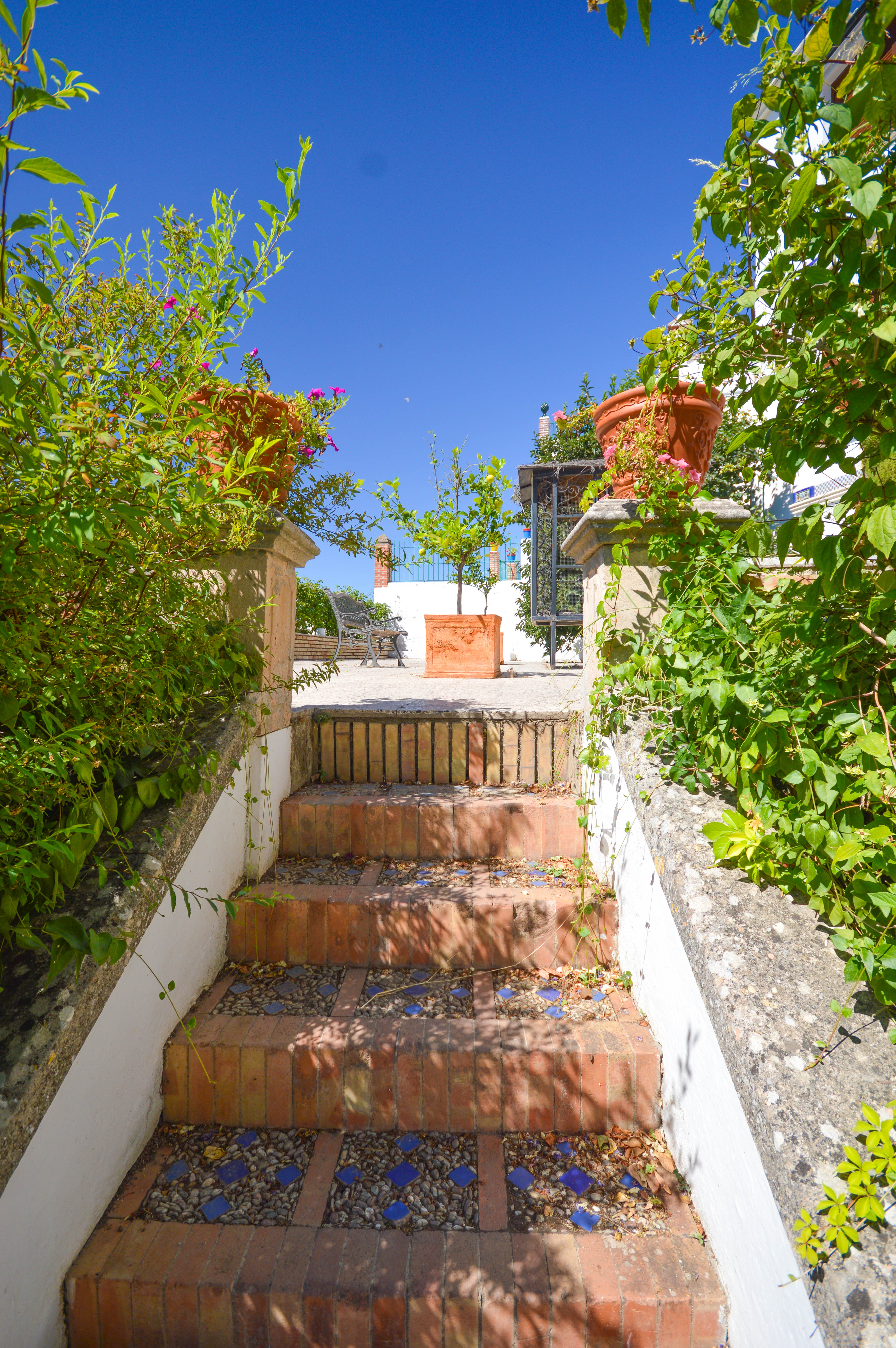
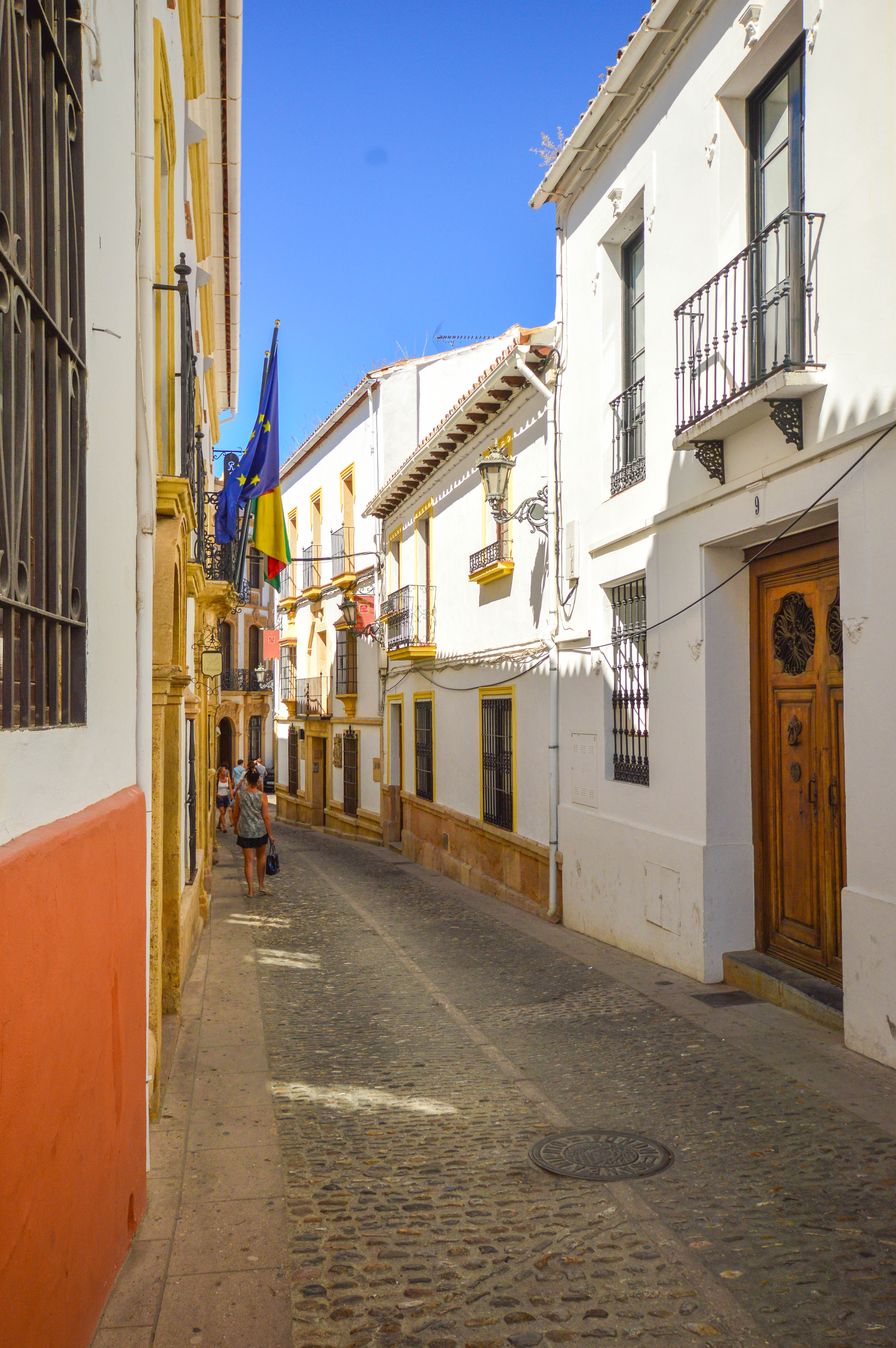
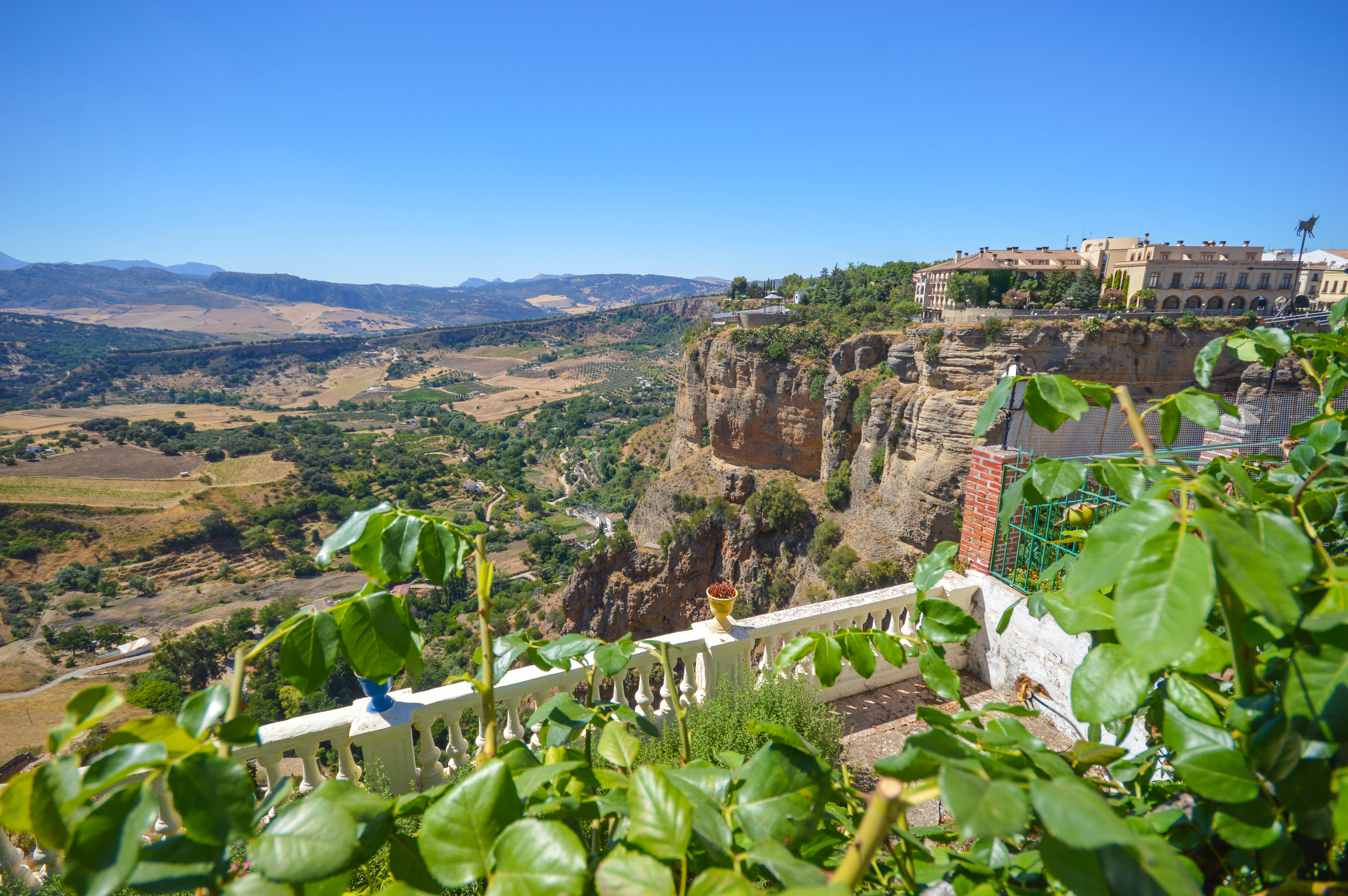
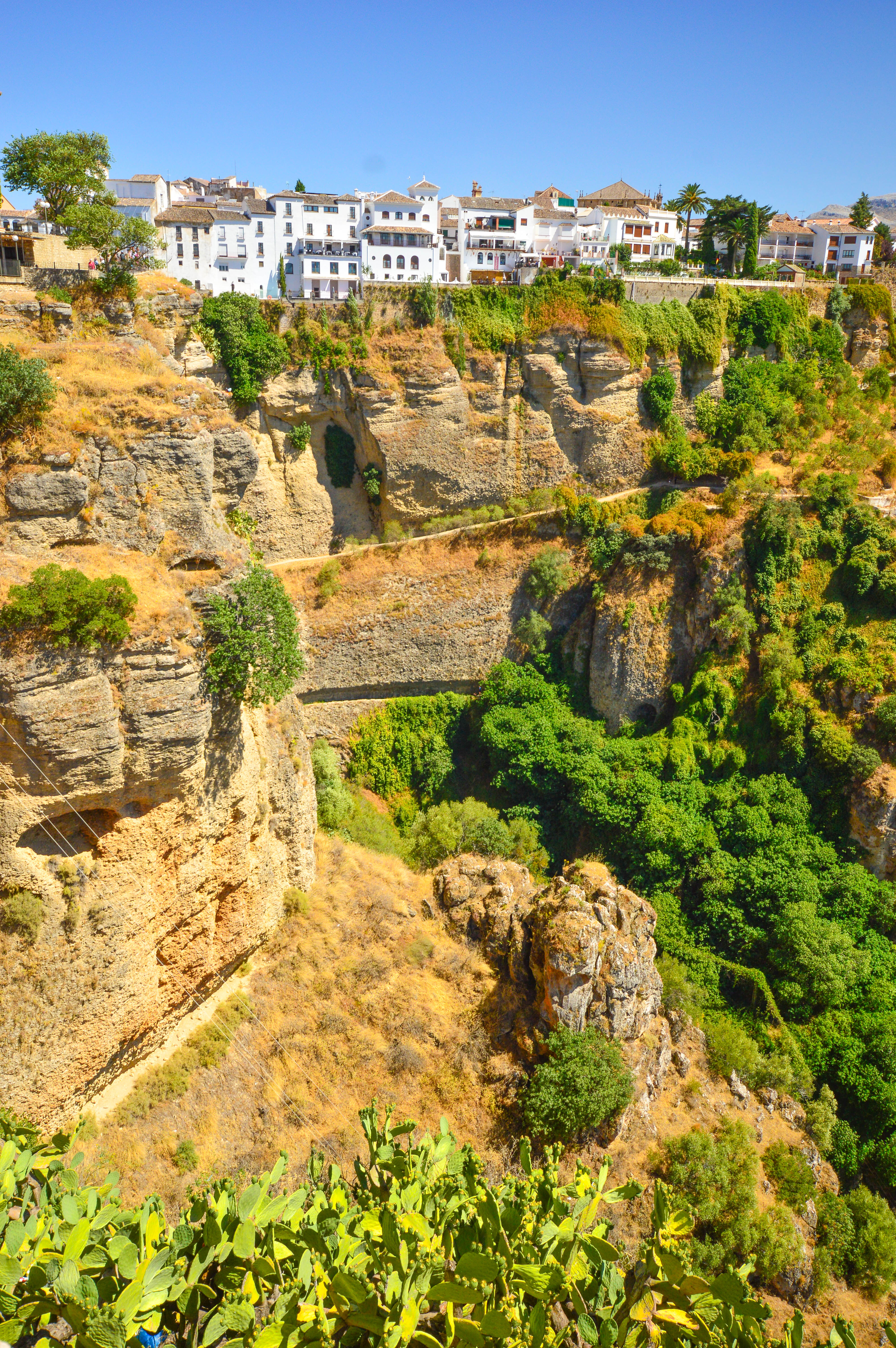
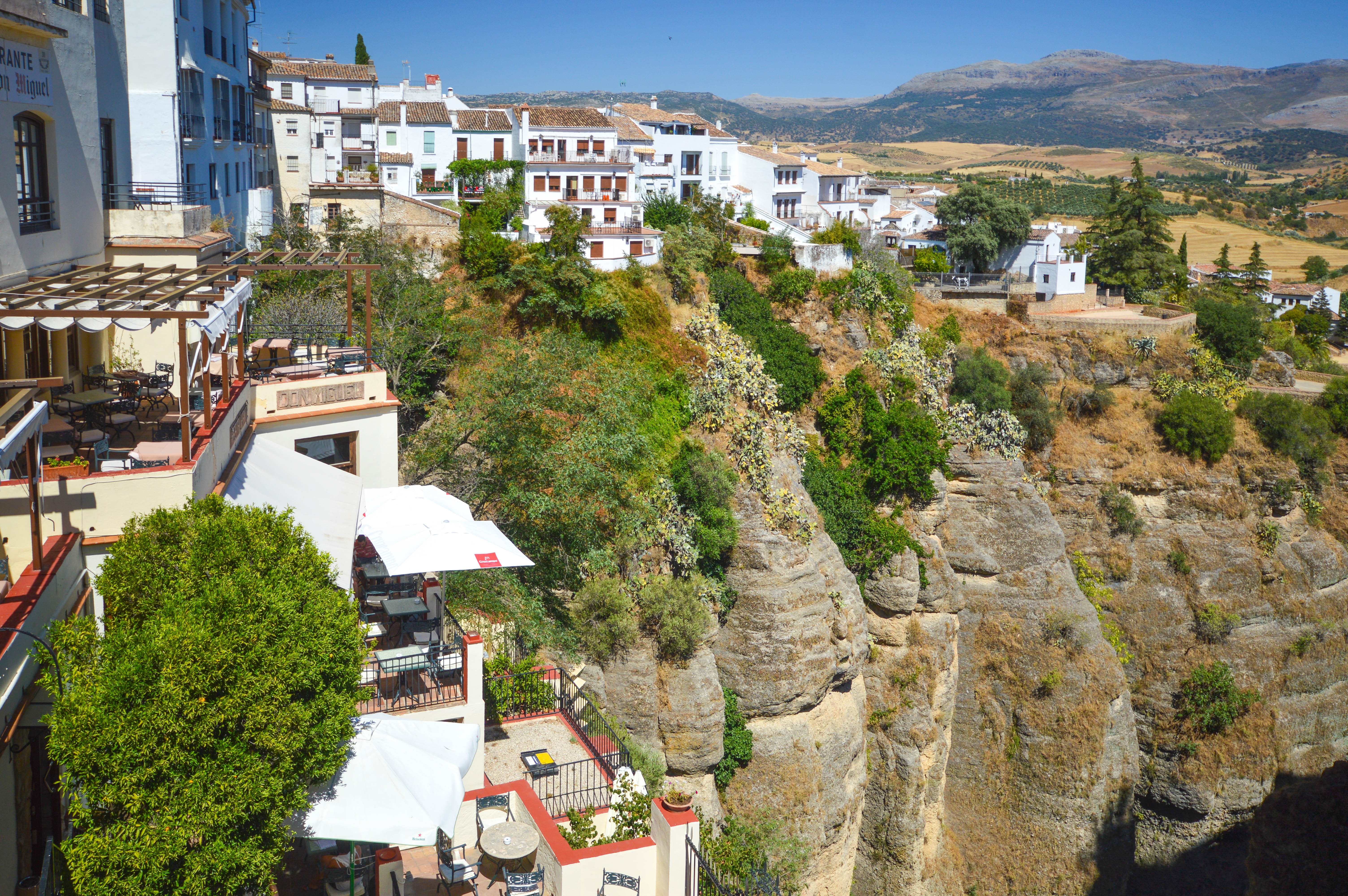
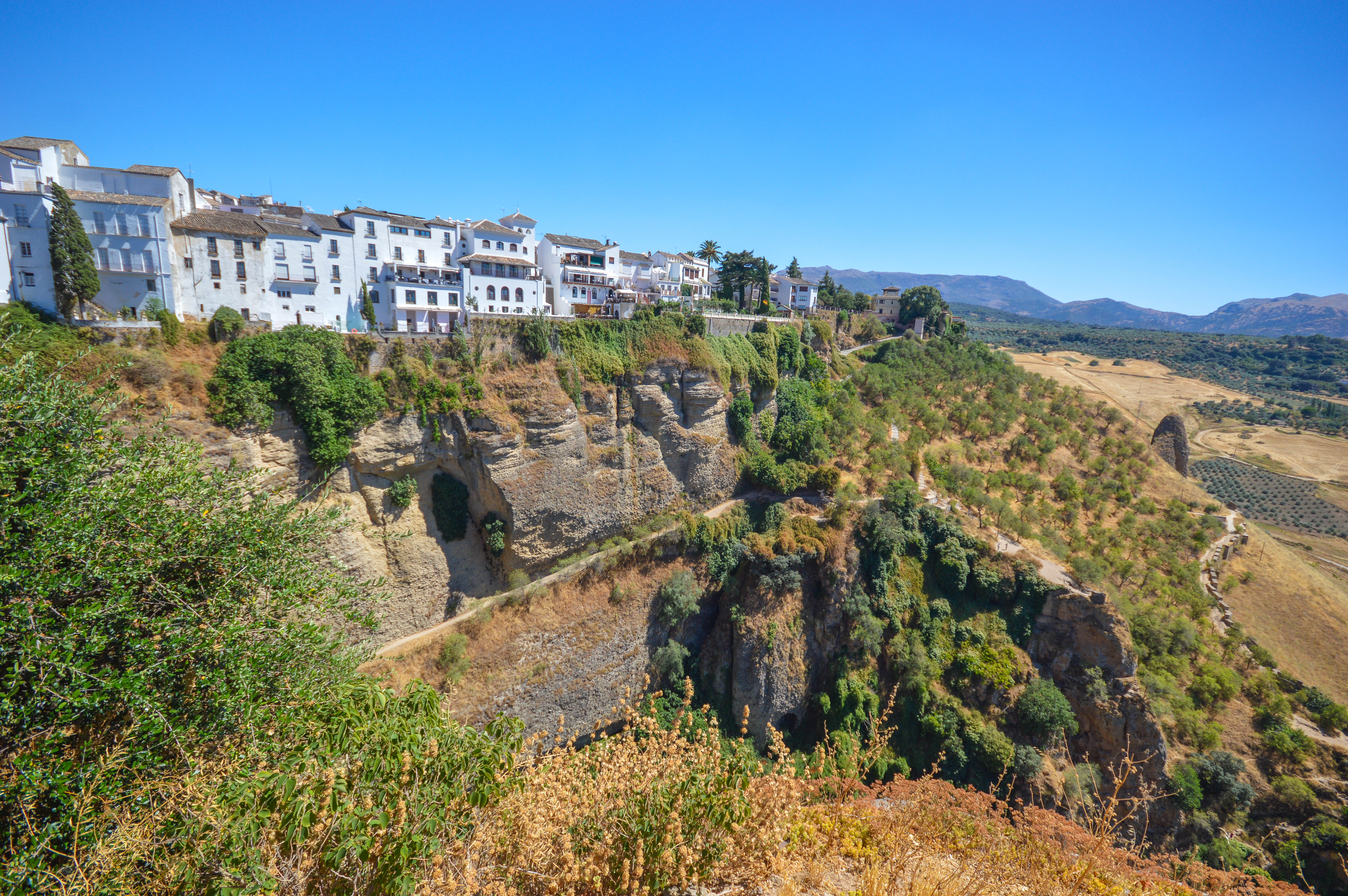




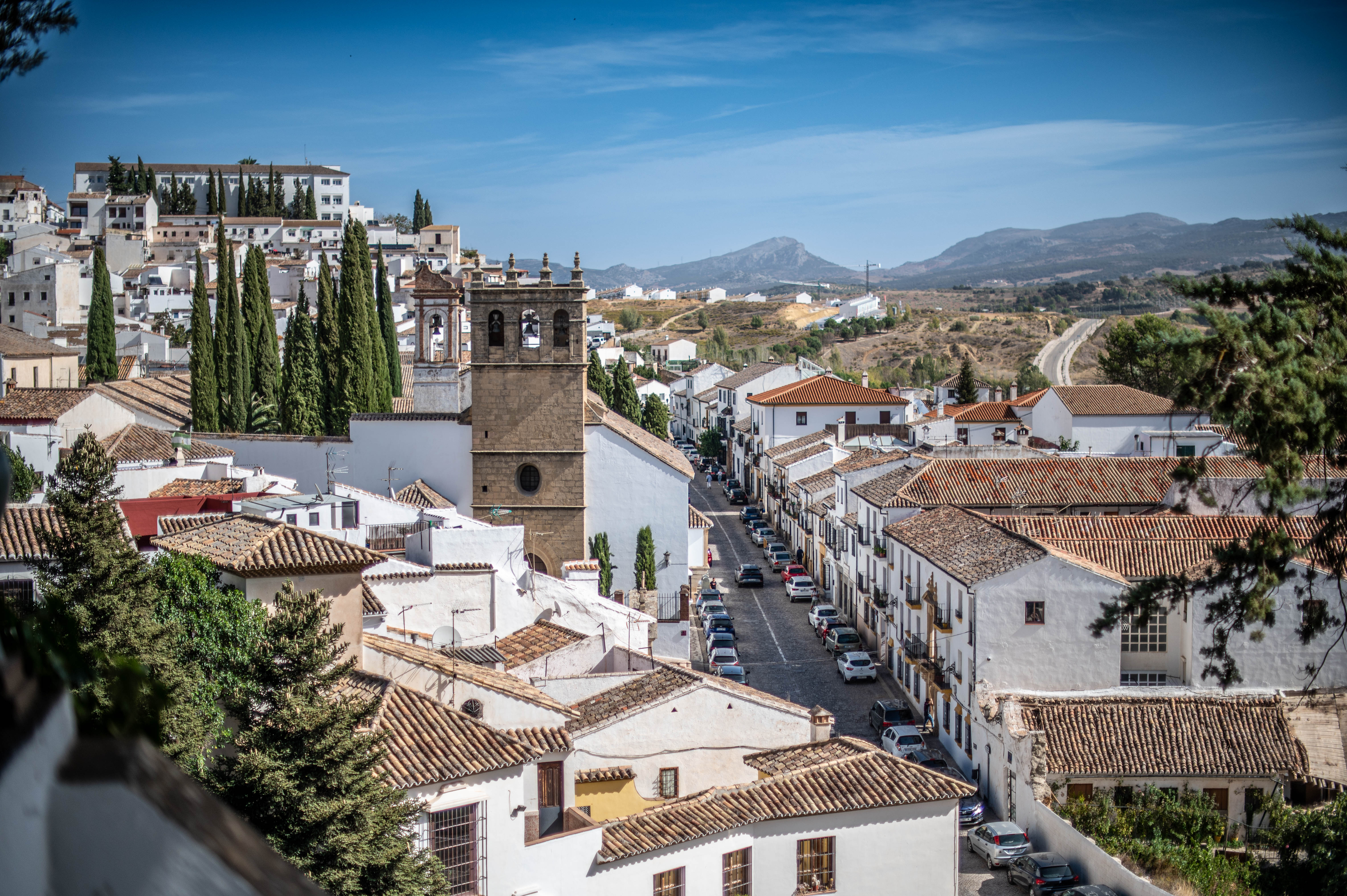
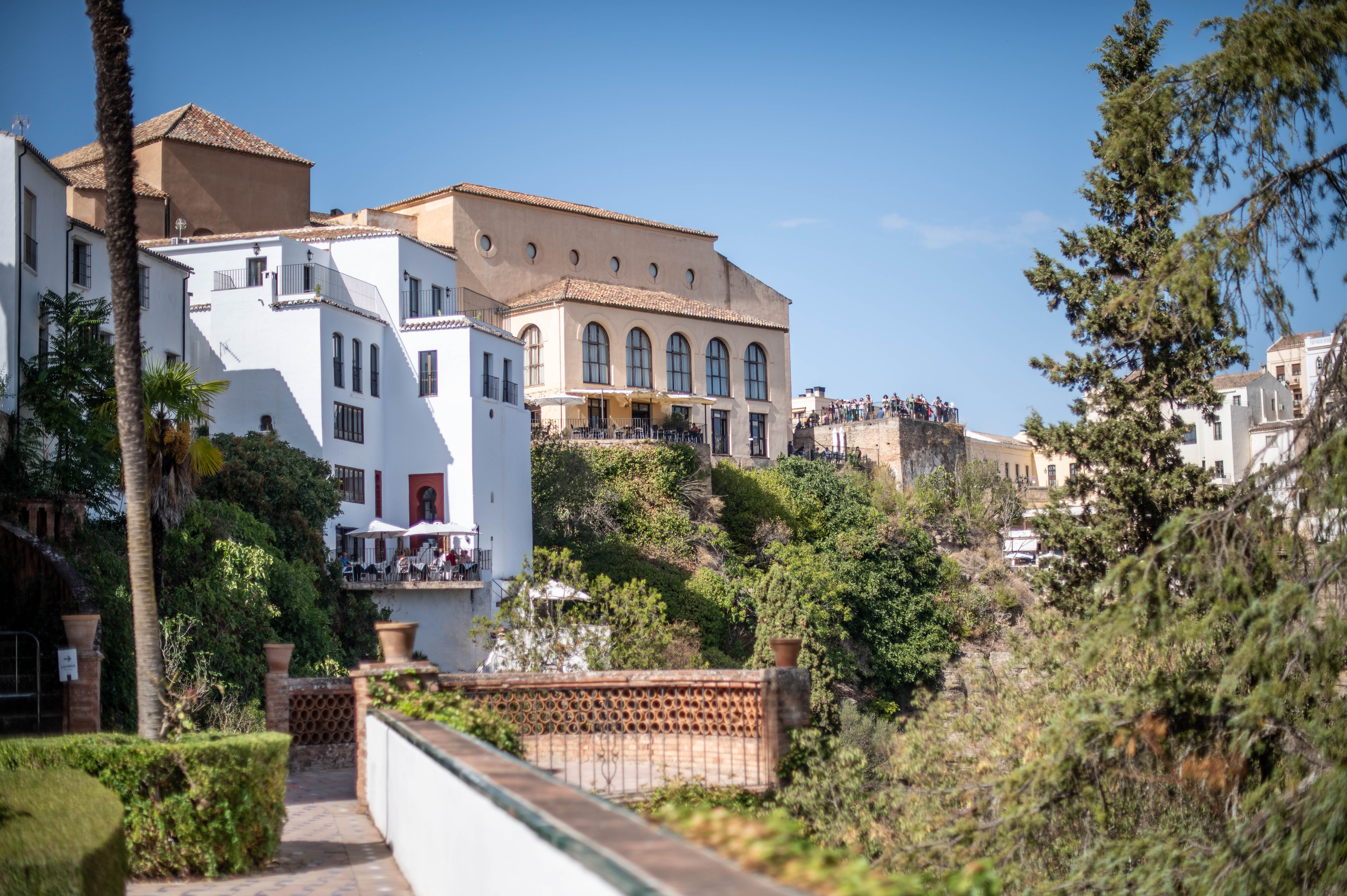
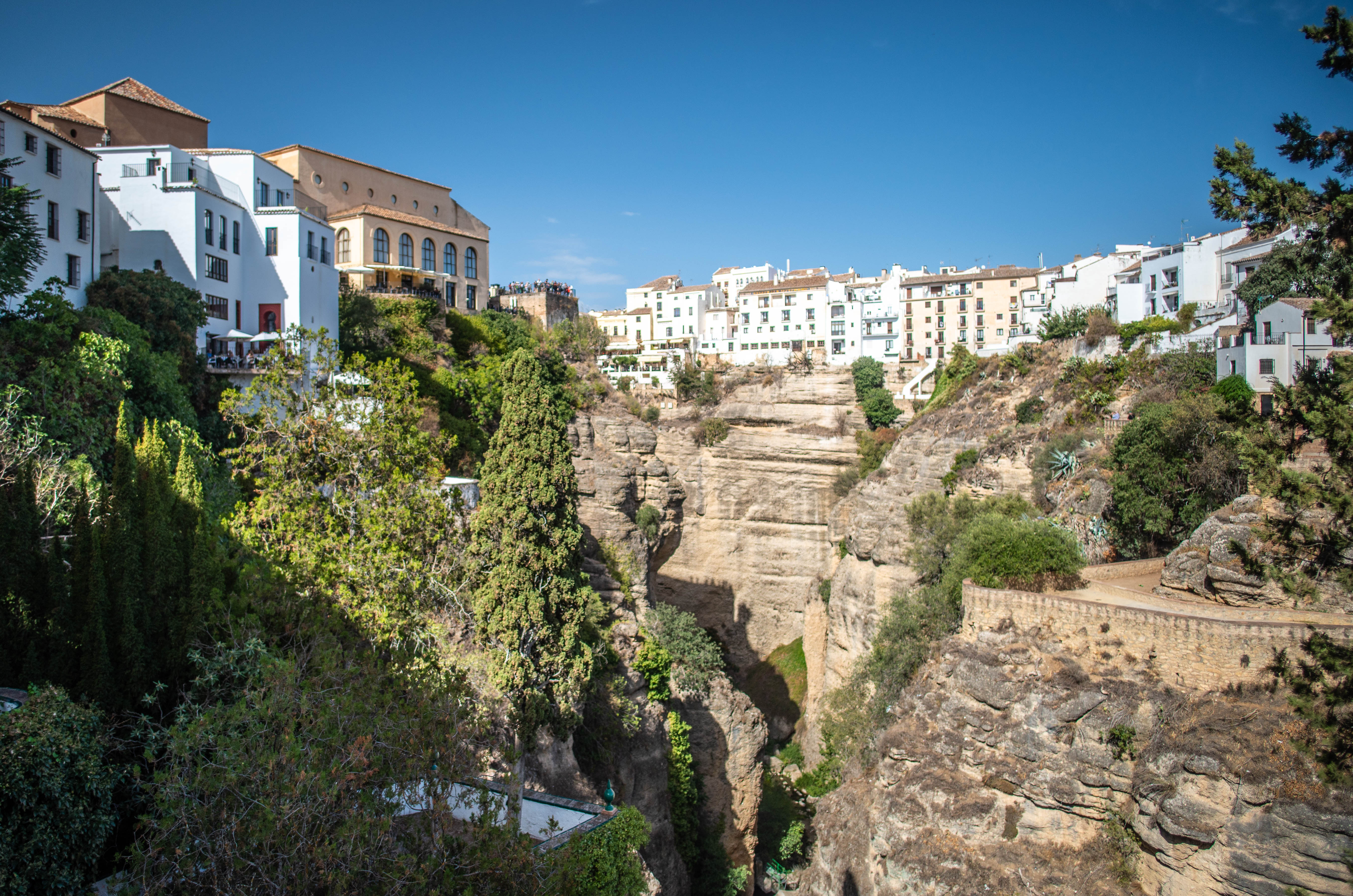
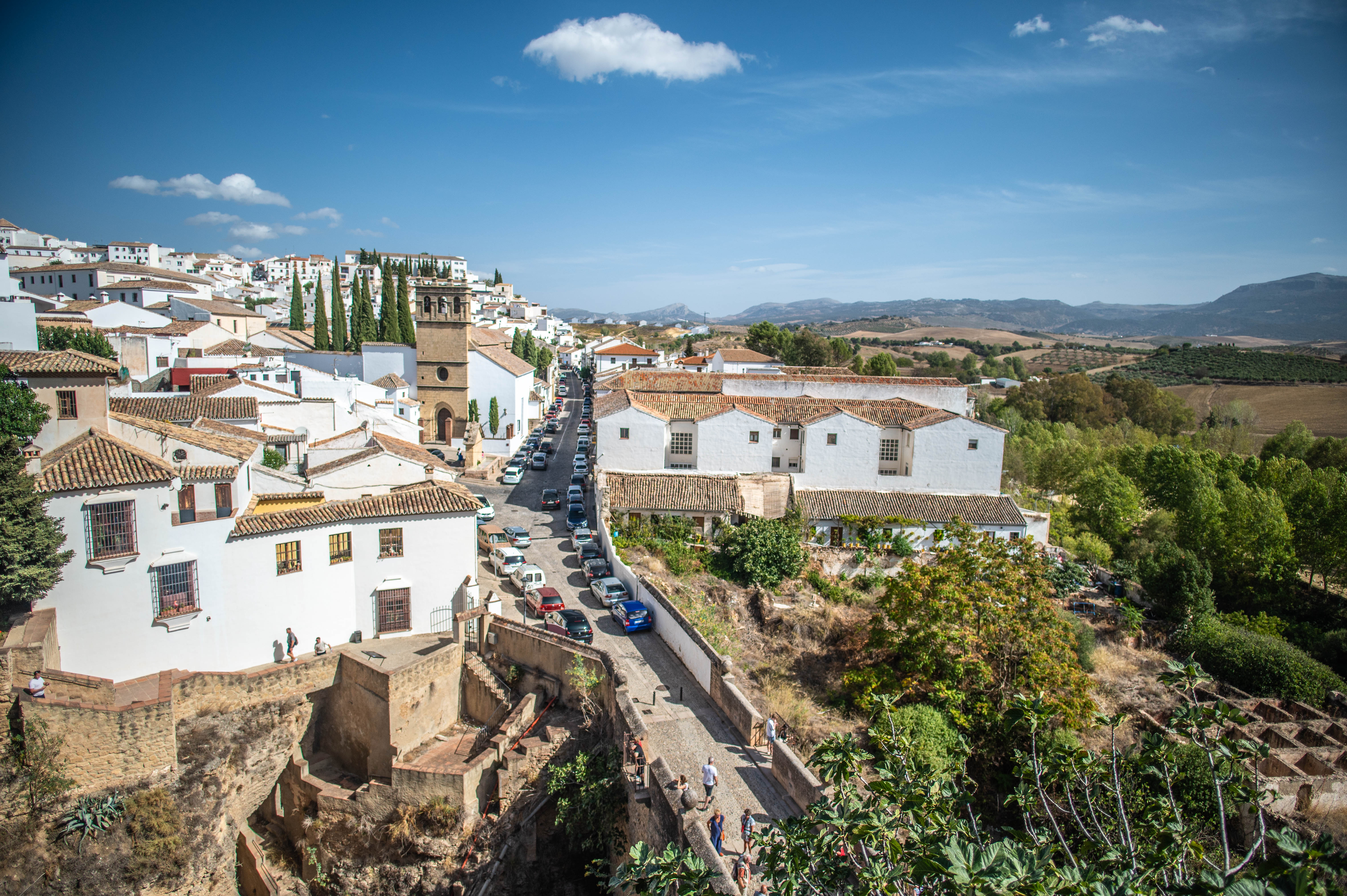


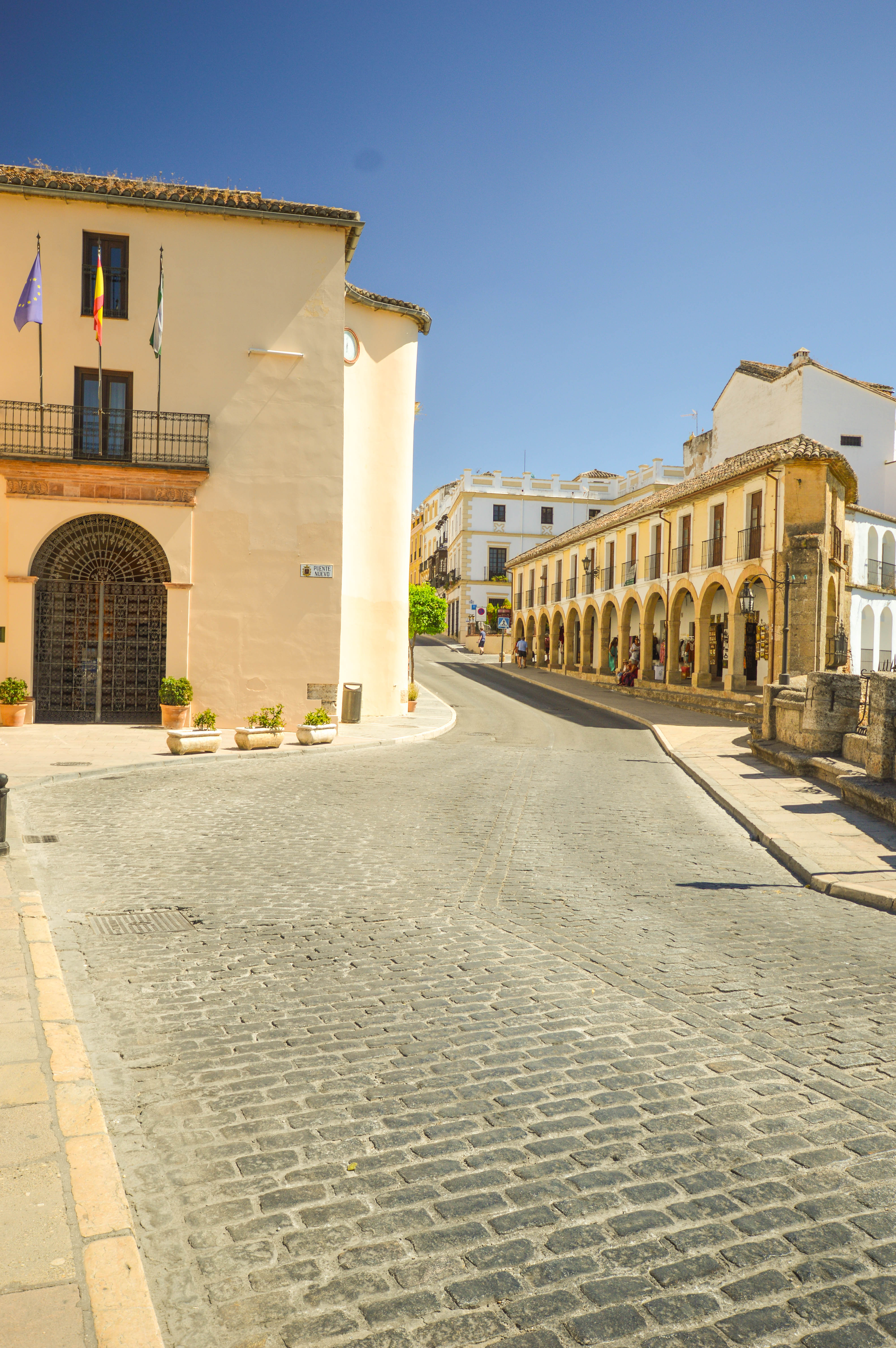
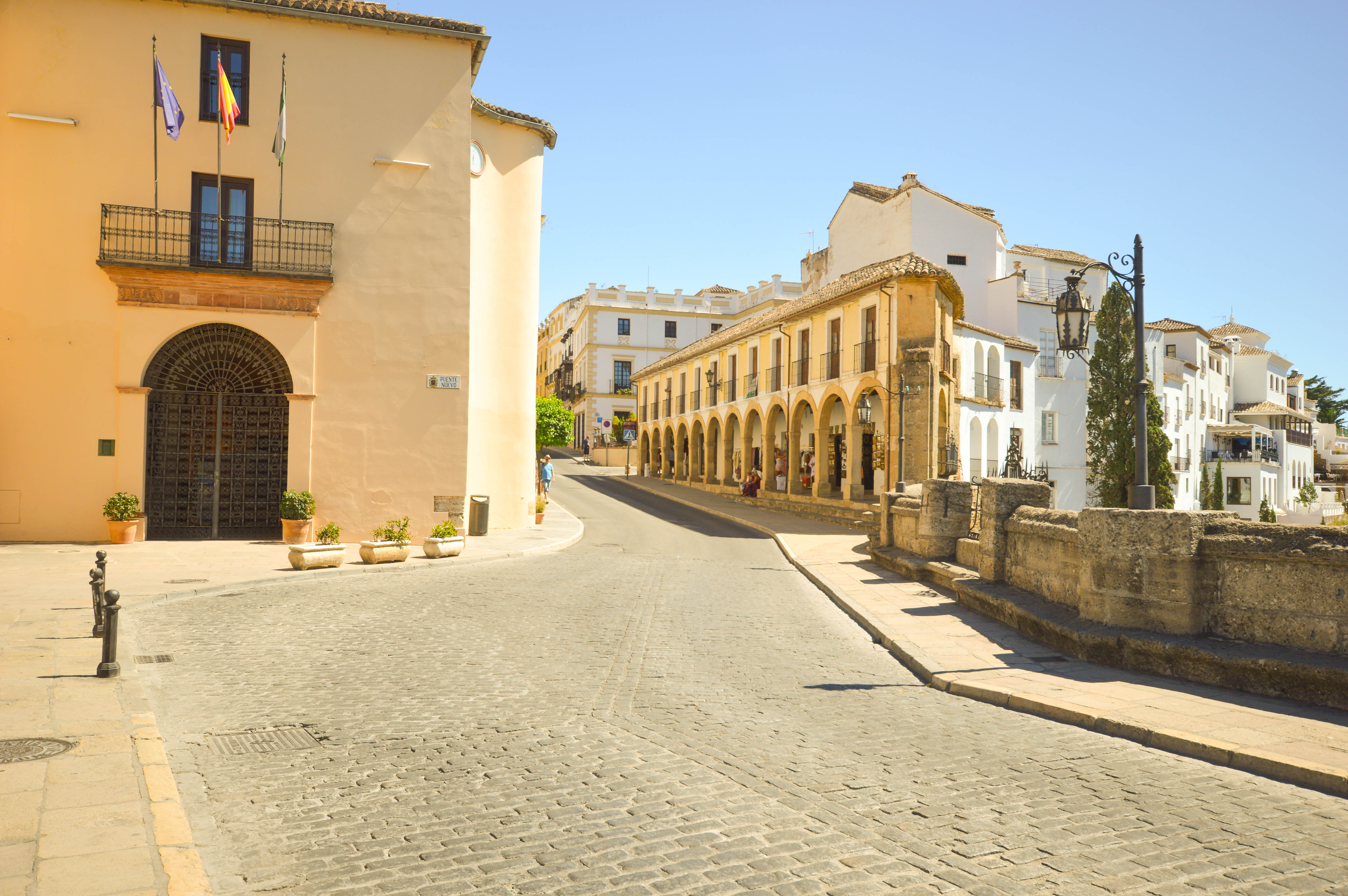
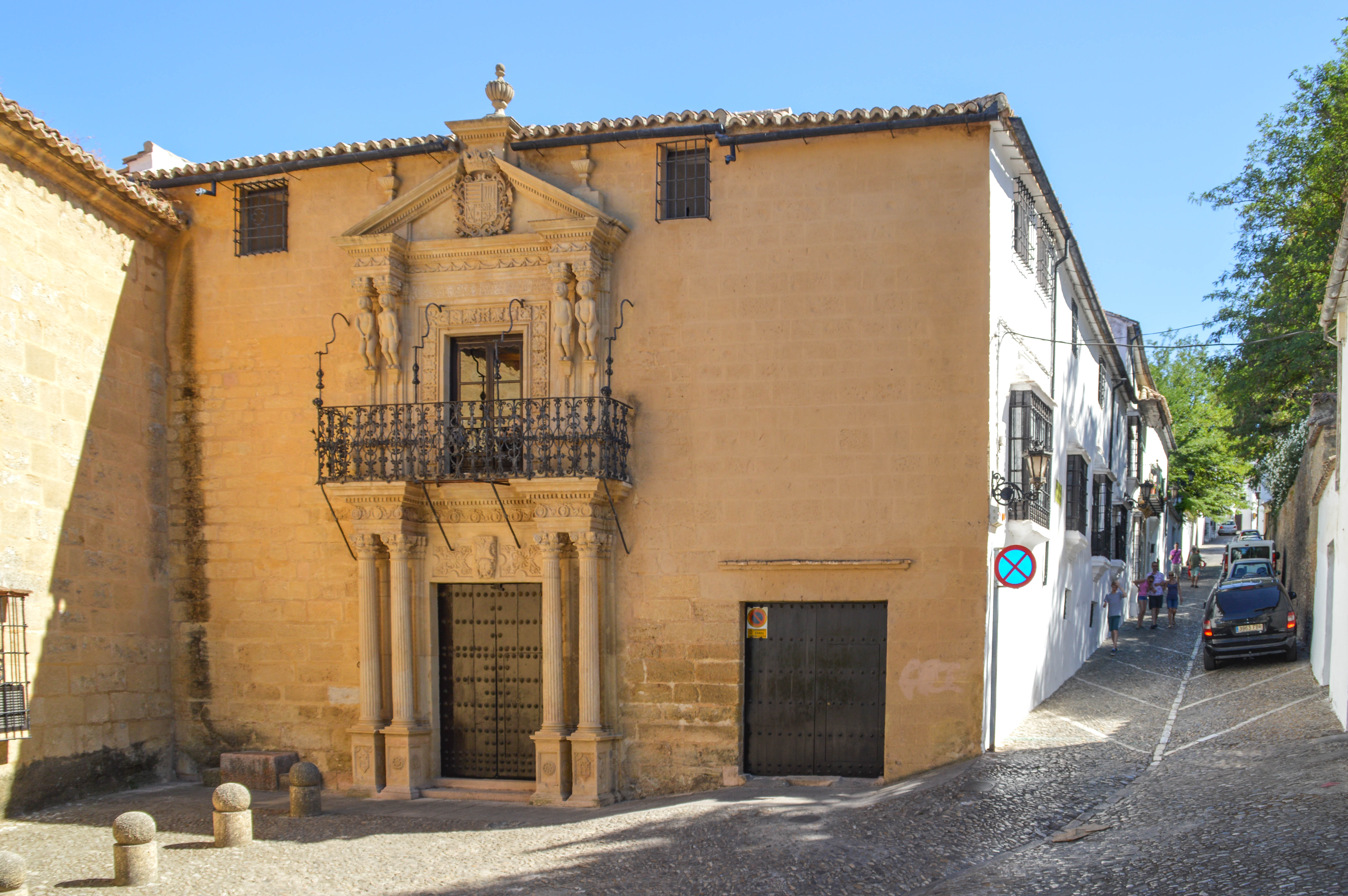


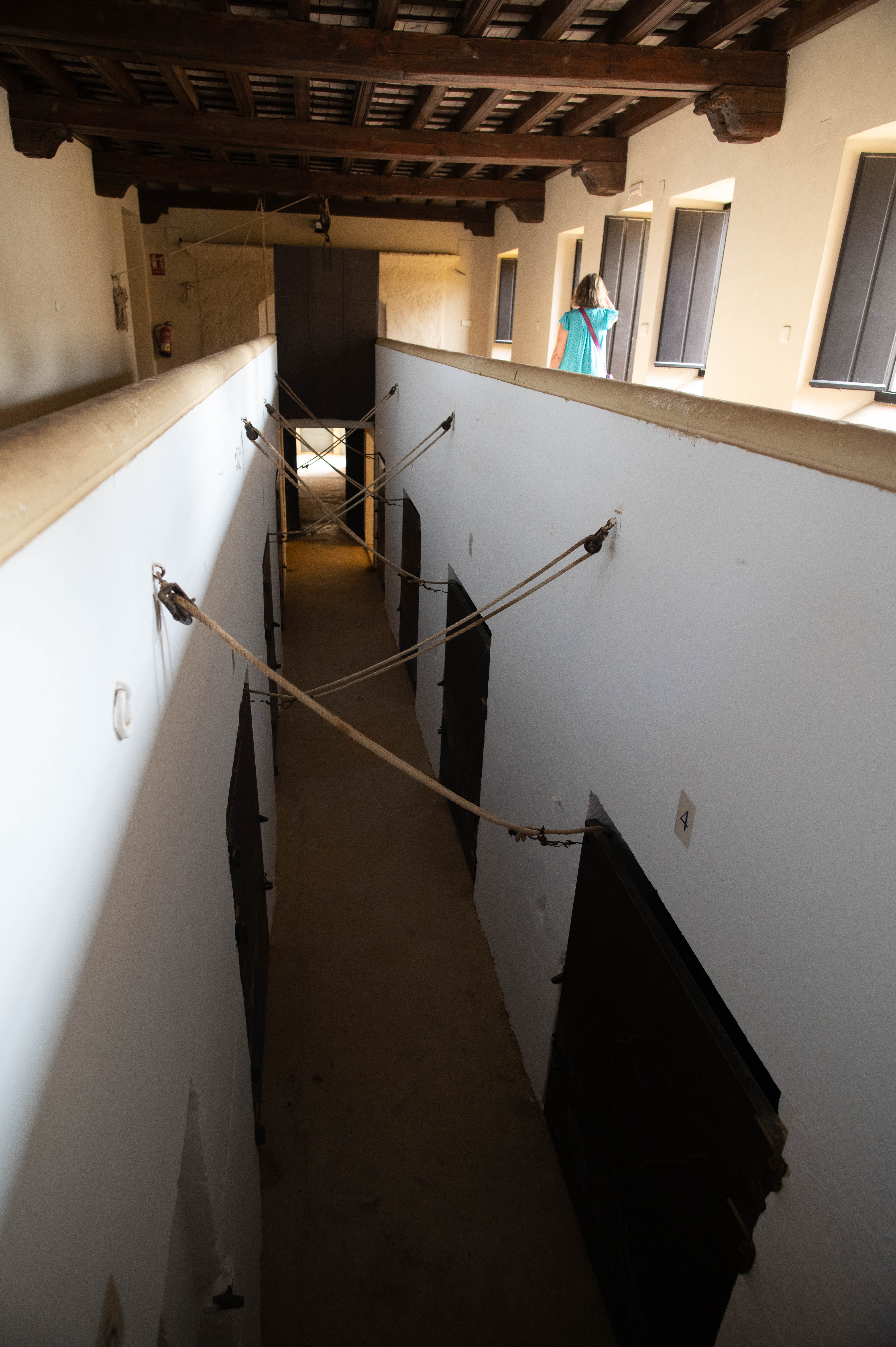

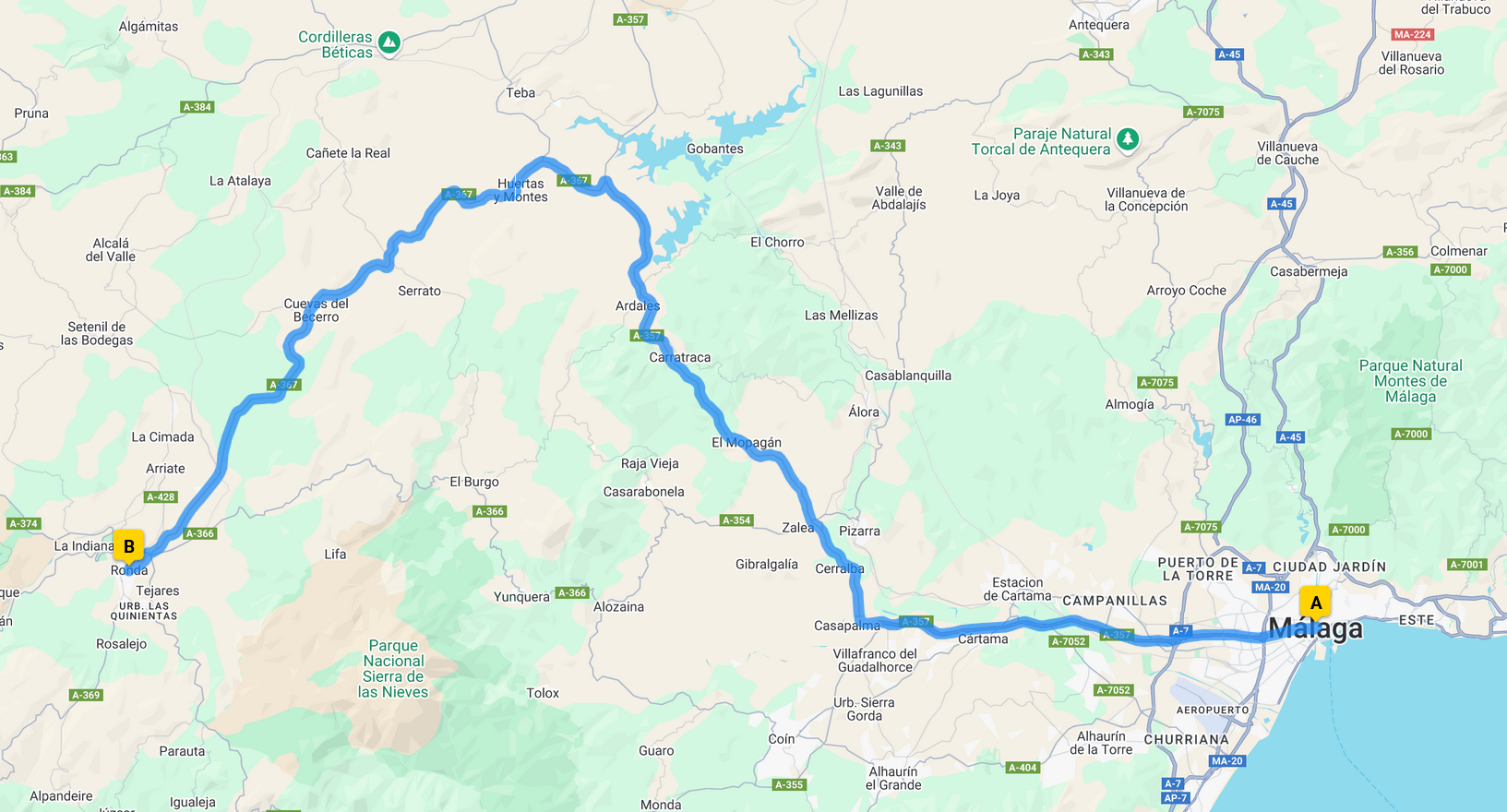
Ronda sits on a high plateau split by the deep El Tajo gorge, carved by the Guadalevín River, giving the town its signature vertical drama and panoramic viewpoints. The modern population is roughly 35,000, and the compact historic centre makes it highly walkable.
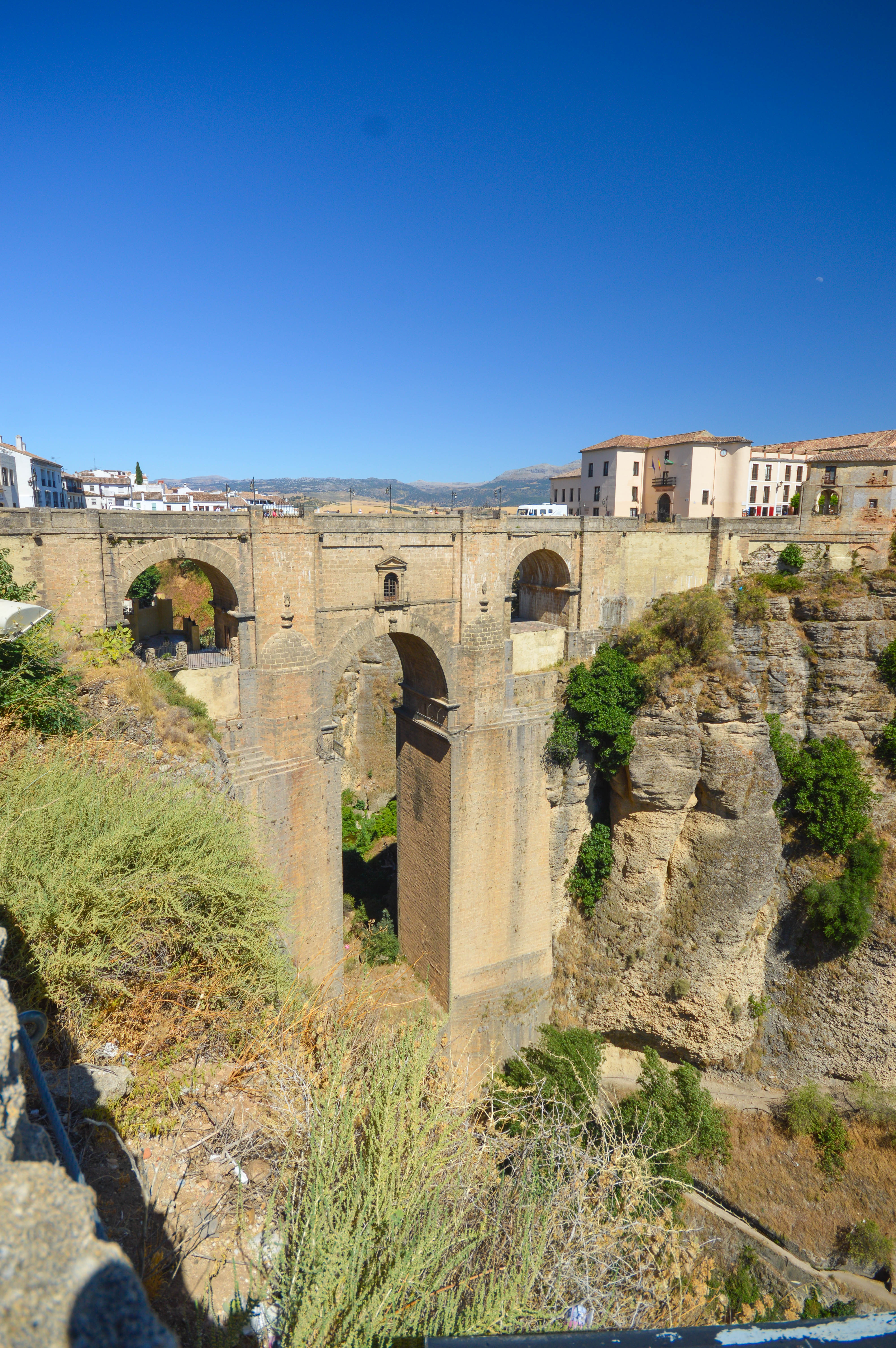
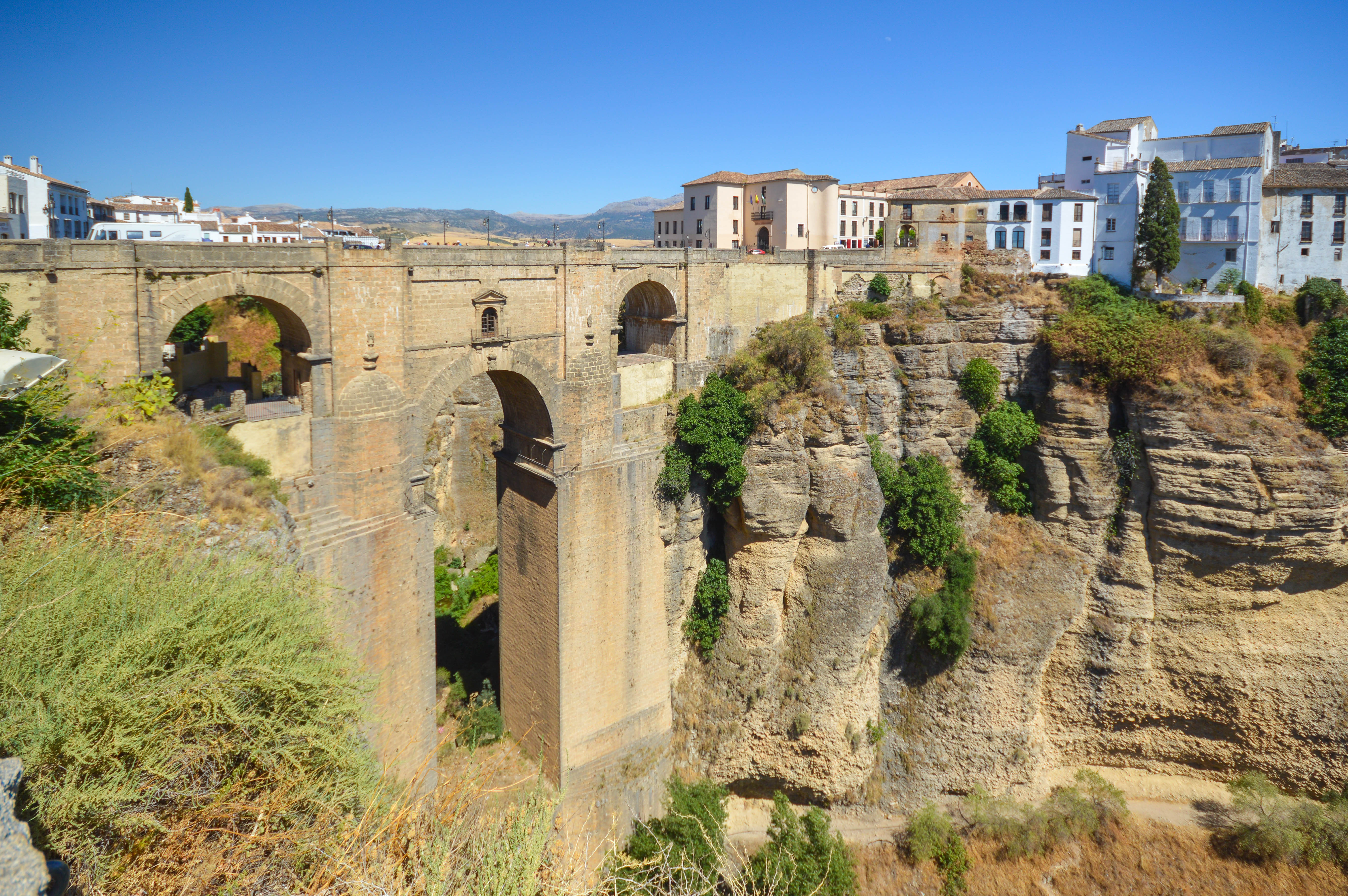
Ronda is a dramatic cliff-top town in Andalusia, Spain, famed for the Puente Nuevo bridge over the El Tajo gorge, a layered history from Roman to Moorish to Christian rule, and a compact set of top sights easily seen in a day or two.
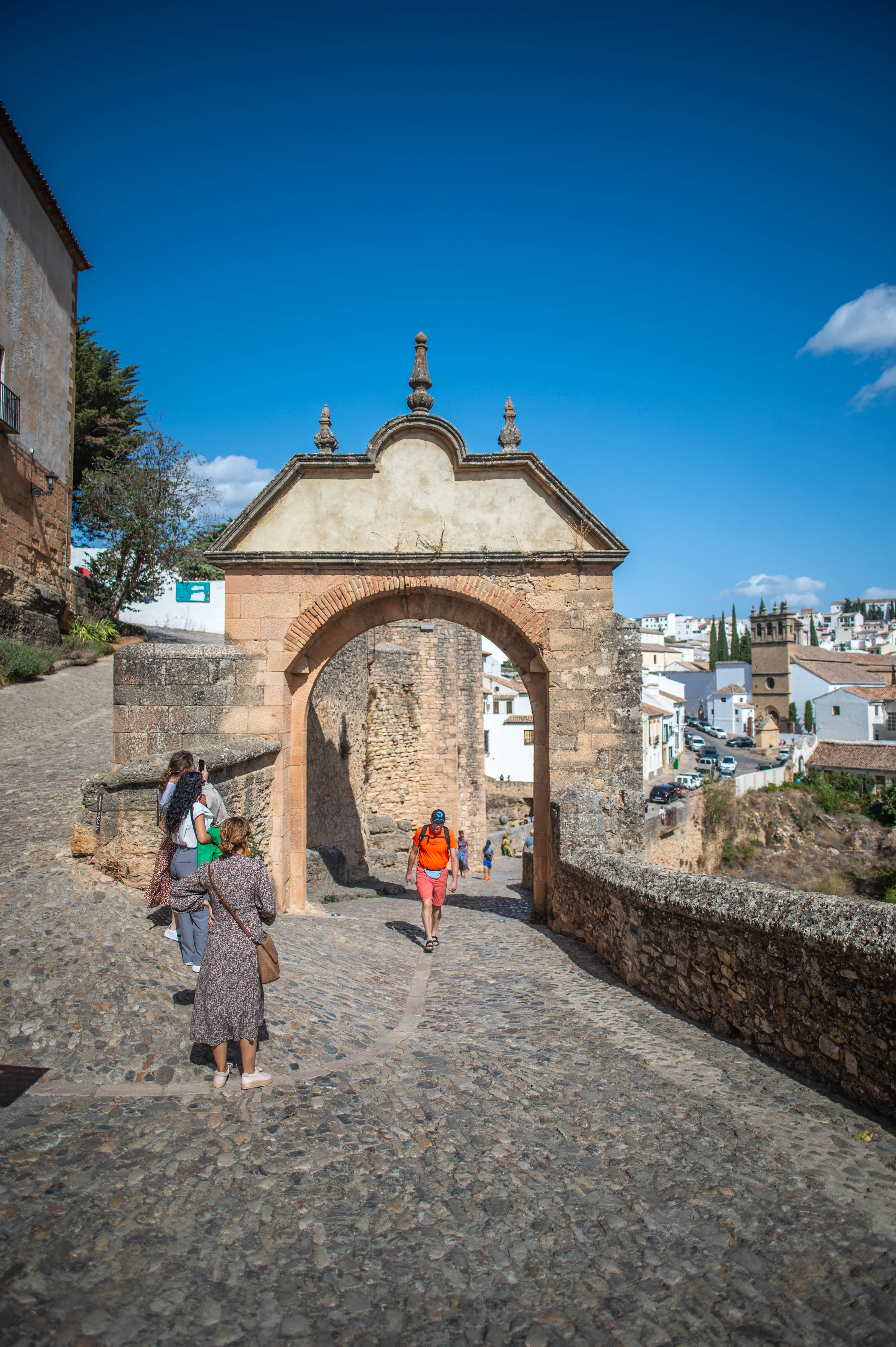
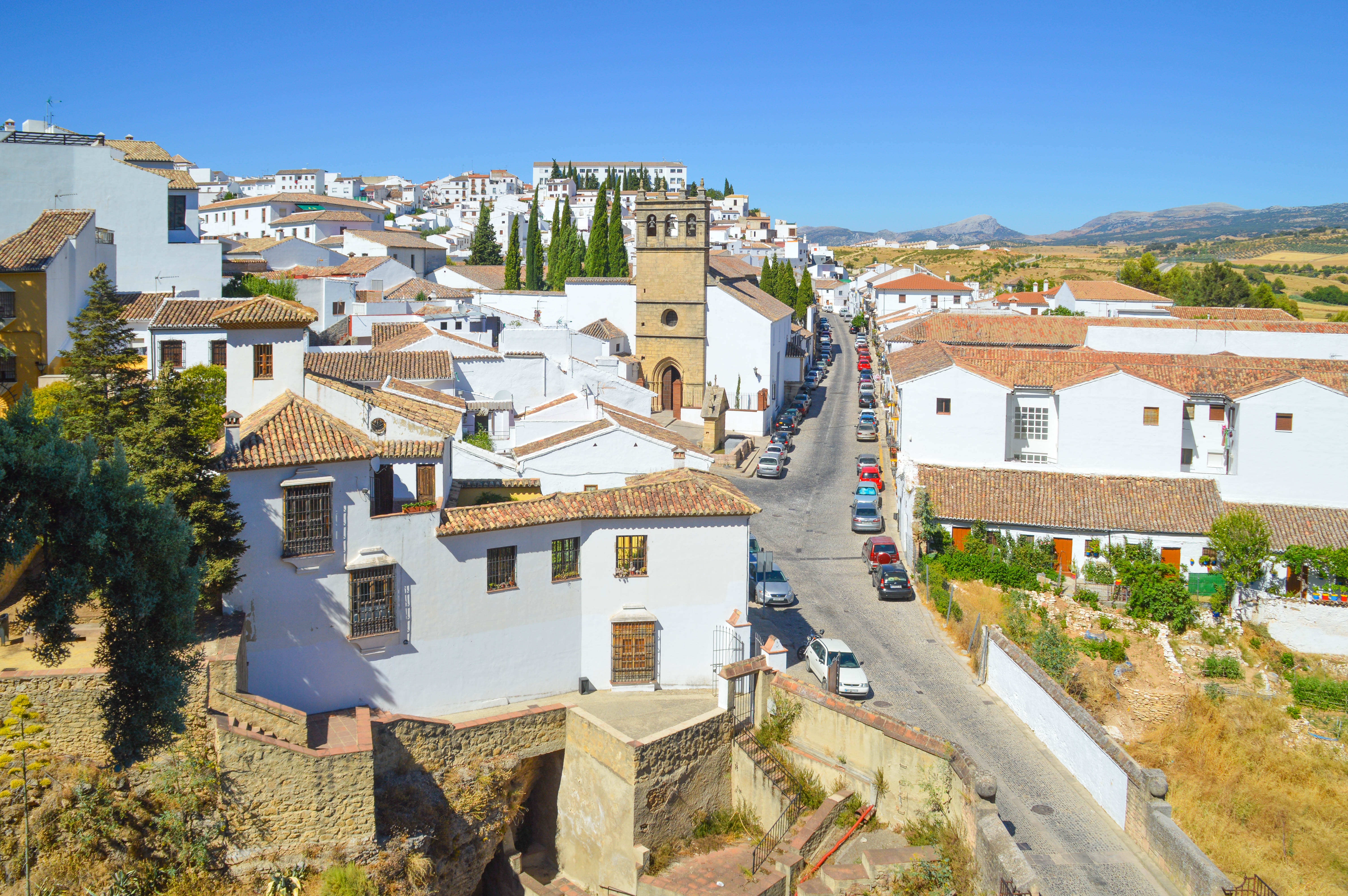
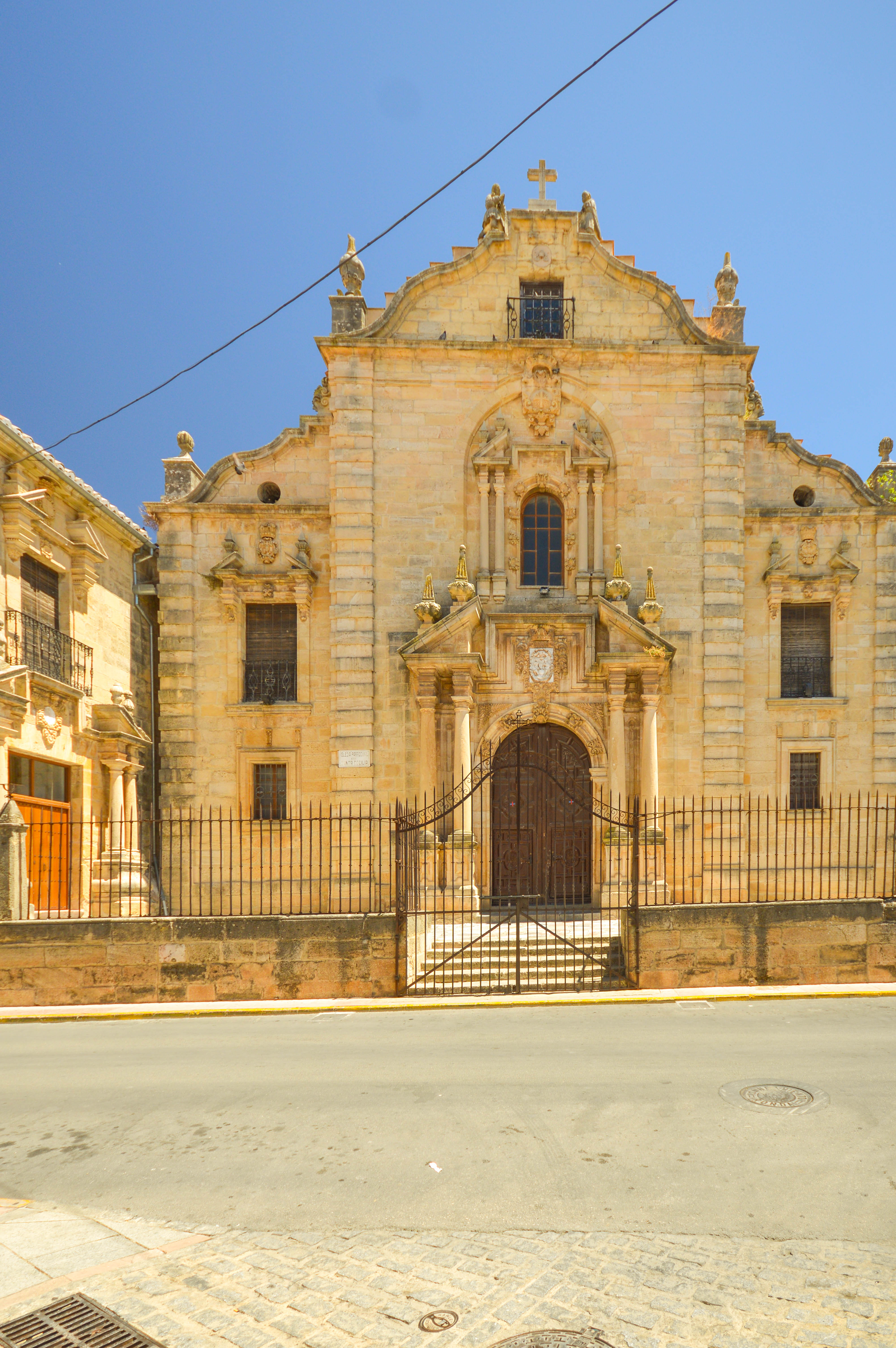
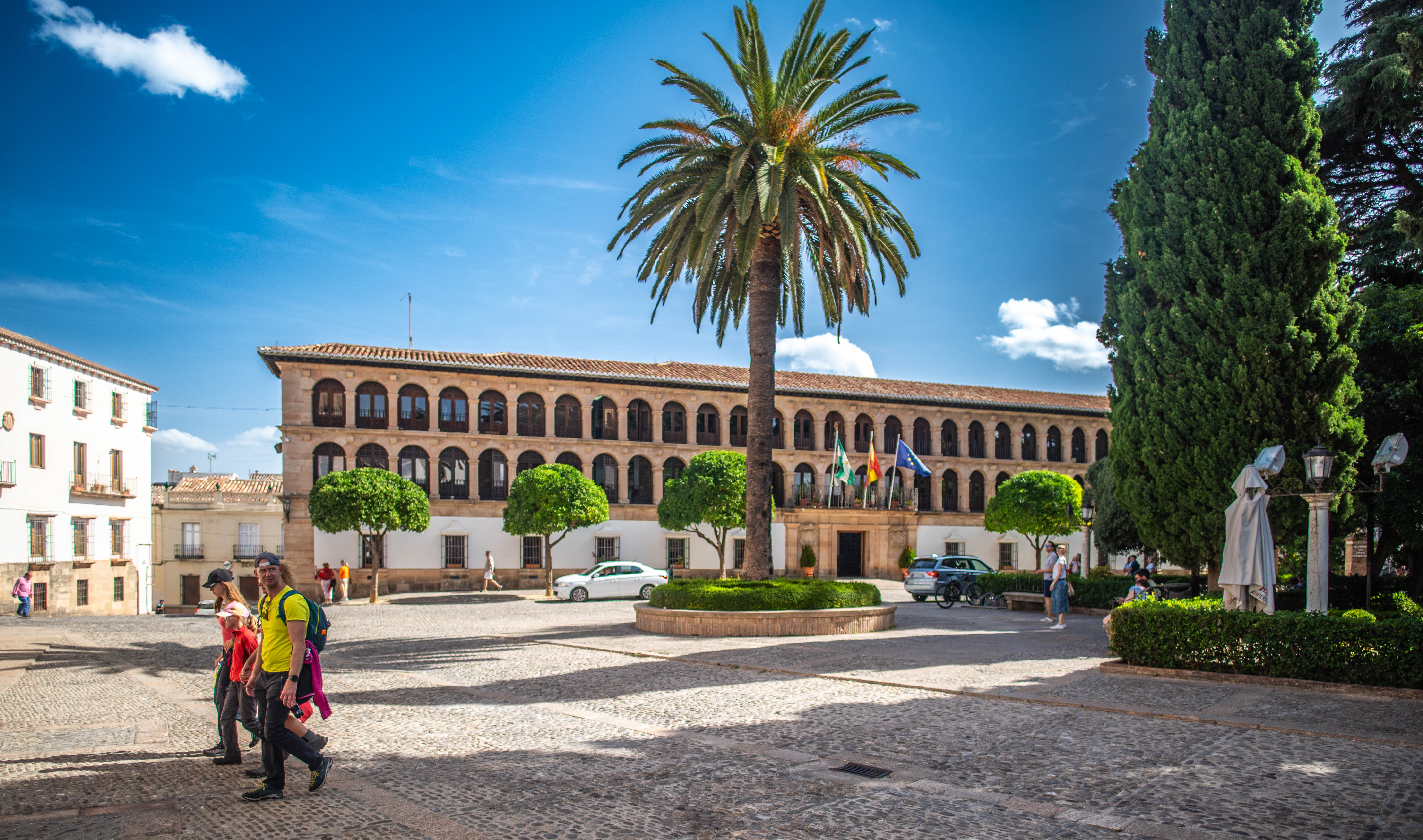
Ronda’s origins reach back to Roman times (Arunda), flourished under Moorish rule, and later became part of the Crown of Castile after the 1485 reconquest. Its urban fabric preserves Arab baths, medieval walls, and later Spanish civic architecture, reflecting those successive layers.
Top sights and why they matter
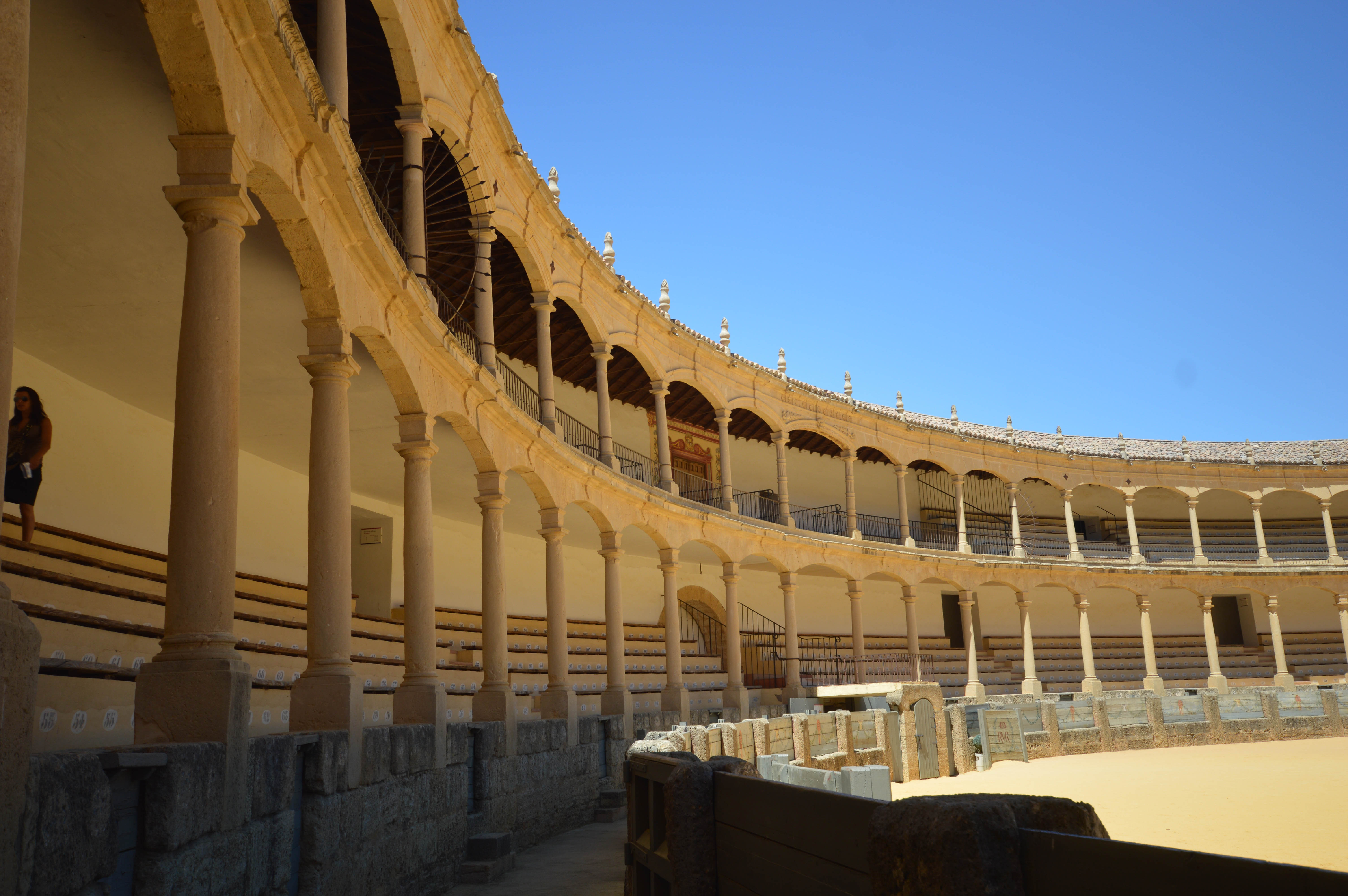
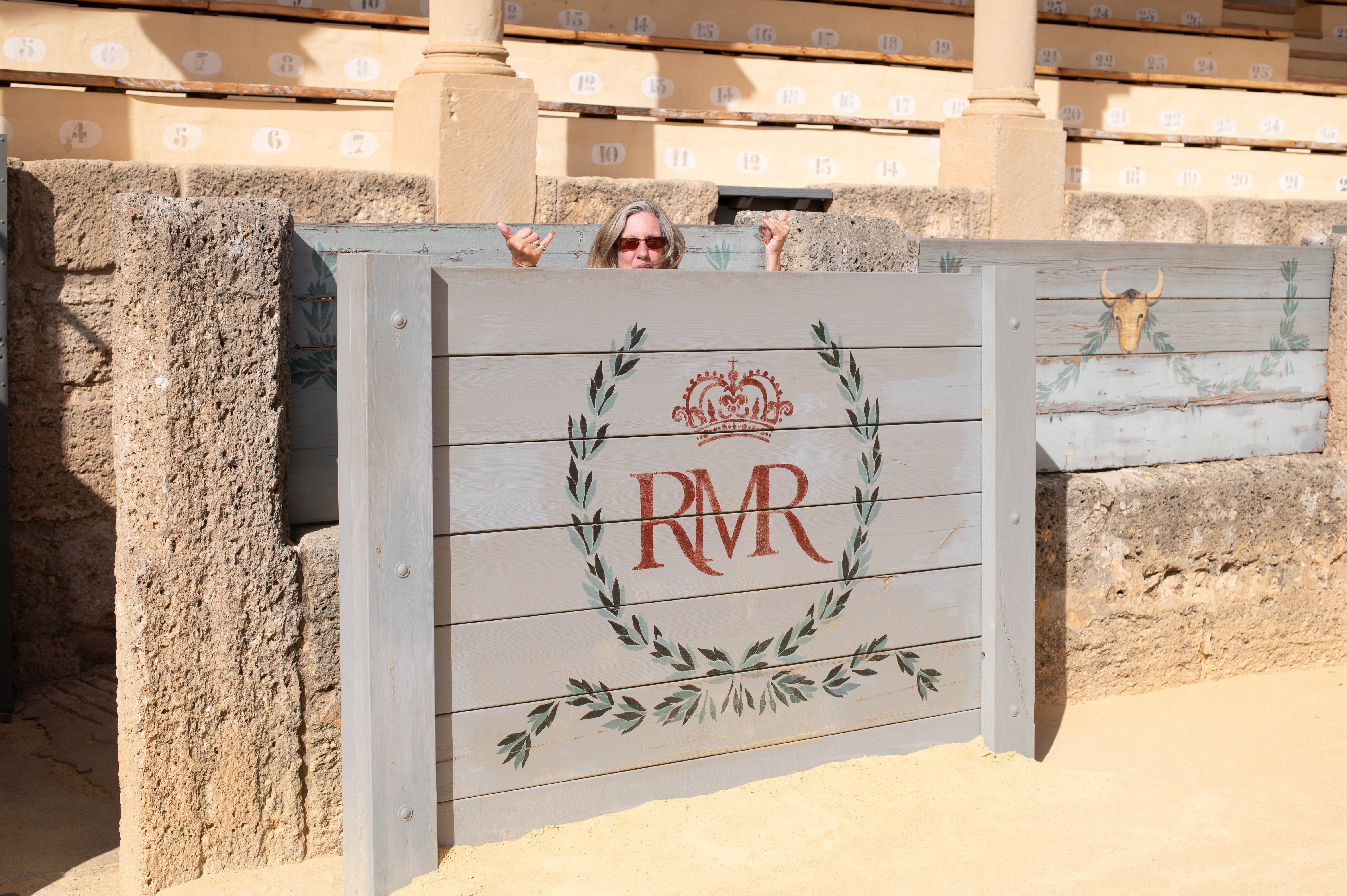
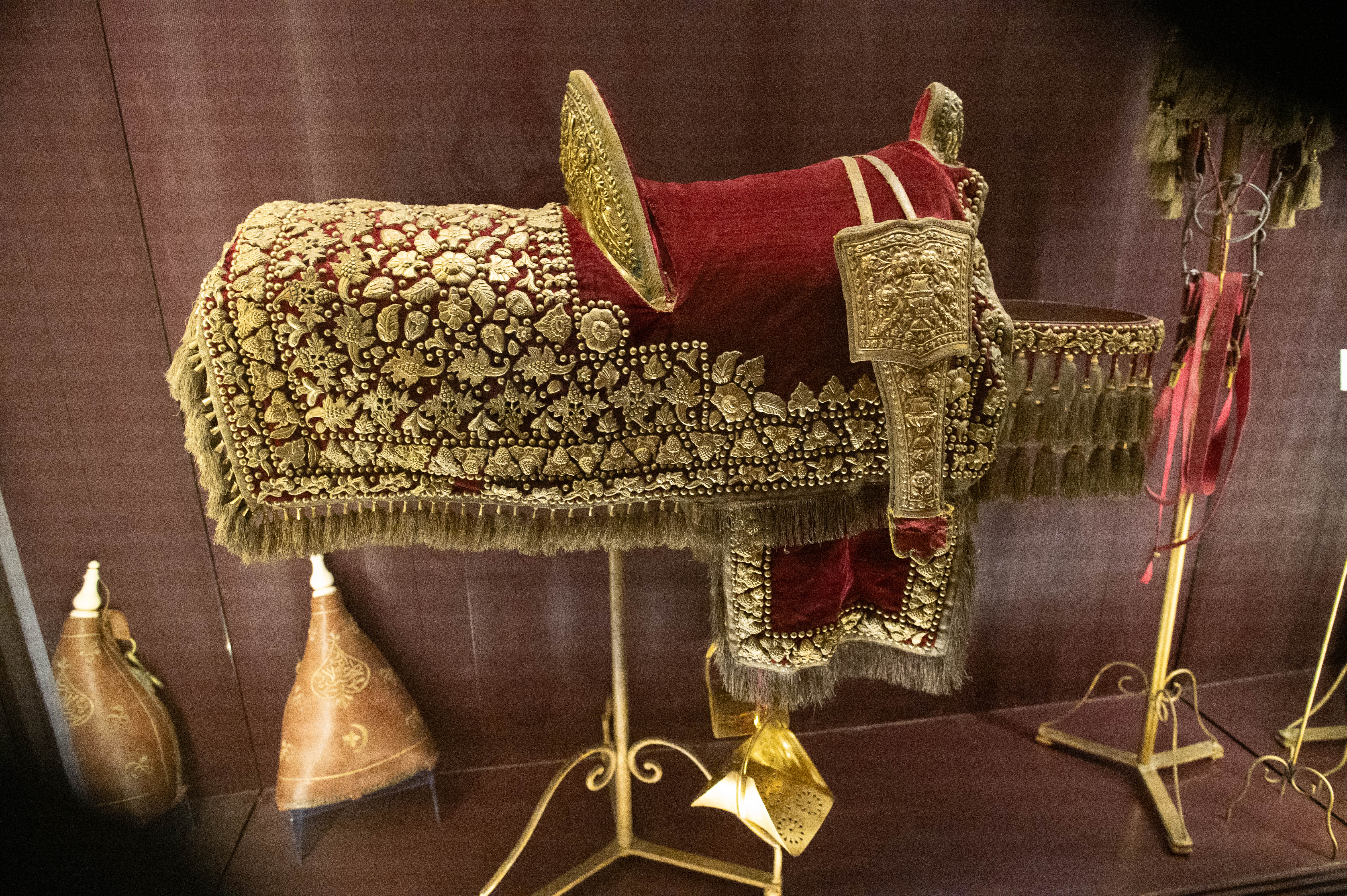
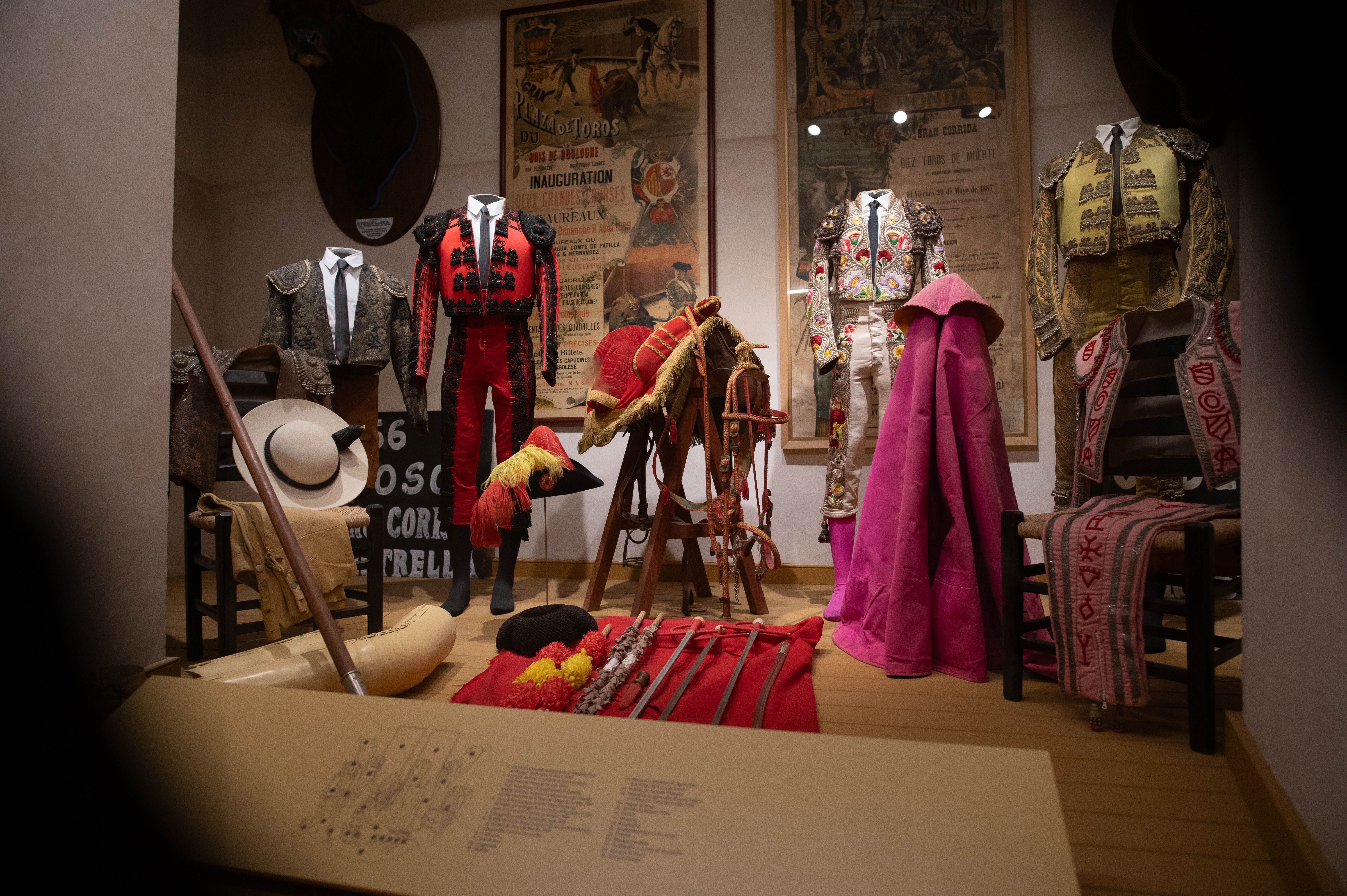
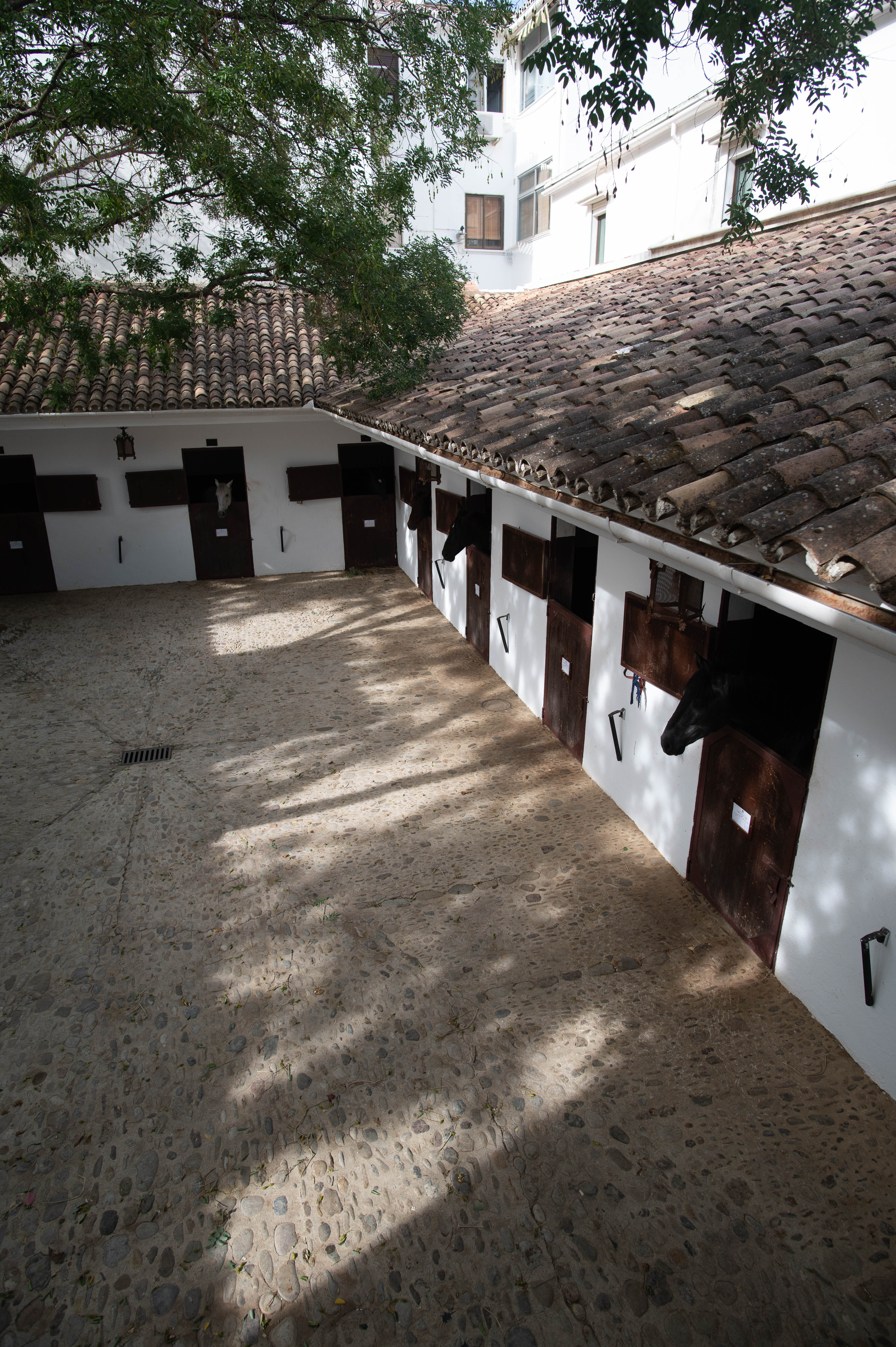
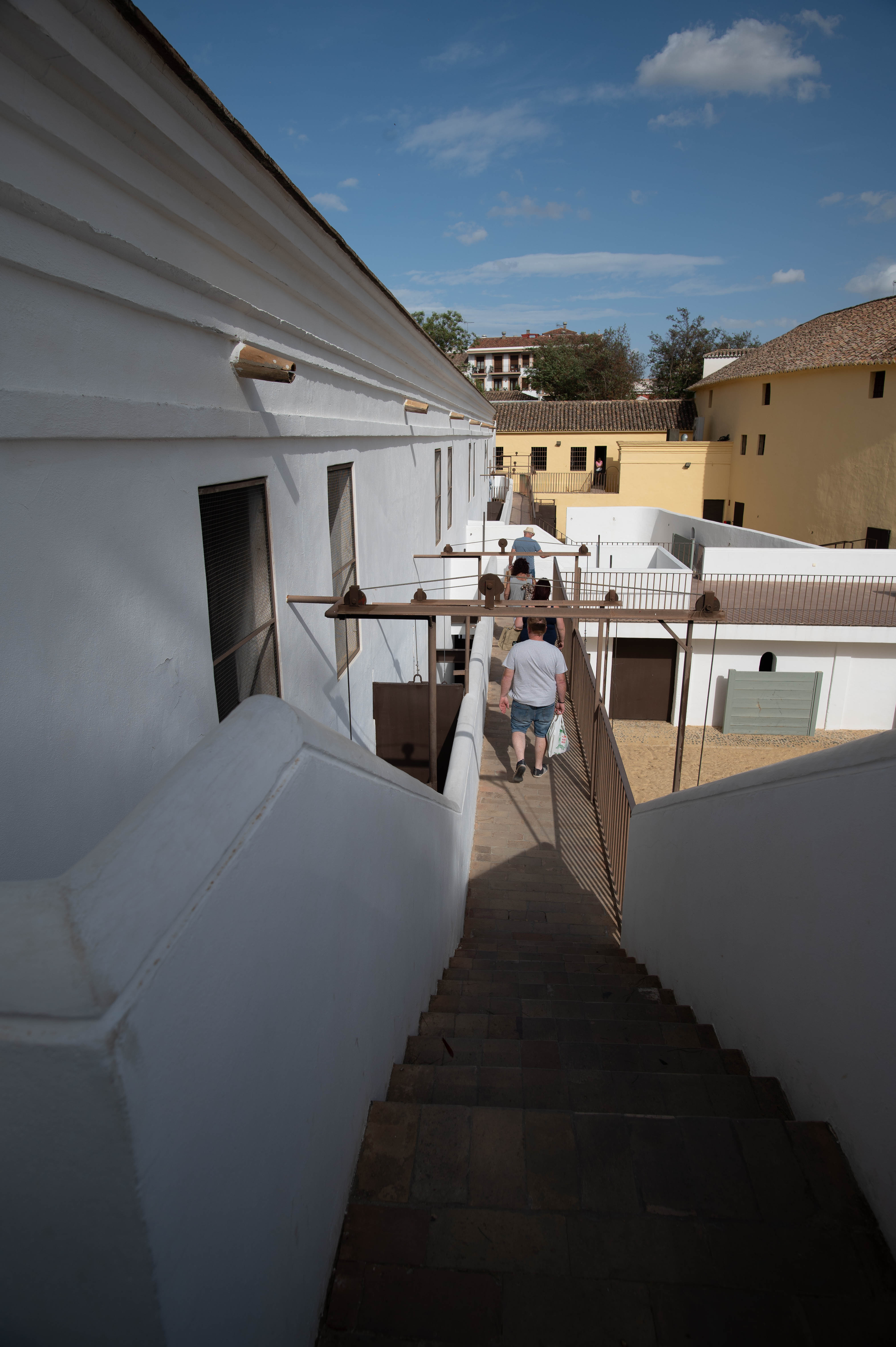
Puente Nuevo — the iconic 18th-century bridge spanning the gorge; the views from the bridge and adjacent miradors are Ronda’s defining image.Plaza de Toros — one of Spain’s oldest bullrings with a museum tracing the local bullfighting tradition and the Romero family legacy.
Arab Baths and Mondragón Palace — well-preserved examples of Ronda’s Islamic past and small museums that give historical context.
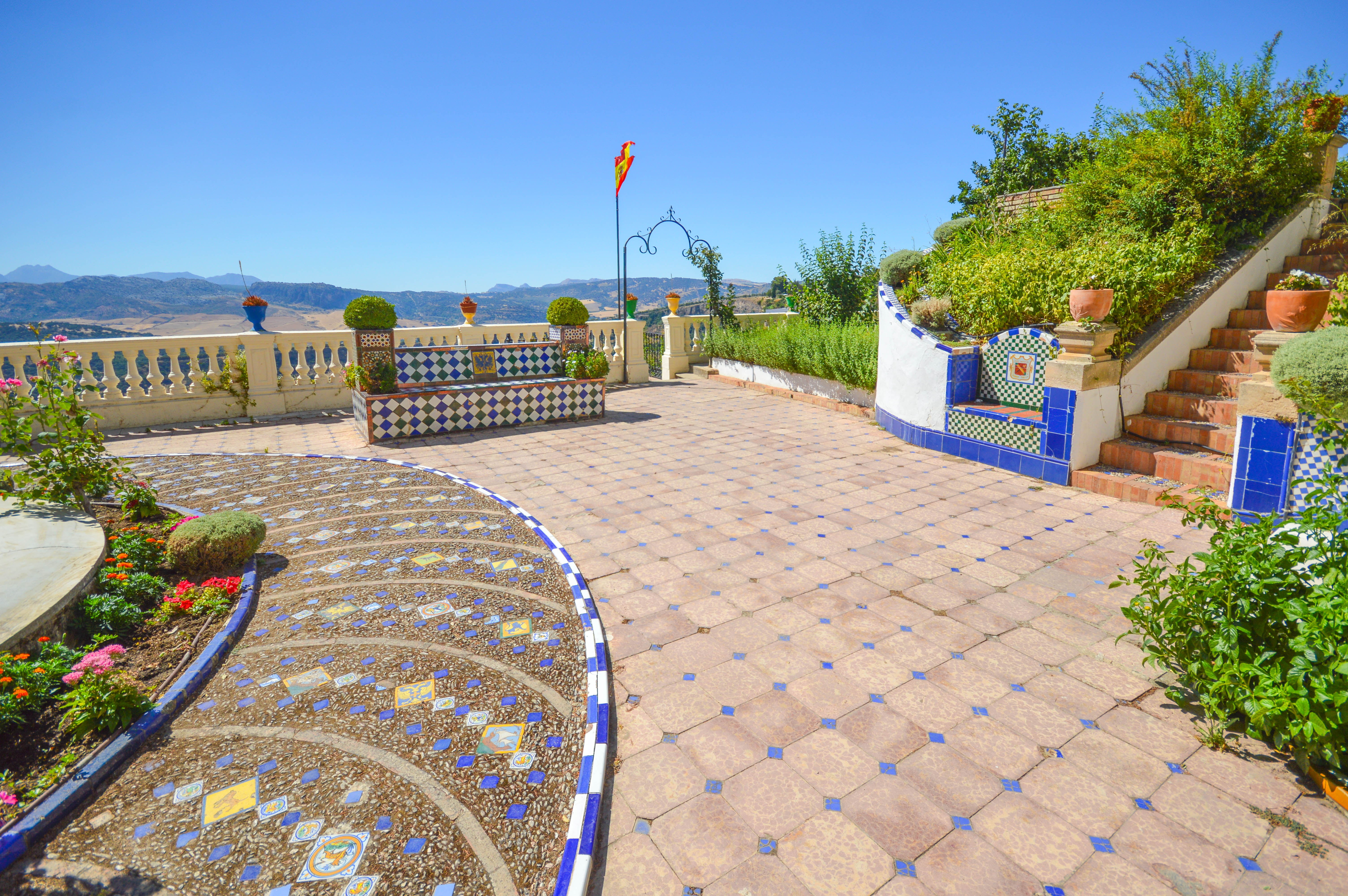
Jardines de Cuenca and viewpoints — terraced gardens and paths that offer different perspectives of the gorge and bridge.

