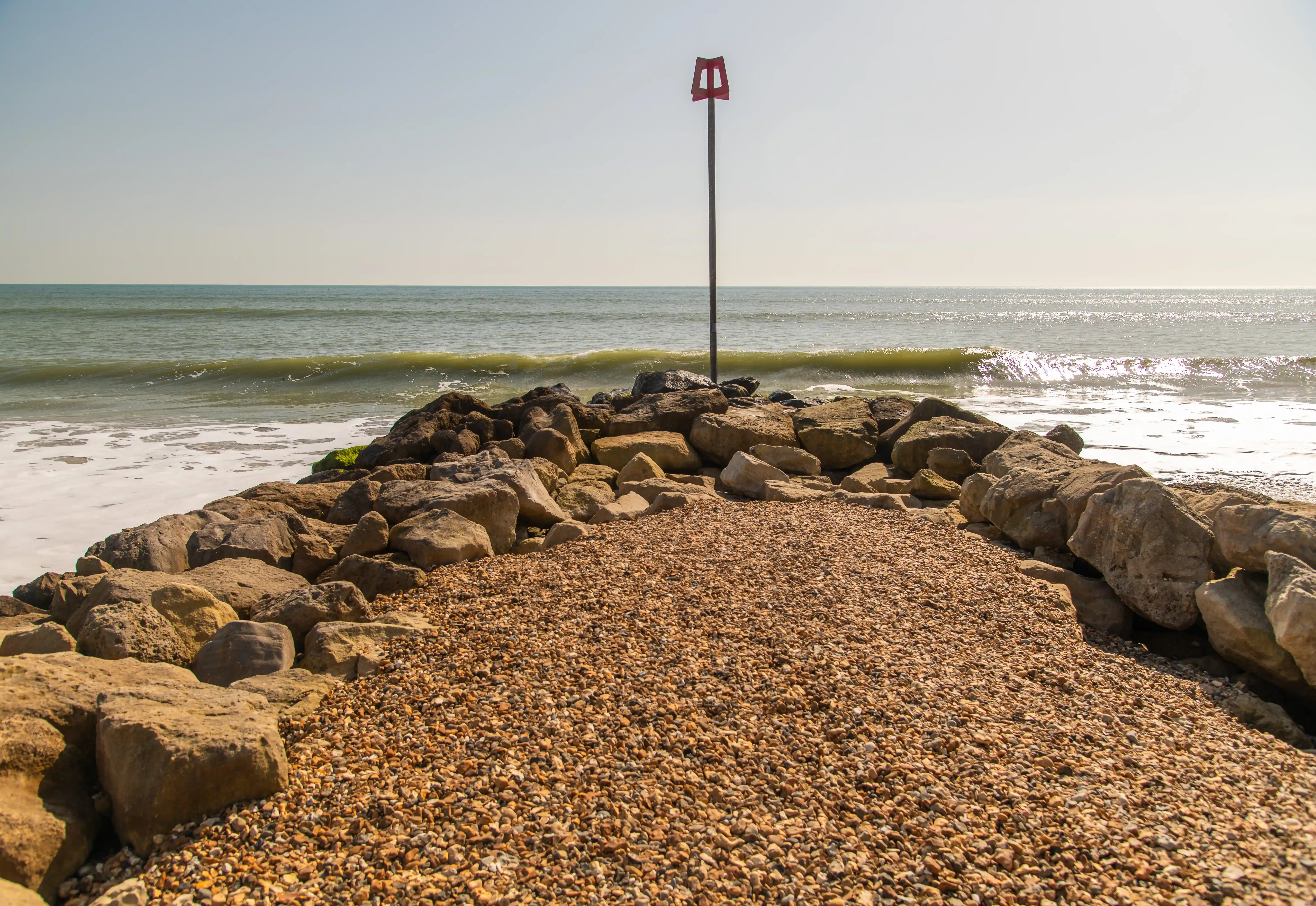
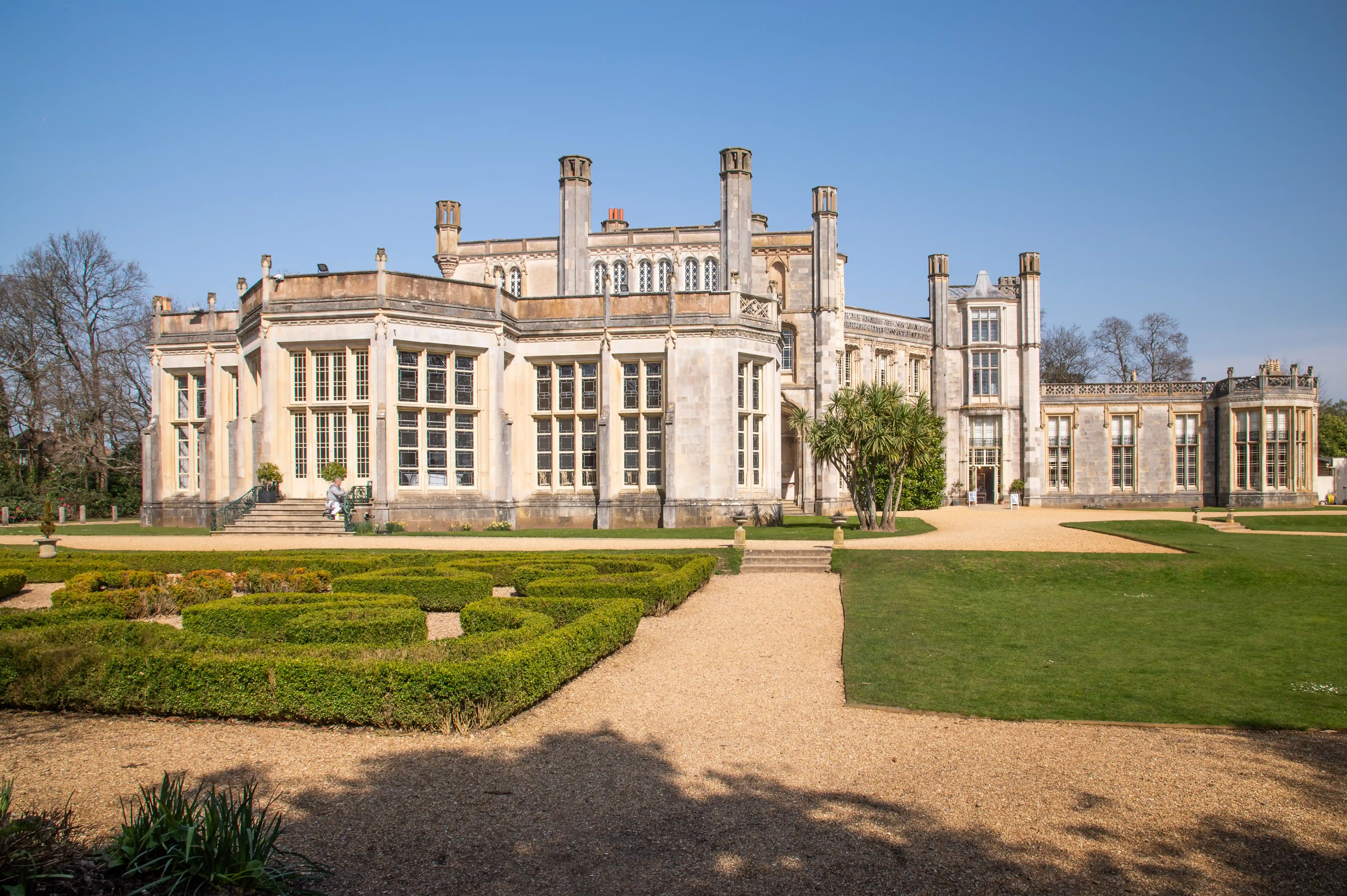
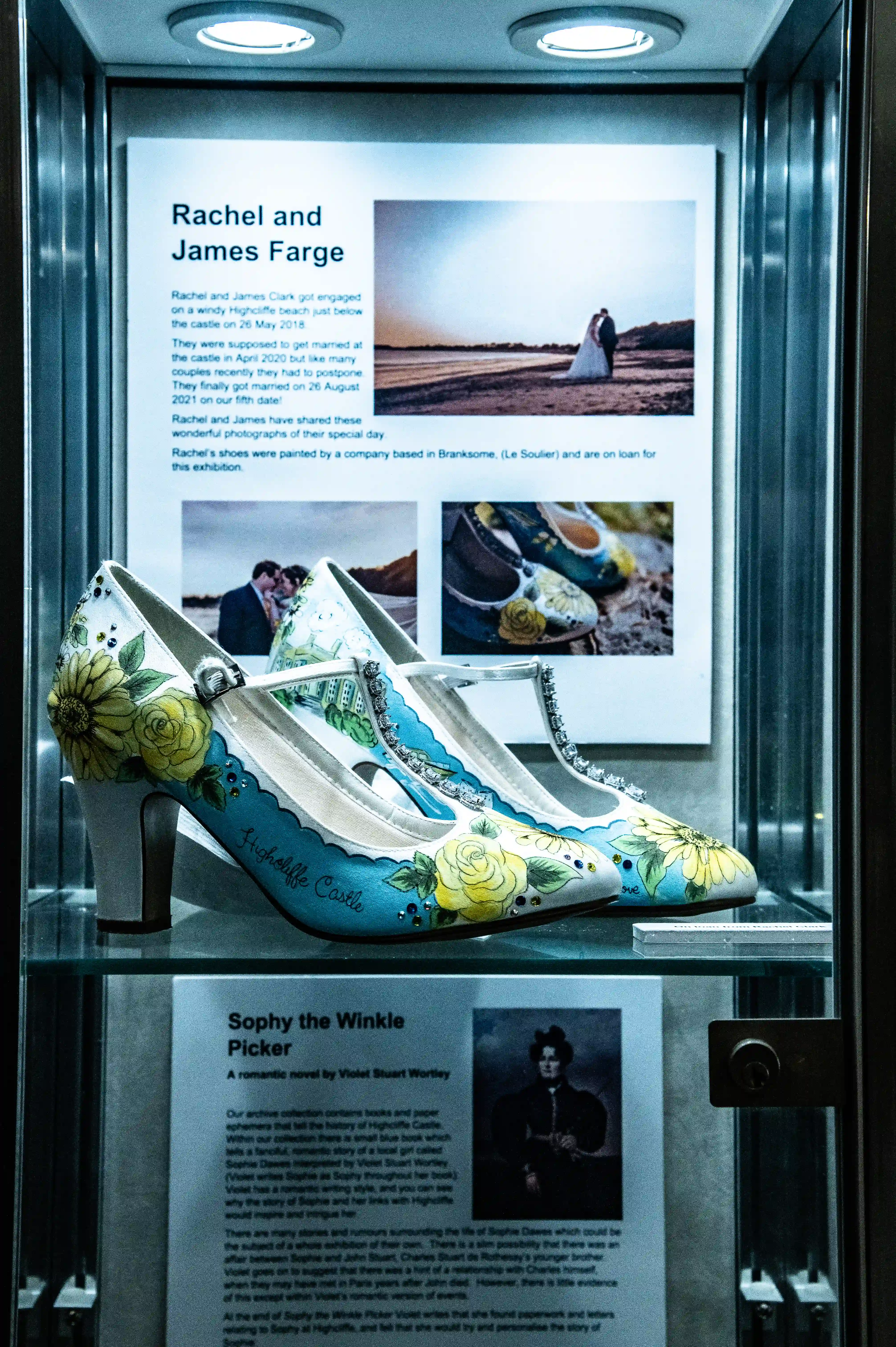
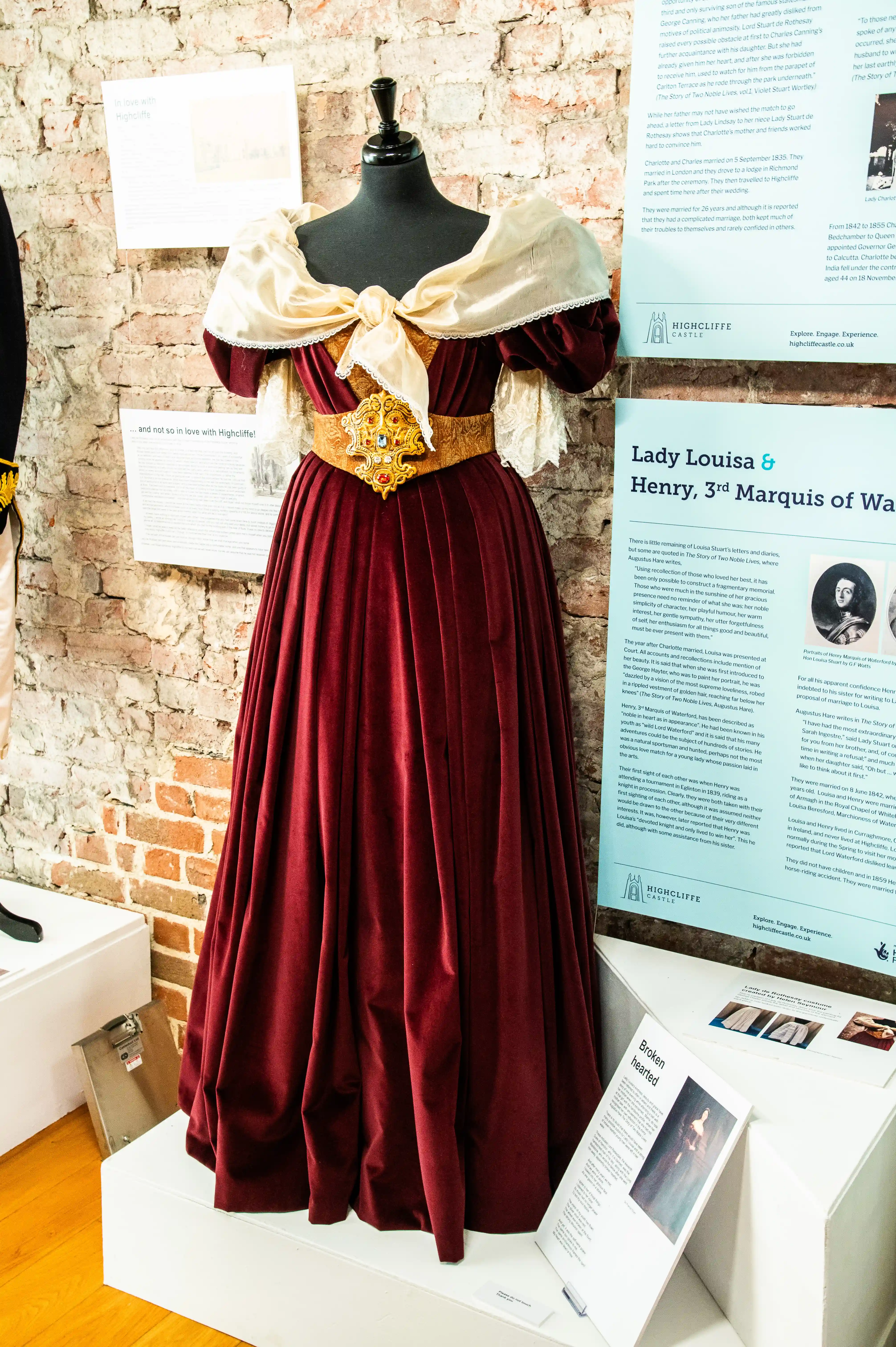
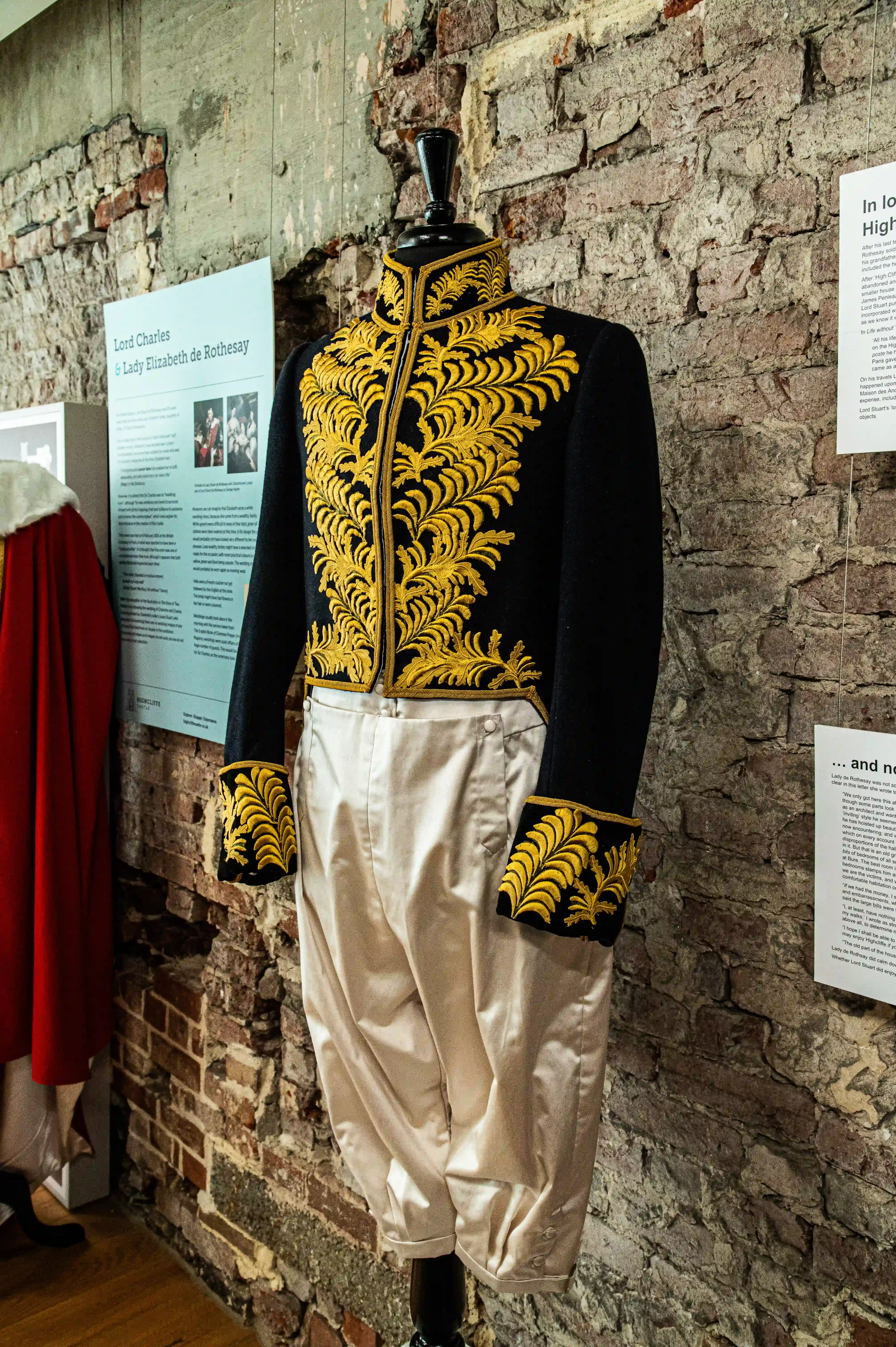
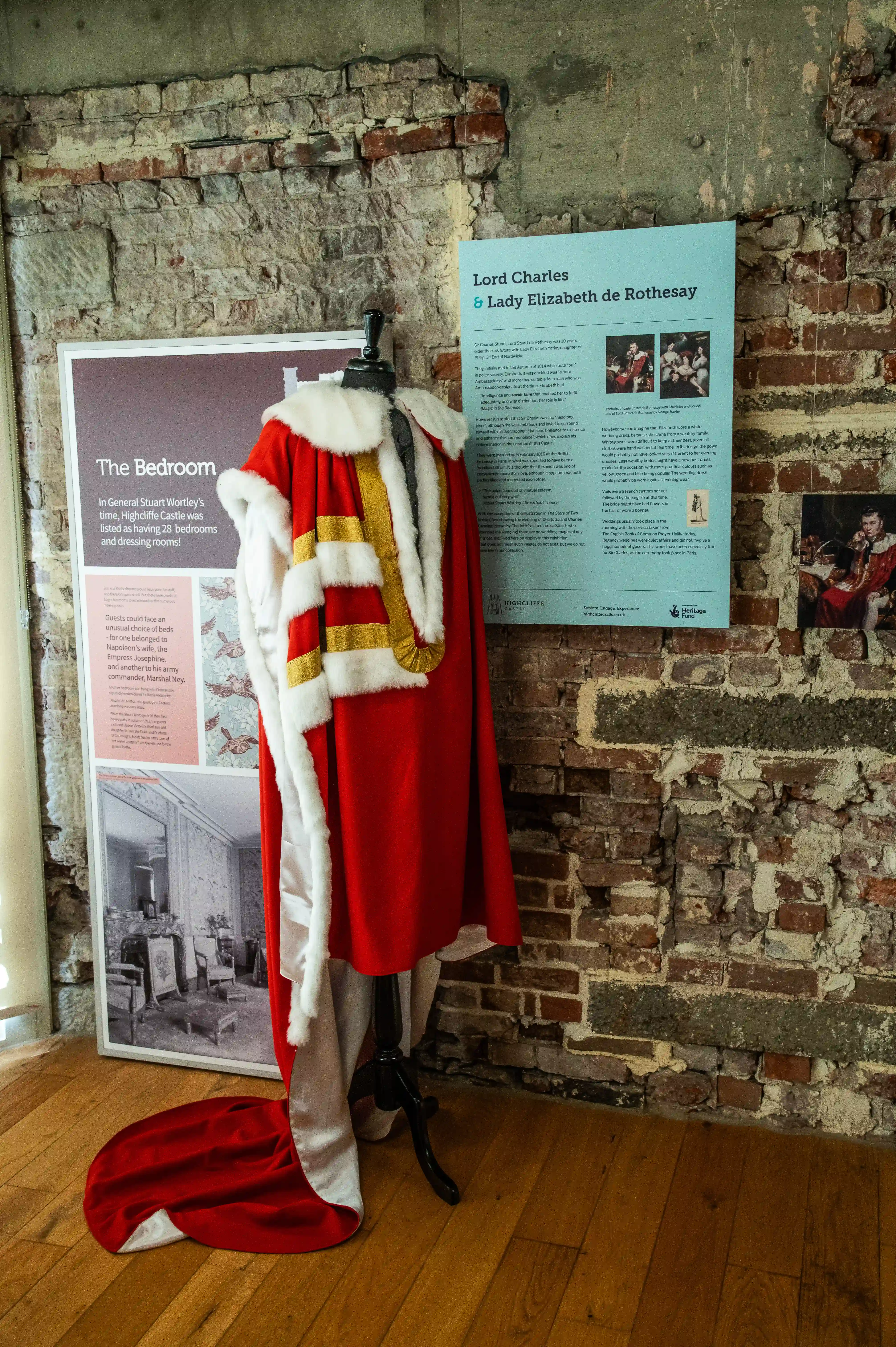
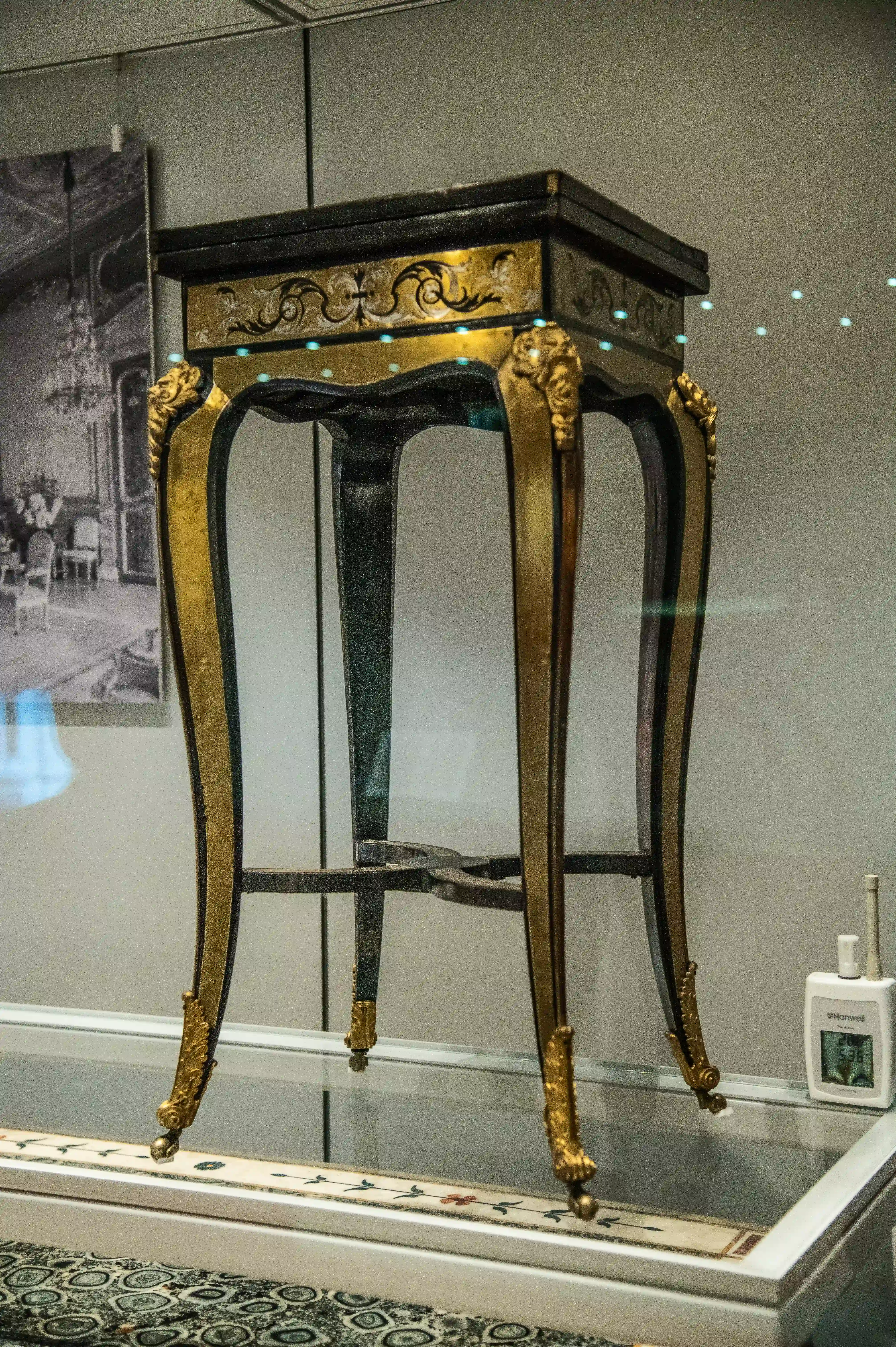
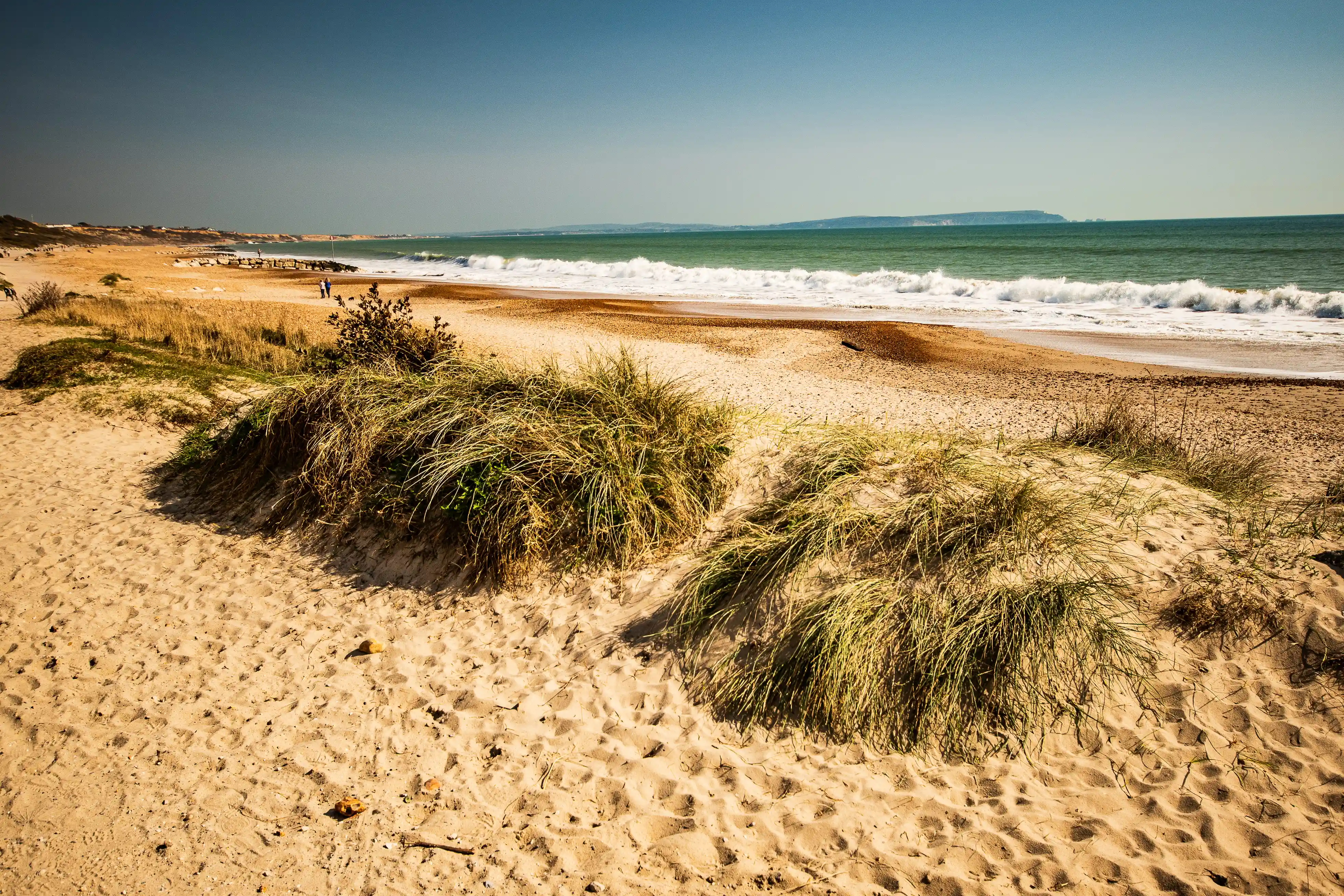
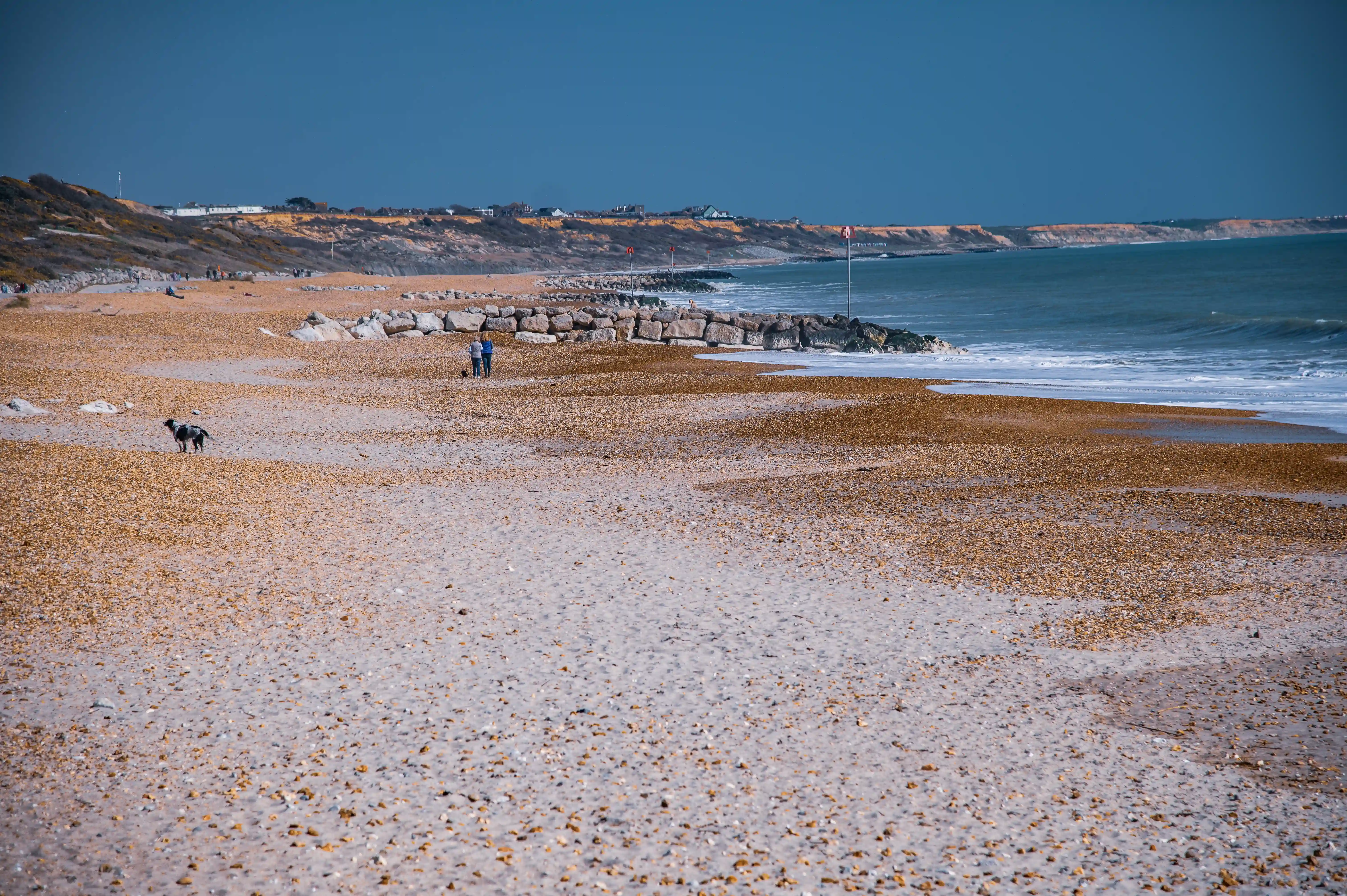
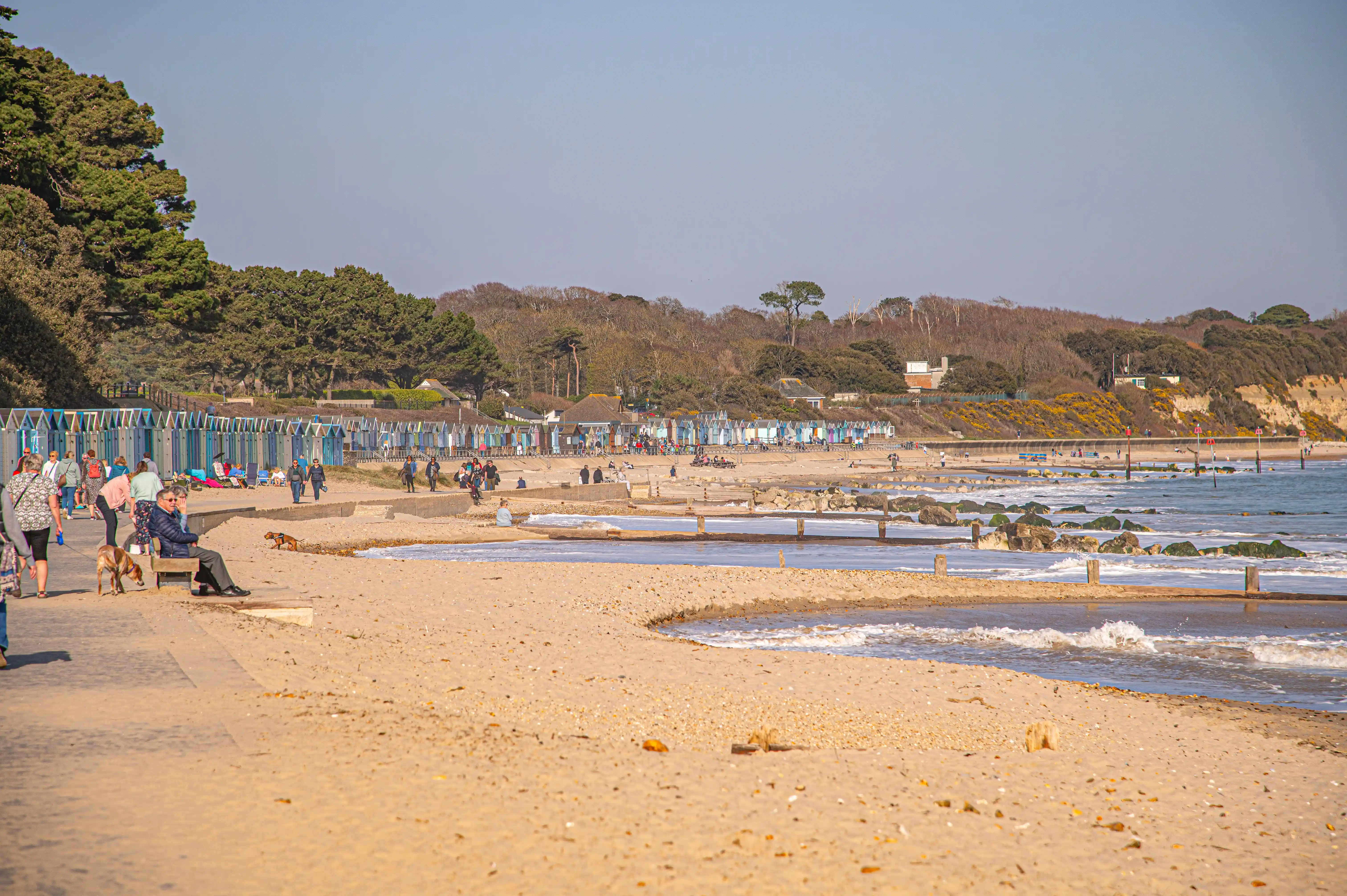
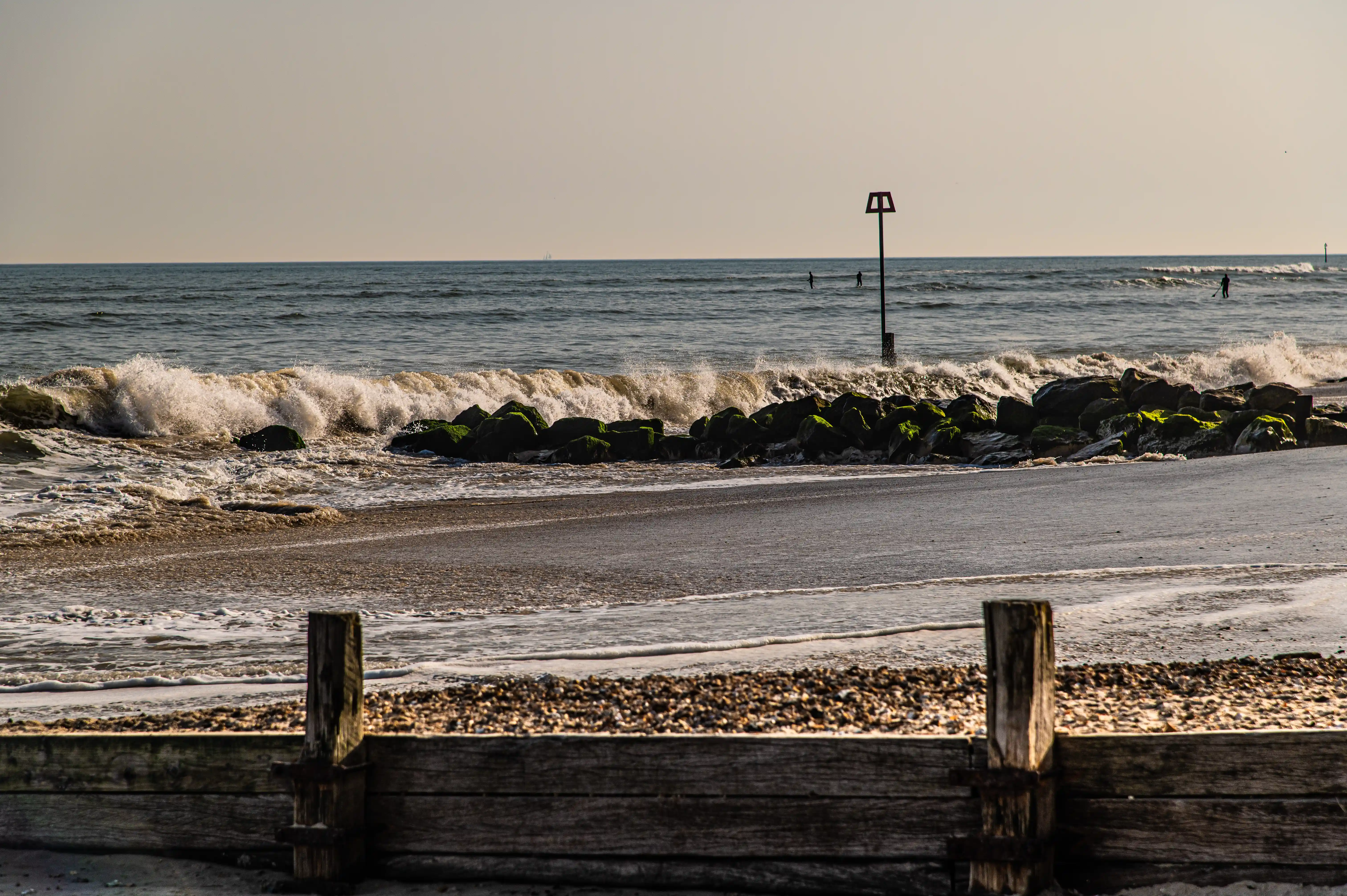
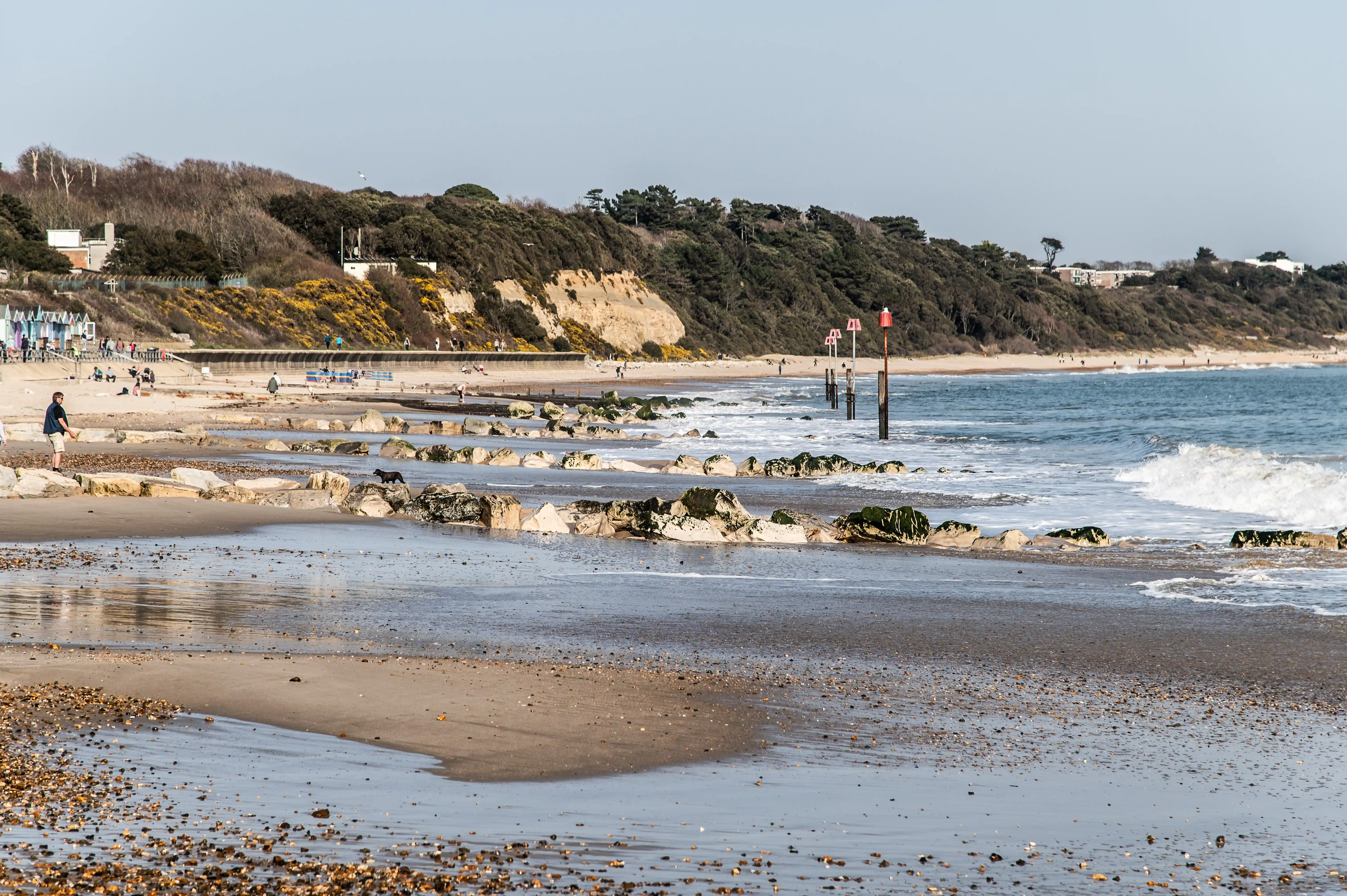
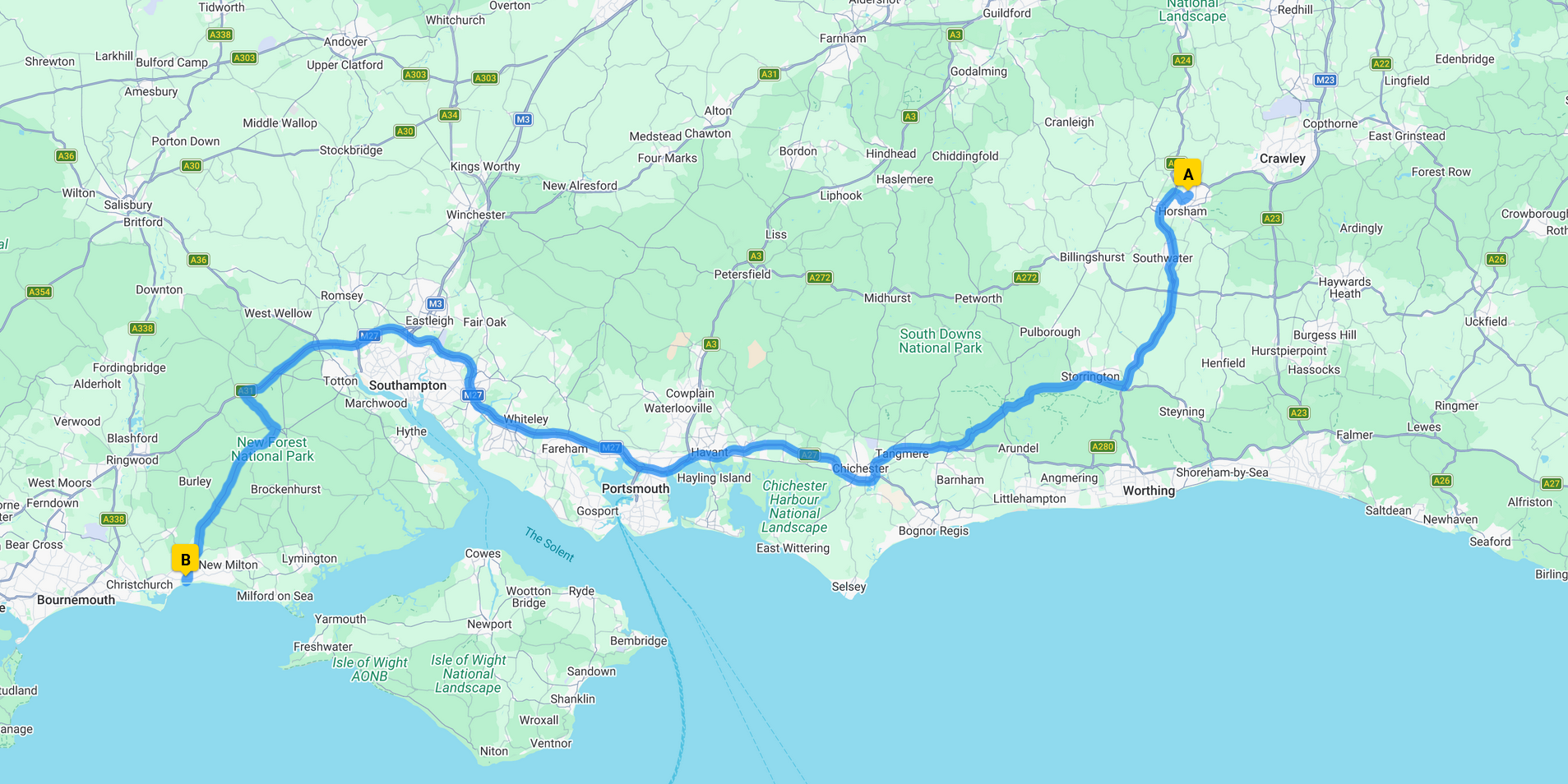
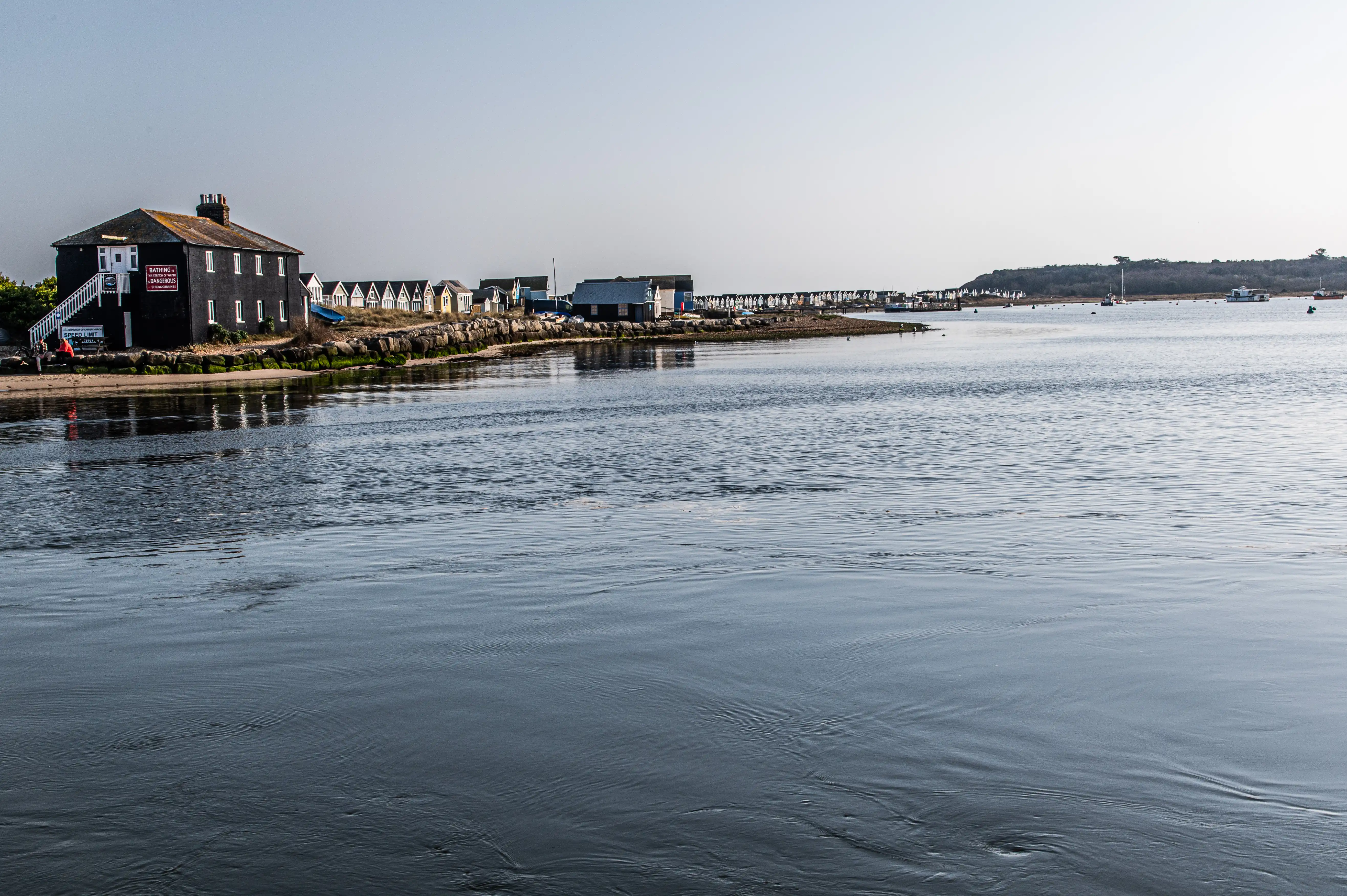
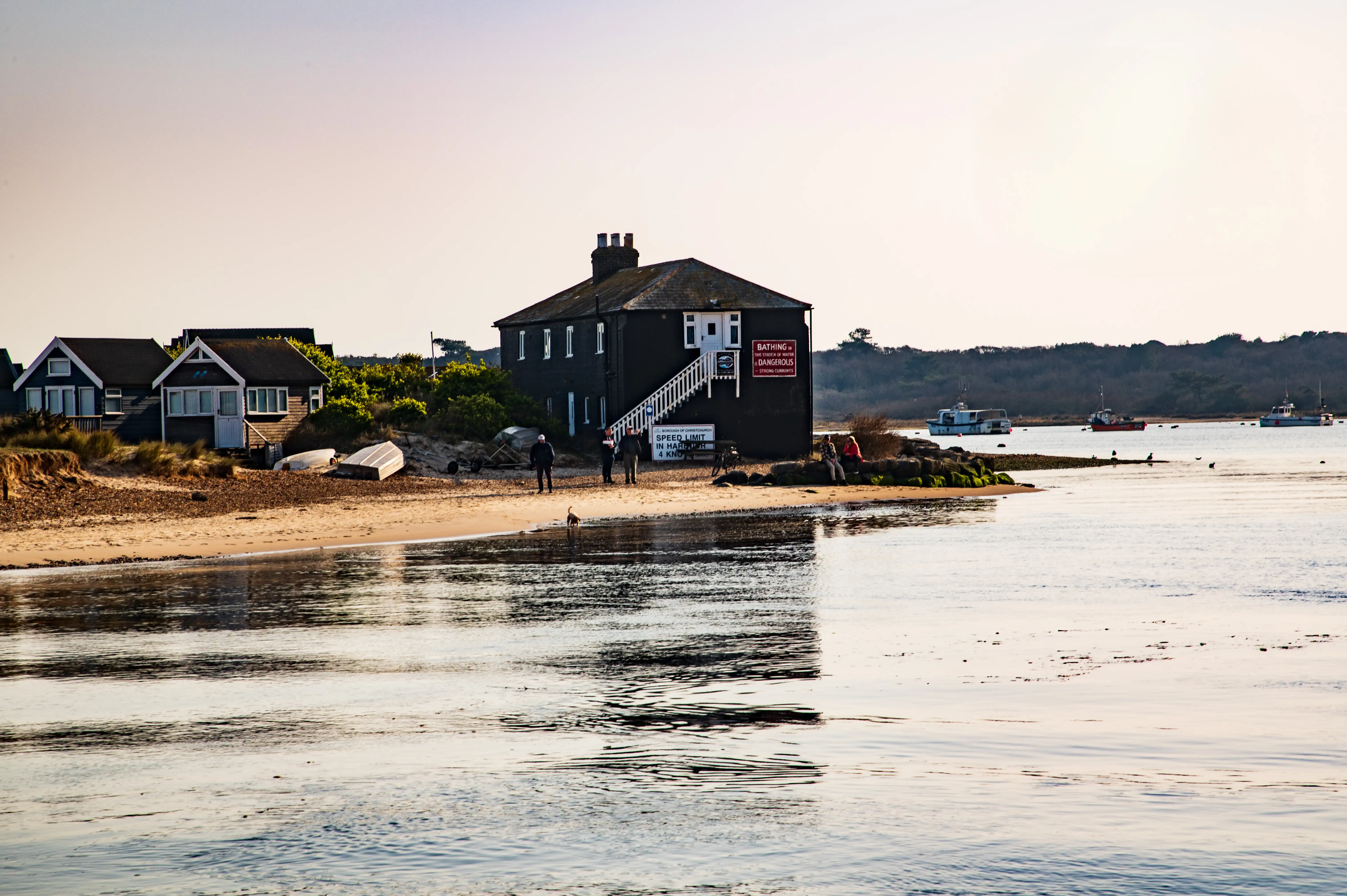
Highcliffe Castle is a stunning Grade I listed Gothic Revival mansion built between 1831 and 1836 by Lord Stuart de Rothesay, incorporating medieval French stonework and ancient stained glass, giving it a uniquely romantic and historic atmosphere. Once home to notable figures like Harry Gordon Selfridge (founder of London’s Selfridges) and visited by Kaiser Wilhelm II, the castle suffered devastating fires in the 1960s but has since been meticulously restored. Today, it operates as a museum, event venue, and visitor attraction, offering guided tours, exhibitions on its colorful past, and direct access to Highcliffe Beach and scenic cliff-top walks
A Fantasy in Stone and Glass
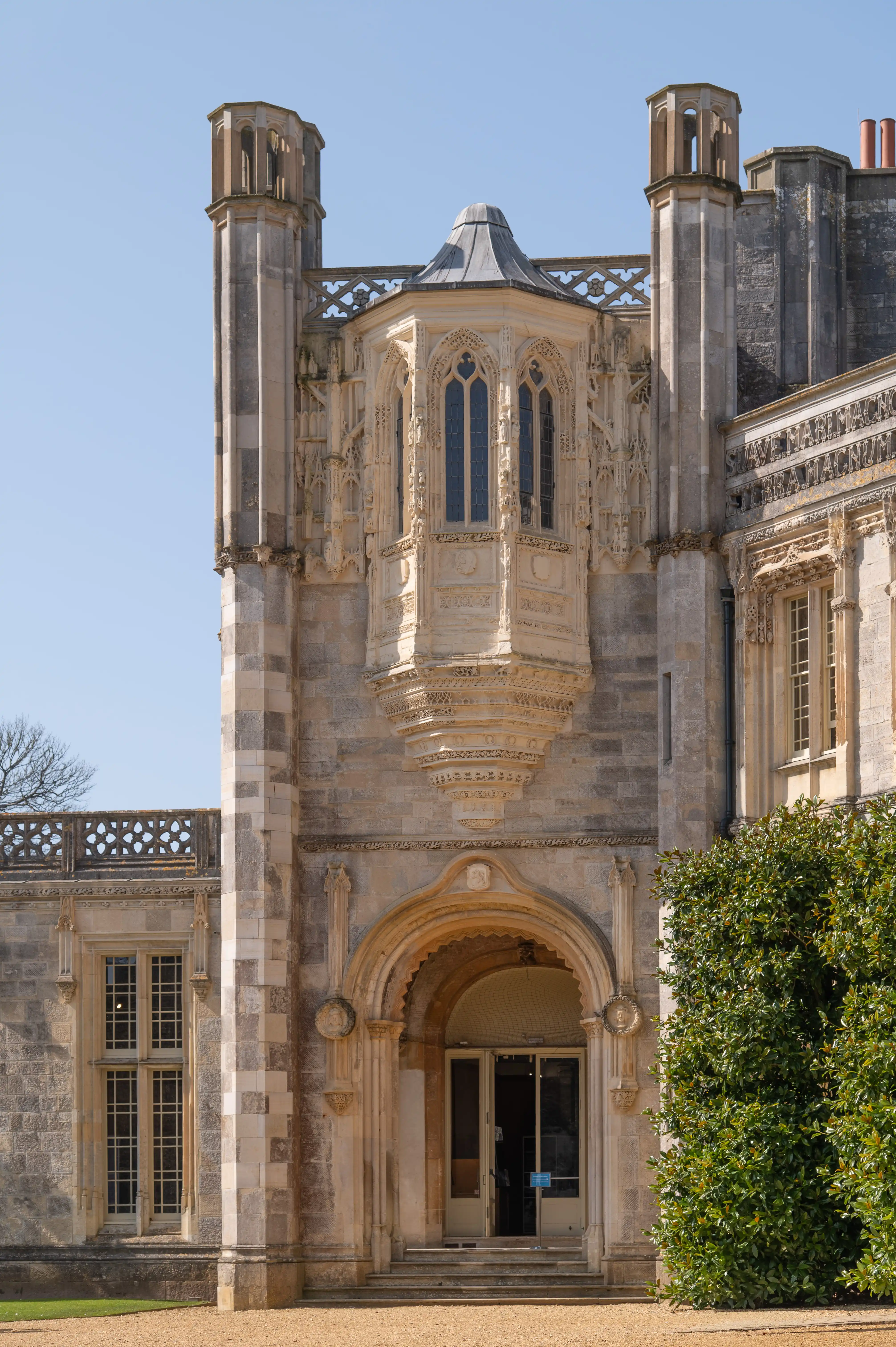
Perched on the cliffs above Christchurch Bay, Highcliffe Castle is a vision of Romantic excess, a Gothic Revival masterpiece born from the dreams of Lord Stuart de Rothesay in the early 19th century. Built between 1831 and 1836, the castle is a patchwork of medieval French stonework, salvaged from the ruins of the Abbey of Jumièges and the Grande Maison des Andelys, and woven into a fairy-tale façade of turrets, oriel windows, and soaring arches. The effect is both grand and intimate, a castle that seems to have grown organically from the cliffs, its ancient stained glass and carved stone lending it an air of timeless mystery. It is as if a fragment of the Middle Ages was plucked from Normandy and set down on the Dorset coast, a testament to one man’s passion for the past and the picturesque.
A Stage for Royals, Rebels, and Ruin
Highcliffe Castle’s history is as colorful as its architecture. Its halls once echoed with the laughter of royalty—King Edward VII and Queen Alexandra were frequent guests, and Kaiser Wilhelm II convalesced here in 1907, gifting the castle a pair of stained-glass windows in gratitude. The flamboyant Harry Selfridge, founder of London’s legendary department store, rented the castle in the 1910s, filling its rooms with the clatter of high society and the whispers of scandal. Yet by the late 20th century, the castle had fallen into disrepair, its roofs lost to fire and its grandeur reduced to a shell. For decades, it stood as a melancholic ruin, a ghost of its former self, until a painstaking restoration in the 1990s brought it back to life, its stonework and glass once again gleaming in the coastal light.
A Castle Reborn
Today, Highcliffe Castle is a phoenix risen from the ashes, its restored interiors and landscaped gardens open to the public, its halls hosting weddings, concerts, and exhibitions. The castle’s most famous feature, the Wintergarden, still resonates with the music of Dame Nellie Melba, the Australian soprano who once sang here, her voice filling the space with golden notes. The views from its windows—across the bay to the Needles on the Isle of Wight—are as breathtaking as ever, a reminder of why this place has captivated so many. Highcliffe is not just a building; it is a story of ambition, decline, and rebirth, a castle that refuses to be forgotten.
A Legacy of Romance and Resilience
Highcliffe Castle is more than an architectural curiosity; it is a symbol of the Romantic era’s fascination with the past, a place where history and fantasy intertwine. Its walls, built from the bones of ancient abbeys, its gardens designed to evoke a medieval idyll, and its halls filled with the echoes of a glittering social history, all speak to a desire to escape the present and dwell in a world of chivalry and beauty. For visitors, it remains a place of wonder—a castle that seems to float between reality and dream, its towers reaching toward the sky, its stones whispering tales of kings, merchants, and the relentless sea.